Photo credit: Theavidoutdoorsman.com
Most folks don’t think twice about what a heavy gun safe weighs until it’s already bolted down, loaded up, and doing the job it was bought for: keeping firearms secure and out of the wrong hands. That’s why one homeowner’s week went sideways fast when his neighborhood association decided his safe—right around 700 pounds once it was in place—wasn’t allowed.
The kicker wasn’t the weight. It was the paperwork.
A routine “rule reminder” turned into a demand
The homeowner had moved into a managed community that came with the usual stack of documents—bylaws, covenants, and a set of rules most people skim once and file away. He wasn’t trying to turn the place into a gun shop. He had hunting rifles, a couple handguns, and the kind of gear you accumulate after years of range time and seasons in the woods.
He picked a mid-to-large safe for a reason. More steel, more fire protection, and something that wasn’t going to walk out the front door with two guys and a dolly. He had it delivered professionally, set on an interior wall, and anchored the way the manufacturer recommended.
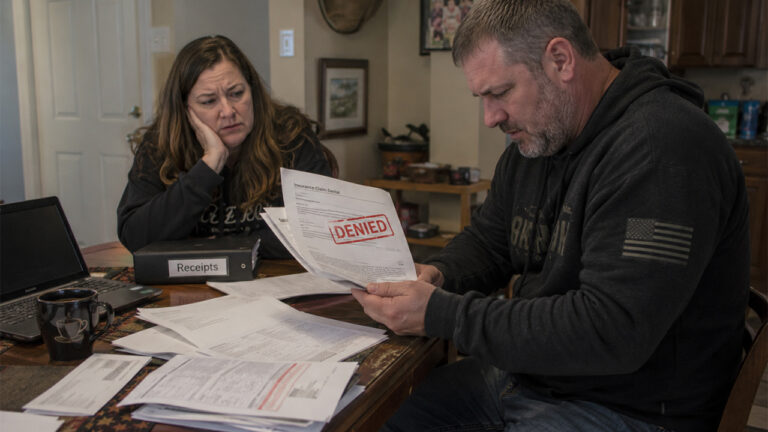
Not long after, a letter showed up: the association claimed there was a limit on “heavy equipment” and “floor loading,” and that his safe exceeded an allowable weight. The notice gave him a deadline to remove it or face fines.
The weight limit sounded official—until someone asked for the vote
On paper, the association’s reasoning looked tidy. They referenced a “weight rule” designed to prevent structural damage, especially in homes with second-story installations or rooms that weren’t built for concentrated loads. They also implied the safe could void insurance or create liability if something failed.
The homeowner didn’t have the safe upstairs. He wasn’t in a condo tower with questionable floors. He was on a slab foundation, and he had the safe placed where weight distribution wasn’t a mystery. Still, the board treated it like a black-and-white violation.
He did what most reasonable people do first: he asked for the exact rule in writing and where it appeared in the governing documents. What came back was a lot of “it’s in the rules” and “we’ve always enforced it,” along with a copy of a rule sheet that looked like it had been amended over time.
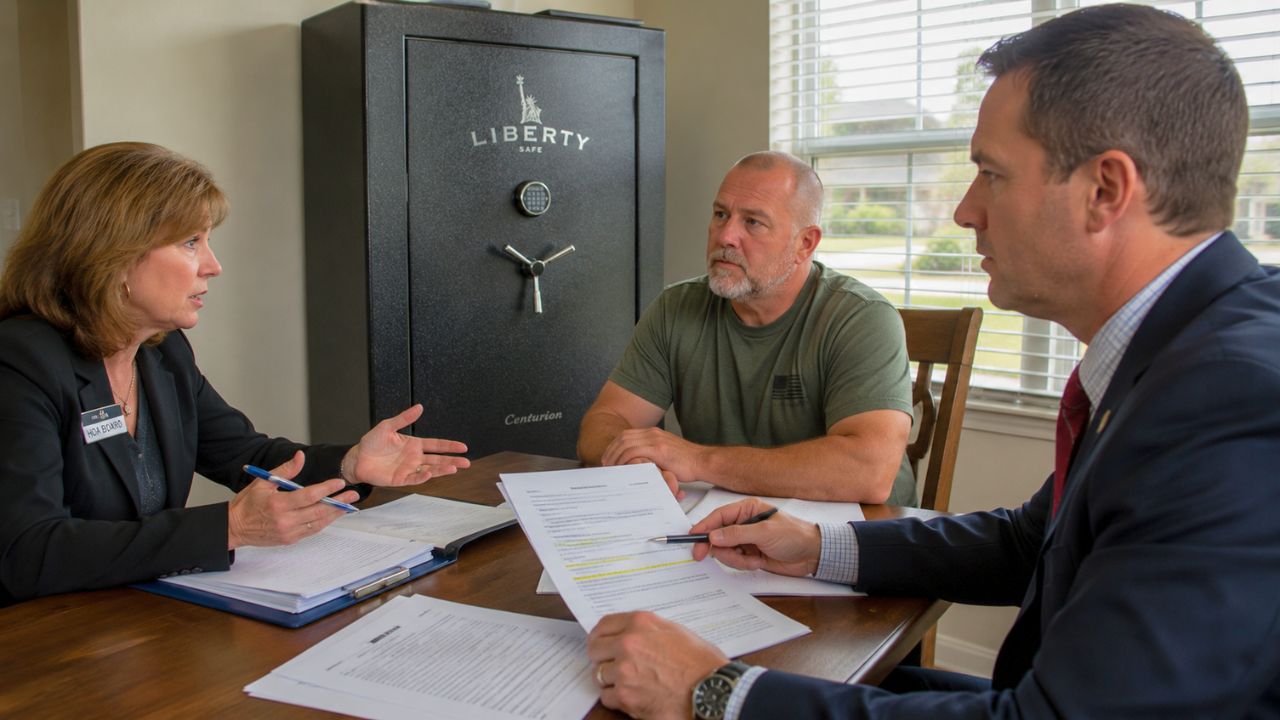
That’s when he called an attorney—less for a fight and more for clarity. And that’s when the story took a turn, because the “rule” the board was leaning on didn’t appear to have ever been properly adopted.
Paper trails matter, even in neighborhoods that act like towns
Most associations can’t just invent enforceable restrictions on the fly. There’s usually a required process: notice to members, a meeting, minutes recorded, and—depending on the documents—a vote by the board or the membership. Some changes have to be recorded, too, especially if they modify covenants rather than day-to-day guidelines.
Once the attorney started asking for meeting minutes, ballots, and the recorded amendment history, the board’s confidence reportedly cooled off. The association could point to a “policy” someone typed up years ago, but they couldn’t produce the formal vote that made it binding.
That distinction matters. A guideline like “don’t leave trash cans out” is one thing. A hard restriction that forces you to remove a major, expensive, safety-related piece of property is another. If the rule was never adopted correctly, then the association was trying to enforce something that didn’t have teeth.
And it wasn’t just the cost of the safe. Professional removal can run into the hundreds, sometimes more depending on stairs, tight turns, and whether you’re dealing with anchors and concrete. Add the risk of damaging floors, walls, and door frames, and “just move it” isn’t a small ask.
The safety angle got lost in the shuffle
Here’s what bothered a lot of gun owners watching the situation: a quality safe is the responsible move. It keeps kids out, keeps thieves working longer and louder, and helps keep firearms from ending up in the street. If a community claims it cares about safety, pushing a homeowner away from secure storage is a strange hill to die on.
In practical terms, many 700-pound safes aren’t even “huge.” They’re often the mid-range models people buy after they’ve outgrown the starter cabinet. Once you add long guns, optics, ammo, documents, and a dehumidifier, the weight climbs fast.
Some folks argued the board wasn’t really worried about structural load at all. They suspected it was about image—someone heard “gun safe” and pictured trouble, even if the safe was tucked behind a closet door and never seen. Whether that’s true or not, it’s common for associations to treat anything firearms-related as a nuisance by default.
Still, there’s a legitimate building concern worth mentioning: point loads. A safe concentrates weight on a small footprint. Put it on a weak subfloor or near the wrong span, and you can get sagging or worse. But that’s a “let’s verify placement” conversation, not an automatic removal order—especially when the safe is on a slab or properly supported area.
Commenters zeroed in on documentation, not arguments
When outdoorsmen and homeowners talk about these situations, the advice gets repetitive for a reason: document everything. Keep every letter. Demand the exact rule. Ask for the vote record. Ask where it’s recorded. Don’t rely on phone calls or hallway conversations with board members.
A lot of folks also pointed out that associations sometimes blur the line between “rules” and “preferences.” Boards change. Management companies change. What one group treated as a suggestion gets treated like law by the next group—until someone forces them to show their work.
Others focused on practical de-escalation. Not because the homeowner was wrong, but because these disputes can sour a neighborhood for years. If a quick structural engineer letter or a contractor note can confirm the safe location is sound, it can take the wind out of the board’s sails without turning it into a personal feud.
And yes, plenty of people recommended a simple step: don’t advertise what you own. No social media posts about “new safe day,” no delivery drama in the driveway if you can avoid it, and keep the safe out of sight from windows. A safe’s job is security, and attention is the opposite of that.
What this homeowner could do next—and what others should learn
Once the attorney established the rule wasn’t properly adopted, the homeowner had leverage. That doesn’t automatically make the board friendly, but it changes the playing field. Associations often back off when they realize enforcement could expose them to legal costs or complaints from other members who don’t like arbitrary rulemaking.
The homeowner still had a few practical options. He could insist the violation be withdrawn and any fines removed. He could request a formal hearing. He could also push for a proper rulemaking process if the community truly wanted a weight limit—because if they do it the right way, at least everyone knows where the lines are.
For gun owners, the bigger lesson is simple: your safe can become a “property issue” in places you wouldn’t expect. Before you buy, skim the covenants for anything about floor loads, prohibited equipment, or “hazardous items” language that gets twisted into firearm restrictions. Put the safe where the structure is strongest, keep the receipt and specs, and take photos of the install.
Most of all, don’t let anyone bully you out of safe storage with half-baked policies. If a neighborhood wants to act like a government, it needs to follow its own rules like one. A 700-pound safe isn’t a nuisance—it’s one of the most responsible pieces of gear a hunter or gun owner can buy.
Like The Avid Outdoorsman’s content? Be sure to follow us.
Here’s more from us: