Photo credit: AmmoLandTV/YouTube
A serious survival firearm should solve problems without creating new ones. It should be durable, easy to maintain, supported by common ammunition, and useful for more than one narrow task. Weight, magazine availability, replacement parts, and the ability to operate without specialized tools matter far more than appearance.
That immediately rules out many guns that are excellent at the range or impressive inside a collection. Proprietary magazines, unusual cartridges, delicate electronics, competition tuning, and oversized configurations become liabilities when supplies are limited. These 20 firearms might be enjoyable to own, but they have no place in a survival kit built around real emergencies.
KelTec P50
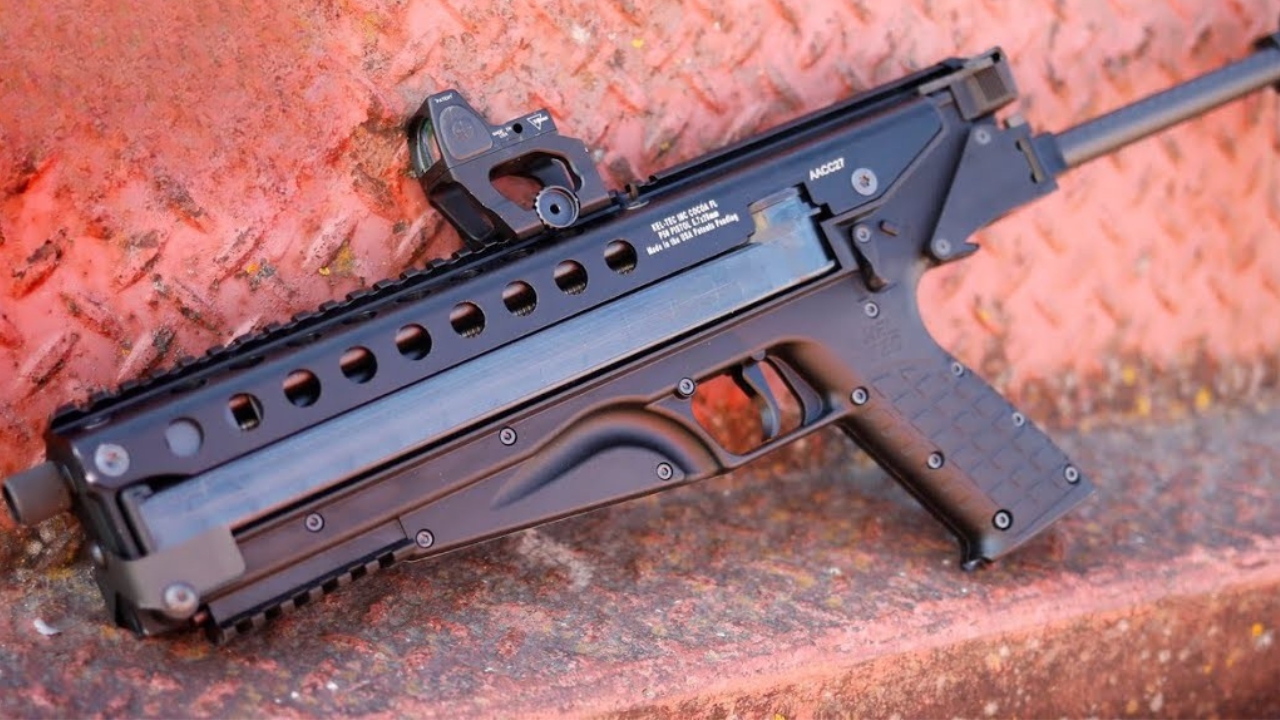
The P50 holds 50 rounds of 5.7x28mm in a top-mounted magazine and looks like something designed for a science-fiction movie. It is light, compact, and undeniably entertaining.
It is also awkward to load, difficult to holster, and dependent on proprietary FN P90-style magazines. The 5.7x28mm cartridge is less common than 9mm or 5.56 NATO, while the gun’s unusual layout makes malfunction clearing less intuitive. A survival pistol should be easy to carry and operate under stress. The P50 creates too many handling and supply problems.
Smith & Wesson M&P 5.7
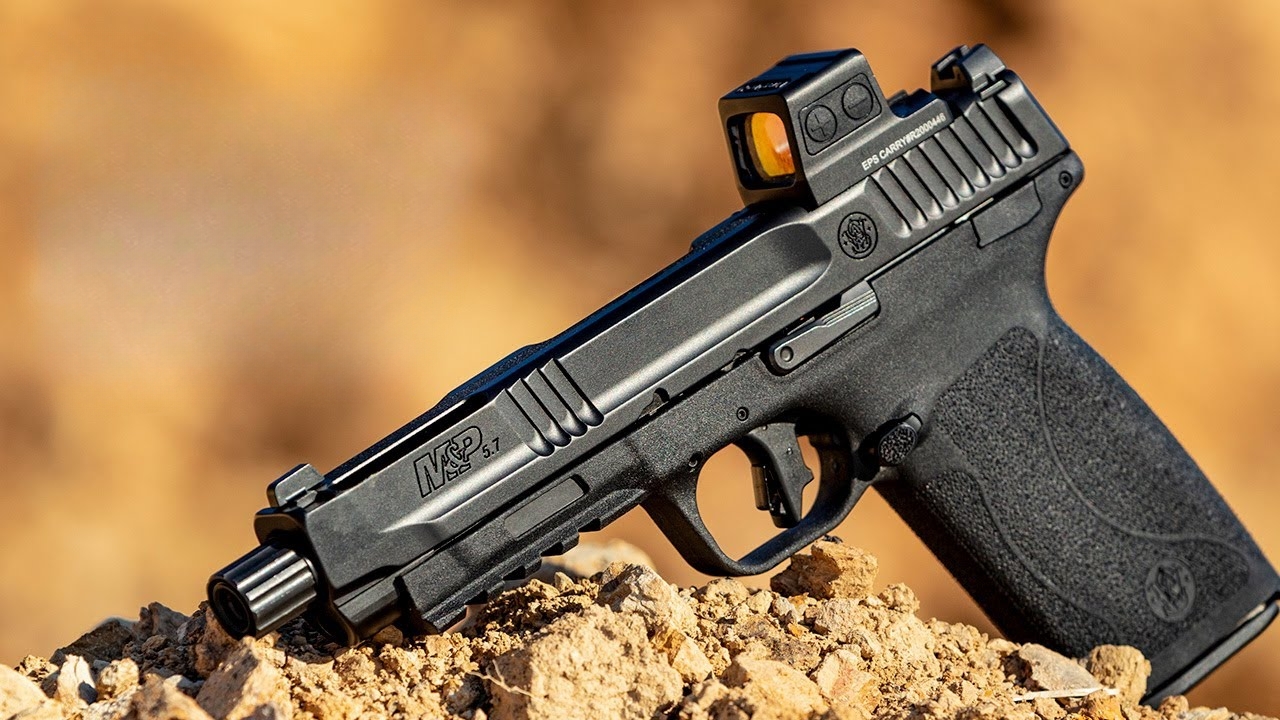
The M&P 5.7 offers low recoil, excellent capacity, and a remarkably thin grip for a full-size pistol. Its gas-operated system also makes it softer shooting than many conventional handguns.
That specialized operating system is not what I want in a survival kit. The pistol depends on proprietary magazines, a less common cartridge, and parts that cannot be borrowed from an ordinary M&P9. It may be dependable, but a basic 9mm service pistol is easier to feed, repair, and share with another shooter.
PSA 5.7 Rock
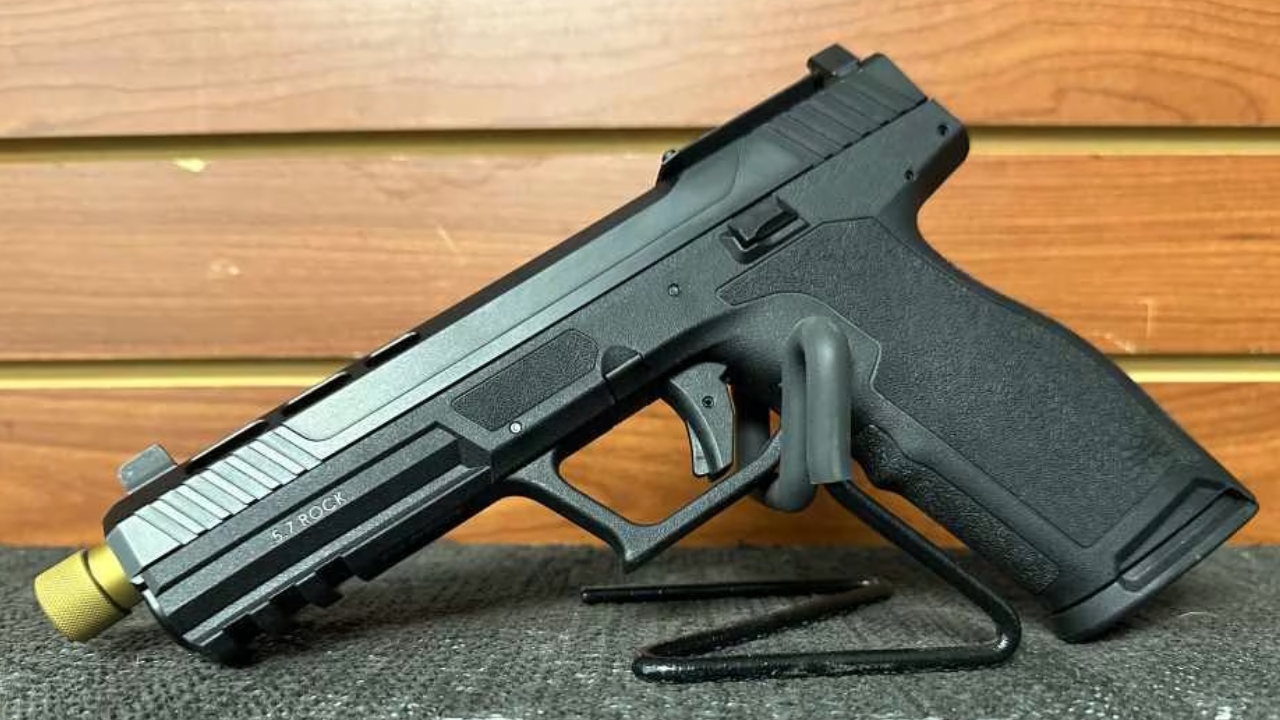
The Rock makes the 5.7x28mm cartridge much more affordable and provides impressive magazine capacity. It is one of the better values in the category.
Affordability does not solve the logistical problem. Its magazines and ammunition remain specialized, while the platform lacks the enormous support network surrounding common 9mm pistols. A survival gun should make ammunition scavenging and magazine replacement easier, not tie the owner to one manufacturer and cartridge.
Diamondback Sidekick
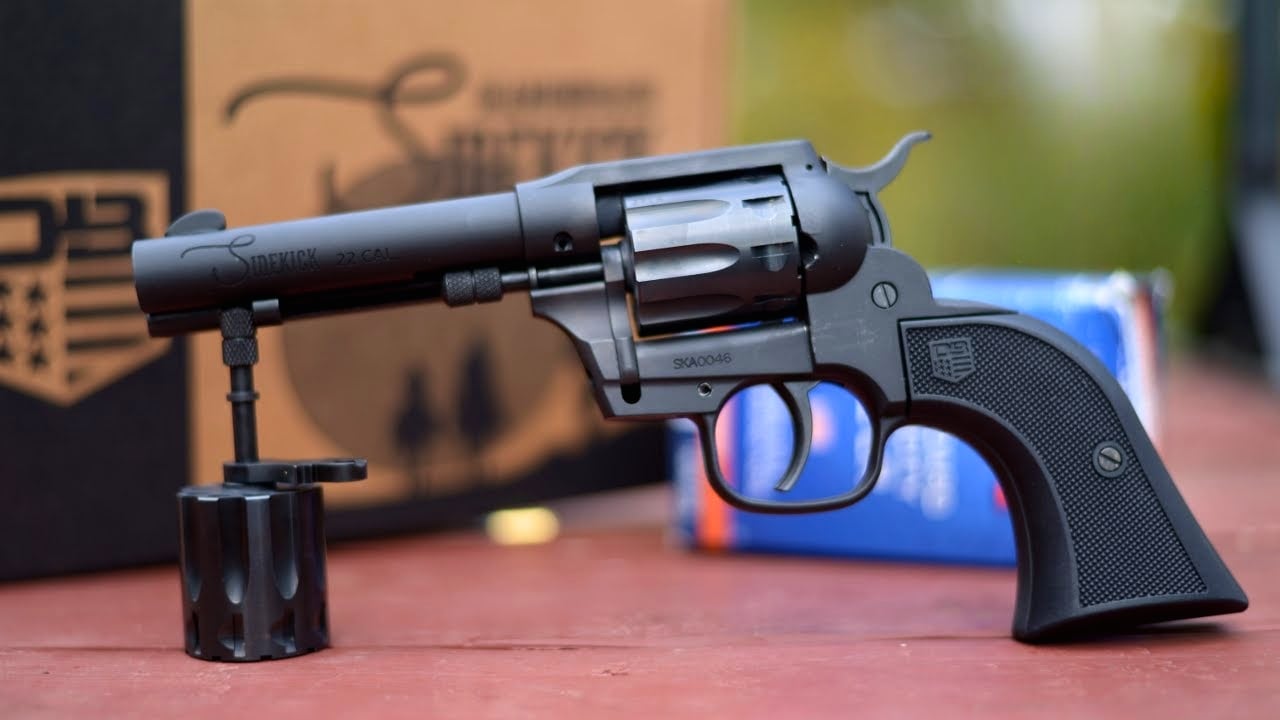
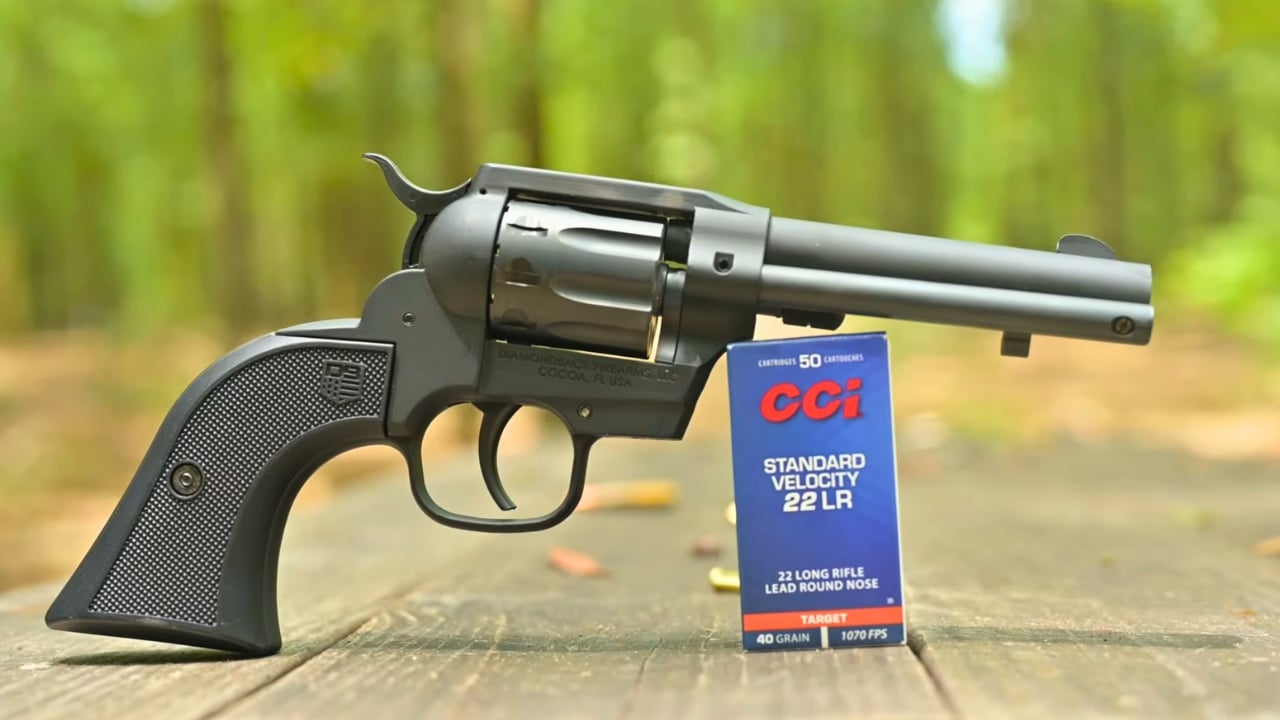
The Sidekick is a modern double-action rimfire revolver that can use both .22 LR and .22 Magnum cylinders. That flexibility sounds useful for camping and emergency use.
Its large size, budget construction, and rimfire ignition keep it from being a serious survival sidearm. The swing-out cylinder design is more complicated than a basic single-action rimfire, while the gun is still too weak for many defensive roles. It offers versatility on paper without replacing a reliable centerfire handgun or lightweight rimfire rifle.
Heritage Rough Rider Tactical Cowboy

The Tactical Cowboy adds a threaded barrel, rail, and modern sights to the inexpensive Rough Rider single-action revolver. It is fun, distinctive, and capable of hosting accessories rarely seen on a traditional rimfire.
None of those additions make it a better survival gun. It remains slow to load, slow to unload, and dependent on rimfire ammunition. The rail and threaded barrel add bulk without solving the limited capacity or fragile budget construction. A simple semiautomatic .22 rifle would provide far more practical value for the space.
SIG Sauer P320 XFive Legion
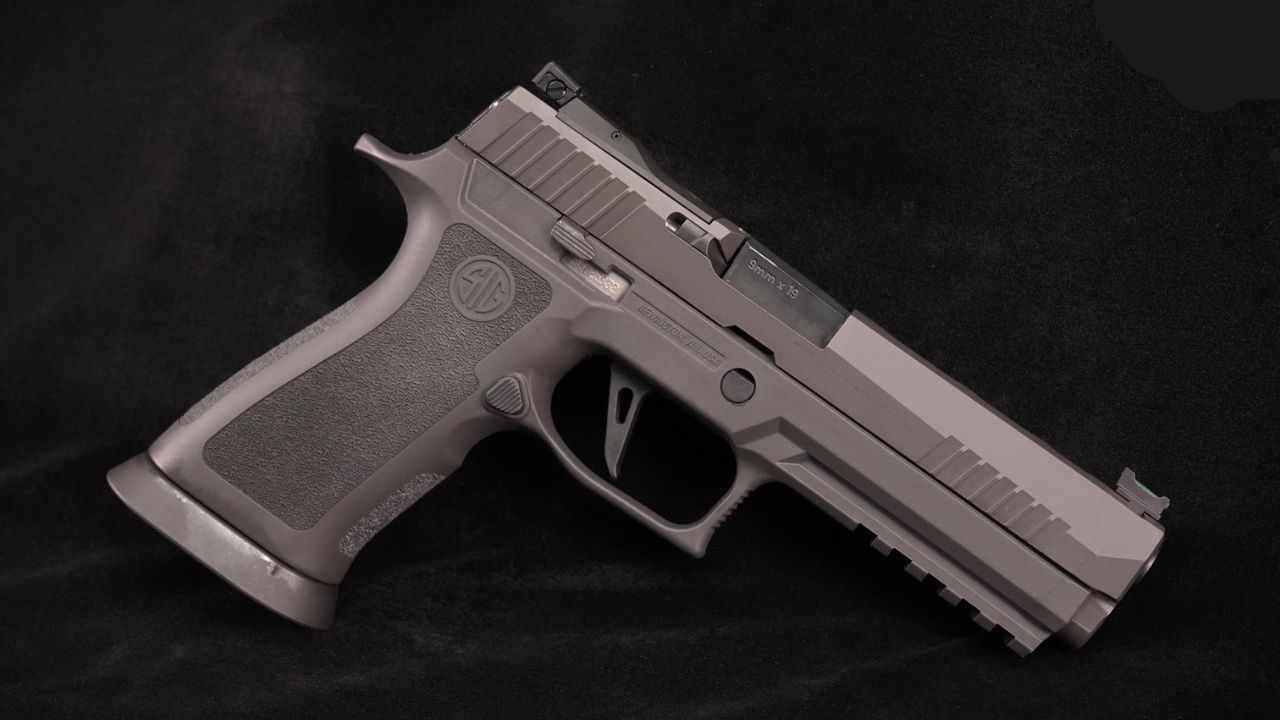
The XFive Legion is heavy, stable, and exceptionally easy to shoot quickly. Its tungsten-infused grip and competition-oriented configuration make it one of the better striker-fired match pistols.
That extra weight becomes a burden in a survival kit. The extended magazine well, long slide, competition sights, and specialized recoil setup add bulk without improving basic defensive utility. It is a pistol built for stages, timers, and controlled environments. A lighter service-size handgun accomplishes the same defensive job with fewer ounces and fewer specialized parts.
Canik SFx Rival-S
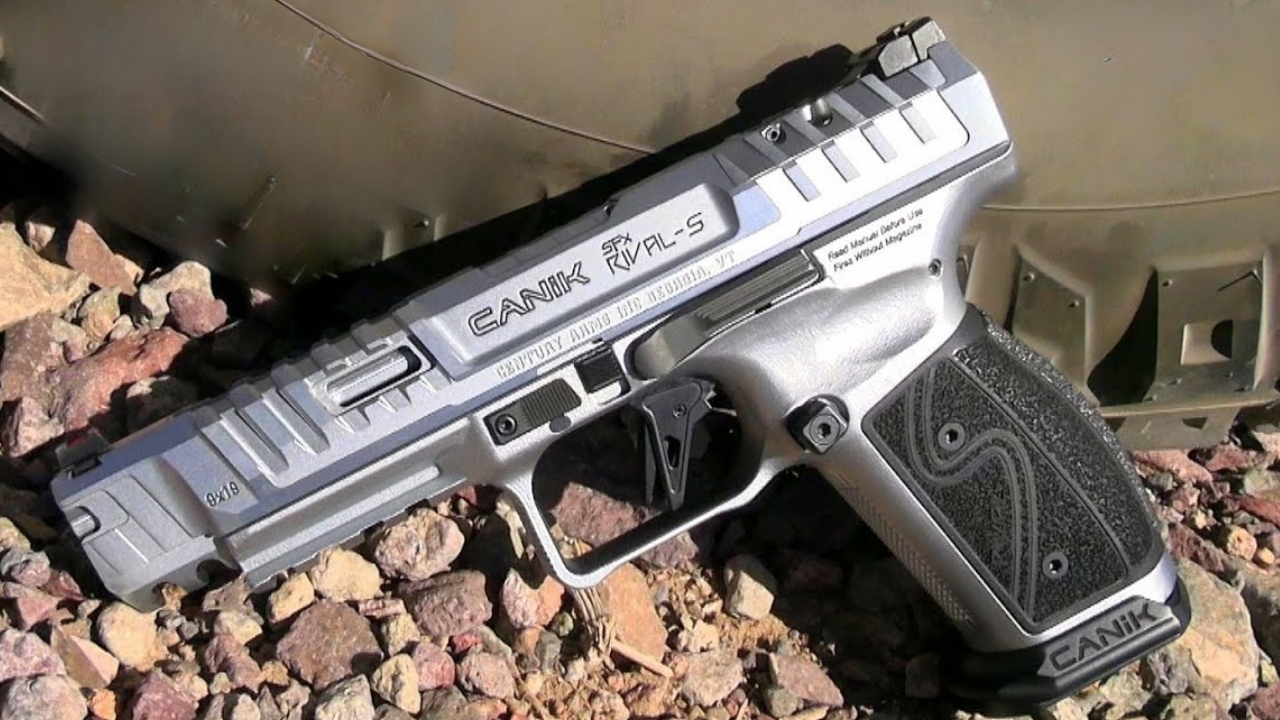
The Rival-S uses a steel frame, long slide, competition trigger, and enlarged controls. It is designed to stay flat during rapid shooting and perform well in practical-pistol matches.
It is far too heavy and specialized for emergency carry. The large magazine well can interfere with damaged or improvised magazines, while competition-oriented springs and controls require more attention than a basic duty pistol. Survival equipment should be chosen for portability and simplicity, not the ability to shave time from a match stage.
Walther Q5 Match Steel Frame
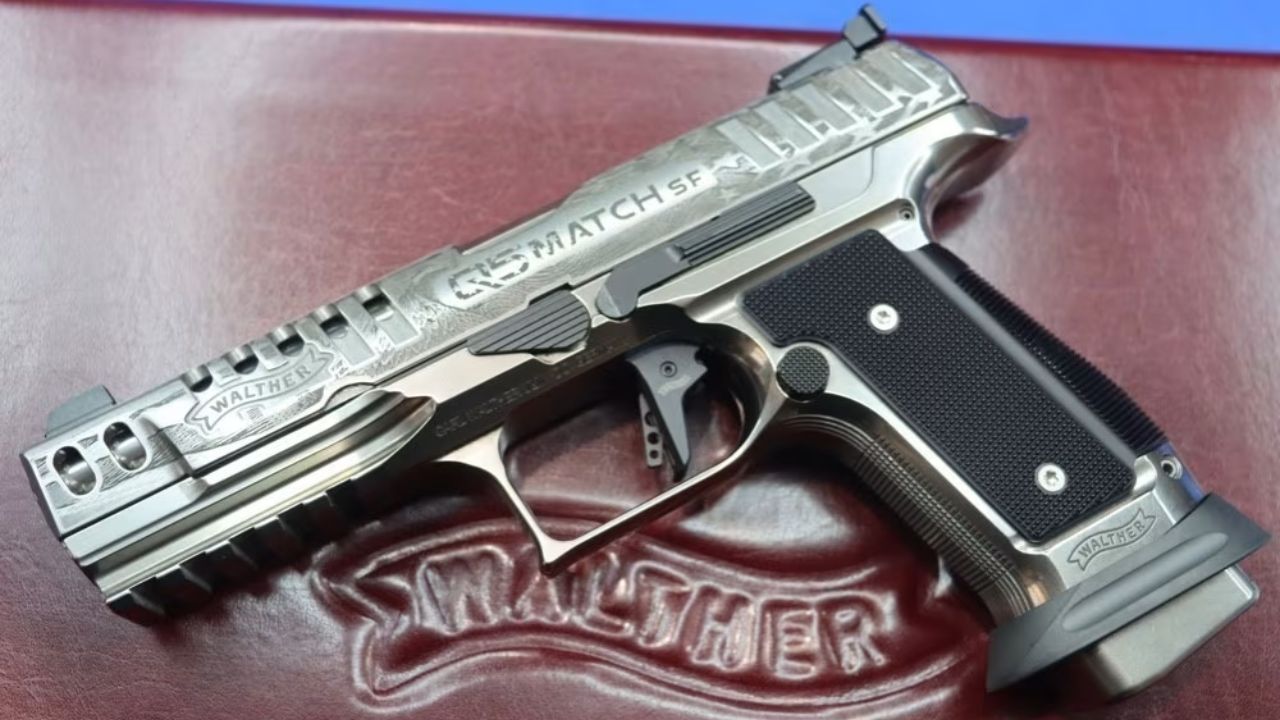
The Q5 Match Steel Frame is accurate, refined, and extremely stable. Its weight and excellent trigger make difficult shots feel easier.
The same features make it poorly suited to a survival kit. It is heavy enough to replace a pistol and a significant amount of ammunition, yet it provides no meaningful defensive advantage over a lighter PDP or similar service pistol. Adjustable sights and competition parts also create more opportunities for damage during rough transport.
CZ Shadow 2 Compact
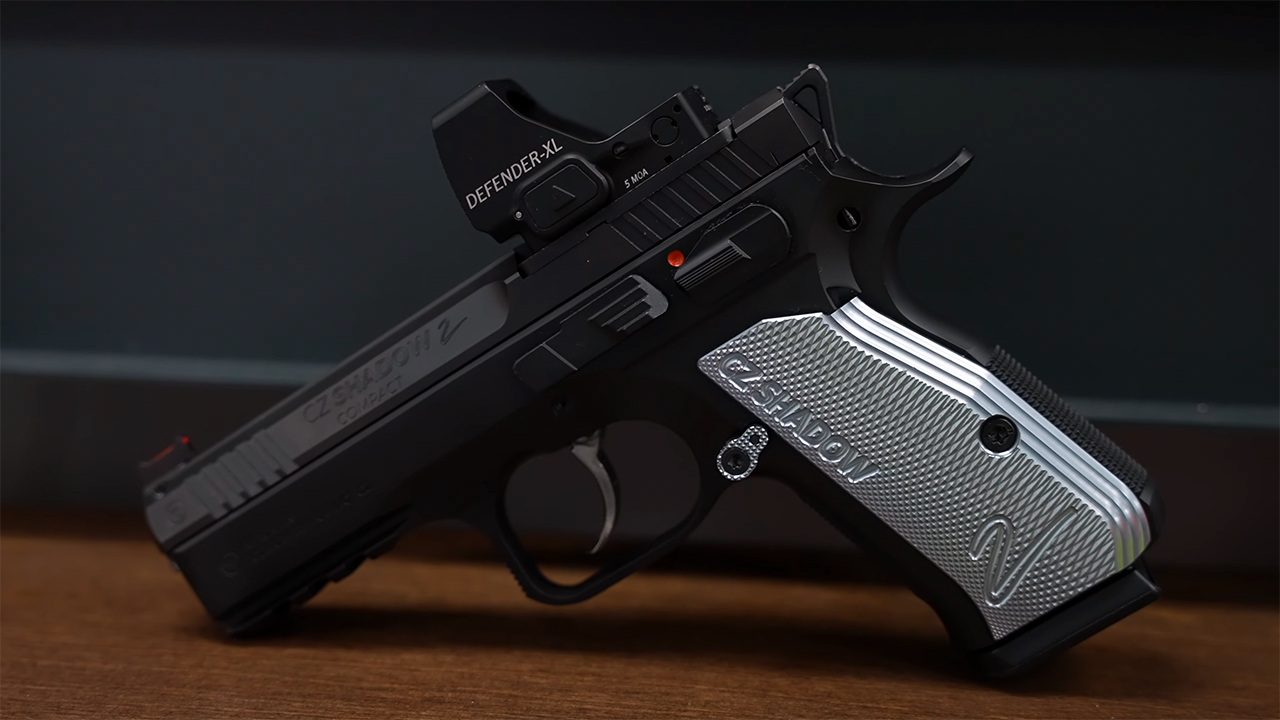
The Shadow 2 Compact brings much of the full-size Shadow’s shootability into a smaller metal-framed pistol. It is accurate, fast, and easier to carry than the original competition gun.
It remains heavier and more mechanically demanding than a basic polymer service pistol. The manual safety, exposed hammer, competition-style internals, and limited tolerance for neglect make it a poor emergency choice. It is an excellent performance pistol, but a survival kit should favor simpler guns with wider operating margins.
Ruger Mark IV Tactical

The Mark IV Tactical is accurate, suppressor-ready, and easy to accessorize. Its fixed barrel and excellent trigger make it one of the better modern rimfire pistols.
It is also large and heavy for a .22 LR handgun. The long receiver, rail, threaded muzzle, and bulky magazines consume space that could be used for a compact centerfire pistol or lightweight rimfire rifle. It is a great range and small-game gun, but not an efficient all-purpose survival firearm.
Volquartsen Black Mamba
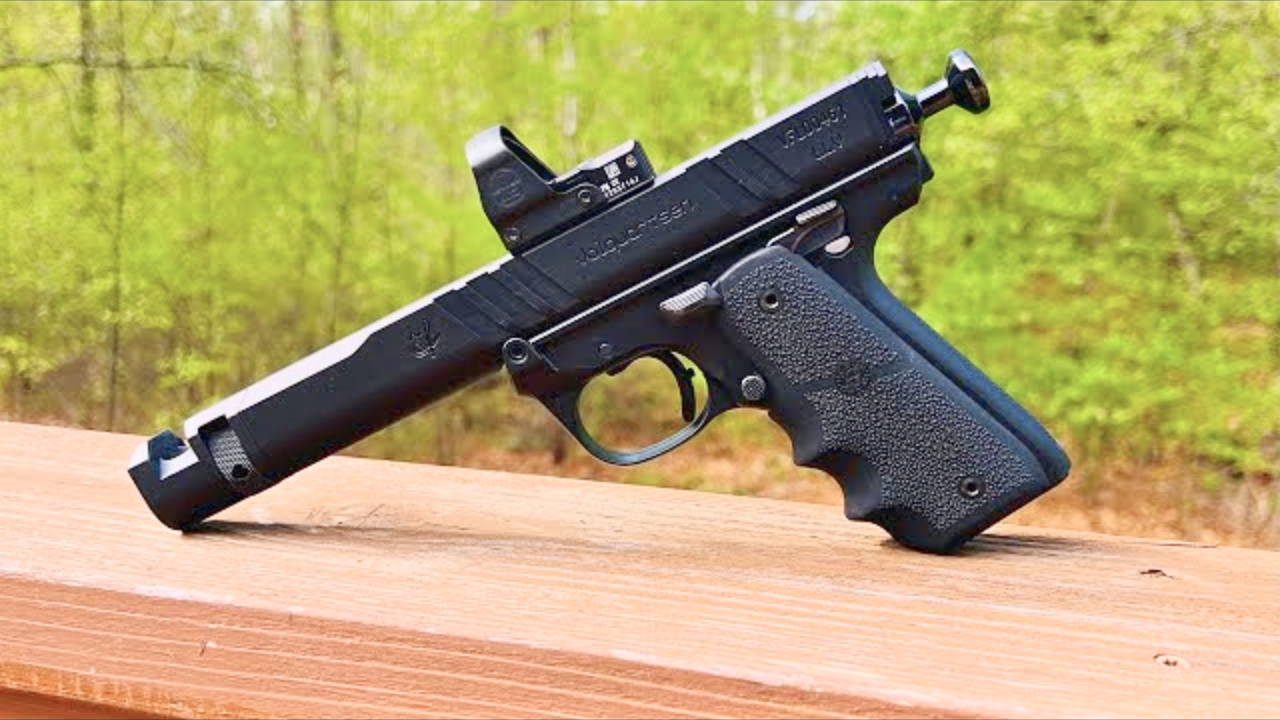
The Black Mamba takes the Ruger-style rimfire pistol to a much higher performance level. It offers excellent accuracy, a superb trigger, and lightweight premium components.
Its price and specialized construction make it a poor survival choice. Losing or breaking a proprietary component would be difficult to correct, while the pistol still depends on rimfire ammunition. A survival gun should be replaceable, repairable, and inexpensive enough to use hard. The Black Mamba is closer to precision sporting equipment.
CMMG Dissent Mk4 .300 Blackout
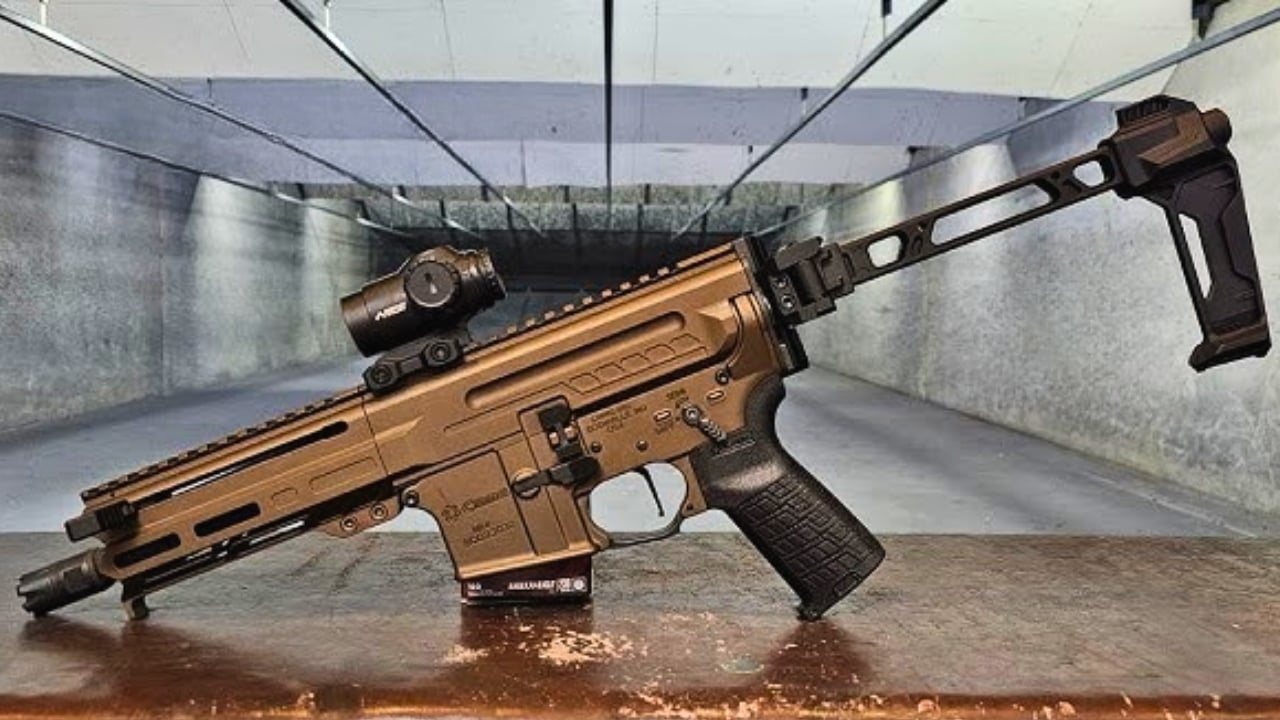
The Dissent offers a compact bufferless design, folding capability, and excellent suppressor compatibility. In .300 Blackout, it can be remarkably effective from a short barrel.
It also depends on a proprietary recoil system and specialized internal parts. The cartridge is less common than 5.56 NATO, and subsonic loads create additional point-of-impact and terminal-performance concerns. For a survival kit, a conventional 5.56 AR with common parts and magazines is easier to support.
SIG Sauer MCX Rattler LT .300 Blackout
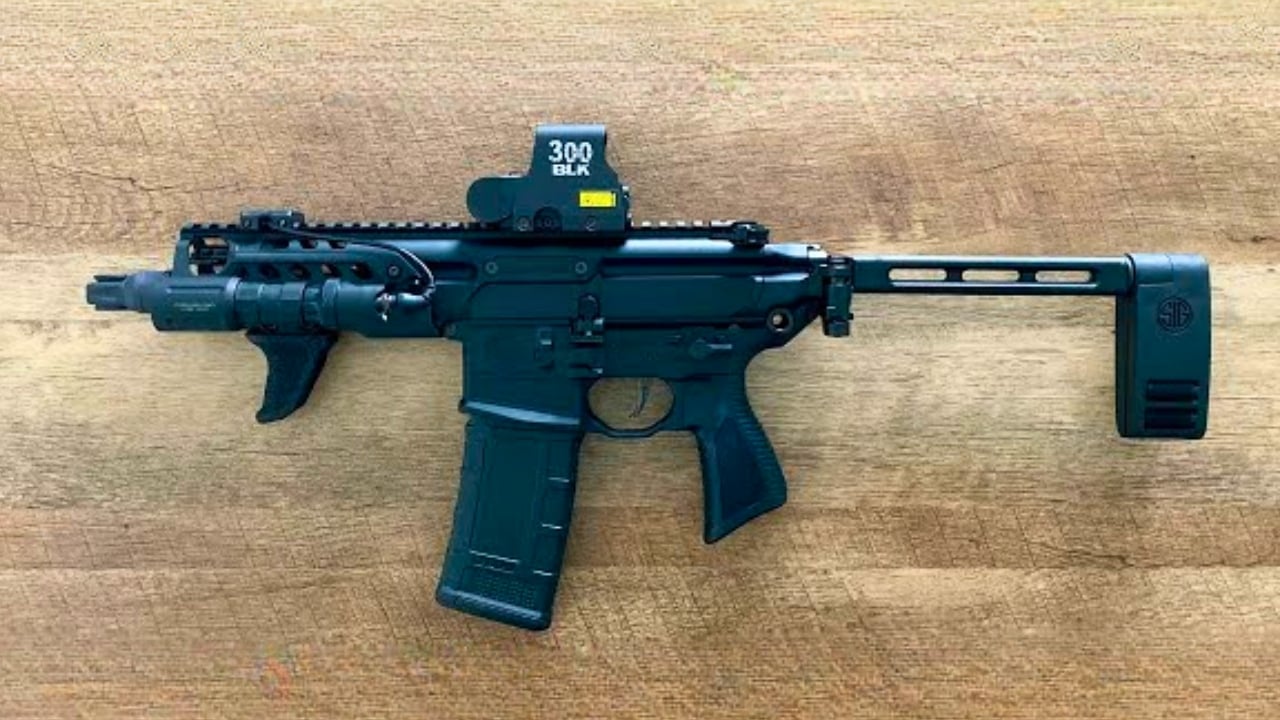
The Rattler LT is compact, suppressor-friendly, and designed around serious close-range use. Its folding stock and short barrel make it easy to store inside a vehicle or pack.
The rifle is expensive, mechanically proprietary, and tied closely to .300 Blackout ammunition. Replacement bolts, recoil components, handguards, and barrels are not common hardware-store items. It may be an excellent specialized defensive rifle, but a survival kit benefits more from a simpler rifle supported by ordinary AR-15 parts.
FN PS90

The PS90 offers a compact bullpup layout and 50-round magazines. Its mild recoil and full-length barrel make it easy to shoot quickly.
Its magazines are bulky and awkward to carry, while the 5.7x28mm cartridge remains less common than established rifle and handgun rounds. The controls and loading process are unfamiliar to most shooters. A survival rifle should be easy to supply and hand to another capable person without a lengthy explanation.
Springfield Armory Hellion

The Hellion is a durable bullpup rifle with a long-stroke piston, full-length barrel, and compact overall dimensions. It offers a lot of capability in a short package.
Its weight, unusual controls, proprietary internals, and limited parts availability work against it in a survival kit. The rifle is more difficult to inspect and repair than a common AR-15. Compactness is useful, but not when it comes with a platform that almost no local gunsmith or parts bin can support.
Desert Tech MDRX
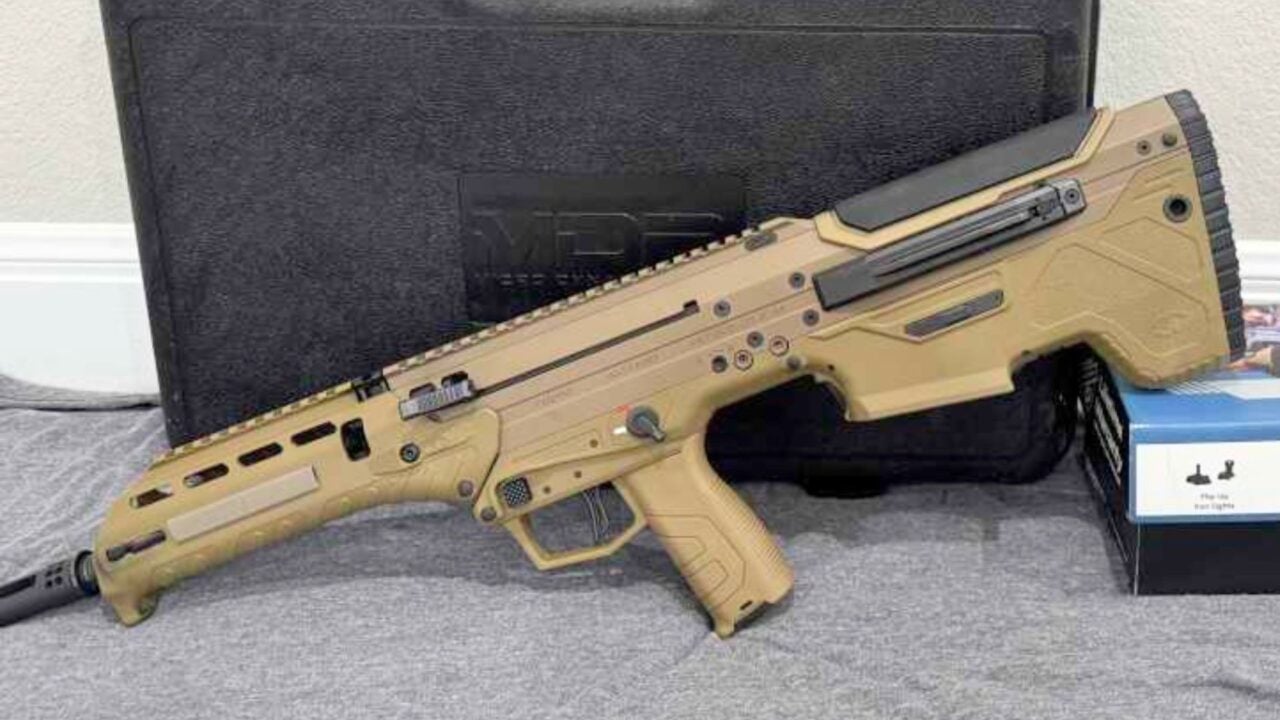
The MDRX is a compact bullpup available in several powerful chamberings. Its forward-ejection system and convertible design make it one of the more ambitious modern rifles.
That complexity has no place in a basic survival kit. Caliber conversions, proprietary magazines in certain configurations, complicated ejection components, and specialized internal parts all create potential failure points. The rifle may perform well when properly maintained, but survival equipment should not depend on an uncommon mechanical system.
KelTec RDB
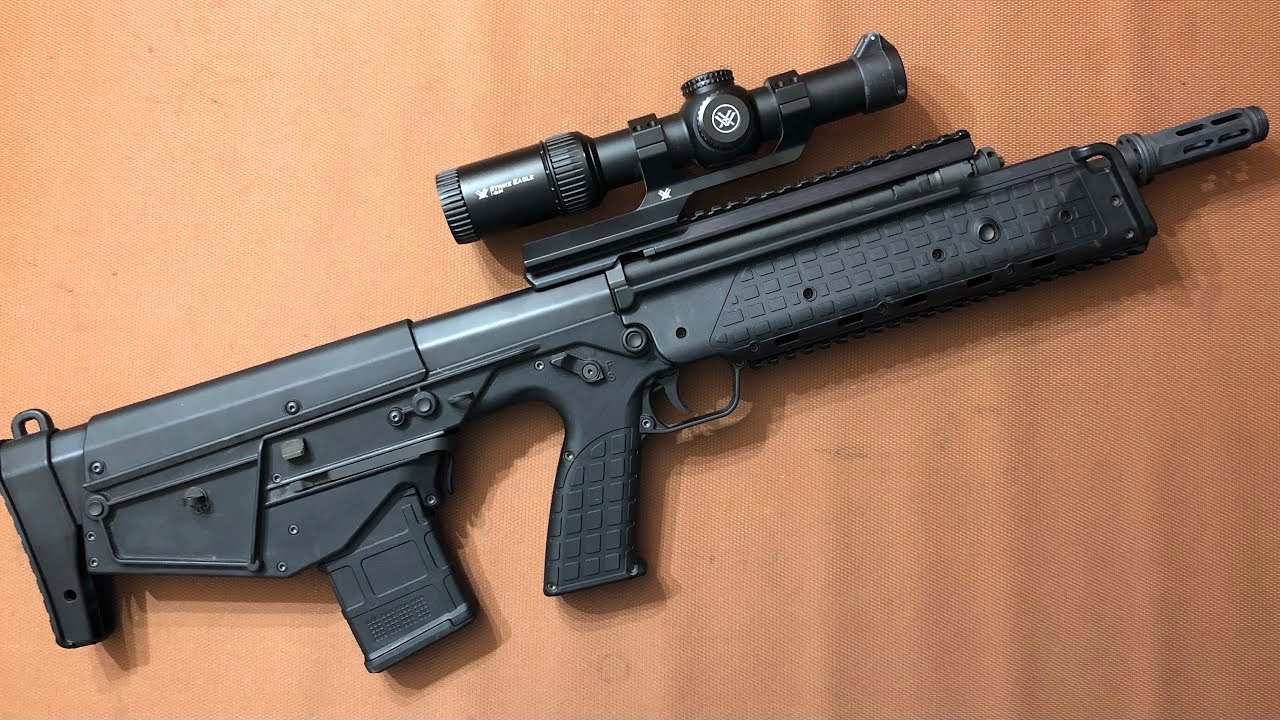
The RDB is lightweight, compact, and ejects cases downward. Its bullpup design gives shooters a full-length barrel without the overall size of a conventional rifle.
It relies heavily on polymer construction and an adjustable gas system that must be set correctly for the ammunition. Internal access is less intuitive than it is on an AR-15, and replacement parts are not widely available. It can be a useful recreational rifle, but it is not the platform I would choose when repair options are limited.
Genesis Arms Gen-12

The Gen-12 combines AR-style controls with a magazine-fed 12-gauge operating system. It offers enormous close-range firepower and faster reloads than a conventional tube-fed shotgun.
The magazines are large, expensive, and difficult to carry in quantity. Twelve-gauge ammunition is already bulky, and putting it into detachable box magazines makes the storage problem worse. The gun is also far more complex than a pump shotgun. Survival equipment should conserve space and tolerate neglect, not consume an entire pack.
Fostech Origin 12
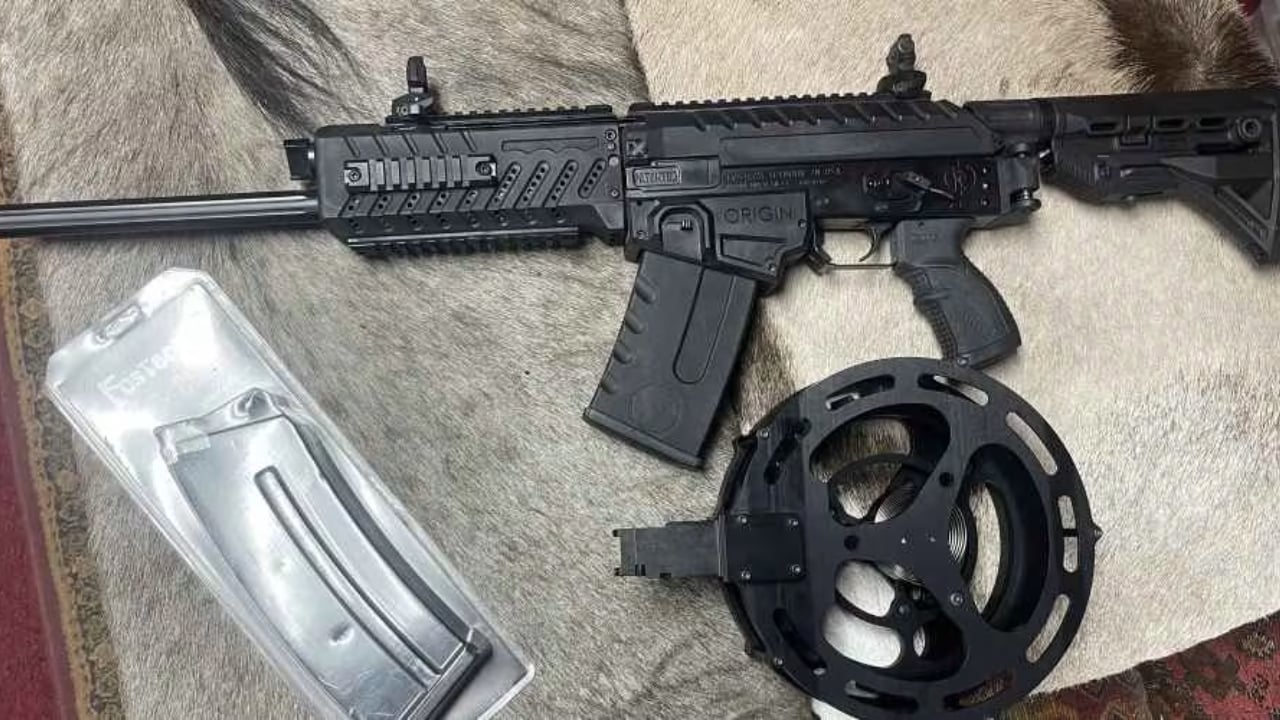
The Origin 12 is a fast-firing, magazine-fed semiautomatic shotgun built around aggressive styling and high-capacity feeding options. It can produce an impressive amount of firepower in a short period.
That is not the same as practical survival value. The magazines and drums are enormous, proprietary, and easily damaged. The shotgun is heavy, mechanically complex, and expensive to repair. A basic pump gun can be fed one shell at a time from loose ammunition and maintained with widely available parts.
Christensen Arms Modern Precision Pistol
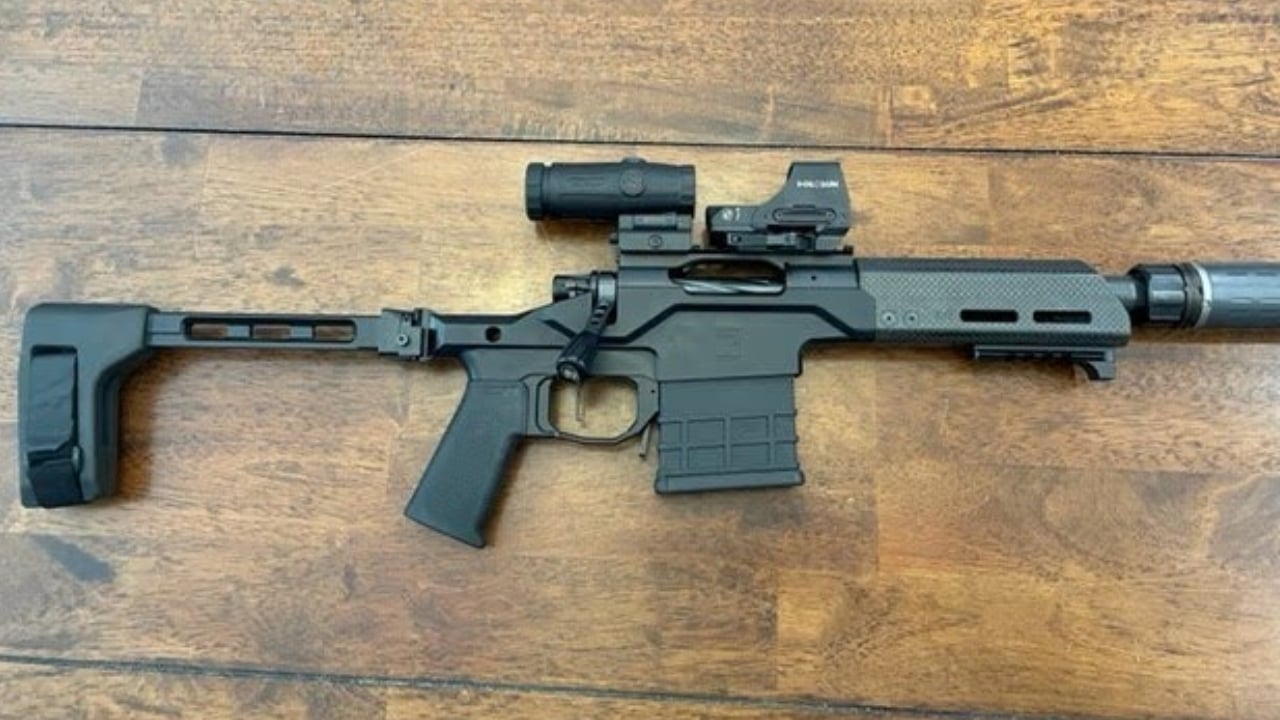
The Modern Precision Pistol is a compact bolt-action firearm built around a chassis, folding brace or stock configuration, and premium barrel technology. It can deliver rifle-like accuracy from a portable package.
It remains awkward compared with both a true rifle and a practical defensive handgun. The specialized chassis, short barrel, optic dependence, and bolt-action format limit its versatility. It is excellent for controlled hunting or precision shooting, but a survival kit needs a firearm that handles defense, field carry, and rapid follow-up shots with fewer compromises.
Like The Avid Outdoorsman’s content? Be sure to follow us.
Here’s more from us: