Photo credit: sootch00/YouTube
A defensive gun does not need to be the most accurate, expensive, or advanced model available. It needs to be predictable. The owner should know that it will fire when needed, remain safe while carried, feed the chosen ammunition, and have enough proven support to keep it running.
That does not mean every gun on this list is guaranteed to fail. Some are excellent range pistols, competition guns, or affordable alternatives. Others may run perfectly after thorough testing. I still would not make them my first choice for protecting a life when more established and less complicated options are readily available.
Taurus GX4
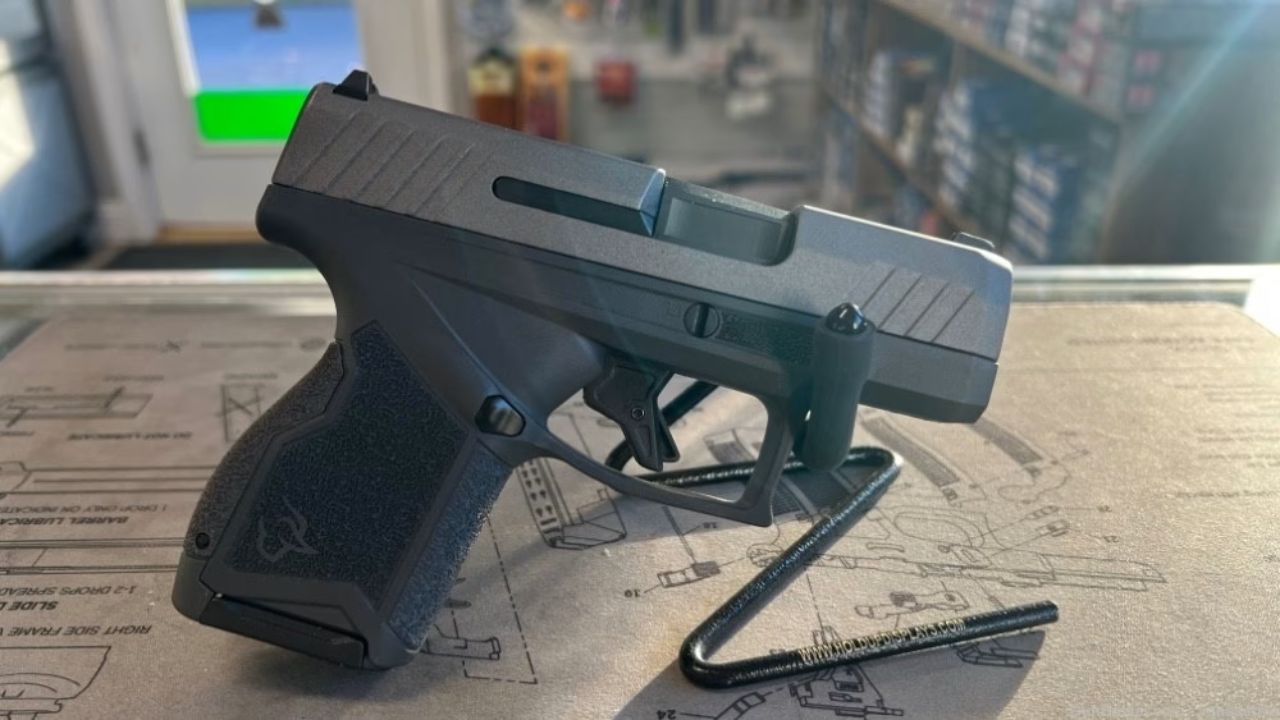
The GX4 made Taurus competitive in the micro-compact category. It offers useful capacity, a comfortable grip, and a trigger that feels better than buyers might expect at its price.
The problem is that Taurus currently instructs owners of potentially affected GX4 pistols to unload them immediately, stop using them, and check their serial numbers. That does not condemn every GX4, but it makes verification mandatory before trusting one defensively. An affected pistol should not be carried until Taurus completes the required work.
Pre-Upgrade SIG Sauer P320

The P320 is modular, accurate, and widely used. Current upgraded examples are not the same as the earliest production guns, and the platform has developed into a large family of duty, competition, and carry pistols.
I would not carry an older example without confirming it received SIG’s voluntary upgrade. SIG says the program adds lighter trigger, sear, and striker components along with a mechanical disconnector. The company continues to offer the program for qualifying pistols manufactured before September 2017.
Springfield Armory Prodigy 4.25

The Prodigy 4.25 gives buyers double-stack 1911 capacity, an excellent trigger, and optics capability for less than many competing 2011-style pistols. A properly sorted example can be fast and extremely accurate.
I still would not trust one straight from the box. The platform depends heavily on extractor tension, magazine condition, lubrication, recoil springs, and smooth internal movement. Owners should prove the individual pistol through a serious round count with their carry magazines and ammunition. At that point it may earn trust, but it should not receive it automatically because of the price.
Canik METE MC9
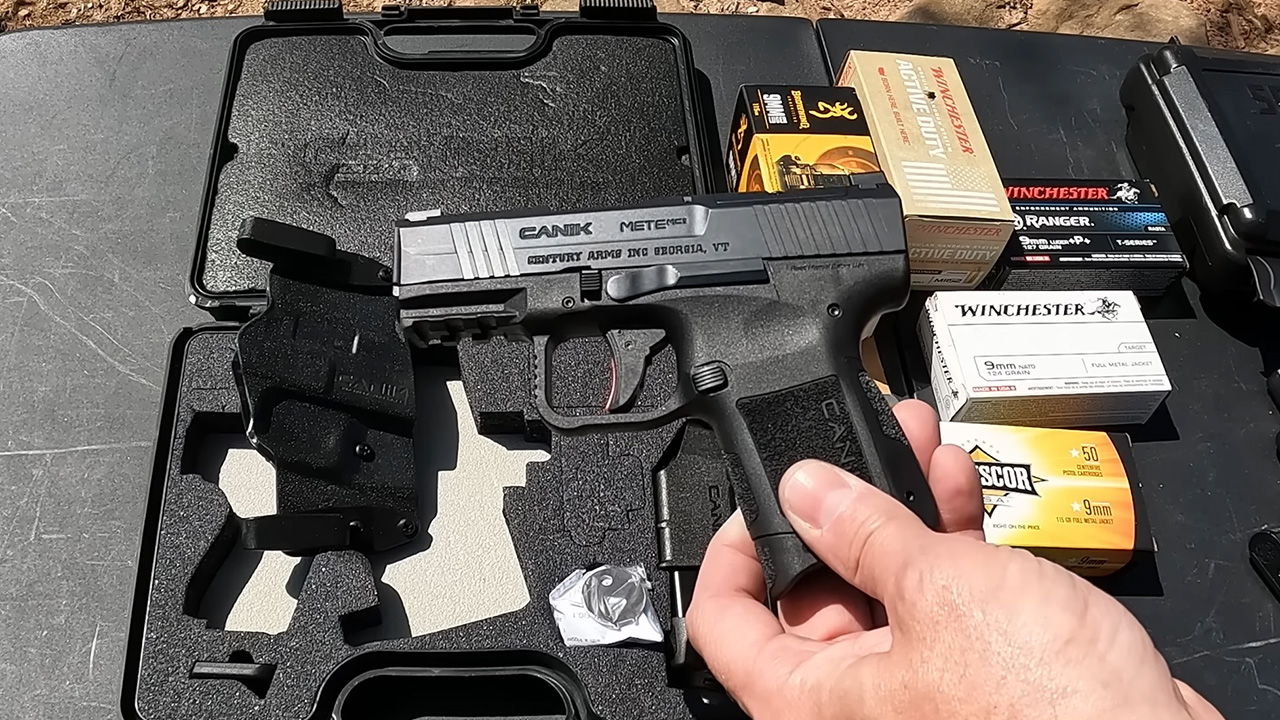
The METE MC9 offers excellent capacity and a very good trigger inside a genuinely compact package. Its dimensions and price have made it one of the more attractive alternatives to established micro-compacts.
The smallest pistols operate with very little extra slide travel or spring margin. The MC9 deserves careful testing for feeding, extraction, and complete return to battery before being placed into a defensive role. A good example can perform well, but I would not assume every example is duty-ready without proving it.
PSA Micro Dagger

The Micro Dagger offers high capacity, optics-ready configurations, and broad compatibility with an increasingly popular slimline pistol ecosystem. Its pricing makes it easy to buy several magazines and still spend less than some competing carry guns.
Palmetto State Armory also produces guns at enormous volume while offering many slide, barrel, and frame combinations. That makes individual testing especially important. I would want several hundred trouble-free rounds through the exact pistol, magazines, optic, and defensive load before relying on it. A budget-friendly Glock-pattern design is not automatically equal to a fully proven factory Glock.
PSA Dagger Compact
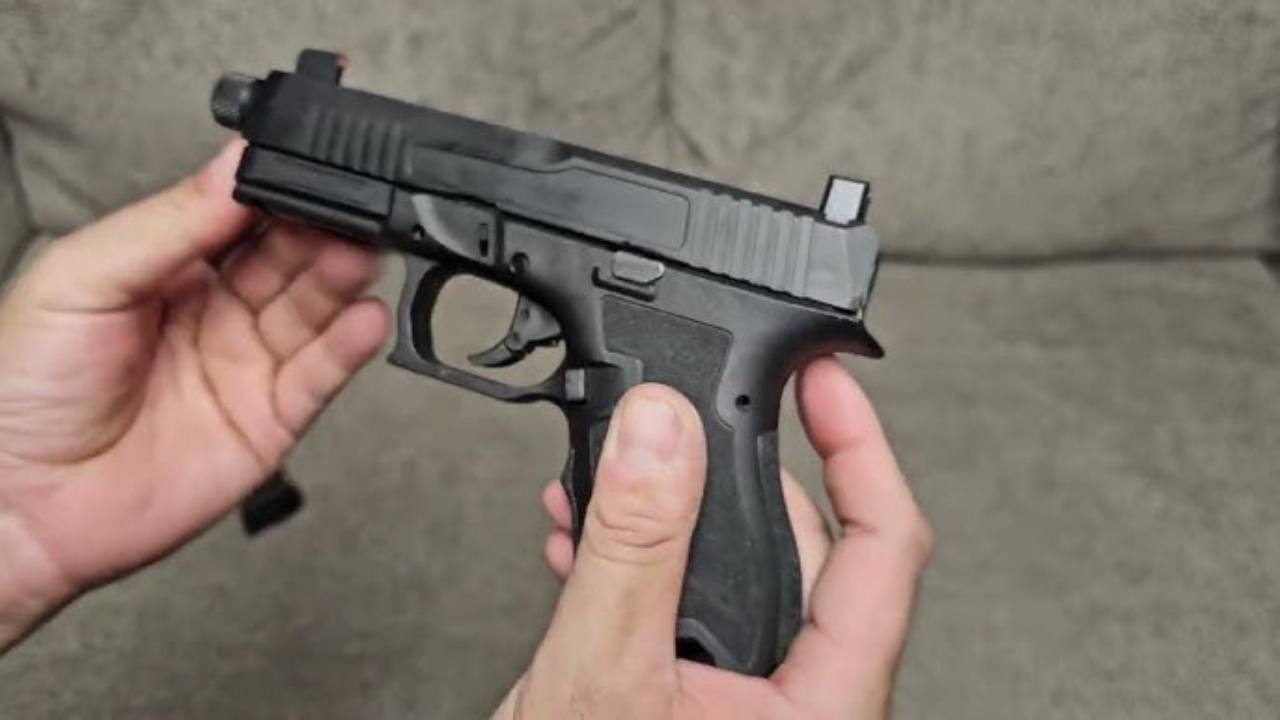
The standard Dagger Compact is inexpensive, comfortable, and based on a familiar operating system. Parts availability and magazine compatibility make it one of the easiest affordable pistols to modify.
Modification is also where owners create problems. Aftermarket triggers, barrels, slides, connectors, compensators, and reduced-power springs can remove the reliability margin that made the original design dependable. A stock example may run well, but the average customized Dagger is not something I would trust without extensive function testing.
Kimber R7 Mako

The R7 Mako is compact, optics-ready, and fitted with an enclosed ejection-port arrangement that gives it a distinctive appearance. Its trigger and grip make it easier to shoot than several competing micro-compacts.
Kimber’s reputation for consistency is not strong enough for me to skip the proving process. The pistol also uses proprietary magazines and has a much smaller user base than the Glock 43X, SIG P365, or Shield Plus. An individual Mako may be excellent, but I would want a substantial record from that particular gun before making it my primary carry pistol.
FN Reflex MRD

The Reflex MRD has an internal hammer, a light trigger, useful capacity, and excellent shootability for a pistol its size. FN describes it as a deep-concealment carry pistol with multiple internal safeties.
That light trigger demands a proper holster and disciplined handling. FN has also issued an official bulletin warning owners to use only the correct FN-supplied optic screws because incorrect screws can create mounting problems. That issue is manageable, but it reinforces why I would verify the entire setup before carrying one.
Smith & Wesson M&P 5.7

The M&P 5.7 offers 22-round capacity, mild recoil, an optics cut, and an unusual gas-operated locked-breech system. Smith & Wesson’s current lineup includes several configurations, showing that it remains an actively supported platform.
For defensive carry, I would still choose a conventional 9mm M&P. The 5.7 version depends on a more specialized operating system, proprietary magazines, and ammunition that is less common and more expensive to test thoroughly. It may run well, but it solves fewer practical problems than its capacity suggests.
Ruger-5.7
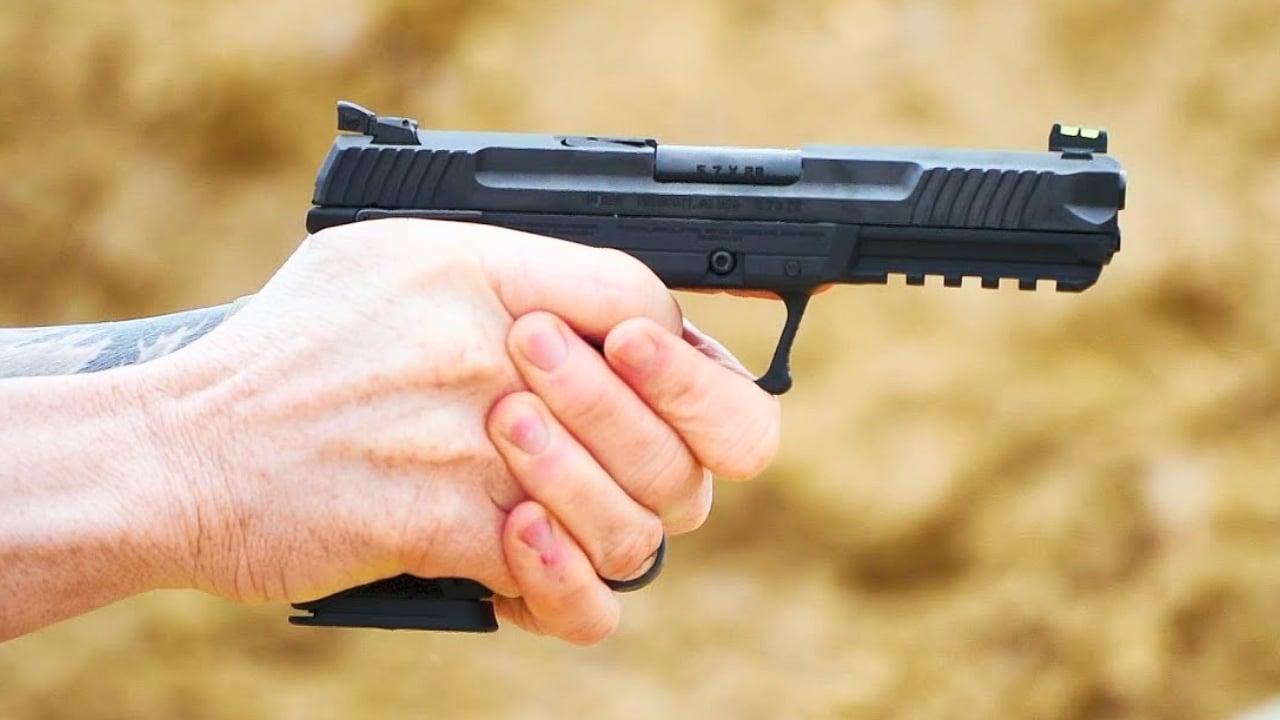
The Ruger-5.7 is comfortable, accurate, and much easier to shoot rapidly than most powerful centerfire pistols. Its full-size grip and mild recoil can produce excellent range performance.
Its size makes concealed carry difficult, while the cartridge and magazines provide little commonality with ordinary defensive pistols. The 5.7x28mm chambering also increases the cost of firing enough defensive ammunition to verify function. I would enjoy owning one, but I would reach for a proven 9mm duty pistol when reliability, ammunition access, and replacement magazines mattered most.
PSA 5.7 Rock
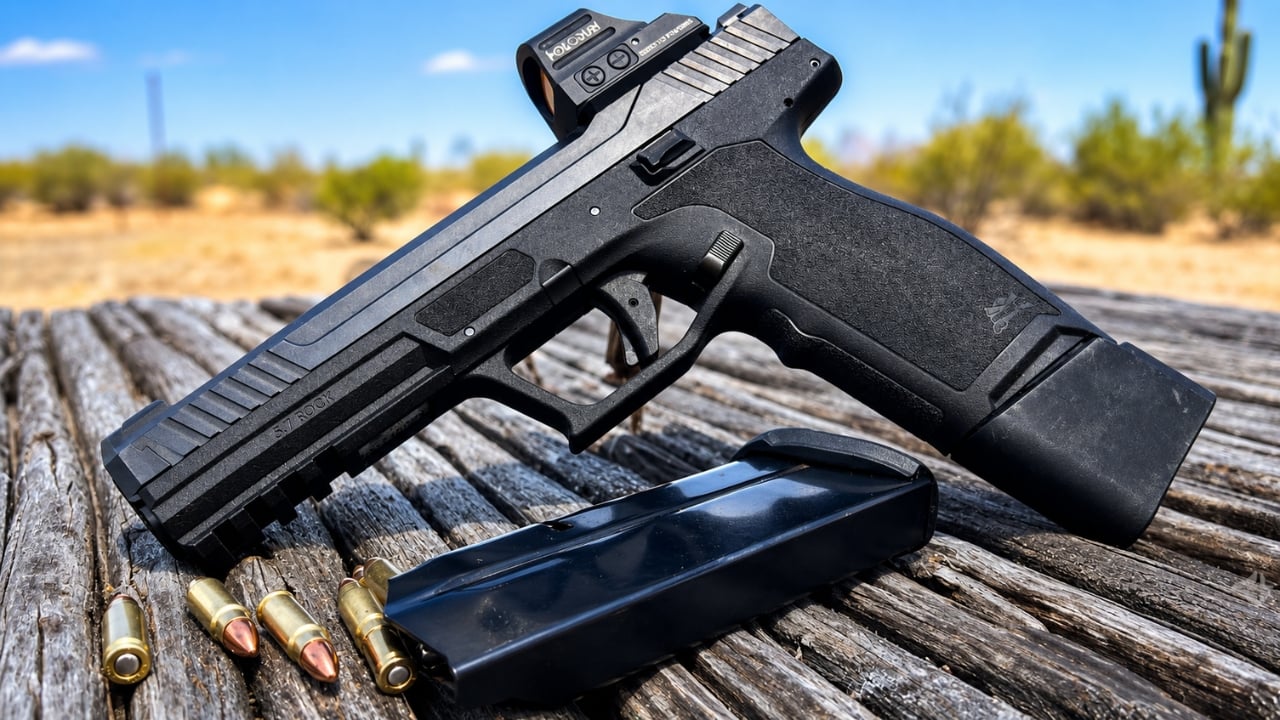
The PSA 5.7 Rock gives buyers high capacity and low recoil at a price that makes the 5.7x28mm category much more accessible. It is one of the most interesting pistols PSA currently produces.
It remains tied to proprietary magazines and a less common defensive cartridge. The platform also lacks the decades of institutional use behind traditional duty pistols. A Rock that survives extensive testing may be dependable, but I would not select it over an established 9mm simply because it holds more rounds.
KelTec CP33
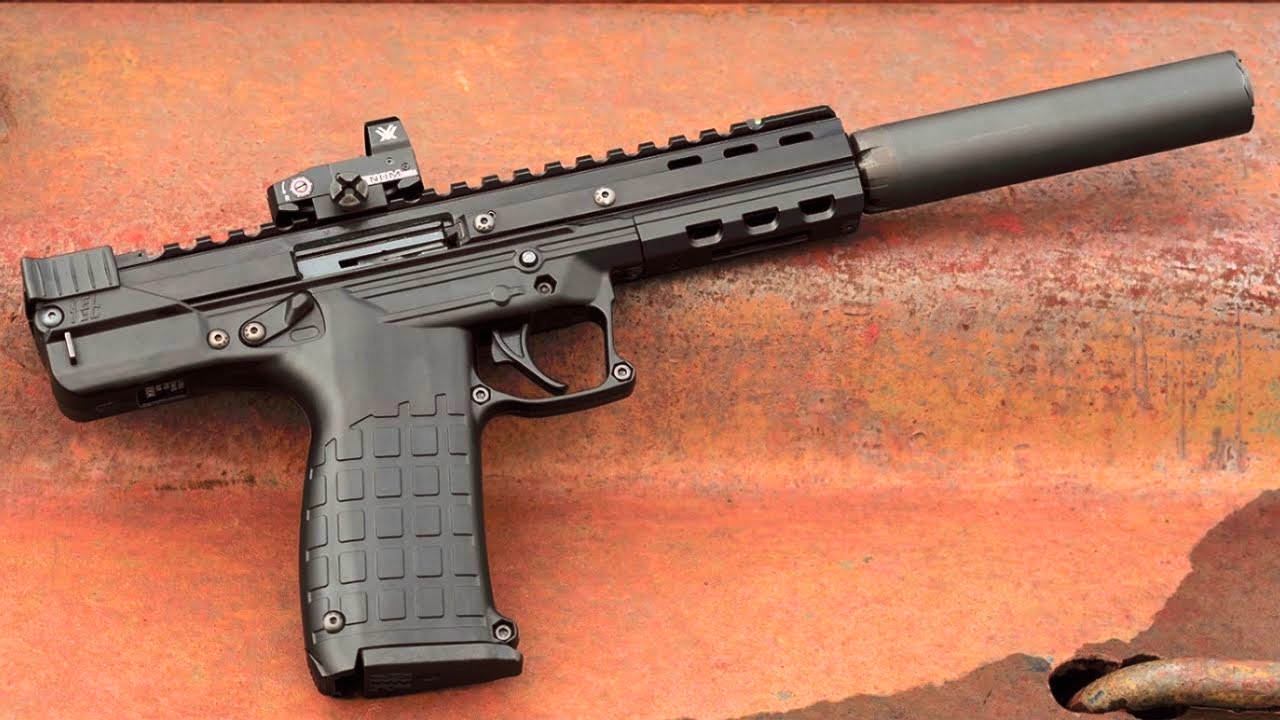
The CP33 holds 33 rounds of .22 LR and provides a good trigger, optics rail, and threaded barrel. It is entertaining, accurate, and unusually configurable.
Its magazines require careful loading because rimmed cartridges can stack incorrectly. Rimfire ignition is also inherently less dependable than quality centerfire ammunition. The CP33 makes sense as a suppressor host or range pistol. Its enormous capacity does not make it a sensible primary defensive gun.
SIG Sauer P322

The P322 provides excellent capacity, familiar controls, and suppressor-ready features in a modern rimfire pistol. It is useful for inexpensive training and recreational shooting.
It is still a .22 LR semiautomatic dependent on careful magazine loading and consistent rimfire ammunition. A high-capacity magazine does not remove the possibility of a bad primer, damaged bullet, or incorrectly stacked cartridge. I would train with it regularly, but I would not choose it over a centerfire pistol when a life depended on the next shot.
Glock 44
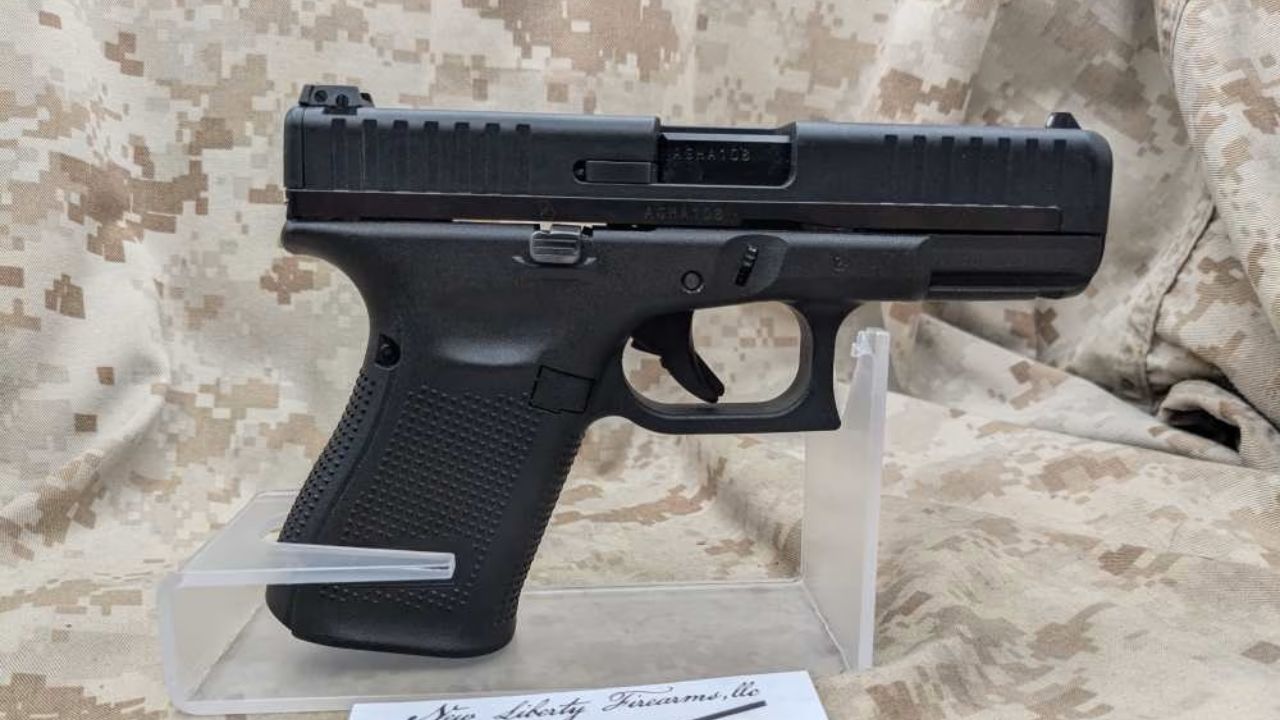
The Glock 44 gives shooters the dimensions and controls of a Glock 19 with much lighter recoil. That makes it one of the most practical Glock training pistols.
Its familiar shape can create more defensive confidence than a rimfire pistol deserves. Ammunition quality, chamber cleanliness, and magazine condition have a much larger effect on a .22 than on a centerfire Glock. The G44 is a training companion, not a replacement for the pistol it imitates.
FN 502 Tactical
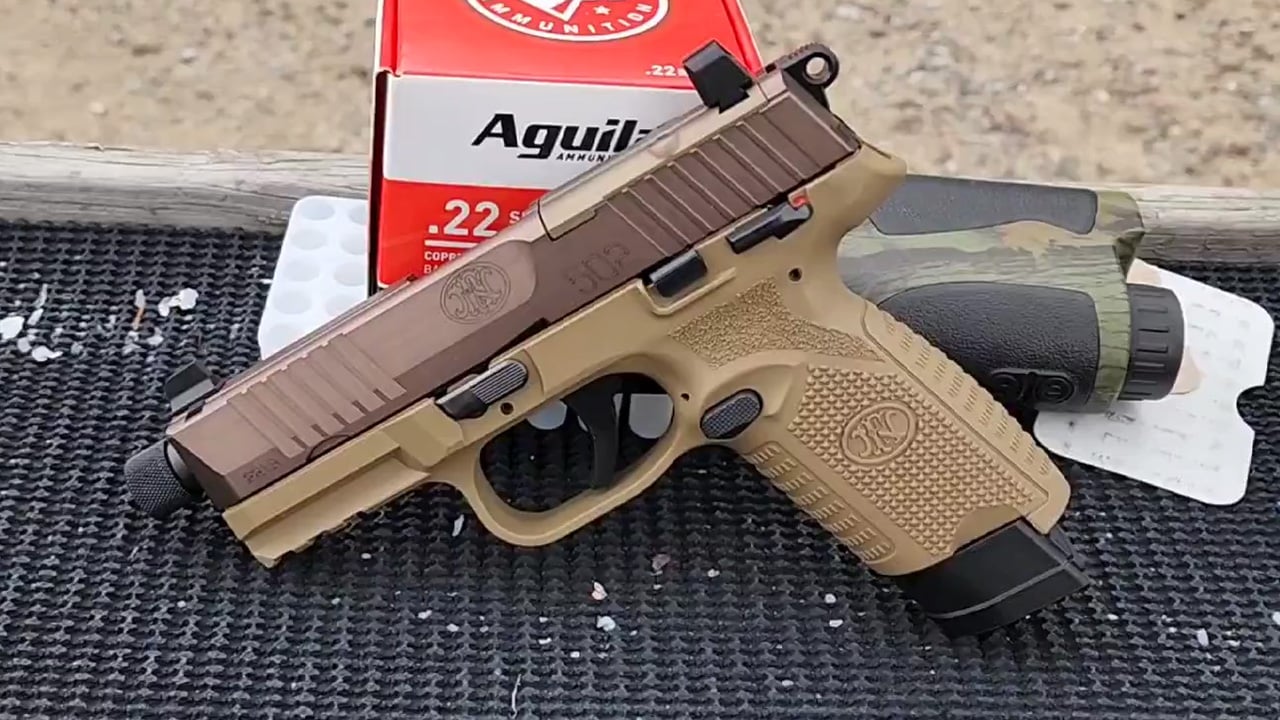
The FN 502 Tactical has excellent controls, optics capability, useful capacity, and a threaded barrel. It feels much more like a serious centerfire handgun than an old-fashioned rimfire target pistol.
That does not change the limitations of .22 LR. Rimfire ammunition produces more ignition failures and is more vulnerable to inconsistent bullet lubrication and case dimensions. The 502 is an excellent range pistol and suppressor host. I would not mistake its tactical appearance for duty-pistol dependability.
Walther WMP

The WMP gives shooters .22 Magnum capacity, mild recoil, and a full-size grip. It is useful for pests, trail carry, and recreational shooting.
The cartridge is still rimfire, and the pistol depends on enough ammunition energy to cycle a large semiautomatic action. Loads can vary considerably in pressure and bullet shape. I would be comfortable using one for appropriate field tasks after testing the ammunition, but I would not make it my first defensive choice.
Rock Island Armory 5.0
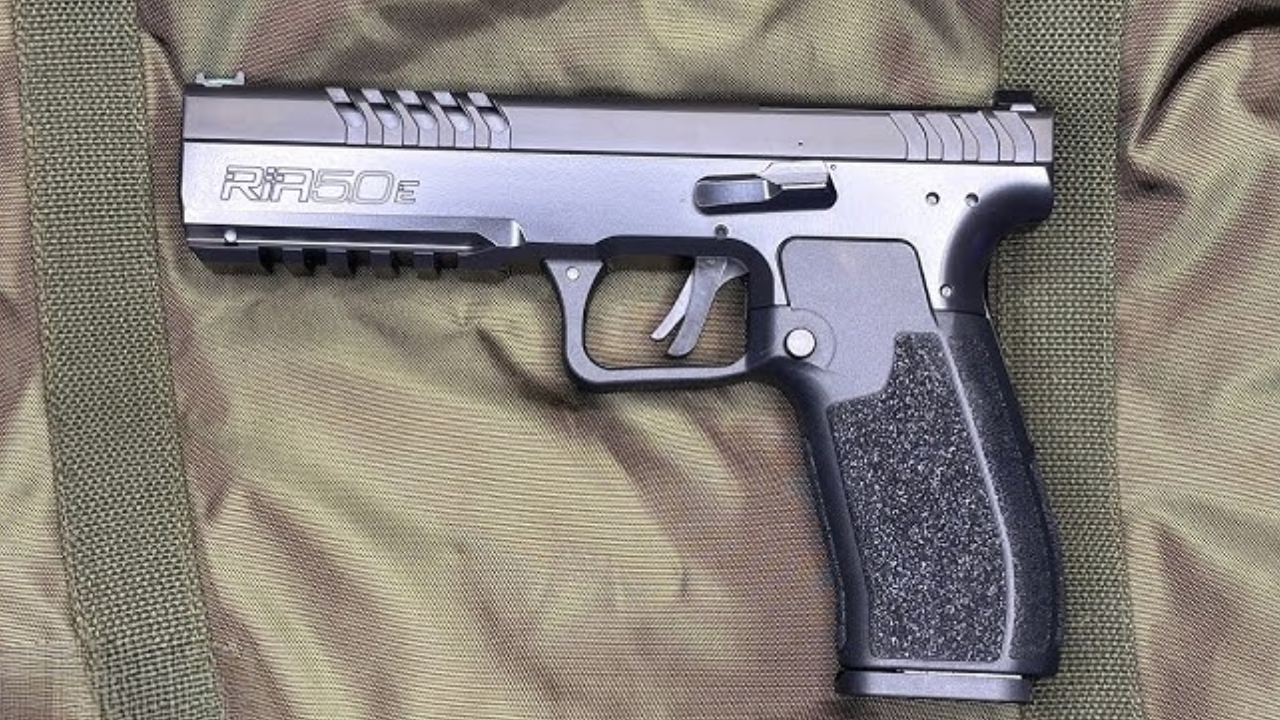
The Rock Island 5.0 uses an unusual square-barrel locking system and offers excellent recoil control. It is one of the more mechanically interesting current American pistols.
Its unusual design also means limited parts, magazine, holster, and gunsmith support. A conventional service pistol can often be repaired with parts found in nearly any serious gun shop. The 5.0 has not built that level of logistical confidence. I would consider it a performance pistol until the platform develops a much larger long-term record.
Oracle Arms 2311 Compact Pro
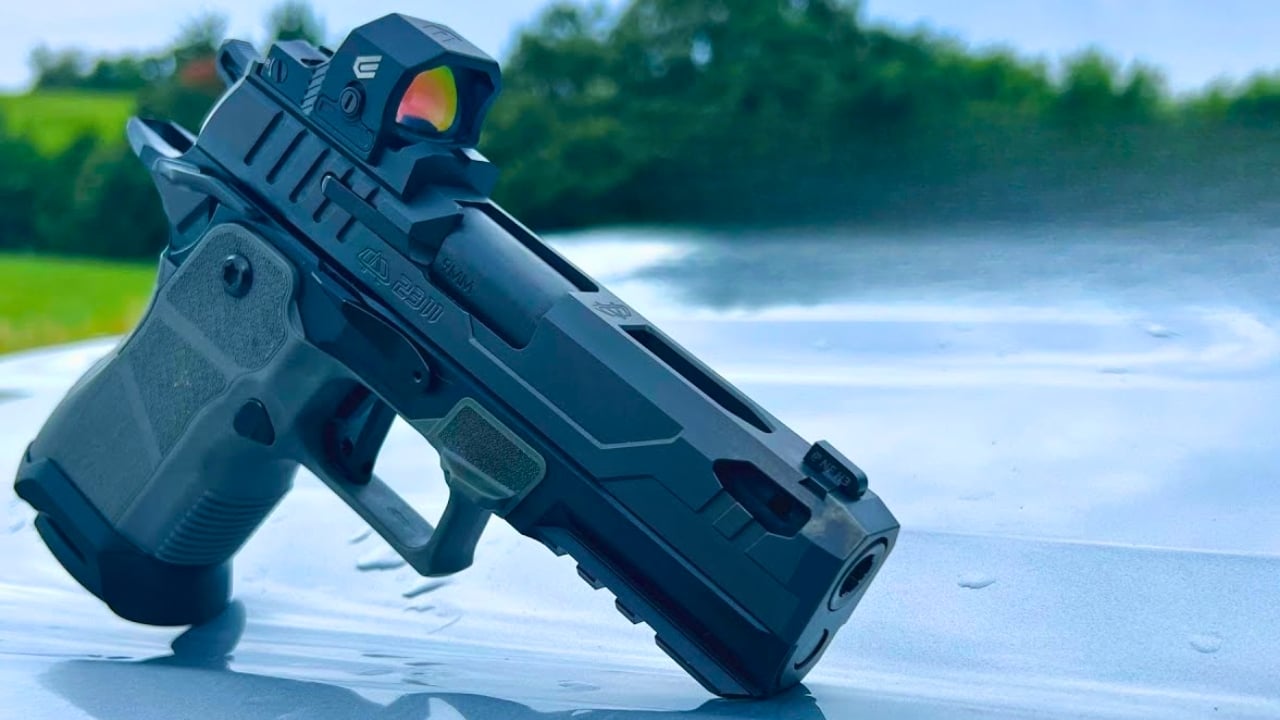
The 2311 Compact Pro combines 2011-style handling with compatibility built around widely available double-stack magazines. Its trigger and ergonomics make it attractive to shooters who want premium performance without traditional 2011 magazine costs.
It remains a relatively young platform with a limited population of high-round-count guns. The more specialized the trigger, extractor, barrel fit, and recoil system become, the more I want extensive evidence before using the pistol defensively. New designs can be excellent, but defensive trust should be earned over time.
Alpha Foxtrot S15
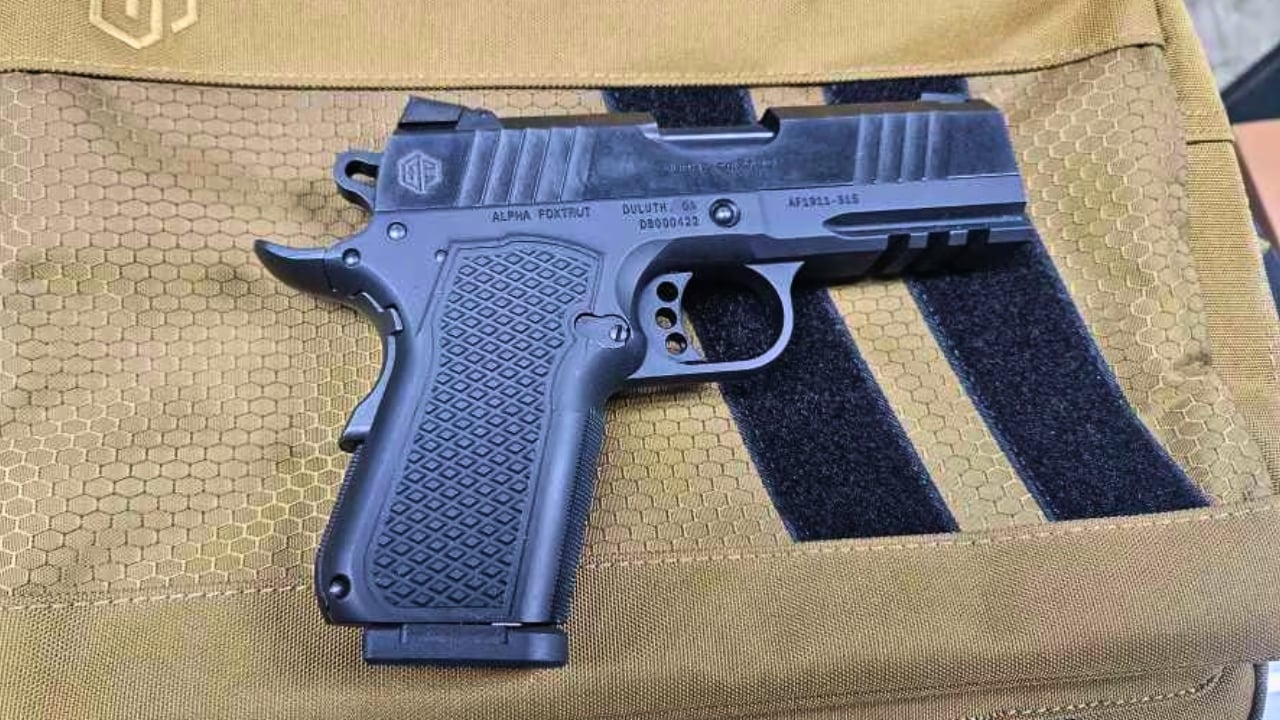
The S15 combines a metal frame, 1911-influenced handling, and slim high-capacity magazines. It offers a distinctive alternative to polymer micro-compacts.
Its compact single-action system, manual safety, proprietary components, and limited market support create more dependencies than a conventional striker pistol. I would need to prove the safety manipulation, magazines, extractor, and chosen hollow points over a substantial round count. It may be a fine carry gun for a dedicated owner, but it is not the model I would select when simplicity is the priority.
Rost Martin RM1C
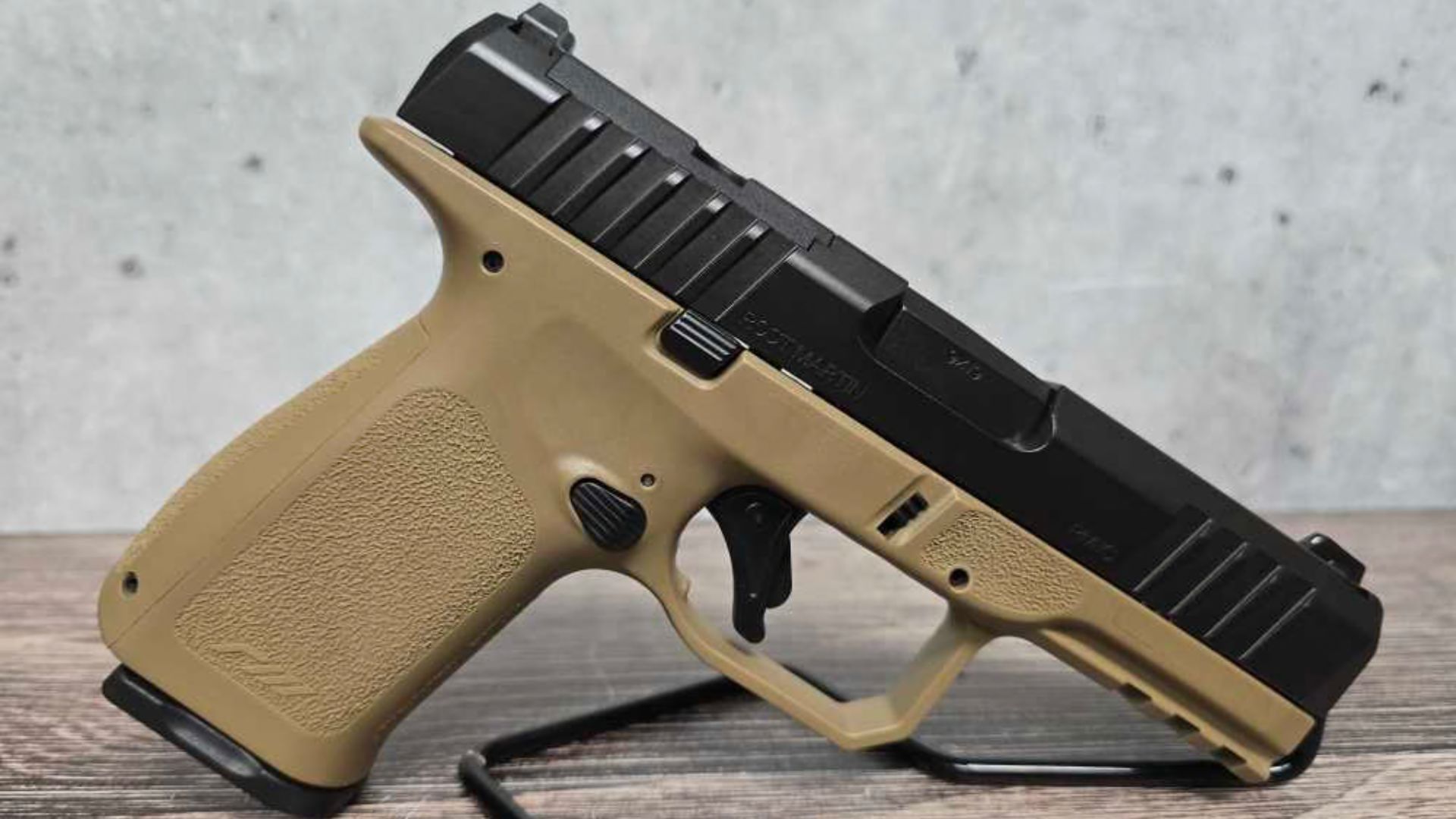
The RM1C entered the compact striker-fired market with good capacity, useful ergonomics, and competitive pricing. It appears to offer nearly everything buyers expect from a current defensive pistol.
The issue is not that it has demonstrated some unavoidable flaw. It is that the platform is still building its long-term record, aftermarket, parts network, and magazine availability. When choosing a gun to bet my life on, I would take a model with millions of examples and decades of hard use over a newer design that has not yet had the same opportunity to prove itself.
Like The Avid Outdoorsman’s content? Be sure to follow us.
Here’s more from us: