Photo credit: The Avid Outdoorsman
The homeowner’s friend said the situation started with a strange man asking questions. According to the Reddit post, the man had asked a neighbor about the friend and her family, including questions about a large garage in their backyard, what they did for fun, and what they “dedicate themselves to.”
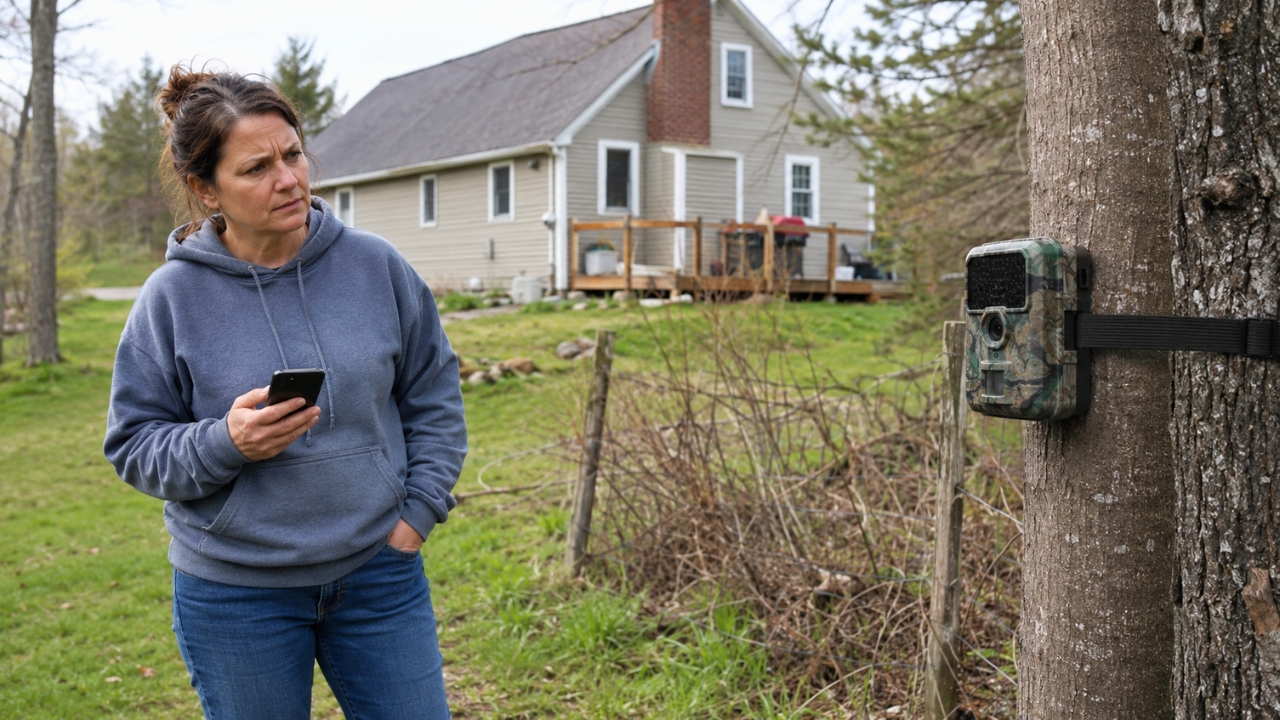
That already would have been enough to make most families uncomfortable. Then a camera showed up in the woods.
The Reddit thread can be found here: https://www.reddit.com/r/legaladvice/comments/1iwqpc9/what_can_i_do_about_a_camera_pointing_at_my_house/
The camera was not sitting on the family’s private property. It was in nearby woods that the poster said belonged to the county. But the direction was what made the family nervous. The camera was pointed at the entirety of the family’s backyard and garage.
It was described as a trail or hunting camera, which made the situation harder to read. In hunting country, trail cameras are normal. People use them to watch deer movement, scout travel routes, and keep tabs on wildlife. A camera in the woods does not automatically mean someone is watching a family.
But this one was apparently pointed at a home’s private outdoor space, not a deer trail or feeder. The poster said the camera had been moved around a few times, but it always ended up pointed back toward the backyard and garage. That made it feel less like a random hunting setup and more like someone was trying to keep watching the same property.
The family wondered whether it could be a county security measure. That was possible enough to ask, but it did not fully settle the issue. If the county placed it, there should be some way to confirm that. If a private person placed it on county land, the family still had to figure out what they could legally do about a camera that was not technically on their property.
That is where the situation became tricky. If the camera had been tied to a tree in their yard, the answer would be easier. They could document it, remove it, and tell the person not to come back. But because it was in county woods, taking it down could create a problem if it belonged to the county, a hunter using public land, or someone else with permission to place it there.
The family also had to think about privacy. A backyard can feel private, especially if it is where kids play, family gathers, or people use the garage daily. But commenters pointed out that areas visible from public or county land may not carry the same expectation of privacy as the inside of a home. That does not make the camera any less unsettling. It just means the legal answer may not be as simple as “it is pointed at my yard, so I can take it.”
One commenter suggested calling the local game warden and asking what to do. That advice fit the situation well because the device was a trail or hunting camera, and a warden would know whether cameras were allowed in that area, whether it looked like a hunting setup, and whether the family should leave it alone until the proper agency checked it.
Other commenters suggested blocking the camera’s view from the family’s own property. A fence, screen, or other obstruction would not require touching the camera and could protect the backyard view while the family sorted out who owned it.
Commenters told the poster not to assume they could take the camera just because it was pointed at the backyard. Since it was in county-owned woods, touching or removing it could create a separate issue if it belonged to someone else.
Several people said the family should call the local game warden or the county agency responsible for the land. If the camera was placed for hunting or wildlife purposes, the warden could explain whether it was allowed and what the family could legally do.
Others focused on practical privacy steps. If the camera was visible from the family’s property, they could block its view with a fence, screen, or other obstruction without disturbing the device.
Some commenters also said the family should document the camera’s location, direction, and movement. Photos, dates, and notes about where it was aimed would help if the family reported it to the county, a game warden, or local law enforcement.
The post ended with the family stuck between two possibilities. It may have been an ordinary trail camera placed in a bad direction, or it may have been connected to the strange man asking questions about the home. Either way, the safest move was not to grab it. It was to document it, call the right agency, and protect the backyard without creating a new legal problem.
Like The Avid Outdoorsman’s content? Subscribe to our newsletter so you never miss an article.
Here’s more from us: