Photo credit: Theavidoutdoorsman.com
Most folks think of a stolen handgun as a local problem. You file a report, cancel the cards that were in the glovebox, and spend a few nights mad at yourself for letting your guard down. But every now and then, that missing pistol comes back around in a way that makes your stomach drop—because it shows up in a place you’ve never been, tied to a case you’ve got nothing to do with.
That’s what happened to one gun owner after a break-in at his home left a compact semi-auto missing from the safe where it usually lived. He did what he was supposed to do: called it in, gave the serial number, and figured it was gone for good. Months later, detectives from another state had his name on a printout and a knock on his door.
The theft didn’t look like a “gun theft” at first
From what neighbors described, the original break-in had all the usual rural telltales. A back door that didn’t quite latch right. A dog that barked like crazy one afternoon. A muddy bootprint on the porch that didn’t match anybody in the house.
The stolen items were the kind of stuff thieves can turn into cash fast—small electronics, a jar of change, even a couple boxes of ammo from a cabinet. The handgun was the worst part, not because it was the most expensive item, but because it’s the one thing you don’t want floating around in the wrong hands.
Like a lot of folks, the owner had reasons it was accessible. It wasn’t a showpiece. It was a practical pistol he carried during hunting season, kept around for bump-in-the-night peace of mind, and took along when he checked cameras or fed animals after dark.
The paper trail mattered more than the owner expected
When the theft happened, the owner had the serial number written down, plus photos from when he first bought it. That’s not something everyone does, but it’s one of those boring habits that pays off when you need it most.
He reported it stolen the same day and gave the information to local law enforcement. That report—entered properly—became the anchor that later separated him from the gun when it turned up again. Without it, the story can go sideways fast, especially if a firearm gets recovered during a serious investigation.
Outdoorsmen tend to think in gear terms: you lose a rifle, you replace it; you lose a stand, you buy another. A stolen handgun isn’t like that. It’s a liability until it’s recovered, and the only shield you’ve got is documentation and a timely report.
The handgun traveled farther than anyone would’ve guessed
The next time that pistol’s serial number got entered into a system, it wasn’t at a pawn shop in the next county. It was four states away, tied to a crime scene where officers were collecting evidence and running everything they could.
That’s the part that surprises people who don’t follow stolen gun cases. Firearms move fast. They get traded for car parts, pills, or cash. They bounce through hands at roadside meetups, in parking lots, and through folks who know better but want a deal anyway.
By the time the gun is recovered, it might have been carried in multiple states and used as “insurance” during other crimes. It doesn’t mean the original owner did anything wrong, but it does mean his name comes attached to the first clean purchase record.
The visit from detectives is where the nerves kicked in
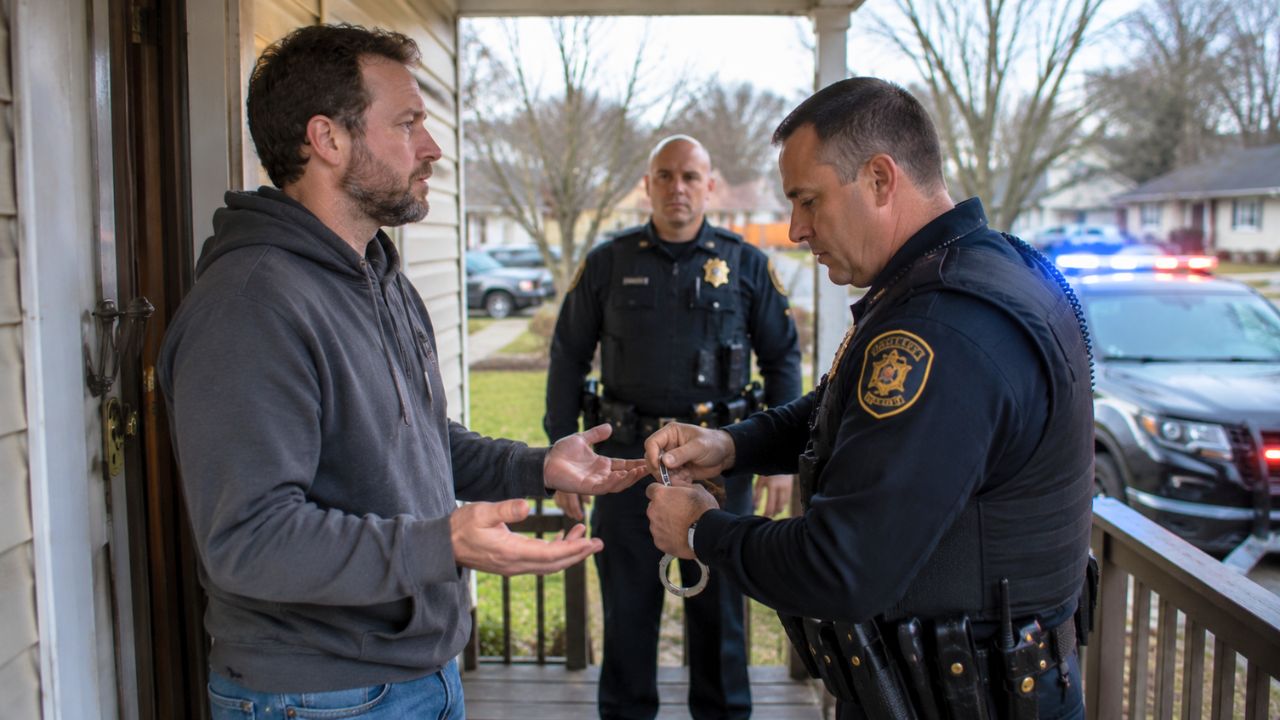
When investigators showed up at the owner’s house, it wasn’t a casual conversation over the tailgate. They had questions, and they were working a case with real victims and real consequences. Their job was to make sure the story of “it was stolen” wasn’t a convenient cover.
From the owner’s side, it’s the kind of thing that makes your throat dry. Even if you’ve done everything right, nobody likes having detectives on the porch asking where you were on certain dates and whether you know anyone in a state you’ve never set foot in.
What helped him was being able to point to the original theft report number, approximate time frame, and the list of items taken. He didn’t have to guess. He didn’t have to spin a story. He could simply match what he told them to what was already on record.
Another thing that mattered: he didn’t try to “help” by overexplaining. He answered what he knew, kept it factual, and didn’t offer theories about who might have done it. Around rural areas, everybody has a hunch. Hunches aren’t evidence, and they can stir up trouble with neighbors quick.
Commenters mostly argued about storage, trucks, and reporting fast
Any time a stolen gun shows up at a crime scene, the same debates light up. Some folks immediately blame the owner and start preaching about storage like they’ve never left a garage door open in their life. Others point out the obvious: criminals steal, and a decent person can still be a victim.
The practical crowd focused on three things: don’t leave handguns in vehicles overnight, don’t rely on a cheap lockbox, and report thefts immediately with a serial number. A “truck gun” sounds handy until your truck gets rummaged through at a trailhead or someone pops the door at a gas station while you’re inside grabbing coffee.
There was also a lot of talk about insurance and documentation. Photos of your firearms, optics, and serial numbers stored somewhere safe—along with purchase receipts if you have them—can save you time and money later. It’s not fun admin work, but it’s the same idea as keeping spare fuses and a tow strap: you don’t appreciate it until you need it.
What gun owners can do to keep a bad day from getting worse
This kind of situation is a reminder that “responsible ownership” isn’t just trigger discipline and range time. It’s also prevention and paperwork. A quality safe, a solid door lock, motion lights, and cameras that actually record can keep thieves moving down the road to an easier target.
If you do get hit, speed matters. Report it right away. Provide the serial number. Make a list of what was taken. If you later get a call from investigators, you’ll have a clean timeline and a record that shows you acted responsibly.
And here’s the hard truth: even if you do everything right, you may still get a visit when that gun resurfaces. The goal isn’t to avoid that knock entirely—it’s to make sure, when it comes, you’ve got the receipts and the report to show you’re the victim in the first chapter, not a suspect in the last one.
Most of us carry guns because we take safety seriously. That same mindset needs to apply when the gun is in the house, in the truck, or sitting in the safe between deer season and spring turkey. Lock it up, write it down, and don’t assume “it won’t happen to me.”
Like The Avid Outdoorsman’s content? Be sure to follow us.
Here’s more from us: