Photo credit: AI-generated image created using ChatGPT. Illustrative only
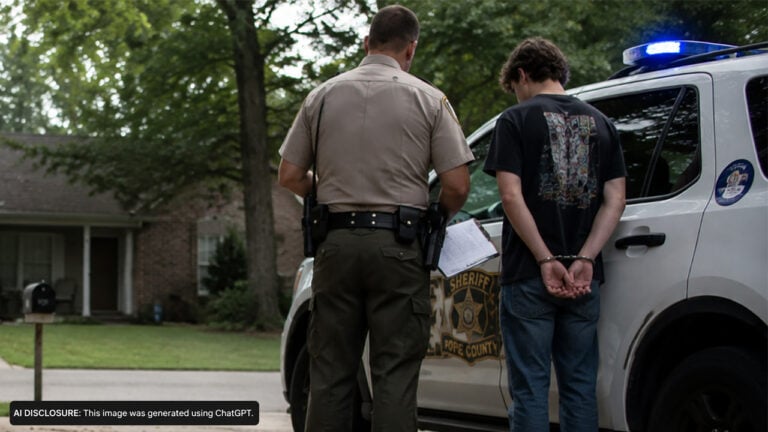
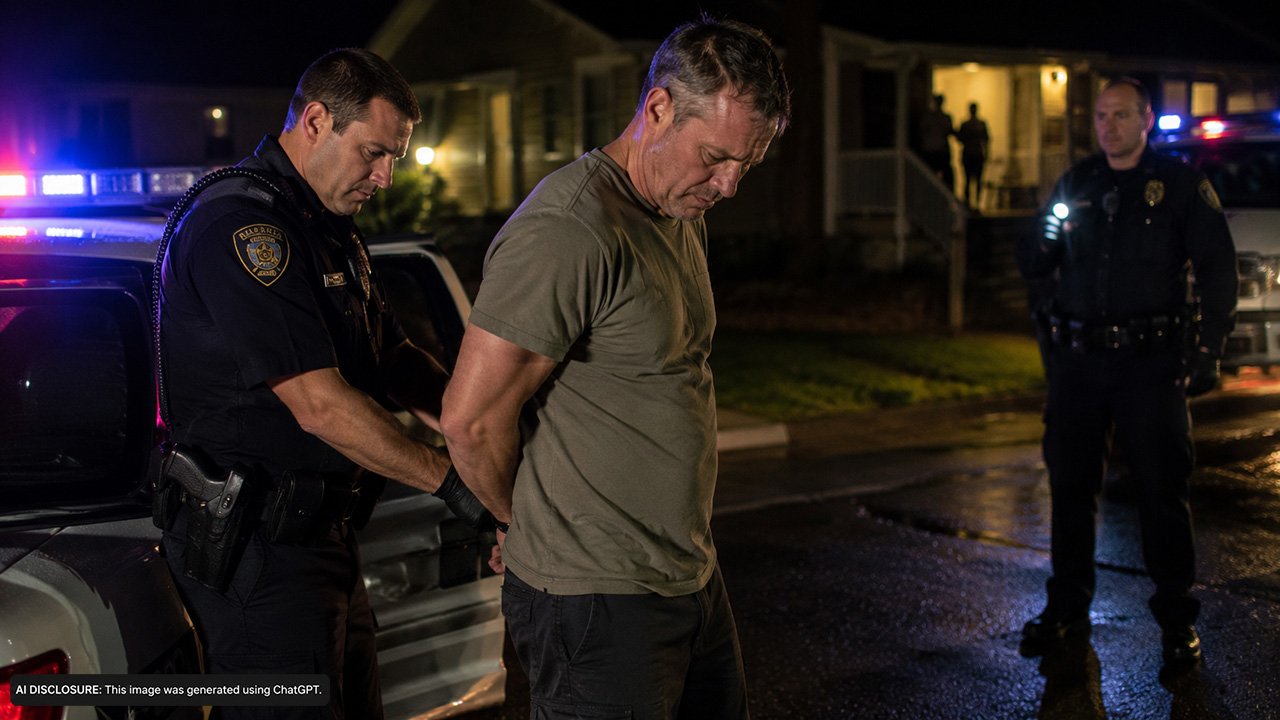
You can do everything “right” after a defensive shooting—call 911, put the gun down, cooperate—and still wind up with cuffs on your wrists while the dust settles. That reality is what one homeowner-style scenario brought up in a simple, pointed question about whether being detained or even arrested is basically automatic after you shoot in self-defense, even when the facts look clean.
In the original post, the writer asks if police always make an arrest “even if just for questioning” after a self-defense shooting. They also asked what happens when circumstances appear clear and the shooter’s claim is supported by witness statements or CCTV footage. It’s a question a lot of rural landowners and gun owners think about—especially anyone who has ever heard a bump in the night and realized how fast a normal evening can turn into the biggest legal moment of your life.
Why handcuffs can show up even when you called 911
The first thing to understand is that handcuffs don’t automatically mean you’re being treated like a criminal in the moral sense. Sometimes they’re a control tool in a chaotic, high-risk scene where officers are arriving with limited information and a “someone got shot” dispatch. They may not know who is the threat, who is hurt, whether more people are inside, or where the weapon is.
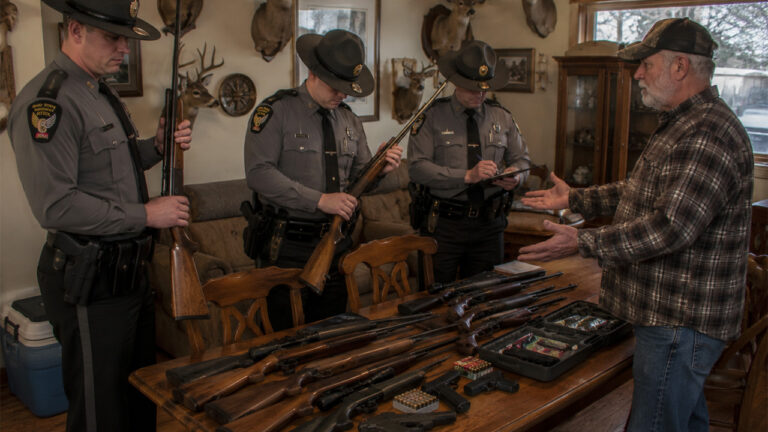
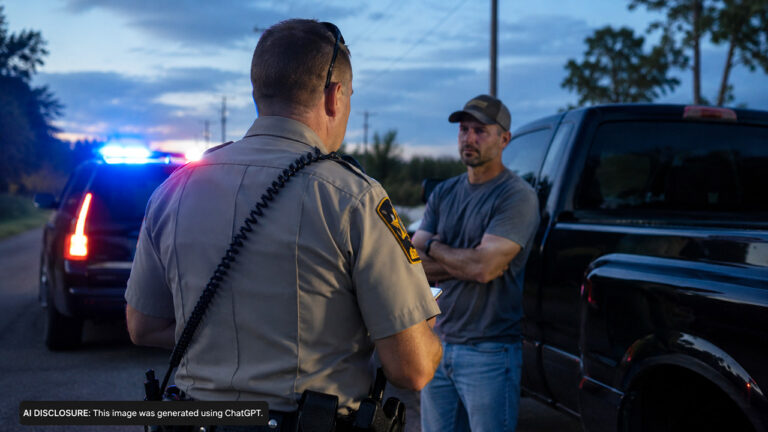
From a practical, boots-on-the-ground perspective, an officer’s priority is to stop any ongoing danger and lock the scene down. A person who admits they fired shots—rightfully or not—may be temporarily secured while police separate people, check for injuries, and make sure nobody else is lurking in the house or yard. That can look and feel like an arrest even when it’s closer to “we need everyone safe and accounted for” than “you’re going to jail.”
“Clear circumstances” don’t always look clear at 2 a.m.
The post’s big sticking point is the idea that the facts might be obvious: an intruder, a defensive shooting, witnesses, maybe even video. But on the initial response, those facts usually aren’t neatly packaged for the first officers through the radio. The responding units have to build the picture in real time, and early information is often wrong or incomplete.
Even with cameras and witnesses, police still need to identify who everyone is, confirm statements, and keep stories from blending together. Video can be a huge help, but it still has to be located, preserved, and reviewed. A camera angle may not show the whole room, the moment of threat, or what led up to the shots. Meanwhile, adrenaline is high, people are shaken, and memories are messy.
The difference between detention, arrest, and “questioning” in real life
The question in the source material uses the phrase “arrest even if just for questioning,” which is how a lot of regular folks talk about it—and it makes sense. In the real world, being put in cuffs, put in a car, and taken to the station sure feels like an arrest. But there are layers in how law enforcement handles it, and those layers vary by state, agency policy, and the specifics of the call.
Sometimes it’s a brief detention at the scene while officers stabilize everything. Sometimes it’s being transported to a safer, quieter place for a formal interview because the scene is still active—EMS coming and going, investigators working, neighbors gathering. And sometimes it is a full custodial arrest because officers believe there’s probable cause of a crime, or because the legal framework in that state pushes the case toward an arrest and a court review.
For armed homeowners, the key point is this: the process may look harsh even when the end result is that you’re not charged. The first few hours are about control, documentation, and preservation of evidence, not about making you comfortable.
Even supportive evidence doesn’t erase the need for an investigation
The source question also mentions witness statements and CCTV backing the shooter’s claim. That’s exactly the kind of thing you want if you ever face this nightmare. But it doesn’t eliminate the need for a formal investigation, because a shooting is a use of deadly force and someone may be seriously injured or dead.
Investigators still have to confirm the intruder’s identity, determine whether they were actually an unlawful threat, map the scene, account for every round fired, and document distances and angles. They have to look at whether anyone else in the home was endangered by the shots, and whether there were any other factors that change the legal analysis in that jurisdiction.
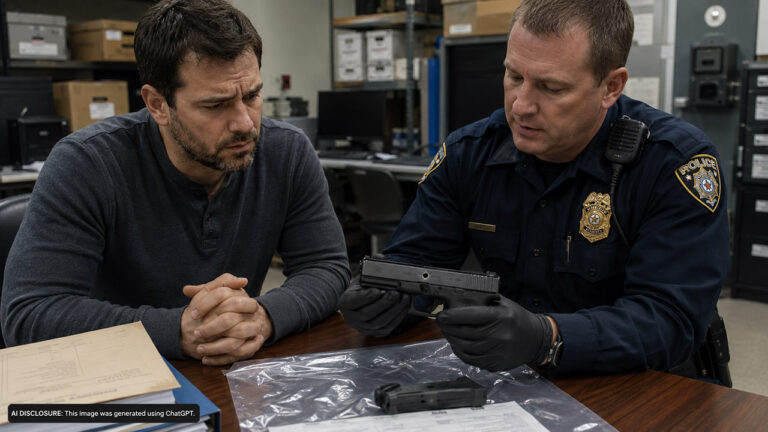
Out in the country, this can get even more complicated. Property lines, outbuildings, and long driveways can muddy “where things happened.” Lighting and terrain matter. And if there’s a gun involved—yours—the firearm itself is likely to be treated as evidence, at least initially, even if you did nothing wrong. That’s not personal. That’s procedure.
What gun owners and landowners should take from this question
Even though the post is short, it points to a hard truth: the moments after a defensive shooting are not the time you want to be improvising. If you carry a pistol, keep a shotgun for home defense, or live far enough out that you’re your own first responder, you should think through the “after” as seriously as you think through sights, ammo, and where you’ll take a safe shot.
It’s worth having a plan for how you’ll call 911, how you’ll identify yourself to responding officers, and how you’ll avoid being mistaken for the threat when they roll up. It’s also worth remembering that stress does strange things to your mouth. Rambling explanations, guessing, or trying to “lawyer your way out” on the porch while everyone is keyed up can make things worse, not better.
Plenty of folks also keep the number of a local attorney saved in their phone for the worst day they hope never comes. That’s not about being shady; it’s about being smart. If you ever have to defend your life, you’re stepping into an arena with serious consequences, and you want steady guidance once the immediate danger is over.
At the end of the day, the question behind the question is simple: “If I survive the fight, am I guaranteed to be treated like a criminal?” The honest answer is that you might be treated like a risk until police can prove otherwise. Handcuffs and a ride for questioning can happen even when you made the call, told the truth, and the evidence lines up. It’s not fair, but it is common enough that every responsible homeowner should be mentally prepared for it—right along with the rest of their home-defense plan.
Like The Avid Outdoorsman’s content? Subscribe to our newsletter so you never miss an article.
Here’s more from us: