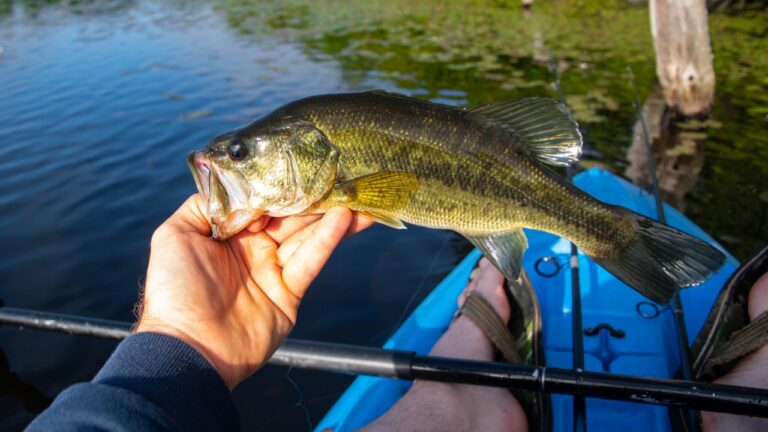
Photo credit: dcwcreations/ Shutterstock.com
Crappie are famously fickle, shifting from shoreline brush to deep timber overnight, yet anglers who understand their patterns can turn that unpredictability into steady action. If you learn how crappie relate to seasons, structure, and forage, and then match that with simple, proven presentations, you can move from occasional luck to catching them with regularity. The goal is not a single hot trip, but a system you can repeat on any lake that holds these fish.
Know how crappie behave through the seasons
Consistent success starts with treating crappie as a year round puzzle instead of a springtime bonus. Their movements are driven by water temperature, spawning needs, and food, so you need a mental map of where they are likely to be in each phase. When temperatures climb toward the mid range that triggers reproduction, crappie slide from winter basins toward shallower staging areas, then push onto specific spawning spots once conditions line up.
Spawning activity typically begins when the water reaches about 50°F, then peaks a bit warmer, and that temperature window is a far better guide than the calendar. Earlier in the prespawn, fish hold on deeper breaks and channels that lead toward flats, a pattern echoed in advice that tracks crappie staging on areas close to spawning banks as temperatures rise. After the spawn, they slide back out, first to nearby cover, then to more stable summer haunts where they may stay for months, a behavior described on lakes where Crappie “hang out at their summer home all summer” and move back to cover once spawning ends.
Dial in where to find them, not just how to catch them
You cannot catch crappie consistently if you are fishing empty water, so location has to come before lure choice. These fish are schooling by nature, which is why you can load the boat one day in a bay and find it lifeless the next. Guidance on Where to fish emphasizes that crappies often hold around structural edges and cover, then shift as conditions change, so you need to think in terms of travel routes between deep and shallow rather than isolated spots.
In practical terms, that means targeting channels, points, and drop offs that connect winter basins to spawning coves, then adjusting your depth and distance from shore as the season progresses. During the warm months, advice for beginners highlights fallen trees that extend into the water as prime crappie cover, especially when those laydowns intersect depth changes. In fall, step by step breakdowns of how to Find Crappie Fishing Surv focus on scanning for schools near bait on mid depth structure, reinforcing the idea that you should always be thinking about where food and comfortable water overlap.
Read structure and cover like a crappie
Once you narrow down the right zone, you need to understand how crappie actually use the cover in front of you. They are edge oriented fish that often hold just off the side or above a piece of structure rather than buried deep inside it. That is why anglers who simply cast at a brush pile or dock without working different angles and depths often miss the bulk of the school. Descriptions of summer patterns on reservoirs, where They sit on brush, stake beds, or rock piles and “tend not to move around,” show how tightly these fish can relate to a specific piece of habitat.
In shallow water, you should prioritize hard surfaces that can serve as spawning substrate, such as riprap, stumps, and firm bottom near emergent vegetation. Spring guidance notes that Crappies need a hard surface to lay their eggs, which is why a seemingly featureless bank with scattered wood can suddenly load up with fish when the temperature is right. In deeper water, think vertically: bridge pilings, standing timber, and submerged brush piles all create shade and ambush points. Advice for new anglers stresses that during warm periods, fallen trees that reach into deeper water are especially productive, because they combine overhead cover with quick access to different depths.
Match simple tackle to the conditions
Crappie are not tackle snobs, but using gear that fits their size and habitat will help you detect light bites and work baits naturally. A light or ultralight spinning setup with 4 to 8 pound line is a common starting point, with some experts recommending 1000 or 2000 size reels for balance and sensitivity when fishing small jigs. Overviews of On the water setups highlight how inexpensive, straightforward gear can still be highly effective if you match lure weight to depth and wind.
Line choice should reflect the cover you are fishing. When you are probing heavy brush or thick timber, guidance on Crappie Tackle suggests stepping up to at least 10 pound test to survive abrasion and pull fish out of snags. In more open water or when vertical jigging, lighter line helps small baits fall naturally and improves sensitivity. Crappie will readily bite live minnows, small plastics, and other compact offerings, so you do not need oversized hooks or hardware. The key is to keep your rig streamlined enough to present a tiny bait at a precise depth without fighting your own tackle.
Rely on proven baits and presentations
To catch crappie day in and day out, you are better off mastering a few versatile presentations than constantly chasing the latest lure trend. Small jigs in the 1/32 to 1/8 ounce range are a staple, especially when paired with soft plastics that add subtle movement. Official how to material on One crappie approach notes that jigs of different sizes and weights let you cover various depths and conditions, while simple beetle spins and small spinnerbaits can trigger reaction bites when fish are scattered.
Live bait remains a powerful equalizer, especially for beginners or when the bite is tough. Crappie will readily take minnows suspended under a float, and advice on Crappie tactics emphasizes that you can fish them on simple rigs matched to whatever weight you need to reach the target depth. Anglers sharing practical tips often praise small grubs with spinning tails and tiny crankbaits, with one commenter remarking that a particular mini crank “catches everything,” a sentiment echoed in discussions where Boy expresses a clear preference for little crankbaits on crappie. The common thread is size and profile: compact, easy to inhale, and moving slowly enough that a schooling fish can track and eat without much effort.
Adjust your strategy for clear water and tough conditions
Clear water can make crappie seem spooky and inconsistent, but it actually rewards a more deliberate approach. In high visibility lakes, fish often hold deeper or tighter to shade, and they are more sensitive to line, boat noise, and unnatural lure movement. Expert breakdowns of Finding Clear and Water Crappie stress the value of long casts, lighter line, and downsized baits that glide naturally. Night fishing also becomes a powerful tool in these conditions, because darkness lets crappie move shallower and feed more confidently around light sources that attract bait.
When the bite is simply slow, whether from weather fronts or heavy pressure, you should think in terms of slowing down and refining your depth control. Some anglers focus on finding forage first, arguing that “there’s absolutely nothing more important than first finding forage” when locating crappie, a point made in a video released in Jan that walks through using electronics to track bait schools. Others demonstrate that even in extreme summer heat, crappie remain catchable if you fish vertically and keep baits in the strike zone, as shown in a lake fishing breakdown from Jul that focuses on methodical presentations rather than running and gunning. In both cases, the consistent thread is patience and precision instead of constant spot hopping.
Time your trips to stack the odds in your favor
Even with perfect technique, some windows are simply more productive than others, and you can tilt the odds by planning around those peaks. Crappie are generally most active in low light, which is why early morning, evening, and overcast days often produce better numbers and larger fish. Seasonal timing matters just as much. Detailed breakdowns of Understanding Crappie Spawning Patterns explain that the prespawn and spawn, triggered as water climbs through the 50s, create some of the most predictable shallow action of the year, while fall often brings another surge as fish feed heavily before winter.
Within those broader seasons, you can refine your timing by watching how quickly temperatures are changing and how stable the weather has been. Guidance that tracks movements Across the prespawn period notes that crappie slide progressively shallower as warming trends persist, then pull back if a cold front knocks temperatures down. Postspawn reports from rivers describe fish leaving the shallows and returning to cover as soon as they recover, which means that if you arrive late, you should skip the bank and start on mid depth brush or channel edges. By pairing this kind of seasonal awareness with the structural and tackle choices already outlined, you give yourself a repeatable framework to find and catch crappie on purpose, not by accident.
Like The Avid Outdoorsman’s content? Be sure to follow us.
Here’s more from us: