Photo credit: The Avid Outdoorsman
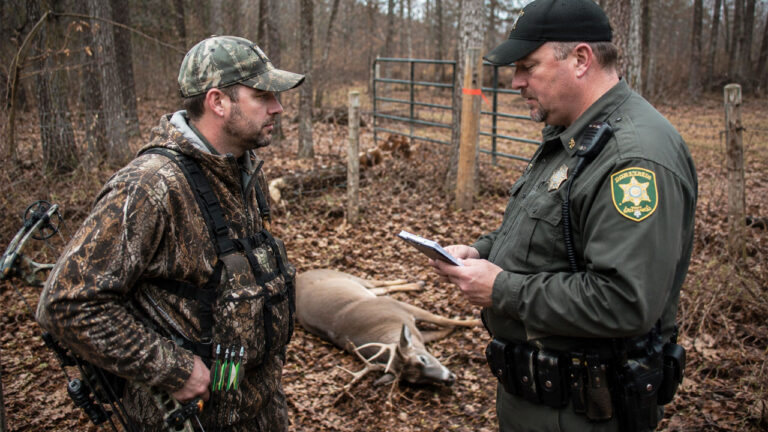
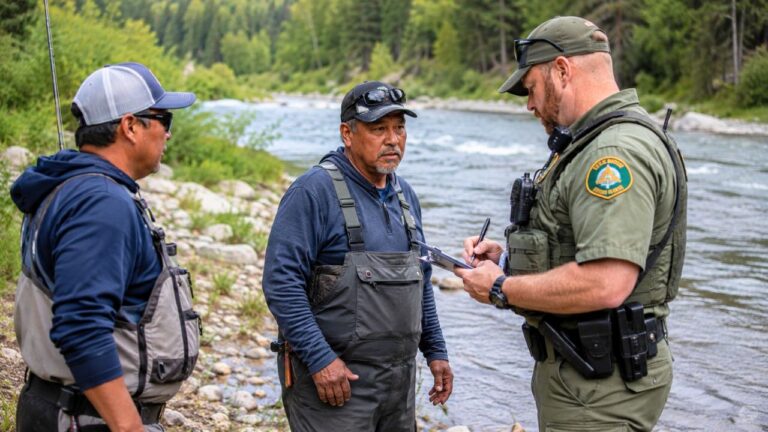
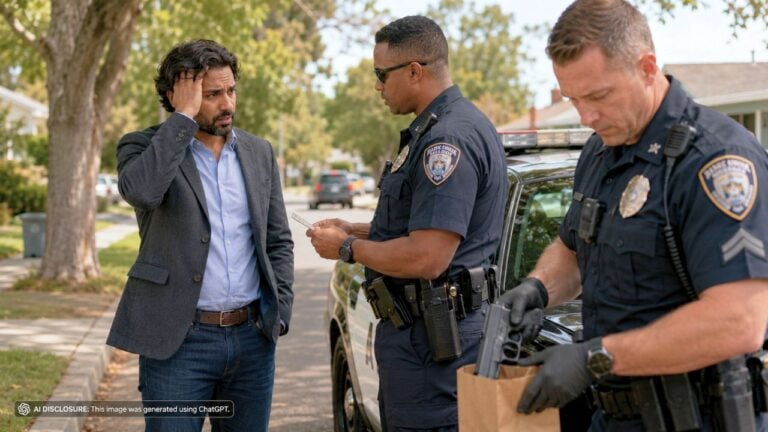
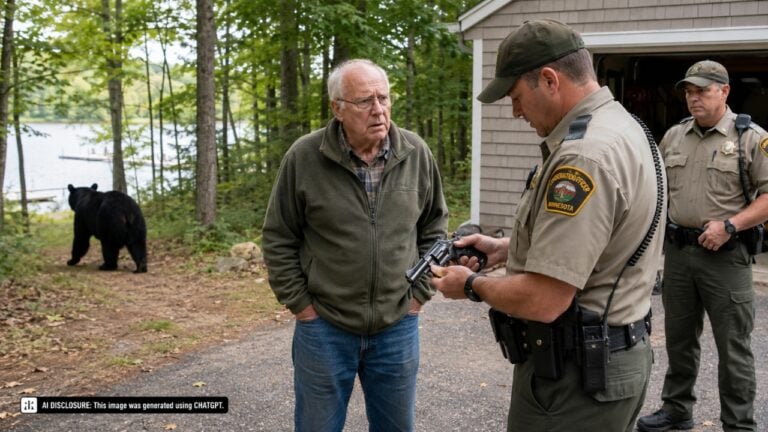
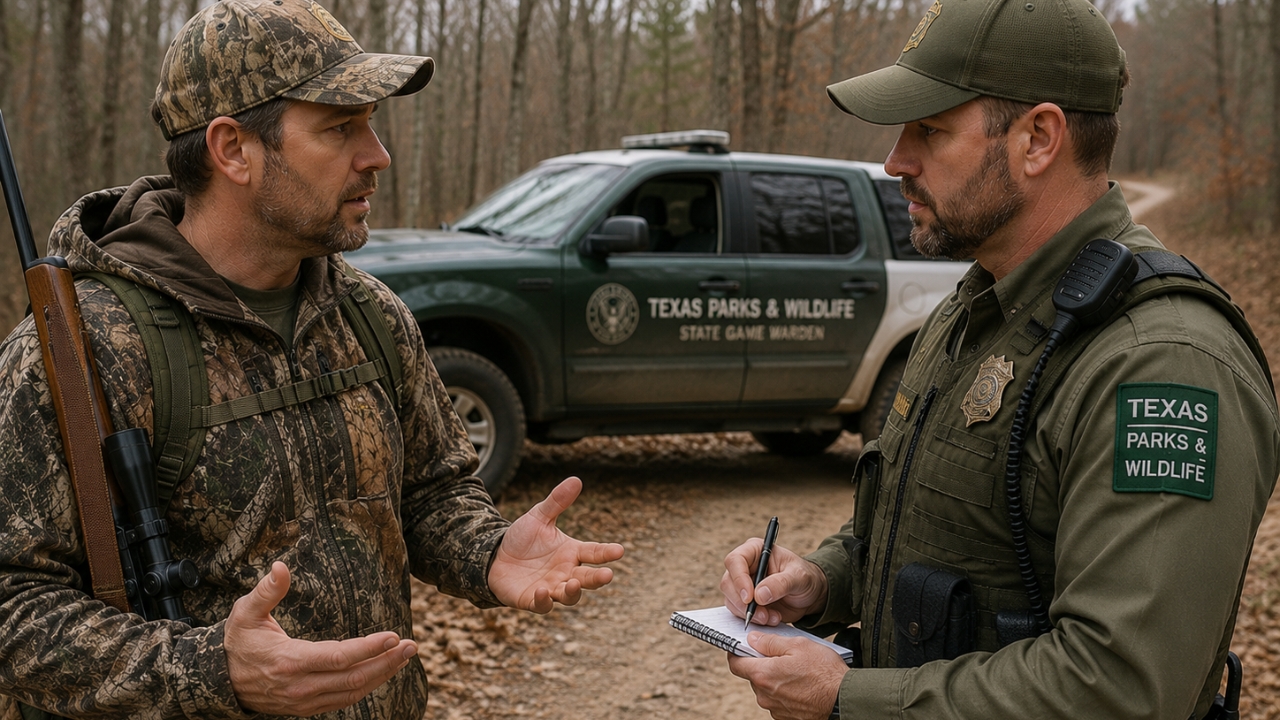
The hunter’s question was not about one specific citation. It was about the moment many hunters and anglers eventually run into: a fish and game warden walks up in the field, starts asking questions, and you have to decide how much to say.
According to the Reddit post, the person wanted to know what hunters should say when wardens ask questions during an outdoor stop.
The original Reddit post can be found here: https://www.reddit.com/r/legaladvice/comments/5gj0oh/what_should_you_say_to_fish_and_game_wardens_when/
That question makes sense because game wardens operate in a unique part of law enforcement. They are not just dealing with ordinary street stops. They are checking people who may be hunting, fishing, trapping, boating, transporting game, carrying firearms, or moving through public and private land during regulated seasons.
For an outdoorsman, that can feel different from most other encounters. A warden may ask to see a license, tags, fish, game, cooler contents, firearms, ammunition, or gear. If you are actively hunting or fishing, some of those checks may be part of the rules that come with the activity. But that does not mean people stop wondering where the line is.
The practical concern is simple. Most hunters do not want to be rude, evasive, or difficult with a warden doing a normal compliance check. At the same time, nobody wants to talk themselves into a citation by guessing, rambling, or volunteering information they do not fully understand.
The safest approach is usually calm and basic. Show the required license and tags. Keep firearms pointed safely. Answer routine identification and compliance questions clearly. Do not lie. Do not argue in the field. If a warden asks something that feels unrelated or invasive, it is fair to ask whether you are required to answer or whether you are free to leave, but the tone matters.
The post was really about avoiding two extremes. One extreme is acting like every warden is out to get you, which can turn a normal check into a tense encounter. The other is oversharing and giving confused explanations that create problems where none existed.
For hunters and anglers, preparation helps. Know the season rules. Know your bag limits. Know your tag requirements. Know how your firearm, bait, boat, or gear is supposed to be set up. If everything is in order, a warden check should usually be quick and uneventful.
Commenters generally told the poster to be polite, truthful, and careful. Several said there is no benefit to lying to a game warden, especially when licenses, tags, harvested animals, and gear can often be checked directly.
Others said hunters should not volunteer long explanations beyond what is needed. If the warden asks a simple question, answer the simple question. If the warden asks for a license or tag, provide it. Turning every answer into a story can create confusion.
Some commenters explained that wardens often have authority to inspect certain things when someone is actively hunting or fishing. That can include licenses, tags, fish, game, and equipment tied to the activity. The exact authority varies by state, so hunters should know their local regulations.
A few people said that if a hunter believes a warden is overstepping, the field is usually not the best place to fight it. Get the officer’s name, badge number, agency, time, and location, then challenge the issue later through the proper process.
The post ended with a practical reminder. A game warden check does not have to become a confrontation. Be respectful, know the rules, keep your paperwork ready, and save legal arguments for the right setting if something truly seems wrong.
Like The Avid Outdoorsman’s content? Subscribe to our newsletter so you never miss an article.
Here’s more from us: