Photo credit: WHO_TEE_WHO/YouTube
Tracking gets hard for two reasons: you don’t get enough blood on the ground, or you don’t get enough damage inside the chest to shorten the run. A cartridge can contribute to both—usually because it pushes people toward the wrong bullet, the wrong impact speed, or the wrong expectations. Fast rounds can turn a thin-jacketed bullet into a grenade at 60 yards. Small rounds can kill clean but leave you searching because there’s no exit hole. Big magnums can turn the front half of a deer into soup and still leave you with almost nothing to follow if the bullet comes apart early.
None of this means these cartridges “can’t” kill. They can. The problem is how often they’re chosen and loaded in ways that make your job harder after the shot—especially when you’re dealing with brush, low light, wet leaves, or a deer that heads for the thickest cover in the county.
.223 Remington
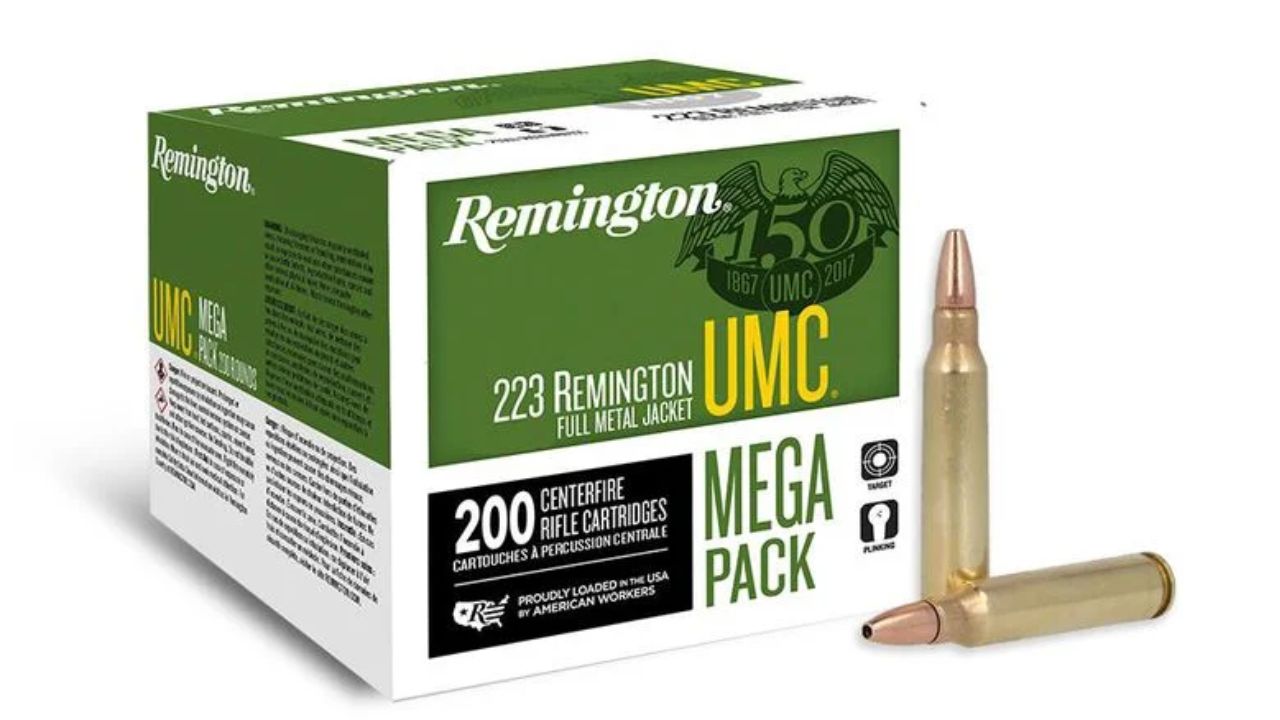
A .223 can put a deer down, but it often makes tracking tougher than it needs to be because you’re starting with a small hole. If you don’t get an exit, blood can stay inside the chest cavity for a long stretch. You’ll hear guys say, “It dropped in sight,” and that’s true sometimes. Other times you’re following pinpricks and scuffs instead of a clear trail.
The common mistake is assuming any .223 bullet is a deer bullet. Varmint-style bullets can fragment too quickly and fail to reach the vitals on bad angles. Even with good controlled-expansion loads, you’re still working with limited wound diameter compared to classic deer rounds. If your tracking conditions are already ugly—thick grass, leaves, or snow crust—small holes can turn a solid hit into an all-evening search.
.22-250 Remington

The .22-250 is a laser on coyotes, and that’s exactly why it can cause problems on deer. It’s fast enough that a soft bullet can come apart early, especially at close range. When that happens you can get dramatic surface damage and not much penetration, which means a deer can run farther than it should.
Even when it kills, tracking can be frustrating because you’re still relying on small holes and often minimal exit wounds. If the bullet fragments inside the chest, blood may not pour out onto the ground. You end up following sparse droplets and hoping the deer doesn’t cross a creek or mix with other tracks. People choose the .22-250 because it shoots flat and feels mild. That doesn’t automatically translate into an easy recovery when the bullet performance doesn’t match the speed.
.243 Winchester

The .243 is a classic “light recoil, accurate” deer round, but it’s also one of the easiest cartridges to load wrong for big game. A lot of factory shelves and handload benches are crowded with thin-jacketed bullets meant for varmints. Push one of those into a shoulder at .243 speeds and you can get a blow-up that looks convincing at first and then turns into a long track.
Even with proper deer bullets, you’re still dealing with a smaller diameter and sometimes no exit on steep angles. That can mean a clean internal kill with surprisingly little blood outside the animal. In dry leaves or cut corn, you’ll wish you had a bigger exit hole. The .243 works best when you treat bullet choice like part of the caliber, not an afterthought. When you don’t, it’s a cartridge that can punish you on the tracking side.
6mm Creedmoor

The 6mm Creedmoor has a reputation for accuracy and low recoil, and it deserves it. The trouble is that its popularity overlaps with match bullets and long-range habits, and those don’t always pair well with close-range deer impact speeds. If you hit a deer inside 100 yards with a thin-jacketed 6mm bullet, you can get fast fragmentation and inconsistent penetration.
Tracking gets messy when the wound is mostly internal and the exit is missing or tiny. You’ll find hair, you’ll find a scuffed leaf, and then you’ll find nothing for 40 yards. Meanwhile the deer is still moving. The 6mm Creedmoor can be excellent with a controlled-expansion hunting bullet, but a lot of folks buy whatever shoots the tightest groups on paper. When “tight groups” is the only selection process, you’re gambling on blood trails.
.25-06 Remington

The .25-06 has killed a lot of deer cleanly, but it runs on speed, and speed amplifies bullet mistakes. With lighter .25-caliber bullets, close-range hits can be violent enough to destroy the front end without giving you a dependable exit. When the bullet comes apart early, blood often stays inside, and the deer can still cover ground before it tips over.
It also tempts you into thinking flat trajectory solves everything. You might take a quartering shot you shouldn’t because the rifle shoots so “easy.” Then you’re dealing with a long, uncertain trail because penetration wasn’t there. The .25-06 does better when you lean into tougher bullets and realistic shot angles. Used casually, it can turn a good hit into a frustrating recovery—especially in thick cover where you need a loud, obvious blood trail to stay on track.
.257 Weatherby Magnum

The .257 Weatherby Magnum is a speed demon, and that’s the whole story. It hits deer hard, but it can also make tracking harder when the bullet construction can’t keep up with impact velocity. At close range, a soft bullet can fragment so fast that the energy dump looks impressive while the penetration ends up disappointing.
When you don’t get an exit, you lose the easiest tracking tool you’ve got: blood on the ground. In open country you might still watch the deer go down. In timber, it can disappear in seconds, and now you’re trying to read pinprick sign. The .257 Weatherby is at its best when you choose bullets designed to hold together at high speed and you avoid breaking heavy bone at bad angles. Ignore those realities and you’ll spend more time crawling than dragging.
6.5 Creedmoor

The 6.5 Creedmoor is good at killing deer, but it can be oddly stingy with blood trails depending on bullet choice and shot angle. A lot of 6.5 bullets penetrate well, and that’s great—until you get a small, neat exit or no exit at all on a quartering hit. You can end up with a dead deer and a weak trail.
The other problem is people using match bullets because they shoot great groups. Some match bullets can work, but they’re not designed around consistent terminal behavior on game. If a bullet fragments early or fails to open properly, you’re stuck tracking a deer that’s hurt but not immediately down. The Creedmoor doesn’t deserve blame for bad choices, but it’s a cartridge that attracts them. When your goal is an easy recovery, pick a true hunting bullet and accept that smaller exits can mean tougher tracking.
6.5 PRC
The 6.5 PRC adds speed, and speed can reduce the margin for error. When it’s paired with a softer bullet and you hit at close range, you can get aggressive expansion that sometimes limits penetration. If the bullet doesn’t exit, the blood trail can be unimpressive even when the internal damage is serious.
This round also encourages longer shots, which means more variables—wind, angle, and impact location. A slightly back hit with a 6.5 can still kill, but the deer may travel far, and now you’re tracking a moving animal with a thin trail. The PRC works best when you treat it as a hunting cartridge first and a ballistic chart second. Tougher bullets and disciplined shot selection keep it honest. When it’s used like a long-range toy with fragile bullets, it can turn recoveries into chores.
.270 Winchester

The .270 Winchester is a deer classic, but the modern tendency is to run lighter, faster, more dramatic bullets—and that’s where tracking can get tricky. Hit a deer close with a thin-jacketed, rapid-expansion load and you can get a lot of damage up front with less reliable exit holes than you’d expect. No exit usually means less blood on the ground.
The .270 also gets used by people who shoot a lot of open fields, and that can lead to “hold on hair” confidence. When the hit is a little high or a little far back, the deer can go a long way, and the trail can be sparse if the lungs weren’t shredded quickly. With tougher bullets, the .270 is usually a point-A to point-B recovery machine. With popular rapid openers at high impact speed, it can make you work harder than a boring old deer round should.
.270 WSM
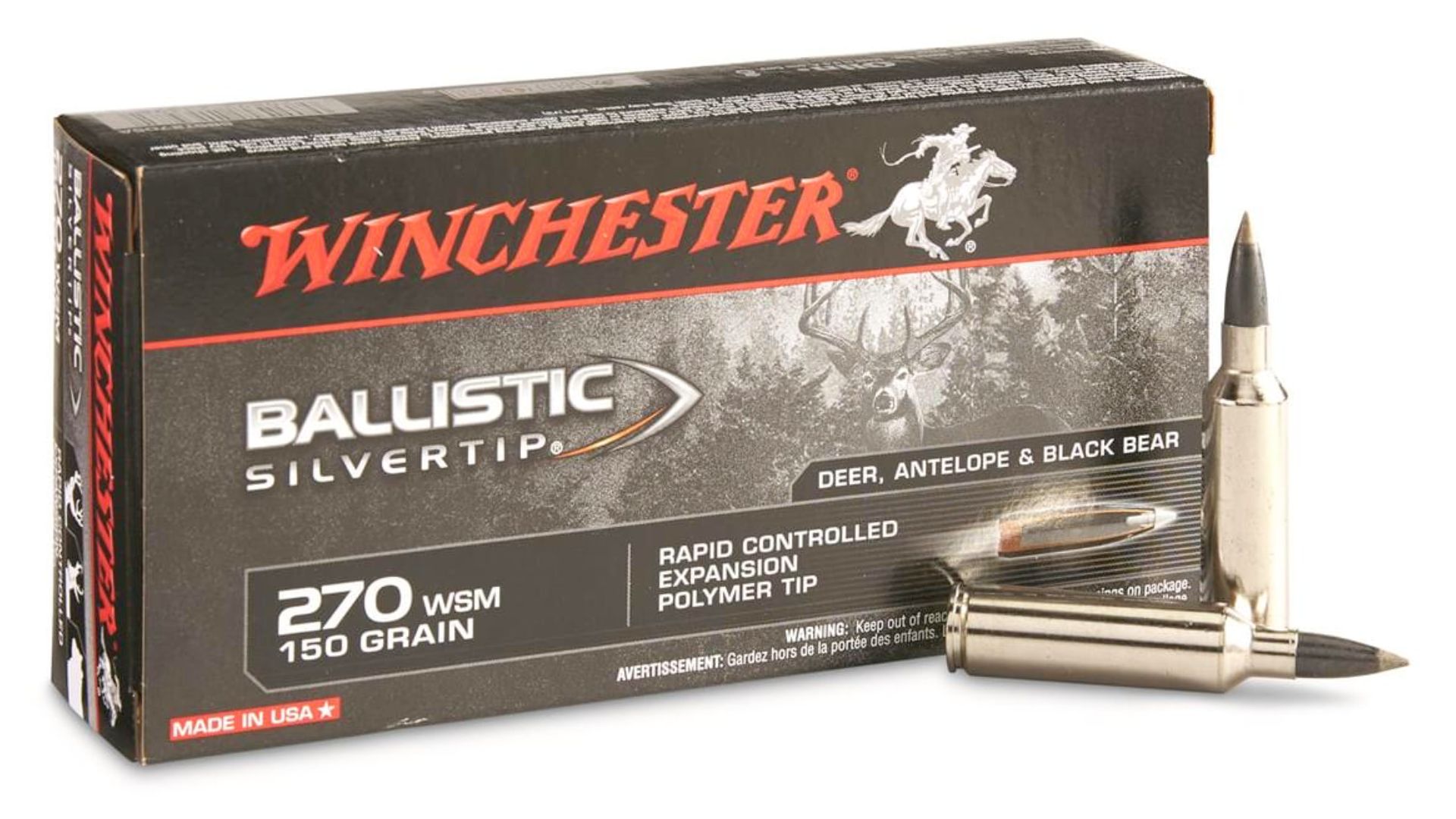
The .270 WSM brings more velocity, and that’s where the tracking headaches creep in. Higher impact speed can turn some bullets into a shallow mess on shoulder hits. You might find plenty of hair and a nasty entry wound, then watch the trail fade because the bullet didn’t drive through the chest the way you needed it to.
It’s also a cartridge people often buy for “reach,” which leads to shots taken at distances where small errors matter. A deer hit marginally with a fast .270 can still run hard, and if the wound doesn’t vent blood well, your trail will be thin. The WSM can be excellent when you pair it with a controlled-expansion bullet and avoid fragile designs that overreact to speed. When you don’t, you can end up tracking by hope instead of sign.
7mm Remington Magnum
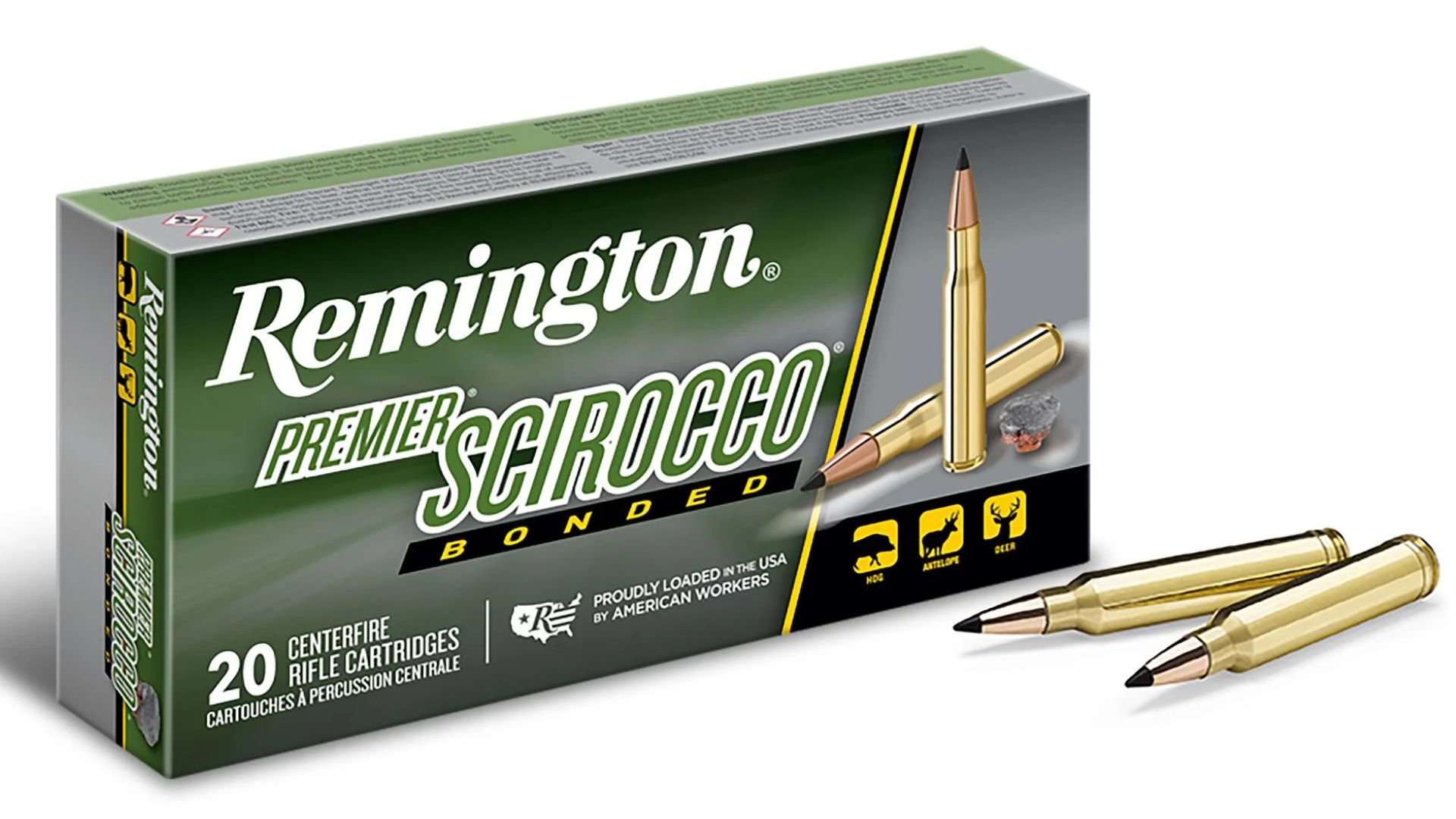
The 7mm Rem Mag is famous for flat shooting, and that popularity leads to a common pattern: people pick light bullets and push them fast. At close ranges, those light, quick-opening bullets can come apart in the front half of the animal. You’ll see dramatic damage, but the exit can be missing, and your blood trail can be weaker than it should be.
Another issue is that the 7mm tends to get carried in “do everything” rifles, which means it gets used for shots people shouldn’t take when they’re tired or rushed. A high-lung hit can still be lethal, but it can also create a long run with limited ground blood, especially if the exit is small. The 7mm is a killer when you feed it bullets that hold together and you shoot with discipline. Used casually with fragile loads, it can turn a good hit into a long evening.
7mm-08 Remington

The 7mm-08 is usually friendly and effective, but it can still make tracking harder when it’s paired with tough bullets that don’t open much at lower impact speeds. On longer shots, a stout bullet can punch through with a narrow wound channel, leaving you with a small exit and a deer that runs farther than you expected.
This is the quiet downside of “controlled expansion” when you overdo it. If the bullet doesn’t upset enough, you get less internal disruption and less blood on the ground. The cartridge isn’t the villain, but it can tempt you into thinking you need the toughest bullet made, even for whitetails. The 7mm-08 shines with balanced hunting bullets and good shot placement. When you pick overly tough bullets for modest velocities, tracking can feel like a needle hunt in leaves.
.308 Winchester

The .308 is dependable, but it can create tracking headaches in two opposite ways depending on the load. With tough, controlled bullets at modest velocity, you can get a pencil-like pass-through with smaller holes than you’d expect. With softer bullets at close range, you can get fast expansion that sometimes fails to exit on shoulder hits.
Either way, blood trails can be less dramatic than the .308’s reputation suggests. A lot of people expect a big red carpet because “it’s a .30 caliber,” then they’re surprised when the deer runs and the trail is thin. The .308 does best when you match bullet choice to your typical ranges and the size of game you’re hunting. It’s a great cartridge, but it’s not immune to the modern habit of choosing bullets based on marketing labels instead of how they behave in real animals.
.300 Winchester Magnum

The .300 Win Mag can make tracking worse when the bullet construction is too soft for the speed, especially at close range. When a .300 hits hard and fast, a fragile bullet can fragment early, dump energy, and still not give you the exit hole that makes tracking easy. You can end up with a deer that’s mortally hit but leaves surprisingly little blood outside the body.
The other issue is meat damage that distracts from the actual problem. People see a wrecked shoulder and assume the deer can’t go far, then they lose the trail because the blood stayed inside and the animal ran anyway. The .300 Win Mag is at its best with controlled-expansion bullets and shot placement that keeps you in the lungs instead of smashing everything up front. Used with the wrong bullet, it can turn “power” into an annoying recovery job.
.300 Weatherby Magnum

The .300 Weatherby takes the .300 idea and adds more speed, which tightens the window for bullet performance even further. At close ranges, impact velocity can be high enough to stress bullets that were designed for more moderate speeds. If the bullet opens too violently, you risk shallow penetration and, again, weak blood trails.
It can still kill extremely fast, and that’s the trap. People remember the instant drops and forget the times a deer ran into the nastiest cover because there was no exit wound to paint the ground. You end up tracking by tiny flecks and disturbed leaves. If you’re going to carry a Weatherby-level magnum, bullet choice matters more than ever. Pick a bullet that holds together, accept that the rifle is already plenty flat, and keep your shot angles sensible. That’s how you avoid turning speed into frustration.
.338 Winchester Magnum

The .338 Win Mag has the horsepower to end things quickly, but tracking can get harder when you pair it with bullets that expand too fast at short distances. On deer-sized animals, the impact can be so violent that you get major internal damage without a clean exit, especially if you hit heavy bone.
It also tempts you into thinking you’re carrying a guarantee. When that mindset leads to rushed shots, you end up tracking longer than you should because even big cartridges can’t fix a marginal hit. The .338 is a better elk and bear tool than a whitetail tool for many hunters, and that matters because bullet selection is often aimed at larger game. A very tough bullet might pass through a deer with a smaller wound than you’d expect, leaving a light trail. Power helps, but it doesn’t replace a good, blood-friendly wound.
350 Legend

The 350 Legend is popular in straight-wall states because it’s legal and pleasant to shoot, but it can make tracking harder when the bullet doesn’t open well or when penetration and exit holes don’t behave consistently. Some loads can punch through with a relatively narrow wound channel, and a deer can cover a lot of ground before it tips over.
It’s also a cartridge many hunters shoot out of lighter rifles, sometimes with less practice, because it’s seen as an “easy” option. When you combine modest velocity with a bullet that’s picky about expansion, you can end up with a lung hit that doesn’t produce the kind of blood trail you want in thick woods. The 350 Legend can work well, but it rewards careful ammo selection and realistic range limits. Treat it like a short-range deer cartridge and it performs. Treat it like a magic straight-wall solution and tracking can get frustrating.
6.8 SPC

The 6.8 SPC can be a solid deer cartridge, but it sometimes makes tracking harder because it lives in that middle zone where bullet performance varies a lot. Some loads expand nicely and exit. Others don’t open much at lower impact speeds or through heavier tissue, leaving you with smaller holes and less ground blood.
It’s also often shot out of shorter AR-style barrels, which can reduce velocity and change how a given bullet behaves. That’s not a dealbreaker, but it means you don’t get to assume the same performance you’d see from a longer test barrel. When the bullet doesn’t expand as expected, deer can run farther and leave less sign. The 6.8 isn’t a bad choice, but it demands you pick a true hunting load and confirm how it shoots and impacts. When you don’t, it can turn an easy recovery into a slow one.
7.62×39
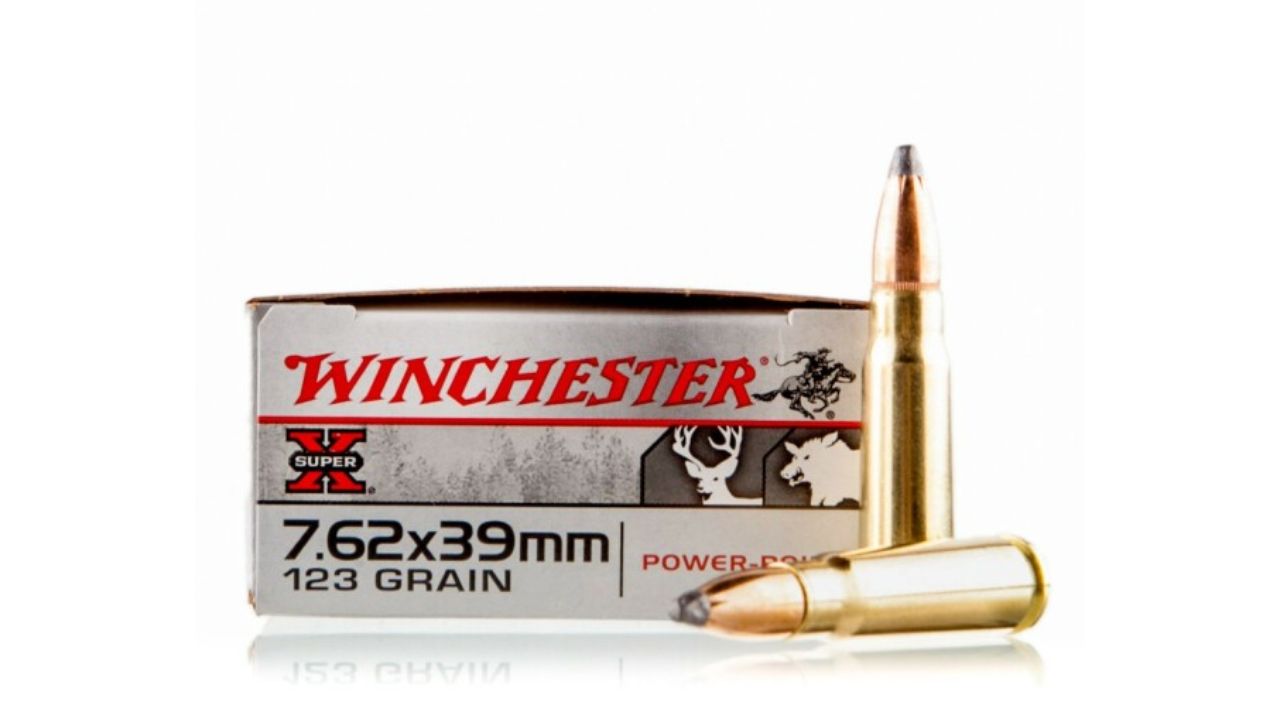
The 7.62×39 kills deer every year, but tracking can get tougher because many common loads weren’t designed with whitetails in mind. Bullet construction varies widely, and some loads behave more like “punch through” rounds than reliable expanders. That can leave you with narrow wound channels and modest blood trails, especially on longer shots where velocity drops.
The platform factor matters too. A lot of hunters use the cartridge in rifles that are light, handy, and quick—great traits—then they treat it like it has more reach than it really does. A hit that’s slightly back with a slow-expanding bullet can turn into a long track with sparse sign. The 7.62×39 works best when you keep distances reasonable and use hunting-specific ammunition that opens reliably. When you treat it like generic ammo in a deer rifle, you’re rolling the dice on the trail.
Like The Avid Outdoorsman’s content? Subscribe to our newsletter so you never miss an article.
Here’s more from us: