Photo credit: Danny Shives/Pexels.com
Mule deer aren’t “moving” like a flock of birds, but their usable range absolutely shifts when winter range gets pinched, corridors get chopped up, drought changes forage timing, and development creeps into the same low-elevation country deer need to survive. The hard part is this: most hunters are looking at last year’s waypoints and last decade’s patterns, while the deer are reacting to what happened this spring, this summer, and the last brutal winter. The USGS corridor-mapping work has made it really obvious how dependent mule deer are on specific migration routes and seasonal ranges—and how easy it is to disrupt them. If you hunt mule deer, you don’t need a biology degree. You just need to accept that “they should be here” is becoming less reliable in a lot of places.
Arizona

Arizona is one of the states where mule deer shifts feel sudden because the margins are already tight. When drought drags on, the timing of green-up and water availability changes, and deer don’t always use the same elevations and pockets the same way they did even a few seasons ago. The bigger piece is that the most important country for survival is often the lower winter range and the corridors that connect it to summer range. Those routes aren’t “nice to have.” They’re the highway system. The USGS migration mapping work includes Arizona herds, and it’s a reminder that a herd’s seasonal routine depends on specific corridors staying usable. When those routes get hammered by development, fencing, roads, or sustained dry conditions, deer behavior changes in ways hunters notice first as “they vanished.” In reality, they didn’t vanish. They slid to where the groceries and security still line up.
California

California mule deer range shifts often look like a “pressure” problem, but it’s frequently habitat and access changing at the same time. Fires reshape forage in some places and remove cover in others, and drought years can make traditional holding areas feel empty. Add development and heavy recreation pressure in certain corridors, and you get deer using less obvious routes and spending daylight in places hunters don’t want to hunt. California is included in the USGS migration and seasonal range mapping work, which matters because it shows how specific (and fragile) those patterns can be. If you’re still hunting the same glassing knobs and expecting the same downhill movement, you can get fooled fast. The fix is scouting for current sign and feeding patterns, not relying on tradition. In California especially, mule deer can shift use within the same unit based on one rough season.
Colorado

Colorado is one of those states where hunters argue about “where the deer went” every year, and a lot of the time it’s because deer are responding to winter severity, changing forage timing, and pressure on the most accessible seasonal ranges. The USGS corridor mapping work has highlighted how mapped migration routes and seasonal ranges drive where deer actually live through the year. When those corridors get squeezed, deer can start wintering in different pockets, arriving later, leaving earlier, or using alternate routes that don’t match your old plan. Colorado also has the classic problem of humans stacking up on the same “good looking” country, which can push mule deer into the thickest cover and the nastiest angles. If your approach is built around last season’s migration timing, you’ll get burned. The guys who stay on deer are the ones willing to re-map their own assumptions every year and hunt the edges of pressure.
Idaho

Idaho’s mule deer shifts can feel dramatic because the country is big, the herds are spread, and conditions vary hard from one drainage to the next. A rough winter in one area can change fawn survival and push deer use into different elevations the next season, and drought years can alter where the best feed is. Idaho is part of the USGS migration mapping footprint, which is important because it shows the seasonal range connections that hunters tend to ignore until they break. When corridors get interrupted—by development, traffic, fencing, or even heavy recreation—deer can shift to different routes or compress into smaller “safe” zones. For hunters, that shows up as fewer sightings in traditional glassing basins and more sign in overlooked timber and nasty transitions. If you’re not checking those boring in-between zones, you’re missing where deer are adjusting.
Montana

Montana mule deer shifts are getting more attention partly because pressure and management are changing alongside the deer. When states start talking publicly about pressure, harvest limits, and tag adjustments, it’s usually because the system is stressed. Montana’s commission vote to reduce nonresident deer licenses for 2026–27 was explicitly tied to pressure concerns and population issues in parts of the state. That matters for “range shift” because pressure concentrates deer and changes daylight movement, and population dips change where you even find consistent groups. Add habitat changes, weather swings, and corridor pinch points, and hunters can’t rely on the same open-slope sightings year after year. In Montana, it’s smart to treat your mule deer plan like an elk plan: expect them to use security cover more, expect them to relocate after pressure events, and scout for where they’re surviving—not where they “should” be.
Nevada
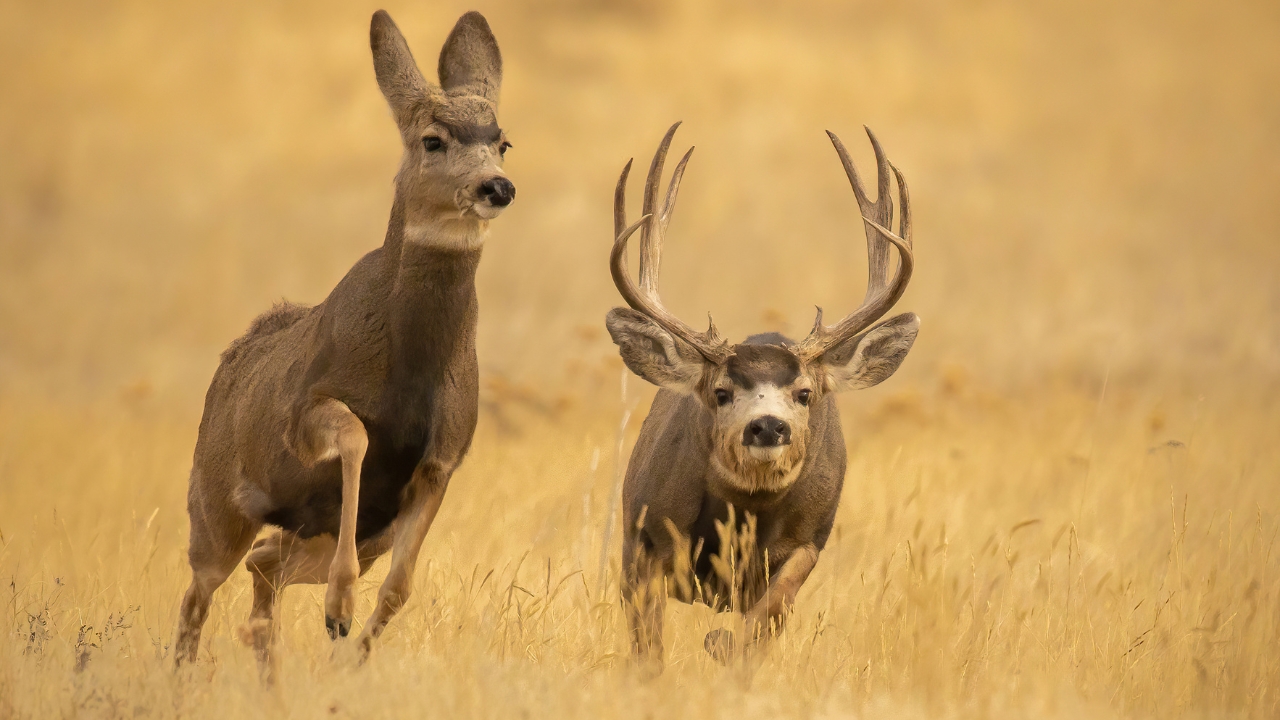
Nevada is one of the clearest “expect the unexpected” mule deer states because conditions can flip hard with drought and heat. When the feed dries early, deer don’t always hold high the way hunters expect, and when water becomes the main limiter, you’ll see deer using different basins and different travel routes. Mule Deer Foundation’s recent range-wide commentary has pointed to ongoing challenges in parts of the West, including Nevada, tied to drought and other pressures. Nevada is also featured in the USGS migration mapping releases, which reinforces that seasonal range use depends on corridors staying functional. For hunters, the mistake is hunting scenery instead of sign. Nevada mule deer will make you honest: if you aren’t finding current feed, current tracks, and current bedding behavior, your old honey hole can go cold for reasons that have nothing to do with “too many hunters.”
New Mexico

New Mexico mule deer can feel like they’re “gone” when conditions shift because a lot of hunters are relying on past rut timing, past water patterns, and past vegetation. Drought and heat can change where the groceries are, and in some areas, deer adjust by using thicker cover more aggressively and moving more at night. Mule Deer Foundation has specifically noted continued decline concerns in places like New Mexico in recent updates, which is usually tied to the same cocktail: drought, habitat stress, and pressure. New Mexico is also included in the USGS migration mapping coverage in recent volumes, which matters because it puts a spotlight on seasonal routes hunters don’t always think about. If you’re hunting the same ridgelines and glassing the same open faces, you can miss deer that have slid into different elevations and thicker transitions that match the current year’s conditions.
Oregon

Oregon mule deer shifts are a perfect example of why “range” isn’t just a dot on a map. A herd’s usable range is the part that still connects winter survival to summer feed, and Oregon herds are dealing with fire effects, habitat change, and corridor pressure that can alter movement patterns. Oregon is represented in the USGS migration and seasonal range mapping releases, which is helpful because it shows how defined those routes can be. Mule Deer Foundation has also pointed to continued struggles in parts of Oregon in recent updates, which lines up with what hunters see as shifting distribution and fewer deer in classic areas. In practical terms: Oregon mule deer often show you the shift first by moving off the obvious open country and into timbered benches and broken terrain where they can avoid pressure and still find feed. If you won’t hunt the in-between stuff, Oregon will punish you.
Utah

Utah mule deer hunters are dealing with the same modern problem as everyone else: changing habitat conditions layered on top of pressure and access. You can have a year where the deer are “there,” then a tough winter or dry spring changes survival and forage, and suddenly your familiar basins feel empty. Utah’s mule deer and other ungulate movements are part of the broader corridor-mapping effort that shows how dependent herds are on intact migration routes and seasonal ranges. When those routes get stressed, deer don’t always follow the same script. They might winter in different pockets, use different saddles, or stage in places that don’t match your plan. Utah is also a state where human use of the backcountry has climbed, and that alone can push deer into thicker, steeper hideouts. If you want to keep up, you have to scout earlier and hunt tighter to cover.
Washington

Washington mule deer shifts can be sneaky because a lot of hunters are used to “local patterns” that feel stable—until they aren’t. Harsh winters can cause localized die-offs and alter where deer concentrate the next season, and habitat fragmentation can make traditional movement routes less reliable. Mule Deer Foundation has pointed out winter-related impacts in parts of the Northwest recently, and hunters notice that first as changed distribution. Washington is also included in the migration mapping coverage, which is a reminder that deer are following seasonal needs, not our expectations. If you’re hunting Washington mule deer, it’s smart to treat corridors and winter range as the anchor. When those pieces shift, the whole season shifts. Guys who stay consistent are the ones paying attention to what winter did and what spring feed looked like—not just what worked in 2019.
Wyoming

Wyoming is the classic mule deer state where people assume the patterns are written in stone, and that assumption gets guys in trouble. Migration corridors in Wyoming are famous for a reason, and the corridor mapping work has documented how specific those seasonal routes are. When winter range gets pinched or a corridor gets disrupted, deer can adjust quickly by using alternate routes or changing timing. From a hunter’s perspective, it looks like “they didn’t show up,” especially if you’re hunting a migration window that has slid a couple weeks. Wyoming also has the reality of weather swings: a brutal winter changes survival and movement, and a dry year can change where the feed holds longest. If you want to stay on Wyoming mule deer, you have to scout for current concentrations and hunt flexible. Betting everything on one migration corridor timing is a good way to eat tag soup.
South Dakota

South Dakota isn’t the first state people think of for mule deer shifts, which is exactly why hunters get surprised. Mule deer in the Plains and breaks country can shift their use quickly based on drought, pressure, and changes in agriculture patterns, and they don’t have endless “backup habitat” the way mountain herds do. When feed and cover change, deer can slide into pockets that make them harder to spot from the usual roads and glassing points. The bigger point is that corridor and seasonal range concepts still apply even in less dramatic terrain: deer need safe travel and consistent resources, and when either gets altered, distribution changes. The guys who do well tend to hunt the ugly draws, thicker creek bottoms, and overlooked transitional cover where deer tuck in after pressure. If you’re hunting South Dakota mule deer like it’s a wide-open spot-and-stalk postcard every year, you’ll miss the quieter shifts that matter.
North Dakota

North Dakota mule deer shifts tend to show up as “they’re not on the same face” or “they’re not using the same draws,” and a lot of that comes down to weather swings and habitat changes. In more open country, even small changes in cover, food availability, and human activity can change where deer feel safe in daylight. Mule deer also respond to hard winters and dry summers in ways that can compress them into smaller pockets near reliable resources. The mistake here is expecting consistency because the terrain looks simple. It isn’t simple to the deer. If a winter hit them hard, you may see fewer deer and different groupings the next season. If pressure jumps in one easy-access area, they’ll slide into rougher cuts or private boundaries. The play is scouting: glass more country, spend time locating current bedding, and don’t assume last year’s concentration is still the concentration.
Nebraska

Nebraska mule deer range shifts can be extremely local, which makes hunters feel like they’re chasing ghosts. One valley holds deer for years, then changes in land use, pressure, or a couple tough seasons cause deer to redistribute. In mixed agriculture and breaks terrain, deer can shift based on where cover and feed line up and where they can avoid human traffic. That’s especially true near roads and high-use areas where deer quickly learn patterns. The broader migration-corridor story still matters here: when movement routes get disrupted, deer don’t stop moving—they reroute, often into places hunters don’t spend time. The best Nebraska mule deer hunters I know treat every season like a fresh recon mission. They glass, they track, they look for current sign, and they hunt where deer are living now. If you’re showing up with a ten-year-old plan, Nebraska will make you work.
Texas

Texas mule deer are mostly a West Texas and Panhandle deal, and those herds are heavily influenced by drought, heat, and habitat conditions that can change year to year. In a dry stretch, deer behavior shifts around water and feed, and that can make traditional glassing routines feel useless. Another piece is hunting pressure and access: in places where public opportunity is limited, pressure concentrates, and deer get spooky fast. Texas also shows you the “range shift” effect through management: some mule deer opportunities are controlled or drawn, and demand can be high for certain hunts. When opportunity is tight and conditions are variable, hunters notice shifts quickly because there’s less room to “just go find another basin.” In Texas mule deer country, you win by timing and intel: knowing what rainfall did, where feed held, and where deer are bedding during daylight right now—not where they were three years ago.
Like The Avid Outdoorsman’s content? Subscribe to our newsletter so you never miss an article.
Here’s more from us: