Photo credit: The Avid Outdoorsman
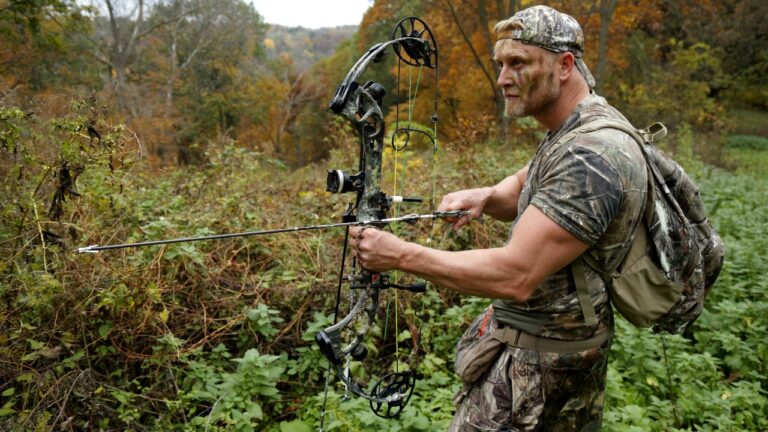
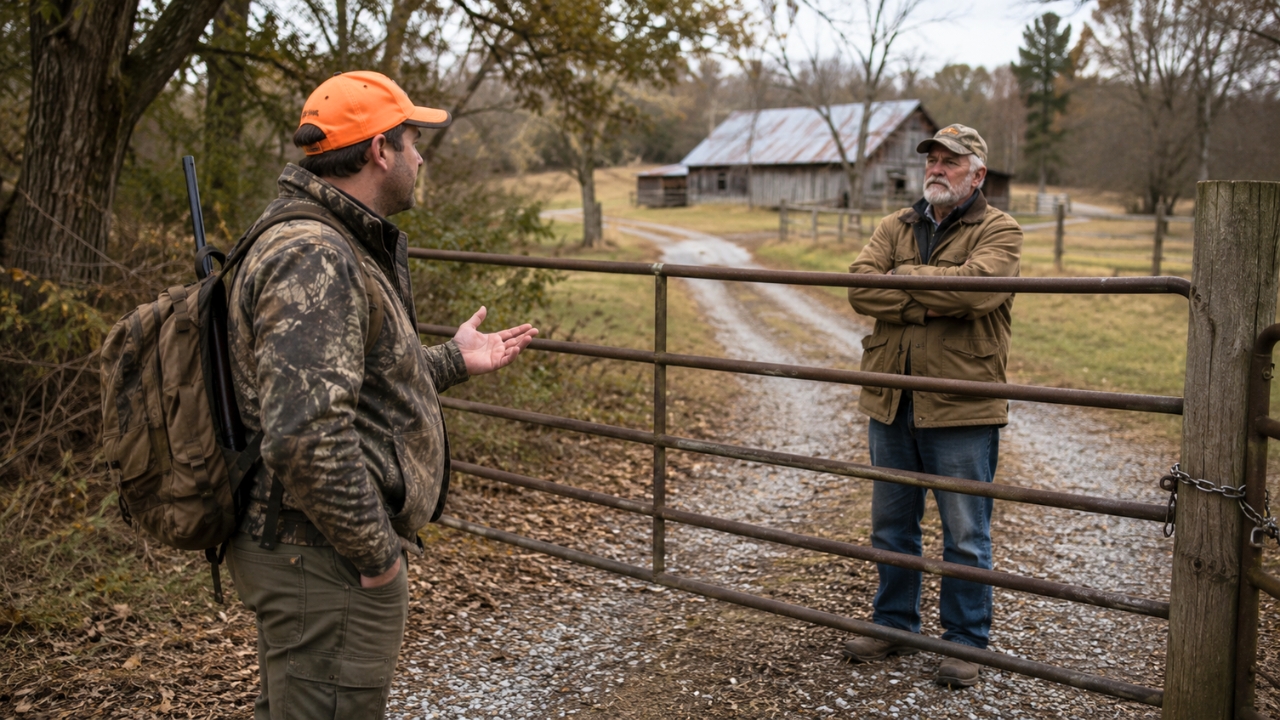
A bowhunter who thought he was doing things the respectful way said he reached out to ask permission to hunt a piece of private land, only to get a response that made it clear the property owner was not interested in opening the door.
The hunter shared the situation in a Reddit post titled “Asked for permission to hunt on this owners’ land, this was his response”. The post centered on a message exchange with the landowner after the hunter asked about permission to hunt the property.
That part is important because the hunter was not trying to sneak in, cut a fence, hang a stand without asking, or act like private land was public. He did the thing hunters are always told to do: ask first. But asking first does not guarantee a yes, and sometimes it does not even guarantee a friendly answer.
For hunters, that can be frustrating. Public land can be crowded. Small parcels may be locked up. Lease prices can be high. A hunter may see a property that looks perfect on a map and think a polite request is worth a shot. But from the landowner’s side, that request may be one of many. They may have had bad experiences with trespassers, liability fears, damaged gates, trash, wounded deer, or hunters who treated a yes like an open-ended invitation.
That tension showed up in the thread. The hunter wanted access, but the landowner had the final say. And the response made clear that the answer was not only no, but possibly no for reasons that went beyond this one request.
Asking Permission Is Right, but It Still Puts the Landowner in Control
A lot of hunters are taught that the respectful route is simple: knock on the door, introduce yourself, ask politely, and accept the answer.
That is still good advice. It keeps hunters from trespassing, gives landowners a chance to set boundaries, and sometimes opens doors that would otherwise stay closed. But it also means accepting that the landowner can say no for any reason.
They may hunt the land themselves. Their family may use it. They may lease it to someone else. They may not want anyone carrying weapons on the property. They may worry about liability. They may have had hunters lie, leave gates open, shoot too close to a house, or bring friends without permission.
The hunter asking may be careful and respectful, but the landowner is not only responding to him. He may be responding to years of bad experiences with other people.
That is why permission requests can feel unfair. A good hunter can get turned down because of bad hunters who came before him. But that is part of the reality of private-land access.
The landowner does not owe a stranger a hunting spot. The hunter’s job is to ask well, respond well, and leave the relationship better than he found it, even if the answer is no.
The Response May Have Revealed a Bigger Problem
The post drew attention because the landowner’s response apparently carried enough tone or force that the hunter brought it to Reddit.
Sometimes landowners are polite but firm. Other times they sound irritated before the hunter even finishes asking. That can feel personal, but it may not be about the hunter at all.
If a landowner has been approached repeatedly, the latest request might be the one that gets the built-up frustration. Maybe people keep knocking during dinner. Maybe hunters have ignored no-trespassing signs. Maybe someone has already been caught on the property that season. Maybe the landowner is tired of strangers assuming open woods means open access.
That does not make a rude response enjoyable, but it can explain why the door closed so fast.
For hunters, the best move in that moment is not to argue. If a landowner says no, especially sharply, arguing only confirms their decision. A simple apology for bothering them, a thank-you for answering, and a respectful exit may be the only good option left.
That response can matter later. Landowners remember the person who handled a no well. They also remember the person who got pushy.
Commenters Reminded Him That Private Land Is Private Land
A lot of commenters likely came back to the same point: at least he asked.
That matters. Even if the answer was unpleasant, the hunter did not cross a line. He respected ownership enough to request permission, and that is more than plenty of people do during hunting season.
But commenters also tend to be blunt about private land. The landowner has no obligation to justify the refusal, soften the wording, or negotiate access with someone he does not know. A hunter can dislike the tone and still have to accept the answer.
Some commenters may have encouraged the hunter not to take it personally. Access is hard to get, and rejection is part of the process. If every “no” gets treated like an insult, asking permission will become miserable fast.
Others likely suggested improving the approach next time. A face-to-face request can work better than a message in some rural areas. Offering references, explaining exactly what kind of hunting is involved, asking for a limited opportunity, offering help around the property, or stopping by outside the pressure of hunting season can sometimes improve the odds.
But none of those are magic. Sometimes the answer is simply no.
Permission Requests Work Better Before the Season Rush
One useful lesson from this kind of story is timing.
Landowners may be less receptive when hunting season is already close or underway. By then, they may have family plans, lease agreements, stands already set, or a strong desire to avoid new complications. They may also be getting more calls, texts, and knocks from hunters who waited until deer sign got obvious.
A better approach is often months earlier. Introduce yourself before the season. Ask if they ever allow hunting. Offer to help with property chores, fence work, predator control, trail cleanup, or anything that shows you are not only looking to take. Build a relationship before asking for access.
That still may not work. But it gives the landowner a chance to know who you are before you ask to enter their land with a bow or firearm.
Hunters sometimes forget that permission is not only about land. It is about trust. A landowner who does not know you has to decide whether you will close gates, respect boundaries, avoid livestock, pick up trash, follow laws, and stay safe. That is a lot to ask from one message.
The hunter in this post asked instead of trespassing, and that was the right move. The next step is learning how often even the right move ends with no.
Commenters generally seemed to recognize both sides of the situation.
Some gave the hunter credit for asking permission instead of sneaking onto the land. In hunting circles, that still matters. A polite no is better than a trespassing charge, and an unpleasant no is still better than getting caught where you do not belong.
Others emphasized that the landowner had every right to refuse. The response may have felt harsh, but private property is private property. Nobody is entitled to hunt someone else’s land because it looks good, holds deer, or sits near public access.
Several commenters likely encouraged the hunter not to burn the bridge. Even after a rough answer, responding respectfully could matter down the road. A landowner may say no this year and reconsider later if the hunter handles himself well.
Others suggested changing the permission strategy next time: ask earlier, introduce yourself in person when appropriate, keep the request specific, offer help, and be ready to accept no without arguing.
For the hunter, the experience was a reminder that asking permission is the right step, but it is not a guarantee. A landowner can shut the request down hard, and the hunter still has to walk away clean. That is part of earning access the right way, even when the answer stings.