Photo credit: AvidOutdoorsman
Lease hunting is supposed to be simple: everybody pays their share, everybody follows the same rules, and everybody gets a fair shake at the best part of the season. But it only takes one guy doing things sideways to turn a deer camp arrangement into a full-on access fight.
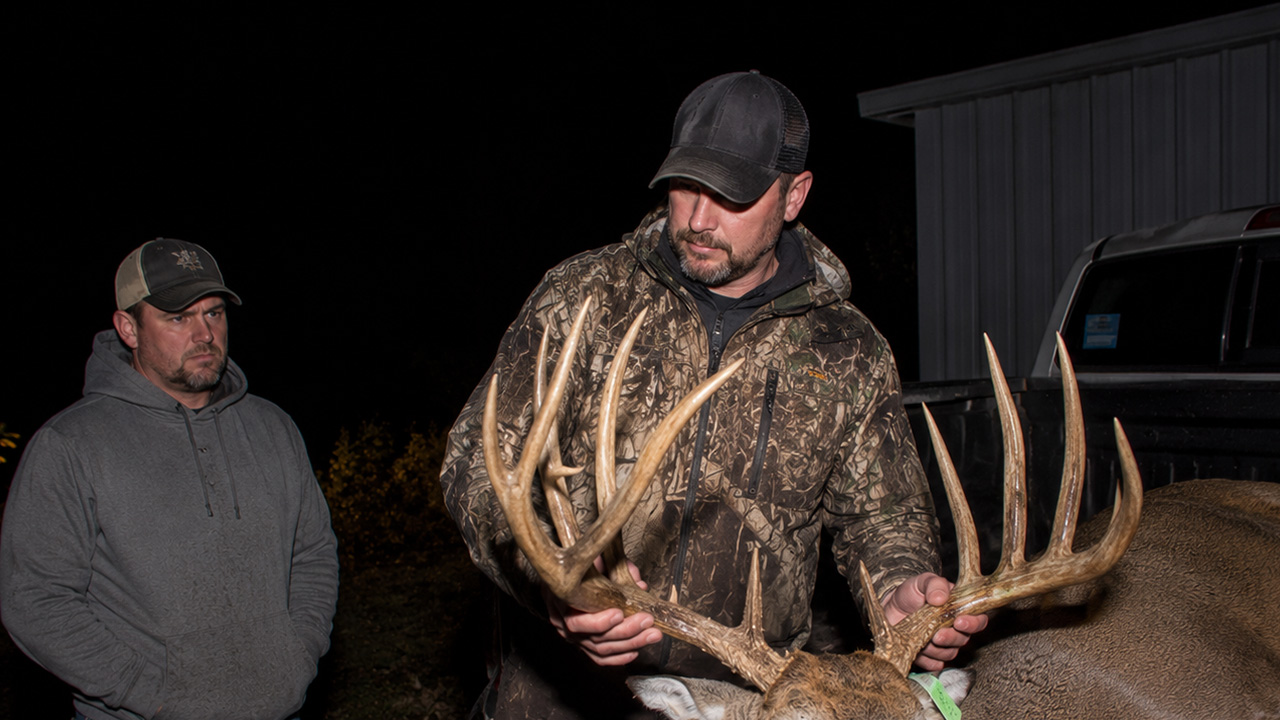
That’s what happened on a Midwestern farm lease this past fall when one member of a two-man agreement arrowed a giant whitetail—right around that 190-class mark—without giving his partner a heads-up. The bigger problem wasn’t just the deer. It was what came next: paperwork filed to push the other hunter off the lease entirely.
The lease rules were “understood,” not written down
The two hunters had been splitting the lease for a couple seasons. Nothing fancy—just a handshake-style deal where each guy kicked in money and handled a piece of the work. One guy kept mineral sites fresh and trimmed shooting lanes. The other handled most of the communication with the landowner and paid the lease check.
Like a lot of small leases, the “rules” lived in text messages and camp talk. One stand on the south edge was considered one hunter’s spot. A creek-bottom pinch was considered the other’s. They didn’t have anything signed between the two of them spelling out who could hunt where, guest policies, or what happened if somebody wanted out.
That setup works right up until a once-in-a-decade buck shows up on camera.
A bruiser buck, a quiet sit, and a surprise phone call
According to how the situation was described afterward, the big deer had been on and off cameras for weeks—tall tines, heavy mass, the kind of frame that makes you check the date twice. The partner who didn’t manage the landowner relationship had a few daylight pictures and had been trying to keep pressure low, waiting on the right wind.
Then, on a weekday when his partner was working, the other hunter slipped in. He didn’t mention it beforehand. He didn’t ask if the spot was “claimed” for the season. He just hunted.
That evening, a short message came through: he’d killed the big one. No details. No “Hey, I went in because the wind was perfect.” Just the news and a photo later on.
In most camps, that’s where the argument starts. In this case, it got worse fast because the buck was taken from an area that had been treated as the other guy’s main setup—stand, trimming, camera, the whole deal.
The argument turned into an access dispute
When the partner who felt burned pushed back, the response he got wasn’t an apology. It was a cold reminder of who was listed on the lease paperwork and who had been talking to the landowner.
That’s the part a lot of hunters don’t think about until it’s too late. On plenty of leases, the landowner only recognizes one person as the responsible party. If that person decides to “make changes,” the other guys can find themselves on the outside looking in—especially if their name isn’t on a written agreement.
The wronged partner tried to do what most guys would do first: handle it like adults. Meet up, talk it out, maybe set boundaries for the rest of the season. But the conversations stayed tense, and the buck became the leverage point. The message was basically: the deer is down, and now you’re the problem.
Paperwork got filed, and the landowner got pulled into it
Not long after the big deer hit the ground, the landowner got contacted with a request to remove the second hunter from the lease arrangement. Whether that was an “amendment,” a new lease, or just a “don’t allow him back” note depends on how that property is managed, but the effect is the same—permission can disappear with one phone call.
The landowner’s perspective matters here. Most folks who lease ground don’t want drama. They want gates shut, trash picked up, no joyriding in wet fields, and no extra vehicles parked by the barns. If they hear “conflict,” they often default to whoever is easiest to deal with—the person who pays and communicates.
That’s why this move stings. It wasn’t just a hunting argument. It threatened access, stands, cameras, and any gear left on the property. The partner who was getting pushed out had to start thinking like a man getting evicted: retrieve equipment quickly, avoid a confrontation, and document everything.
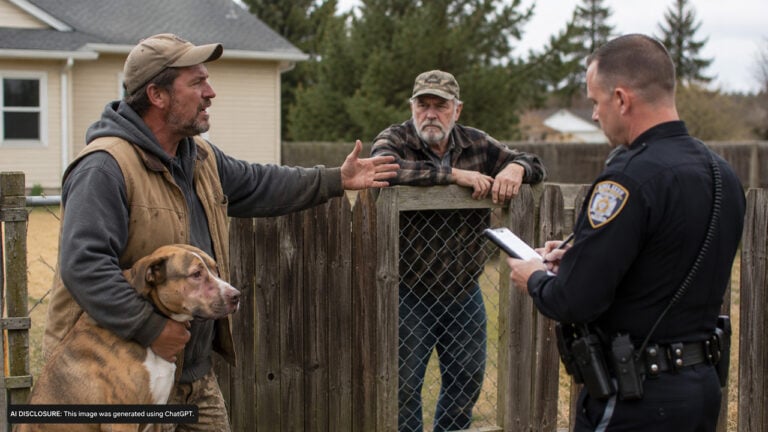
And that’s another practical angle—if you’ve got trail cameras, ladders, hang-ons, or blinds out on a property and your access is getting cut, it’s smart to get your stuff the clean way. Ask for a time window. Bring a witness. Keep it calm. A fistfight over a deer stand is a fast way to invite law enforcement into a situation that should’ve stayed private.
Commenters latched onto one thing: names on the lease and proof of payment
When hunters talk about situations like this, the advice gets repetitive for a reason. Everyone wants to know the same details: whose name is on the lease, who paid what, and what was said in writing. If you can’t show you had permission and you can’t show you had an agreement, your position gets weak in a hurry.
A lot of folks also pointed out how common the “one guy holds the keys” arrangement is—and how risky it can be. If only one person has the gate code, only one person talks to the landowner, and only one person’s name is on paper, the other person is trusting him with thousands of dollars and a full season of access.
Others focused on the deer itself and the unwritten ethics most of us try to live by. If your buddy has a stand hung in a pinch and has been watching a specific buck, you don’t slide in there like it’s public land and call it fair game. You can argue “no rules were written,” but everybody knows what’s right. The fact that the hunt happened without any warning is what made it feel intentional.
What a hunter can actually do when a partner tries to push him out
This is the part nobody likes, because it’s not satisfying. If your name isn’t on the lease, and the landowner decides you’re not welcome, you’re usually done—at least for that season. You can argue with your former partner all day, but the landowner’s permission is the whole ballgame.
That said, there are still smart moves. Save proof of payment—checks, transfers, receipts—and keep records of any messages showing you were part of the agreement. If you’ve got money tied up in the lease, you may need to handle that through civil channels rather than trying to “self-help” your way back onto the property.
Then there’s gear. If you left property on the lease—stands, cameras, blinds—get in touch with the landowner and request a time to retrieve it. Don’t sneak in. Don’t cut locks. Don’t escalate. In a lot of states, the moment you show up after permission is revoked, you can be treated as a trespasser no matter how unfair the situation feels.
And for anyone reading this thinking about splitting a lease next year, take the lesson now. Put the agreement in writing. Make sure everybody’s name is on the lease or on a signed addendum. Spell out stand sites, guest rules, who can hunt when, and what happens if somebody wants out. It doesn’t have to be a ten-page contract. It just needs to be clear enough that a 190-class buck doesn’t turn into a 100% breakup.
Big deer have a way of showing you who a person really is. On a shared lease, the trophy isn’t what keeps a partnership together—trust does. And if the trust is thin, it doesn’t take much more than one quiet sit and a piece of paperwork to end the whole deal.
Like The Avid Outdoorsman’s content? Be sure to follow us.
Here’s more from us: