Photo credit: Kentucky Ballistics/YouTube
Some hunting cartridges are perfectly manageable for a couple of shots from the bench, then start wearing you down fast once you try to put in a real practice session. That matters more than people admit. A cartridge can be excellent on elk, moose, or bear and still be a poor fit for a hunter who starts flinching after ten rounds. Recoil, muzzle blast, rifle weight, stock design, and shooting position all change how hard a cartridge feels, but some rounds are simply demanding no matter how you package them.
That does not make these cartridges bad. Most were built for jobs where power mattered more than comfort. The problem comes when hunters choose more gun than they actually need, then discover they hate practicing with it. If a rifle is painful enough that you avoid the range, the extra horsepower may be costing you more than it is giving you. These 20 hunting calibers can absolutely perform, but sustained practice is where their unpleasant side starts showing.
.300 Winchester Magnum

The .300 Win Mag is one of the most popular long-range hunting cartridges in North America, and for good reason. It carries authority on elk, mule deer, and larger game while giving hunters a flatter trajectory than standard .30-caliber rounds. The problem is that all of that performance comes with noticeably more recoil than .308 Winchester or .30-06.
In a heavy rifle with a good stock, the recoil is manageable. In the lightweight mountain rifles many hunters actually carry, it becomes much sharper. A few zeroing shots may feel fine, but twenty or thirty rounds from a bench can start building bad habits quickly. The blast is also substantial, especially with shorter barrels and muzzle brakes. If you shoot a .300 Win Mag well, it is an excellent cartridge. If practice becomes something you dread, you may be better served by something milder.
.300 Weatherby Magnum

The .300 Weatherby takes the basic idea behind the .300 Win Mag and pushes it harder. Velocity climbs, energy climbs, and recoil follows right along with them. It is an impressive hunting cartridge, particularly for open-country shots where retained velocity matters.
That extra speed is not free. Even in a reasonably heavy rifle, the Weatherby gives you a sharp rearward shove and plenty of muzzle blast. In lighter rifles, extended bench work can become unpleasant very quickly. The cartridge is especially punishing when shooters try to practice from positions that place the butt firmly against the shoulder for repeated shots. You can certainly learn to manage it, but there is no escaping the fact that the cartridge demands more from the shooter than most deer and elk rounds.
.300 Remington Ultra Magnum

The .300 RUM is one of those cartridges that makes sense on paper right up until you start feeding it a box of ammunition from the bench. Its huge case capacity pushes heavy .30-caliber bullets at tremendous speed, but that means substantial recoil and blast.
The cartridge is most manageable in a heavy rifle with an effective brake, which creates another problem: the concussion can be brutal for everyone nearby. Without a brake, the recoil is stout enough to make long practice sessions genuinely uncomfortable. That matters because a cartridge intended for long-range hunting requires a shooter who is willing to practice extensively. If the rifle is so punishing that you only shoot it a few times before hunting season, the ballistic advantage can become meaningless.
.300 PRC

The .300 PRC was designed around heavy, efficient bullets and long-range performance, so it naturally appeals to hunters who want serious capability at distance. It is a better engineered cartridge than some older magnums in several respects, but physics still applies.
Heavy bullets at high velocity generate substantial recoil. In a precision-oriented rifle weighing ten or twelve pounds, that may be manageable. In a lighter hunting rifle, repeated firing can get uncomfortable fast. The cartridge also encourages shooters to spend time prone, where recoil can feel harsher because your body has less room to move with the rifle. For someone serious about long-range hunting, the .300 PRC can be excellent. For casual practice, it is much more demanding than many buyers expect.
.30-378 Weatherby Magnum

The .30-378 Weatherby is a massive cartridge designed for extreme velocity. It can drive heavy .30-caliber bullets at speeds that would have seemed absurd to earlier generations of hunters.
The price for that performance is brutal blast and recoil. Even with a substantial rifle, the cartridge is tiring to shoot repeatedly. Muzzle brakes are almost mandatory for many shooters, and once you add one, the concussion becomes severe enough that hearing protection is absolutely critical. This is not the kind of cartridge you casually burn through at the range. It is specialized, expensive, and punishing. For the tiny number of hunters who truly need what it offers, that trade may be acceptable. For most people, it is far more cartridge than regular practice requires.
.338 Winchester Magnum

The .338 Win Mag has been a respected elk, moose, and bear cartridge for decades. It offers a meaningful step up in bullet weight and frontal area from the .30 calibers while remaining practical enough to fit in ordinary sporting rifles.
The recoil is where practicality starts to fade. A 225- or 250-grain bullet leaving at serious velocity produces a heavy push that becomes tiring during extended shooting. In a light synthetic hunting rifle, the experience can be downright unpleasant. Many hunters tolerate it because they only fire a handful of shots each season, but that is exactly the issue. A cartridge this powerful deserves practice, and the recoil can discourage it. The .338 Win Mag is excellent when its power is actually needed, but there is nothing gentle about getting comfortable with one.
.340 Weatherby Magnum

The .340 Weatherby was built for hunters who wanted more than a .338 Win Mag without stepping into the truly enormous dangerous-game cartridges. It pushes heavy .338 bullets very fast and carries impressive energy downrange.
That also makes it a handful. Recoil is heavy, muzzle blast is severe, and lighter rifles can become miserable after only a few rounds. The cartridge has a reputation for effectiveness on elk, moose, and large game, but it is not a friendly practice round. If you are used to .30-06 or .270 Winchester, the jump in recoil is substantial. The .340 Weatherby belongs in the hands of shooters who know exactly why they need it and are willing to practice through the discomfort.
.338-378 Weatherby Magnum
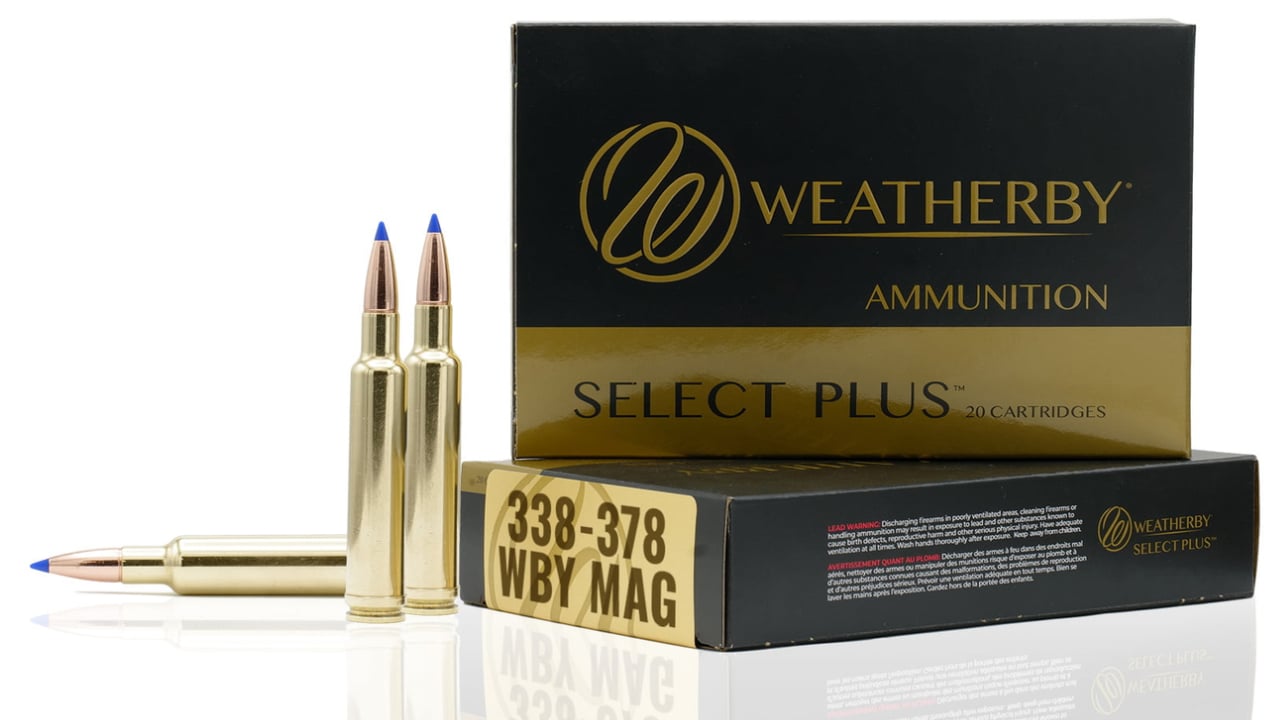
The .338-378 Weatherby is one of the most extreme sporting cartridges ever commercialized. It combines a huge case with heavy .338-caliber bullets to create enormous velocity and retained energy.
Everything about shooting it reflects that scale. Recoil is intense, blast is violent, and ammunition is expensive enough that practice sessions hurt the wallet almost as much as the shoulder. Heavy rifles and brakes can make the cartridge manageable, but they do not turn it into something pleasant. In fact, a large brake can make the rifle so loud and concussive that neighboring shooters will notice immediately. This is a specialty cartridge for hunters who genuinely need extreme reach and power, not something most people will enjoy practicing with every weekend.
.375 H&H Magnum

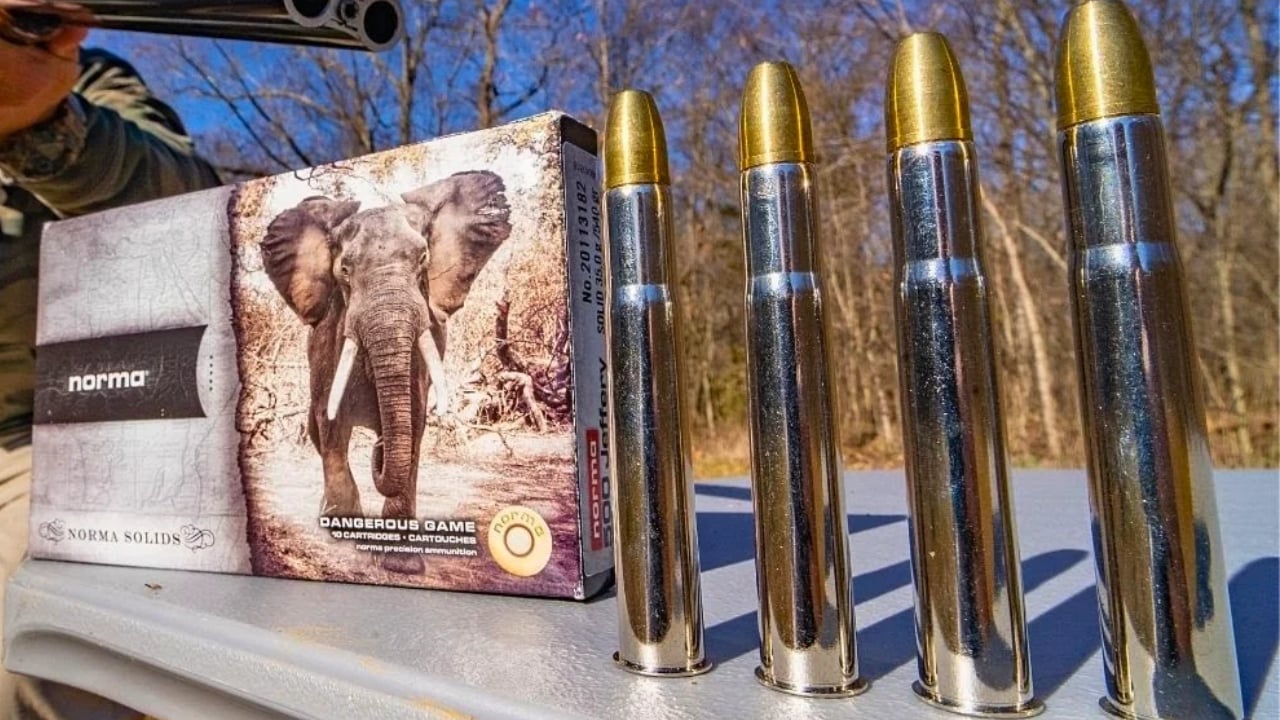
The .375 H&H is one of the most respected dangerous-game cartridges in the world. It has a long record on African game and remains useful for large bears and other heavy animals.
The recoil is substantial but often described as more of a heavy push than a sharp slap, especially in a properly weighted rifle. That does not mean it is easy to practice with. After a dozen or two rounds, the accumulated punishment becomes very noticeable. The long cartridges and large rifles also make bench shooting awkward. The .375 H&H is usually chosen because the game requires it, not because anyone wants to shoot fifty rounds in an afternoon. It is manageable with experience, but extended practice is still serious work.
.375 Ruger
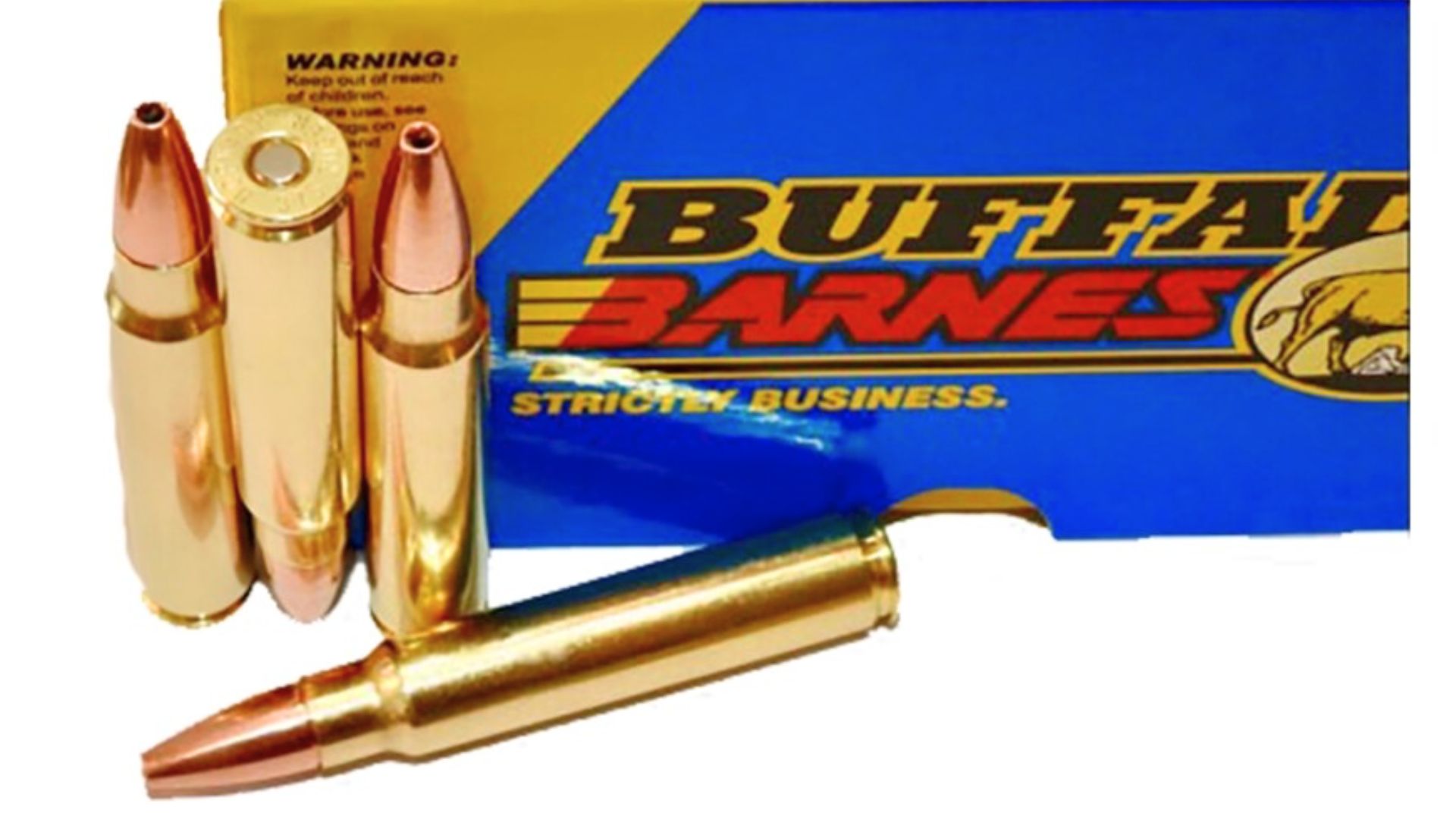
The .375 Ruger offers .375 H&H-class performance from a standard-length action, which makes it easier to package into shorter rifles. That compactness is useful in thick cover and dangerous-game situations.
It also means many rifles chambered for it are lighter than traditional .375 H&H rifles. That can make the recoil feel noticeably sharper. A heavy 270- or 300-grain bullet moving at substantial velocity gives the shooter a serious shove every time the trigger breaks. From field positions, the recoil may be manageable. From a bench, repeated shots can become punishing fast. The cartridge is extremely capable, but its efficient package does not make the energy disappear. If anything, lighter rifles can make it more demanding than the older H&H.
.375 Remington Ultra Magnum
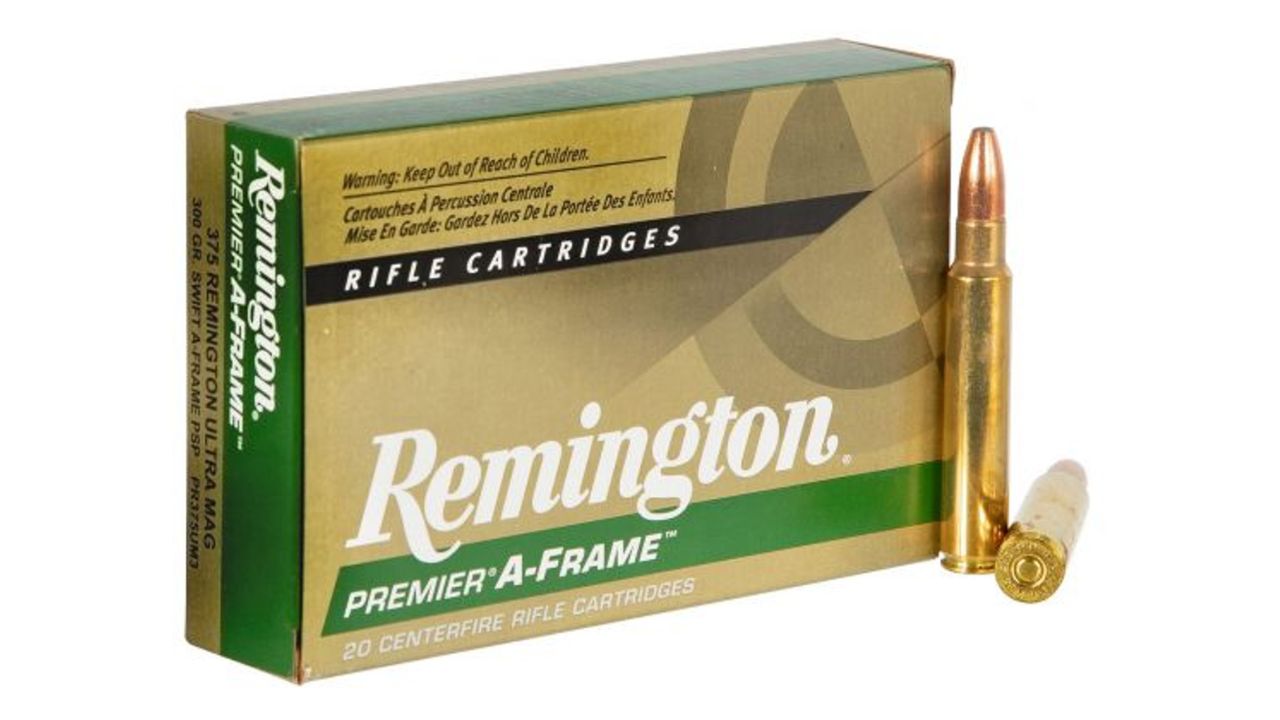
The .375 RUM takes the already serious .375-caliber concept and pushes it to extreme velocity. It was designed for hunters who wanted enormous power and range from a dangerous-game cartridge.
The recoil is correspondingly severe. Heavy rifles and brakes can reduce it, but this is still a cartridge that most shooters will not want to fire repeatedly. The blast can be tremendous, and the sheer amount of powder burned makes every shot feel like an event. For specialized hunting situations, that may be acceptable. For ordinary range practice, it is exhausting. The .375 RUM is a perfect example of a cartridge where the performance is impressive but the training burden is very real.
.416 Remington Magnum
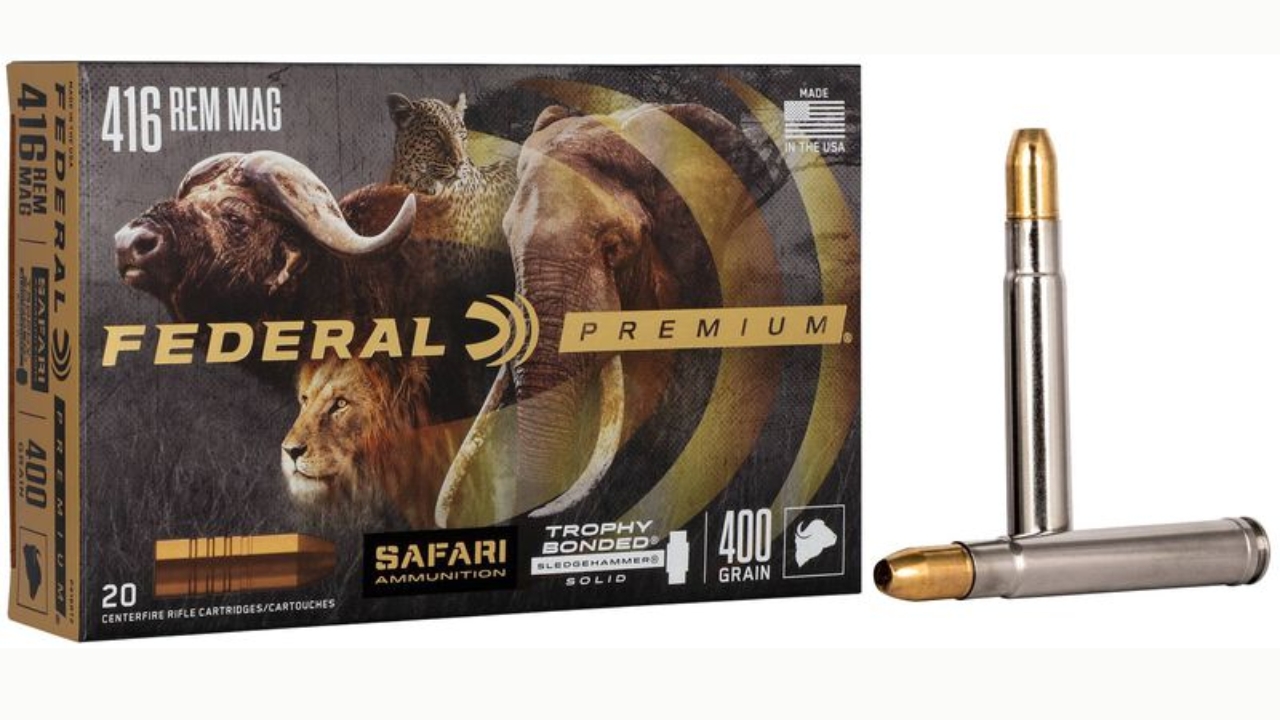
The .416 Rem Mag is a serious dangerous-game cartridge designed to drive heavy bullets deeply through large animals. It offers the kind of penetration and frontal area hunters want when the stakes are high.
That level of performance produces heavy recoil that requires experience to manage well. A properly stocked rifle helps, but there is no way to make repeated 400-grain bullets at high velocity feel mild. Most shooters can handle a few shots, especially when adrenaline is involved in the field. The challenge is practicing enough to make those shots instinctive. Extended bench sessions are rough, and flinching can develop quickly if the shooter tries to force too much volume. This is a cartridge where quality practice matters much more than quantity.
.416 Ruger
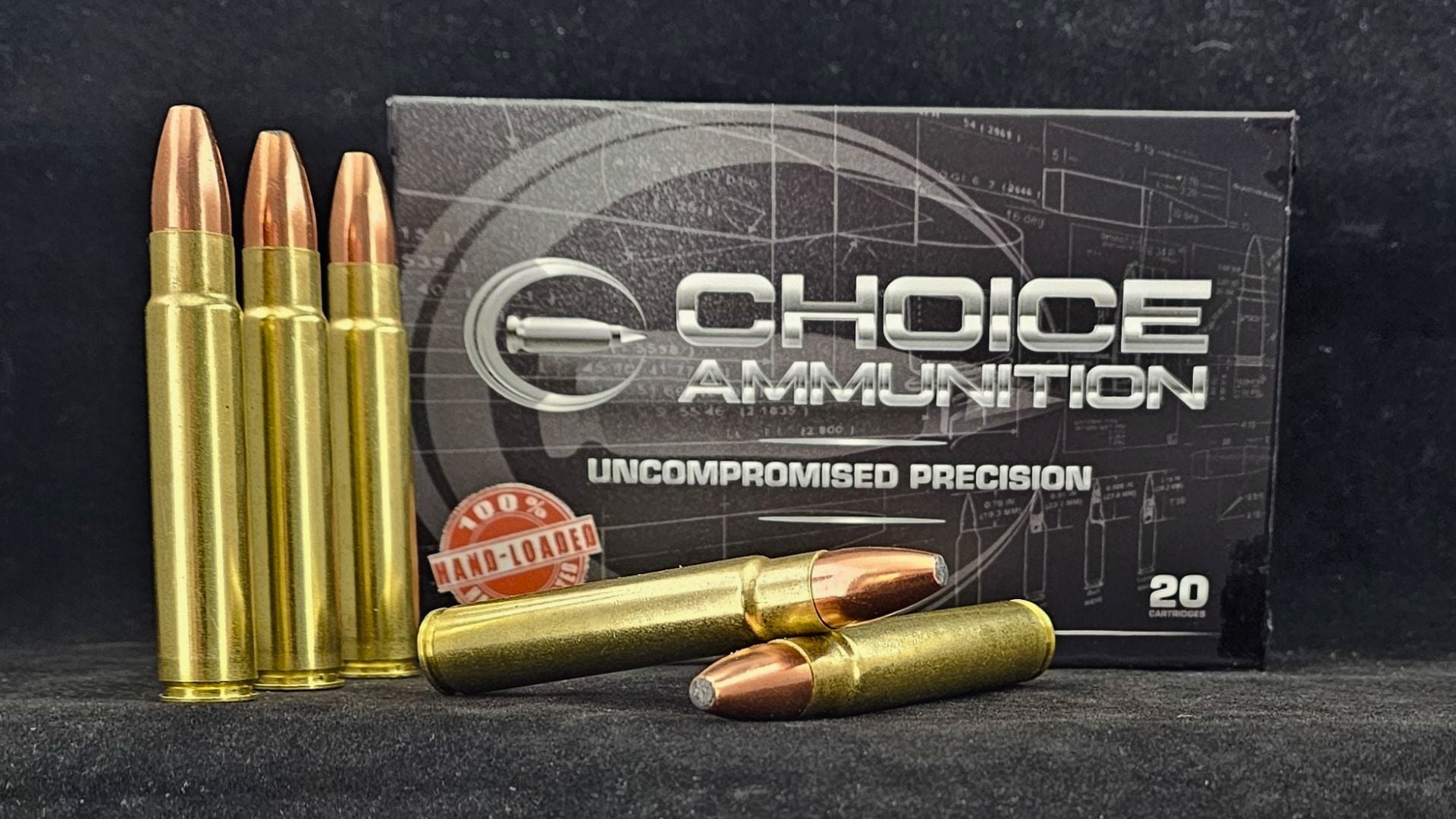
The .416 Ruger gives hunters .416-class performance in a compact package, much like the .375 Ruger does in its category. That makes it an excellent choice for shorter dangerous-game rifles.
The downside is that those rifles can be relatively light, which magnifies recoil. A 400-grain bullet leaving at serious speed produces a forceful shove that can become unpleasant quickly. Shooting from standing sticks or field positions is often easier than firing from a rigid bench because your body can move with the rifle. Still, this is not a cartridge most people will enjoy firing in large quantities. It exists to solve a specific hunting problem, and the recoil is part of the price of admission.
.416 Weatherby Magnum
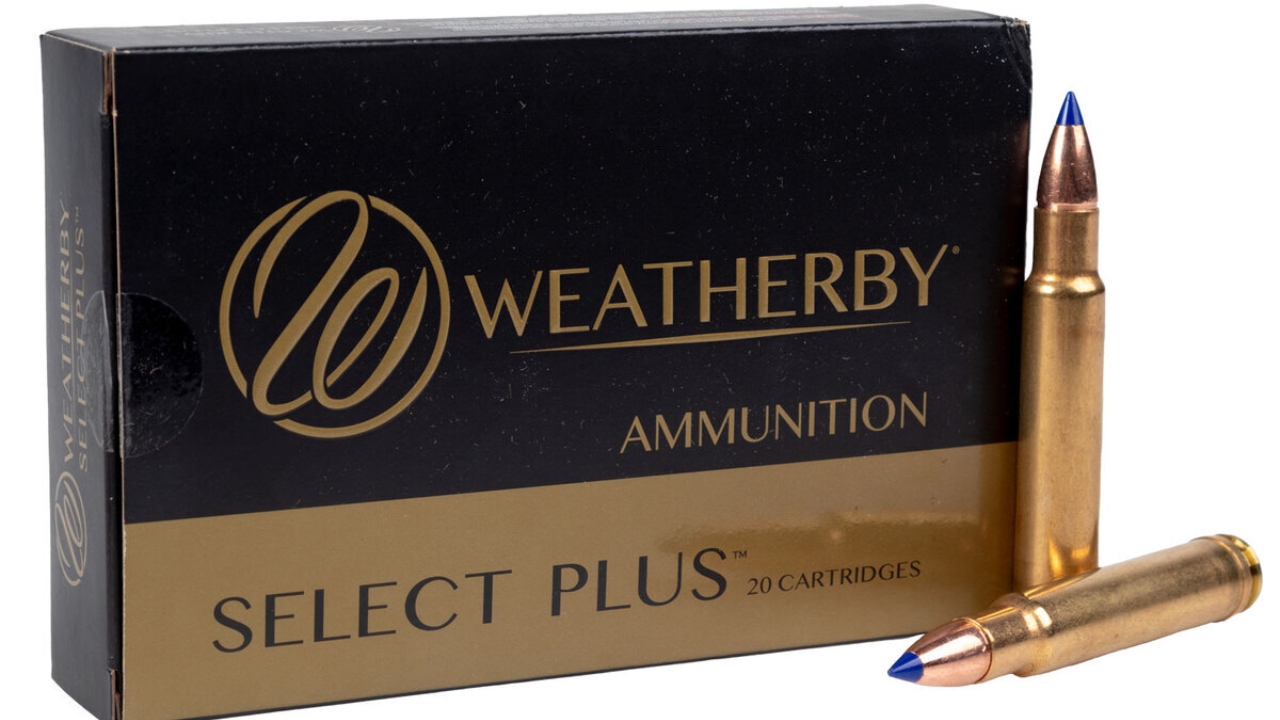
The .416 Weatherby is one of the most powerful commercial .416 cartridges available. It combines massive case capacity with heavy bullets and high velocity, giving it extraordinary energy.
That power makes practice punishing even for experienced shooters. Rifles are usually heavy and often braked, but the recoil and concussion remain significant. The cartridge also burns enough powder that blast becomes a major part of the experience. It is not something you casually shoot for fun. Hunters who choose it usually do so because they want maximum authority on dangerous game and are willing to train around the recoil. For almost everyone else, the cost and punishment far outweigh any practical benefit.
.458 Winchester Magnum
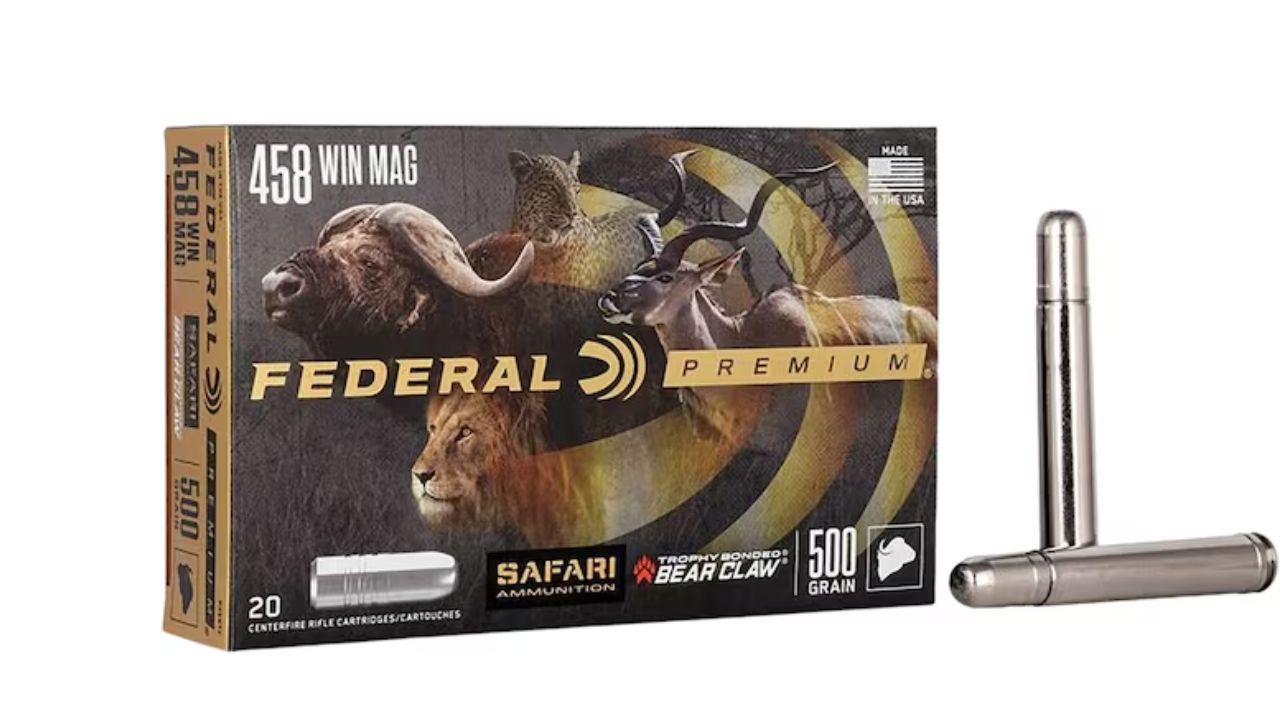
The .458 Win Mag was designed around dangerous game at relatively close distances, where heavy bullets and deep penetration matter more than flat trajectory. Its typical 500-grain loads deliver serious momentum.
The recoil is heavy enough that extended practice can be exhausting, particularly in lighter rifles. Because the cartridge is usually used at shorter ranges, shooters often practice from standing or sticks rather than a bench, which helps. Even then, the repeated shove adds up quickly. The .458 is not especially sharp compared with some high-velocity magnums, but the sheer mass involved makes every shot demanding. It is an effective cartridge for the job it was designed to do, but nobody chooses one because practice is comfortable.
.458 Lott
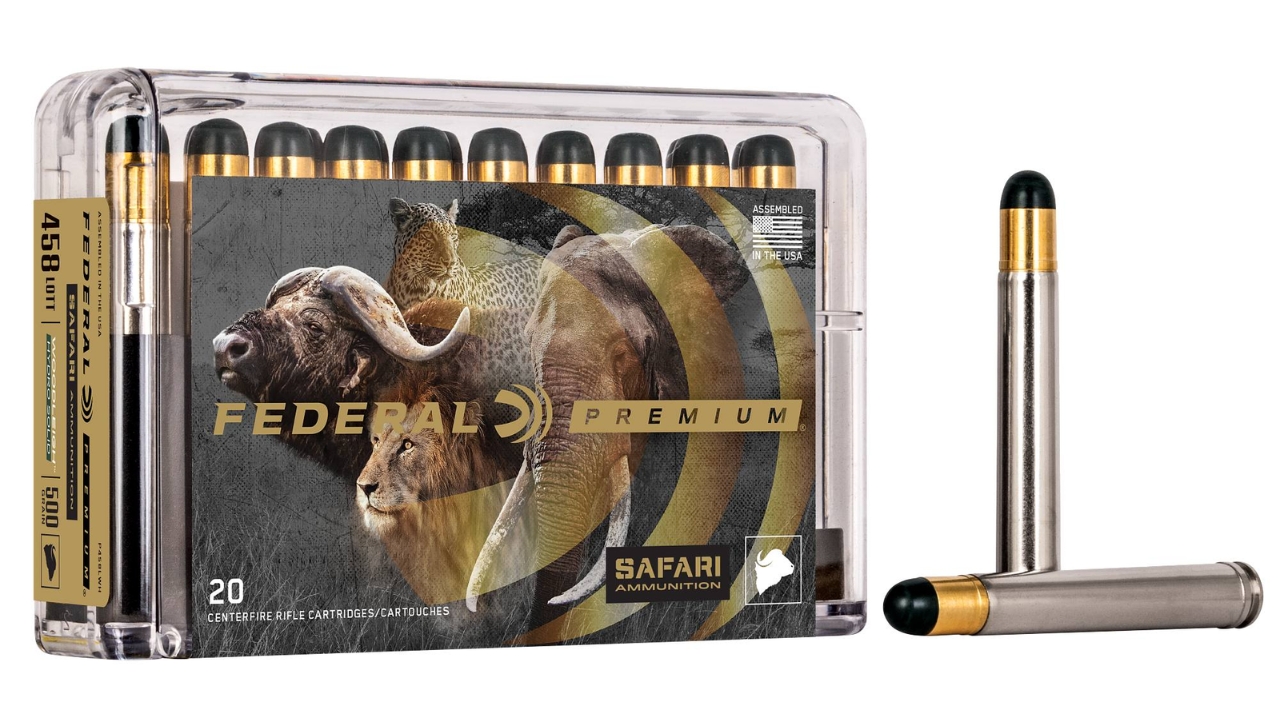
The .458 Lott was developed to deliver more velocity and reliability margin than the .458 Win Mag. It does that very well, but the extra performance means more recoil.
A heavy 500-grain bullet at increased speed produces a level of push that few shooters can ignore. In a properly weighted rifle, the recoil can be controlled, but repeated shots remain punishing. This is one of those cartridges where form matters enormously. Poor mounting or a loose shoulder position gets punished immediately. Hunters who use the Lott successfully usually practice in short, deliberate sessions rather than trying to shoot high volume. It is not a cartridge you casually hand to someone who has only fired a .30-06.
.470 Nitro Express
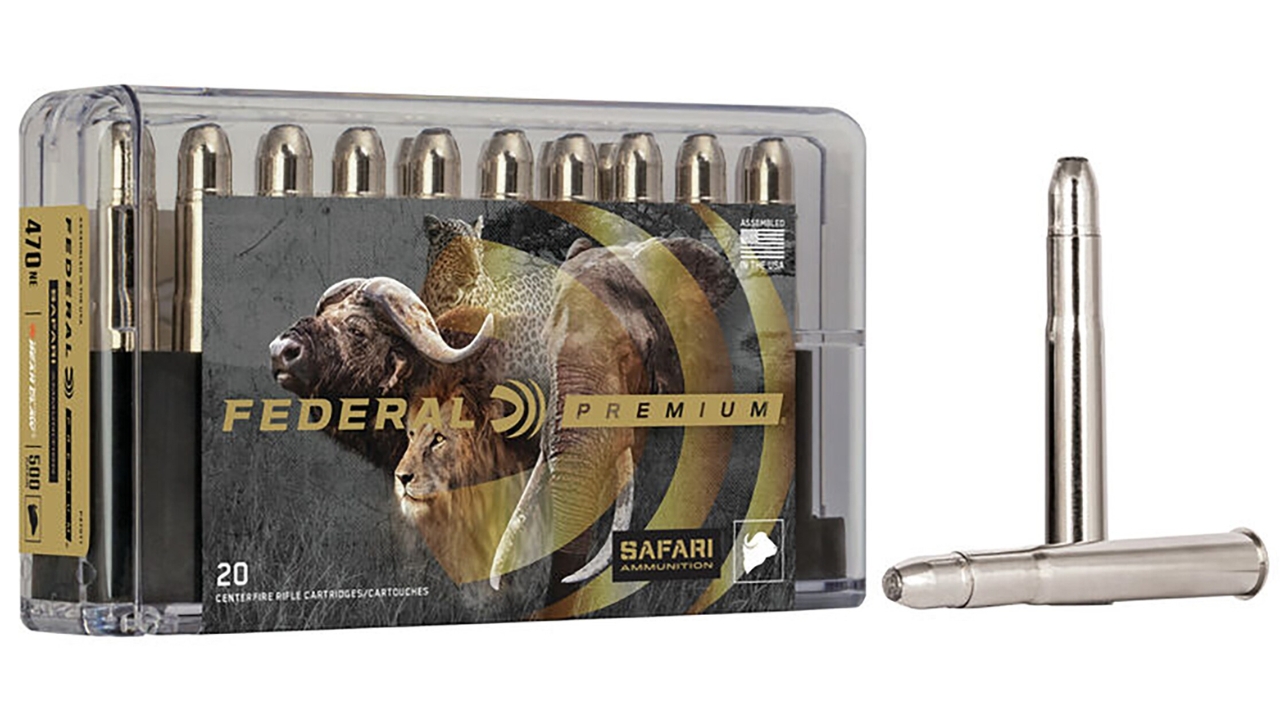
The .470 Nitro Express is one of the classic double-rifle cartridges for dangerous African game. It launches extremely heavy bullets at moderate velocity and is designed for penetration, reliability, and immediate stopping power.
The recoil is substantial even in the heavy double rifles built around it. The rifle’s weight helps spread the impulse, but there is still a huge amount of momentum coming back into the shooter. Ammunition cost alone makes high-volume practice unrealistic, and the physical punishment reinforces that. Shooters who use these rifles effectively often focus on a small number of carefully executed shots from realistic field positions. It is a specialized cartridge with a specialized training approach, not something anyone is likely to enjoy firing all afternoon.
.500 Nitro Express
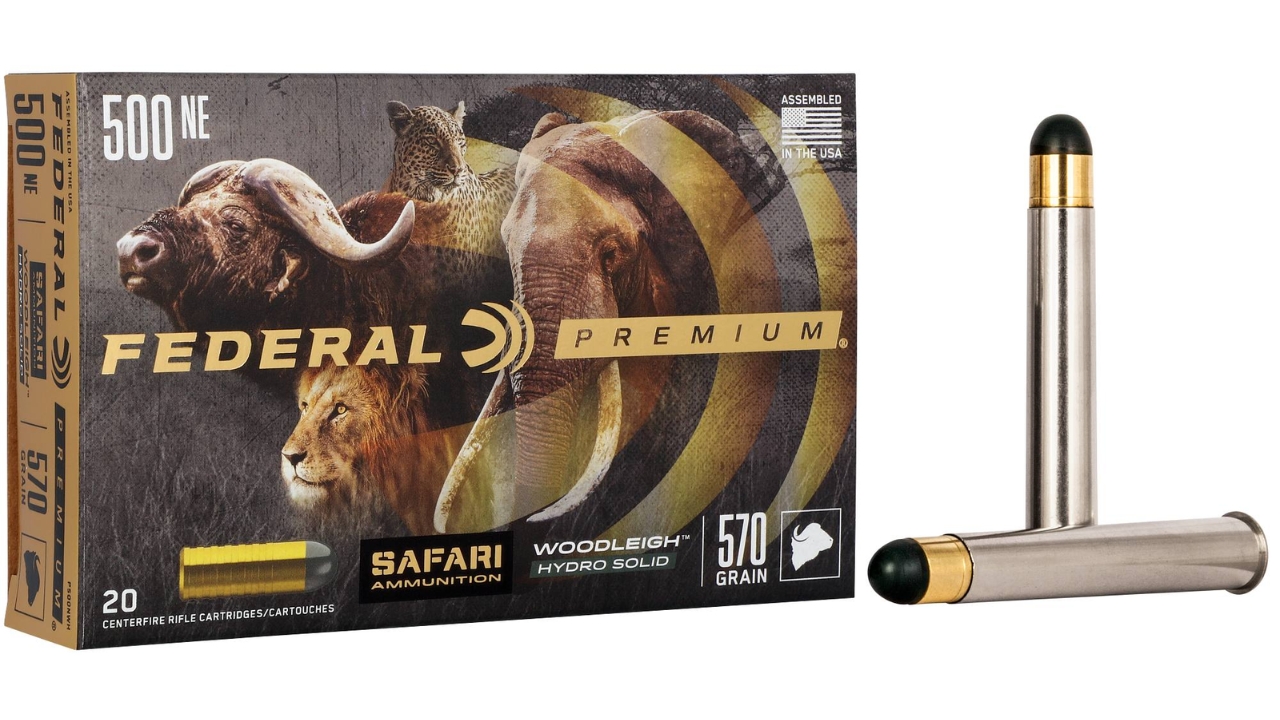
The .500 Nitro Express steps into a category where recoil becomes a defining feature of the rifle. It throws massive bullets and was designed for the largest dangerous game.
Even in a heavy double rifle, the recoil is severe. Most shooters will not want more than a few rounds in a session, and improper technique can become painful immediately. The muzzle blast and cost add to the experience, making every shot something you prepare for rather than casually fire. This cartridge makes sense only when the hunting situation truly demands that level of authority. For practice, it is about as far from pleasant as a sporting rifle can get while remaining manageable for experienced shooters.
.45-70 Government With Heavy Loads

Standard .45-70 ammunition can be surprisingly comfortable, especially from a heavy lever rifle. That changes completely when you move into heavy modern loads intended for strong actions. A 400- to 500-grain bullet pushed hard can produce recoil that rivals much larger magnum cartridges.
The problem is that many .45-70 rifles are short and relatively light. That makes them wonderful to carry but much less pleasant when heavy loads start coming back into your shoulder. A few shots while hunting may be perfectly manageable, but a long bench session with hard-cast or heavy dangerous-game ammunition can turn miserable quickly. The cartridge itself is not always punishing. The combination of heavy bullets, high-pressure loads, and handy rifles is what changes the experience. For deer practice, there is usually no reason to beat yourself up with the hottest ammunition available.
Like The Avid Outdoorsman’s content? Subscribe to our newsletter so you never miss an article.
Here’s more from us: