Photo credit: The Jungle Explorer/Shutterstock.com
Wild hogs aren’t a future problem. They’re a right-now problem, and if you spend time outdoors, you’ve probably already seen the signs. Rooted fields that look like they were hit with a plow overnight. Trail cameras full of glowing eyes. Creek bottoms torn apart. What started as scattered populations decades ago has turned into an aggressive, fast-spreading takeover across huge portions of the country.
Hogs thrive because they adapt faster than almost anything else on four legs. They eat anything, breed constantly, learn pressure quickly, and move mostly at night once humans get involved. If you hunt, farm, or own land in the wrong place, you’re not asking if hogs will show up. You’re asking how bad it’s going to get. These are the states where wild hog numbers are highest—and where they’re still gaining ground.
Texas
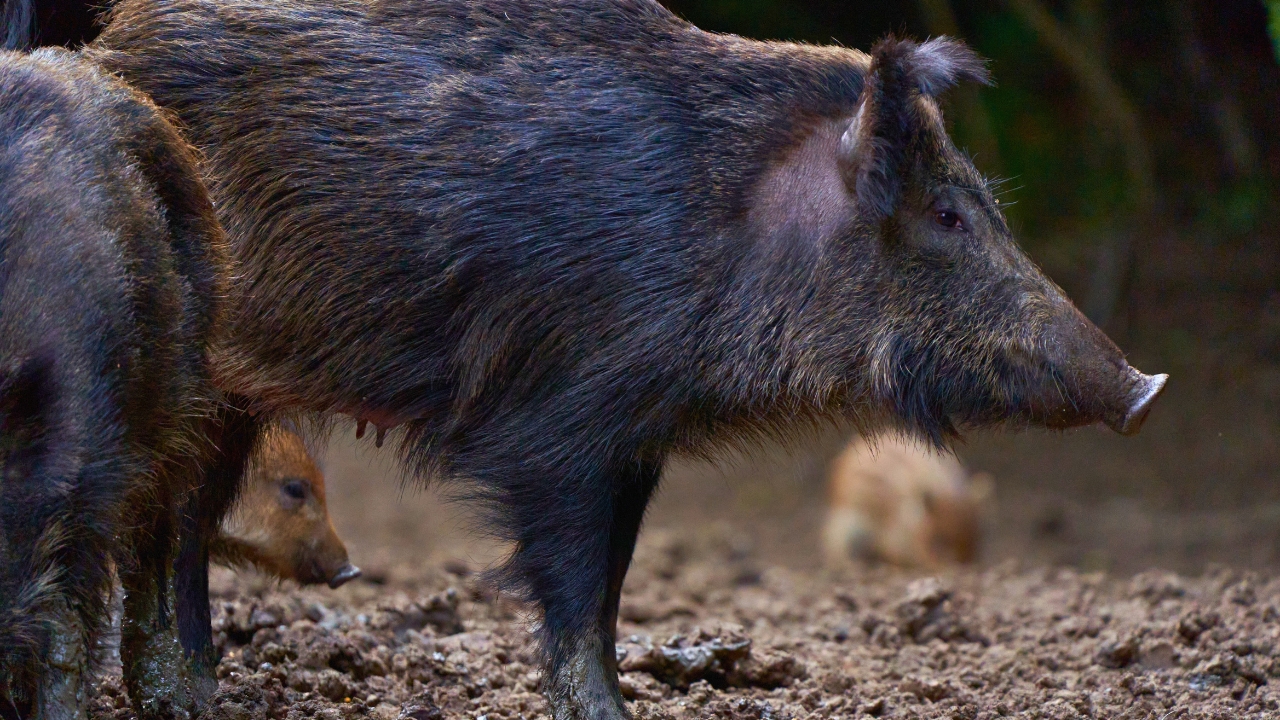
Texas is ground zero for the wild hog problem in the United States. The state holds the largest feral hog population by a wide margin, with animals occupying nearly every county. Hogs thrive here because of mild winters, endless food sources, and massive tracts of mixed agricultural and brush country that let them move without pressure.
What makes Texas especially difficult is scale. Even aggressive year-round hunting barely dents reproduction rates. Sounders adapt fast, shifting movement patterns and becoming almost entirely nocturnal. Landowners deal with crop destruction, broken fences, eroded creek banks, and livestock injuries. Texas has leaned hard into aerial gunning, night hunting, and relaxed regulations, but the reality is simple. Hogs aren’t being controlled. They’re being managed just enough to slow the damage.
Florida
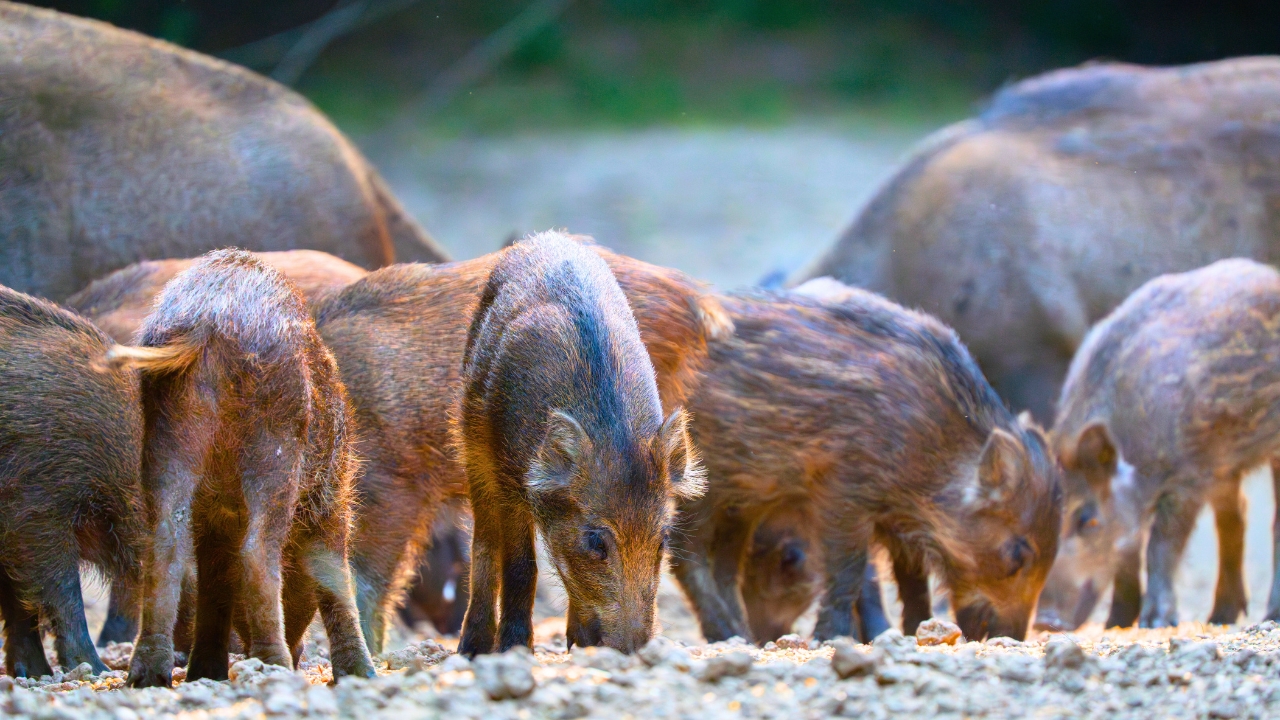
Florida’s wild hog problem is older than most people realize. Hogs have been established here for centuries, and the state’s wetlands, pine forests, and agricultural areas give them everything they need. They move easily through swamps and palmetto flats where pressure is limited and visibility is poor.
The damage shows up fast around food plots, pastures, and water edges. Hogs destroy native vegetation, prey on ground-nesting wildlife, and compete directly with deer and turkey. Florida allows broad hunting opportunities, but access is often limited by private land and thick cover. In many areas, hog numbers remain stable or continue to climb because removal can’t keep pace with reproduction. Once hogs settle into wet ground, they’re extremely hard to push out.
California

California’s wild hog population is concentrated but serious, especially in coastal ranges and agricultural regions. Hogs thrive in oak woodlands, vineyards, and irrigated farmland, where they have year-round food and cover. Mild winters allow piglets to survive at high rates.
The biggest issue in California is access. Large private land holdings limit public hunting, and suburban expansion creates pockets where hogs learn to live close to people without pressure. Crop damage is extensive, and erosion from rooting affects watersheds and infrastructure. Despite liberal hunting regulations in many areas, hog numbers persist because removal efforts are inconsistent. Once hogs establish themselves in broken terrain with limited access, they become extremely difficult to remove entirely.
Georgia
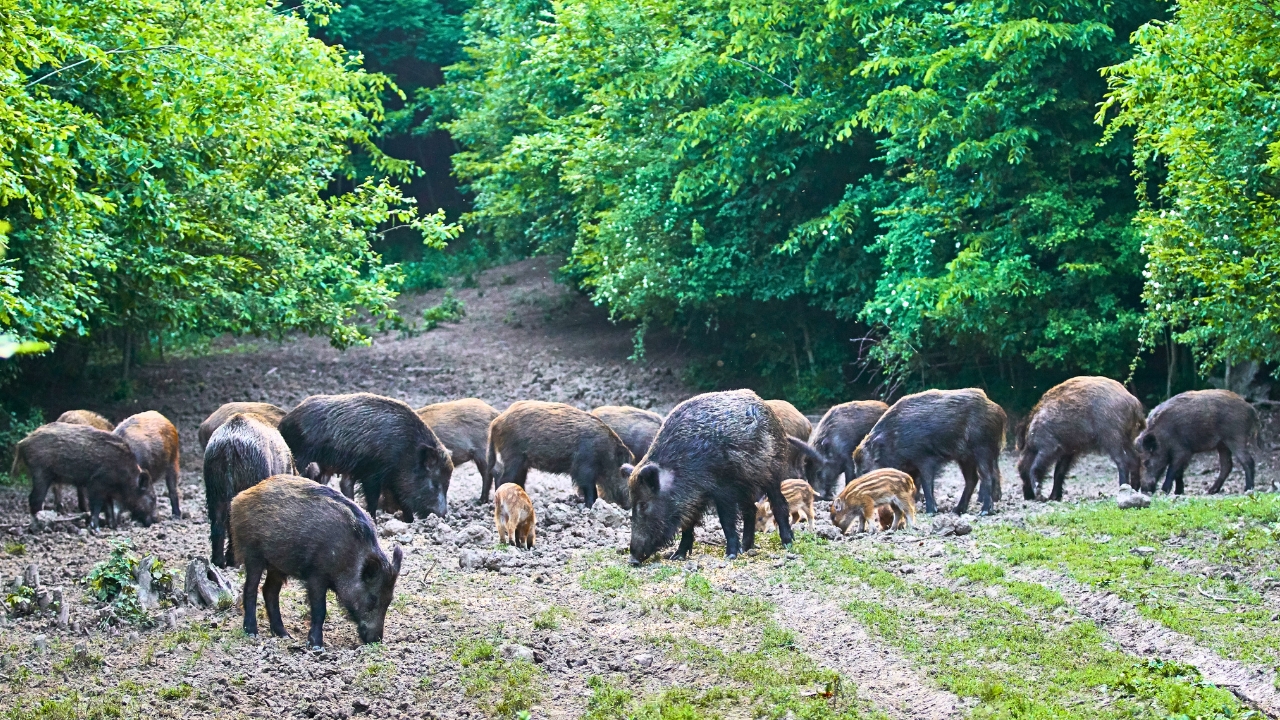
Georgia’s hog problem has expanded steadily across agricultural land, timber plantations, and river bottoms. The combination of row crops, soft mast, and thick cover makes the state ideal hog habitat. Sounders move freely along creeks and cutovers, causing extensive damage to crops and wildlife habitat.
Farmers bear the brunt of the impact, especially during planting and harvest seasons. Hogs root fields overnight and return repeatedly once they locate a reliable food source. Hunting pressure helps locally but rarely solves the issue long-term. Georgia allows hog hunting year-round on private land, yet reproduction outpaces removal in many counties. As development spreads into rural areas, hog encounters near homes and roads are becoming more common.
Alabama

Alabama’s hog population has grown quietly but steadily, particularly in river systems, agricultural zones, and pine plantations. Hogs follow water, and once they establish along creeks and bottoms, they spread outward into surrounding farmland and woods.
The damage isn’t limited to crops. Hogs destroy food plots, compete with deer, and prey on turkey nests. Many landowners hunt them aggressively, but hogs adapt quickly, shifting movement patterns and becoming almost entirely nocturnal. Trapping helps, but it requires constant effort. Alabama’s mix of private land and thick cover allows hogs to hide and reproduce efficiently. In many areas, landowners are fighting a holding action rather than making real progress.
Mississippi

Mississippi’s fertile farmland and river systems have allowed hogs to spread rapidly across the state. Delta agriculture, hardwood bottoms, and managed pine forests create ideal conditions. Once hogs find corn, soybeans, or rice, the damage compounds fast.
Hogs in Mississippi cause millions in agricultural losses annually. They also degrade wetlands and damage levees and irrigation systems. Hunting pressure varies widely depending on land access, which creates refuges where hogs can rebuild quickly. Even intensive removal efforts often result in short-term gains followed by rapid rebounds. In many counties, hogs have become a permanent part of the landscape rather than a temporary invasion.
Louisiana

Louisiana’s wetlands and agricultural land make it one of the toughest places to control wild hogs. Swamps, marsh edges, and flooded timber give hogs natural protection from pressure. They move easily through water and thick cover where traditional control methods struggle.
Rice fields and crawfish ponds take heavy damage, and hog rooting accelerates erosion in fragile wetland systems. Removal is difficult and expensive, especially in remote areas. While hunting helps where access exists, vast stretches of land remain untouched. Louisiana’s hog population continues to expand along waterways, making long-term control extremely challenging.
Arkansas

Arkansas has seen hog numbers rise sharply over the past two decades, especially in agricultural regions and river bottoms. The mix of row crops, timber, and public land creates travel corridors that allow hogs to move and settle easily.
Farmers deal with destroyed fields and increased equipment damage. Hunters report declining ground-nesting bird success in hog-heavy areas. While public land hunting provides some pressure, hogs quickly learn where they’re safest. Trapping programs help, but require sustained effort. In many parts of Arkansas, hogs are no longer a seasonal nuisance. They’re a year-round management problem.
Oklahoma

Oklahoma’s hog population has expanded across both agricultural land and rangeland. Creek systems and brushy draws allow hogs to move long distances without detection. Once established, they spread into wheat fields, hay ground, and cattle pastures.
Damage includes crop loss, pasture destruction, and competition with native wildlife. Landowners hunt aggressively, but hogs respond by changing patterns quickly. Night movement becomes the norm, and sounders fragment under pressure. Oklahoma’s open terrain helps hunters in some areas, but hog numbers remain stubbornly high statewide.
South Carolina

South Carolina’s hog population thrives in coastal plains, swamps, and agricultural areas. Rice fields, corn, and peanuts provide easy calories, while thick cover limits effective removal.
Hogs damage crops and wetlands, and they impact deer and turkey habitat. Public land pressure helps locally, but private land access determines long-term success. In many regions, hog numbers remain stable despite constant hunting. Once hogs learn pressure patterns, they become increasingly difficult to intercept.
North Carolina

North Carolina’s hog problem is concentrated but growing, especially in coastal and eastern agricultural regions. Row crops and wet ground give hogs everything they need to expand.
Farmers face repeated losses, and hog damage increases flood risk by weakening soil structure. Hunting pressure varies widely, creating refuges where hogs rebuild numbers quickly. Once established, removal becomes a long-term commitment rather than a quick fix.
Tennessee

Tennessee’s hog populations are tied closely to river systems and rugged terrain. Once hogs reach steep timber and hard-to-access ground, they’re difficult to remove.
Damage shows up in food plots, pastures, and native habitat. Hogs adapt quickly to hunting pressure, becoming mostly nocturnal. Control efforts help slow spread, but complete elimination remains rare once populations establish.
Missouri

Missouri has fought hog expansion aggressively, but populations still persist in remote regions. Rugged terrain and dense forest give hogs hiding places that are hard to reach consistently.
While some success has been achieved through coordinated removal, reinvasion remains a constant threat. Once hogs establish breeding populations, control becomes expensive and time-intensive.
Hawaii

Hawaii’s feral hog problem is unique but severe. Hogs damage native forests, spread invasive plants, and degrade watersheds critical to freshwater supply.
Removal is difficult due to terrain and access. Even intensive efforts struggle to keep numbers down. The environmental impact extends far beyond agriculture, affecting entire ecosystems.
Kansas

Kansas represents the leading edge of hog expansion into the Plains. Populations are smaller than southern states, but growth is accelerating along river systems.
Early control efforts are critical here. Once hogs establish widely, removal becomes far more difficult. Kansas shows how quickly hogs can move into new territory when conditions allow—and why stopping them early matters.
Like The Avid Outdoorsman’s content? Subscribe to our newsletter so you never miss an article.
Here’s more from us: