Photo credit: Smith & Wesson
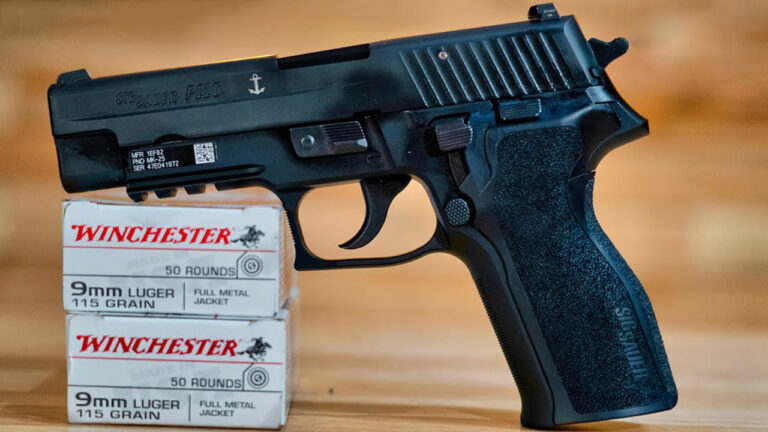
A lot of people judge a handgun by the big things first. Capacity, size, brand reputation, maybe how it feels in the hand when you pick it up at the counter. Those things matter, but one detail quietly controls how well most shooters actually perform with a pistol: the trigger. I didn’t fully understand that until I spent time shooting a handgun that had a trigger far heavier than it should have been.
On paper, the pistol was solid. It had a good reputation, decent ergonomics, and a reliable track record. But once I started putting rounds through it, something felt off. My groups were wider than they should have been, and shots that looked clean through the sights kept drifting off target. It didn’t take long to realize the real issue wasn’t the gun itself. It was the trigger weight fighting me every time I pressed it.
Heavy triggers change how you shoot
The biggest problem with an overly heavy trigger is that it forces your hand to work harder than it should. Instead of a smooth press straight to the rear, your finger ends up pulling harder and longer, which often drags the entire gun slightly off target.
That’s exactly what I experienced with that handgun. Every shot required noticeably more effort than the other pistols I was used to. The trigger pull wasn’t just heavy; it also felt long and slightly gritty. That combination made it harder to maintain a steady sight picture during the press. Instead of breaking cleanly, the shot felt like it happened after a small struggle.
For experienced shooters, that kind of trigger can be worked around with practice. But it still adds unnecessary difficulty.
Accuracy suffers more than people expect
When a trigger is heavy, accuracy problems often show up in subtle ways. The gun might still hit the target consistently enough, but groups start spreading wider than they should.
During my range sessions, I noticed shots drifting low and slightly to the side. At first I assumed it was just a bad day at the range or that I needed more time with the gun. But after repeating the same pattern across several sessions, it became clear the trigger weight was affecting how I pressed the shot.
Even small amounts of movement during the trigger press can push rounds off target, especially at longer distances.
Follow-up shots become slower
A heavy trigger doesn’t just affect the first shot. It also slows down follow-up shots because the reset and next trigger press require more effort.
With that pistol, every shot required a full, deliberate press before the gun would fire again. Compared to pistols with lighter, cleaner triggers, my shooting rhythm felt noticeably slower. Instead of focusing on target transitions or recoil control, part of my attention stayed locked on the trigger itself.
That might not matter for casual shooting, but it becomes noticeable during drills or any kind of defensive training.
Some heavy triggers are intentional
It’s worth mentioning that some handguns are designed with heavier triggers on purpose. Certain duty pistols and older double-action designs use heavier trigger pulls as a safety feature.
Manufacturers sometimes build these systems to reduce the chance of negligent discharges, especially in high-stress environments. A heavier trigger requires more deliberate pressure before the gun fires.
While that reasoning makes sense in some contexts, it can still make the gun harder for many shooters to use well. That’s why a lot of modern striker-fired pistols aim for a balance between safety and manageable trigger weight.
Trigger quality matters as much as weight
Weight alone doesn’t tell the full story. A trigger can technically be heavy but still feel smooth and predictable. What really matters is how the trigger breaks and resets.
The handgun I struggled with had both a heavy pull and a rough break. That combination made the trigger feel inconsistent. Some shots broke cleanly while others felt like the trigger stacked or dragged slightly before firing.
Once shooters experience a crisp, consistent trigger, the difference becomes obvious. A clean break allows the shooter to press the trigger without disturbing the sights.
Practice helps, but equipment still matters
It’s true that practice can improve shooting with almost any trigger. Skilled shooters learn to manage heavy triggers by refining their grip and trigger control.
I spent time trying to adapt to that pistol, focusing on slow, deliberate presses and careful sight alignment. My shooting did improve slightly, but the trigger continued to fight me more than it should have.
That experience reinforced something many experienced shooters already know. Good fundamentals matter, but equipment can still make those fundamentals easier or harder to apply.
The difference becomes obvious when you try a better trigger
The moment everything clicked was when I spent time shooting another handgun with a noticeably better trigger. The pull was lighter, smoother, and broke more cleanly.
Immediately, my groups tightened. The gun felt easier to control, and the shots broke exactly when I expected them to. Instead of forcing the trigger to move, the press felt natural and predictable.
That contrast made the problem with the heavier trigger impossible to ignore.
A good handgun still needs a usable trigger
The handgun with the heavy trigger wasn’t a bad gun overall. It was reliable and well-built in most other ways. But the trigger held it back from performing as well as it could have.
Triggers are one of the most important parts of any firearm because they directly affect how the shooter interacts with the gun. A heavy or inconsistent trigger can turn an otherwise solid handgun into something that’s harder to shoot accurately and confidently.
That’s the lesson that stuck with me. The pistol itself wasn’t the problem. But the heavy trigger made every shot more difficult than it needed to be, and once I experienced a better trigger, it became clear how much that single detail can change the entire shooting experience.
Like The Avid Outdoorsman’s content? Subscribe to our newsletter so you never miss an article.
Here’s more from us: