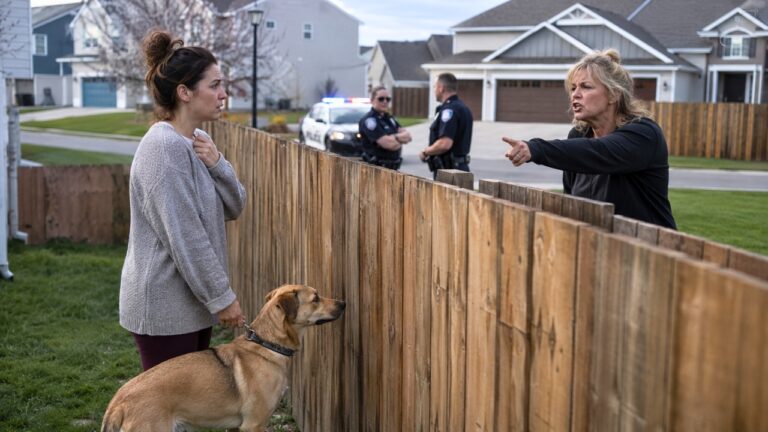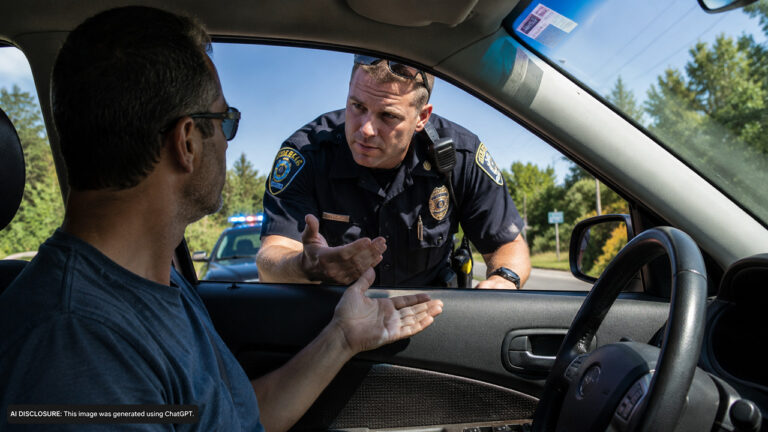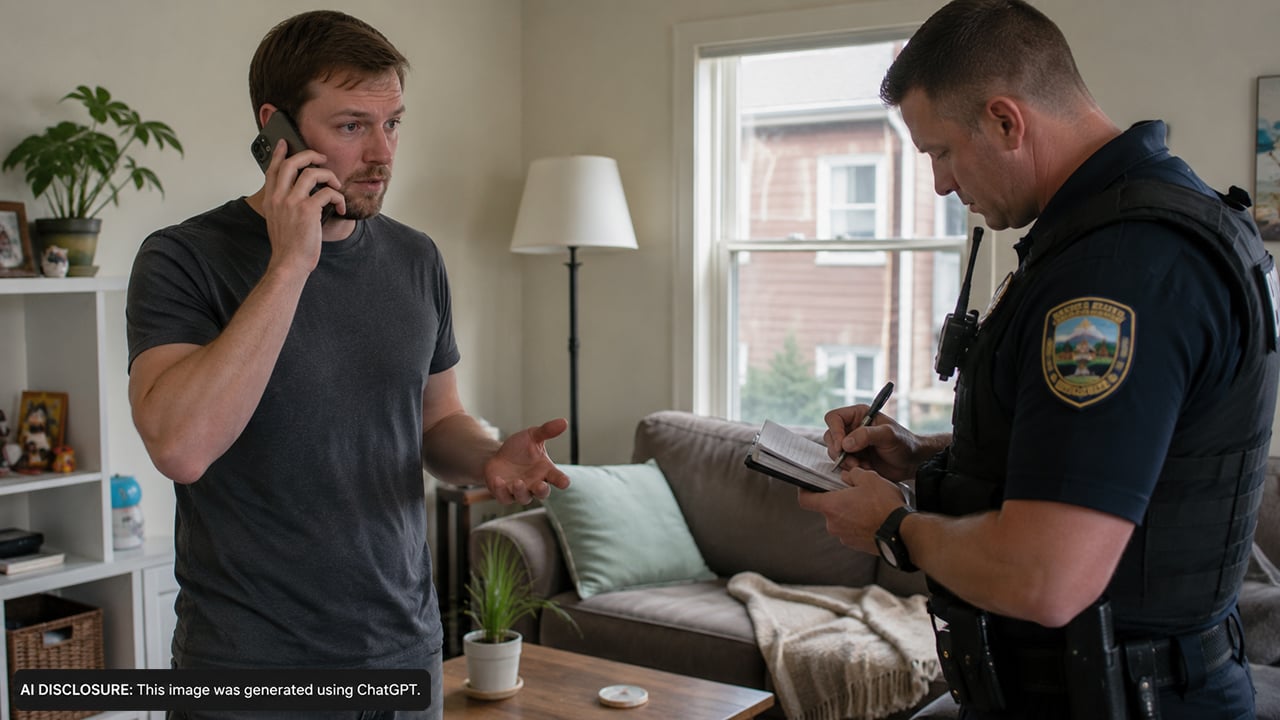
Photo credit: AI-generated image created using ChatGPT. Illustrative only
It only takes one loud mistake in an apartment to turn a regular evening into a life-changing mess. In Washington state, one gun owner found that out the hard way after a negligent discharge inside his unit—then made the rare move of calling police on himself before a neighbor could beat him to it.
The details come from the original post and the blunt responses that followed. The big lesson here isn’t internet scolding. It’s the very real chain of consequences that can come from one trigger press in the wrong place.
The moment that turned practice into a problem
Based on the discussion, the resident had been doing quick-draw practice inside his apartment. At some point, a loaded firearm was pointed toward an interior wall, and a round went off.
That’s the part a lot of gun owners don’t like to say out loud: in most apartments, “a wall” isn’t a safe direction. It’s drywall, studs, maybe some insulation, and then your neighbor’s living space. Even when no one gets hit, the risk is immediate and obvious the second that shot cracks.
Calling the police first doesn’t erase the mistake
Instead of waiting for a knock from a neighbor—or worse, multiple neighbors—this resident contacted law enforcement himself. That’s not a common reaction, but it matters. A self-report can help establish cooperation, and it can prevent a scrambled “active shooter” type response when someone else calls in “shots fired” with no context.
Still, the commenters weren’t buying the idea that this was just a harmless accident. One response framed it plainly: pointing a loaded gun at a wall while practicing a draw, then touching the trigger, isn’t bad luck. It’s negligence. And in a tight building full of people, negligence can turn into criminal trouble fast.
The legal advice was simple: stop talking and get a defense lawyer
The most consistent guidance in the thread was to get a lawyer who specializes in criminal defense—and to stop talking to police without that lawyer present. That’s not “hide from responsibility” advice. It’s “don’t accidentally sink yourself” advice.
Even when an officer on scene seems sympathetic, statements can get repeated, rewritten, and reinterpreted later. Several commenters suggested that even if the resident wasn’t arrested, there could still be fines, paperwork, or charges later, and a lawyer is the best tool to keep one bad decision from multiplying into a record that follows you for years.
The landlord and lease can hit harder than the court system
Outdoorsmen tend to think in terms of law enforcement first—game warden, sheriff, state trooper. But in an apartment, your biggest immediate problem might be your lease. Multiple commenters warned the resident to expect that eviction was possible and to be prepared for the complex to end the lease.
That tracks with how many rental agreements are written. Plenty of leases have clauses about illegal activity, dangerous conduct, or firearms use on the property. Even if the resident avoids criminal charges, a landlord can still decide they don’t want the liability of a tenant who fired a round through a wall.
And then there’s the damage. A bullet hole in your unit is one thing; damage to the neighbor’s unit and personal property is another. Commenters raised the possibility of being sued for damages, which means the cost isn’t just repair materials—it’s also potential attorney fees and time.
Insurance might help, but don’t assume it will
One practical suggestion in the discussion was to read the renter’s insurance policy and see whether any coverage applies. That’s smart, because a lot of folks pay for renter’s insurance and never actually look at what it covers until something goes wrong.
At the same time, it’s not as simple as “insurance will handle it.” Policies often have exclusions around intentional acts, criminal acts, or certain kinds of negligence. Even if the discharge wasn’t intentional in the everyday sense, the facts matter. What you were doing, how it happened, and what gets documented could determine whether the insurer helps or denies the claim.
Gun owners zeroed in on the basics: unloaded practice and safer habits
The most pointed replies weren’t trying to ban practice—they were trying to put it in the right place and the right form. Commenters stressed that there’s nothing wrong with practicing a draw, but doing it with a loaded gun in an apartment is asking for a worst-case scenario.
Several basic safety rules came up, the kind most of us learned early but can get sloppy about when we’re comfortable: treat every gun like it’s loaded, keep your finger off the trigger until you’re ready to shoot, and be sure of your target and what’s behind it. In an apartment, “what’s behind it” is almost always somebody’s home.
They also noted a key point about striker-fired pistols: many have passive safeties built into the trigger system. In plain language, if the trigger gets pulled, the gun fires. That’s not a design flaw—it’s a reminder that the real safety is the one between your ears and at the end of your trigger finger.
Finally, one commenter mentioned snap caps for dry practice—dummy rounds meant for safe handling drills—along with the idea that many ranges don’t allow drawing from concealment because the risk of sweeping yourself or others is real. The theme was consistent: if you’re going to practice, do it in a way that makes a negligent discharge much less likely to happen in the first place.
Apartment living and gun ownership can coexist, but it demands a higher level of discipline than a lot of folks realize. One negligent discharge can bring police to your door, put your housing at risk, and leave you paying for repairs that go far beyond your own drywall. If there’s a silver lining here, it’s that the consequences were limited to property damage—and the situation is a loud reminder that “I thought it was empty” isn’t protection when the trigger breaks.
Like The Avid Outdoorsman’s content? Subscribe to our newsletter so you never miss an article.
Here’s more from us: