Photo credit: Kevin Chow/Unsplash
Across Illinois, you are hunting in one of the most heavily regulated outdoor arenas in the Midwest, and the fastest way to turn a promising season into a legal mess is to send a drone into the night sky. The state has drawn a bright line between fair chase and high tech shortcuts, and crossing it can cost you your license, your gear, and your reputation. If you are tempted to use a buzzing camera after dark to find deer, ducks, or coyotes, you are stepping directly into prohibited territory.
Illinois regulators are not just worried about gadgets for their own sake, they are focused on keeping the hunt a contest between your skills and the animal, not between wildlife and a flying robot. That is why they have moved aggressively to spell out what you can and cannot do with unmanned aircraft, thermal cameras, e-bikes, and even artificial intelligence tools when you head into the field.
Illinois hunting culture meets a new wave of tech
If you hunt in Illinois, you are part of a long tradition that treats deer camp, duck blinds, and public-land draws as seasonal rituals, not just hobbies. That culture has always evolved, from muzzleloaders to compound bows to GPS mapping apps, but the core expectation has stayed the same: you succeed by reading sign, knowing the land, and putting in the hours. Drones and other remote sensing tools threaten to flip that script by letting you scan fields and timber from above, especially at night when animals are most active.
As consumer drones, thermal cameras, and AI-powered mapping tools have become cheaper, the pressure to use them in the field has grown. You can now buy a quadcopter with a 4K camera and basic night vision for less than a midrange shotgun, and some models pair with phone apps that promise to predict game movement. That is exactly the kind of shortcut that worries conservation officials, who see a risk that the hunt turns into a remote-control operation instead of a fair chase grounded in woodsmanship.
What IDNR is telling hunters about drones, e-bikes, and AI
Officials with the Illinois Department of Natural Resources have been blunt: if you use unmanned aircraft, e-bikes, or artificial intelligence in connection with hunting, you are likely breaking the law. In their warnings, IDNR officials stress that drones cannot be used to locate, drive, or recover wildlife, and that using them to scout fields or timber before or during a hunt is treated as part of the hunt itself. They also flag that e-bikes and AI tools are off limits when they give you an unfair advantage, such as silently accessing closed areas or auto-interpreting complex regulations in ways that sidestep the spirit of the rules.
The agency has backed up that message with teeth. IDNR has reminded hunters that violations can lead to citations, loss of hunting privileges, and even having your unlawfully used equipment seized and potentially forfeited. That means the drone you thought would help you find a downed buck, the e-bike you rode past a gate, or the AI-driven app you used to game the system can all become evidence against you, not tools in your favor.
Drone use for hunting is flatly prohibited in Illinois
On the core question that matters to you in the field, IDNR has left no wiggle room: using a Drone for any aspect of hunting in Illinois is prohibited. In reminders issued from SPRINGFIELD, IDNR has emphasized that the ban covers scouting, chasing, and recovering animals, not just the moment you pull the trigger. The rule applies whether you are flying a basic camera drone at treetop level or a more advanced model with thermal imaging, and it applies across public and private land.
That prohibition is not just a suggestion. IDNR has warned that hunters who ignore it risk fines, suspension of hunting licenses, and forfeiture of the drone and any other unlawfully used equipment. When officials in SPRINGFIELD, Ill reiterated that the use of unmanned aircraft or drones for any aspect of hunting or recovery of wildlife is illegal, they made clear that even well intentioned uses, such as trying to locate a wounded deer after dark, fall on the wrong side of the line, as reflected in public reminders from SPRINGFIELD, Ill and WICS.
Why “just recovering a deer” with a drone still breaks the rules
Many hunters argue that using a drone only to recover downed game is different from using it to locate animals before a shot, but Illinois law does not draw that distinction. IDNR has explicitly said that the use of unmanned aircraft for recovering wildlife is part of the prohibited conduct, because it still gives you an aerial advantage that other hunters do not have. Even if your intention is ethical recovery, the state views the flight as an extension of the hunt, not a separate activity.
Regulators have also pointed out that once a drone is in the air, it is almost impossible for a conservation officer to know whether you are truly searching for a wounded deer or scouting fresh animals for a follow up hunt. That is why the Illinois Department of Natural Resources has advised hunters to review the Wildlife Code section that covers unmanned aircraft and to avoid any use of drones tied to hunting or recovery. By keeping the rule simple and strict, IDNR reduces gray areas and makes enforcement more straightforward in the field.
The law on the books: Wildlife Code, House Bills, and state drone rules
Behind IDNR’s warnings is a legal framework that treats drones as more than toys. Illinois State Drone Laws These include provisions like a House Bill that Prohibits the use of drones in ways that invade privacy or interfere with critical infrastructure, and those same concerns about safety and intrusion carry over into hunting. When you fly a drone low over fields, timber, or wetlands, you are not just affecting wildlife, you may also be disturbing other hunters and landowners, which is why the state has chosen to regulate unmanned aircraft tightly.
At the same time, lawmakers have been debating how, if at all, drones might be allowed in limited wildlife contexts. In an Introduced Session, IL HB1462 was filed to amend the Wildlife Code to permit the use of unmanned aircraft, or UAVs or drones, for certain purposes. The bill text explains that it would change the Wildlife Code to allow specific, regulated uses of drones and would take effect on July 1, 2025, as reflected in the detailed language that notes the measure would amend the Wildlife Code and go into effect on July 1, 2025. Until any such changes are actually enacted and implemented, however, the current blanket prohibition on using drones for hunting in Illinois remains in force.
Ethics and “sporting element”: why states are pushing back
Illinois is not alone in worrying that high tech tools can hollow out the sporting element of hunting. Across the country, regulators have started to push back on tactics that turn the chase into a near certainty, especially when they rely on remote sensors, automated tracking, or constant surveillance. State officials have argued that when technology does too much of the work, it Undermines ethical standards and removes the sporting element that justifies hunting as a regulated wildlife management tool rather than simple killing.
Those concerns are spelled out in coverage of how a State has moved to ban residents from using controversial hunting tactics that officials say Undermines ethical standards, with reporting by Michael Mui highlighting the fear that such methods tilt the odds too far in the hunter’s favor, removing the sporting element that makes the activity socially acceptable, as reflected in the description of how State officials ban residents from certain tactics. When you fly a drone after dark to locate game, you are stepping directly into that ethical debate, and in Illinois, the law has already come down on the side of preserving the traditional challenge.
Thermal drones: powerful tools in the wrong arena
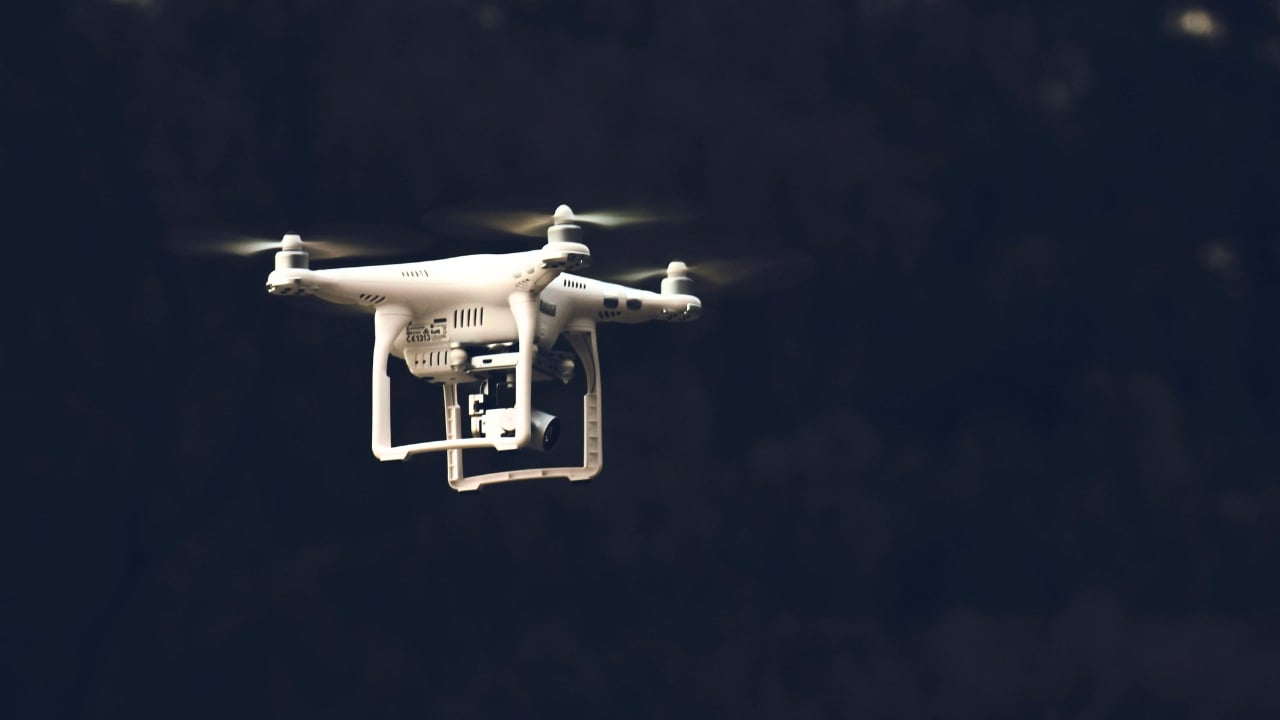
Part of what makes drones so tempting is how effective they have become at finding warm bodies in the dark. Thermal-equipped quadcopters can pick up the heat signature of a deer or coyote in thick cover, and some manufacturers openly market these systems as game changers for tracking and scouting. Promotional material describes how Improved Tracking and Scouting By utilizing thermal imaging technology, drones can easily detect heat signatures from animals, even in dense vegetation or at night, and how this capability can help users locate targets without disturbing the natural habitat or the animals themselves.
Those same capabilities are exactly why Illinois treats hunting-related drone use as off limits. When a device can sweep a field in minutes and show you every animal within range, the balance between hunter and prey is fundamentally altered. While thermal drones may have legitimate roles in agriculture or search and rescue, using them to find deer or other game in Illinois violates the clear prohibition that IDNR has laid down, regardless of how efficient or humane the technology might appear in marketing from companies that tout Improved Tracking and Scouting By using thermal drones.
What other sectors teach about “unauthorized” drone use
If you want a sense of how seriously authorities take unauthorized drone flights, look at how the military treats them. At Arnold Air Force Base in Tennessee, officials have warned that Unauthorized drone use over or near the installation is a security threat, not a minor infraction. Guidance from Arnold AFB explains that flying drones illegally on or near Arnold Air Force Base can trigger immediate law enforcement response, including potential detention of the operator, confiscation of the aircraft, and federal charges, as detailed in advisories that ask, What are the consequences of flying drones illegally on Arnold AFB and describe how Unauthorized flights are handled.
While your whitetail lease in Illinois is not a military base, the underlying message is similar: when you put a drone into restricted airspace, whether that is a secure facility or a regulated hunting context, you are stepping into a zone where authorities have little patience for excuses. The more that agencies like Arnold AFB and IDNR emphasize the risks of unauthorized flights, the harder it becomes to argue that you “did not know” a drone after dark was a problem.
How to keep your season legal and still use tech wisely
The safest way to protect your season is to treat drones, e-bikes, and AI tools as off limits for any hunting related purpose unless and until Illinois law clearly says otherwise. IDNR has repeatedly reminded hunters that it is prohibiting the use of drones for hunting purposes, and that message should guide your planning from the moment you pack your truck. If you own a quadcopter, leave it at home when you head to the stand, and if you are unsure whether a particular gadget is allowed, assume it is not until you confirm otherwise with the regulations or a conservation officer, especially given IDNR’s clear statements that it is IDNR prohibiting the use of drones for hunting purposes.
You can still lean on plenty of lawful technology to hunt smarter without crossing the line. Download offline mapping apps, use trail cameras that comply with local rules, and study digital aerial imagery before the season instead of flying a drone over bedding areas. Most importantly, take the time to read the current Illinois hunting digest and the relevant sections of the Wildlife Code so you understand exactly where the boundaries are. When you respect those limits, you protect not only your own season but also the broader reputation of hunters across Illinois who want to keep the focus on skill, patience, and fair chase rather than on what a machine can see after dark.
Like The Avid Outdoorsman’s content? Be sure to follow us.
Here’s more from us: