
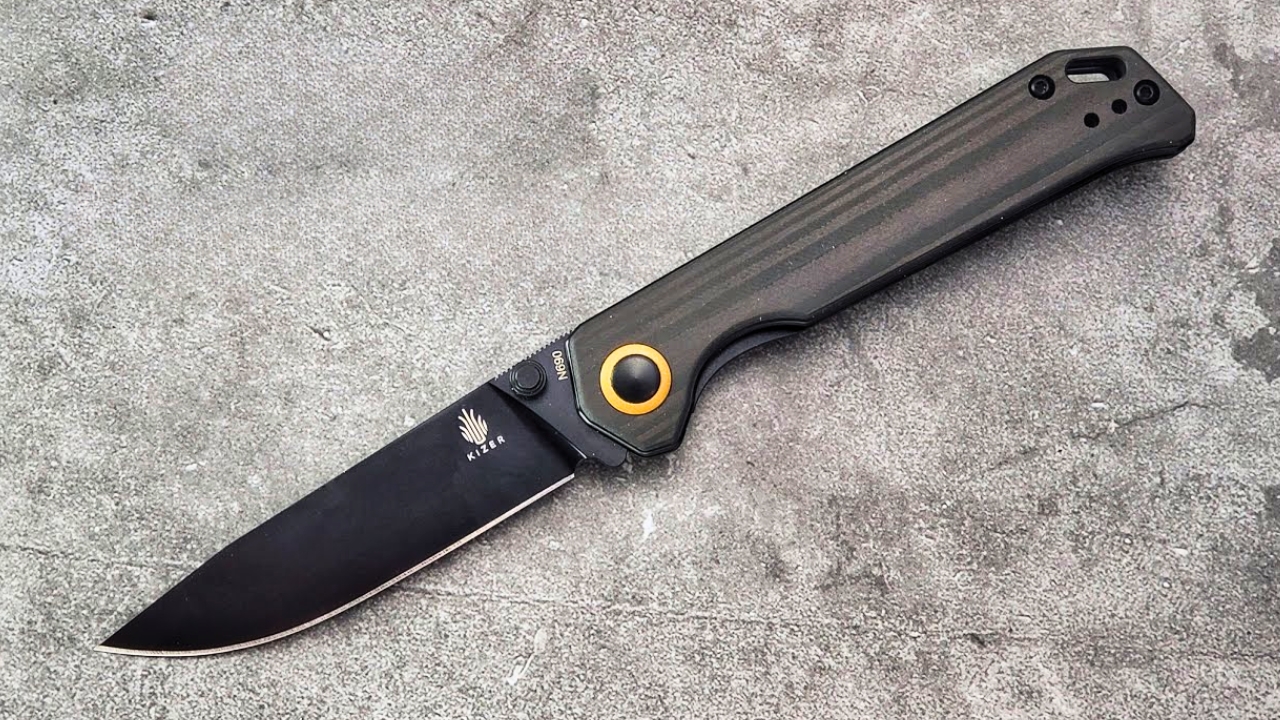
Photo credit: OG Blade Reviews/YouTube
A knife can feel “expensive” for reasons that have nothing to do with a four-figure price tag. It’s usually the little stuff: clean machining, good heat treat, tight lockup, a grind that actually cuts, and a handle that doesn’t have hot spots after an hour of use. When a budget knife nails those details, it punches way above its weight and you start wondering why you’d spend more.
The trick is separating “looks premium” from “built right.” You want consistent action, solid hardware, and steel that holds a working edge. You also want a design that doesn’t fight you—good pocket clip, comfortable spine, and a blade shape that’s useful outside of Instagram. These are knives that often feel like they should cost more than they do.
Civivi Elementum (D2)

The Elementum feels like a grown-up pocketknife because the action is smooth and the ergonomics are easy to live with. The D2 blade holds a working edge well for the money, and the drop-point shape actually slices instead of wedging. It carries clean, doesn’t snag, and the blade-to-handle proportions feel “right” in your hand.
Where it surprises you is fit and finish. The pivot tends to be consistent, the detent usually feels dialed, and lockup is confidence-inspiring without feeling stiff. It’s also one of those knives that disappears in the pocket, which matters if you’re carrying daily. You can beat on it with normal tasks—cardboard, zip ties, rope—and it keeps a respectable edge. For what it costs, it feels like something you’d find in a higher price bracket.
Civivi Qubit (14C28N)

The Qubit has that clean, modern feel that usually shows up in pricier knives. The blade geometry is slicey, 14C28N sharpens easily, and the overall build feels tighter than you expect at this price. It’s a knife you can hand to a buddy and watch them raise an eyebrow after the first open.
The comfort is real, too. The handle shape sits naturally without forcing your grip, and the knife feels balanced instead of handle-heavy. You also get a pocket clip and hardware that don’t feel like an afterthought. It’s not trying to be a “tactical” brick. It’s trying to be a good cutter you’ll actually carry, and that’s what makes it feel expensive—everything works together instead of fighting you.
CJRB Pyrite (AR-RPM9)

The Pyrite feels high-end because it’s simple in the best way. The lines are clean, the action is smooth, and the AR-RPM9 steel is easy to touch up while still holding a decent edge. It’s a knife you can carry hard without babying, and that’s part of what makes it feel like a better class of tool.
In the hand, it’s comfortable and predictable. The blade shape is useful for daily cutting tasks, and the handle doesn’t beat up your fingers when you’re bearing down. The clip carries well and the knife doesn’t feel bulky, which is where a lot of budget knives lose the plot. It’s not a showpiece. It’s a work knife that doesn’t feel cheap, and that’s a harder thing to pull off than flashy materials.
Kershaw Iridium (D2)
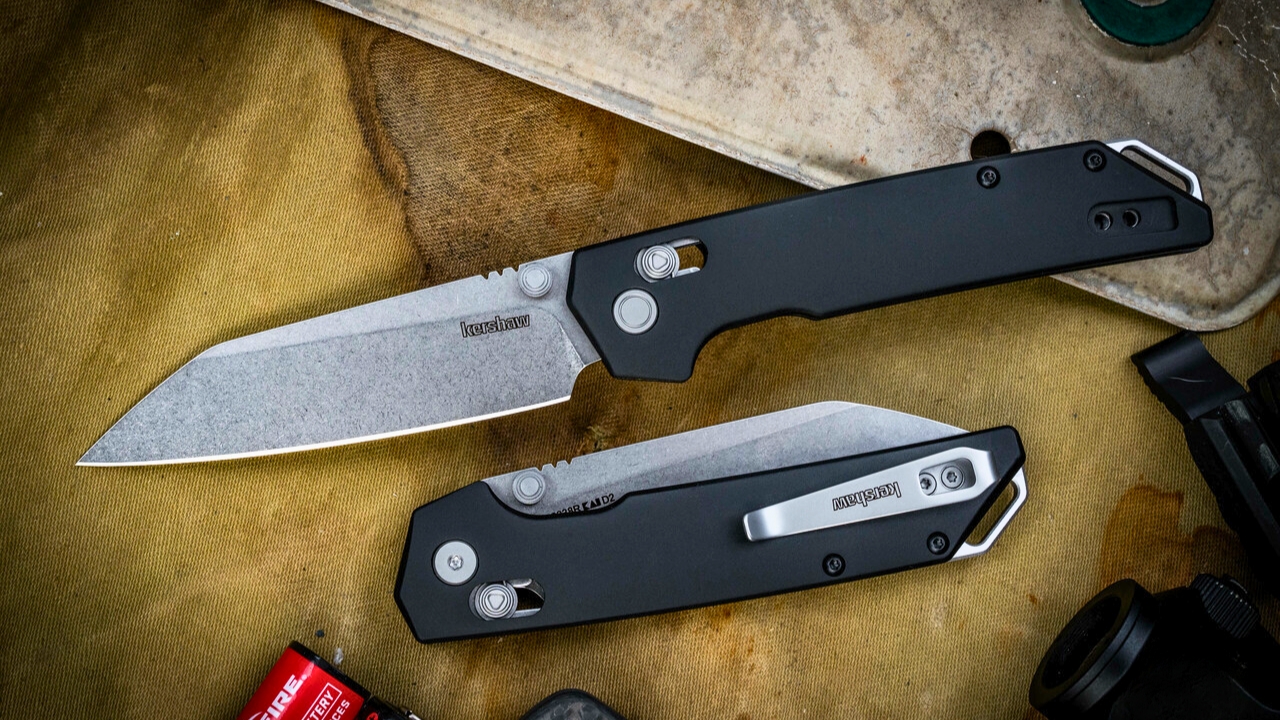
The Iridium feels like Kershaw decided to compete with knives that cost a lot more and didn’t miss many details. The D2 blade holds up well for daily use, the action is crisp, and the profile is slim enough that you’ll actually keep it in your pocket. It’s the kind of knife that makes you forget it wasn’t expensive.
You notice it when you use it. The blade geometry slices clean, the handle feels solid without being chunky, and the build doesn’t rattle or flex. The hardware and pocket clip feel like they belong on something pricier, too. It’s a very “carryable” knife—easy in and out, easy to control, and it doesn’t scream for attention. For a budget folder, it delivers a premium feel where it counts: in the hand and on the cut.
Kershaw Leek (Sandvik 14C28N)
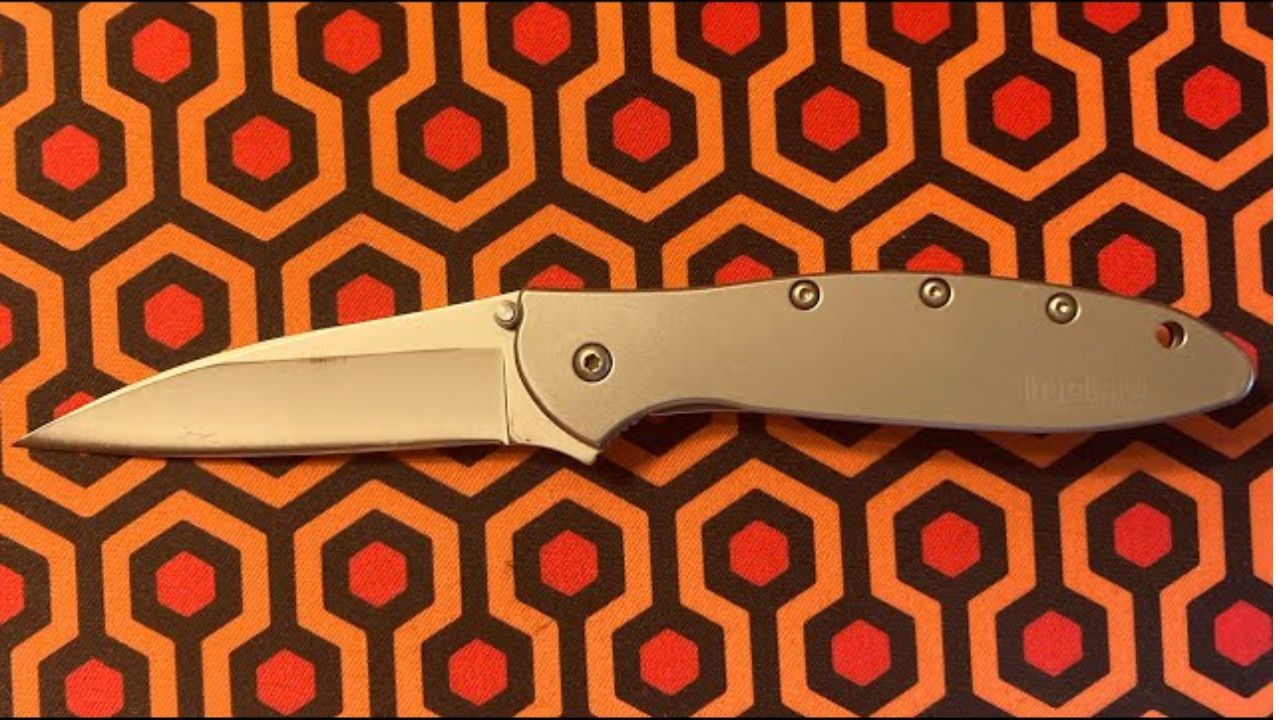
The Leek has been around forever because it’s a genuinely nice carry knife, not because it’s trendy. The slim profile disappears in your pocket, and the Sandvik steel sharpens fast and cuts clean. It’s one of those knives that feels refined even if you didn’t pay much for it.
What makes it feel expensive is how precise it feels in use. The blade is narrow and pointy in a way that’s useful for detail work, and the whole knife has a tidy, well-finished feel. It’s not a heavy-duty pry bar, but it’s not pretending to be. If your daily tasks are boxes, rope, tape, and general camp chores, the Leek handles them with a smoothness that makes it feel like a more premium tool than the price suggests.
Ontario RAT Model 2 (AUS-8)

The RAT 2 doesn’t feel expensive because it’s fancy. It feels expensive because it’s honest and comfortable, and it cuts the way a working knife should. The shape fills your hand without hot spots, the blade profile is practical, and the knife stays controllable even when your hands are wet or cold.
AUS-8 isn’t a boutique steel, but that’s part of the appeal. It sharpens easily and gets scary sharp without a whole ritual. For real-life users, that matters more than a steel name that impresses strangers. The lockup is solid, the knife carries well, and you can abuse it with normal chores without feeling guilty. It’s one of those budget classics that feels “right” because it was designed around use, not marketing.
QSP Penguin (D2)

The Penguin feels premium because the design is simple and the execution usually lands. The sheepsfoot-style blade is a great daily cutter, especially on boxes and food prep, and D2 gives you decent edge life without being fussy. It’s a knife that feels like it was designed by someone who actually uses knives.
The handle is where it wins people over. It’s comfortable, stable, and the knife tends to lock up with a reassuring feel. The action is usually smooth enough that you don’t think about it, which is the whole point. You get a useful blade shape, a practical carry profile, and a tool that doesn’t feel like it’s going to loosen up after a month. For the money, it feels like you got away with something.
Sencut Sachse (9Cr18MoV)

The Sachse feels expensive because it’s clean, tight, and well-finished for what it costs. 9Cr18MoV isn’t a trendy steel, but it can take a keen edge and it holds up fine for daily cutting. The blade grind tends to slice well, and the overall feel is more refined than you’d expect from a budget brand.
The action is the surprise. It opens smoothly, locks up solid, and doesn’t feel gritty or sloppy. That’s usually where cheap knives give themselves away. The handle shape is comfortable and the knife sits in the pocket without acting like a brick. It’s the kind of knife you buy as a “beater” and end up carrying because it behaves like a nicer tool. That’s the whole point of this category.
SOG Terminus XR (D2)

The Terminus XR feels like it belongs in a higher price tier because it’s built around real carry and real use. D2 gives you respectable edge life, and the knife feels sturdy without being clumsy. The ergonomics are comfortable, and the blade shape is useful for everyday tasks without turning into a pry bar.
What makes it feel expensive is the overall package: good control, smooth operation, and a build that doesn’t feel cheap in the hand. The handle gives you enough grip without tearing up your pocket, and the knife carries in a way that’s easy to forget. It’s a practical, do-everything folder that doesn’t punish you for actually using it. When a knife opens and closes clean and stays tight, it automatically feels like it cost more.
Spyderco Tenacious (8Cr13MoV)
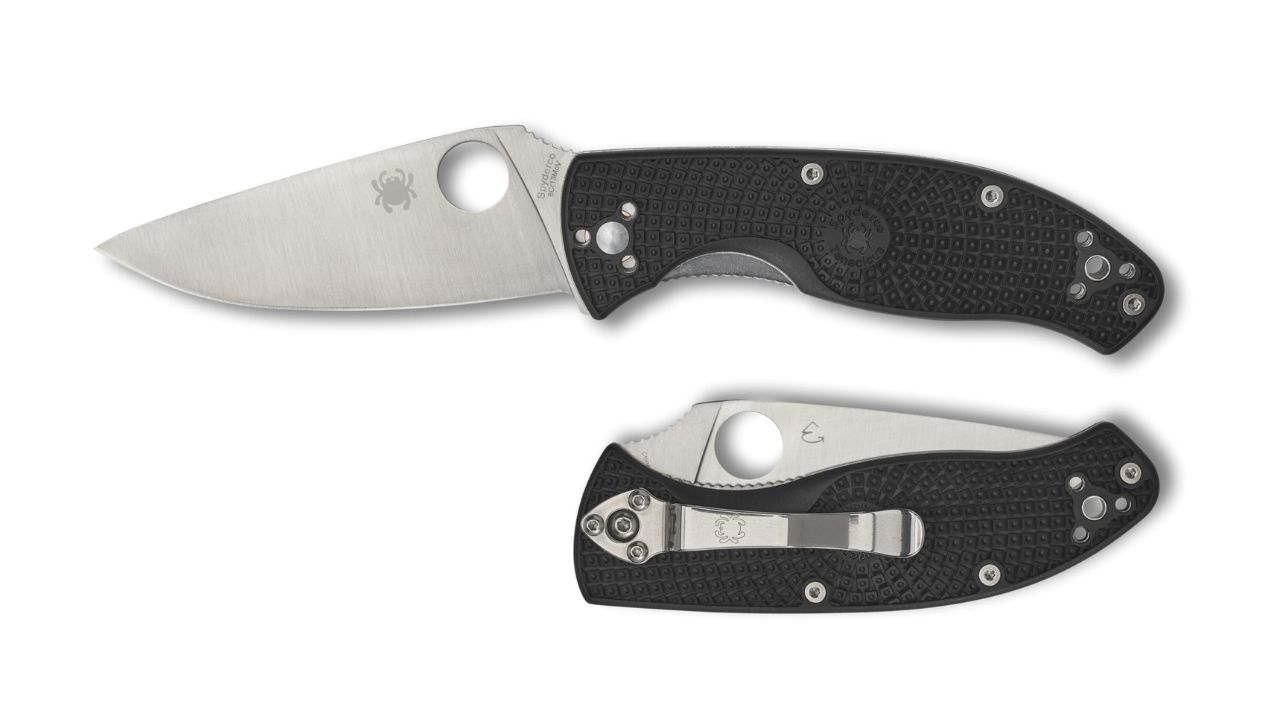
The Tenacious has been a gateway Spyderco for a long time because the design works. The blade shape is useful, the ergonomics are comfortable, and the big opening hole makes it easy to run with gloves or cold hands. It feels like a serious tool even though it’s not priced like a premium Spyderco.
8Cr13MoV won’t win steel arguments online, but it sharpens easily and performs well if you keep up with it. That’s a fair trade for a knife that carries comfortably and cuts clean. The Tenacious also has that “Spyderco feel” in hand—secure grip, good control, and a blade that wants to slice. It doesn’t pretend to be something it’s not, and the honest design is what gives it that more expensive vibe.
Buck 110 Slim Select (420HC)
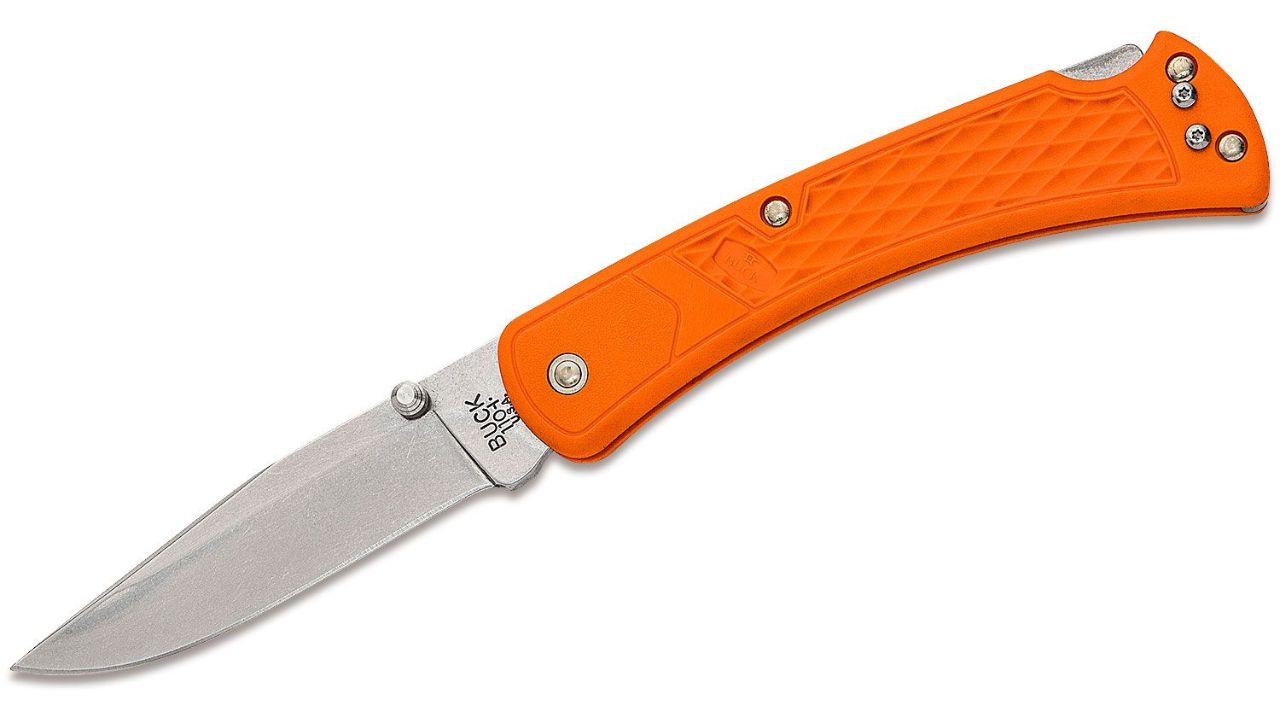
The 110 Slim Select feels like a classic that got modernized without losing the point. It carries easier than the old-school 110, and it still gives you that solid Buck feel in hand. 420HC isn’t exotic, but Buck’s heat treat has a reputation for making it work well, and the steel sharpens fast when you’re back at the bench.
The “expensive” feeling here is confidence. It locks up solid, the knife feels stable in the grip, and you can do real cutting without feeling like the handle is going to twist. It’s also a knife that doesn’t look like a mall ninja toy. It looks like something a hunter would carry, which matters if you want a tool, not a fashion statement. For the cost, it feels like a dependable piece you’ll keep around for years.
Kizer Begleiter 2 (154CM)
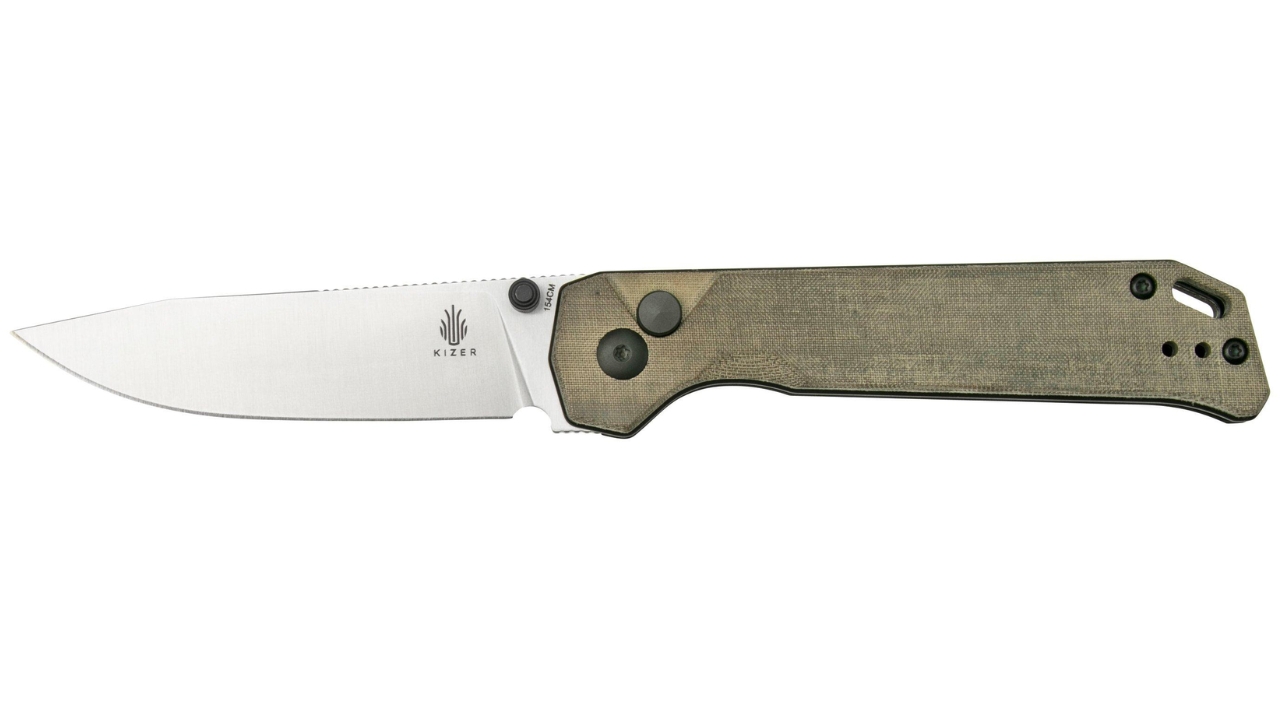
The Begleiter 2 often surprises people because it feels refined. 154CM is a real step up from entry steels, and the knife usually comes with clean machining and a smooth action that doesn’t feel bargain-bin. It’s a slicey, practical folder that carries well and feels controlled when you bear down.
The handle shape helps, too. It fills your hand without forcing awkward angles, and the knife feels balanced instead of tip-heavy. That matters on long days when you’re cutting a lot and you don’t want a knife that fights you. The clip and hardware tend to feel like they belong on something more expensive, and the whole knife has a “finished” feel. If you want a budget knife that doesn’t feel budget, the Begleiter 2 is a strong example.
Kizer Sheepdog (Mini, 154CM)

A Mini Sheepdog feels expensive because it’s a lot of blade in a small, well-controlled package. The cleaver-style profile is surprisingly useful for daily cutting, and 154CM gives you edge performance that feels like you paid more. When it’s dialed, the action is smooth and the knife feels tight in the hand.
The other premium factor is comfort. The handle shape gives you room to grip without cramping, and the blade shape makes push cuts and slicing feel natural. It’s also a knife that looks distinctive without being goofy, which is rare at a lower price point. You can run it hard on cardboard and food prep and it still feels like it belongs in your pocket. It’s a practical knife with personality, and the build quality keeps it from feeling like a gimmick.
Mora Companion (Sandvik 12C27)

A Mora Companion feels expensive the first time you actually use it, because it cuts like a tool that costs three times as much. The scandi grind bites into wood clean, the handle is comfortable for long carving sessions, and 12C27 takes a sharp edge without drama. It’s a cheap knife that behaves like a serious one.
The value is in performance, not looks. You can featherstick, carve, process kindling, and do camp chores without the blade feeling fragile. The handle doesn’t beat your hand up, and the sheath works without being fancy. If you’re the type who judges knives by what they do, a Companion feels like a steal. It’s one of the clearest examples of a budget tool that feels “premium” because it works exactly the way you want.
Cold Steel SR1 Lite (8Cr13MoV)
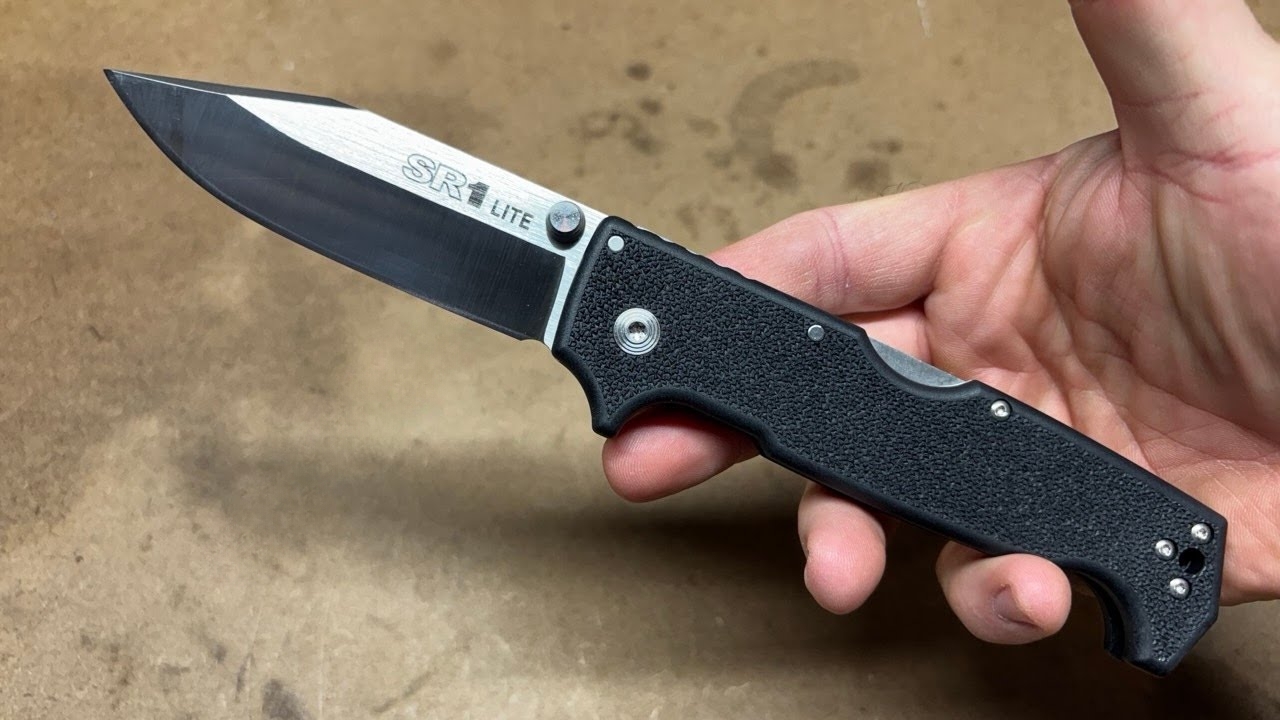
The SR1 Lite feels expensive because it feels overbuilt. It’s big, it’s sturdy, and it locks up with the kind of confidence that makes you stop worrying about it. The blade profile is practical, and the knife has that “I can do real work” feel that a lot of budget folders try to fake.
8Cr13MoV is easy to sharpen, and on a knife like this that’s a good thing. You’re more likely to actually maintain it instead of letting it get dull and miserable. The handle gives you a secure grip, and the knife feels stable even when you’re cutting tough material. It’s not a lightweight gentleman’s folder. It’s a working knife that doesn’t feel cheap, and that’s why it keeps getting recommended by people who actually use what they carry.
Like The Avid Outdoorsman’s content? Subscribe to our newsletter so you never miss an article.
Here’s more from us:


