Photo credit: WHO_TEE_WHO/YouTube
A rifle that won’t hold zero will make you doubt everything—your dope, your trigger press, even your ammo—when the real problem is usually movement somewhere in the system. Sometimes it’s an optic setup that’s settling in. Sometimes it’s a stock that flexes and starts touching the barrel. Sometimes it’s a design that’s more sensitive to heat, pressure, or takedown lockup than you realized when you bought it. The frustrating part is that a lot of these rifles will look fine on a calm bench session, then shift after a few strings, a rough ride, or a change in how you support the gun.
If you want to stop chasing ghosts, you start thinking like a mechanic. Where can things loosen? Where can pressure change? Where can heat and harmonics move point of impact without you doing anything “wrong”? These are specific rifles and platforms that are known for being more likely to show zero shift in the real world—especially when the setup, mounting, or support isn’t dialed.
Ruger Mini-14 (180-series through early 580-series)

With many Mini-14s—especially older, thin-barrel guns—you can see point of impact walk as the barrel heats. The rifle might group acceptably at a slower pace, then shift as you speed up and the barrel starts whipping a little differently shot to shot. That can look like a “lost zero,” but it’s often heat and harmonics doing what thin barrels do.
Optics add another layer. Minis get all kinds of rails, rings, and aftermarket solutions, and not all of them stay tight through recoil and vibration. If you’ve ever watched a group move while staying roughly the same size, it’s a clue that something is changing position, not that the rifle suddenly forgot how to shoot.
Ruger 10/22 Takedown

A takedown rifle is always asking you to trust an interface to return to the exact same alignment every time. The 10/22 Takedown is a great pack gun, but even small changes in how it locks up—tension, cleanliness, wear-in—can show up as a point-of-impact change at 50 or 100 yards.
This gets more noticeable with optics. You might assemble it one way at the range and another way in the field without meaning to. The rifle can still shoot good groups, but the whole group shifts. If you treat it like a fixed-barrel trainer, you’ll end up chasing a zero that moves around just enough to be annoying.
Ruger PC Carbine (Takedown)

The PC Carbine is stout and practical, but the takedown design still means the barrel and receiver aren’t one permanent unit. If the lockup tension changes slightly, or grit gets into the interface, you can see a shift that wasn’t there when everything was clean and freshly tightened.
You’ll usually notice it after transport—break it down, toss it in a case, reassemble, and your zero is close but not perfect. That’s not a deal-breaker for a 9mm carbine used inside practical distances, but it’s exactly how people end up saying a rifle “won’t hold zero.” It often is holding zero… for the exact way it was assembled last time.
AK-pattern rifles with receiver-cover optic mounts (PSAK, WASR, etc.)

A lot of AKs shoot just fine with irons, but receiver-cover optic mounts are a common source of zero shift. The dust cover isn’t a rigid, locked receiver top like you get on other rifles. Under recoil and repeated handling, it can move enough to change where your optic is pointing.
You’ll see this as a drifting zero that shows up after a few range sessions, after cleaning, or after the rifle takes a bump. Even if it feels tight by hand, it doesn’t take much movement to matter at 100 yards. If your AK wears glass, side-rail mounts usually behave better than dust-cover systems that rely on tension and hope.
Simonov SKS with receiver-cover scope mounts (Norinco, Yugoslav M59/66)

The SKS gets turned into a “scoped deer rifle” more than it should, and the receiver-cover scope mount is usually the weak link. That cover is meant to come off, and many aftermarket versions don’t lock up in a truly repeatable way. It can shift under recoil, shift after disassembly, or shift just from being handled.
The maddening part is that your groups might stay decent—just in the wrong place. You’ll swear you did something wrong when the rifle is simply returning to a slightly different position each time. If you want an SKS with an optic, a more stable mount solution matters, because the typical receiver-cover approach is famous for wandering.
Springfield Armory M1A (and M14 clones) with budget side mounts

The M1A can be very consistent, but it’s picky about optics mounting. Cheap side mounts that don’t fit well, don’t clamp evenly, or use soft screws can shift over time. The rifle’s recoil and vibration will exploit any slop in the mount, and your point of impact will walk even when your shooting looks the same.
This often gets blamed on the rifle, when it’s really the mount settling or loosening. The M1A wasn’t designed around a modern top rail, so you’re relying on a mount that has to match the receiver perfectly and stay torqued. If you’re chasing a zero on an M1A, the mount and hardware are the first suspects.
Ruger No. 1

The Ruger No. 1 is a classic, but it can be sensitive to fore-end pressure and bedding. The way the fore-end attaches and the way the rifle’s hanger system interacts with barrel vibration can make point of impact shift depending on rest position, sling tension, and heat.
You can have a session where it prints nicely, then another where the group lands somewhere else with no obvious change in ammo or scope. That’s why No. 1 owners talk about tuning and learning what the rifle likes. It isn’t that every No. 1 “won’t hold zero,” but the design is more likely to show shifts when support pressure changes compared to a floated bolt gun.
Mossberg 464 and other barrel-banded lever actions

Barrel bands look tough and carry well, but they introduce a pressure point that can change how the barrel behaves. If the fore-end or band pressure changes with a tight sling, a hard rest, or heat, your point of impact can move. It’s one reason lever guns can feel perfectly sighted-in one day and slightly off the next.
You’ll see this most when you sight in from a firm bench rest and then hunt offhand or off sticks with a different support point. The rifle isn’t necessarily “losing zero” mechanically. The barrel is reacting differently to pressure and vibration. With barrel-banded guns, consistent support and realistic sight-in positions matter more than people expect.
Marlin 336 (older guns with barrel bands and two-piece fore-ends)

A Marlin 336 can be a hammer in the deer woods, but the classic setup—mag tube, bands, wood fore-end—can be sensitive to pressure. Rest it differently, tighten the band differently, or change sling tension, and the point of impact can shift enough to matter on a small window through brush.
Heat can do it too. You might never notice when you fire one or two rounds a season, then get surprised during a longer range session. The rifle is still accurate in the sense that it will group, but it can group in a slightly different spot depending on how it’s being held and supported. That’s why practical zero confirmation with lever guns is worth your time.
Henry Big Boy (barrel band and magazine tube influence)

Henry Big Boy rifles are smooth and enjoyable, but they’re still lever guns with the same basic pressure realities: barrel band, mag tube, and fore-end all interact. If you change how you rest the rifle, you can change pressure at the band and along the magazine tube, which can shift point of impact.
This tends to show up as “the zero moved” when the real change is support. Bench-resting hard on the fore-end is a common way to create a different pressure situation than you’ll have in the field. The fix is usually boring: confirm zero using the same kind of support you’ll hunt with, and don’t be surprised if the rifle prefers a certain hold.
Savage Axis

A lot of Axis rifles shoot better than their price suggests, but the factory stock can flex, and thin sporter barrels can be sensitive to heat. If the fore-end flexes enough to touch the barrel under a bipod load or a hard rest, your point of impact can shift without any loose screws in sight.
You’ll notice it when your first couple shots look fine and then things start walking as you press the pace or change support. Some rifles will do it more than others, and many can be improved with consistent torque on action screws and careful support technique. But the platform is known for being more sensitive to those variables than stiffer rifles with better stocks.
Remington 700 ADL
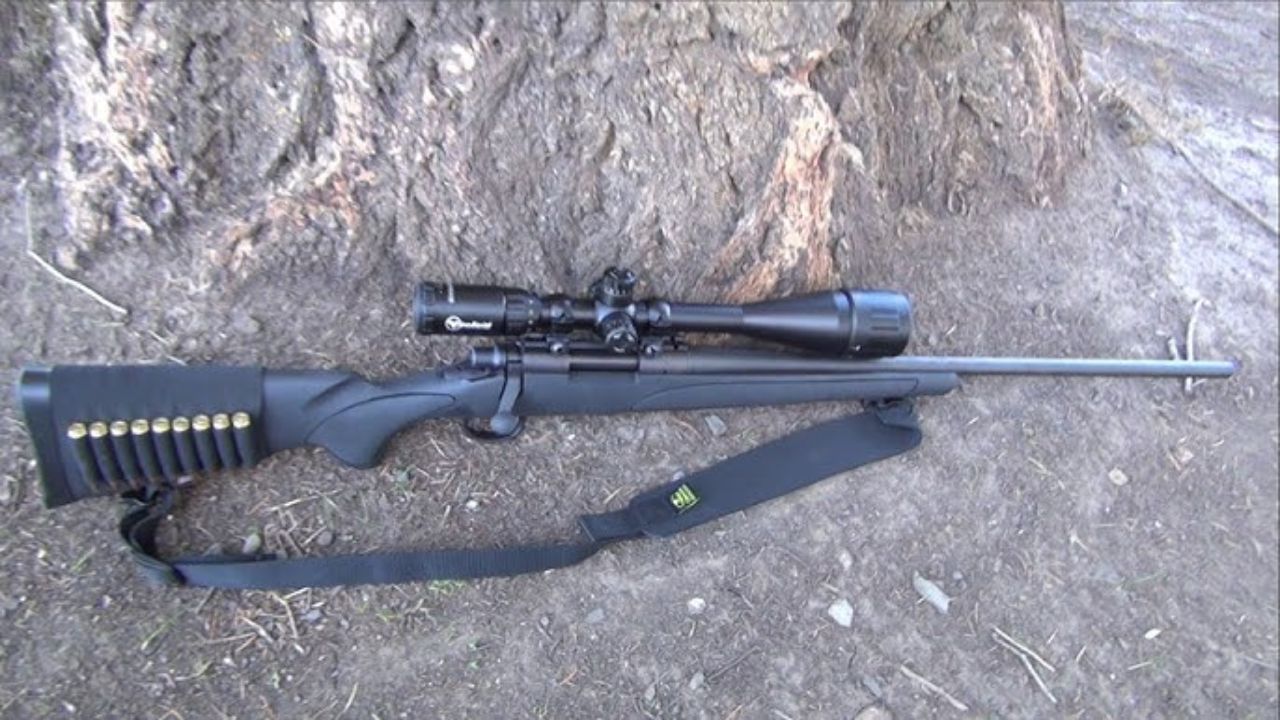
A 700 action can be rock-solid, but the ADL-level factory stock is often where consistency gets compromised. Flexible fore-ends and pressure points can create a situation where the rifle shoots to one point of impact off sandbags and another point of impact off a sling or field rest.
That’s how you end up thinking the rifle “won’t hold zero” when the system is reacting to changes in how it’s being held. If you’ve ever seen a tight group that moved, you’ve already met this problem. The rifle might not be broken. It might just be sensitive to stock flex and barrel contact—especially when you start loading the fore-end.
Tikka T3x Lite in magnum chamberings (like 7mm Rem Mag, .300 Win Mag)

Tikka rifles can be extremely consistent, but the Lite models in heavier recoiling chamberings can punish sloppy setup. A light rifle in a hard-kicking caliber can expose scope and mount weaknesses quickly. If anything is marginal—rings, base screws, optic internals—you can see creeping point-of-impact changes over time.
There’s also the human factor. A light magnum makes you handle recoil differently from shot to shot, especially from a bench. That can look like a zero shift when your shoulder pressure and cheek weld aren’t repeating. The rifle itself may be doing fine, but the entire system becomes less forgiving. If you want “set it and forget it,” light magnums demand better mounting and better shooting discipline.
Kimber Montana

Ultralight rifles like the Montana are built to carry, not to soak recoil. When you combine light weight with powerful hunting cartridges, the whole setup becomes more sensitive—scope mounts, bedding, and your ability to shoot consistently under recoil. Small changes can show up as real changes on paper.
A rifle like this can group well when everything is perfect, then start acting inconsistent after a rough season or a few hard bench sessions. That doesn’t mean the rifle is junk. It means you’re operating in a narrower window where everything has to stay tight and repeatable. The lighter the rifle, the less room you have for “close enough” on mounting and setup.
Winchester Model 70 Featherweight
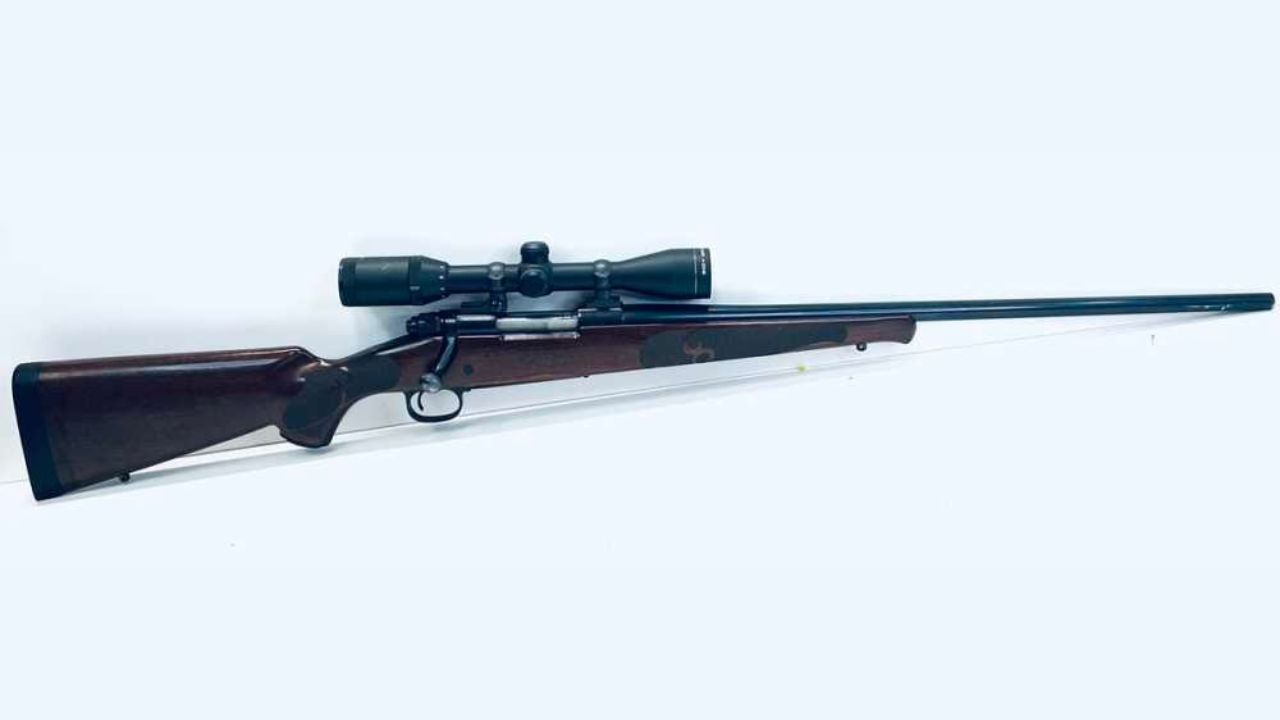
The Featherweight is a great hunting rifle, but a thin barrel can show heat-related shift if you shoot longer strings. If you sight in slowly, you might never notice. If you start running it like a range gun, you might watch point of impact drift as the barrel warms and vibration changes.
It can also be sensitive to how you support it, depending on stock fit and bedding. A Featherweight is built for first-shot confidence, not ten-round strings off a hard rest. If you expect it to behave like a heavier rifle, you can get confused fast. The rifle is often doing exactly what thin hunting barrels do—just not what your expectations told you it would do.
Browning BLR
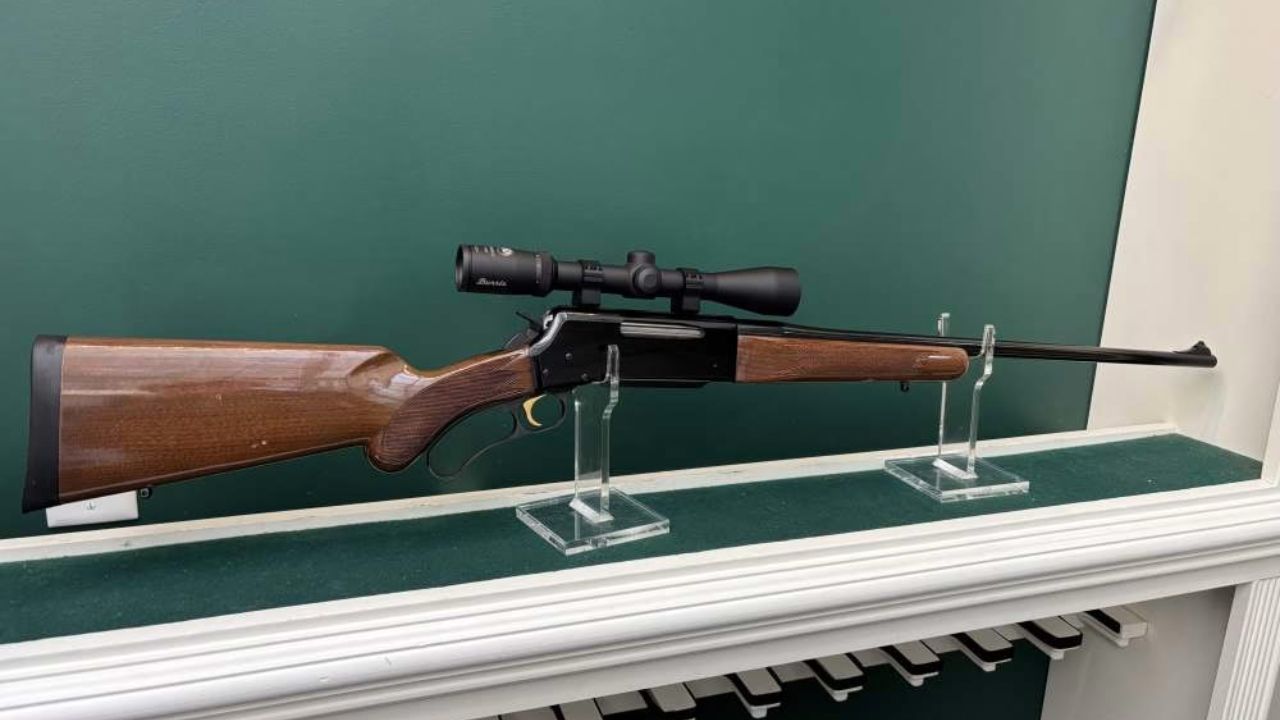
The BLR is a capable hunting rifle, but it’s still a lever gun with parts interacting around the barrel and fore-end. Depending on model and fore-end design, support pressure and sling tension can affect point of impact more than you’d expect if you’re used to floated bolt guns.
The BLR also tends to wear optics, which means mounts and screws matter. If you’re dealing with shifts, you look at consistent fore-end pressure and consistent torque on mounts before you blame the rifle. A BLR can be very accurate, but it can also be a rifle that changes behavior when you change how you rest it—especially off a bench compared to real field positions.
AR-10 pattern rifles with bridged optics (PSA PA-10, DPMS-pattern builds)

Big-frame ARs can be accurate, but they punish one common mistake: bridging the optic mount across the receiver and handguard. The handguard can move slightly under load, heat, or bumps, and if your optic spans that gap, your zero can shift even when everything “looks tight.”
You’ll see it as a frustrating drift that comes and goes, often tied to bipod load, sling use, or hard handling. The fix is simple but non-negotiable: keep the optic mount fully on the receiver rail, and make sure your mount is quality and properly torqued. AR-10s also hit optics harder than people assume, so marginal mounts and screws get exposed faster than on lighter rifles.
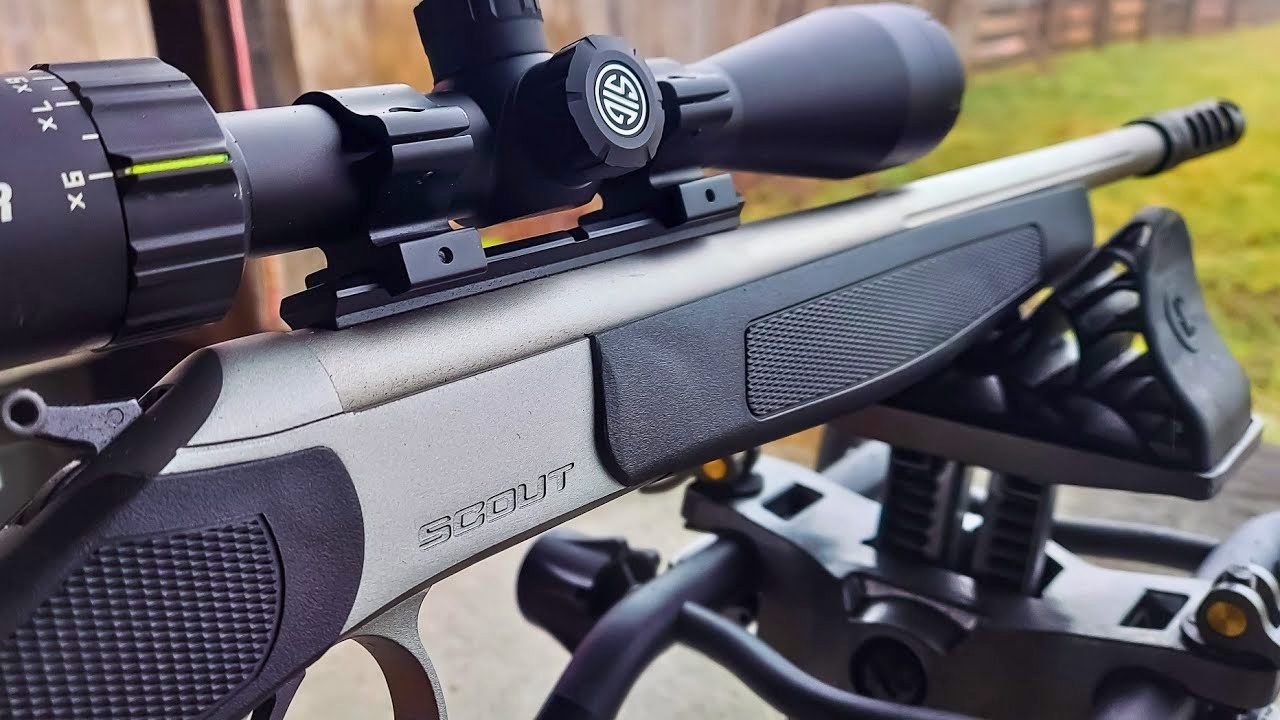
CVA Scout
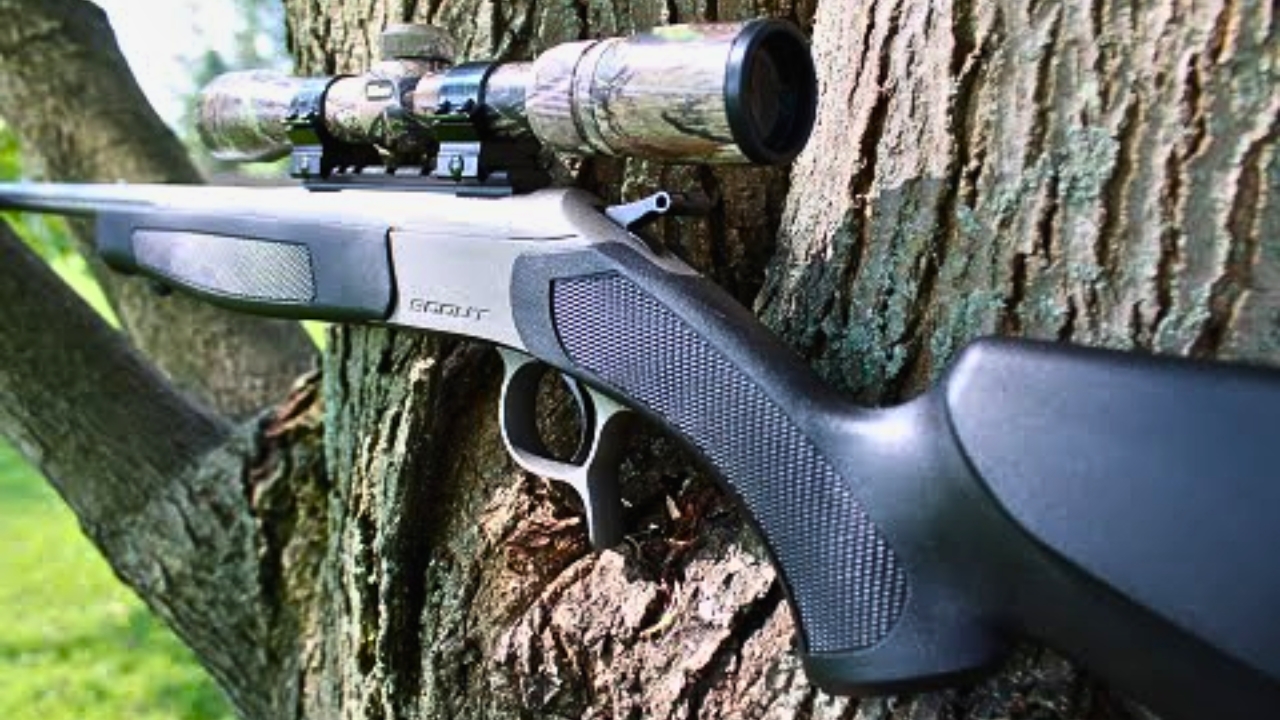
The CVA Scout is handy and accurate for what it is, but single-shots like this can be sensitive to fore-end pressure because of how the fore-end attaches and how the barrel and action interact. Change where you rest it, change how hard you pull it into your shoulder, and you can change point of impact.
This shows up a lot when you sight in off a hard bench rest and then hunt off sticks or offhand. The rifle didn’t “lose zero.” You changed the pressure pattern on the fore-end and barrel system. If you treat it like a lightweight hunting tool and confirm zero the way you’ll actually shoot it, it usually behaves. If you treat it like a heavy bench gun, it can make you chase your tail.
Like The Avid Outdoorsman’s content? Subscribe to our newsletter so you never miss an article.
Here’s more from us: