Photo credit: AvidOutdoorsman
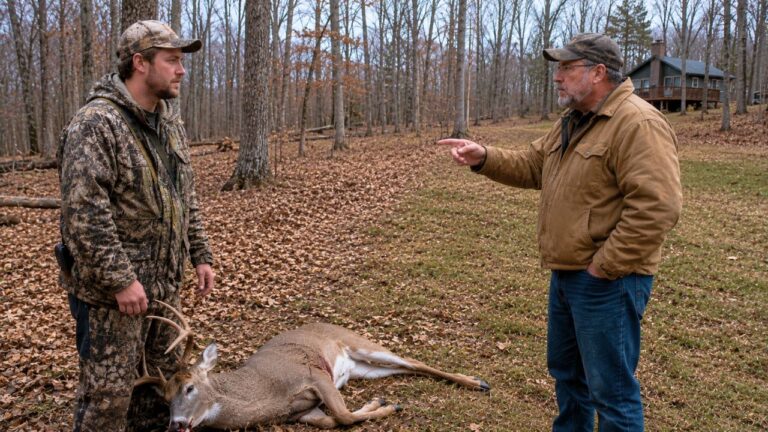
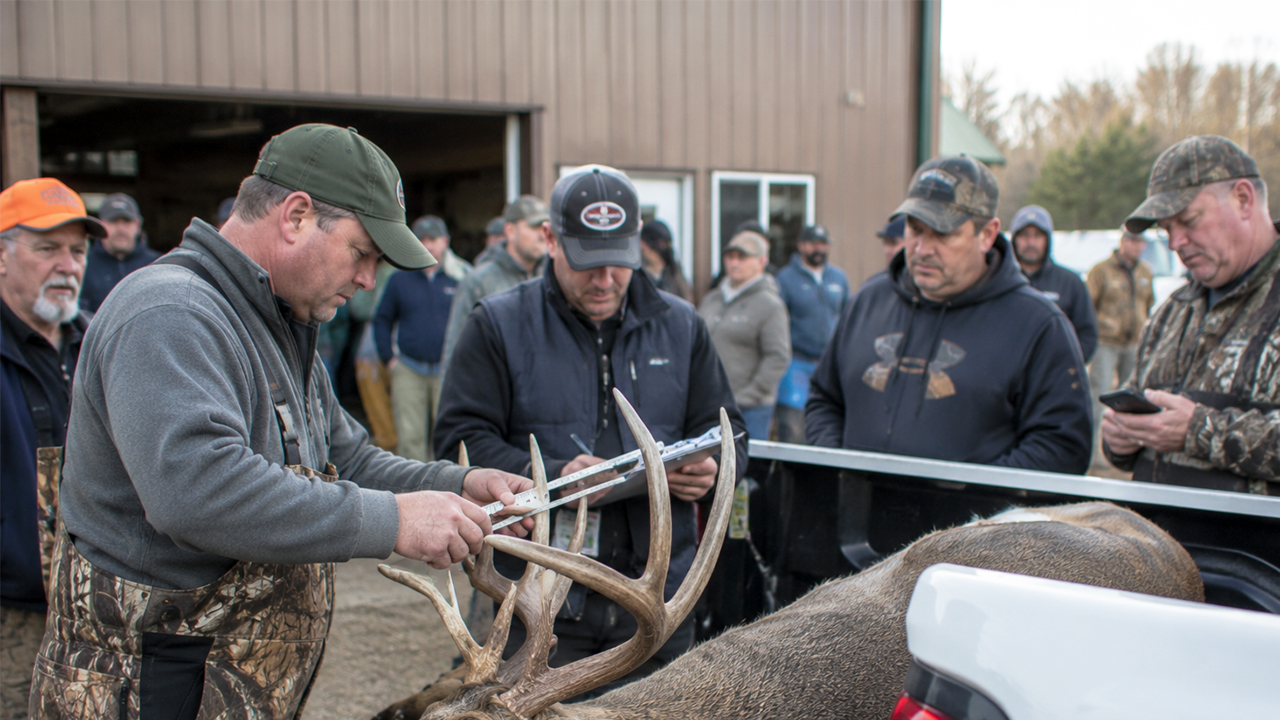
The crowd at the weigh-in was doing what crowds do—leaning in, swapping guesses, taking pictures, and sizing up a heavy-horned buck laid across the display. The hunter behind it looked like he’d done everything right. Tagged deer. Big grin. A stack of score sheets. And, before the weekend was over, a check with five figures on it.
Then the details started to unwind. Not because somebody was jealous of the rack, but because a few small things didn’t line up the way they should when a deer is killed during legal hunting hours, on legal ground, in the legal season.
A big payout and a buck that turned heads
The buck contest was the kind most hunters recognize: entry fee, official scoring, and a payout that makes a lot of folks pay closer attention to antlers than they normally would. The winner’s deer had the kind of frame that doesn’t show up every year in most counties—tall tines, strong mass, and a clean look that had judges reaching for tape measures twice.
By the book, the deer checked all the boxes at first glance. It had a tag attached. The hunter provided the basic paperwork and said the buck was taken on an evening sit not long after the opener. He posed for the usual photos, accepted the congratulations, and walked out with a $15,000 prize that would make anyone’s season feel pretty special.
What tipped off the judges wasn’t the rack—it was the timeline
Most buck contests are run by hunters who’ve seen enough deer to know what “fresh” looks like. They’re not acting like crime lab technicians, but they notice things: how the hide lays, the condition of the eyes, how the cape feels when it’s handled, whether the blood is consistent with a recent recovery, and whether the story matches the animal.
In this case, the questions started with the simplest one: when exactly was the deer killed? The time and location provided didn’t quite match up with the condition of the buck, at least according to the folks who handled it. And once one judge gets a weird feeling, the others start double-checking the same details.
What really pushed it over the edge was the documentation trail. A timestamped photo popped up that appeared to show the buck already down before the season officially opened. Then a second piece of information—one of those quiet tips that always seems to come from someone who “wasn’t trying to start anything”—put the deer’s origin under a brighter light.
When money is involved, people start looking at receipts
A normal deer camp story might get a pass on fuzzy details. A contest payout doesn’t. The minute a five-figure check changes hands, the standard goes up—because now it’s not just about bragging rights, it’s about fairness and potential fraud.
Contest organizers reportedly went back through the entry requirements and compared them to what the hunter submitted. That’s when the holes got bigger. Dates didn’t line up. The “who was there” list changed. A claimed check-in time didn’t match the schedule of the contest’s own official station. And the deer itself, according to those involved, didn’t look like something that had been recovered from a quick drag out of the woods on opening week.
At that point, it stops being a simple rules dispute and turns into something the organizers can’t ignore. If they pay out on a deer taken out of season, every honest hunter who entered has a reason to walk away from the contest permanently.
Game wardens don’t need a lot of drama to start asking questions
Once the contest officials had enough to believe the deer was taken early, they did what any smart landowner or hunter should do when things start smelling like a violation: they put the brakes on and made some calls. When a deer is suspected to be taken out of season, the investigation isn’t just about the animal. It’s about licenses, tags, transport, and whether any statements were knowingly false.
Out-of-season deer cases can get complicated fast because hunters often try to “fix” the timeline after the fact. That usually makes things worse. A single bad decision becomes two or three. A picture on a phone becomes a problem. A buddy’s text message becomes evidence. And if the buck crossed property lines or was killed somewhere it shouldn’t have been, trespass and landowner complaints can get pulled into the same mess.
Even without naming places or people, the playbook is pretty standard: wardens ask where it was shot, where it died, who was present, and what weapons were used. They’ll look for proof of land access. They’ll want to see the tag and the harvest report. And yes, they will look at photos and metadata when it matters.
Commenters zeroed in on one thing: “This is why we document everything”
When hunters talk about stories like this, the online argument usually splits into two camps. One side says contests bring out the worst in people and should be avoided altogether. The other side says contests are fine, but only if the organizers run a tight ship and the hunters act like adults.
A lot of folks also zeroed in on how easy it is to avoid getting tangled up in this kind of mess if you’re doing things right. Keep your harvest confirmation. Take your photos at the time you recover the deer. If you hunt multiple properties, write down where you sat. If you’re checking deer through an app, do it immediately instead of “later.” The honest hunter benefits from a clean timeline because it protects you when somebody else starts talking.
There was also plenty of hard truth in the comments about temptation. A big buck and a big prize can push people into bad choices—especially if they already cut corners on small stuff. But the same folks also made the point that poaching isn’t “small stuff.” It’s the kind of thing that burns up permission, ruins relationships with landowners, and gives the whole hunting community a black eye.
The contest fallout is one thing—the long-term damage is another
Even before any official consequences, the immediate result in situations like this is usually the same: the prize money gets frozen, then demanded back, and the hunter gets disqualified. Contest rules typically allow organizers to revoke winnings if an entry is found to violate state game laws or the contest’s own requirements.
But the bigger cost is the reputation hit. In rural areas, word travels faster than you’d think. Landowners talk. Hunting clubs talk. The guy at the feed store knows somebody who knows somebody. And once you get labeled as the person who can’t follow seasons or boundaries, it doesn’t matter how good you are with a bow or how many trail cameras you run—doors start closing.
For the rest of us, it’s a reminder worth taking seriously: if you’re going to enter a contest, treat your hunt like you may have to explain every detail to someone who wasn’t there. Because sometimes you will. And if a buck is worth celebrating, it’s worth doing clean—inside the season, on the right ground, with a timeline that doesn’t require any creative writing.