Photo credit: Gavin Allanwood/Unsplash.com
A landowner says he was walking an empty farmstead when he found something that immediately raised questions.
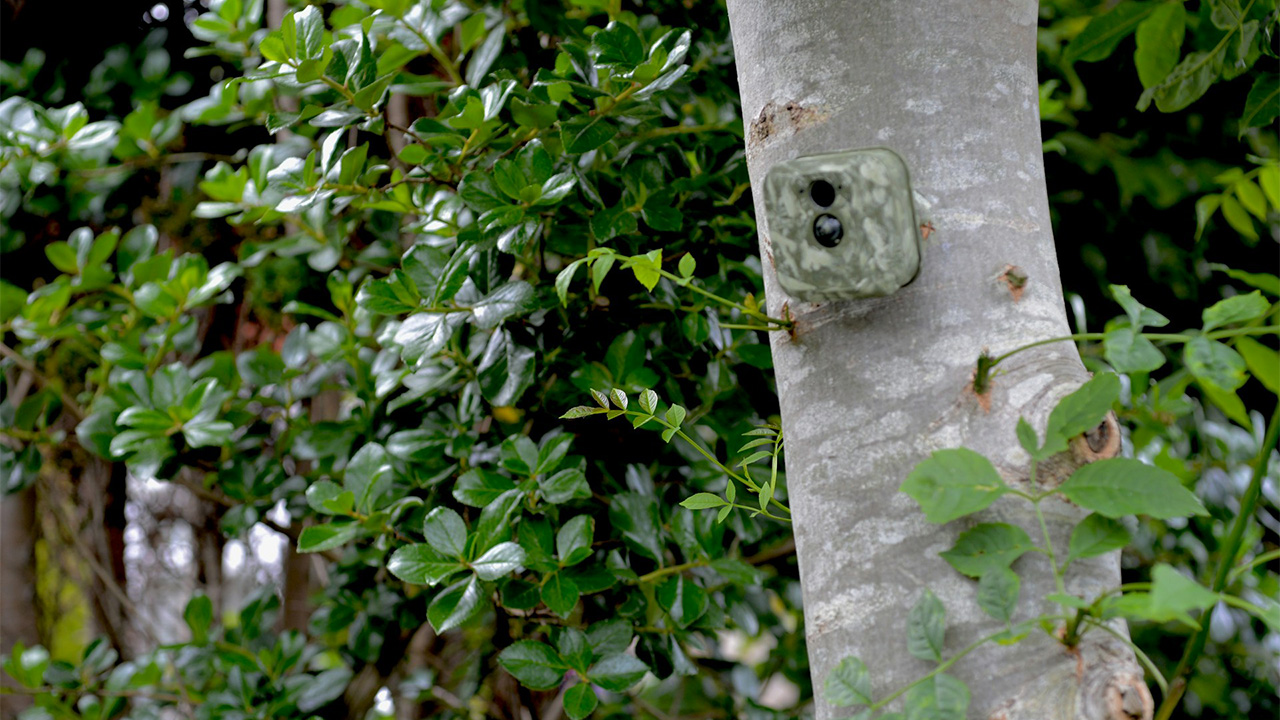
There was a trail camera on his property.
Not one he had put there. Not one a neighbor claimed. Not one tied to anyone he knew.
In a Reddit post, the poster said he had already spoken with neighbors and acquaintances, and none of them said the camera belonged to them. That left him staring at a piece of scouting gear on his own land with no obvious explanation.
His first reaction was probably the same one plenty of landowners would have: now what?
A trail camera is not like finding a glove beside a fence or a soda can near a gate. Somebody had to walk onto the property, pick a spot, strap or mount it, aim it, and leave it there. That takes intention. And when it shows up on an empty farmstead, it naturally makes a person wonder whether someone is scouting deer, watching travel patterns, checking access routes, or trying to figure out when nobody is around.
The poster did not immediately say he knew the person was poaching. That is part of what made the situation tricky. Rural boundaries can be confusing in some places, especially on unused or vacant-looking land. A hunter may think he is on one parcel and end up across the line. A camera could be a mistake.
But it could also be a sign that someone knew exactly what he was doing.
That was the tension in the post. The landowner wanted advice before making the wrong move. He asked whether he should remove it, take the card out, or do something more aggressive with it. He even joked about using it for rifle practice, which pretty much tells you where his patience level was.
But he did not just act on impulse. He contacted his local game warden.
That turned out to be the most important part of the story. According to the poster’s update, the game warden told him it was illegal for someone to place the camera there and that he was within his rights to take it down. The warden also told him what happened after that was his choice, whether he wanted to leave a note, destroy the camera, or handle it another way.
Then the warden offered something even more interesting: he could set up another camera to watch the first camera’s location and wait for the person to come back.
That offer changed the whole situation from a guessing game into a possible trap for whoever had placed it there. If the person returned, the landowner and warden might be able to identify him. If nobody returned, the camera could simply disappear from the property and the landowner would at least know he had acted within his rights.
For a landowner, that kind of help matters. These situations can get personal fast. If you take the camera and the person comes looking for it, you may end up with an angry stranger at your gate or door. If you leave it, you may be allowing someone to keep watching and scouting your property. If you destroy it, you may feel better for five minutes and then wonder if you created a bigger problem.
That is why the warden’s involvement was such a clean move. It gave the landowner a legal answer before the situation turned into a neighbor feud or a property-line blowup.
Still, the discovery itself would bother a lot of people. Even if the camera was placed by mistake, it means someone was on the land without permission. If it was not a mistake, then someone may have been scouting a property he had no right to hunt. Either way, the owner was left dealing with a problem he did not create.
There is also the strange feeling of being watched on your own ground. A trail camera might be meant for deer, but it can catch people too. Vehicles, family members, work routines, entry points, and patterns can all end up on that SD card. That makes the issue feel more invasive than a boot track or a lost piece of gear.
The poster had every reason to want answers. Someone had placed equipment on his land. Nobody nearby claimed it. The game warden confirmed it did not belong there. Now the question was whether the owner should treat it like a careless mistake or the first sign of a bigger trespass problem.
Commenters were all over the map, but most agreed on one thing: the camera should not simply stay there.
Some people told the poster to take it down and leave a note with his name and phone number. Their thinking was that it could be an honest mistake. Maybe the person had permission from a previous owner. Maybe they had been using a bad map. Maybe the land was unposted or looked vacant enough that someone misunderstood the boundary. A note would give the owner a chance to explain himself.
One commenter shared a story about accidentally placing a stand and camera about 50 yards onto a neighbor’s property because he had relied on an imprecise property map. The neighbor left a note, they talked, and the situation worked out peacefully. That kind of example was the main argument for not assuming the worst right away.
Other commenters were not nearly that generous. To them, a trail camera on private land was not an accident. It was trespassing, and probably scouting for hunting access. Several people said the poster had been given a free camera and should treat it that way.
A lot of hunters landed somewhere in the middle. They suggested removing the camera, leaving a private-property or no-trespassing sign in its place, and telling the person to call if he wanted it back. That way, if it really was a mistake, the person had a chance to own it and apologize. If it was deliberate, he might never call, but at least the landowner had made the boundary clear.
Several commenters liked the idea of using another camera to watch the first one. Some suggested putting up one obvious camera and one hidden camera, so if the person came back and tried to take or damage the obvious one, there would still be proof. Others warned that anyone bold enough to place one camera might have placed more, so the landowner should check the property carefully.
The game warden advice came up repeatedly. Commenters said calling the warden was the smartest move, especially because hunting trespass can become a legal problem fast. One person said he lets everyone who asks first hunt his land, but calls the game warden on everyone who does not. That pretty much summed up the mood from responsible landowners in the thread.
There were also plenty of jokes, because Reddit cannot leave a trail camera alone. People suggested staging fake Bigfoot photos, strange rituals, or other nonsense in front of it. Funny, sure, but several commenters quickly pointed out that pranks can be risky when you do not know who owns the camera or how they might react.
The calmer advice kept coming back to the same basic steps: document the location, take photos, make sure the property is posted, call the warden, and give the person one chance to explain if that makes sense.
The poster did the part that mattered most. He called the game warden before doing anything rash. That gave him a clear answer: the camera was not supposed to be there, and he had the right to remove it. Now, if the person came back looking for it, the landowner would not be guessing anymore.