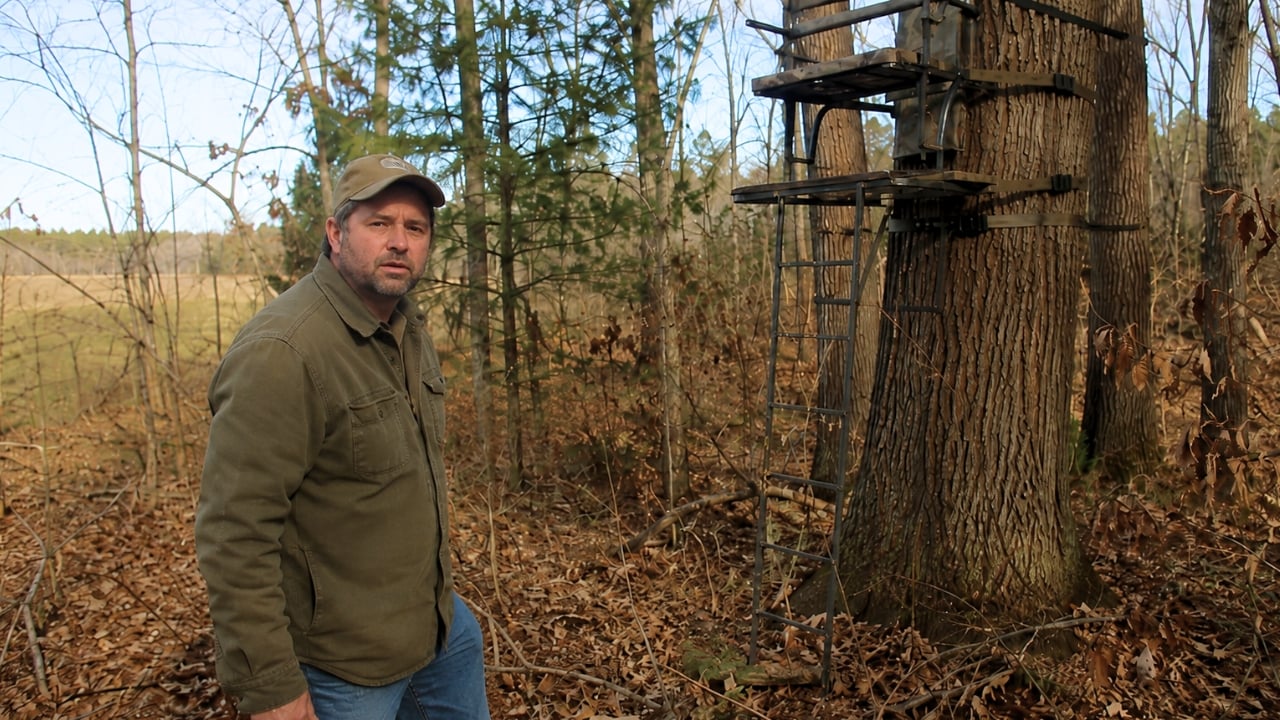
Photo credit: The Avid Outdoorsman
The landowner’s problem started with something a lot of rural property owners dread finding: someone else’s deer stand sitting on private land.
According to the Reddit thread, the post was titled “Someone put a deer stand on my land,” and the original poster was trying to figure out what rights they had once they found it. The original post text had later been deleted, but the remaining comments made the situation clear enough. The landowner wanted to know whether they could move it, destroy it, or force the person who put it there to get it off the property.
The Reddit thread can be found here: https://www.reddit.com/r/legaladvice/comments/1algd1j/someone_put_a_deer_stand_on_my_land/
That is exactly the kind of problem that gets under a landowner’s skin. A deer stand is not something that just blows in from the road. Someone had to walk in, pick a spot, haul it or build it, and leave it there. If it was on private land without permission, that means somebody was likely scouting, hunting, or planning to hunt ground they had no right to use.
For a property owner, the first reaction is usually anger. It feels like trespassing, and it feels even worse because a deer stand suggests the person may be coming back with a weapon during hunting season. That changes the problem from a random object left in the woods to a safety and property-rights issue.
But the comments quickly pushed back on the idea that the landowner could simply destroy it. One commenter said the owner would be within their rights to call the neighbor and tell them the stand was in the wrong place, but warned that destroying it was not the same thing. Another compared it to someone parking an ATV on the land. The ATV may not belong there, but that does not automatically mean the landowner can smash it.
That is the frustrating part of situations like this. Even when someone else is clearly in the wrong, the landowner still has to be careful not to create a new legal problem. Removing a stand from your land is one thing. Destroying someone else’s property can open a separate fight over damage, value, and whether the owner handled it the right way.
Several commenters suggested the practical route first: talk to the neighbor if the stand likely belongs to them, especially if the property line is not clearly marked. In rural areas, deer stands sometimes get placed wrong because people are relying on old fence lines, bad maps, family stories, or assumptions about timber boundaries. That does not make it okay, but it can make a calm first contact smarter than starting with a confrontation.
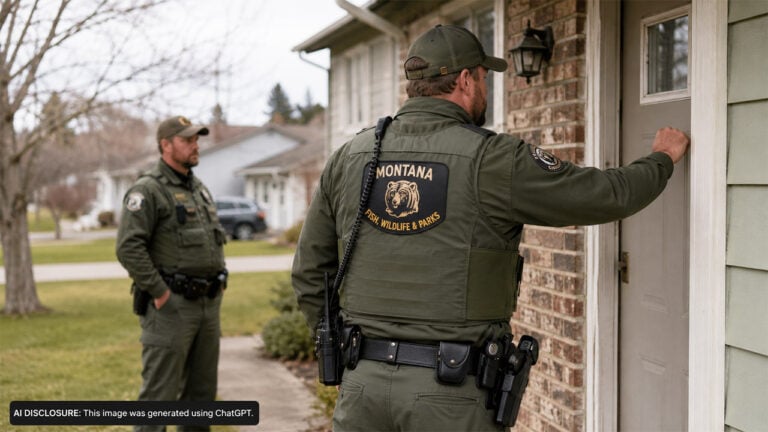
Others said the game warden or state wildlife agency was the better call if the goal was to stop unauthorized hunting. That advice makes sense. Game wardens deal with hunting trespass, illegal stands, baiting, license checks, and property complaints during hunting season. If someone is using private land without permission, the warden can handle it as a hunting issue rather than just a neighbor argument.
The landowner also had to think about proof. A photo of the stand, a map showing where it sits, trail camera footage, posted signs, property pins, and messages to the neighbor could all matter later. If the person comes back to hunt, retrieve the stand, or argue about the property line, documentation is what keeps the story from turning into one person’s word against another’s.
Commenters were split on how aggressive the landowner should be, but the strongest advice was not to destroy the stand right away. Several said the stand being on private land did not automatically give the owner permission to break it apart or treat it like trash.
Others said the landowner should contact the neighbor first, especially if the stand might have been placed because of a boundary mistake. If the neighbor removes it and stays off the land, that solves the problem without turning it into a bigger fight.
A few commenters said the owner should call the game warden or the state wildlife agency. That was the cleanest advice if the stand was connected to unauthorized hunting. Wildlife officers know how to handle someone setting up to hunt where they do not have permission.
Some also recommended marking the property line more clearly. If the boundary is not obvious, posted signs, survey markers, or a fresh conversation with the neighbor can help prevent the same problem from happening next season.
The thread ended with a reminder that finding a deer stand on your land is not just annoying. It can mean someone has been walking, scouting, and possibly hunting private property without permission. The landowner may have every right to be upset, but the smarter move is to document it, avoid destroying property, and bring in the game warden if the stand is part of illegal hunting.
Like The Avid Outdoorsman’s content? Subscribe to our newsletter so you never miss an article.
Here’s more from us: