Photo credit: AI-generated image created using ChatGPT. Illustrative only
No-trespassing signs are supposed to be the line in the sand. For one New York landowner, they were more like a suggestion—ignored by hunters who kept slipping onto the property, cutting fences, and setting up stands without permission.
In a post asking for help staying within the law, the landowner laid out a situation a lot of rural folks recognize: they’ve already warned people off, they’ve posted the place, and they’ve tried physical barriers. Yet the problem continues, and the biggest worry isn’t just property damage—it’s someone getting hurt if gunfire starts flying when family members are simply walking their own land.
It wasn’t just foot traffic—hunters were actively hunting
The landowner’s description wasn’t about an occasional guy crossing a corner to recover a deer. They said hunters were trespassing and shooting on their property, even after being told to stay out.
That detail matters because it changes the whole feel of the threat. Unauthorized hunting brings firearms into the mix, and once shots are being taken, the risk isn’t theoretical anymore—especially if the landowner or family members are out checking fence, cutting wood, or just taking a walk.
Signs went up, warnings were given, and fences still got cut
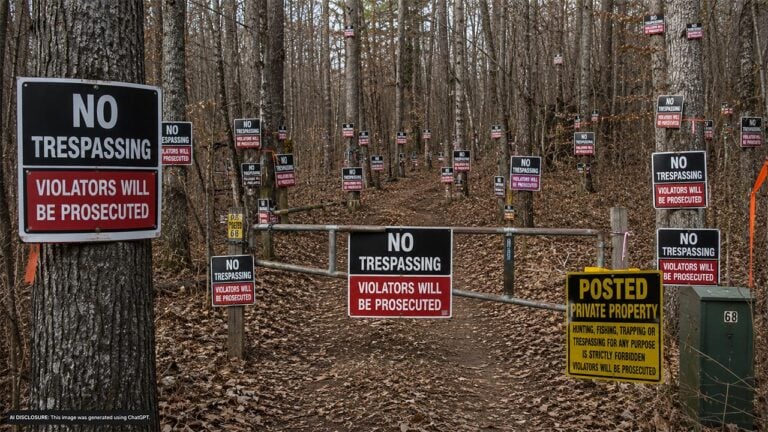
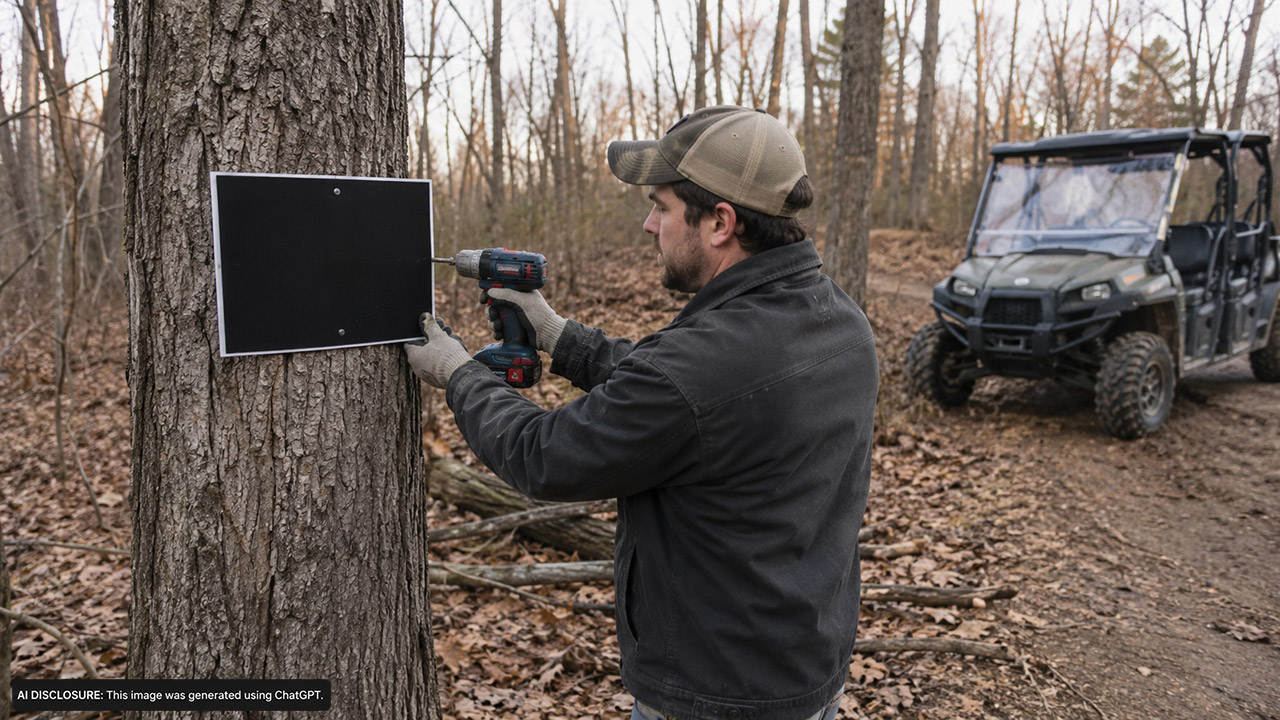
Plenty of landowners start with the basics: post the boundaries clearly and have a straight conversation when you catch someone. That’s exactly what happened here. The property was posted, and the landowner said they’ve told people not to come on the land.
But the part that will ring alarms for most folks is the escalation: they put up fences, and the fences were cut to gain access. Cutting fence isn’t a “lost” hunter mistake. It’s a decision, and it usually means the person expects to keep coming back.
Unauthorized stands showed up—and the landowner removed them
At some point, the trespassers didn’t just walk through. They set up hunting stands on the property. That’s a strong sign someone got comfortable—comfortable enough to treat private ground like a lease.
The landowner said they discarded the stands they found. From an outdoorsman’s perspective, it’s hard to blame them. A stand on your land without permission is a safety problem and a liability question all at once, especially if it’s placed near trails, edges, or anywhere a family member might pass without realizing someone is above them in a tree.
The biggest fear wasn’t a lawsuit—it was getting shot
The landowner’s mind went where any responsible property owner’s mind goes: safety first. They worried that if the trespassing keeps up, someone in their household could be hurt or accidentally shot while simply being on their own land.
They also mentioned another common concern—whether they could do anything “creative” to stop it. Specifically, they believed they couldn’t set traps because if someone got hurt, the trespasser could sue them. That’s a real-world fear, and it’s also where a lot of well-meaning landowners can make a bad situation worse by reacting emotionally instead of sticking to clean, defensible steps.
What landowners tend to do next: document, report, and avoid confrontation
In situations like this, the most practical path is usually the boring one: build a paper trail and loop in the right authorities early. The landowner in the original post was already trying to stay “within legal bounds,” and that’s the right mindset—especially when firearms and repeated violations are involved.
From a boots-on-the-ground standpoint, documentation is what separates “my word against theirs” from something an officer can act on. Photos of cut fences, pictures of stands in place, dates and times, and clear boundary signage all help establish that this isn’t an accident and that notice was given. And if you’re dealing with active hunting, reporting it promptly matters, because it turns into a game-law issue as well as a trespass issue.
Just as important: don’t make it a one-on-one showdown in the woods. When people are already willing to cut fences and ignore signs, you can’t assume they’ll be reasonable when confronted face-to-face during hunting season. The safest move is usually to let law enforcement or conservation officers handle the contact, while you focus on observing from a safe place and keeping your family out of the line of fire.
The hard truth: posted signs don’t stop people who’ve decided they’re coming anyway
Most hunters do the right thing. They ask permission, respect lines, and leave gates the way they found them. But the small percentage that won’t—especially the ones who cut fences and set stands—create the kind of ongoing problem that eats up a landowner’s time and peace of mind.
What makes this situation especially frustrating is that the landowner already did the things everyone recommends at first: signs, verbal warnings, and barriers. When that doesn’t work, the next phase tends to be less about “deterrence” and more about “enforcement”—creating clear evidence, reporting each incident, and pushing for consistent follow-through until the trespassers realize there’s a real cost to stepping over that line.
For landowners, it’s also a reminder to think about safety like you would on a public tract: wear visible colors when you’re out during peak seasons, let family members know where you’ll be, and consider avoiding boundary areas when you suspect someone is hunting close. You shouldn’t have to do any of that on private ground—but when strangers keep coming back with guns, it’s smart to stack the deck in your favor.
At the end of the day, a posted property should be simple: permission or no entry. When people ignore that, the goal is to respond in a way that keeps everyone safe, stays clean legally, and builds enough documentation that the next “no” actually sticks.
Like The Avid Outdoorsman’s content? Subscribe to our newsletter so you never miss an article.
Here’s more from us: