Photo credit: Tima Miroshnichenko/Pexels.com
The new turkey hunter was already trying to figure things out.
Turkey hunting has a learning curve. You are listening for birds, trying to understand calls, watching where you step, and hoping you do not mess up the setup before the morning even gets started. Public land adds another layer because you are also trying to read people. Trucks at the access. Headlamps in the dark. Calls that might be birds or might be other hunters. The whole thing can feel like a lot when you are new.
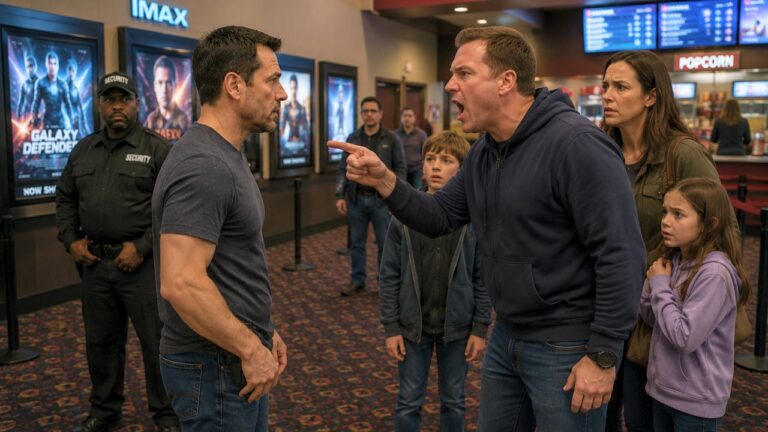
Then another hunter got agitated and tried to run him off.
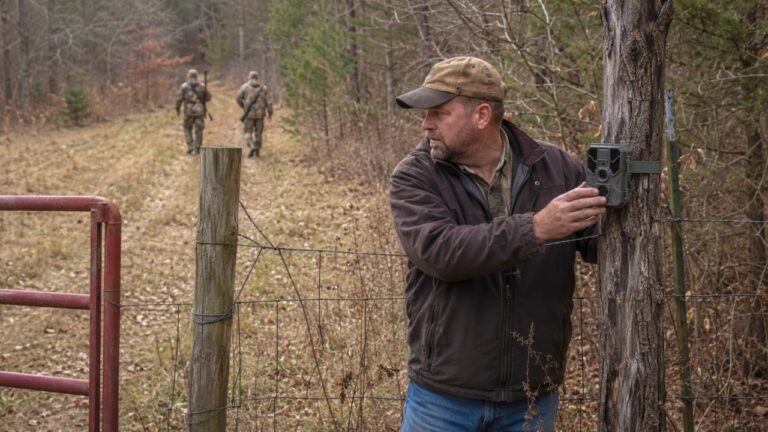
In a Reddit post, a newer turkey hunter described a rough morning on public land after another hunter confronted him over where he was set up. The other guy seemed angry, and from the new hunter’s side, it felt like he was being pushed out of a place he had every right to be.
That is a lousy way to learn public-land turkey hunting.
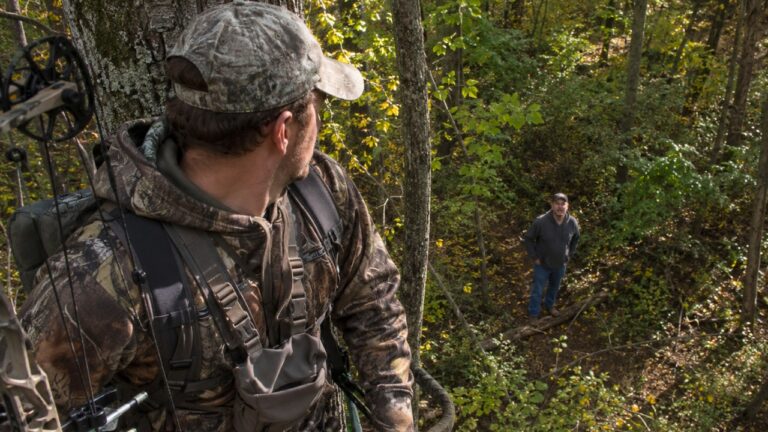
The strange part came when the new hunter later realized there were decoys sitting about 40 yards behind him. That changed the whole situation. Suddenly, it looked like the other hunter may have already been set up nearby, with decoys close enough that the new hunter had unknowingly ended up between or near someone else’s hunt.
That can happen, especially in turkey season.
Turkey hunters slip in early. They hide well. They call softly. They may set decoys in openings and tuck themselves into cover where another person would not immediately see them. On public land, two hunters can work the same bird from different directions and not realize how close they are until somebody calls, moves, or gets angry.
But that does not give anyone a license to act like they own the woods.
Public land is public land. If someone is already set up, good etiquette says you give them room once you know they are there. But if a new hunter genuinely does not see the person or the decoys, the right answer is a calm heads-up, not a hostile confrontation.
That is the part that makes the story frustrating.
The experienced hunter could have said, “Hey, I’m set up right behind you with decoys. You’re in my line. Mind sliding over?” That would have been clear, reasonable, and safer for everyone. Instead, the new hunter came away feeling like he had been treated badly for making a mistake he did not even know he was making.
Turkey hunting is already one of the easier hunting styles to mess up around other people. Everybody is dressed in camo. Everybody is trying to sound like a turkey. Decoys can look real from a distance. A hunter moving toward a call may actually be moving toward another hunter. A hunter sitting near decoys may be invisible from the wrong angle.
That is why communication matters so much.
A public-land turkey setup can turn sketchy fast if people let pride take over. If another hunter is too close, speak up like a human being. If you accidentally walk into somebody’s setup, apologize and move. If you find decoys nearby, assume there is a person close. If you hear calling, do not stalk it blindly. None of this is complicated, but it does require people to stay calm.
The new hunter had to sort through all of that after the fact. He probably replayed the morning, wondering what he missed. Did he walk past the decoys in the dark? Did the other hunter set them where they were hard to see? Was he too close? Was the other guy overreacting? Was there a safer way to handle it?
Those are fair questions.
But the bigger issue is how quickly a learning moment turned into conflict. New hunters need correction sometimes. Everyone does. But there is a difference between helping someone understand public-land etiquette and acting like an angry gatekeeper.
The decoys being only 40 yards behind him also raises the safety stakes. That is close. If the decoys were visible to another hunter from the wrong direction, and a person was sitting somewhere nearby, everybody needed to know where everybody else was before any bird came in. A turkey is not worth having two hunters unknowingly working the same little pocket.
The morning was probably ruined for both of them at that point. The new hunter felt rattled. The other hunter felt crowded. Any turkey in the area was likely long gone once people started dealing with each other instead of the birds.
That is public land sometimes. Not because public land is bad, but because people bring all their impatience, entitlement, and assumptions into the woods with them.
The best version of this story would have been boring. One hunter realizes another is set up close, quietly alerts him, they separate, and everyone keeps hunting safely. Instead, the new hunter walked away with a bad experience and a reminder that on public ground, the hardest thing to deal with is often not the turkey.
It is the other hunter who thinks frustration gives him ownership.
Commenters mostly treated it as a public-land etiquette problem with a safety layer underneath.
Several people said the new hunter probably should have moved once he realized another setup was that close, especially with decoys only about 40 yards behind him. Even if he had a legal right to be there, hunting that close to another turkey setup is asking for trouble.
Others said the agitated hunter handled it badly. Public land can get crowded, and people make honest mistakes, especially newer hunters. A calm explanation would have done more than getting hostile and trying to run someone off.
A lot of commenters focused on decoys and visibility. If you see turkey decoys on public land, assume a hunter is close. Do not move toward them, do not call aggressively around them, and do not set up in a way that puts you between another hunter and his decoys.
Some also warned that turkey hunting is full of mistaken identity risk because hunters are camouflaged and calling like the animal they are hunting. That makes clear communication more important, not less.
The main advice was simple: public land requires patience. If another hunter is close, separate and reset. If someone accidentally crowds your setup, tell them clearly without acting like you own the place. Everyone goes home safer when pride stays out of it.