Photo credit: AvidOutdoorsman
It started like a lot of quiet weeknights do in gun country: a guy in his own home, a workbench light on, a little solvent in the air, and a couple of rifles laid out for a good cleaning. No shouting. No drama. Just the normal routine of wiping down metal, checking screws, and making sure the next range trip or deer season doesn’t start with a problem.
Then the blue lights showed up.
The call brought a full response to an ordinary night
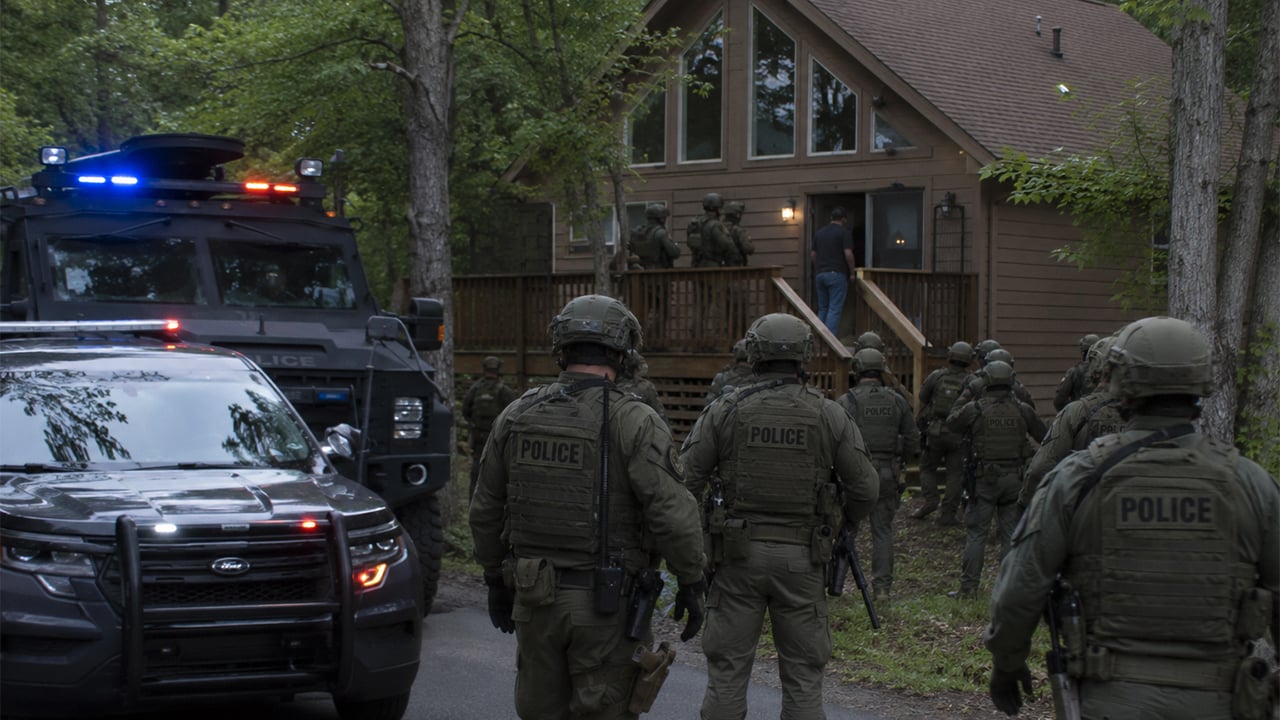
The report that came in was the kind that sends officers moving fast—an alleged hostage situation with a firearm involved. In most places, that means patrol cars stacking up, long guns coming out, and a perimeter going up while dispatch tries to confirm who’s inside and what’s happening.
Neighbors saw units roll in and do what neighbors do: peek through blinds, step onto porches, and start texting. You can feel the tension in a neighborhood when officers are posted at corners and yards, and everyone’s wondering if they need to get their kids away from windows.
From the outside, the scene looked serious. From the inside, the homeowner was still just a gun owner at a bench—alone—doing maintenance.
Inside the home: a bench, a rag, and rifles laid out
The man later described being focused on cleaning gear. The sort of thing most hunters recognize: rifle bolts pulled back, chambers checked, magazines set aside, a mat on the bench, and small parts organized so nothing gets lost. The work is half habit and half discipline, especially when you’re the type who wants your stuff to run when it matters.
When the first commands came from outside, it didn’t immediately make sense to him. Folks who live rural or semi-rural learn to listen for coyotes, four-wheelers, maybe a neighbor’s dog. They don’t expect a loudspeaker and a line of squad cars.
He did the right thing by stopping what he was doing and paying attention. A gun owner can be 100% legal and still get hurt if movements get misread in a high-stress callout.
How a “swatting” call puts gun owners in a bad spot
This is the ugly side of modern policing and modern grudges: false emergency calls designed to trigger a big response. Some people call it “swatting,” and it’s exactly as cowardly as it sounds. You use the system to point armed strangers at someone’s front door and hope confusion does the rest.
For hunters and gun owners, it’s a unique kind of danger. A lot of us live in places where firearms are normal. We also tend to have more than one, and we tend to clean them, move them, and store them in ways that are totally lawful but can look suspicious if a deputy is expecting a barricaded suspect.
That’s what makes these false calls so risky. The caller is banking on a moment of misunderstanding—someone steps into a window to see what’s going on, someone walks to the door with something in their hands, someone doesn’t hear a command over a TV or a shop radio. None of that should be deadly, but everyone knows it can turn that way in a hurry.
The moment it turned from standoff to misunderstanding
Officers eventually made contact and got the homeowner to the door. He complied, came out as directed, and the whole “hostage” claim started falling apart in real time. No other voices inside. No screaming. No movement in windows. Just one guy who looked more confused than dangerous.
Once the scene calmed down, the inside of the house told the real story: cleaning supplies out, rifle cases open, and firearms in mid-maintenance. Anyone who’s ever done a full wipe-down after a wet day in the woods knows that look—parts laid out neatly, rags used up, and that half-cleaned sheen on a barrel that’s about to get another pass.
Law enforcement still had to treat it like a serious call until it wasn’t. That’s not an insult to the homeowner; it’s the reality of the job. But it also shows how easily a normal gun-owner evening can get dragged into a high-risk situation based on a lie.
What people zeroed in on afterward: cameras, records, and safe routines
Once word got around, most of the talk fell into a few camps. Some folks focused on the false caller and how this kind of thing should be punished hard. Others went straight to prevention: cameras, documentation, and anything that helps prove what you were doing before the first cruiser arrived.
Outdoor people tend to think in practical layers. A doorbell camera is nice, but a couple of fixed cameras covering the driveway and the front walk can give a clearer timeline. Motion lights help, too—more for clarity than for scare tactics. If you ever need to show what happened, clean footage beats a shaky phone video taken from behind a curtain.
There was also plenty of talk about routines. Not because cleaning guns is wrong—far from it—but because certain habits reduce the chance of a misunderstanding. Keeping the muzzle controlled even at home, keeping ammunition separate while you’re cleaning, and staying away from windows when you hear commotion outside are all common-sense moves that keep “normal” from turning into “news.”
The lessons for landowners and gun owners aren’t complicated
You can’t control every bad actor, but you can stack the odds in your favor. If you’ve got ongoing disputes—property lines, access roads, noisy neighbors, family drama—understand that a false report is one of the ways people try to escalate without showing their face. It doesn’t take much imagination to see how a grudge can turn into an anonymous call.
It also doesn’t hurt to make sure your address is easy to see at night. Clear numbers on a post or mailbox help officers get to the right place faster and reduce the chance of a wrong-house situation. If you live off a long gravel lane, reflective markers can save time when seconds are tight and adrenaline is high.
And if you ever find yourself on the wrong end of a full response, the best move is the simplest one: stop what you’re doing, create distance from anything that could be mistaken for a threat, and follow instructions. You can argue the injustice later. In the moment, you just want everyone going home.
In the end, the most frustrating part of this story is how ordinary it was—right up until it wasn’t. A man was alone, maintaining his rifles like responsible gun owners do, and a false report turned his front yard into a perimeter. It’s a reminder that keeping your gear in shape is only part of being prepared. Having a plan for the unexpected—cameras, clear house numbers, and calm decisions—matters just as much.