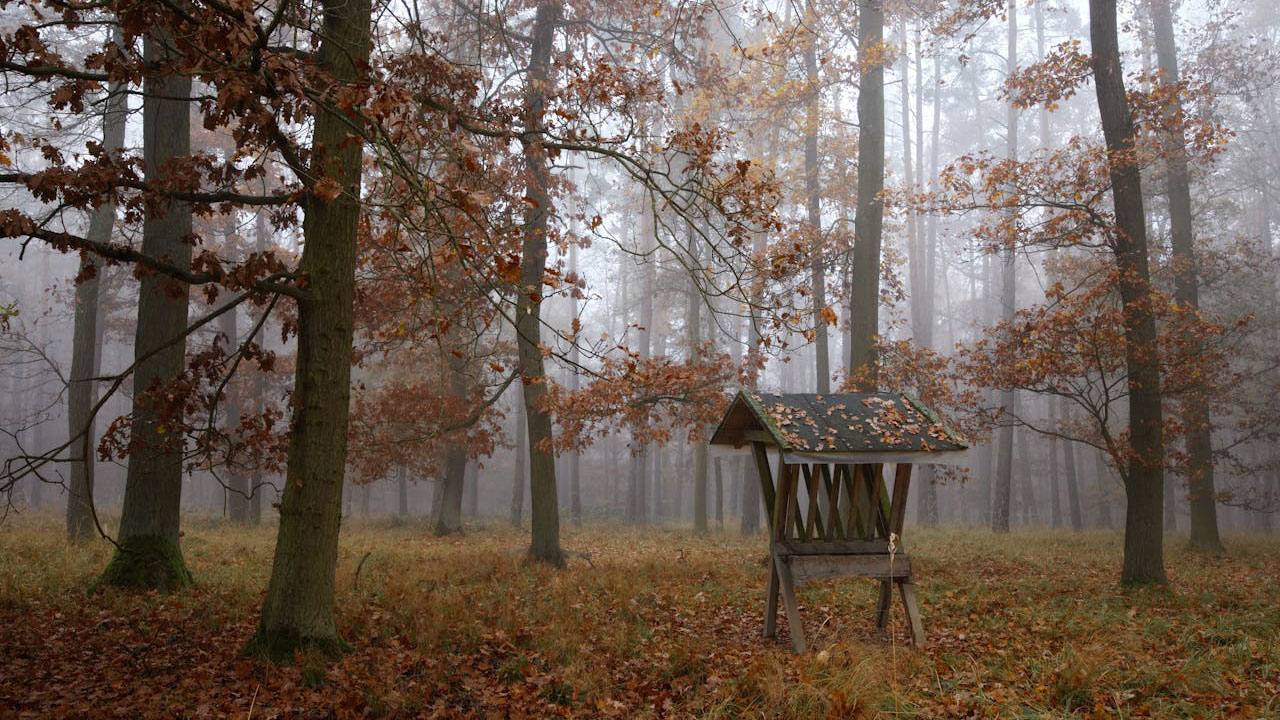
Photo credit: Karel Drozda/Pexels.com
A new rural homeowner in North Carolina said he was excited to finally hunt his own land after years of apartment living. Instead, his first rifle season on the property turned into a mess involving trespassers, dead deer in a creek, destroyed hunting gear, and a stolen trail camera.
The homeowner shared the situation in a post on r/Hunting titled “What to do about Tresspassers”. He said he and his wife had recently bought their first house in rural North Carolina after spending the previous eight years in an apartment. The property was small — about 2.5 wooded acres — but it backed up to a neighbor’s 75-acre tract, which gave the place a quiet, country feel most of the time.
That neighbor was a serious hunter, according to the poster. He also had a concealed-carry and safety class setup with an outdoor range, so hearing gunshots in the area was not unusual. For someone new to living in the country, that could have been a little unsettling, but the poster seemed comfortable with it. He was a beginner hunter himself and said he had usually gone with his father-in-law and his father-in-law’s father on their land.
This season was supposed to be different. He finally had his own place and hoped to get set up with the neighbor. But before he really had time to get established, both men started dealing with signs that someone else was moving through the woods.
The first red flag was the deer.
The poster said that by December, they had pulled two dead deer from the creek. One was a fawn, and the other was a button buck. Both had been gut shot. On top of that, he and the neighbor had both heard what sounded like a muzzleloader being fired at daybreak on several weekday mornings, when neither of them was out.
Then the situation escalated. The neighbor called to say someone had destroyed his feeder and stolen his trail camera. Both pieces of gear had been set near the border of the neighbor’s property and the poster’s property.
At that point, this was no longer only about suspected trespassing. It was property damage, theft, and possibly illegal or reckless hunting activity happening close to their homes.
Finding one dead deer in a creek would be bad enough. Finding two by December, both gut shot, made the poster wonder what kind of hunter was moving through the area.
A bad shot can happen to anyone. Deer move. Light changes. Nerves hit at the wrong time. But two deer ending up dead in a creek, paired with repeated early-morning shots when the landowners were not out, made it feel like someone was slipping into the area and not making clean recoveries.
That part bothered the poster for obvious reasons. He had just bought the place. He wanted to hunt responsibly and enjoy the property. Instead, he was pulling dead deer out of a creek and listening to shots from someone he could not identify.
The type of shot mattered, too. A gut-shot deer can travel, suffer, and die later if it is not tracked properly. For hunters who care about doing things right, that is one of the most frustrating outcomes. It suggests either poor shooting, poor tracking, or somebody who did not have permission and may have been more focused on getting in and out than recovering the animal properly.
The poster did not claim to know who was shooting. He only said what he and the neighbor had heard and found. But the pattern was enough to make him suspicious, especially once the feeder was destroyed and the trail camera disappeared.
That combination told Reddit this was probably not a one-off mistake.
The destroyed feeder and stolen trail camera changed the issue from “someone may be trespassing” to “someone is damaging and stealing hunting gear.”
Trail cameras are usually placed for a reason. They watch deer movement, human traffic, access routes, and sometimes property boundaries. If someone stole the neighbor’s camera, it may have been because they did not want to be identified. That is the kind of detail that makes landowners start thinking differently about every noise in the woods.
A feeder getting destroyed also adds a more personal edge. Someone had to go out of their way to damage it. That does not sound like a person who accidentally crossed a boundary while following a blood trail. It sounds more intentional.
The poster floated one possibility. There was a small housing development being built on the other side of his property, and he wondered if someone from that neighborhood disliked hunting or disliked how close they lived to it. He asked whether that could count as hunter harassment, while also pointing out that trespassing, damaging private property, and theft were already obvious problems.
That was a fair question. The motive could have been anti-hunting frustration, another hunter trying to cover tracks, or someone simply stealing gear. The poster did not know. But the result was the same: private property had been entered, hunting equipment had been damaged or taken, and the landowners no longer felt like they were dealing with harmless wandering.
This is the kind of rural conflict that gets old fast. You can ignore one set of footprints. You can laugh off one confusing noise. But once someone starts taking cameras and breaking feeders, you have to treat it like a pattern.
The first wave of advice was practical and direct: post the property properly and talk to the sheriff, game warden, or both.
One commenter told him he needed official, signed no-trespassing signs because permission can sometimes be “implied” if land is not clearly posted. Others echoed that idea, telling him to make the boundary unmistakable with no-trespassing and no-hunting signs.
Several commenters also urged him to coordinate with the neighbor instead of acting alone. That made sense because both properties appeared to be affected. If the new homeowner and the 75-acre neighbor went to the sheriff together, it would not look like one new person in the area overreacting. It would look like neighboring landowners reporting a shared problem.
That matters in rural communities. The poster was new. The neighbor had more land and appeared to have more history in the area. Presenting the issue together could make the complaint stronger and help law enforcement understand that this was not a minor misunderstanding.
Commenters also told him to walk the borders and look for signs of traffic, stands, cameras, or access routes. If someone had been slipping in repeatedly, there might be a trail, ATV marks, boot tracks, or a weak point where they crossed the creek.
The advice was not flashy, but it was the kind of groundwork that makes a trespassing problem easier to deal with later.
Not surprisingly, the trail camera theft led to a lot of advice about placing more cameras — but placing them smarter.
Commenters suggested putting cameras in discreet locations, checking them often, and aiming them at likely access points. One person recommended mounting a camera under a tree limb so it pointed downward, making it harder to notice. Another suggested using a broken camera as a decoy while hiding a working camera nearby.
That kind of setup is common when the issue is human trespassers, not deer. A camera at eye level on an obvious trail may get stolen. A camera higher up, angled down, or tucked somewhere less predictable has a better chance of catching a face, vehicle, or license plate.
Some commenters said to look for the truck if shots were heard nearby and safely take a photo of the license plate. Others said not to confront anyone alone, especially if the trespasser might be armed or aggressive.
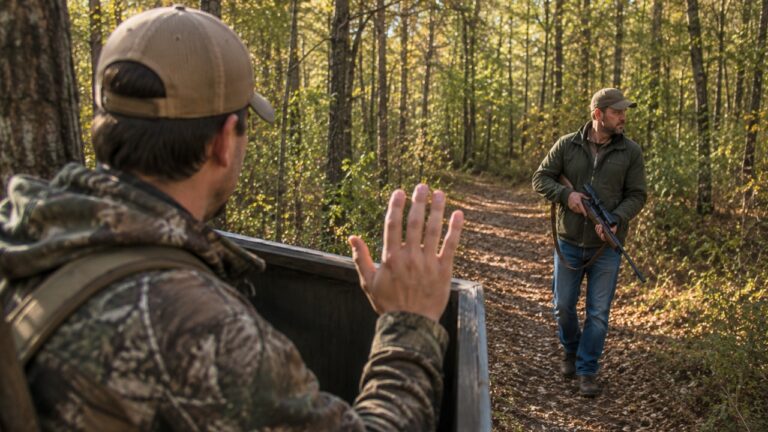
That last point mattered. This was hunting season, and the poster believed someone nearby may have been firing a muzzleloader at dawn. Walking into the woods alone looking for a trespasser is not the same as asking a neighbor to turn down music. The safer approach is documentation first, confrontation later — and preferably through the sheriff or game warden.
The idea was to build proof without giving the trespasser a chance to deny everything.
Commenters treated the situation like a real property problem, not a small hunting annoyance.
Many told the poster to post the land clearly with no-trespassing and no-hunting signs. They said that would help remove any excuse that someone thought the woods were open or that access was allowed. Some also recommended gating drive-in points if there were obvious vehicle routes.
Others said to contact the local sheriff and game warden, ideally alongside the neighbor. Several commenters said law enforcement could explain exactly what steps were needed to secure the property and make a trespassing case easier to prosecute if they caught someone later.
A lot of users focused on cameras. They recommended hidden cameras, downward-facing cameras, decoys, and cameras placed near likely entry points. Since one camera had already been stolen, commenters knew the next one needed to be harder to find.
Some users also warned the poster not to approach trespassers alone. If someone is already gut-shooting deer, damaging feeders, and stealing cameras, there is no reason to assume a woods confrontation would go smoothly.
For the new homeowner, the excitement of finally having a rural place to hunt had already been clouded by the reality of owning land near other people. Most commenters seemed to think the answer was not one dramatic showdown. It was signs, cameras, documentation, and getting the sheriff or game warden involved before the trespassers got even bolder.