Photo credit: TFB TV/Youtube
Some pistols have loyal owners who will defend them through almost anything. A rough trigger becomes “something you get used to.” Sharp recoil becomes “part of carrying small.” Picky ammo becomes “just find what it likes.” Sometimes that defense is fair. Every gun has tradeoffs.
But some flaws become harder to explain the longer people actually shoot, carry, and maintain the pistol. Once enough owners run into the same problems, the excuses start sounding thin. These are the pistols people defended for a while, until the flaws got too obvious.
Kimber Solo
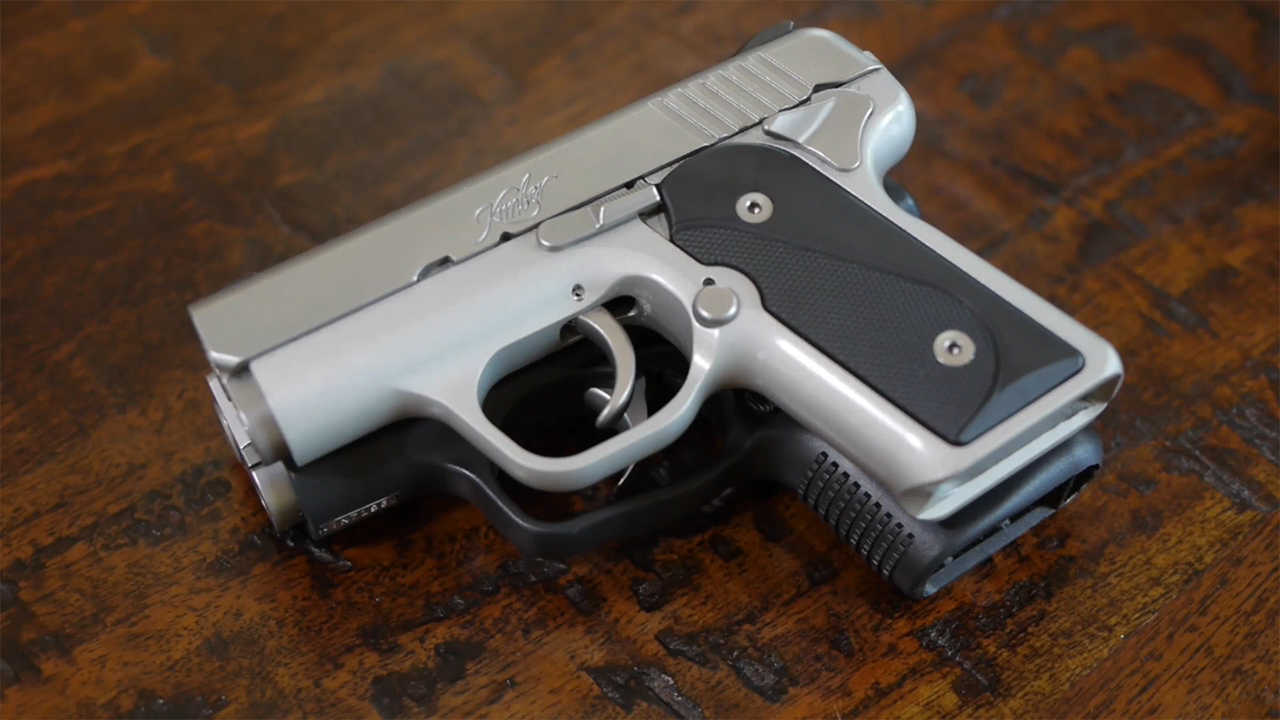
The Kimber Solo had defenders because the idea was easy to like. It was small, sleek, metal-framed, and more refined-looking than most early micro 9mms. For buyers who wanted a tiny carry pistol that didn’t feel like a cheap plastic pocket gun, the Solo looked like the classier choice.
The problem was how many caveats came with it. Ammunition sensitivity, grip sensitivity, and reliability complaints made it tough to recommend without a paragraph of warnings. Some owners had good-running examples, and that’s worth saying. But a defensive pistol should not need that much explaining. Once the market filled with small 9mms that ran better with less fuss, defending the Solo became a much harder job.
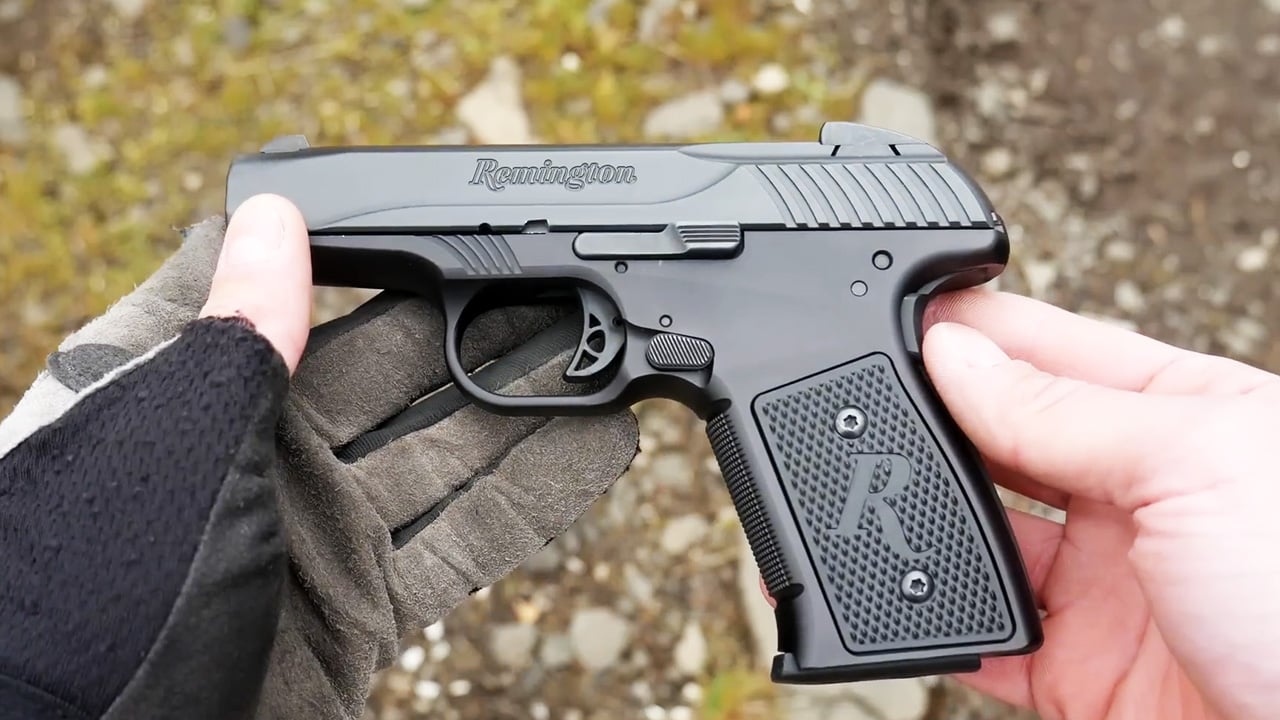
Remington R51
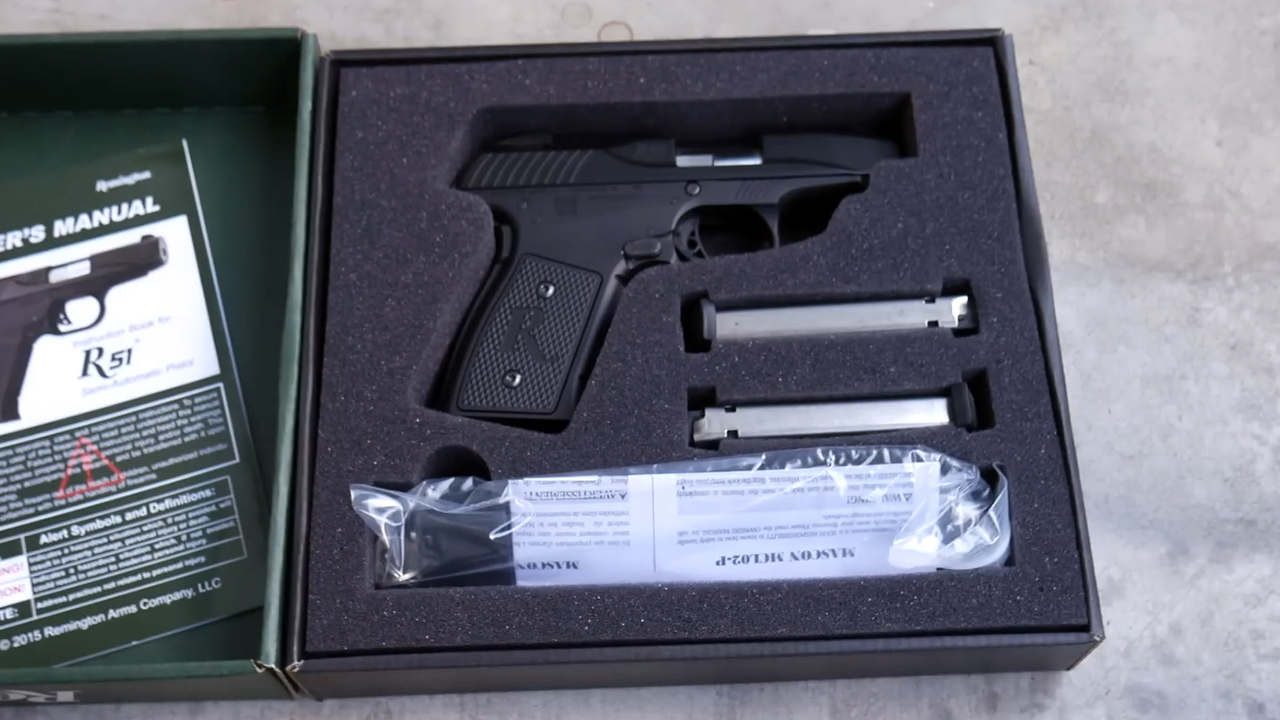
The Remington R51 had plenty of people rooting for it. The design was different, the low bore axis sounded promising, and the slim profile made it look like a fresh answer to concealed carry. A lot of shooters wanted Remington to pull off a comeback with something that wasn’t another copycat pistol.
Then the flaws showed up fast. Early production guns had serious reliability and quality problems, leading to a recall and a damaged reputation the pistol never really recovered from. Owners could defend the concept, but the execution was the issue. A carry gun has to earn trust immediately and keep earning it. The R51 gave too many people reasons to doubt it, and that made the defense fall apart.
Taurus Curve
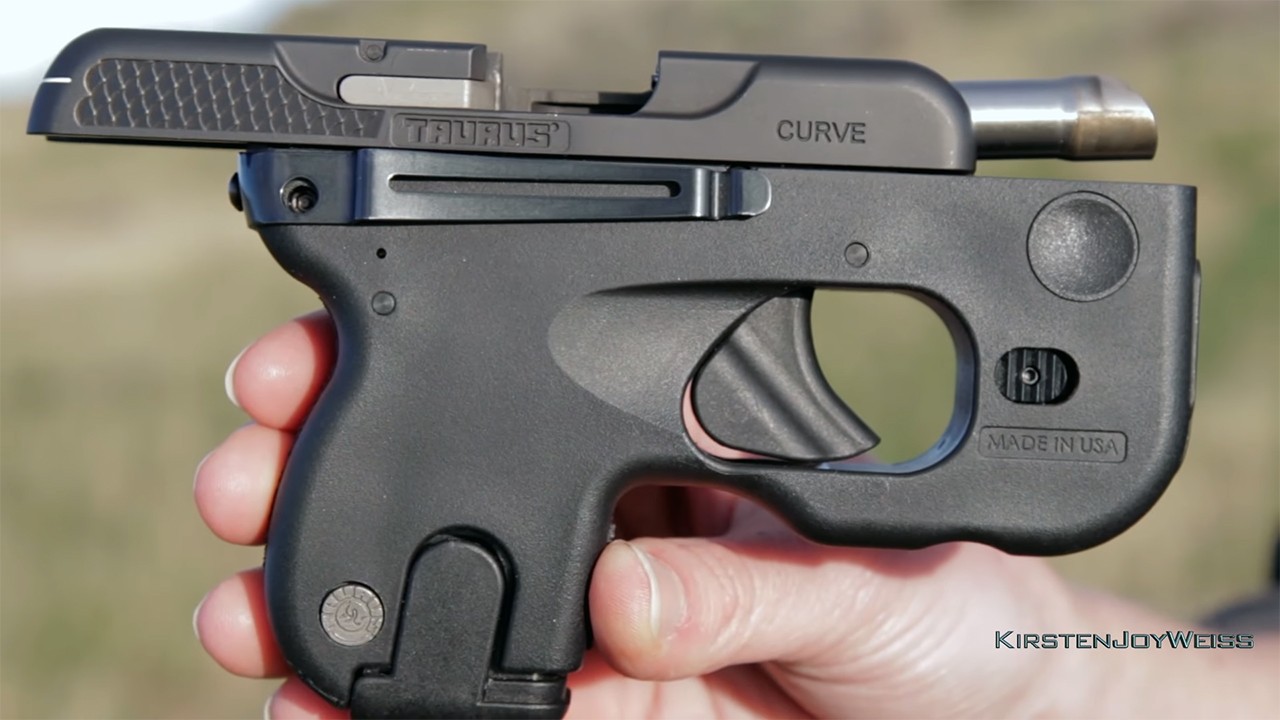
The Taurus Curve had defenders because at least Taurus was trying something different. A curved .380 designed to ride against the body was not a lazy idea. The built-in light and laser on some versions added to the sense that this was supposed to be a complete deep-carry answer.
The problem was that the shooting experience didn’t back up the concept. The grip shape felt strange to many hands, the sighting system was limited, and the whole pistol felt more focused on concealment than real training. A defensive gun cannot just disappear well. It has to draw, point, and shoot confidently. Once owners tried to run it like a serious carry pistol, the awkwardness became hard to excuse.
SCCY CPX-2

The SCCY CPX-2 has always had a reasonable defense: it was affordable. For buyers who needed a compact 9mm and didn’t have much money to spend, that mattered. The warranty also gave people more confidence than they might have had with some other budget pistols.
But the flaws became harder to defend as better low-cost pistols entered the market. The long, heavy trigger made clean shooting difficult for many owners, and the lightweight frame made recoil sharper than expected. Some examples worked fine, but “cheap and functional” stopped being enough once other affordable guns became easier to shoot. At some point, saving money up front stopped outweighing the training frustration.
SIG Sauer Mosquito
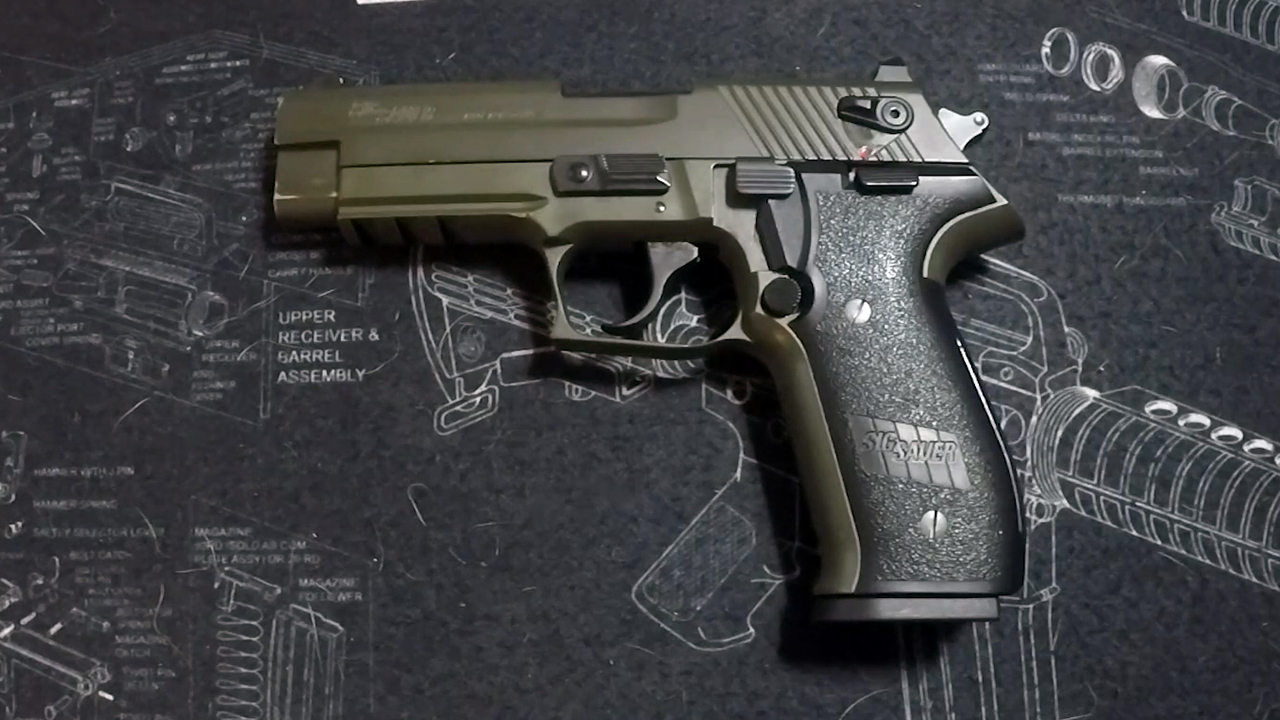
The SIG Mosquito had defenders because the concept was strong. A .22 LR pistol with SIG styling sounded like an affordable way to practice without burning through centerfire ammunition. It looked like the kind of rimfire that should have been useful for newer shooters and experienced owners alike.
The flaw was reliability. The Mosquito developed a reputation for being picky about ammunition and frustrating on the range. Rimfire pistols can always be a little load-sensitive, but this one seemed to test patience more than it should have. A .22 trainer should make practice easier, not turn every range trip into a troubleshooting session. Once that reputation stuck, the SIG name couldn’t fully save it.
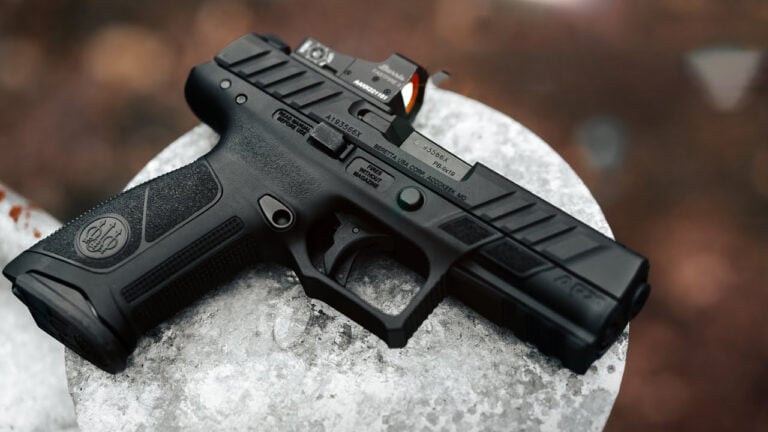
Beretta Nano
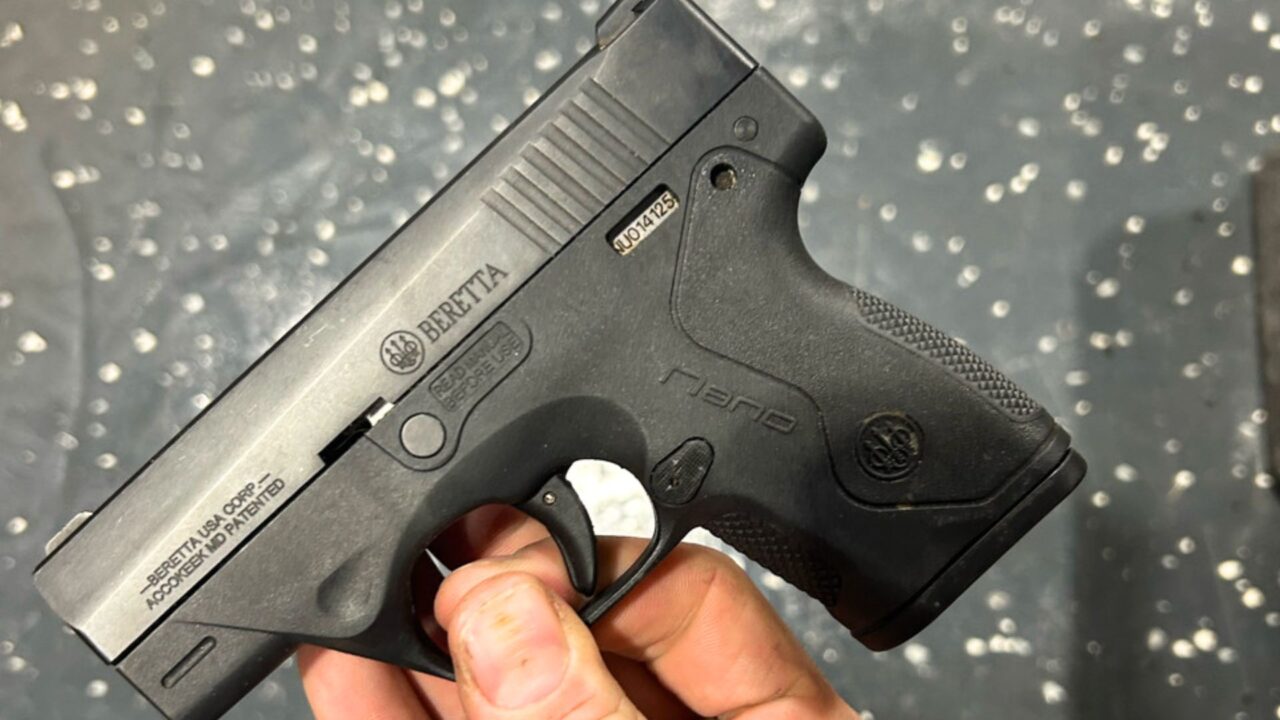
The Beretta Nano had plenty of smart ideas. It was smooth-sided, snag-free, compact, and built around a modular chassis system before that became common in carry pistols. Beretta fans defended it because the design clearly had thought behind it.
The trouble was that smart design choices didn’t erase the shooting complaints. The trigger felt heavy to many shooters, the grip was short, and the lack of an external slide stop lever frustrated people who trained regularly. The Nano could carry well, but it wasn’t especially enjoyable or easy to run compared with later slim 9mms. As the market improved, its compromises became harder to explain away.
Walther CCP
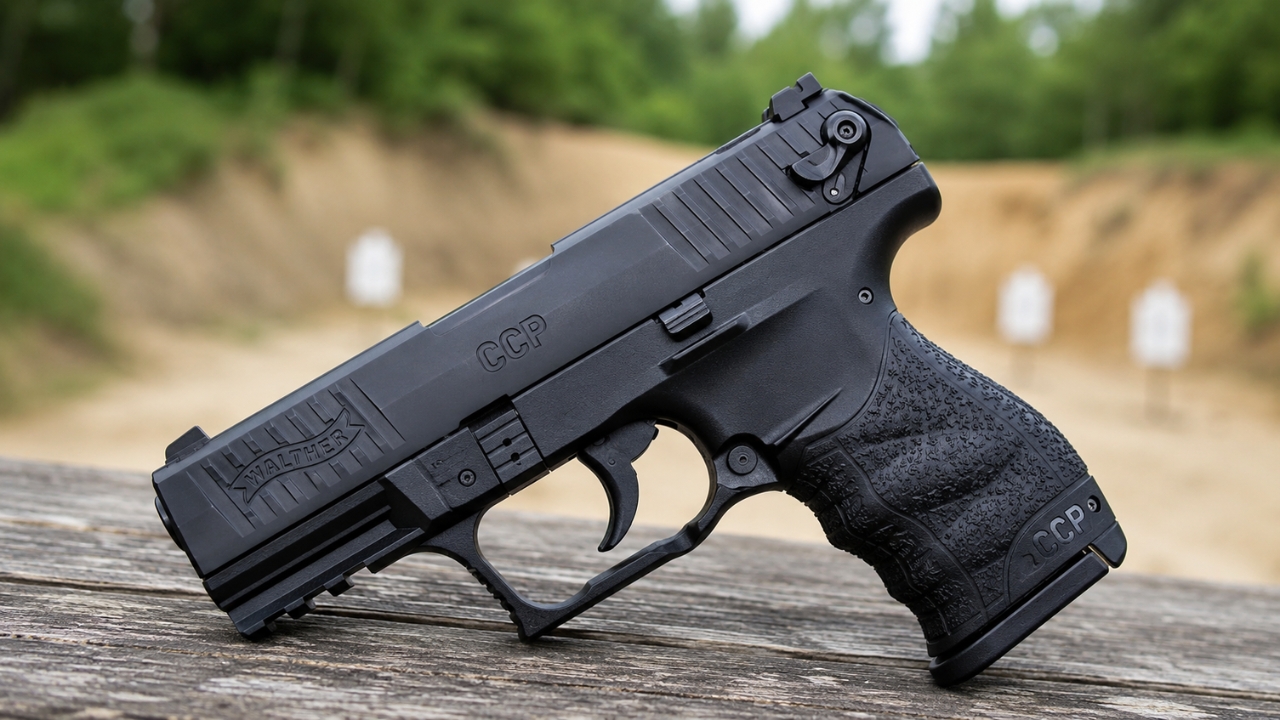
The Walther CCP was easy to defend on paper because it had a real purpose. The gas-delayed system was meant to soften recoil, and the pistol was aimed at shooters who wanted easier handling in a carry gun. That’s a worthy goal, especially for recoil-sensitive owners.
But living with the pistol exposed problems that made the defense harder. Some shooters disliked the trigger, early takedown procedures were annoying, and heat buildup from the gas system could become noticeable during longer range sessions. The CCP solved some issues while creating others. Later versions improved parts of the experience, but the original promise always felt stronger than the reality for a lot of owners.
Taurus PT 24/7
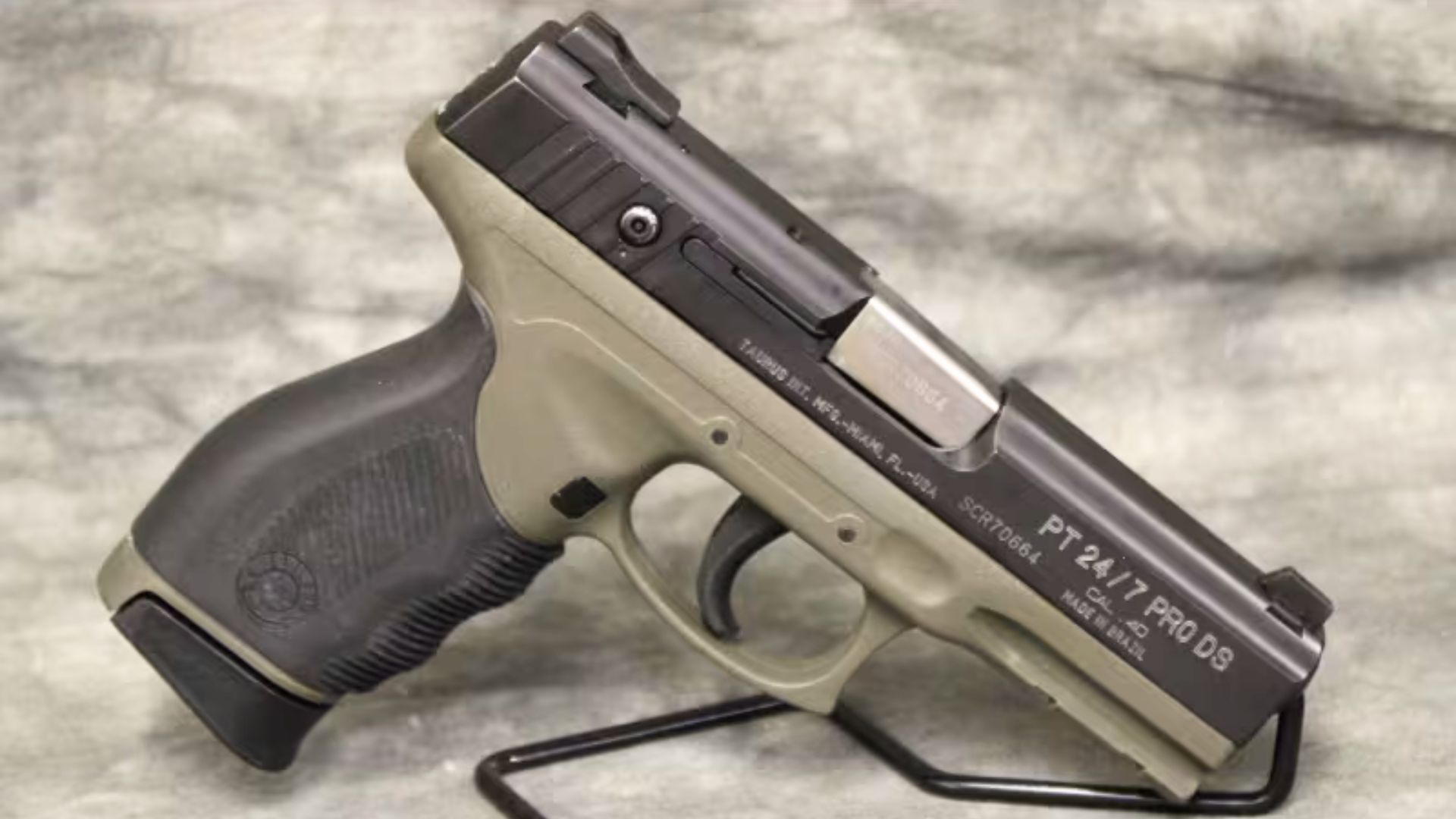
The Taurus PT 24/7 had defenders because it was affordable, comfortable in the hand for many shooters, and offered practical capacity. It looked like a reasonable defensive pistol for people who didn’t want to spend premium money. Plenty of owners liked theirs before the model’s reputation became more complicated.
The problem was the safety and recall history. Once a defensive pistol gets tied to drop-safety concerns or unintended-discharge allegations, defending it becomes difficult. Even if an individual gun worked fine, broader trust takes a major hit. Defensive pistols need confidence more than almost anything else. The PT 24/7 lost too much of that confidence for the old defenses to hold up.
Colt All American 2000
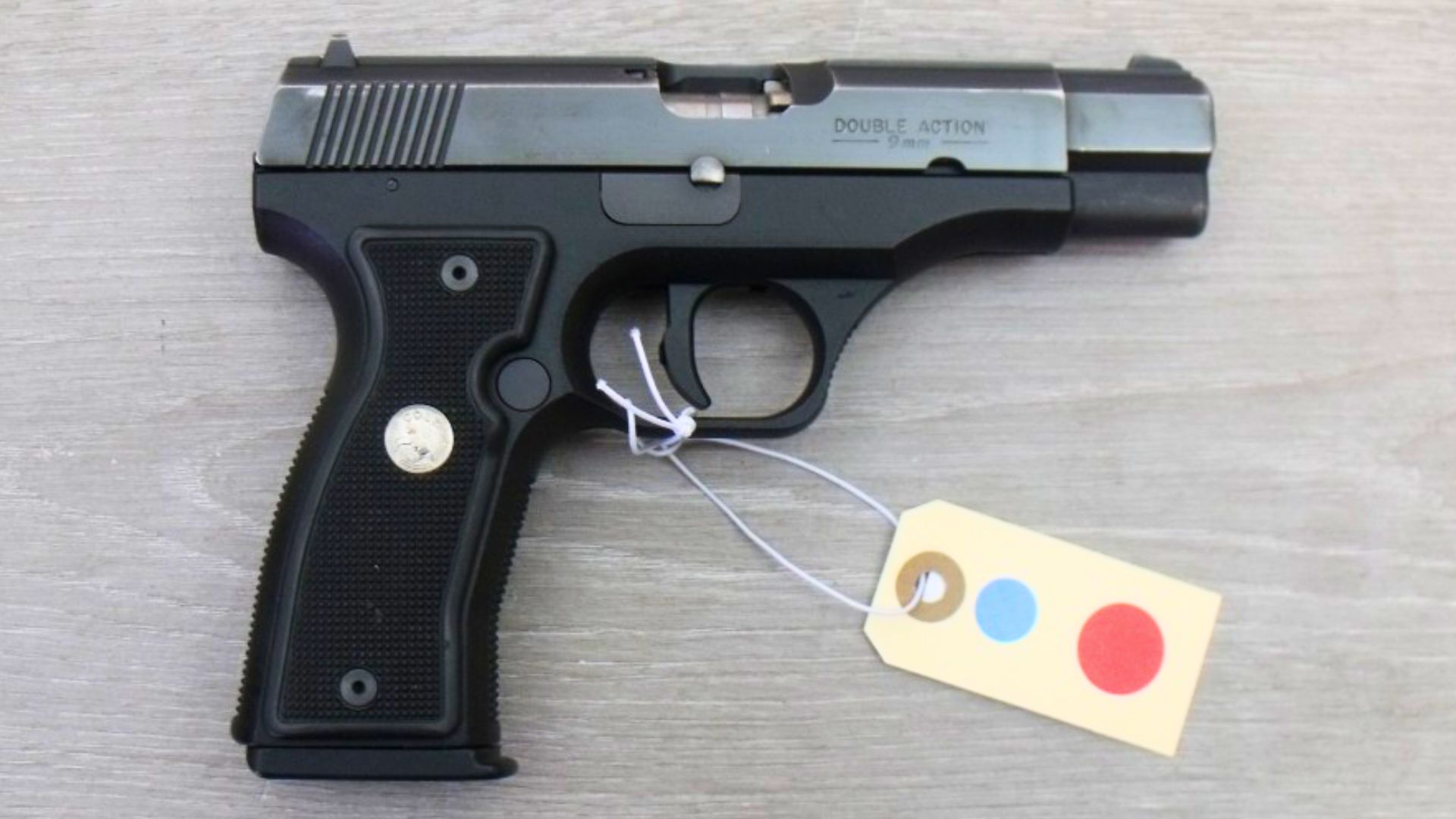
The Colt All American 2000 had defenders because people wanted Colt to succeed in the modern high-capacity 9mm market. The name mattered. The timing mattered. Colt needed a pistol that could compete with the changing service-gun world, and some shooters were willing to give it the benefit of the doubt.
The flaws were too hard to ignore. The trigger was awkward, the handling didn’t win enough shooters over, and the pistol never felt like the serious modern answer Colt needed. It became more interesting as a collector oddity than as a shooter. That’s not what owners wanted. Once the disappointment settled in, the defense usually shifted from “it’s good” to “it’s historically interesting,” which says a lot.
Ruger LC9

The original Ruger LC9 had defenders because it was thin, affordable, and came from a company people trusted. At the time, slim 9mm carry pistols were not as refined as they are now, so the LC9 filled a real need. It made sense for concealed carry on paper.
The flaw was the trigger. The long pull made it harder for many shooters to shoot well, especially under speed or at distance. Recoil was also snappy enough to make practice less enjoyable. Later Ruger models improved the formula, especially the LC9s, but the original LC9 became harder to defend once shooters had better options. It carried well, but the range experience told the fuller story.
Smith & Wesson Bodyguard 380
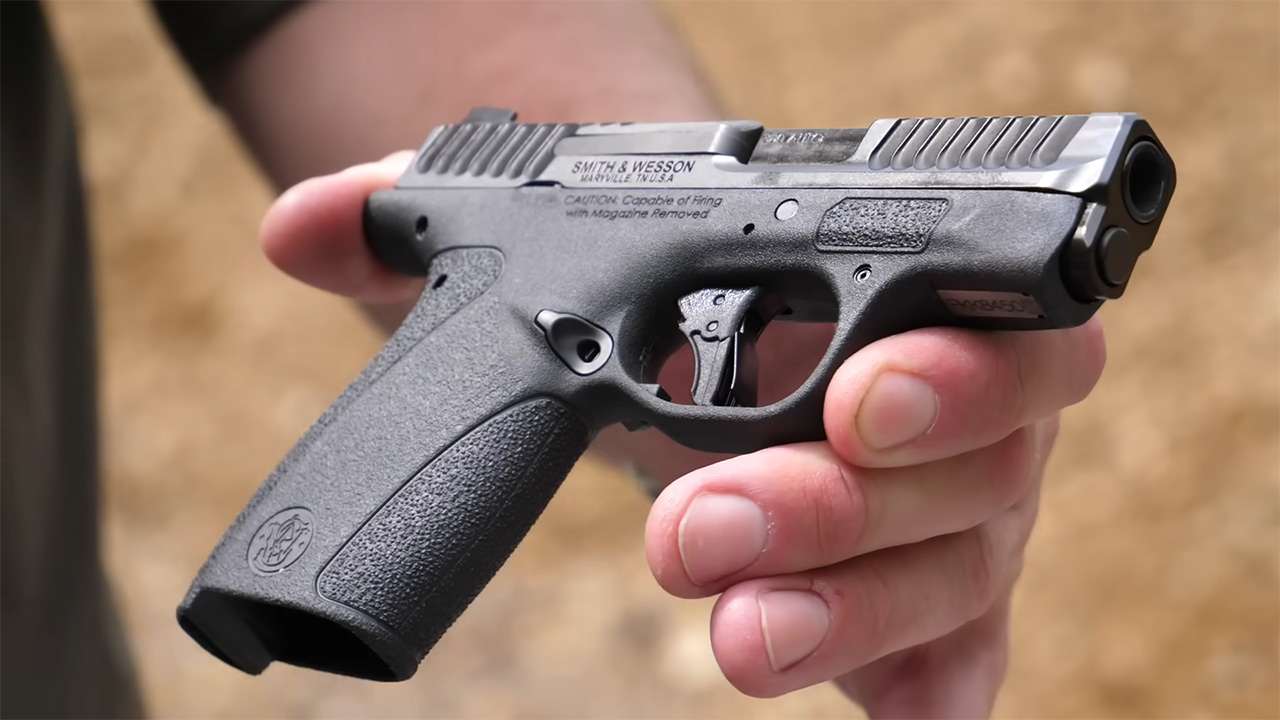
The Bodyguard 380 was easy to defend as a deep-concealment pistol. It was small, light, and flat enough to carry when larger guns were inconvenient. For some owners, that alone made it useful. A gun you actually carry has value.
But the flaws showed up in practice. The long trigger, small sights, and tiny grip made it hard for many shooters to run well. That’s common with pocket .380s, but it still matters. A pistol that disappears in the pocket can still become a problem if the owner avoids training with it. The Bodyguard’s carry comfort was real, but so were the shootability compromises.
Diamondback DB9

The Diamondback DB9 had defenders because the size was impressive. A 9mm pistol that small sounded like exactly what many concealed carriers wanted. It promised more power than a .380 in a package that was still extremely easy to hide.
The flaw was physics. The DB9 could be sharp, difficult to control, and not especially pleasant for longer practice sessions. Early reliability and durability concerns also made some shooters cautious. Tiny 9mms are always a tradeoff, but the DB9 pushed that tradeoff hard. Once owners realized they didn’t enjoy shooting it enough to train well, the size advantage started looking less convincing.
Remington RP9
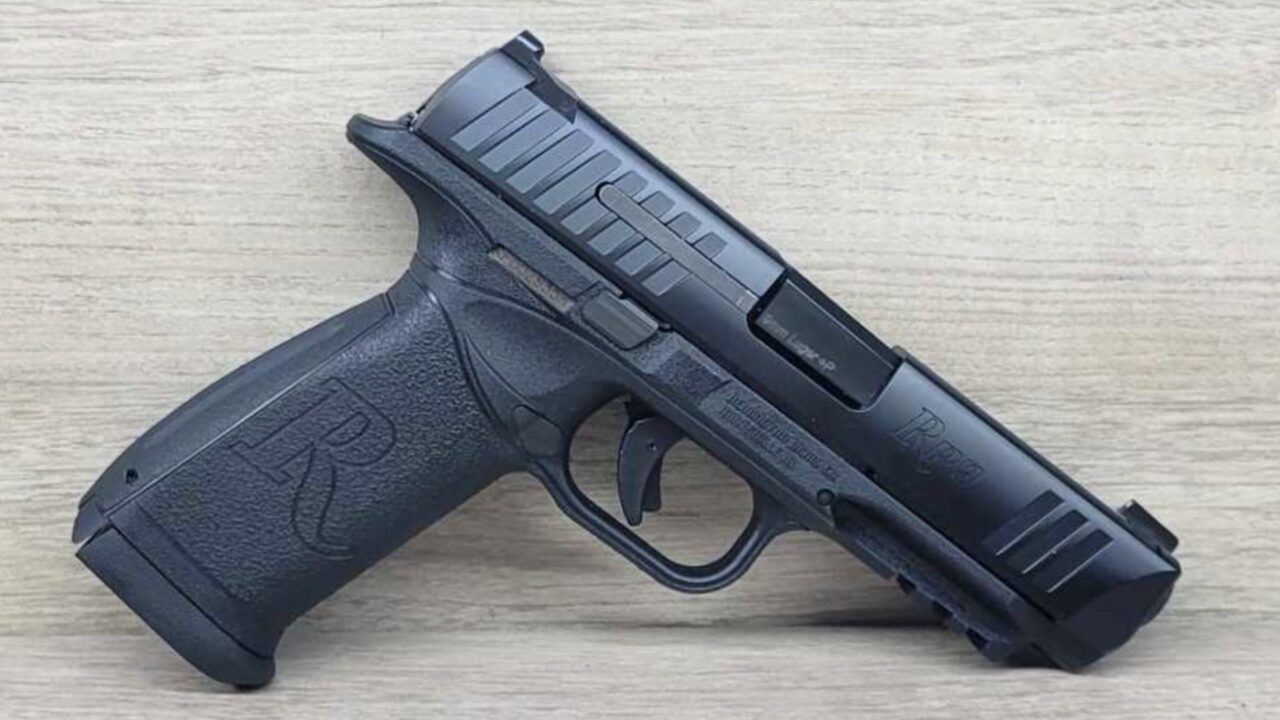
The Remington RP9 had defenders because it looked like a practical full-size 9mm at a reasonable price. Good capacity, interchangeable backstraps, and the Remington name gave buyers a reason to at least consider it. In a crowded market, it seemed like a sensible budget option.
The problem was that it didn’t feel competitive once shooters handled and fired it against better pistols. The grip shape felt awkward to many people, the trigger didn’t stand out, and the pistol lacked the refinement needed to pull buyers away from Glock, M&P, CZ, Walther, or SIG. “Good enough” is not a strong defense when the category is full of better choices.
KelTec PMR-30
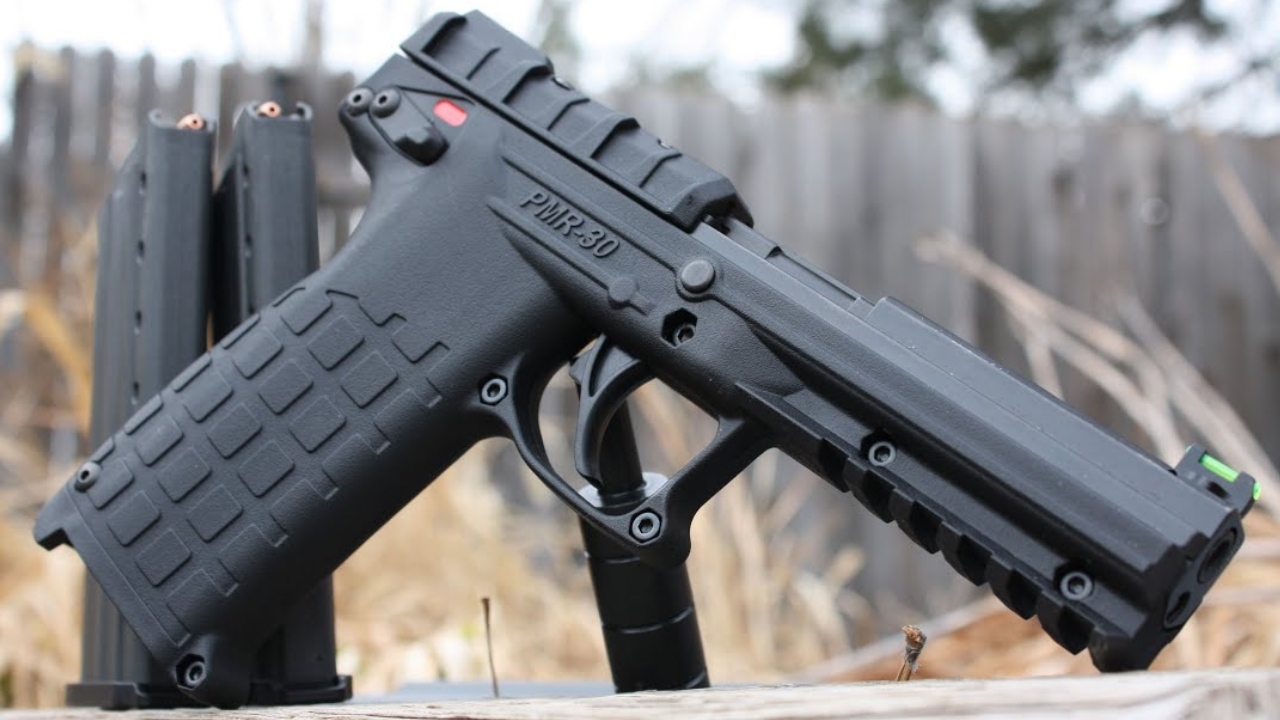
The KelTec PMR-30 has a lot of fans because the idea is undeniably fun. Thirty rounds of .22 WMR in a lightweight pistol is a wild concept, and when it runs well, it can be a blast. It’s easy to understand why owners want to defend it.
The flaws become obvious when reliability depends too much on ammunition, magazine loading, and careful handling. The grip is long, the pistol feels unusual, and it is not as carefree as the concept suggests. Some owners love theirs, and that’s fair. But the PMR-30 asks for more patience than many buyers expect. Once the novelty fades, those quirks become harder to brush off.
Desert Eagle .50 AE

The Desert Eagle .50 AE is probably the easiest pistol to defend emotionally and the hardest to defend practically. It’s iconic, powerful, and one of the most recognizable handguns ever made. As a range experience, it delivers exactly the kind of drama people expect.
The flaws are just as obvious. It’s huge, heavy, expensive to feed, sensitive to grip and ammunition compared with simpler pistols, and not practical for most handgun roles. That doesn’t make it bad. It makes it specialized. The defense only works when owners are honest about what it is: a range spectacle, collector piece, or niche hunting handgun. Once people try to defend it as practical, the argument gets thin fast.
Like The Avid Outdoorsman’s content? Subscribe to our newsletter so you never miss an article.
Here’s more from us: