Photo credit: Nick Isenhour/YouTube
Spec sheets matter, but they do not tell the whole story. Weight, capacity, barrel length, trigger pull, and MSRP can help narrow the field, but they cannot fully explain how a gun feels once it is in your hands. Some firearms look ordinary on paper and then surprise people the moment they start shooting, carrying, or hunting with them.
That is where these modern guns stand out. They may not have the wildest features, the lightest weight, or the most impressive numbers. Some even look plain compared with flashier competitors. But in real use, they feel more balanced, more natural, or more confidence-building than the specs suggest.
Tikka T3x Lite

The Tikka T3x Lite does not always look special on paper. It is a synthetic-stocked bolt-action rifle in a market full of synthetic-stocked bolt-action rifles. The weight, chamberings, and magazine system do not jump off the page like some newer feature-packed rifles do.
Then you cycle the action and shoot it. The bolt is smooth, the trigger is clean, and the rifle tends to deliver the kind of accuracy that makes hunters trust it quickly. The T3x Lite feels better than its spec sheet because it does not need gimmicks to win people over. It just handles, feeds, and shoots like a rifle that is already sorted out.
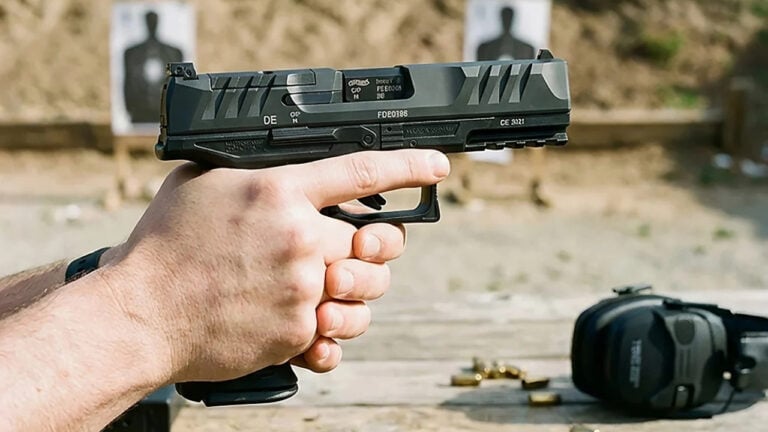
Walther PDP Compact
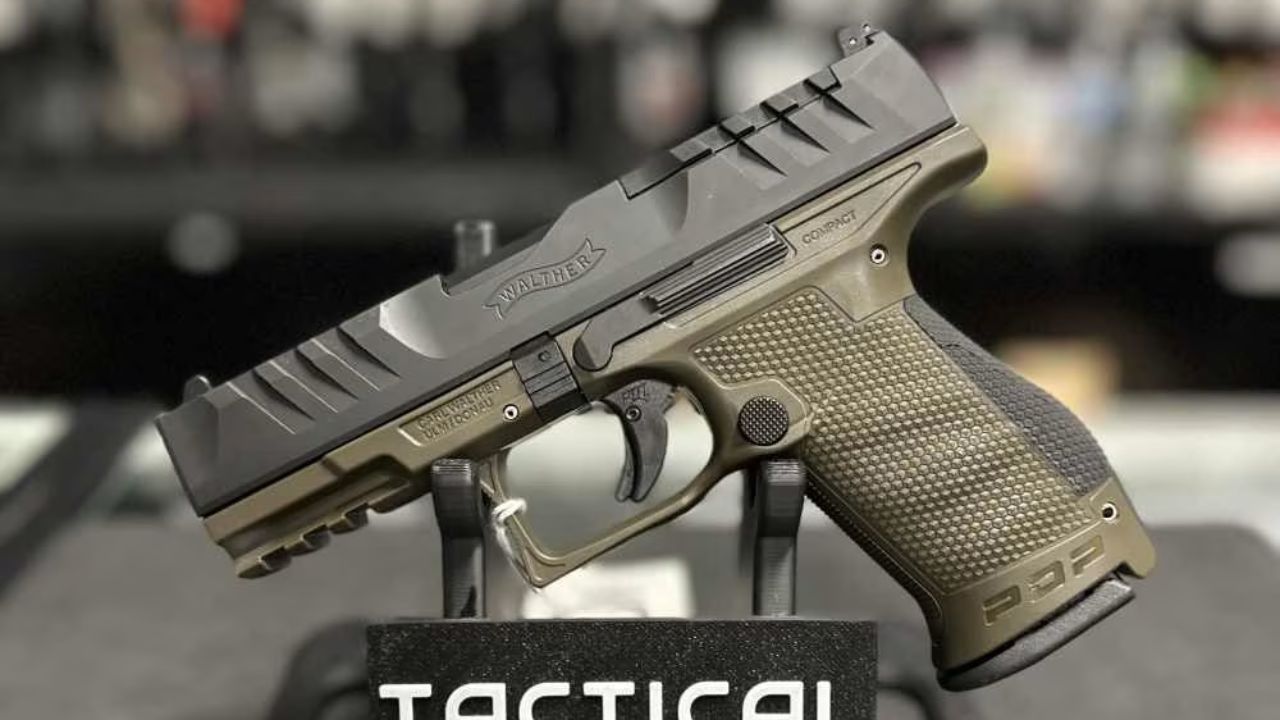
The Walther PDP Compact has good specs, but the numbers still do not fully explain the appeal. On paper, it is another polymer, striker-fired 9mm in a crowded market. It offers capacity, optics readiness, and modern controls, but so do a lot of pistols now.
In the hand, the PDP Compact feels more convincing. The grip shape, texture, and trigger make it easier for many shooters to run well than the spec sheet suggests. It has a snappy reputation for some people, but the ergonomics and trigger control help balance that out. It is one of those pistols that makes more sense once you shoot it side by side with plainer competitors.
Smith & Wesson M&P9 M2.0 Compact

The Smith & Wesson M&P9 M2.0 Compact is easy to describe as a Glock 19 competitor, but that sells it short. The capacity, size, and polymer-frame layout look familiar. Nothing about the basic specs makes it seem dramatically different from the rest of the compact 9mm crowd.
The grip is what changes the conversation. The M2.0 texture, palm swell options, and natural point of aim make it feel excellent for a lot of shooters. The pistol also tracks well under recoil and feels more planted than some competitors. Its spec sheet says practical compact pistol. Its range performance often says this might fit your hand better than the obvious choice.
CZ P-10 C

The CZ P-10 C entered a crowded striker-fired market, so it had to do more than list decent capacity and a good trigger. On paper, it is another compact 9mm with a polymer frame and duty-size proportions. That does not sound very exciting anymore.
The P-10 C feels better once you shoot it. The grip angle, texture, and trigger make it feel direct and confidence-building. It points naturally for many shooters, and the recoil impulse feels controlled enough to make fast shooting comfortable. It is not the flashiest pistol in the case, but it has the kind of feel that makes owners defend it.
Springfield Armory Hellcat Pro
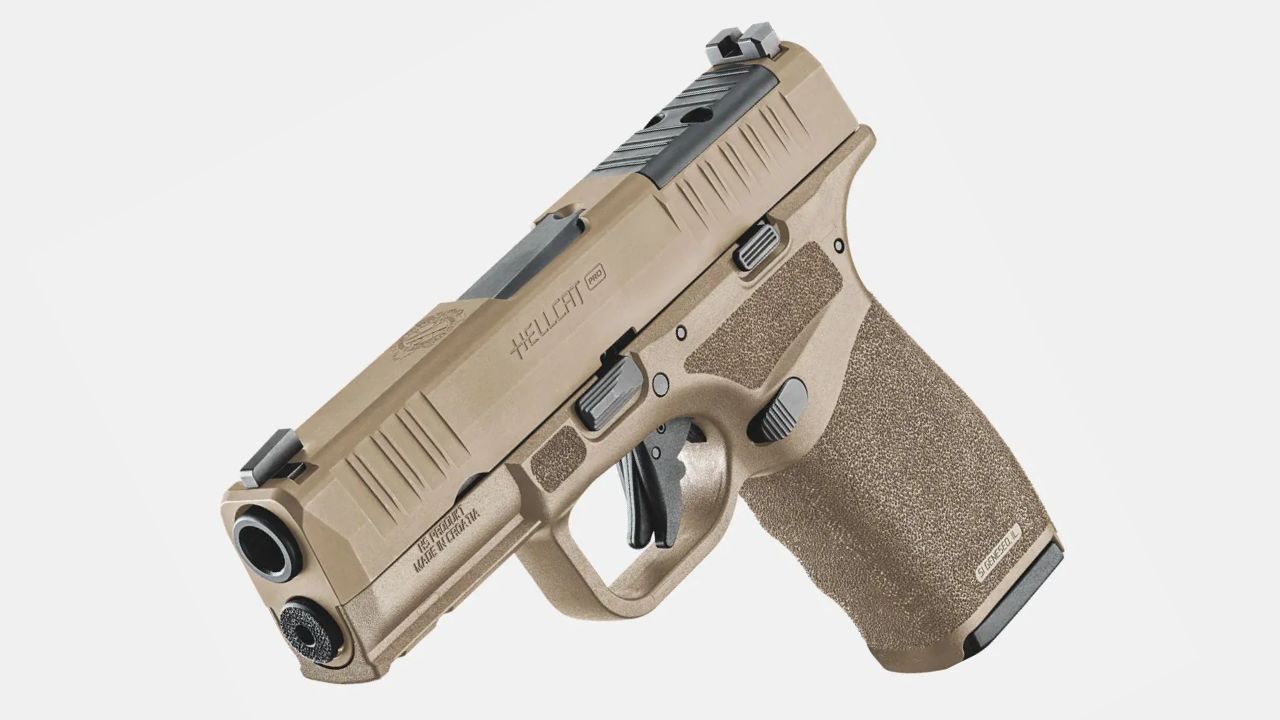
The Springfield Armory Hellcat Pro looks like another slim, high-capacity carry pistol when you read the specs. It is larger than the original Hellcat, smaller than many compact pistols, and built to sit in that middle ground between concealability and shootability. On paper, it can seem like a simple stretched micro-compact.
In use, that extra size matters more than the numbers suggest. The grip gives most shooters a better hold, the longer slide helps the gun settle, and the pistol feels more controllable than the smallest carry guns. It still conceals well, but it does not feel like a punishment during practice. That is the part the spec sheet cannot fully show.
SIG Sauer P365 XMacro

The SIG Sauer P365 XMacro has impressive capacity, but its real strength is how it feels for its size. On paper, people focus on the round count, slim frame, and carry profile. Those matter, but they do not explain why so many shooters find it easier to live with than smaller micro-compacts.
The XMacro gives the hand enough grip to control the pistol like something larger. It carries slimmer than a traditional compact but shoots closer to one than expected. That is a hard balance to understand from dimensions alone. The spec sheet makes it look efficient. The range experience makes it feel like one of the more complete carry pistols in its class.
Beretta 92X Centurion
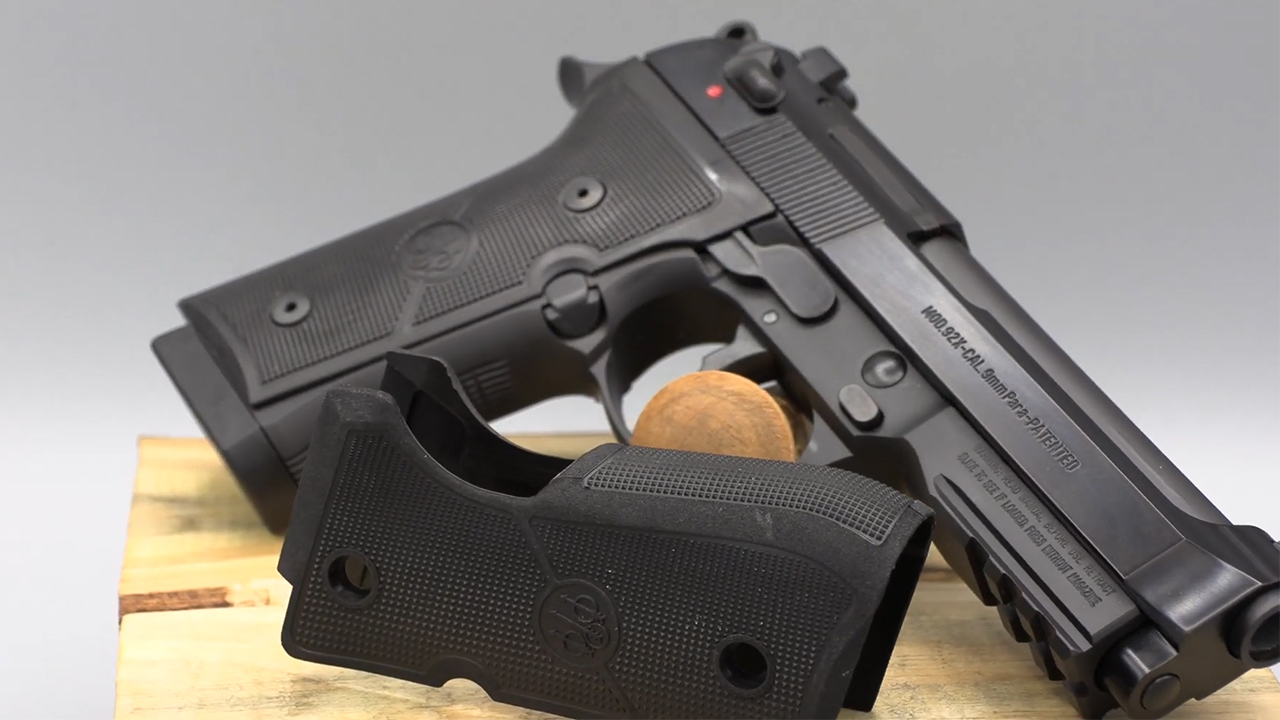
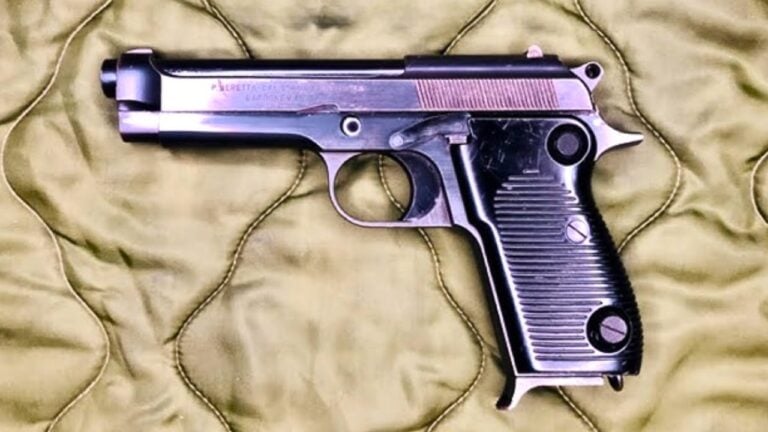
The Beretta 92X Centurion does not have the most modern-looking spec sheet. It is still a hammer-fired, double-action/single-action 9mm with a metal frame and a layout rooted in the older 92 series. Compared with modern striker-fired guns, it can look big and traditional.
Then it starts shooting. The Centurion slide length gives it a nice balance, the grip changes make it friendlier than older 92 models for many hands, and the recoil impulse is smooth. It feels refined without becoming fragile. The specs may make it seem dated, but the shooting experience reminds people why full-size metal service pistols still have a place.
Heckler & Koch VP9
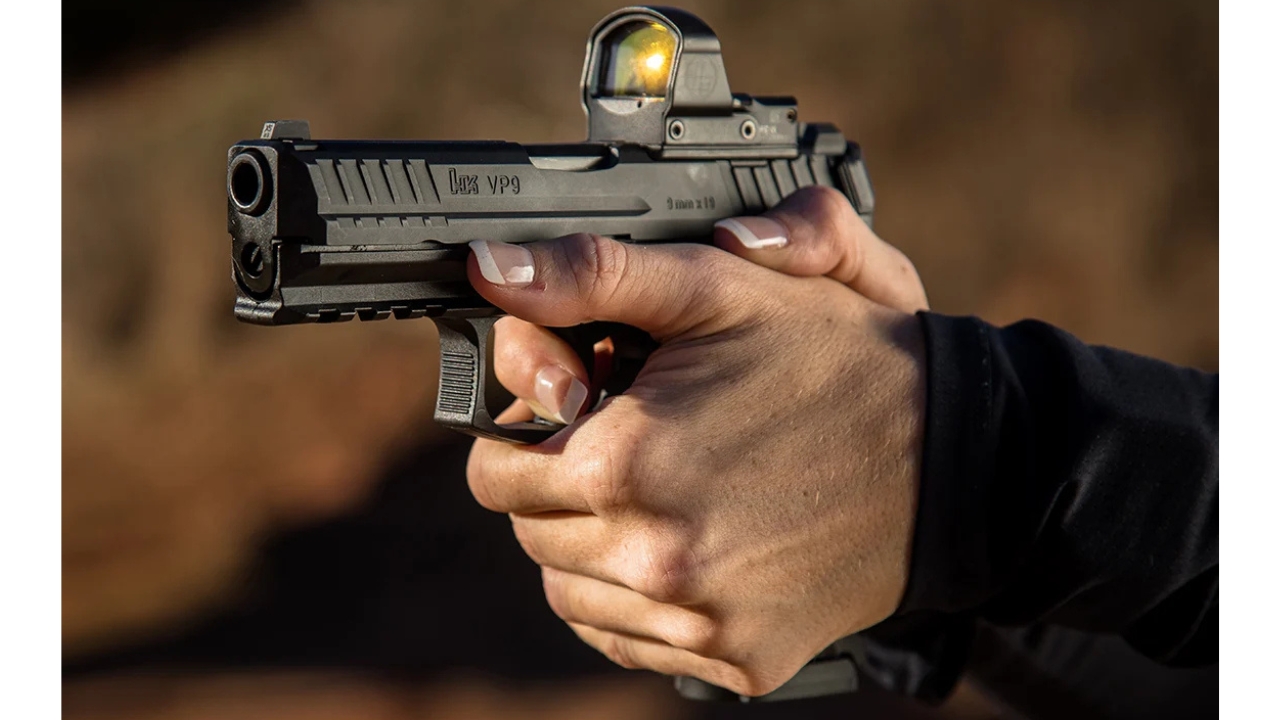
The HK VP9’s spec sheet does not look wildly different from other striker-fired 9mm pistols. It has a polymer frame, common magazine capacity, interchangeable grip panels, and duty-pistol proportions. Nothing about that alone explains why owners like it so much.
The feel does. The VP9’s grip customization, paddle-style charging supports on the slide, and clean trigger make it feel more polished than many basic striker guns. It has an easy-shooting personality that wins people over at the range. The price may be higher than some competitors, but the pistol feels like HK spent real effort on how it sits in the hand.
Ruger American Predator

The Ruger American Predator looks plain enough that a lot of hunters underestimate it. The synthetic stock, budget-friendly action, and practical finish do not make it look like a rifle people would brag about. On paper, it seems like a basic working rifle with a slightly heavier barrel and threaded muzzle.
That plainness hides how useful it is. The Predator often shoots well, handles suppressors nicely where legal, and works for deer, coyotes, hogs, and range practice depending on chambering. It feels like a rifle built around actual use rather than appearance. The spec sheet says budget rifle. The field results often say smart buy.
Bergara B-14 Ridge

The Bergara B-14 Ridge looks like a straightforward hunting rifle with a heavier barrel and threaded muzzle. The specs are solid, but not shocking. It is not ultralight, not cheap, and not loaded with gimmicks. That can make it easy to overlook next to more aggressively marketed rifles.
Once you shoot it, the appeal gets clearer. The Ridge has a solid feel, good barrel reputation, and enough weight to settle well without becoming a bench-only rifle. It feels like a dependable hunting and range crossover gun. The specs do not fully capture the confidence that comes from a rifle that feels steady, accurate, and ready for real use.
Franchi Affinity 3

The Franchi Affinity 3 does not always get attention because its specs look like a lot of other inertia-driven semi-auto shotguns. It is lighter than many gas guns, available in hunting configurations, and priced below some premium competitors. On paper, that sounds good but not dramatic.
In the field, the Affinity 3 often feels better than expected. It carries well, points naturally, and gives hunters a reliable inertia gun without making them pay top-tier money. The balance is what makes it stand out. It does not need to look fancy or dominate a feature chart. It just feels right when walking birds, sitting in a blind, or swinging on fast shots.
Beretta A300 Ultima
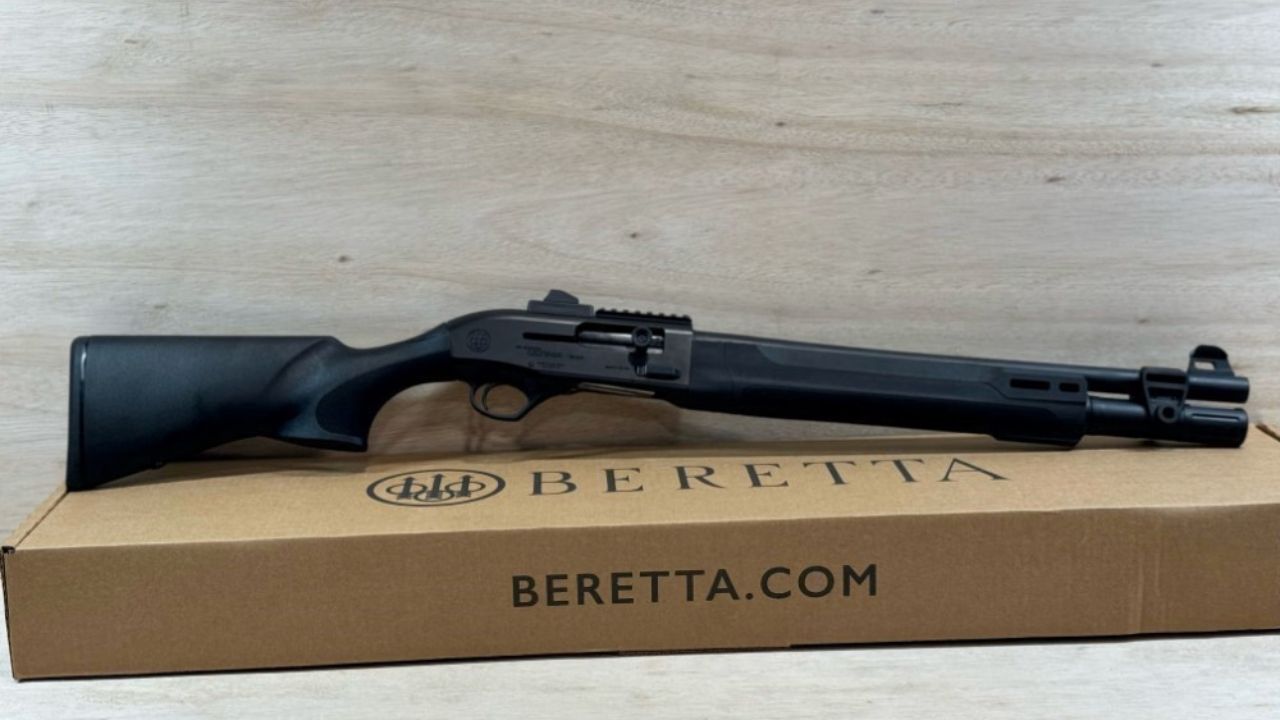
The Beretta A300 Ultima looks like the practical Beretta semi-auto, not the flagship. It does not have the same premium positioning as the A400, and some buyers may see it as the lower-tier option. The spec sheet says gas-operated, modern hunting shotgun, and that sounds fairly ordinary.
The experience is better than that. The A300 Ultima shoots softly, handles naturally, and gives hunters a lot of Beretta feel without the higher price. For waterfowl, dove, clays, and general hunting, it feels like a shotgun that delivers more than its position in the catalog suggests. It is one of those guns where the value shows up more clearly after a long day of shooting.
Mossberg 940 Pro Field

The Mossberg 940 Pro Field has practical specs, but it does not always sound exciting. It is a gas-operated semi-auto from a brand many people still associate more with pump guns. Buyers looking at premium semi-autos may not immediately think of Mossberg first.
That changes once the shotgun proves itself. The 940 Pro Field has useful controls, a cleaner-running design than older Mossberg semi-autos, and a field-ready feel that makes sense for hunters. It points well, cycles reliably when maintained, and costs less than many high-end competitors. The specs are solid, but the real appeal is that it feels like Mossberg finally built a semi-auto many hunters can trust.
Canik Mete SF

The Canik Mete SF looks like another affordable striker-fired 9mm at first glance. Its size, capacity, and polymer frame place it directly against a lot of familiar pistols. Some buyers still assume the lower price means it will feel cheaper at the range.
That assumption does not always survive the first few magazines. The Mete SF has a good trigger, comfortable grip, and enough refinement to make it feel more expensive than it is. It is not a prestige pistol, but it shoots well enough to make people question why some competitors cost more. The spec sheet says value pistol. The feel says serious contender.
Shadow Systems MR920

The Shadow Systems MR920 looks like a Glock-style pistol with factory upgrades, and that description can make it sound less interesting than it is. The specs mention optics compatibility, better sights, improved frame texture, and enhanced ergonomics. Those are useful, but they can sound like a list of parts.
The appeal is how those parts come together. The MR920 feels like a pistol built for people who already know what they usually change on a Glock. The grip angle, texture, optic system, and trigger all make it feel more complete out of the box. It is not cheap, but it often feels better than the spec sheet’s upgrade checklist suggests.
CZ 600 Alpha

The CZ 600 Alpha looks plain compared with older walnut-stocked CZ rifles. Some hunters see the polymer stock and modern styling and assume it lacks the character that made older CZ bolt guns appealing. On paper, it is another weather-resistant hunting rifle with practical features.
In use, it feels more serious than that. The stock is built for hard conditions, the action feels solid, and the rifle has enough accuracy potential to earn trust. It is not romantic, but it is functional in a way that makes sense in bad weather and rough country. The CZ 600 Alpha feels better when judged as a modern tool instead of compared to older classics.
Ruger Security-380
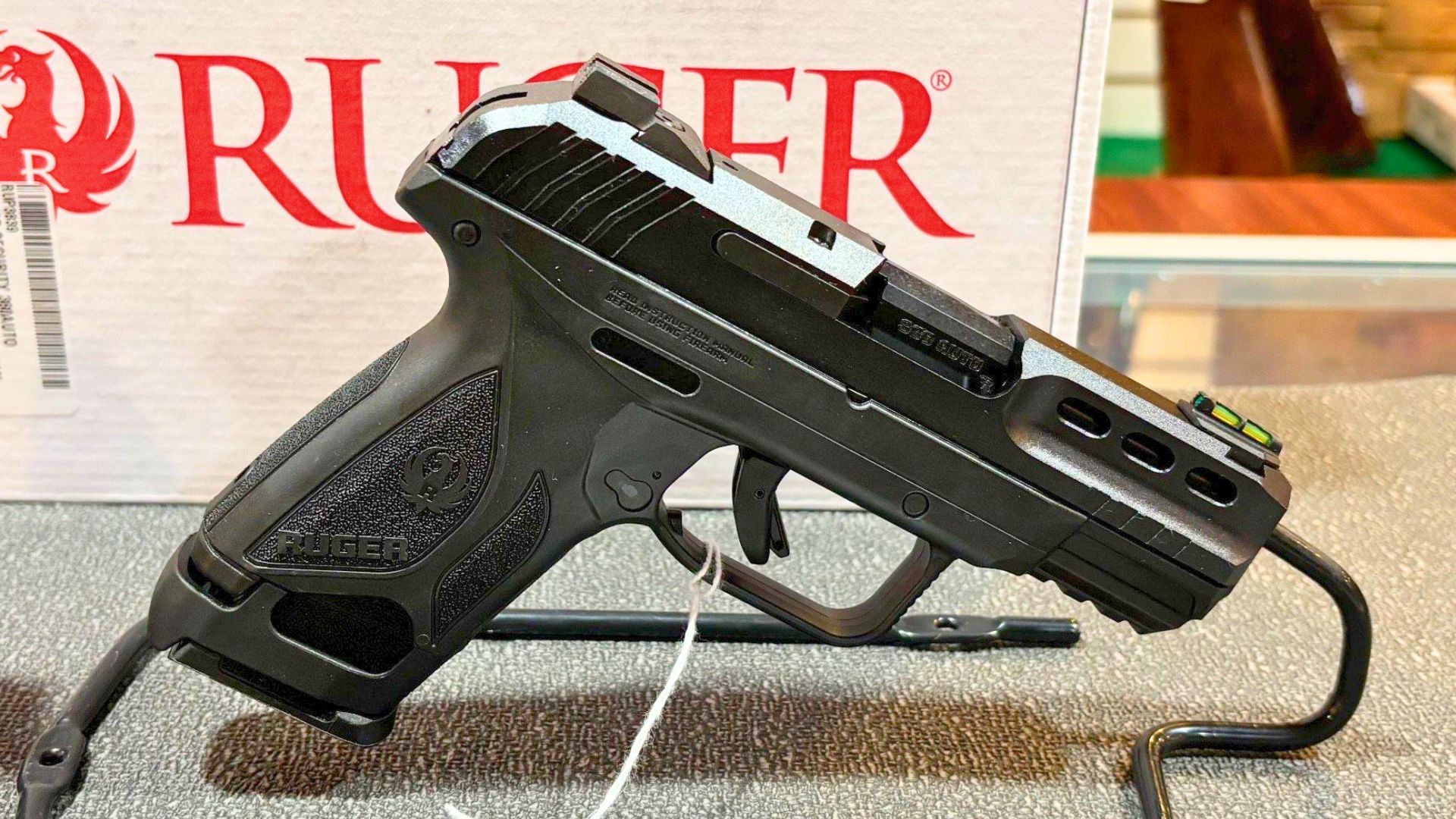
The Ruger Security-380 does not sound exciting if you only read the specs. It is a .380 ACP pistol that is larger than many pocket .380s, which makes some people wonder why they would not just carry a 9mm. The capacity and size look practical, but not revolutionary.
The shooting experience is where it makes sense. The Security-380 is easier to rack, softer to shoot, and more approachable for recoil-sensitive shooters than many tiny defensive pistols. It gives people a handgun they can actually practice with instead of just tolerate. The spec sheet may seem awkward. The real-world feel explains the point.
Smith & Wesson Equalizer

The Smith & Wesson Equalizer can be easy to misunderstand on paper. It is a compact 9mm with an easy-rack slide, internal hammer system, and grip safety. Some shooters dismiss it because it does not fit neatly into the usual striker-fired carry pistol conversation.
That misses what makes it good. The Equalizer is designed for people who want manageable recoil, easier slide operation, and useful capacity in a carryable pistol. It feels more confidence-building than the specs alone suggest, especially for shooters who struggle with stiff slides or snappy micro-compacts. It is not aimed at everyone, but for the right owner, it feels smarter than it looks on paper.
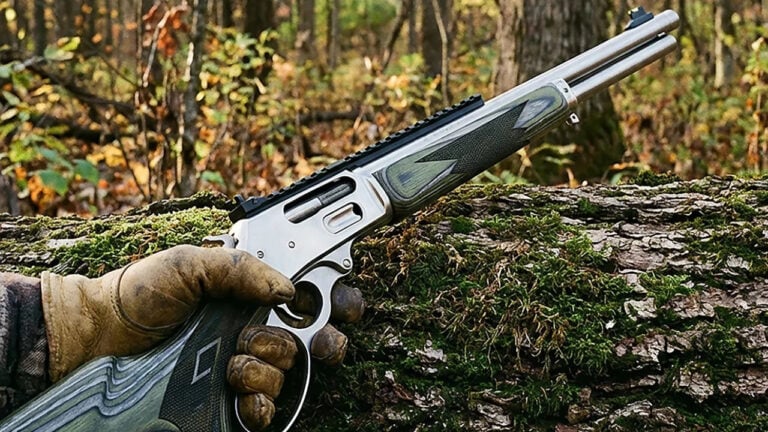
Henry Long Ranger
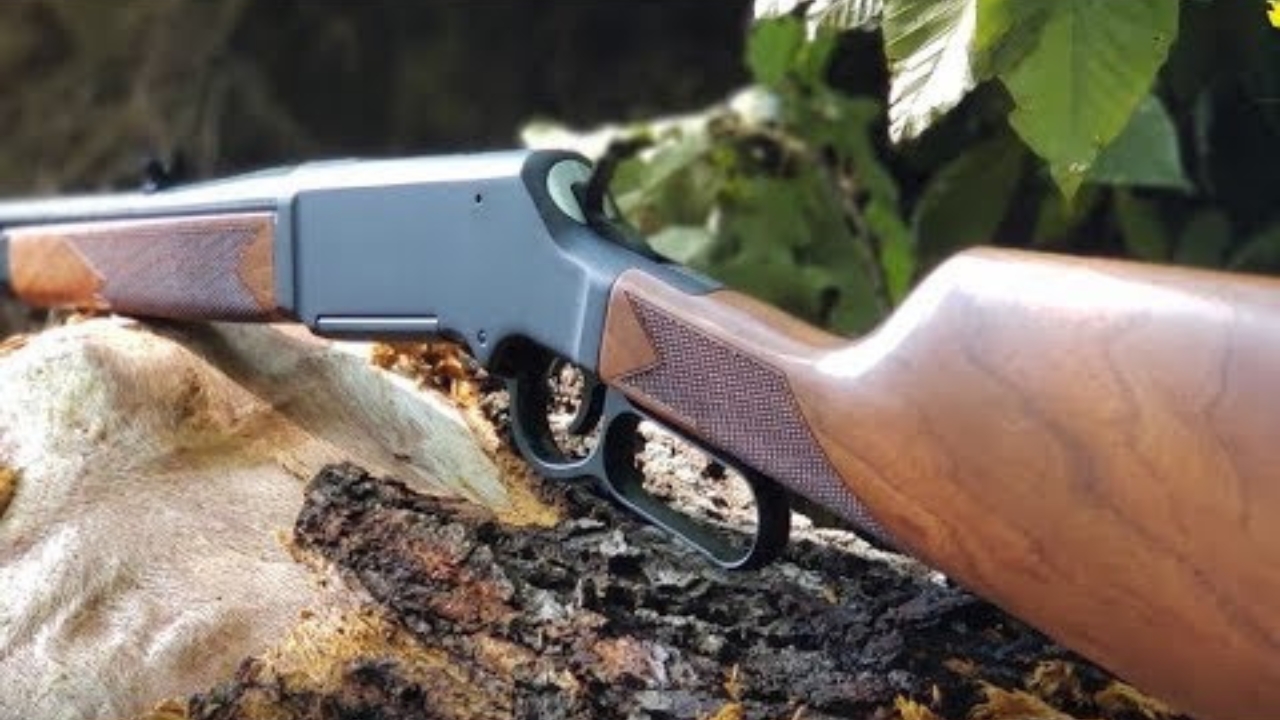
The Henry Long Ranger does not look revolutionary if you only focus on specs. It is a lever-action rifle with a box magazine, chambered for modern cartridges, and built to give lever-gun fans more reach. That sounds interesting, but some hunters may wonder whether it is really better than a bolt action.
The answer is not that it beats a bolt gun on pure practicality. It is that it feels different in a good way. The Long Ranger gives hunters lever-action handling with cartridges like .243 Winchester, .308 Winchester, and 6.5 Creedmoor. It carries well, points naturally, and lets someone hunt with a lever gun without being locked into traditional short-range chamberings. The spec sheet explains the concept. The handling explains the appeal.
Springfield Armory Echelon
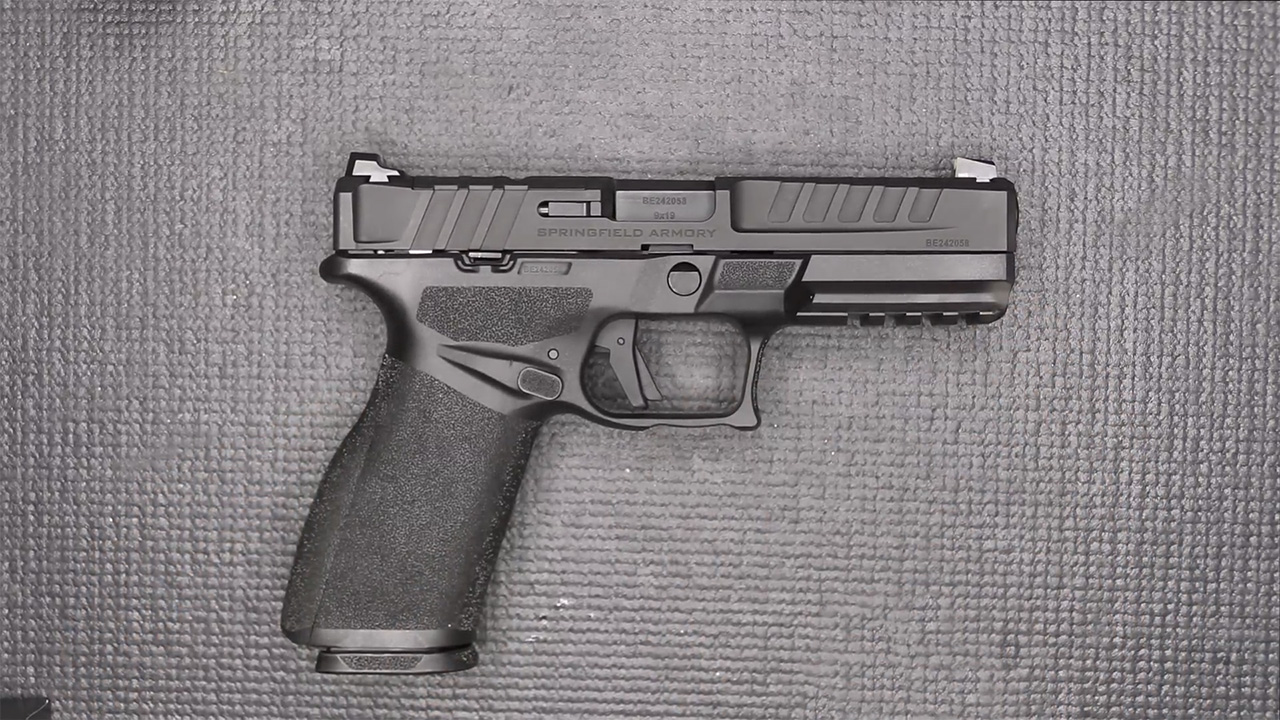
The Springfield Armory Echelon looks like another modern duty pistol when you read the specs. It has a modular chassis system, optics-ready slide, good capacity, and interchangeable grip modules. That sounds like a lot of pistols chasing the same modern checklist.
The Echelon feels better than that because the details work together well. The grip texture, trigger, optic mounting system, and overall balance make it feel like Springfield put real thought into the shooting experience. It is not just a box-checking pistol. For a full-size duty-style 9mm, it feels surprisingly complete right out of the gate.
Like The Avid Outdoorsman’s content? Subscribe to our newsletter so you never miss an article.
Here’s more from us: