Photo credit: The Avid Outdoorsman
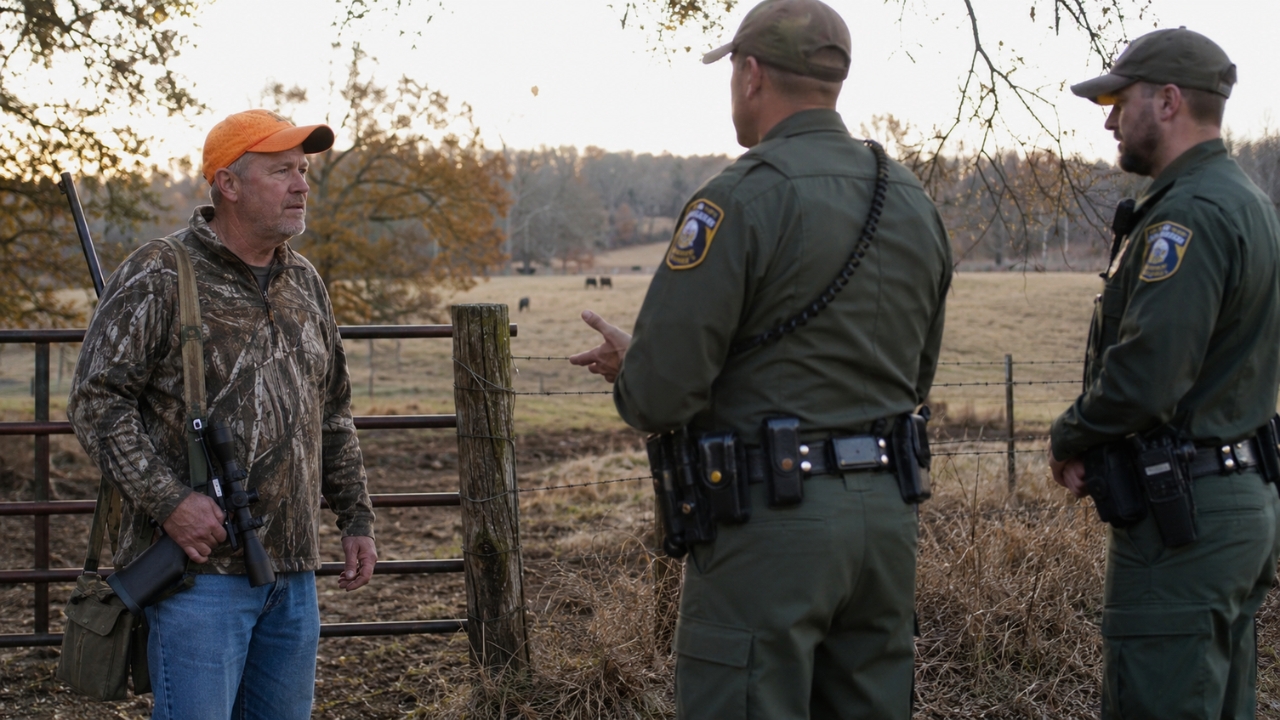
A hunter’s question about game wardens turned into a much bigger discussion about property rights, searches, and how much authority wildlife officers really have when they walk up on someone outdoors.
The poster wanted to know what rights a person has when dealing with game wardens. The concern was not just about being asked for a license or having a cooler checked. It was about whether game wardens can come onto private land, inspect hunters, and search areas in ways that would feel very different if a regular police officer did the same thing.
He raised the question in a Reddit thread about game wardens and constitutional protections: https://www.reddit.com/r/legaladvice/comments/2pdg2n/are_my_rights_when_dealing_with_game_wardens/
The question was not as simple as “can they do that?”
For a lot of hunters and rural landowners, game wardens occupy a strange category.
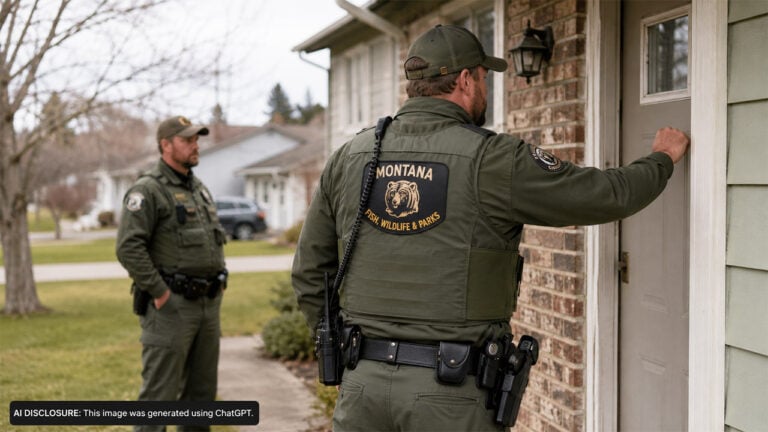
They are law enforcement officers, but they are not always encountered in the same way people encounter city police or sheriff’s deputies. They may show up in woods, fields, boats, campsites, and private property edges. They may check licenses, tags, firearms, coolers, live wells, and harvested animals.
That can make people feel like the normal rules are different.
The poster’s question seemed to come from that exact tension. If someone is hunting legally on private land, can a game warden simply walk up and start asking questions? Can they demand to see licenses and tags? Can they inspect a harvested animal? Can they look around without a warrant?
Those questions matter because outdoor enforcement often happens far away from roads, buildings, and obvious public spaces.
The average person may not know where privacy expectations begin and end once they are in a field or stand.
Hunting creates its own kind of inspection problem
Part of the issue is that hunting is heavily regulated.
Licenses, tags, seasons, bag limits, weapon restrictions, species rules, land access, and reporting requirements all matter. A person can be completely law-abiding in one detail and still be in trouble over another.
That is why game wardens often check people in the field.
To a hunter, that can feel intrusive. To the state, it is part of enforcing wildlife law. If wardens could only inspect after a known crime, many violations would be almost impossible to catch.
That is where the Fourth Amendment debate gets complicated.
People do not lose all rights just because they hunt or fish. But outdoor activities that require licenses and involve regulated wildlife can come with inspection authority that feels broader than what people expect in ordinary situations.
The poster seemed to be trying to understand that line before a conflict happened, rather than after one.
Commenters said game wardens often have broad authority, but not unlimited power
Commenters largely pointed out that game wardens can have significant authority when enforcing hunting and fishing laws.
Several noted that state law matters a lot. What a warden can do in one state may not be exactly the same in another. Some commenters also brought up the idea that open fields, woods, and areas outside the immediate home may not receive the same privacy protection as a house or fenced backyard.
But commenters did not treat game wardens as all-powerful.
The general message was that a hunter should comply with ordinary license and harvest checks, avoid escalating the situation, and challenge any questionable search later through the legal process rather than arguing in the field.
That is not always satisfying advice, but it is practical. A confrontation with an armed law enforcement officer in the woods is rarely the best place to litigate constitutional law.
If a warden crosses a line, the remedy is usually after the fact, through an attorney or court challenge.
The real concern was trust
The question also touched something bigger than technical law.
Rural landowners and hunters often care deeply about property rights. They may be comfortable with responsible wildlife enforcement but uncomfortable with the idea that an officer can walk onto land without warning.
That concern gets even stronger when someone does not immediately know who the person is.
A stranger in the woods is not always assumed to be law enforcement. They could be a trespasser, poacher, thief, or someone scouting the property. If they are armed or moving around near a stand, it can be tense fast.
That is why these questions matter before hunting season starts.
The best approach is usually to know the local rules, keep licenses and tags ready, post land clearly if needed, and stay calm if a warden makes contact. If there is doubt about who someone is, asking for identification is reasonable. Turning the encounter into a standoff is not.
For hunters, the uncomfortable truth is that wildlife enforcement exists in a world where privacy, property, public resources, and regulated activity all overlap.
That overlap is exactly why one simple question — “what are my rights?” — can get messy so quickly.
Like The Avid Outdoorsman’s content? Subscribe to our newsletter so you never miss an article.
Here’s more from us: