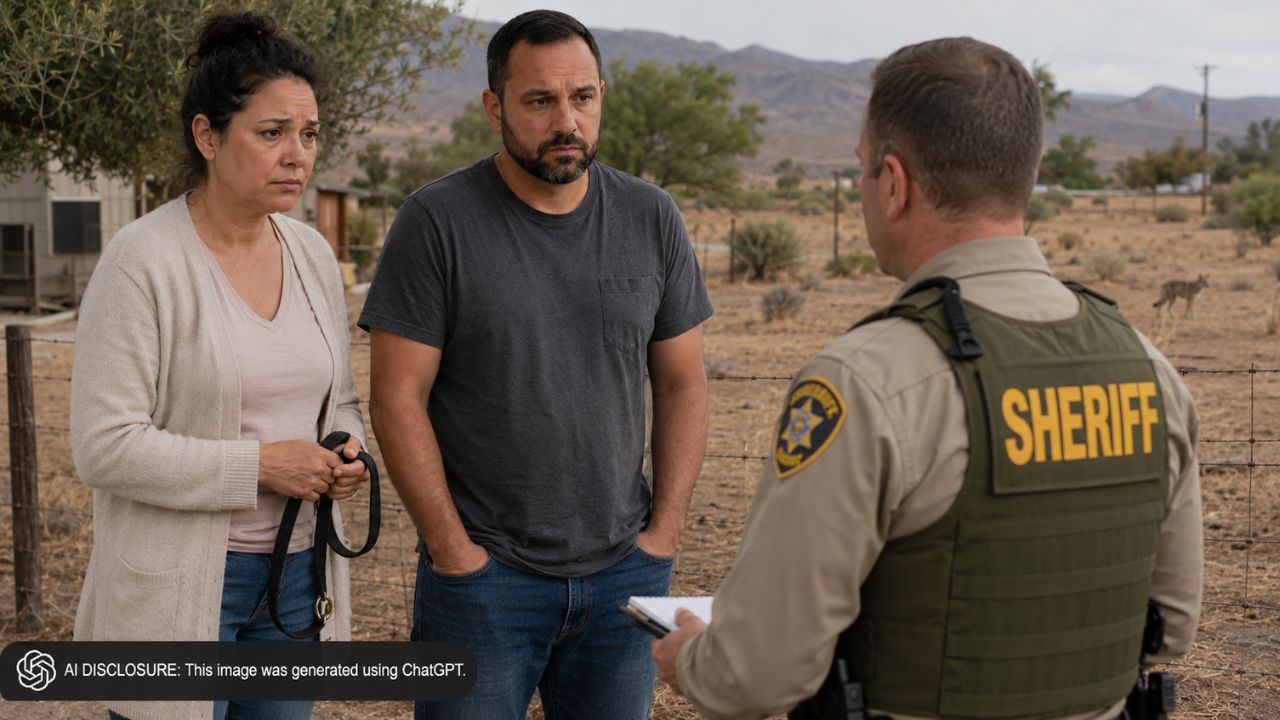
Photo credit: AI-generated image created using ChatGPT. Illustrative only.
Out in the desert and farm country, people don’t have the luxury of pretending predators aren’t real. Coyotes run edges, dogs get loose, and when something’s chewing on something else, seconds matter. But there’s a big difference between defending a pet in the moment and circling back with a gun after the dust settles.
That’s the mess one Southern California dog owner says they walked into after leaving for work on October 8th. Their dog slipped out of the fence, and later they were told the neighbor’s husband shot the dog and dumped the body in bushes on the neighbor’s property. The neighbor also reportedly wanted the dog owner to pay a “large vet bill” for injuries to her small dog.
A loose dog, coyotes in the area, and a story that doesn’t line up clean
Based on a signed written statement shared by the dog owner, the neighbor claimed three dogs—animals she first believed were coyotes—charged and attacked her Maltese while she was outside with it on a retractable leash. In her telling, only one of the dogs was actively engaged while the others “stood around.”
She said she pulled on the retractable leash while her dog was in the mouth of one of the animals, then yelled for her husband. When he rushed outside, she claimed it spooked the dogs enough that they dropped her Maltese, allowing her to get back inside safely with her dog.
From “it’s over” to gunfire: the part that changed everything
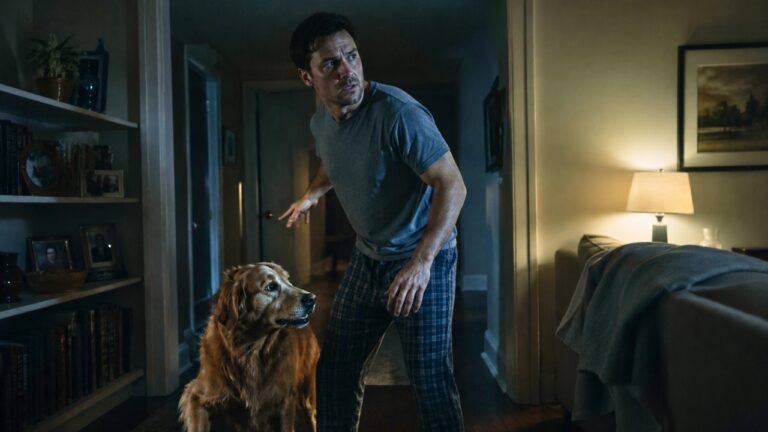
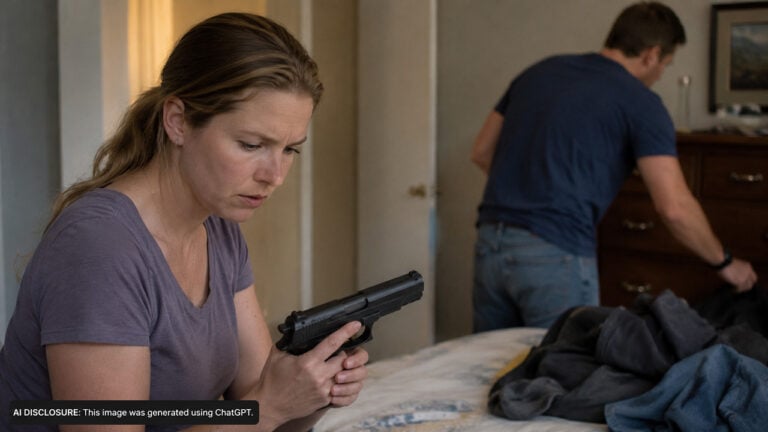
Here’s where this stops sounding like a split-second emergency and starts sounding like something else. The neighbor’s statement said her husband went back inside to get his gun, then returned outside because the dogs “would not leave.”
According to the statement, he shot at one of the dogs—first in the shoulder, then in the head to “put her out of her misery.” The neighbor claimed this was the moment they noticed the bright red collar.
In rural living, most folks understand shooting in defense of life is one category. Shooting after you’ve gone inside, retrieved a firearm, and come back out is another. That time gap is exactly what investigators and courts tend to chew on, because it speaks to whether the threat was immediate or already under control.
The collar, the body in the bushes, and why that detail matters
The neighbor reportedly stated she didn’t see a collar during the attack. Only after the shooting did they “discover” it, which would suggest the animal wasn’t a wild coyote after all.
Then comes a detail that’s hard to ignore: the neighbor’s statement said they dragged the dog’s body to bushes on their property. In the real world, when someone believes they did the right thing, they usually don’t start the aftermath by hiding evidence or moving a carcass out of sight. Even if the motive was “I didn’t want the kids to see it” or “I didn’t know what else to do,” that kind of decision tends to create suspicion.
The dog’s owner, reading that signed statement, wasn’t just grieving a pet. They were looking at a timeline that made them question whether their dog was actually one of the animals involved in the initial attack at all—or whether it was shot later under the broad excuse of “coyote problems.” The original post lays out those concerns plainly.
The vet run and the demand for money
The neighbor’s statement said they took their Maltese to a nearby vet, were told to seek care elsewhere because the injuries were too severe, then returned home, packed, and drove three hours to a vet closer to their “actual home.”
After that, the neighbor wanted the dog owner to cover the vet bill. The dog owner’s problem is simple: they weren’t there, their dog is dead, and they’re being handed an expensive demand based on a story that includes multiple animals, a collar that allegedly wasn’t seen until after the shooting, and a body dragged off into bushes.
Any rural landowner who’s dealt with livestock claims or dog-on-dog incidents knows this part gets ugly fast. When money shows up, everyone’s memory gets a little too convenient.
What outdoorsmen tend to focus on in incidents like this
Predator country creates hard choices, but there are still basic rules most responsible gun owners live by. If you’re going to shoot, you need a safe backstop and a clear target. And if the threat has ended—especially if the victim animal is inside and safe—going back out to start firing at shapes in the yard is the kind of decision that can spiral into tragedy.
There’s also the plain neighbor-to-neighbor reality: a loose dog is a problem, period. Good fences fail, gates get left open, wind and wear do their thing. But the fact a dog escaped doesn’t automatically make every bad thing that happened afterward that owner’s fault—especially if the story doesn’t establish, cleanly, that the escaped dog caused the injuries being claimed.
And on the “pest control” side of the house, folks who really do predator control usually know what a coyote looks like up close and under pressure. Mistaking domestic dogs for coyotes isn’t unheard of, but it’s also not a free pass. That’s exactly why states tend to have specific rules about when you can legally shoot dogs, when you can shoot predators, and what counts as defense of a person or domestic animal.
The practical next steps the dog owner was circling
The dog owner’s questions came down to three points: what actions can they take, can they fight the vet bill, and was it legal to shoot their dog once the situation was “under control.” Those are fair questions, and they’re the same ones that come up any time a neighbor claims they shot a dog in protection of livestock or pets.
On the practical side, incidents like this live and die on documentation. Signed statements, vet records, photos of injuries, any text messages, and a clear timeline are the backbone of sorting out whether a claim is real or a shake-down. If there were multiple dogs involved, it matters which animal actually caused the injuries, and whether anyone can prove it.
It also matters, a lot, that the dog owner said their dog was dragged to bushes on the shooter’s property. That’s not just “closure” behavior. That’s a decision that can complicate the neighbor’s version of events when outside eyes start looking at it.
Out in rural America, folks often want to handle things with a handshake. But when a firearm is used and a family pet ends up dead, it’s already past handshake territory. The hard lesson here is that “I thought it was a coyote” and “I was protecting my dog” don’t automatically excuse everything that happens afterward—especially when the story includes a retreat inside, a gun retrieval, shots fired, and a collar discovered only after the fact.
Like The Avid Outdoorsman’s content? Be sure to follow us.
Here’s more from us: