Photo credit: Mikehelms, CC BY-SA 3.0/Wiki Commons
Smith & Wesson has been around long enough that it feels less like a gun company and more like part of the furniture in American shooting culture. Cops carried them. Hunters packed them. Homeowners kept them in nightstands. Collectors chased them. New shooters learned on them. Even people who do not know much about guns usually know the name.
That kind of trust does not happen because of one good model. It happens because a company keeps showing up across generations, calibers, departments, wars, movies, duty holsters, gun counters, and family hand-me-downs. Smith & Wesson has had its missteps like any old gunmaker, but the brand earned its place by building guns people actually used when it mattered.
Smith & Wesson Helped Make Cartridge Revolvers Matter
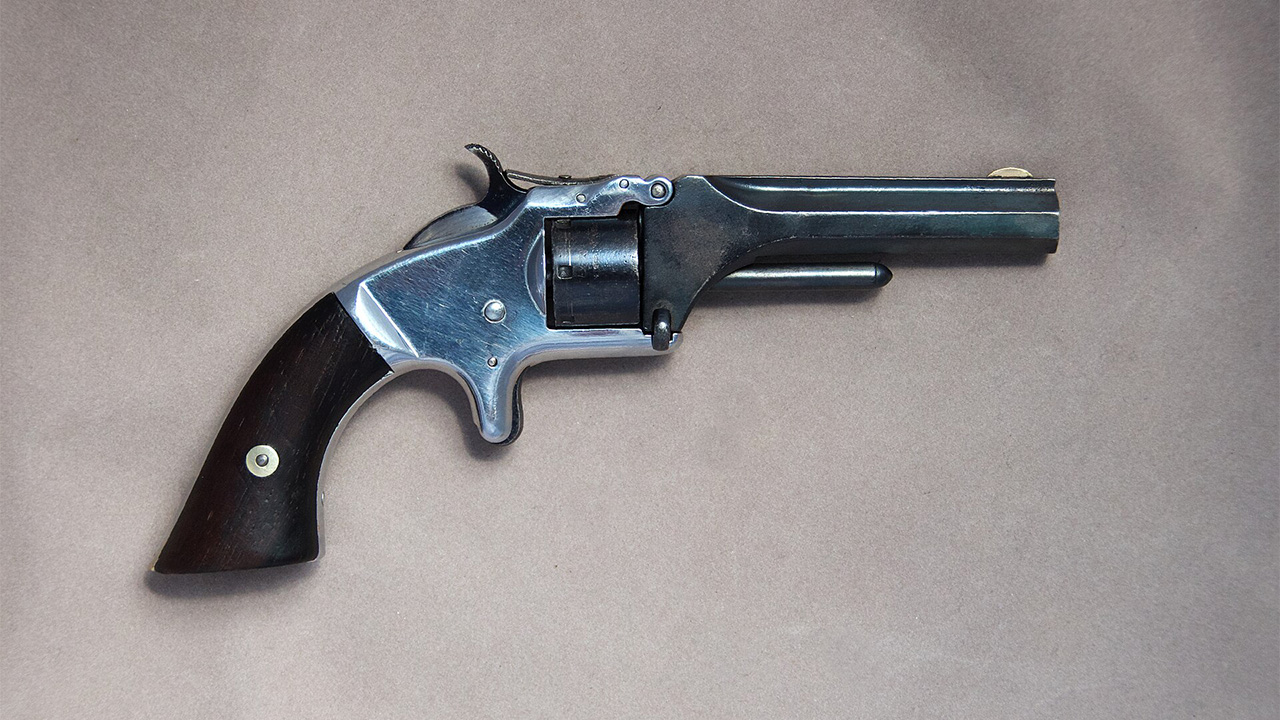
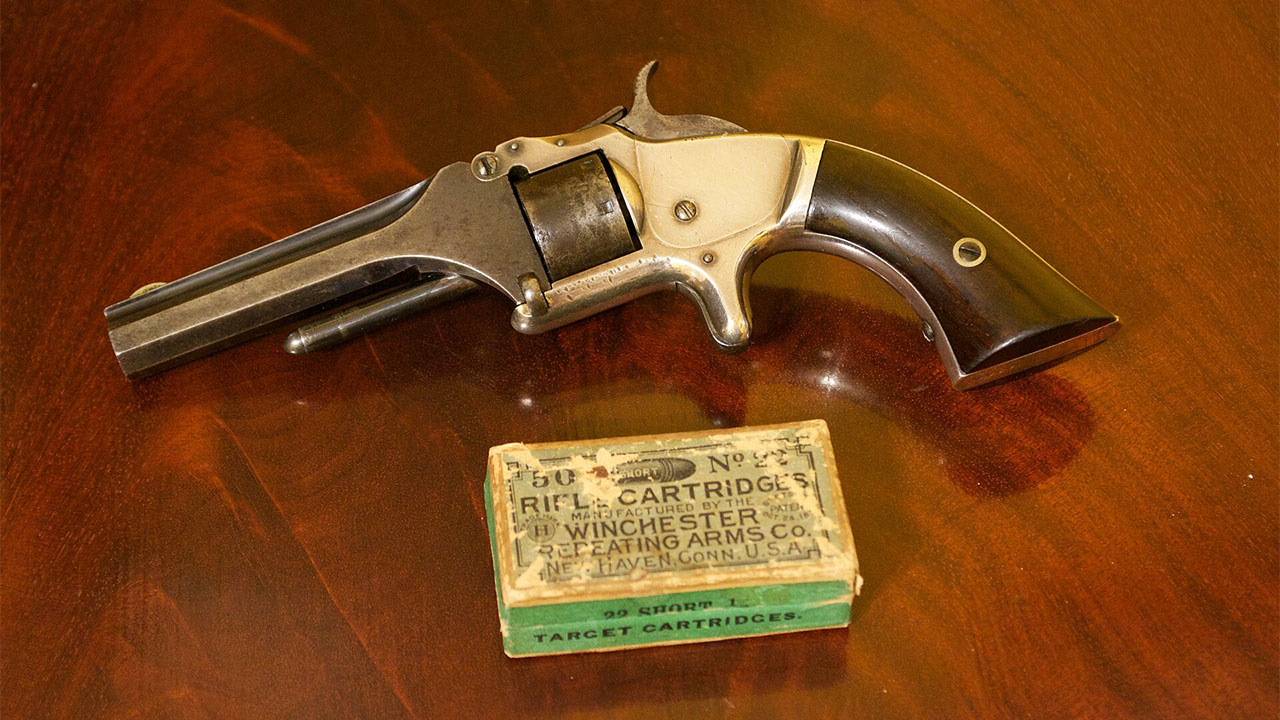
Before metallic cartridge handguns became normal, revolvers were a very different animal. Smith & Wesson’s early Model 1 helped push the market toward self-contained cartridges, which changed everything about how handguns were loaded, carried, and fired. The Model 1 was the company’s first manufactured firearm, and it used .22 Short rimfire cartridges instead of loose powder, ball, and percussion caps. That may sound small now, but at the time, it was a major step toward the modern handgun.
That early move helped put Smith & Wesson in the middle of one of the biggest shifts in handgun history. A cartridge revolver was faster, cleaner, and more practical than cap-and-ball designs. It also made the revolver easier for regular people to understand and use. Smith & Wesson did not become trusted overnight, but it got an early start by backing a system that made sense. That matters. Gun buyers remember the companies that help make the next thing work.
The Model 10 Became a True American Workhorse
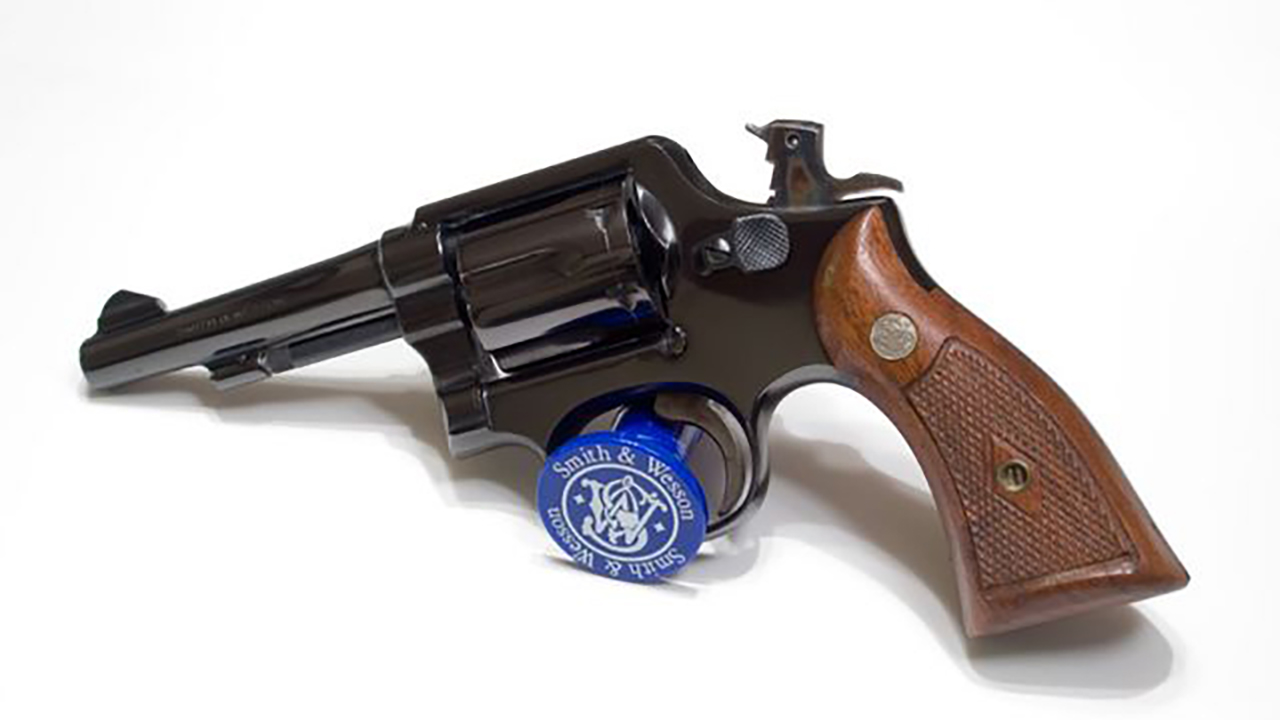
The Smith & Wesson Model 10 is one of those guns that almost feels too normal to appreciate until you stop and look at what it did. It started life as the .38 Military & Police, introduced in 1899, and later became the Model 10 when Smith & Wesson adopted numbered model names in the 1950s. It was simple, reliable, easy to train with, and chambered in .38 Special, a cartridge that became deeply tied to American police work and civilian defense.
A lot of trust in Smith & Wesson came from guns like this. The Model 10 was not flashy. It was not trying to be a hand cannon or a target queen. It was a duty gun, a house gun, a range gun, and a basic revolver that did its job. Millions were produced, and that kind of volume only happens when departments, civilians, and institutions keep buying the same general idea because it works. The Model 10 helped make Smith & Wesson feel like the safe choice.
Police Departments Put the Name in Front of Everyone
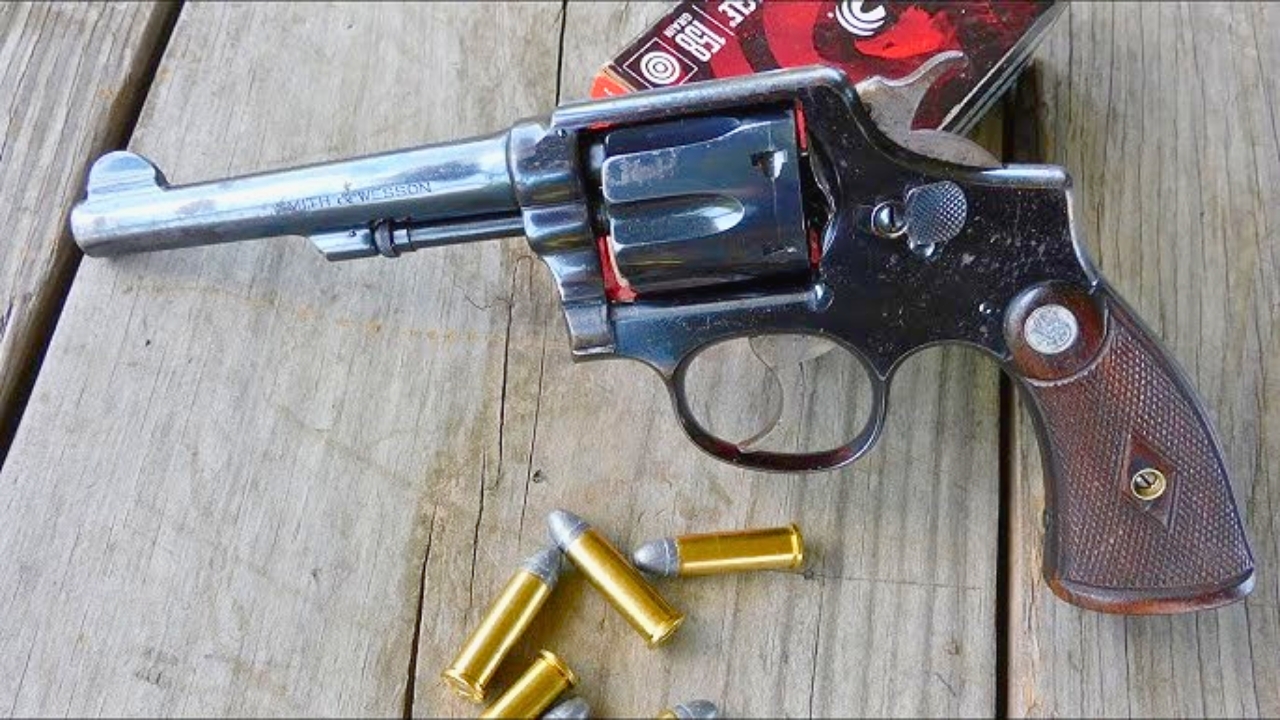
For decades, Smith & Wesson revolvers rode in police holsters across the country. That gave the brand a level of public visibility that advertising money could not buy. When people saw officers carrying Smith & Wesson revolvers, the name picked up an automatic sense of authority. It became tied to law enforcement, duty use, and serious carry long before polymer pistols took over the profession.
That did not mean every Smith & Wesson revolver was perfect or that every officer loved his issued gun. But the association stuck because the guns were everywhere. The old Military & Police line, the Model 10, the Model 15, the Model 19, the Model 64, the Model 65, and several others all helped build that lawman reputation. Civilian buyers notice that kind of thing. If a gun was good enough to ride in a duty holster for years, a lot of people figured it was good enough for the dresser drawer, glovebox, or farm truck.
Smith & Wesson Made the .357 Magnum Famous

The .357 Magnum gave Smith & Wesson another major trust-building moment. Introduced in the 1930s, the cartridge brought a serious jump in handgun power compared with standard service rounds of the time. Smith & Wesson’s early .357 Magnum revolvers helped establish the company as a maker of powerful, accurate, serious handguns. This was not a pocket pistol lane. This was highway patrol, outdoors defense, hunting, and hard-use revolver territory.
The .357 also gave shooters flexibility. A revolver chambered for .357 Magnum could also shoot .38 Special, which made practice cheaper and recoil easier when needed. That helped the caliber spread with police, outdoorsmen, and civilians who wanted one revolver with real range. Smith & Wesson did not merely sell guns chambered for a hot round. It helped build the identity of the magnum revolver itself. That kind of legacy sticks to a brand for a long time.
The K-Frame Hit a Sweet Spot Shooters Still Talk About
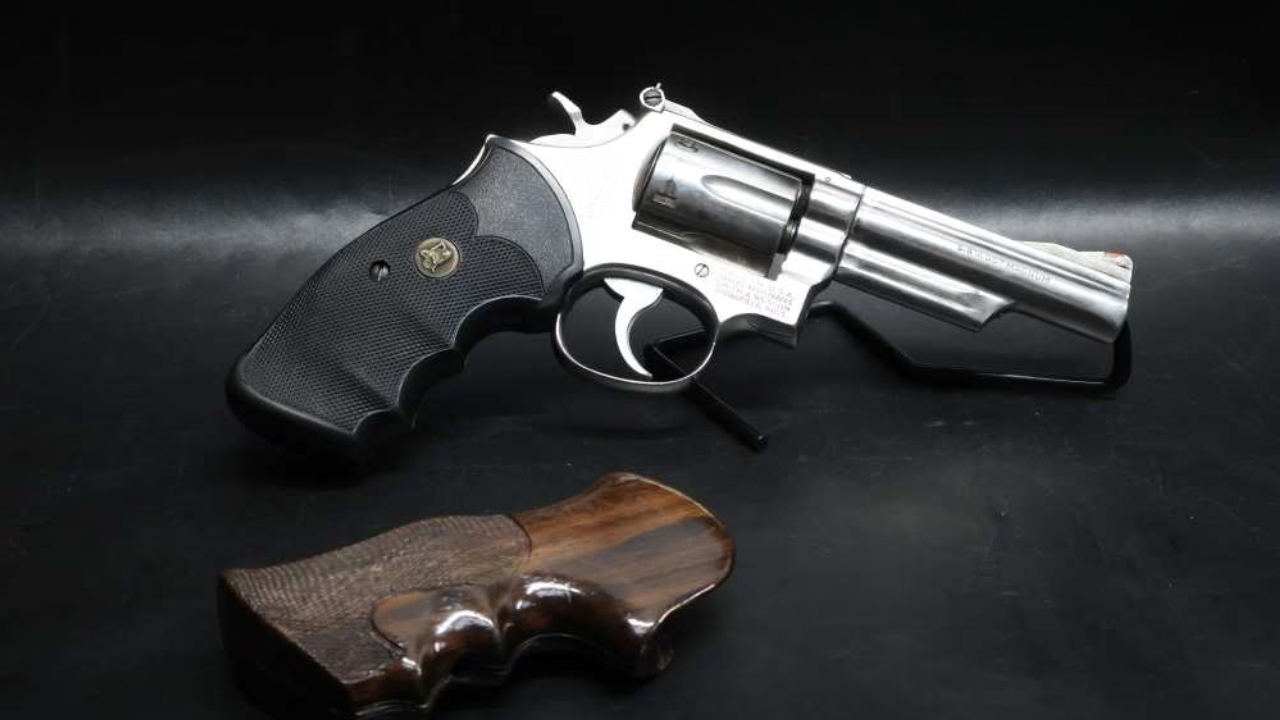
Smith & Wesson’s K-frame revolvers are a big reason the company stayed trusted for so long. They were large enough to shoot well, small enough to carry, and balanced in a way that made them feel right in the hand. The K-frame became the heart of some of Smith & Wesson’s most respected revolvers, including the Model 10, Model 15, Model 19, and Model 66. For a lot of shooters, that frame size was the perfect compromise.
That balance mattered because trust is not built only on durability. It is also built on feel. A gun can be strong and still be unpleasant to carry or shoot. The K-frame gave shooters something that pointed naturally, handled recoil reasonably well, and did not feel like a boat anchor on the belt. Smith & Wesson understood that a duty revolver had to live with the person carrying it. That is why so many old K-frames still get respect today.
The Model 29 Turned a Revolver Into a Cultural Icon

The Model 29 did something most handguns never do. It crossed from the gun world into pop culture. Chambered in .44 Magnum, it became famous through the “Dirty Harry” movies and turned Smith & Wesson into a name even non-shooters recognized. The Model 29 was already a powerful revolver, but that movie connection pushed it into legend. The gun became linked with size, power, and attitude in a way few handguns ever have.
That kind of fame can be a double-edged sword, but it helped Smith & Wesson’s reputation because the real gun had substance behind the image. Serious revolver shooters, hunters, and collectors already understood the appeal. The movie simply made everyone else notice. The Model 29 gave Smith & Wesson a larger-than-life symbol. It was not the most practical choice for everybody, but it made the brand feel powerful, proven, and unmistakably American.
Smith & Wesson Built Revolvers People Could Hand Down

Plenty of Smith & Wesson trust comes from family history. Old revolvers have a way of staying in nightstands, safes, tackle boxes, and dresser drawers for decades. A blued Model 10, a stainless Model 60, a Model 36 Chief’s Special, or a Model 19 Combat Magnum may have belonged to a grandfather, father, uncle, retired officer, or longtime hunter. That kind of connection matters because people trust what they have seen last.
Smith & Wesson revolvers also tend to age with character. Honest holster wear, worn grips, a smooth action, and old bluing tell a story. A beat-up revolver that still locks up and shoots well says more than any catalog description. That is one reason the brand has so much staying power. Smith & Wesson did not merely sell new guns every year. It built guns that stayed in circulation long enough to become part of people’s families.
The J-Frame Became One of the Great Concealed Carry Designs

The J-frame snubnose is one of Smith & Wesson’s most important contributions to practical carry. Small revolvers like the Chief’s Special gave civilians, detectives, backup-gun carriers, and off-duty officers a compact handgun that could disappear under light clothing. It was not easy to shoot well, and it was never meant to be a range toy. But it did something very important: it gave people a gun they could actually carry when larger handguns stayed at home.
That lesson still matters. A defensive gun only helps if it is with you. The J-frame proved that small, simple, reliable handguns had a real place. Even after micro-compacts and slim 9mm pistols took over much of the carry market, the J-frame never fully went away. Some shooters still trust the basic idea of five shots, no magazine, no slide, and no drama. That says a lot about how well Smith & Wesson understood concealed carry before it became a modern industry obsession.
Smith & Wesson Stayed Relevant Through Stainless Steel

Smith & Wesson did not get stuck in blued-steel nostalgia. The company leaned into stainless revolvers and helped make them normal for serious use. Guns like the Model 60, Model 64, Model 66, and Model 686 gave shooters practical rust resistance without giving up the handling and reliability they already liked. That mattered for police officers, hunters, boaters, trappers, and anyone who carried in wet weather.
Stainless steel also changed how people viewed working guns. A revolver did not have to be babied quite the same way. It could ride in a duty holster, tackle box, pack, or truck with less worry. Smith & Wesson’s stainless guns helped the brand stay practical while still feeling familiar. That is a hard balance to pull off. A company can modernize too fast and lose its core buyers, or stay too traditional and get left behind. Smith & Wesson managed to make stainless revolvers feel like a natural next step.
The 686 Became One of the Great All-Around Revolvers

The Smith & Wesson 686 earned trust by being useful in a lot of different roles. It is a .357 Magnum revolver built on the L-frame, which gave shooters more strength and weight than the K-frame magnums without going all the way into oversized hunting revolver territory. For many shooters, that made the 686 one of the best balanced .357 revolvers ever made. It could handle magnum use better than lighter guns while still being shootable and familiar.
That is why the 686 keeps coming up in revolver conversations. It works for range use, home defense, woods carry, field use, and general-purpose ownership. It is not tiny, but it is not ridiculous either. The 686 represents what Smith & Wesson has often done best: build a gun that feels refined enough to enjoy and sturdy enough to trust. A lot of companies make .357 revolvers. Few have made one that became such a default recommendation.
Smith & Wesson Kept Its Trigger Reputation Alive
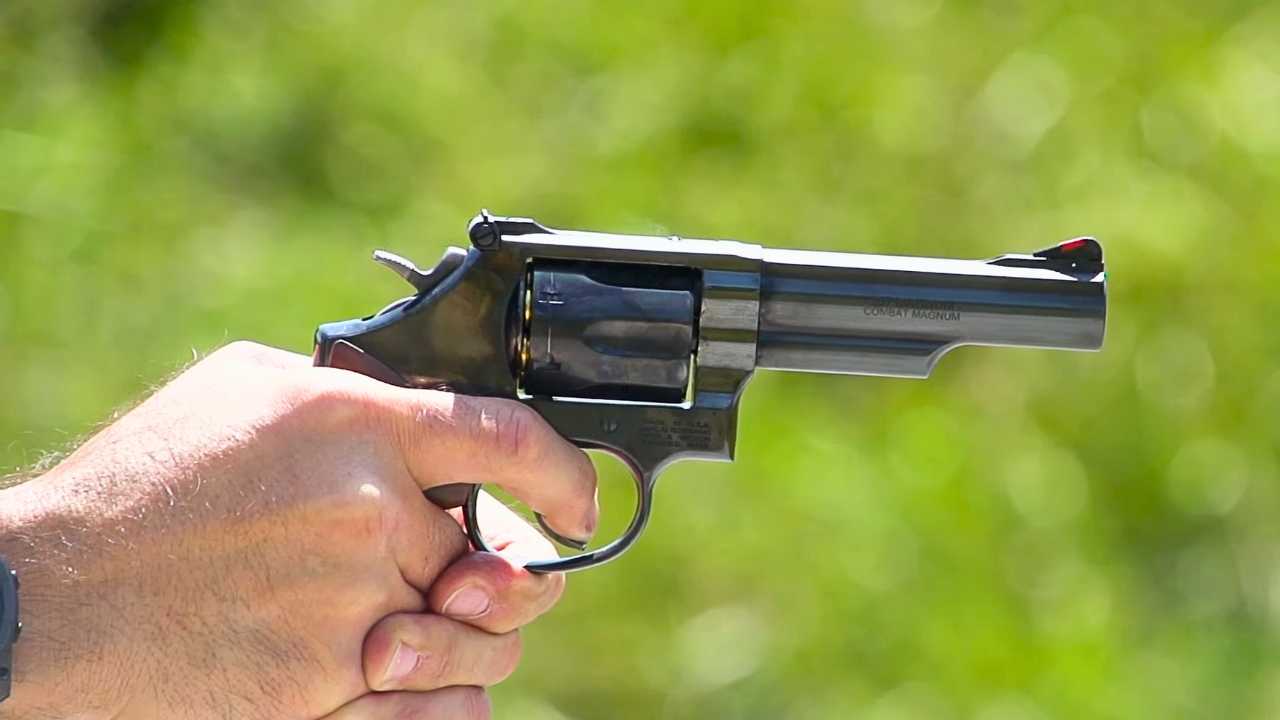
A good Smith & Wesson revolver trigger is part of the brand’s identity. Shooters talk about old Smith triggers because they can be smooth, predictable, and easy to learn with practice. That matters more than non-shooters understand. A revolver’s trigger controls a lot about how the gun feels, how it shoots, and how confident the owner becomes with it. When a double-action pull is smooth, it makes the whole gun feel more trustworthy.
This reputation helped Smith & Wesson hold onto serious revolver fans even as semi-autos became dominant. Some shooters moved to pistols for capacity and speed, but they still respected what a good Smith revolver felt like. That is a powerful thing for a brand. Trigger feel is personal. It is hard to fake. When people say an old Smith feels right, they usually mean years of design, fitting, and shooter experience are showing up in the hand.
The M&P Name Successfully Moved Into Polymer Pistols

Smith & Wesson could have been trapped by its revolver legacy, but the M&P pistol line helped prevent that. The modern M&P series brought the Military & Police name into the striker-fired polymer era. Smith & Wesson says the M&P Pistol Series debuted as a polymer line championed by law enforcement, and the broader M&P history ties the name back to the original 1899 Military & Police revolver. That gave the modern pistols a link to the past without forcing them to act like old guns.
That move mattered because polymer pistols had become the duty and carry standard. Smith & Wesson needed a serious answer, not another half-hearted attempt to chase Glock. The M&P line gave police departments, armed citizens, and competitors a pistol family with familiar controls, multiple sizes, and a grip angle many shooters liked. It also proved the company could still compete outside its revolver comfort zone. For an old brand, that kind of adaptation is survival.
The Shield Helped Define the Slim Carry Pistol Market

The M&P Shield became one of Smith & Wesson’s biggest modern wins because it arrived when concealed carry buyers wanted slim, reliable, easy-to-carry pistols. Before the current flood of micro-compacts, the Shield gave people a practical single-stack 9mm option from a brand they recognized. It was thin, simple, affordable, and easy enough to recommend to new carriers without a long list of warnings.
The Shield did not need to be exotic to matter. Its strength was that it made sense. A lot of carry guns are either too big to carry comfortably or too small to shoot well. The Shield landed in that middle ground where regular people could train with it and still keep it concealed. That kind of pistol builds trust because it lives in the real world. Smith & Wesson gave concealed carriers something that felt less like a compromise and more like a working answer.
Smith & Wesson Balanced Tradition With Modern Demand

One reason Smith & Wesson stayed trusted is that it did not completely abandon its old buyers while chasing new ones. The company still makes revolvers, still sells classic-feeling models, still leans on the M&P name, and still understands the power of its history. At the same time, it keeps producing modern striker-fired pistols, carry guns, optics-ready models, and performance-oriented variants. That mix keeps multiple generations in the same conversation.
That balance is harder than it looks. If Smith & Wesson focused only on nostalgia, younger shooters would ignore it. If it walked away from revolvers and classic designs entirely, longtime fans would feel burned. The company has not always gotten that balance perfect, but it has done it well enough to stay relevant. That is one reason the brand remains trusted. Shooters can argue about which era was best, but they still know the name belongs in the room.
Smith & Wesson Built Trust by Being Everywhere

Smith & Wesson is trusted partly because it has been everywhere for so long. Gun shops, police departments, family safes, pawn shops, movie screens, competition ranges, hunting camps, and concealed carry classes have all kept the name alive. That kind of reach creates familiarity, and familiarity turns into trust when the guns mostly do what people expect them to do.
That does not mean every Smith & Wesson is automatically great. No honest shooter believes that about any brand. But Smith & Wesson has enough proven models, enough history, and enough real-world use behind it that the name still carries weight. It earned that the hard way, through generations of revolvers and pistols that people used for work, defense, hunting, training, and everyday carry. In a market packed with newer brands trying to buy credibility, Smith & Wesson still has something they cannot fake: time.
Like The Avid Outdoorsman’s content? Subscribe to our newsletter so you never miss an article.
Here’s more from us: