Photo credit: Lucky Gunner Ammo/YouTube
Some pistols show up with big promises and glossy marketing, and plenty of shooters jump in early thinking they’re getting the next must-have sidearm. But once you get past the counter and start running them hard, flaws start piling up fast. Maybe the controls feel awkward, or the recoil impulse is harsher than it should be. Sometimes the magazines don’t feed cleanly, or the triggers feel like something from a budget toy.
You learn quickly which designs are dependable and which ones were pushed out before they were ready. These are the pistols shooters bought with excitement and then quietly pushed to the back of the safe after the first range trip—or the first malfunction under pressure.
Springfield XD Sub-Compact 9mm
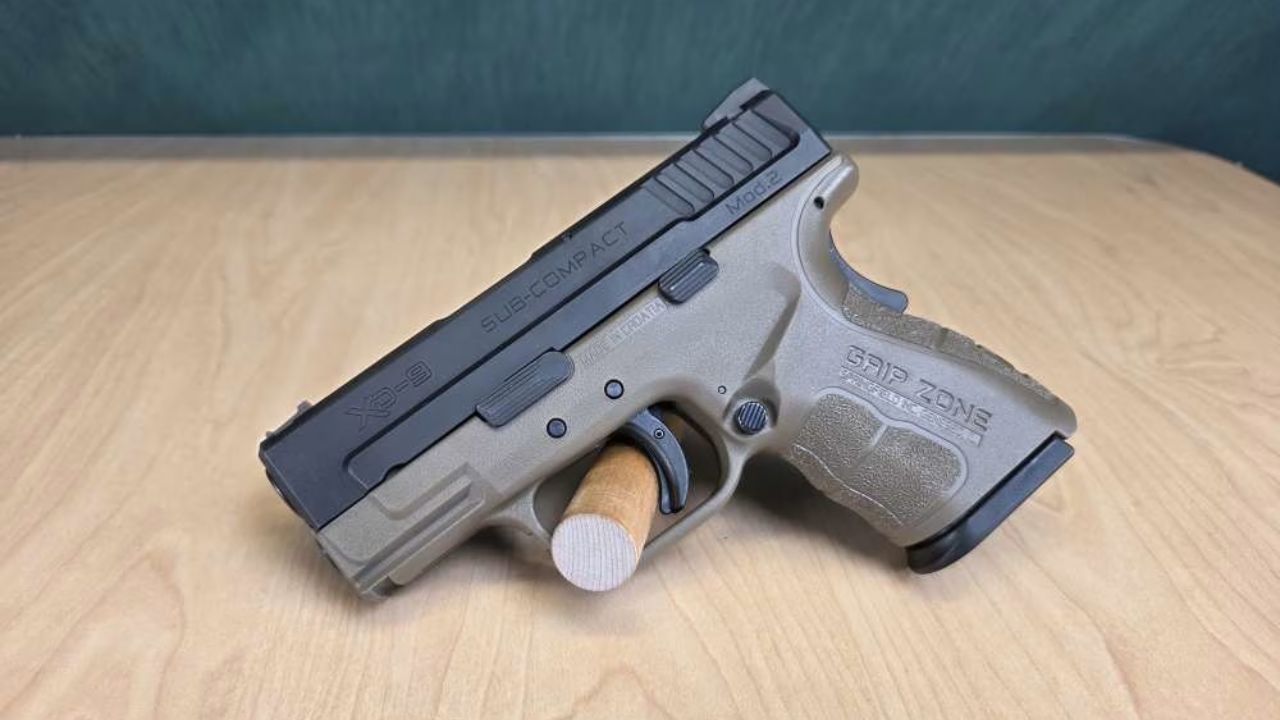
A lot of shooters picked up the XD Sub-Compact thinking they were getting a tough, carry-ready pistol right out of the box. What they found was a gun that felt bulky for its size, with a surprisingly top-heavy feel once you added a loaded magazine. The grip safety also proved annoying for many shooters, especially in colder weather when gloves prevented a clean engagement.
While the pistol can run fine under controlled conditions, it never matched competitors in consistency or shootability. Many owners found themselves wrestling with the blocky ergonomics and a snappy recoil impulse, making range sessions more work than fun.
Taurus PT740 Slim
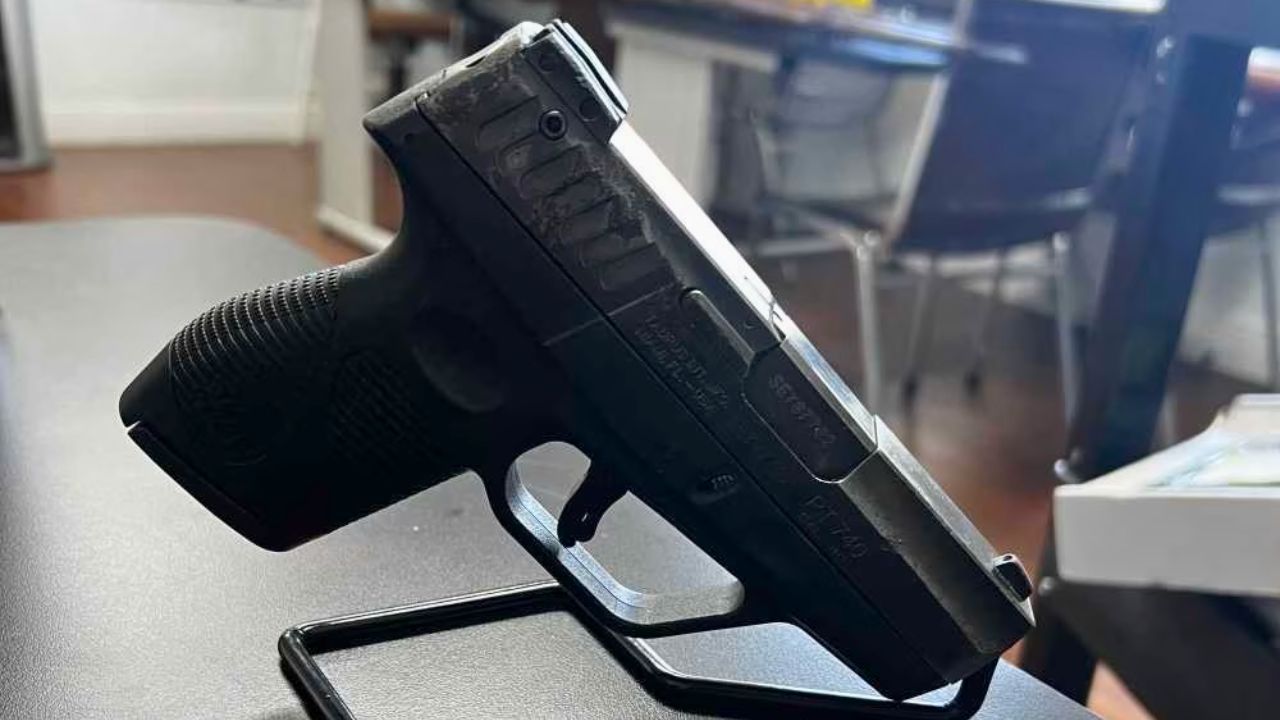
The PT740 Slim attracted early buyers with its lightweight frame and low profile, but it showed its limits almost immediately. The combination of a tiny grip and .40 S&W recoil made it uncomfortable for most shooters, especially anyone with larger hands. Strings of fire felt erratic, and muzzle flip made fast follow-ups frustrating.
Feeding issues weren’t uncommon either, especially with hollow points. Many owners eventually gave up on trying different loads to make it run consistently. The idea of a slim .40 carry gun appealed to a lot of people, but real-world use made many wish they’d gone with a softer-shooting caliber or a more stable platform.
Kimber Solo

The Kimber Solo entered the market as a premium pocket pistol, but shooters quickly learned it was extremely picky about ammunition. It often required high-pressure defensive loads just to cycle reliably, which made range practice expensive and inconsistent. Lighter range ammo caused failures that frustrated new owners immediately.
The Solo also had a small, slick grip that made it tough to control under recoil. Even though the machining and finish looked great, the gun simply didn’t offer dependable performance. A lot of shooters who wanted a classy micro-carry piece ended up trading it off within months.
SIG Sauer P250

The P250 drew attention with its modular fire-control system, but the long DAO trigger turned many shooters off immediately. It has a smooth pull, but the length made rapid shooting tough and made new shooters feel like they were working harder than necessary.
Accuracy suffered for many users simply because the trigger took so much practice to master. While the modular concept was solid, most buyers expected something snappier and more modern. With so many striker-fired options offering cleaner breaks and shorter travel, the P250 felt outdated the moment people actually shot it.
Smith & Wesson Sigma

The Sigma looked like an affordable entry into the defensive pistol world, but the trigger made it tough to love. Many owners struggled with the heavy, gritty pull that made accurate shooting feel more like a chore. Even though the gun itself was mechanically reliable, the shooting experience turned people away fast.
Plenty of first-time buyers picked one up due to price, only to sell it later when they realized there were far better options available without spending much more. The Sigma became known as a gun people bought before they knew better—then quickly replaced.
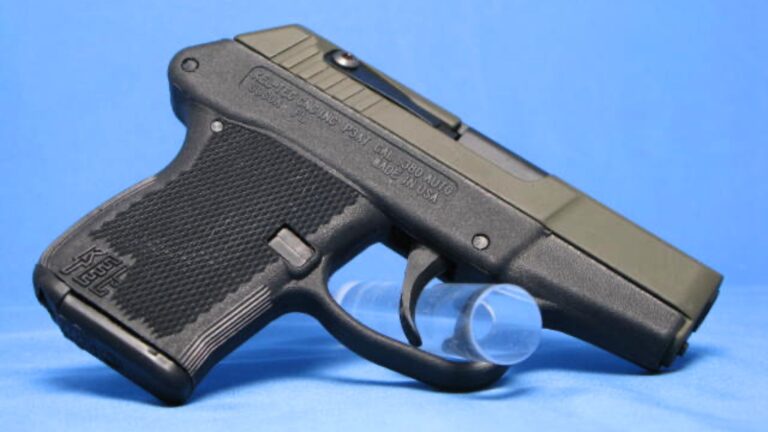
KelTec PF-9

The PF-9 appealed to buyers who wanted a slim, lightweight 9mm for carry, but the shooting experience was rough. The recoil impulse felt sharp, and the narrow grip made longer strings of fire uncomfortable. Many shooters found themselves flinching sooner than they expected.
Reliability varied widely depending on ammo, magazines, and even individual pistols. Feeding problems weren’t unusual, especially with defensive loads. While some shooters made their PF-9s work well enough, many ended up regretting the purchase once they realized practice sessions turned into endurance tests.
Beretta Nano

The Nano’s sleek appearance fooled a lot of early buyers, but field use revealed a pistol that struggled with certain ammo types. Light-for-caliber loads often caused failures to eject, and the lack of external controls made troubleshooting malfunctions slower.
The stiff trigger didn’t help either, and many shooters reported difficulty getting consistent accuracy. While the pistol had a strong following for its simplicity, the combination of inconsistent reliability and a less-than-friendly shooting experience pushed many owners toward newer micro-compacts that performed better across the board.
Ruger LC9 (Original)

Before the redesigned LC9s, the original LC9 gained a reputation for a long, heavy trigger that frustrated nearly everyone who bought it. Getting a clean shot required patience, and speed shooting simply wasn’t practical for many users.
The manual safety and magazine disconnect also felt unnecessary for a pistol meant for defensive use, and many shooters found the recoil surprisingly snappy for such a slim gun. Once competitors released cleaner-shooting options, LC9 owners didn’t hesitate to move on.
Taurus 24/7 Pro

The Taurus 24/7 Pro had an appealing price and features list, but long-term reliability became a major concern for many buyers. Trigger issues were common, and there were reports of inconsistent function across different production runs.
Some shooters experienced failures under rapid fire or when switching between ammo types. The ergonomics were comfortable, but that didn’t make up for the unpredictable performance. A lot of owners eventually decided the platform wasn’t worth the gamble and traded it for something more dependable.
SCCY CPX-2

The CPX-2 won buyers with its affordability, but once they hit the range, the DAO trigger made it tough to shoot well. Many owners found themselves struggling to manage the long pull and reset, especially under stress.
Recoil felt harsher than expected for a 9mm this size, and there were frequent reports of failures to feed depending on magazine batches. Even though SCCY offered great customer service, the shooting experience made many new owners move on quickly.
Remington R51

The revived R51 generated a lot of excitement, but early models were plagued with feeding problems, sharp edges, and inconsistent machining. Shooters found themselves dealing with constant malfunctions, making range time frustrating.
Even after revisions, many owners felt the pistol never delivered the smooth handling they were promised. The delayed-blowback design sounded appealing on paper, but real-world performance left buyers disappointed. The hype quickly faded, and so did the pistol’s reputation.
Walther CCP (Original)
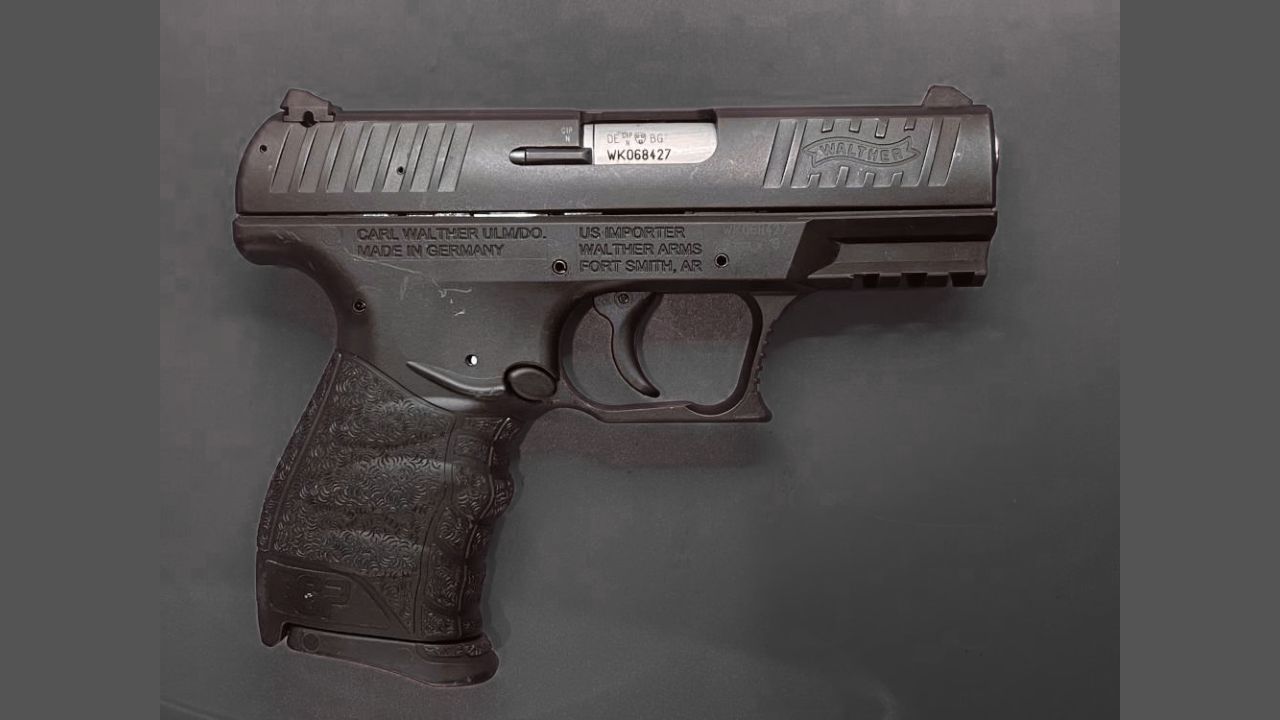
The original CCP used a gas-delayed system that caused headaches for many owners. The pistol required ammunition within a narrow performance band to run well, and malfunctions weren’t uncommon. Disassembly was also more complicated than most shooters expected for a carry pistol.
While the ergonomics were comfortable, that didn’t make up for the learning curve or the spotty reliability. Many owners sold theirs quickly once they realized how many better options existed.
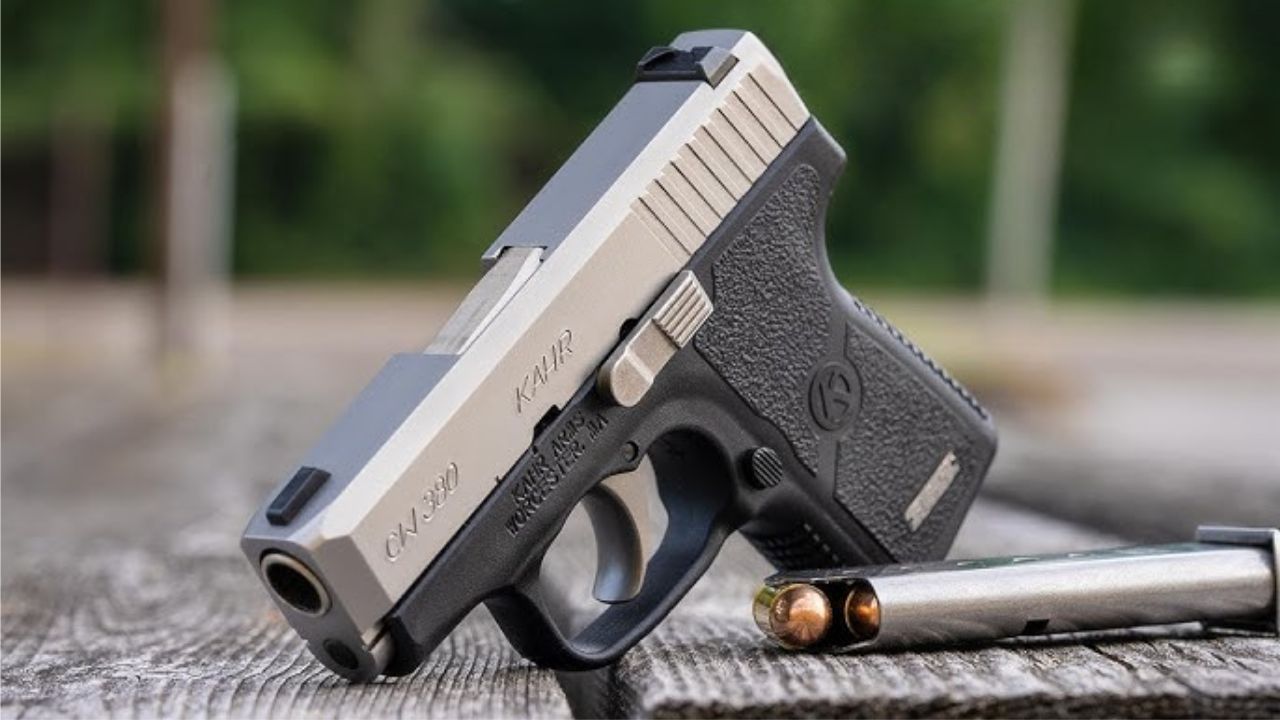
Kahr CW40

Shooters who picked up the CW40 often learned immediately how tough a lightweight .40 can be to control. The recoil was abrupt, and the narrow grip didn’t help with stability. Long shooting sessions were tough, and fast follow-ups felt sloppy.
The gun could run reliably, but most owners simply didn’t enjoy shooting it. Many eventually switched to the 9mm version or abandoned the platform for something more comfortable.
SIG Mosquito

A lot of new shooters grabbed the Mosquito thinking it would be a reliable rimfire trainer. Instead, many found a pistol that demanded premium ammo to function reliably. Bulk .22 LR often caused failures to feed or eject, which defeated the purpose of owning a plinker.
The heavy trigger didn’t help accuracy, either. Many owners eventually upgraded to other rimfire pistols that offered cleaner performance with fewer ammunition constraints.
Glock 42

Plenty of shooters bought the Glock 42 expecting Glock-level reliability in a .380 pocket gun. While many run well, a noticeable number of early owners encountered feeding issues depending on magazine batches and ammo type.
The mild caliber paired with the size also made some shooters feel like they weren’t getting much capability for the footprint. Many eventually moved to the Glock 43 or other micro-9s once they realized they could carry something more capable with similar effort.
Like The Avid Outdoorsman’s content? Be sure to follow us.
Here’s more from us: