Photo credit: Nordroden/Shutterstock.com
Some calibers get marketed as the “one rifle to do everything,” and a lot of hunters end up finding out the hard way that those promises don’t hold up. You see it every fall—someone shows up with a round they were told could handle everything from coyotes to elk, only to learn it struggles on one end or the other. There’s nothing wrong with a versatile cartridge, but plenty of rounds get pushed far beyond what they’re built for. When you stretch them past their strengths, they either fall short in power, reach, or consistency. These are the calibers that try to act like all-around choices but come up short once you take them out of their narrow lane.
.243 Winchester

The .243 Win gets recommended constantly as an all-around option, but you’ll find its performance has real limits once you push past deer-sized game. It’s a fantastic choice for varmints and whitetails, but energy drops fast with heavier bullets, especially on quartering shots. Many hunters try using it for broader tasks and quickly run into those boundaries.
While it can work with perfect shot placement, it doesn’t offer the margin you want if you’re stretching the distance or dealing with tough angles. The cartridge shines in its lane, but calling it an all-around option oversells what it can realistically handle.
.25-06 Remington

The .25-06 sits in that spot where it looks good on paper but doesn’t fully deliver when you ask too much of it. It’s great for antelope and deer, but when hunters start using it for bigger animals, its limitations become obvious. Bullet choices are lighter, and high velocity doesn’t compensate for raw sectional density or retained weight.
It’s also a cartridge that loses steam quickly on longer shots, especially in windy conditions. Many hunters want it to be an all-around performer, yet it tends to stay in a narrow window where it excels. Outside of that, the shortcomings show up fast.
.270 Winchester Short Magnum
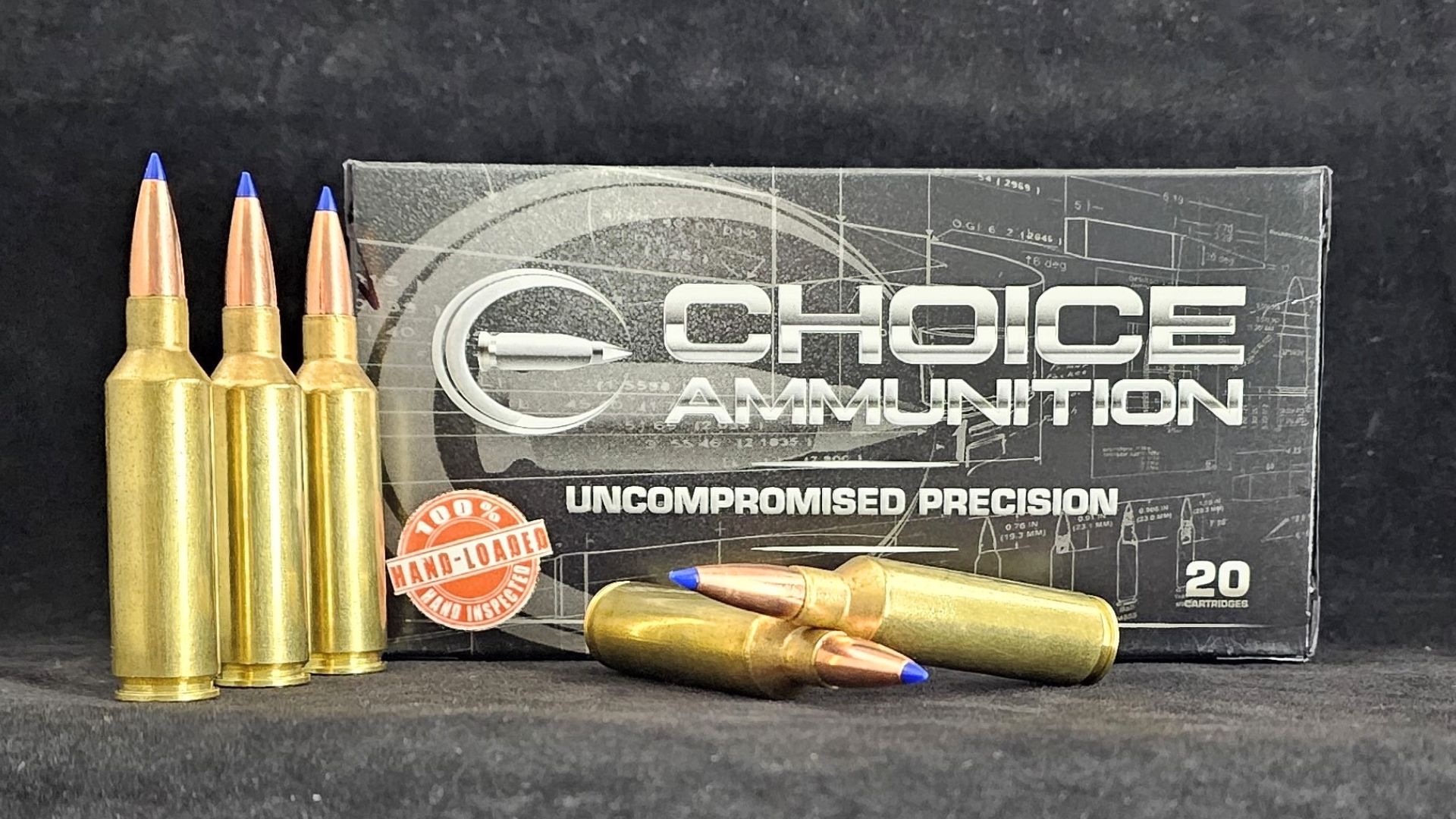
The .270 WSM gets pitched as the modern upgrade to the classic .270, but when you take it into “all-around” territory, the returns aren’t as big as people expect. Recoil jumps noticeably, barrel life drops, and ammunition often costs more without producing a dramatic field advantage.
It works well on deer, antelope, and even elk under the right conditions, but the cartridge doesn’t broaden capability as much as its reputation suggests. Many hunters discover their standard .270 Win does nearly the same job without the downsides, making the WSM feel like more cartridge than payoff.
.308 Winchester

The .308 Win is reliable and proven, but when hunters try to use it as a do-everything solution, the cracks appear. It doesn’t carry energy as well as people assume once you get past moderate range, and wind affects it more than many mid-caliber magnums.
It works fine for deer and elk in typical hunting distances, but calling it an all-around caliber oversells what it can handle at range. Inside its comfort zone, it’s dependable. Outside of it, the drop and drift take over quickly. A lot of hunters think it covers every scenario until they start pushing distance or chasing bigger-bodied animals consistently.
6.5 Creedmoor

The 6.5 Creedmoor took off as a do-it-all round, which led many hunters to expect more from it than it can consistently deliver. It’s fantastic for recoil-sensitive shooters and accurate at distance, but energy falls off sharply compared to larger rounds when you start talking elk or heavier game.
Wind performance is good, but not enough to offset the drop in punch at extended ranges. For deer-sized animals, it’s extremely solid. As an all-around choice, though, it’s stretched thin. Many hunters learn that while it shoots well, it doesn’t replace the roles of bigger cartridges.
7mm-08 Remington
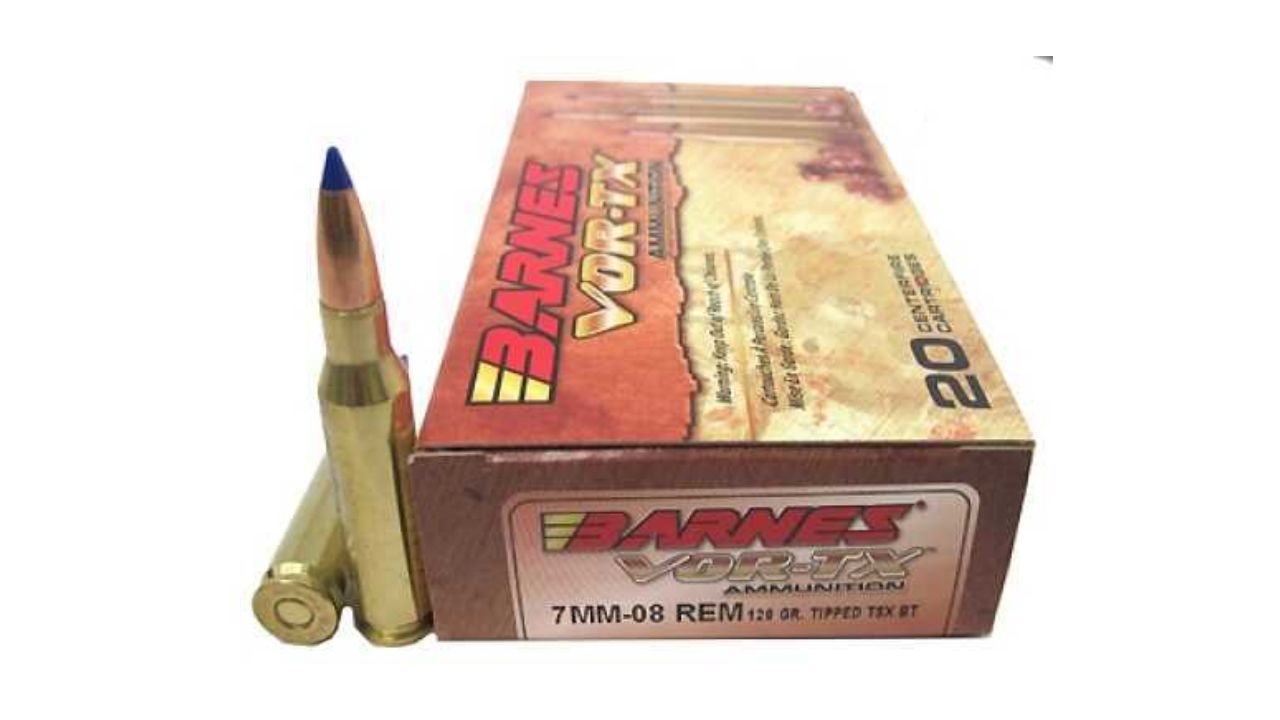
The 7mm-08 sits in a comfortable middle ground, but that middle ground is where it maxes out. Hunters who treat it as an all-around round often find it struggles with larger game at longer distances. Bullet selection is solid, but velocity limits how far you can push it.
It works beautifully on deer, and recoil is friendly, but it lacks the horsepower some hunters expect when they try to stretch its role too far. In the right pocket, it’s excellent. Outside that pocket, performance tapers off quickly.
.260 Remington

The .260 Rem can be extremely accurate, but people expecting it to behave like a true all-around caliber often walk away disappointed. It mirrors the 6.5 Creedmoor closely, and that means drop in energy past moderate distances.
It’s a great deer cartridge and does well on open-country shots, but when someone tries pushing it into elk territory or stretching it to longer ranges, limitations come fast. The round carries a loyal following, but not because it can do everything—it’s because it handles a narrow set of tasks very well.
.30-30 Winchester

Many hunters still call the .30-30 an all-around round because of tradition, but it falls short once you move past close-range woods hunting. Its trajectory limits you more than people expect, and energy drops off quickly with flat-nosed bullets.
Inside 150 yards, it does exactly what it’s supposed to. Past that, the compromises stack up. Hunters who expect it to cover a wide range of conditions quickly learn it’s best kept in thick timber and not treated as a universal option.
.300 Blackout

The .300 Blackout is incredibly useful inside its intended range, but when people try to stretch it into an all-around rifle role, it falls flat. Subsonic loads drop fast, and even supersonic loads lose velocity quickly on longer shots.
It can work for deer at reasonable ranges, but you can’t treat it like a general-purpose big-game round. Hunters who try often end up dealing with limited reach, limited bullet performance, and a steep learning curve when judging holdover.
7.62x39mm

Hunters who try using 7.62×39 as an all-around big-game solution quickly see how limited it is. Accuracy varies widely depending on rifle and ammo, and factory hunting bullets don’t offer the consistency you get from more modern cartridges.
It performs fine at close range, but it runs out of steam fast as distance increases. Many think it mimics the .30-30, but the trajectory and terminal performance aren’t as dependable. It’s a workable short-range option—not the all-around choice some make it out to be.
.280 Remington
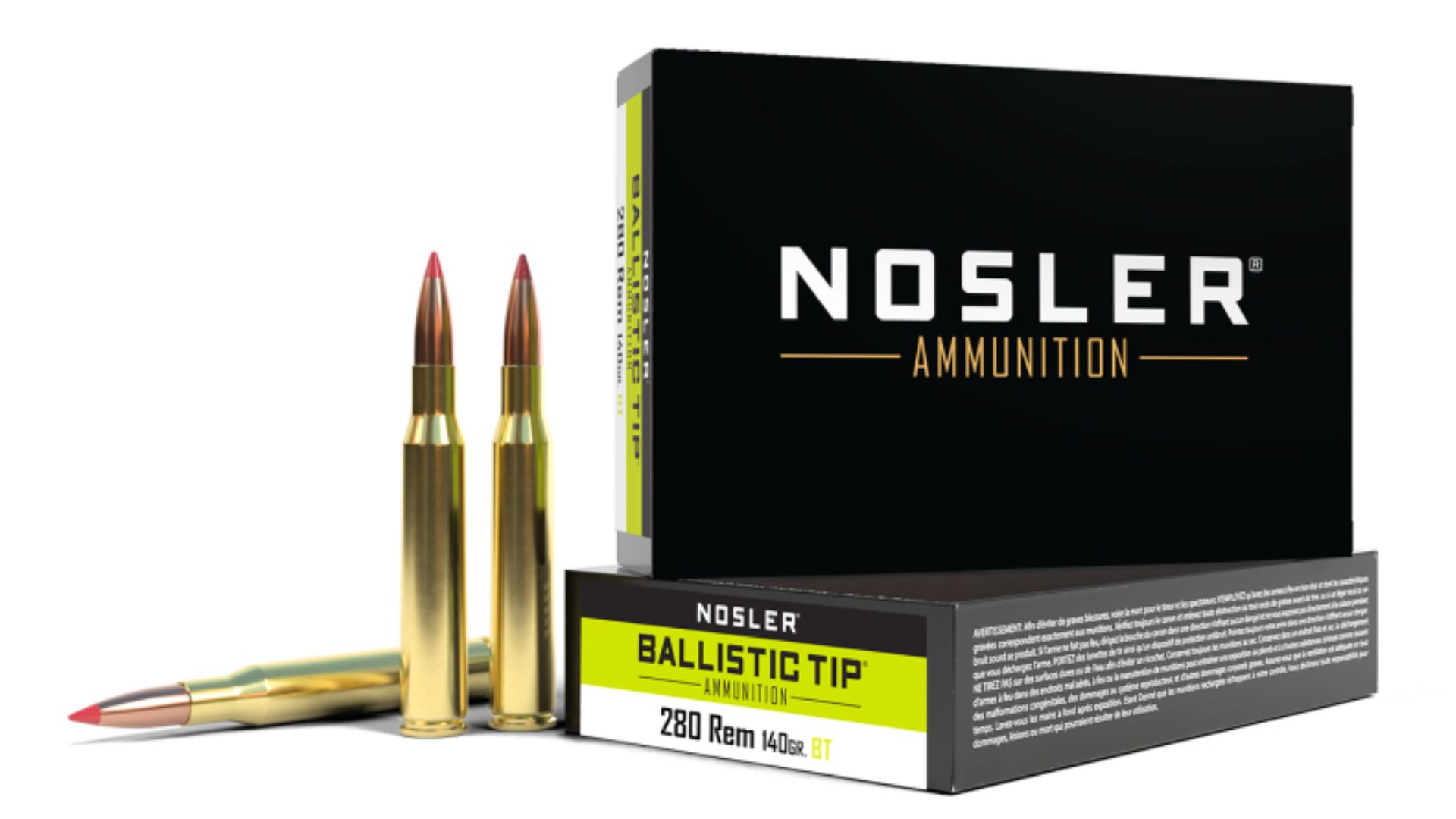
The .280 Rem sits in an awkward spot. Some hunters push it as the “perfect” all-around caliber, but its real advantage over more common rounds is smaller than they expect. Performance is good, yet not dramatically better than the .270 or .30-06.
It handles a wide range of game, but ammunition availability makes it harder to treat as a universal option. Many hunters who try making it their do-everything rifle end up switching simply because finding ammo consistently becomes a hassle.
.30-06 Springfield
The .30-06 has history behind it, and plenty of hunters swear it can do everything. But once you start stretching distance or targeting very large game, its limitations become clearer. Newer cartridges outpace it in drop, drift, and energy retention.
It still works extremely well inside traditional distances, but calling it an all-around modern choice feels dated. Hunters who push it too far quickly learn it doesn’t keep up with today’s long-range-capable rounds or the heavier hitters designed for elk and moose.
.280 Ackley Improved

While the .280 AI is extremely capable, many hunters try to treat it as the ultimate all-around solution and discover that real-world performance doesn’t match the hype. It kicks more than mid-calibers and demands quality optics to take full advantage of its potential.
It handles a variety of game well, but ammo availability and rifle options keep it from being as universal as some claim. If you want true all-around practicality, the .280 AI requires more commitment than many hunters expect.
.350 Legend

The .350 Legend gets marketed as a capable all-around round in straight-wall states, but in reality, it’s a close-range deer cartridge. Energy drops sharply, and bullet expansion becomes unreliable once you stretch it.
It’s easy to shoot and affordable, which makes it appealing, but that doesn’t make it versatile. When people try using it outside its limited range band, they quickly learn it lacks the horsepower needed for broader roles.
.22-250 Remington

The .22-250 is a fantastic predator cartridge, but when someone tries to treat it as an all-around option for deer and everything else, things go sideways quickly. High velocity doesn’t make up for light bullet weight, especially on tough angles.
Wind drift also becomes a factor fast. It’s perfect for coyotes and long-range varmints, but hunters expecting it to work on a wide range of game end up dealing with shallow penetration and inconsistent terminal performance.
Like The Avid Outdoorsman’s content? Subscribe to our newsletter so you never miss an article.
Here’s more from us: