Photo credit: TGS Outdoors/Youtube
There’s a phase most hunters go through where they read specs like they’re studying for a test. Twist rates, bolt lift angles, ounces saved, group size claims, fancy coatings, and whatever the internet is excited about this week. Then you get a few seasons under your belt, a few rifles that let you down at the worst time, and you start caring about different things.
You start caring about whether the bolt runs when it’s cold and gritty. Whether the magazine stays put when you crawl under a fence. Whether the rifle still prints where it should after a long ride in a UTV scabbard. The rifles below are the ones I keep seeing hunters move to after they’ve had enough hiccups, weird quirks, and “it should’ve worked” moments. Some are boring. Some are heavy. Most just work.
1. Ruger American Rifle
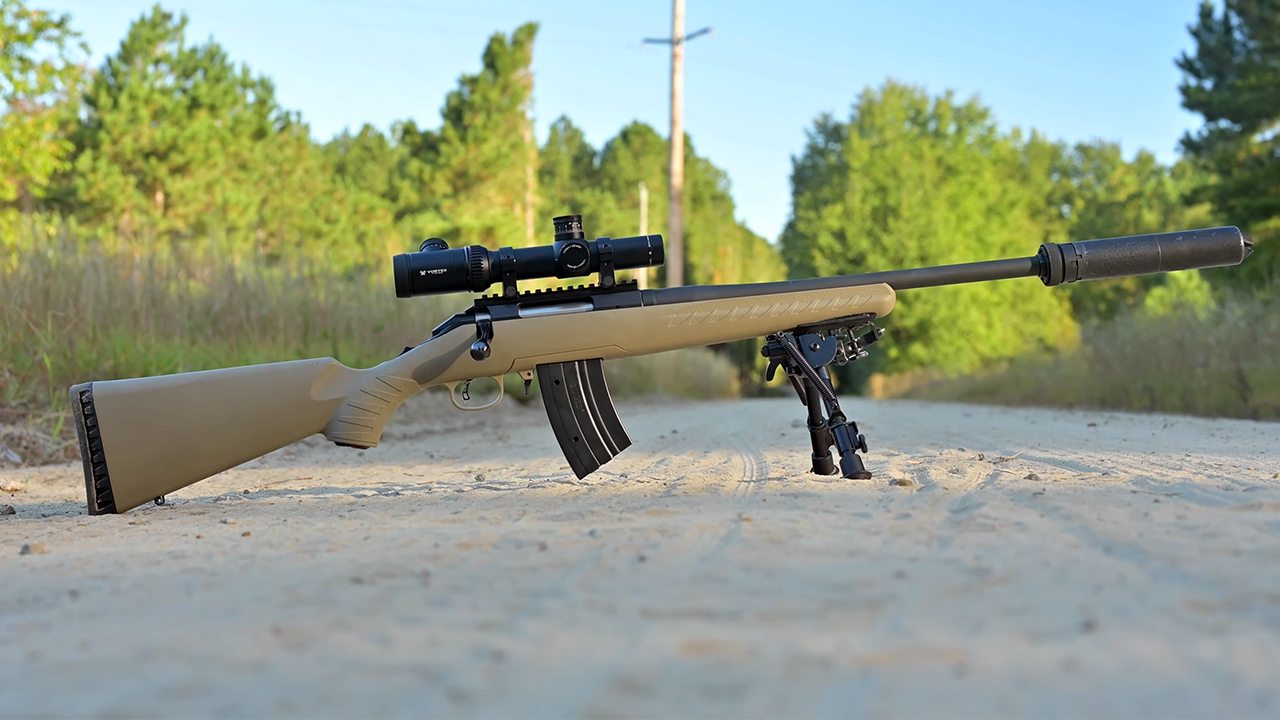
I’ve watched guys go from slick “premium” rifles right back to a Ruger American because they got tired of babying gear. The American isn’t trying to impress anybody at the gun counter, but it tends to shoot straight, feed reliably, and shrug off a season of abuse.
The rotary magazine (or AI-style on certain models) isn’t perfect for everyone, but it’s generally dependable and easy to replace. The best part is you can buy one, mount a basic scope, and stop thinking about it. There is nothing fancy about it, and that is kind of the point.
2. Tikka T3x Lite
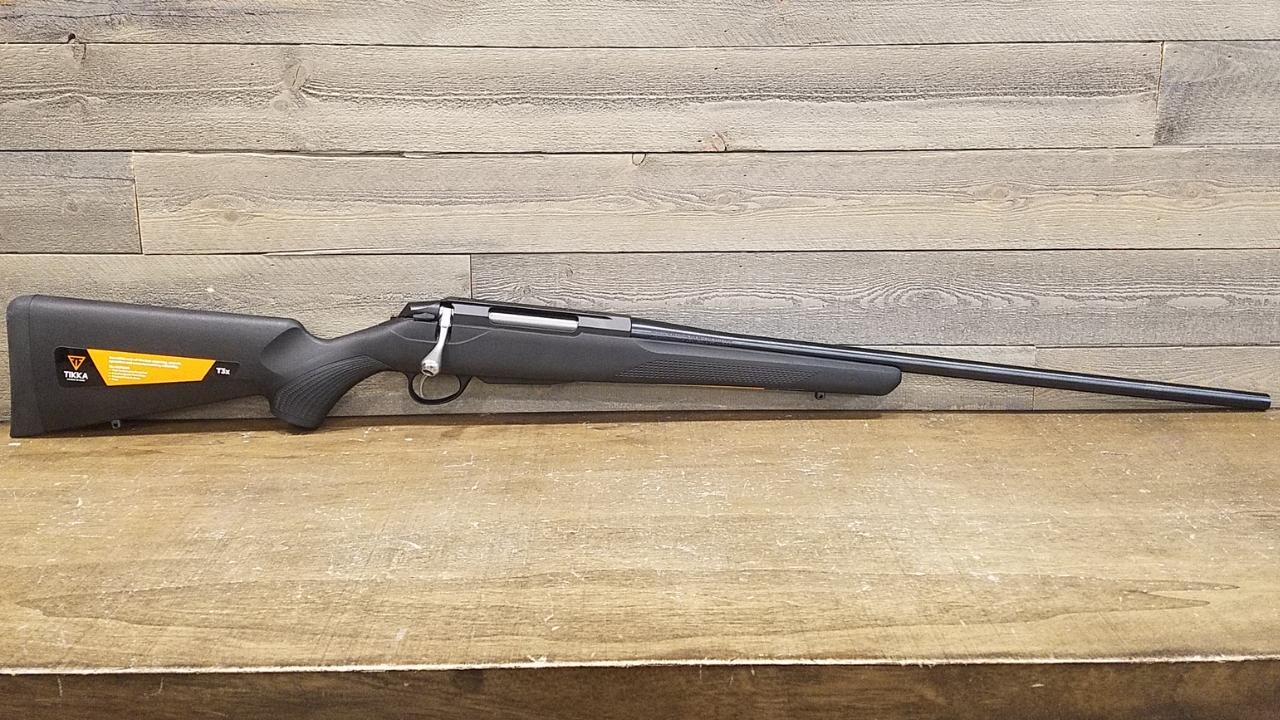
When hunters get burned by rough actions and finicky feeding, a T3x feels like somebody oiled the whole world. The bolt is smooth, it chambers clean, and it’s the kind of rifle that makes you realize how much time you spent fighting other rifles.
It’s not the cheapest, and the factory stocks aren’t everyone’s favorite in the looks department. But in cold rain with gloves on, the Tikka tends to behave. Ask me how I know.
3. Savage 110 (modern AccuFit models)
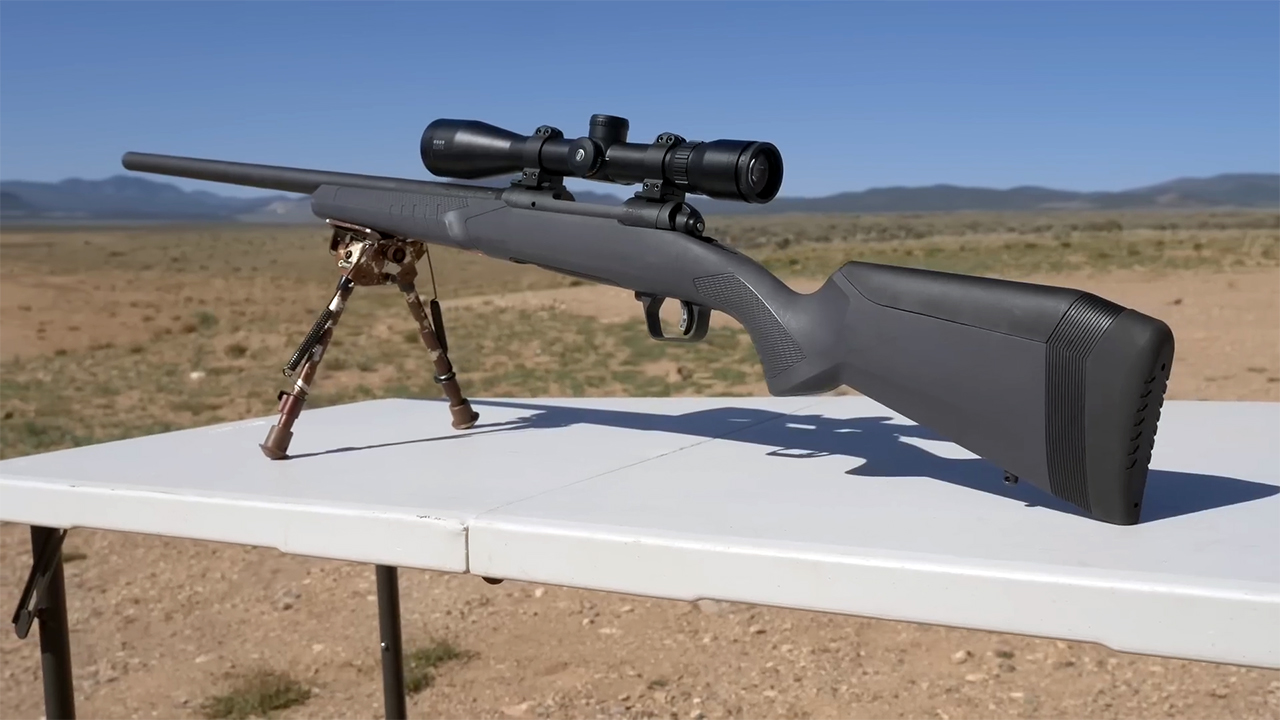
Accuracy sells Savage rifles, but what keeps them in camps is that they’re usually straightforward to live with. The AccuFit system is not glamorous, but it lets you get length of pull and comb height close without a gunsmith.
After dealing with rifles that “fit on paper” and still beat you up behind the scope, a 110 set up right can be a relief. The bolt feel isn’t Tikka-smooth, but they run, and they keep shooting when they’re dirty.
4. Browning X-Bolt

The X-Bolt is where a lot of hunters land after a couple bad “value rifle” experiences. It carries nicely, points naturally, and the rotary magazine system is one of the better ideas Browning stuck with.
It’s not immune to scope-mount mistakes like any other rifle, but the platform itself is solid. The action feels like it was built for hunting instead of benchrest daydreams. For a lot of folks, that’s the upgrade that actually feels like an upgrade.
5. Winchester Model 70 (controlled-round feed)
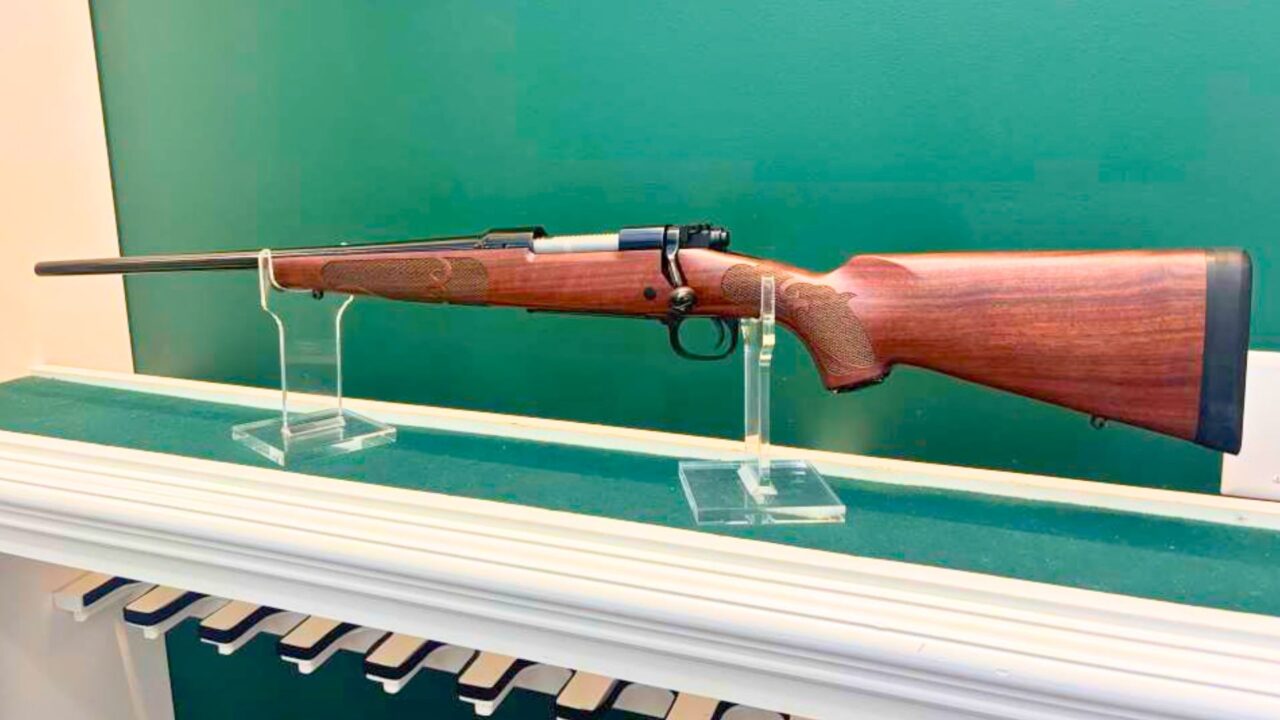
Controlled-round feed is one of those things people argue about until they’ve had a rifle fail to pick up a round when it’s tilted weird in a blind or you’re shooting off an awkward angle. A Model 70 tends to feed like it means it.
It’s also a rifle that doesn’t mind being carried. Not “lightweight mountain wand” carried, but normal hunting carried—through brush, over gates, and back into the truck at dark. The three-position safety is still one of the best hunting safeties going.
6. Remington Model 700 (older, proven examples)
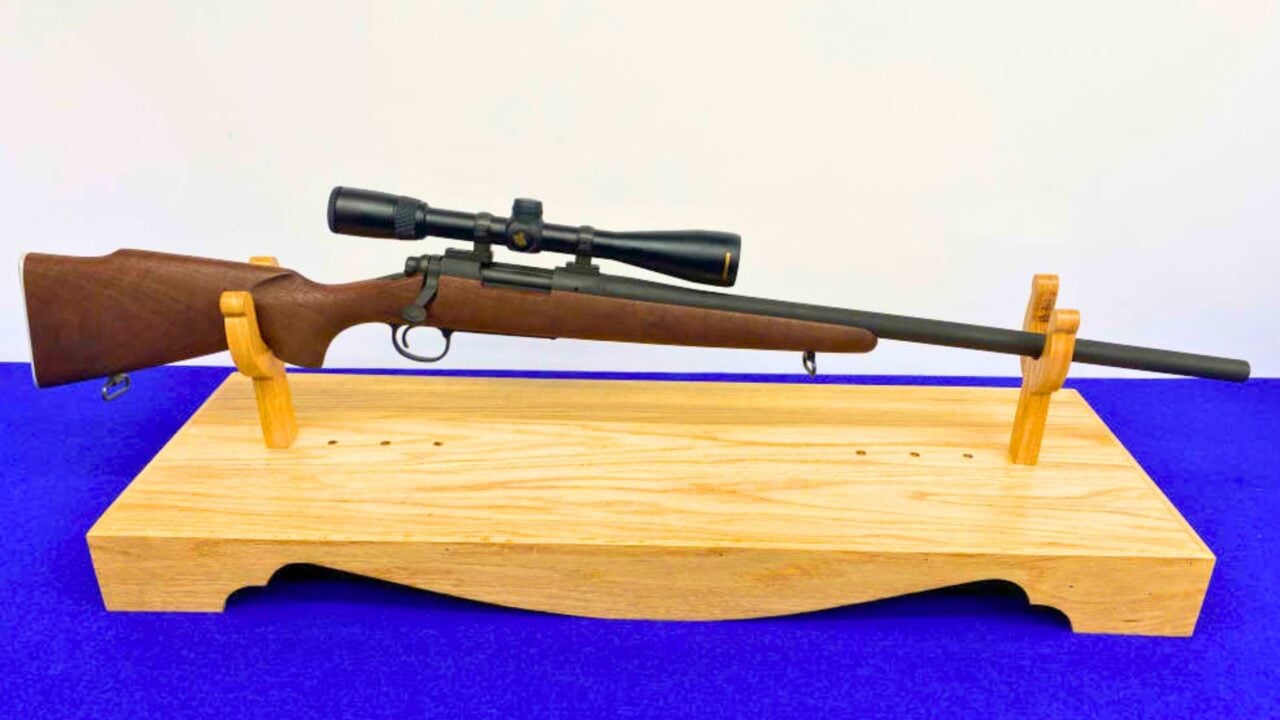
Say what you want about the internet noise around the 700, but a good older one is a simple tool with endless parts support. When hunters get tired of being stuck with proprietary magazines and weird one-off design choices, the 700 ecosystem looks pretty attractive.
Triggers, stocks, bottom metal, scope bases—everybody makes something for it. That doesn’t mean every 700 is perfect, and I’d inspect any used rifle like you mean it. Still, the number of them that quietly stack animals every year is hard to ignore.
7. Ruger M77 Hawkeye
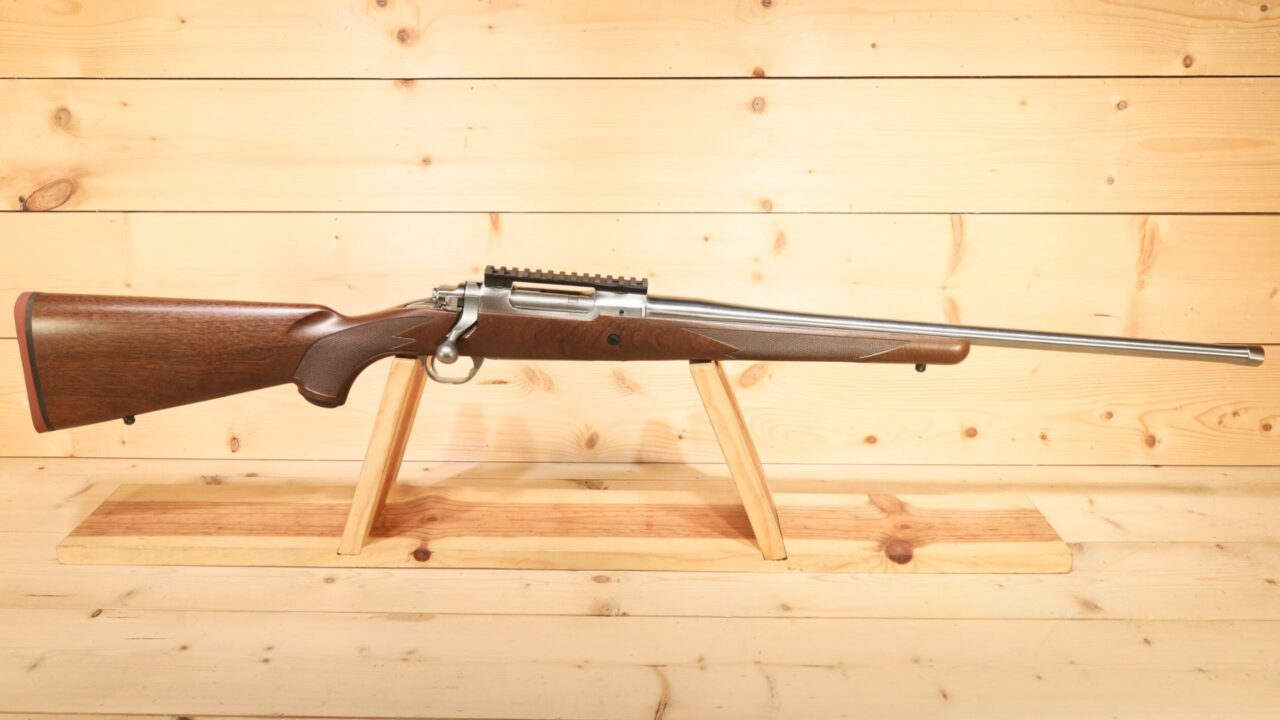
The Hawkeye is the “I’m done with delicate” rifle. It’s got a controlled-round feed style action, a real-world stock design, and it tends to hold together when a rifle spends more time riding around than sitting in a safe.
They can be a touch heavier than the ultralight crowd wants, and some triggers have been better than others. But if your priority is a rifle that won’t act surprised by dust, rain, or a hard knock, the M77 starts making sense.
8. CZ 557

The CZ 557 didn’t get the same hype as some brands, but it earned a quiet following with hunters who just wanted a rifle that fed and shot like a rifle should. It’s a classic-style bolt gun with honest balance and usually very respectable accuracy.
What I notice most is how “normal” it feels in the hands—like it was built for field positions, not for Instagram. Magazines and parts aren’t as everywhere as some other models, but most owners aren’t burning through parts anyway.
9. Kimber Hunter

Light rifles are often a love-hate relationship. Guys buy them for the scale number, then find out they’re picky, snappy, or just not fun to practice with. When the right Kimber Hunter shows up, it’s the opposite experience: light enough to carry all day, accurate enough to trust.
Not every lightweight rifle is forgiving, and I’m not pretending every Kimber ever made is flawless. But the hunters who switch to one usually do it after they’re tired of packing a boat anchor on steep ground.
10. Weatherby Vanguard

The Vanguard is a work truck. It’s not the rifle you buy to brag about ounces and carbon fiber, but it’s a rifle that can live behind a seat, ride in a case, and still put bullets where they belong.
The two-stage trigger feel is something many hunters end up liking once they actually hunt with it. It’s also one of those rifles that seems to tolerate different ammo without becoming moody about it.
11. Bergara B-14 Ridge
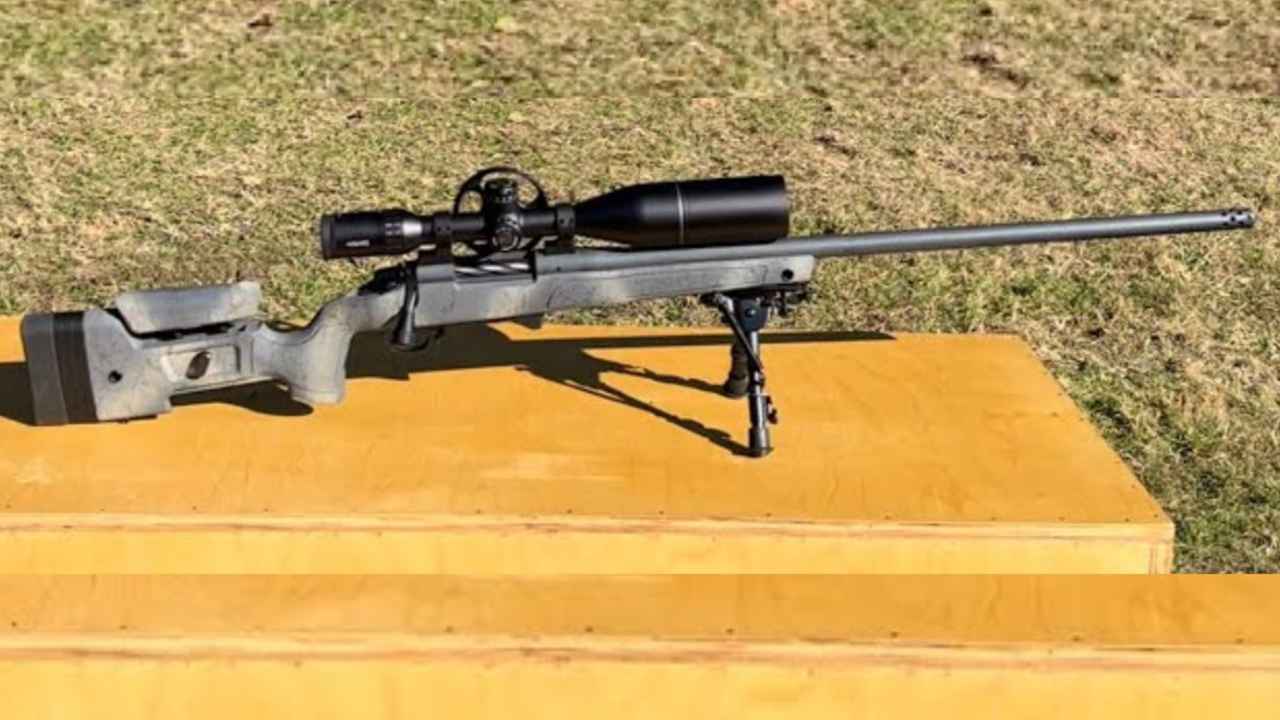
The B-14 Ridge is where a lot of guys go after they’ve tried a couple “precision-ish” rifles that were more drama than results. Bergara figured out how to build a 700-footprint rifle that feels like it was assembled by people who actually shoot.
It’s not ultralight, and that’s part of why it’s pleasant to shoot. If you’ve ever missed because you flinched off a too-light rifle in a hard-kicking caliber, the Ridge starts to look like wisdom instead of extra pounds.
12. Howa 1500

Howa rifles don’t always get the respect they deserve because they’re not loud about themselves. But the 1500 action is solid, the rifles generally shoot, and they tend to keep working without needing constant tinkering.
It’s also easy to find them in practical packages—basic synthetic stocks, no-nonsense barreled actions, and common chamberings. For a hunter who’s tired of proprietary everything, a Howa is a reset button.
13. Sako 85

Some hunters get to a point where they’re done gambling. They don’t want another rifle that “might be good after a break-in” or “probably just needs a different magazine.” They buy a Sako and move on with their lives.
The Sako 85 isn’t cheap, and I’m not calling it necessary. But it’s the kind of rifle that feels finished—smooth action, controlled feeding, excellent fit. If you’ve had a bolt handle come loose or a cheap stock twist on a bipod, you get the appeal fast.
14. Springfield Armory Waypoint
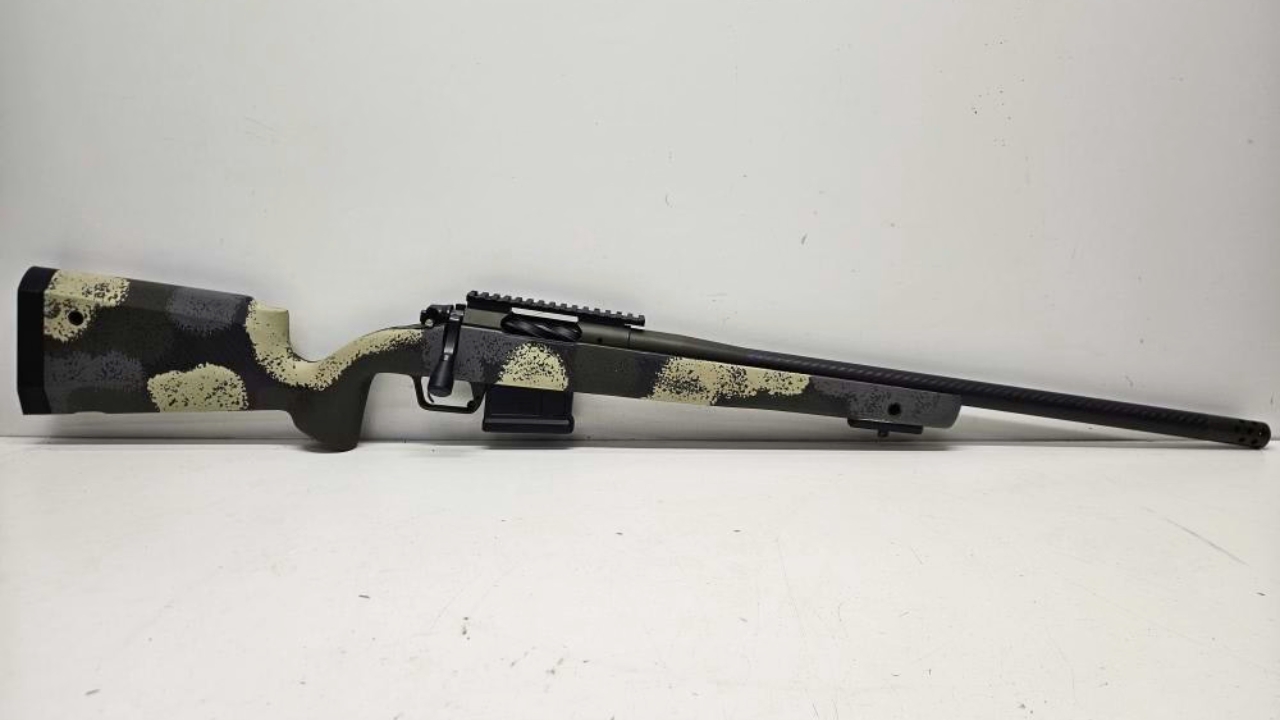
The Waypoint shows up when hunters want a lighter, modern rifle without the sketchy “custom-lite” quality control that sometimes comes with trendy builds. It’s a serious hunting rifle for people who actually hike, not just talk about hiking.
It’s pricey, and I’m not pretending it’s a bargain. But it tends to deliver where it matters: consistent accuracy, good materials, and a setup that doesn’t need immediate replacement parts to be field-ready.
15. Christensen Arms Ridgeline (when you get a good one)

This one is complicated. I’ve seen enough inconsistency with carbon rifles in general that I get why some hunters swear them off. But I’ve also watched hunters switch to a Ridgeline after carrying heavy rifles for years, and once they have one that’s right, they stop shopping.
It’s for the guy who will actually shoot it, confirm zero, and not just assume expensive means perfect. If you’re meticulous about checking your gear, a good Ridgeline is a joy in steep country. If you want “never think about it,” you might pick something else.
16. Ruger Gunsite Scout Rifle
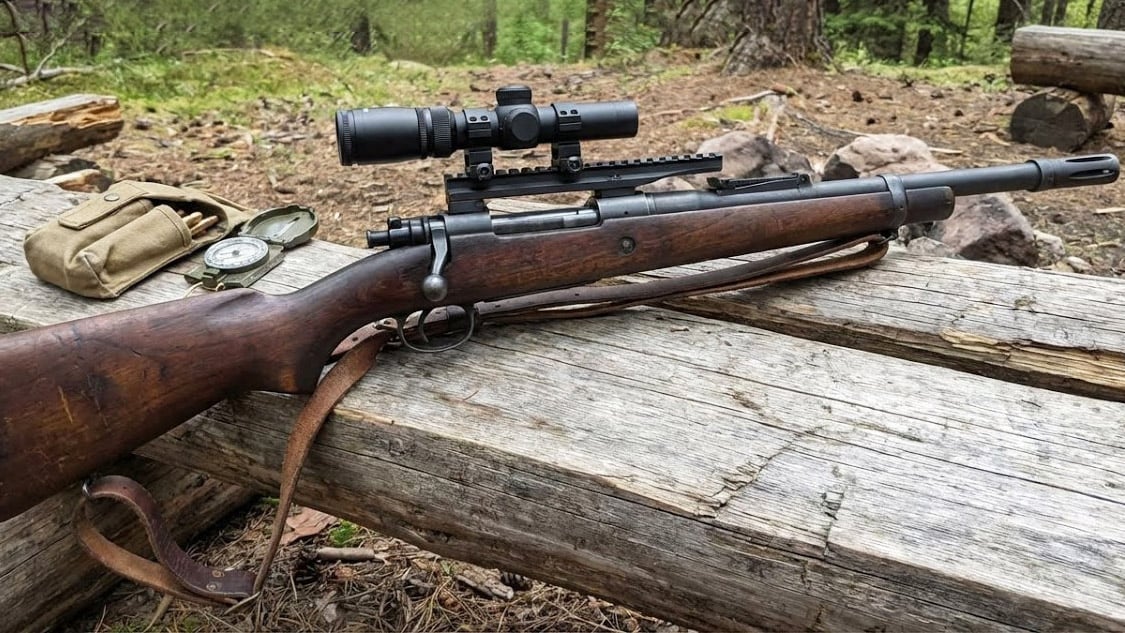
After enough bad experiences chasing “the perfect do-everything setup,” some hunters circle back to a scout rifle concept that’s just practical. The Gunsite Scout is handy, short, and quick to carry in thick stuff.
It’s not a benchrest toy and it’s not the lightest rifle around, but it’s balanced. The detachable box magazine is easy to manage with cold hands, and the iron sights are there when optics get bumped. It’s an “I’m going hunting” rifle, not an “I’m optimizing” rifle.
17. Marlin 336

Every few seasons somebody gets fed up with scope fog, busted turrets, or a rifle that feels like a fence post in the woods. They pick up a Marlin 336 and remember what it’s like to carry a rifle that points where you look.
Lever guns aren’t perfect. Tube loading is slower, and ballistics aren’t magical. But for woods hunting, a 336 is a steady answer that doesn’t care about online arguments.
18. Henry Long Ranger
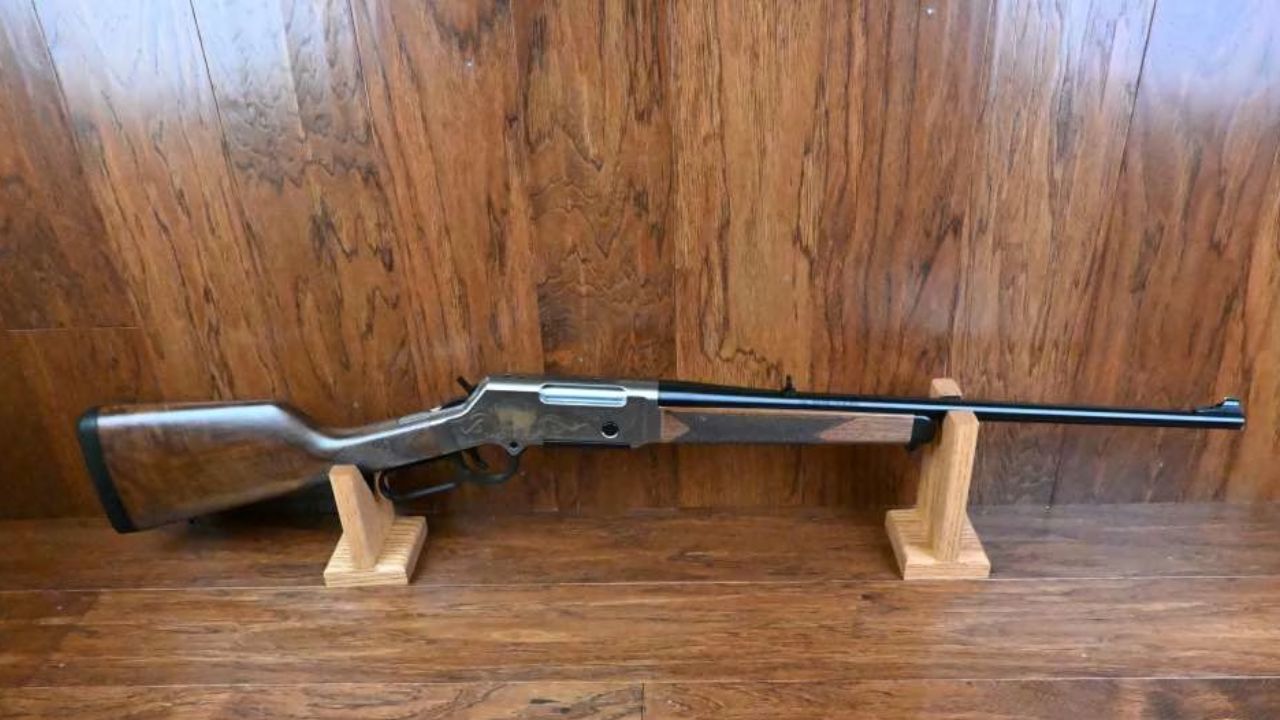
For hunters who love lever guns but want a box magazine and spitzer bullets, the Long Ranger is a real solution. It’s not trying to be a cowboy prop. It’s a modern hunting lever action that’s easier to live with than some folks expect.
If you’ve had enough of bolt guns hanging up on a pack strap or digging into your back on a sling, the Long Ranger carries differently. It’s also one of those rifles that gets shot more, because it’s fun and practical at the same time.
19. Ruger No. 1

Single-shots make no sense on a spec sheet. One round, slower reloads, and usually not cheap. And yet, after hunters get tired of chasing tiny mechanical advantages, some of them choose a Ruger No. 1 because it forces simplicity.
It’s compact for its barrel length and it carries well in one hand. It’s also the kind of rifle you tend to handle carefully without even thinking about it. For the hunter who wants to slow down and make the first shot count, it scratches an itch nothing else does.
20. Mossberg Patriot
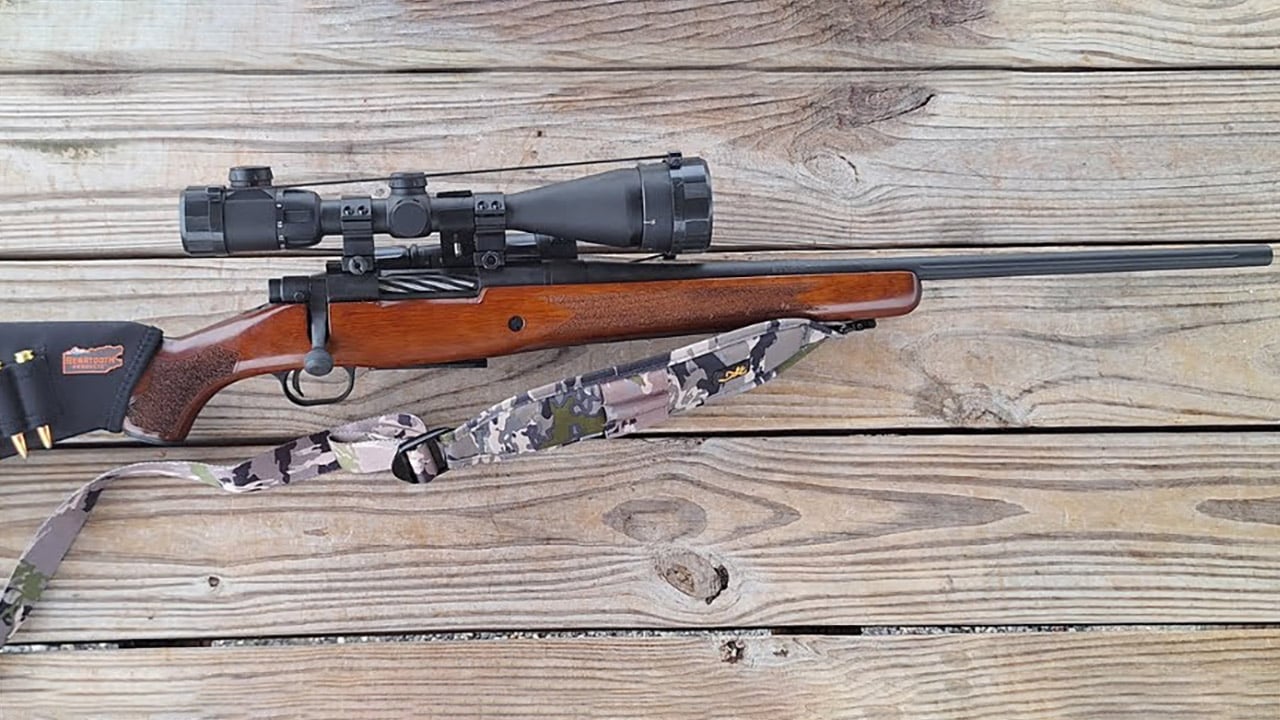
The Patriot is an interesting “late switch” rifle for hunters who got burned by bargain guns that felt bargain in the field. The Patriot isn’t fancy, but when you find one that feeds right and shoots right, it’s an honest hunting rifle at a price that doesn’t sting.
It’s also easy to set up without going down a rabbit hole. Mount a decent scope, check your screws, verify your zero, and go hunt. After enough bad experiences, that kind of straightforward starts to look pretty smart.
The common thread with all of these rifles isn’t a magical feature or a flashy finish. It’s trust. After you’ve watched a magazine pop loose in tall grass, or a bolt bind up when you’re hurried, you stop caring about the little spec-sheet bragging points and start caring about what still works when you’re cold, tired, and trying to do things with gloves on. Pick a rifle that you’ll actually practice with, confirm it in real conditions, and carry it enough to learn it. That’s the “spec” that matters most.
Like The Avid Outdoorsman’s content? Subscribe to our newsletter so you never miss an article.
Here’s more from us: