Photo credit: Muddy River Tactical/YouTube
Some pistols hang around gun-store shelves because they are cheap, familiar, or just interesting enough to make someone stop and ask about them. That does not mean they still deserve the spot. The handgun market has moved fast, and there are too many reliable, affordable, easy-shooting options now to keep making excuses for guns with rough triggers, bad ergonomics, poor support, weak capacity, or a reputation that never fully recovered.
This is not about saying every pistol below is guaranteed to fail. Some owners have examples that work fine. The point is that these are hard to recommend today when better pistols are sitting nearby for similar money.
SCCY CPX-2
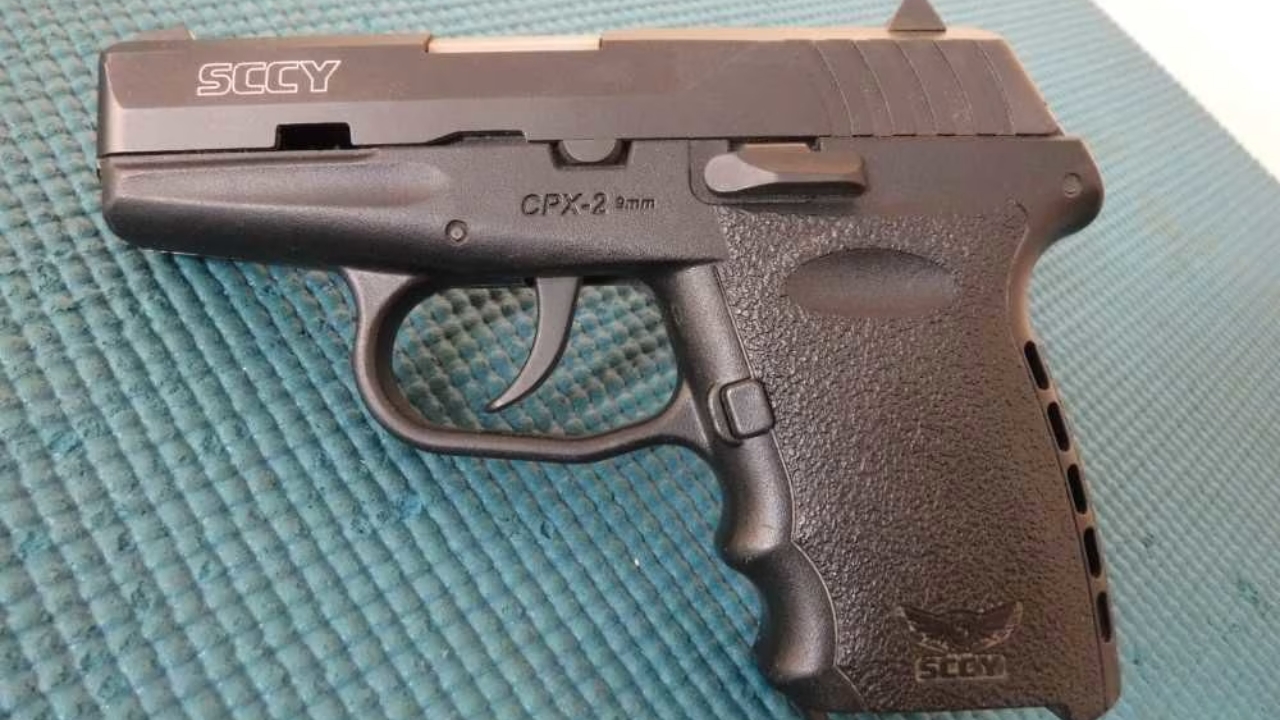
The SCCY CPX-2 still shows up because it is cheap, compact, and chambered in 9mm. For someone shopping on price alone, it can look like an easy answer. The problem is that a carry pistol needs to do more than exist at a low number on the tag.
The long, heavy double-action trigger makes it harder to shoot well, especially for newer owners. Recoil is not especially pleasant, and the overall feel is very budget. With pistols like the Ruger Security-9 Compact, Smith & Wesson Equalizer, and used M&P Shields floating around, the CPX-2 is tough to justify.
SCCY DVG-1
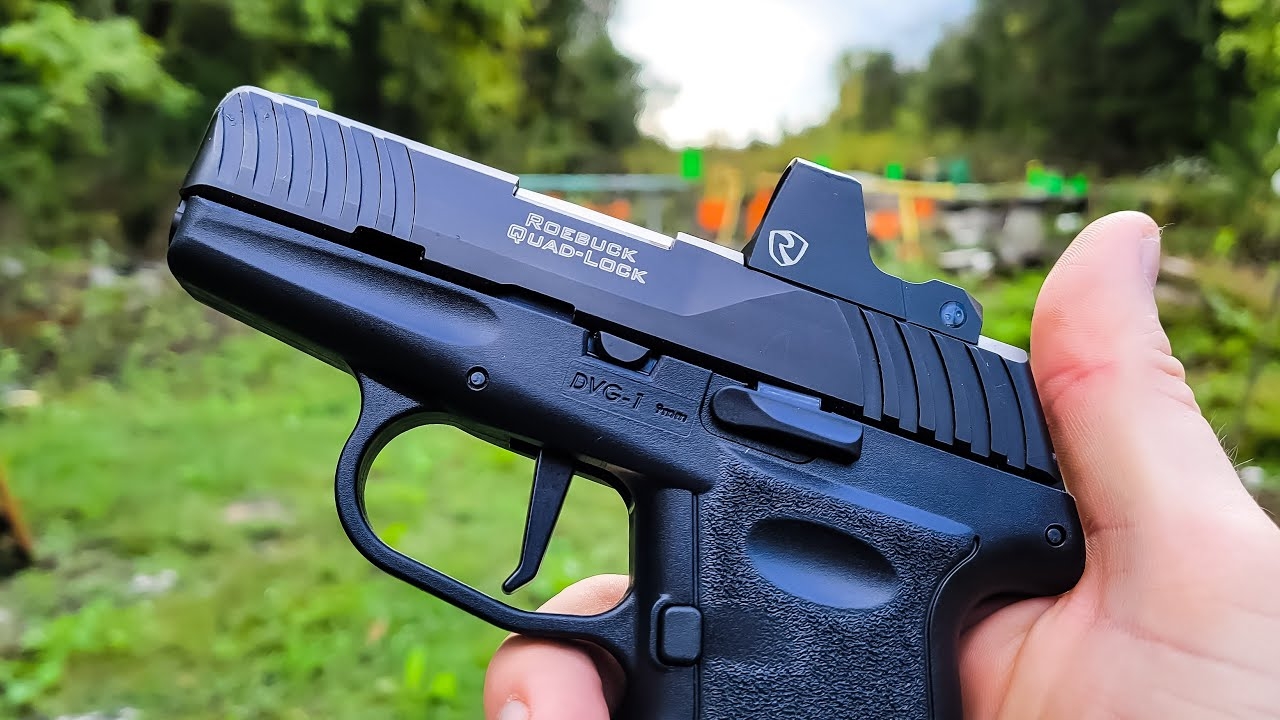
The DVG-1 was supposed to move SCCY forward by giving buyers a striker-fired option instead of the old CPX trigger. That sounded like a smart fix, because the trigger was one of the biggest complaints with the older guns.
But the DVG-1 still feels like a pistol built mostly around being inexpensive. It never built the kind of strong trust or demand that makes a modern carry gun feel safe to recommend. If a buyer wants a budget defensive pistol, there are more proven choices from Ruger, Smith & Wesson, Glock, Canik, and CZ.
Taurus G2c

The Taurus G2c sold like crazy because it gave buyers capacity, compact size, and a low price. It also helped Taurus regain some ground with people who wanted a cheap carry pistol that did not feel completely outdated.
Still, the G2c is hard to defend as something that should keep getting pushed today. The trigger is not great, quality can feel inconsistent, and the pistol has been passed by better options, including Taurus’s own newer guns. It may have made sense years ago, but it should not be the first thing a serious buyer is pointed toward now.
Taurus G3c
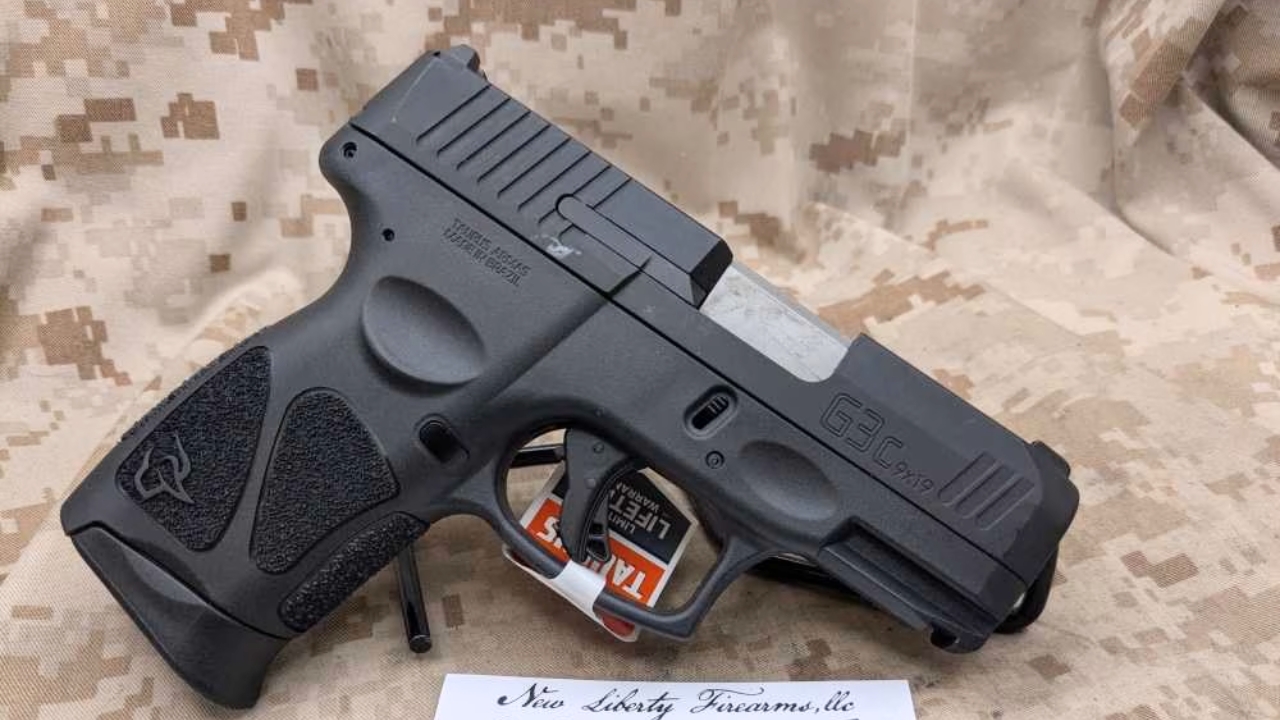
The Taurus G3c is newer and better than the G2c in some ways, but it still belongs in the caution pile. It is affordable, widely available, and has enough features to look competitive on paper. That is why it keeps selling.
The issue is that it still feels like a budget compromise next to stronger compact carry pistols. Some owners get good ones, others report feeding, magazine, or trigger complaints. When the price gap to a better pistol is not huge, the G3c starts looking like a gun people buy because it is cheap, not because it is the best choice.
Taurus GX4
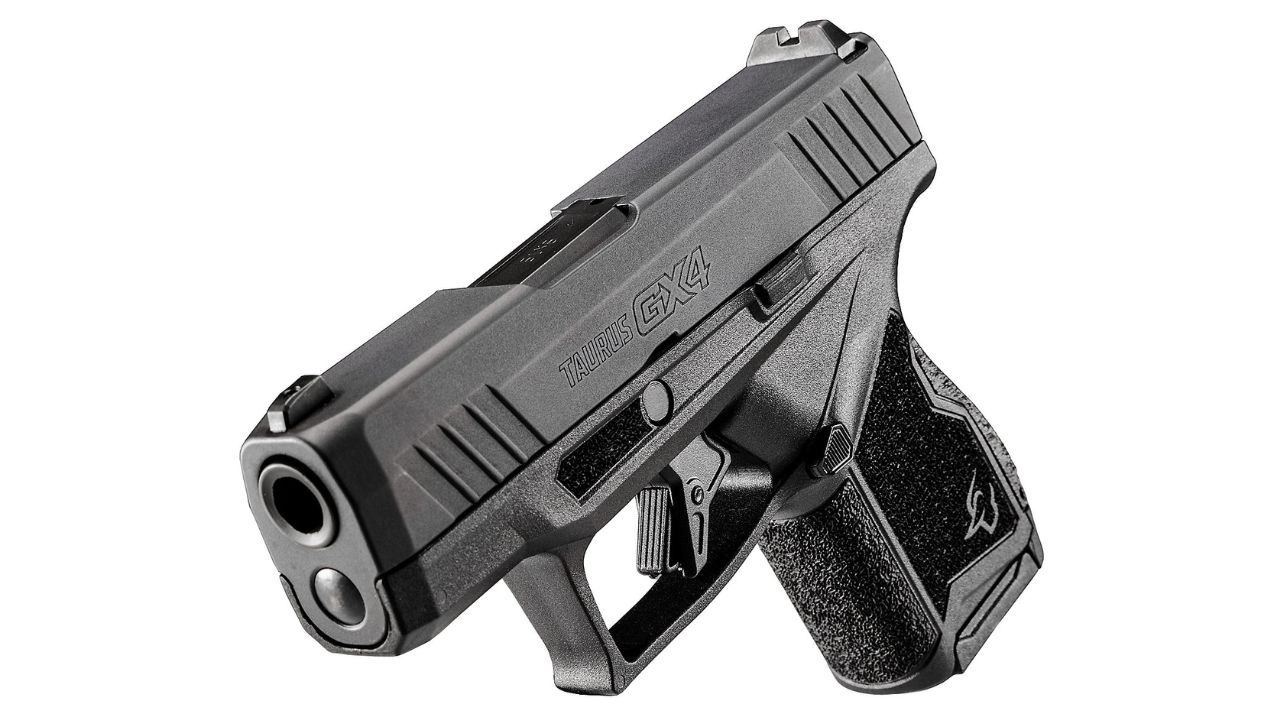
The Taurus GX4 is one of the better modern Taurus pistols, and it deserves more credit than the older bargain guns. It is small, efficient, and gives buyers a real micro-compact option at a lower price than many competitors.
But “better for Taurus” is not the same as “best in class.” The GX4 still has to fight the company’s quality-control reputation, and micro-compacts already leave less room for problems. When guns like the Shield Plus, P365 XL, Glock 43X, and Hellcat Pro are available, the GX4 has to win on price more than confidence.
Kimber Micro 9
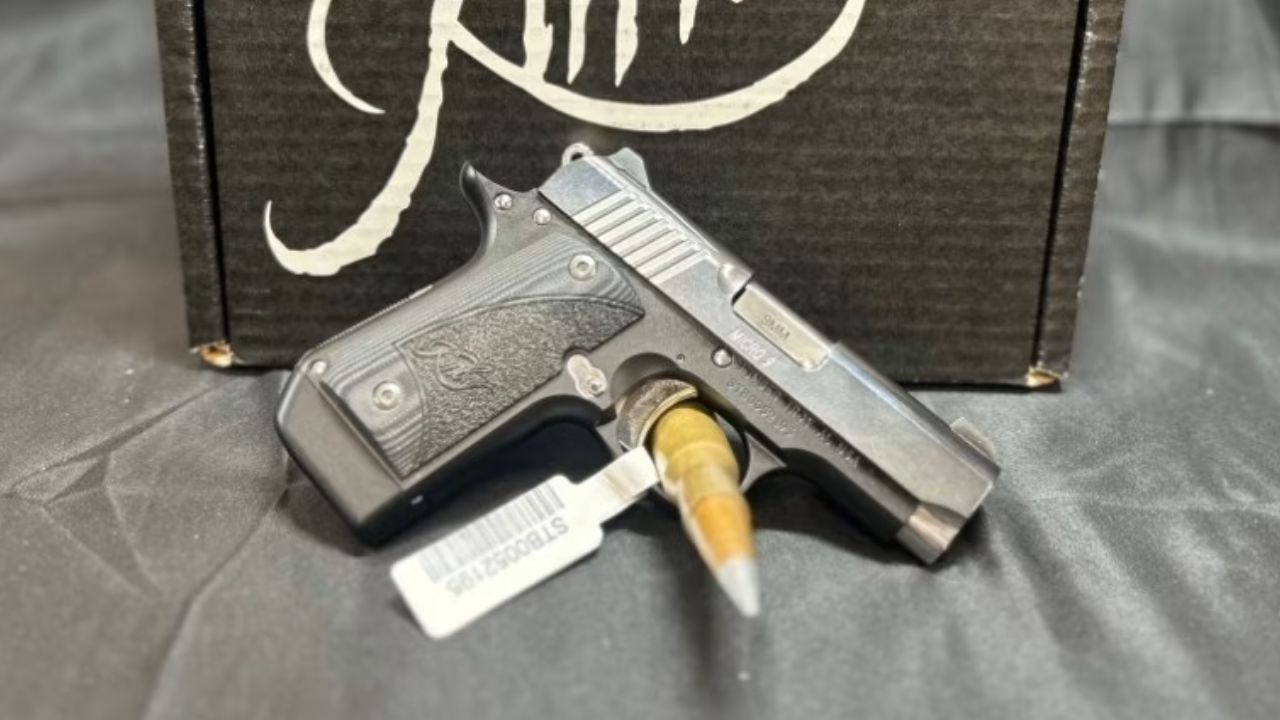
The Kimber Micro 9 looks great in a case. It has metal-frame charm, nice styling, and a small 1911-like profile that appeals to people who do not want another polymer carry gun. It sells partly because it feels more upscale than the average micro pistol.
The problem is that tiny 1911-style pistols can be picky, and the Micro 9 has enough complaints around feeding, extraction, magazines, and break-in sensitivity to make it hard to recommend. It may be pretty, but a carry gun has to be boringly dependable first. There are too many better modern carry options for this one to keep getting shelf space.
Kimber R7 Mako
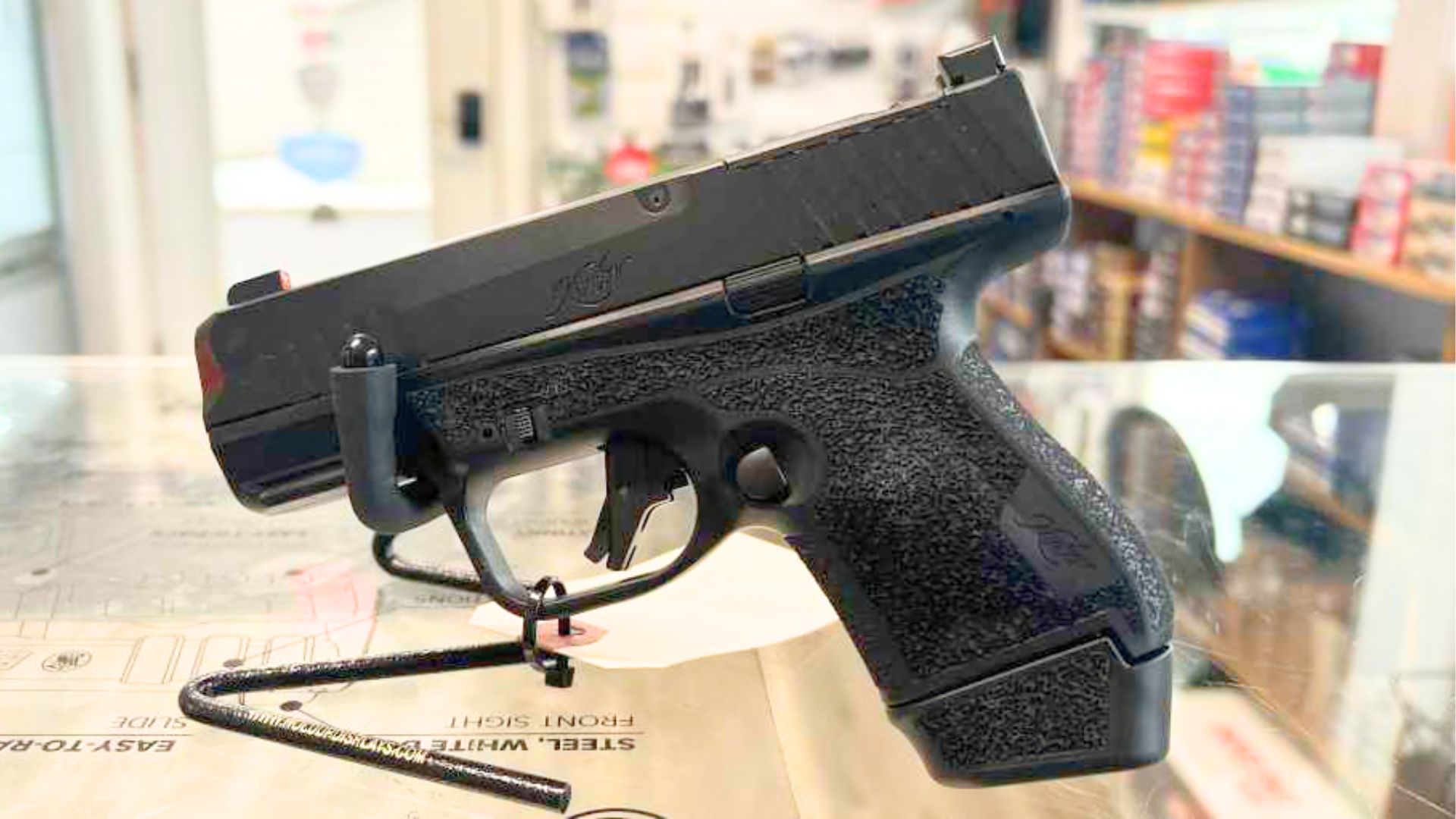
The Kimber R7 Mako was Kimber’s attempt to get serious in the modern micro-compact world. It brought good capacity, a different optic setup, and a more current design than Kimber’s little 1911-style pistols.
The problem is that it never became the pistol people automatically trust in that category. It sits in a market dominated by the SIG P365 series, Shield Plus, Hellcat Pro, and Glock slimline guns. The Mako is not necessarily bad, but it is hard to argue it belongs on shelves ahead of carry pistols with stronger support and wider confidence.
Springfield Armory 911

The Springfield 911 had a clear idea behind it: give shooters a tiny, metal-frame pocket pistol with familiar single-action controls. For people who liked miniature 1911-style guns, it had appeal.
But the market moved on. Tiny single-action pocket guns are harder to run well, have limited capacity, and require more attention than most buyers want from a deep-carry pistol. The Bodyguard 2.0, LCP Max, Shield Plus, and P365 family make the 911 feel like a niche gun that does not need to keep taking up shelf space.
Springfield Armory XD-S Mod.2

The XD-S Mod.2 made more sense when slim single-stack carry pistols were still the hot category. It was thin, easy to carry, and came from a company with a loyal XD following. At the time, that was enough to get attention.
Today, it feels behind. Capacity is limited compared with newer micro-compacts, the grip safety is not for everyone, and the shooting experience does not stand out enough to offset what it gives up. A Shield Plus, Hellcat Pro, or P365 XL makes a much stronger case for the same carry role.
Springfield Armory XD-M Elite Compact
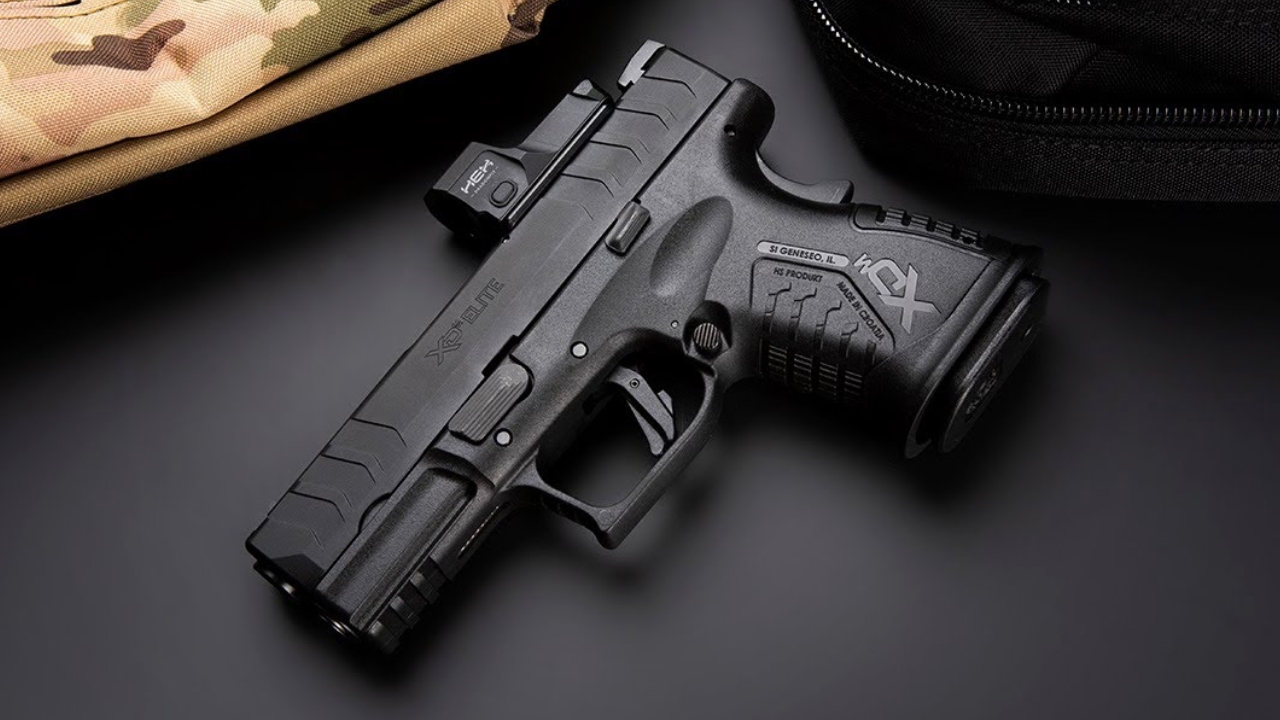
The XD-M Elite Compact has features, capacity, and aggressive styling, but it still feels like part of a platform that has lost momentum. Some shooters like the grip safety and XD controls. Others see bulk, a high-feeling slide, and a pistol that does not quite match newer rivals.
It does not belong on shelves ahead of more refined compact pistols. The M&P9 Compact, CZ P-10 C, Walther PDP Compact, and Glock 19 all feel easier to recommend. The XD-M Elite Compact is not useless, but it feels like a gun trying to stay relevant through features instead of real advantage.
Ruger EC9s

The Ruger EC9s is affordable, slim, and easy to carry. It is basically the low-cost version of the older LC9s idea, and it still appeals to buyers who want a simple 9mm without spending much.
But the EC9s feels dated now. The sights are basic, capacity is limited, and the pistol does not shoot as comfortably as newer small carry guns. It had a role when affordable single-stack 9mms were harder to beat. Today, there are better budget carry pistols that do not feel so stripped down.
Ruger Security-9 Compact
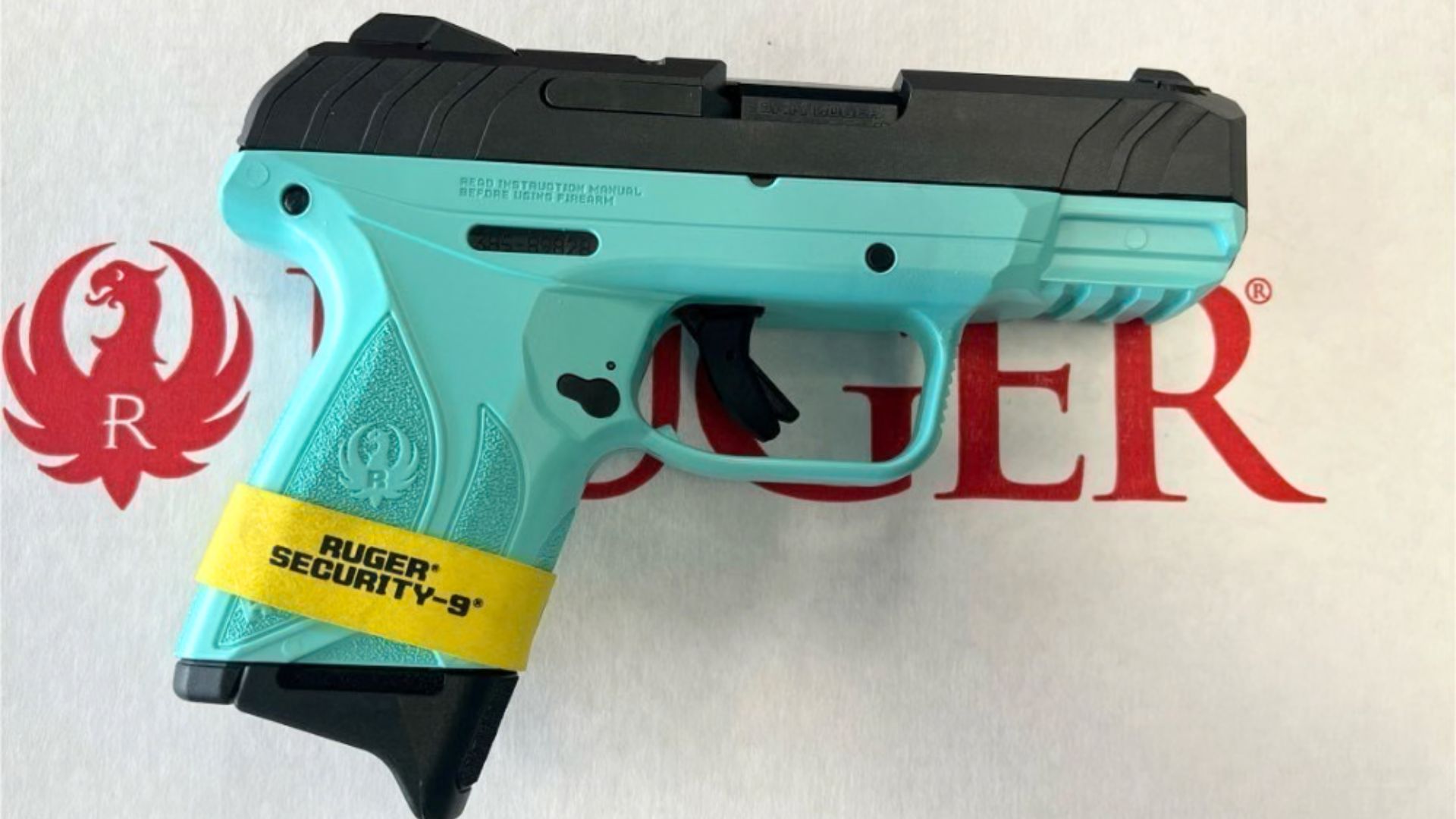
The Ruger Security-9 Compact is not terrible, but it is one of those pistols that feels like it exists mostly for price. Ruger makes plenty of firearms that inspire strong loyalty, but this one does not feel like a category leader.
The trigger, fit, and overall feel are not strong enough to make it stand out in a crowded compact 9mm market. A buyer can usually do better with a used Glock, M&P, CZ P-10 C, Canik, or even Ruger’s own more interesting offerings. It is fine, but “fine” is not enough anymore.
Ruger Max-9
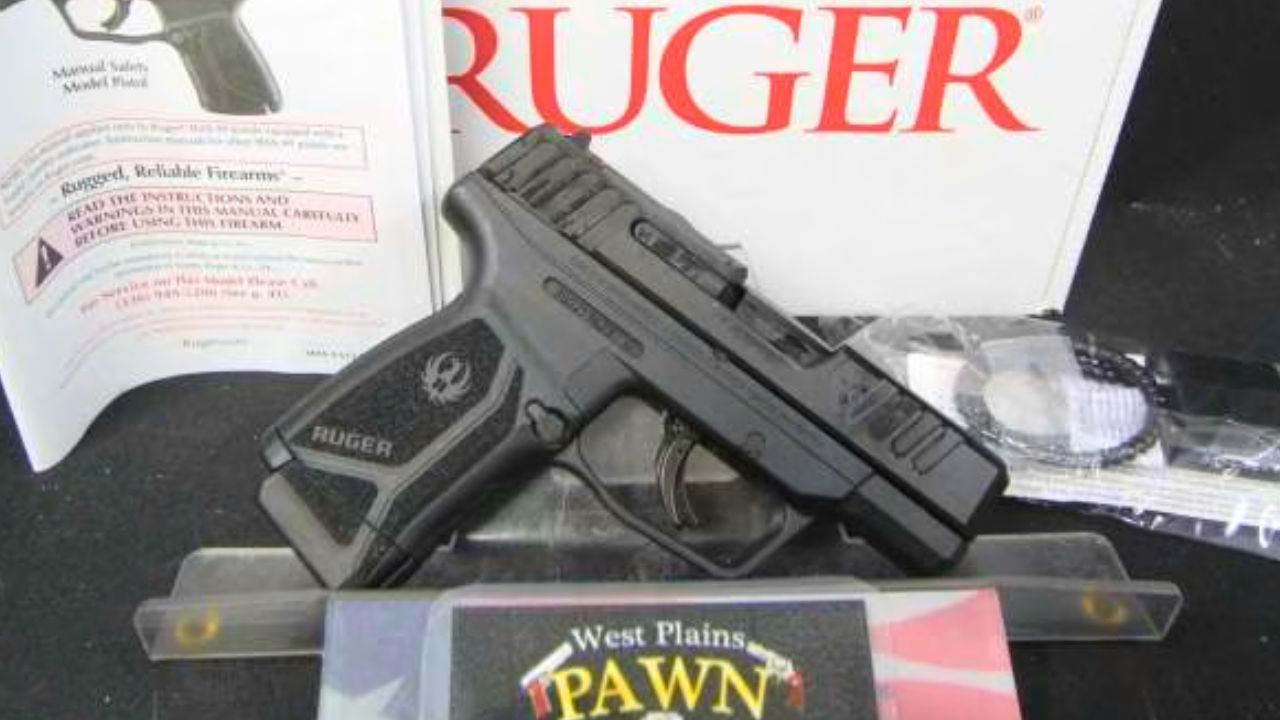
The Ruger Max-9 has the right ingredients on paper: small size, good capacity, optic-ready versions, and a fair price. It should have been a bigger force in the micro-compact market.
Instead, it often feels like a second-tier choice. The trigger and finish do not feel as refined as the best competitors, and the pistol never became the obvious answer against the P365, Shield Plus, or Hellcat line. It may work for some owners, but it does not feel strong enough to keep earning shelf space over better-proven options.
SIG Sauer P365 SAS

The P365 SAS tried to make the P365 smoother and more snag-free for concealed carry. The flush sighting system and smoothed controls sounded good for deep concealment.
In real use, the SAS setup creates more problems than it solves for many shooters. The sight system is less intuitive than normal sights, and the controls can be harder to manipulate. A standard P365, P365 XL, or P365 XMacro makes far more sense. The SAS feels like a clever idea that did not need to outlive better versions of the same gun.
Smith & Wesson CSX

The Smith & Wesson CSX looked like it should have been a hit. A metal-frame, hammer-fired micro-compact with good capacity gave buyers something different from all the polymer striker-fired carry guns.
The problem is that the trigger and reset complaints hurt it fast. It never felt as clean or confidence-inspiring as the Shield Plus, which is the real problem. When the same company already makes one of the best small carry pistols on the market, the CSX becomes hard to defend as shelf-worthy.
Canik METE MC9

The Canik METE MC9 had a lot of people excited because Canik had built a strong reputation for affordable pistols with good triggers. A carry-size Canik sounded like an easy win.
But early reports of feeding issues, return-to-battery problems, and magazine-related complaints made buyers cautious. Canik may sort the platform out, and some owners have good examples, but a carry pistol needs trust quickly. Until the MC9’s reputation is as strong as Canik’s bigger pistols, it is hard to say it belongs on shelves over more proven carry guns.
Rock Island Armory STK100
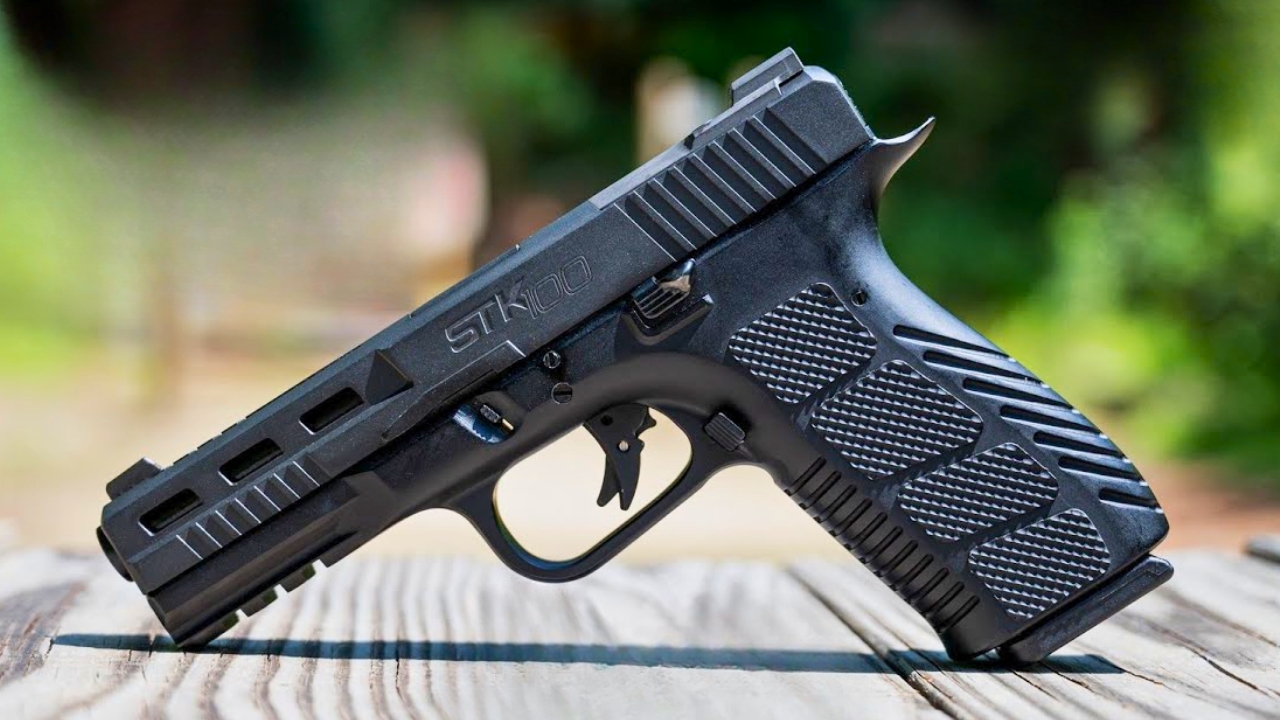
The Rock Island Armory STK100 is interesting because it uses an aluminum frame and a Glock-pattern idea at a lower price than many upgraded pistols. It looks different enough to grab attention.
The problem is that being interesting is not the same as being necessary. It competes against actual Glocks, M&Ps, CZs, Walthers, and Caniks with better reputations and stronger aftermarket support. If someone wants a Glock-like pistol, they can buy a Glock. If they want a refined metal-frame gun, there are better options. The STK100 feels stuck between ideas.
Stoeger STR-9

The Stoeger STR-9 looks like a hidden-value striker-fired pistol. It has a familiar layout, reasonable pricing, and the Stoeger name sitting under the broader Beretta umbrella. That makes it look safer than some unknown budget brand.
The issue is that it never did enough to matter. It does not have the support, reputation, aftermarket, or shooter loyalty of the major compact 9mms. It may run fine, but it feels like a pistol people buy because it is there, not because it beats anything important. Shelves are too crowded for that now.
Mossberg MC2c

The Mossberg MC2c is better than many people expected from Mossberg’s modern pistol line. It is slim, practical, and reasonably priced. It deserves some credit for not being a lazy entry into the compact 9mm market.
Still, it is hard to argue that it belongs ahead of more established pistols. Mossberg is a shotgun name first, and its handgun support and market confidence are not on the same level as Glock, Smith & Wesson, SIG, CZ, or Walther. The MC2c is decent, but decent pistols are everywhere now.
Shadow Systems CR920
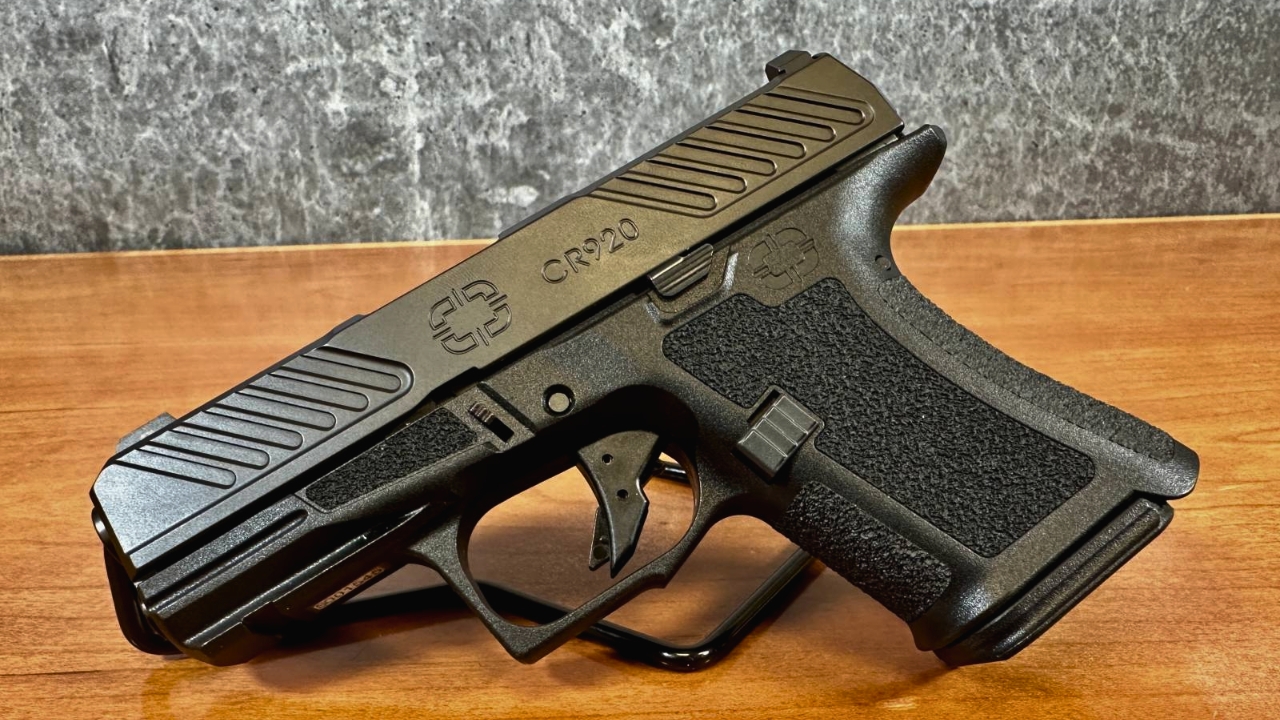
The Shadow Systems CR920 appeals to people who want a Glock-style carry gun with upgrades already installed. Better sights, better texture, optic cuts, and improved styling all make it attractive.
The issue is that upgraded does not always mean more dependable. Some owners have reported break-in needs and reliability quirks, which is not what people want from a premium-priced carry pistol. If the goal is a small Glock-style defensive gun, a plain Glock 43X or Glock 48 is easier to trust and usually easier to support.
Like The Avid Outdoorsman’s content? Be sure to follow us.
Here’s more from us: