Photo credit: Mike Cumpston, Public domain, via Wikimedia Commons
A “worst” defensive handgun usually isn’t the one that’s ugly or unpopular. It’s the one that stacks the deck against you when everything is moving fast. Tiny grips, tiny sights, heavy triggers, rimfire ignition, weak extraction, odd safeties, and sketchy magazines all show up at the exact moment you can’t afford them.
The other problem is confidence. If you don’t trust the gun, you won’t train with it. If you don’t train with it, you’ll miss, fumble, or hesitate. None of that has anything to do with being tough. It’s mechanics and repetition.
These handguns have real-world traits that make defensive use harder than it needs to be. Some are unreliable by reputation. Some are reliable enough but built around compromises that bite you under stress.
Jennings J-22
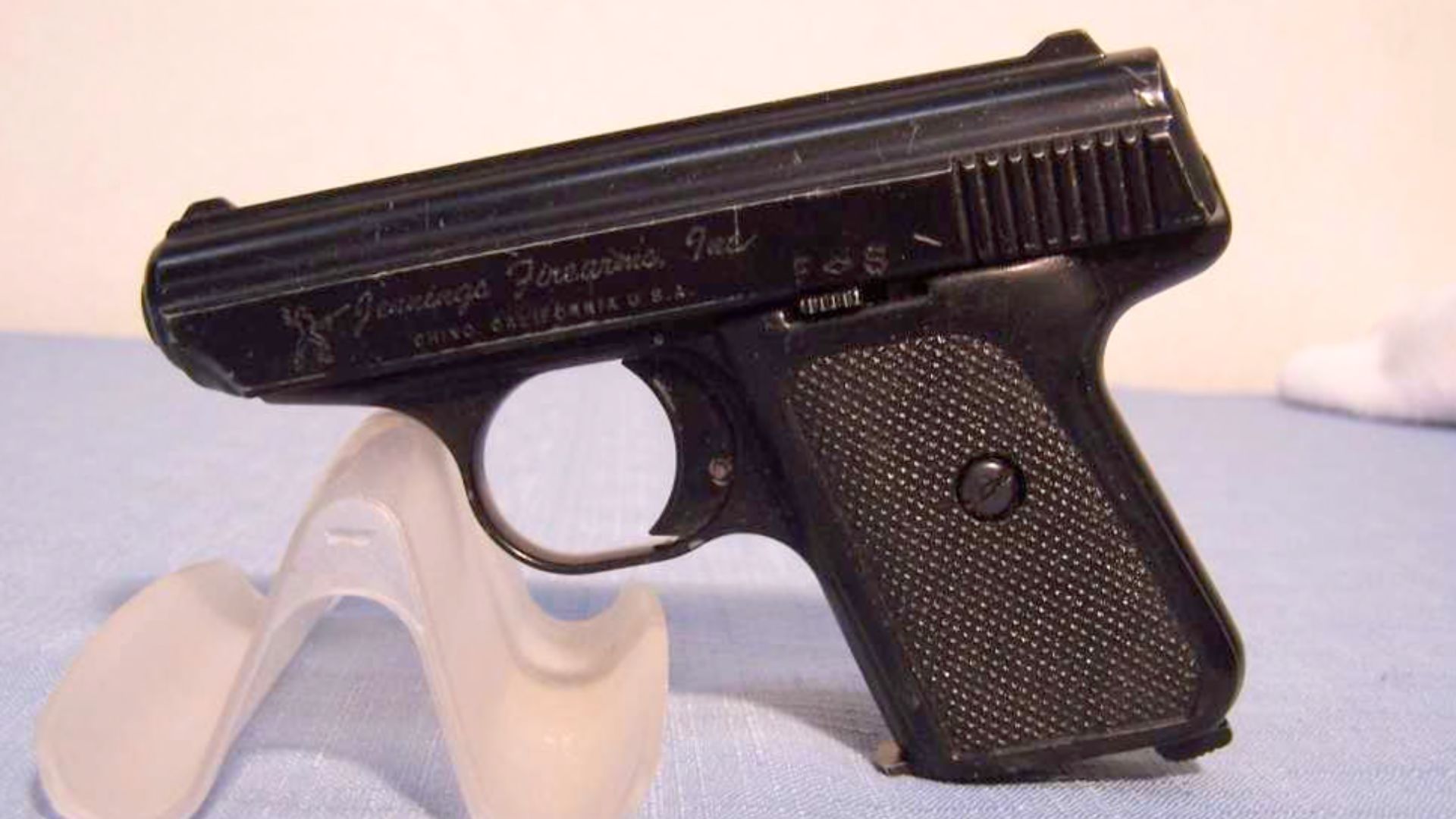
The Jennings J-22 is the kind of pistol people buy because it’s cheap and small, then quietly stop carrying because it never feels trustworthy. Rimfire ignition is already less consistent than centerfire, and the J-22 doesn’t give you extra reliability to make up for it. When the gun is dirty or the ammo is inconsistent, you can get failures that turn practice into a clearing drill.
The sights and grip don’t help you either. It’s hard to hang onto, hard to track, and hard to shoot well at speed. You end up “making it work” instead of running it with confidence.
For a range toy, you can tolerate quirks. For defense, a rimfire pocket pistol that’s known for spotty performance is a bad bet.
Raven Arms MP-25
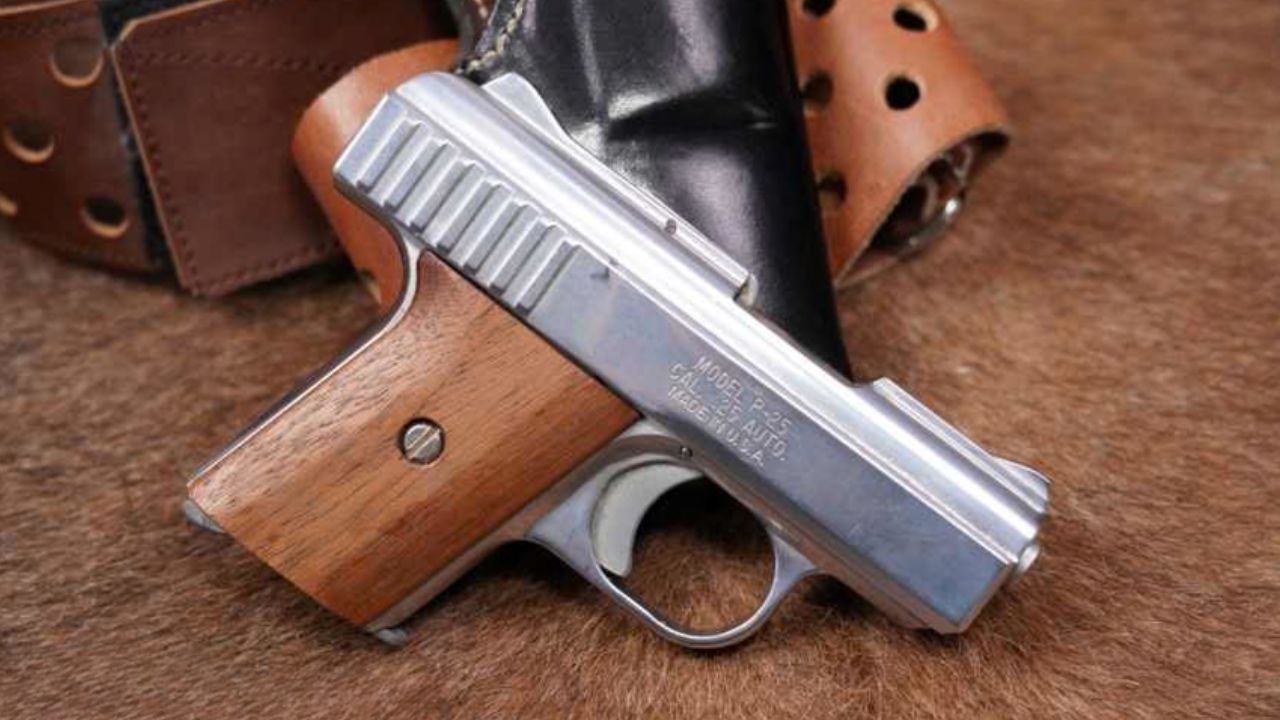
The MP-25 has been around forever, and plenty of them still exist because they’re inexpensive and easy to stash. The defensive problem starts with the caliber and the platform. .25 ACP can poke holes, but it doesn’t give you much margin when you need quick, decisive effect. You’re leaning hard on shot placement while holding a tiny gun with tiny sights.
Then you add the reality of aging examples. Many MP-25s have lived hard lives—drawer lint, old oil, worn magazines, and unknown springs. A gun like that can run fine on a good day and act weird on a bad one.
If you carry one, you’re often carrying it because it was cheap, not because it’s the best tool. That’s the wrong reason.
Lorcin L380

The Lorcin L380 shows up in the same category as a lot of bargain pocket autos: it looks like a defensive pistol, but it doesn’t always behave like one. Many owners report spotty reliability, especially with hollow points or low-quality ammo. When you’re relying on a small blowback .380, you need the gun to cycle the same way every time.
The ergonomics don’t help you shoot through problems. The grip is small, the trigger can feel rough, and the sights aren’t set up for fast, precise work. Under stress, those details matter.
A defensive gun needs consistency more than anything. When a pistol’s reputation is built around “it might run” rather than “it runs,” you’re starting behind the curve.
Bryco Jennings Nine
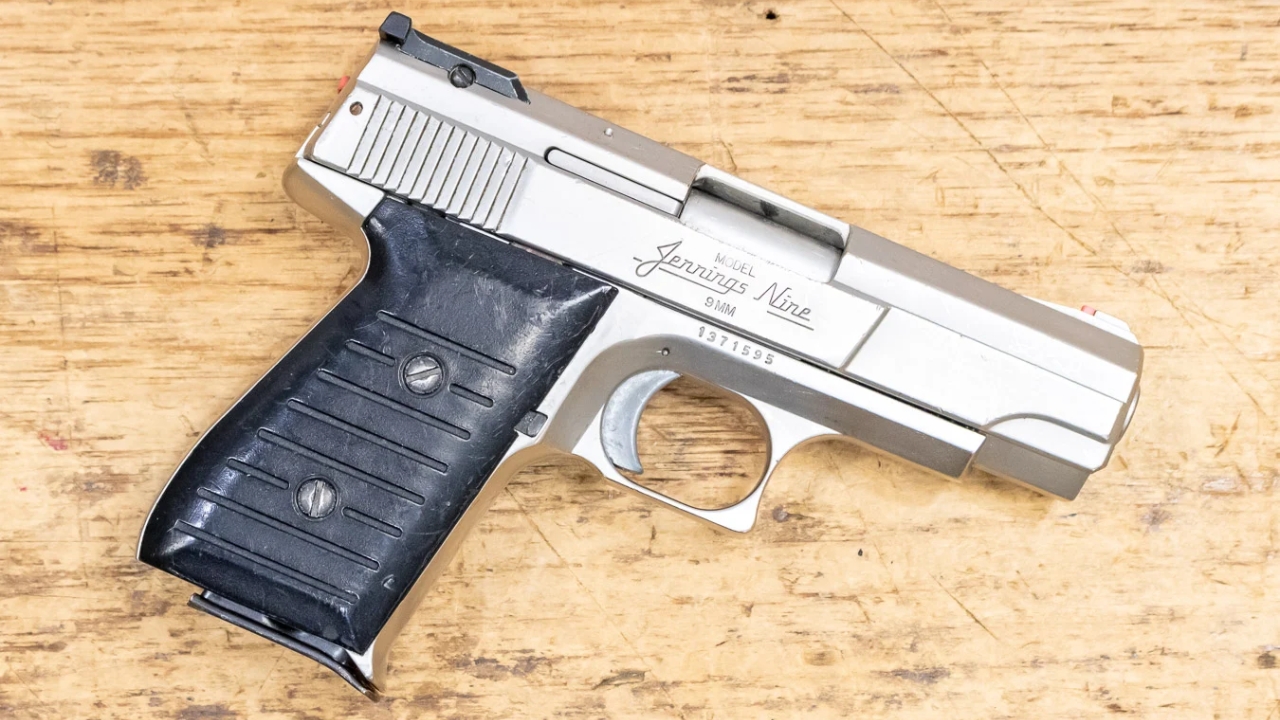
The Bryco/Jennings “Nine” has a long history as a budget 9mm that often ends up in the “project gun” category. Some examples run, some don’t, and that uncertainty is the whole issue. Defensive pistols are not the place for tolerance stacking, weak magazines, or mystery parts.
Even when it runs, you’re still dealing with a pistol that isn’t known for shootability. The trigger can be heavy, the sights basic, and the overall feel can make fast, accurate shooting harder than it should be. If you have to fight the gun, you won’t shoot your best.
Most people who buy one eventually spend more money chasing reliability than they saved on the purchase. That’s a bad sign for a defensive handgun, because the baseline should be trust—not troubleshooting.
Davis P-380
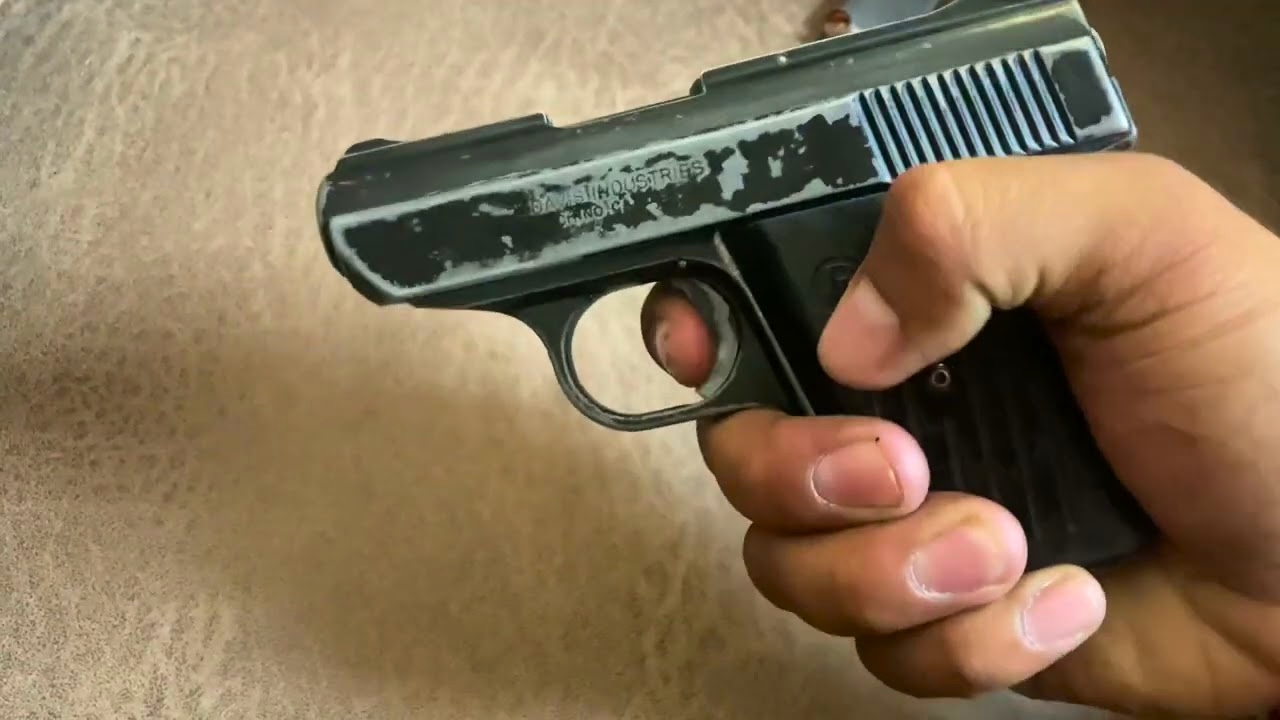
The Davis P-380 is another small blowback .380 that can punish you with inconsistent function and inconsistent shootability. Blowback guns rely on spring tension and slide mass, and if anything is off—ammo power, magazine geometry, worn springs—you can see problems that a modern locked-breech pistol would shrug off.
The grip and sights make it easy to shoot poorly. That’s not an insult; it’s physics. A short sight radius and tiny frame magnify every mistake. When you add a heavy trigger into the mix, you get a pistol that demands careful shooting at the exact time you need fast shooting.
Defensive carry is already demanding. A pistol that makes you work harder for every hit, while also carrying a reputation for finicky function, is an uphill climb you don’t need.
Jimenez Arms JA Nine

The JA Nine is another bargain 9mm that can trap you in a cycle of “maybe it’s the ammo, maybe it’s the mags.” In a defensive gun, you want boring reliability. With pistols like this, you can end up spending your range time diagnosing instead of training—different magazines, different loads, different springs.
The gun’s weight and bulk also create a practical problem. It isn’t a tiny pocket pistol, but it also doesn’t carry like a modern compact. That means you’re hauling around a lot of gun without getting the reliability and shootability you should expect from a serious defensive tool.
When a pistol’s best argument is “it was cheap,” you’re already making compromises. In a life-and-death context, those compromises show up at the worst time.
RG Industries RG10
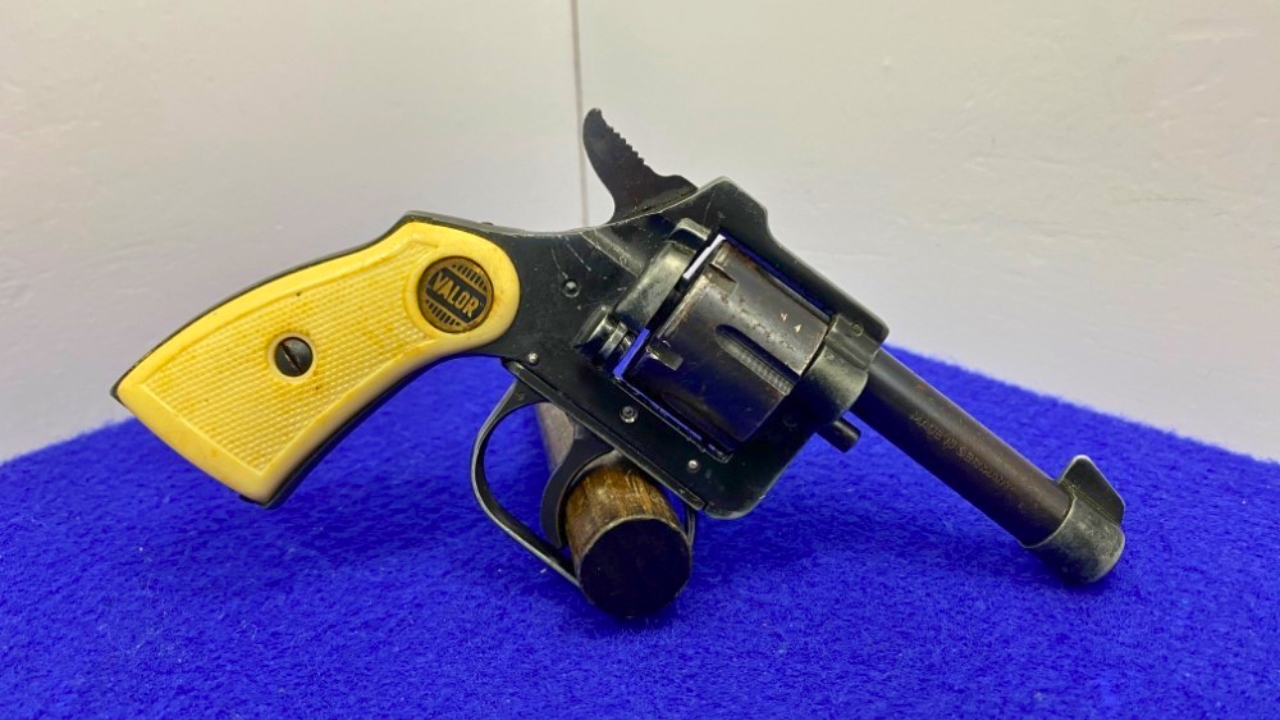
The RG10 is a classic “Saturday night special” revolver, and it’s a great example of why cheap revolvers can be dangerous choices. Revolvers look foolproof until timing, lockup, and parts quality enter the chat. If the cylinder doesn’t index cleanly or the action is rough, you can get misfires, shaved lead, or a gun that binds up.
It’s also hard to shoot well. Many RG10s have heavy, gritty triggers and tiny sights. That makes accurate shooting slow and difficult, especially if you’re trying to fire double-action under stress.
A good revolver is a strong defensive option. A bargain revolver with a reputation for poor materials and questionable longevity is not the same thing. The shape looks familiar, but the performance often isn’t.
Röhm RG-14
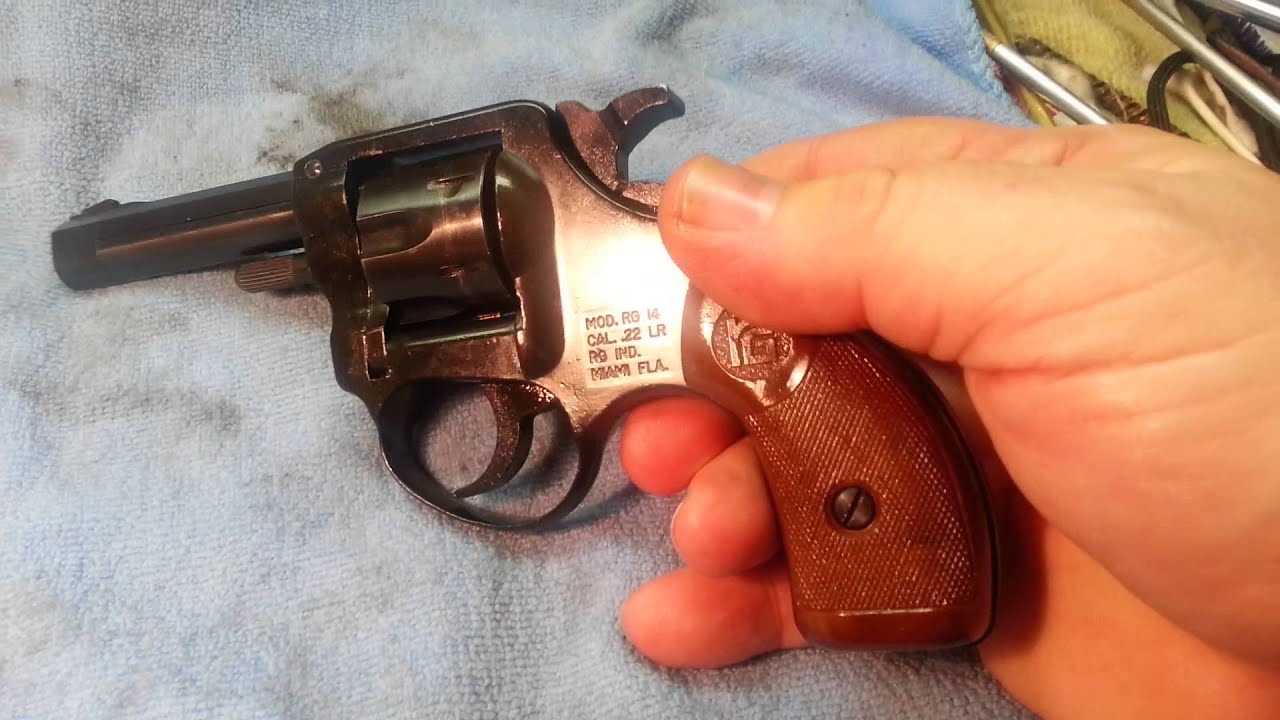
The Röhm RG-14 earned a rough reputation for a reason: inconsistent quality and questionable durability. A defensive revolver needs solid timing and a consistent trigger stroke. If the gun’s lockwork is soft or out of spec, you can end up with light strikes, sloppy lockup, or a cylinder that doesn’t behave the same way from shot to shot.
Even if it fires, you’re still carrying a gun that’s hard to run well. The trigger pull can be heavy, the sights minimal, and the grips often don’t fit the hand in a way that supports speed. That makes follow-up shots slower and less accurate.
When you’re choosing a defensive gun, you’re choosing a tool you might have to run with one hand, in bad light, under panic. A revolver known for low-grade construction doesn’t belong in that role.
Taurus Judge (2.5-inch)
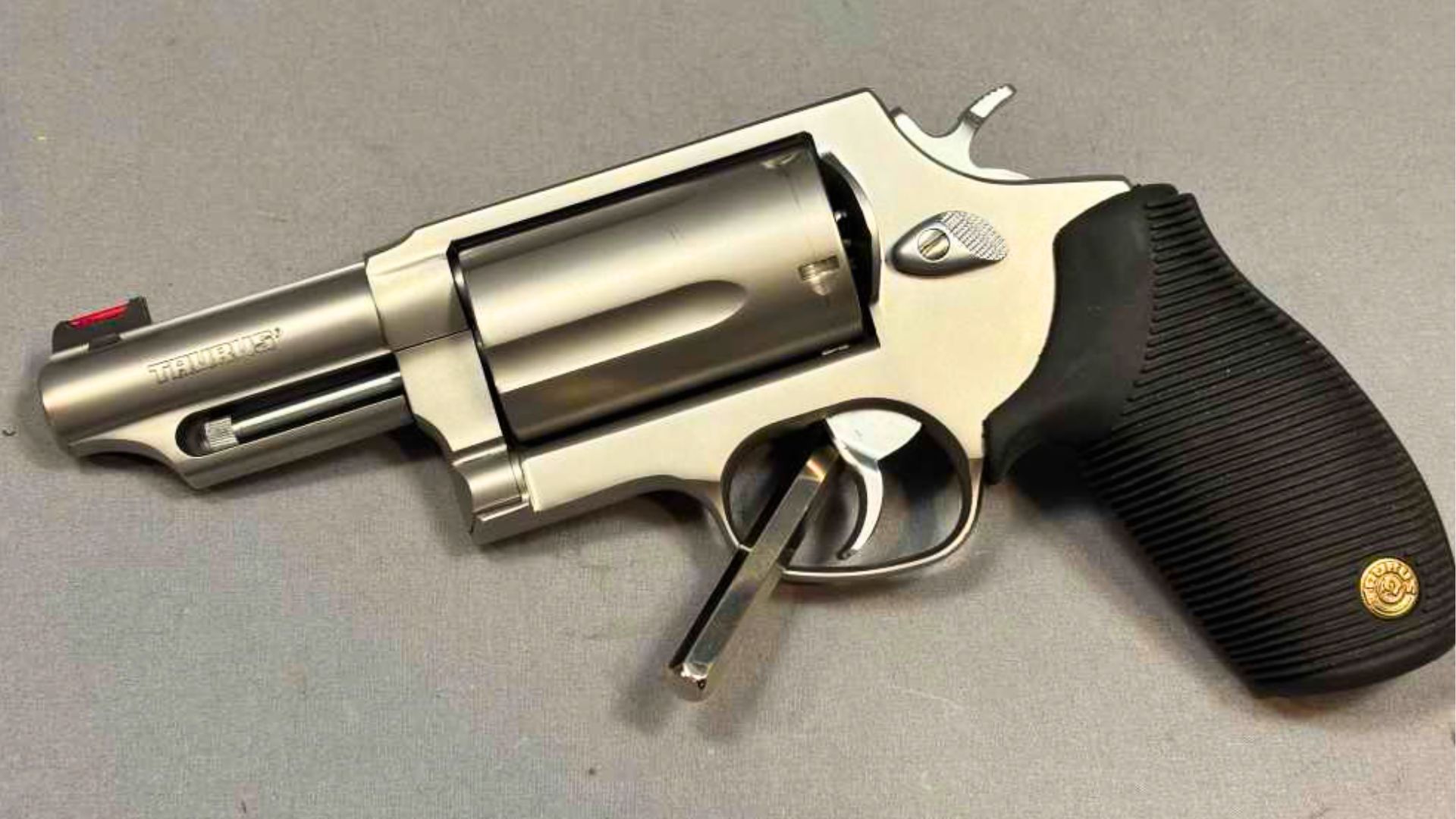
The Taurus Judge is famous, and it’s also a common source of disappointment as a defensive handgun. The concept sounds appealing, but the realities are harder. The gun is large, the cylinder is bulky, and concealment is tougher than many buyers expect. A defensive handgun you won’t actually carry is already failing the job.
The other issue is performance consistency across loads. .410 defensive loads and .45 Colt loads behave very differently, and you can’t count on a one-size-fits-all answer. Patterns spread quickly, recoil can be unpleasant, and the gun’s size makes fast, accurate shooting harder than it should be.
You can make a Judge work with the right expectations. Many people buy it expecting a shortcut. In self-defense, shortcuts usually cost you.
Magnum Research Desert Eagle Mark XIX

A Desert Eagle is impressive, and it’s also a terrible defensive carry choice for most people. It’s huge, heavy, and hard to conceal. If you can’t carry it comfortably, you won’t carry it consistently, and consistency matters more than power on paper.
It’s also not a forgiving platform. The gun is ammo sensitive compared to typical defensive pistols, and it demands a strong grip and solid technique to run well. Under stress, you want a handgun that cycles through imperfect grip and imperfect positions. The Desert Eagle rewards the opposite.
Even at the range, recoil and muzzle blast can slow your learning curve. You’re paying a lot for an experience, not a practical defensive tool. If you want a carry gun, you want boring reliability—not a cannon with attitude.
North American Arms .22 Magnum Mini-Revolver
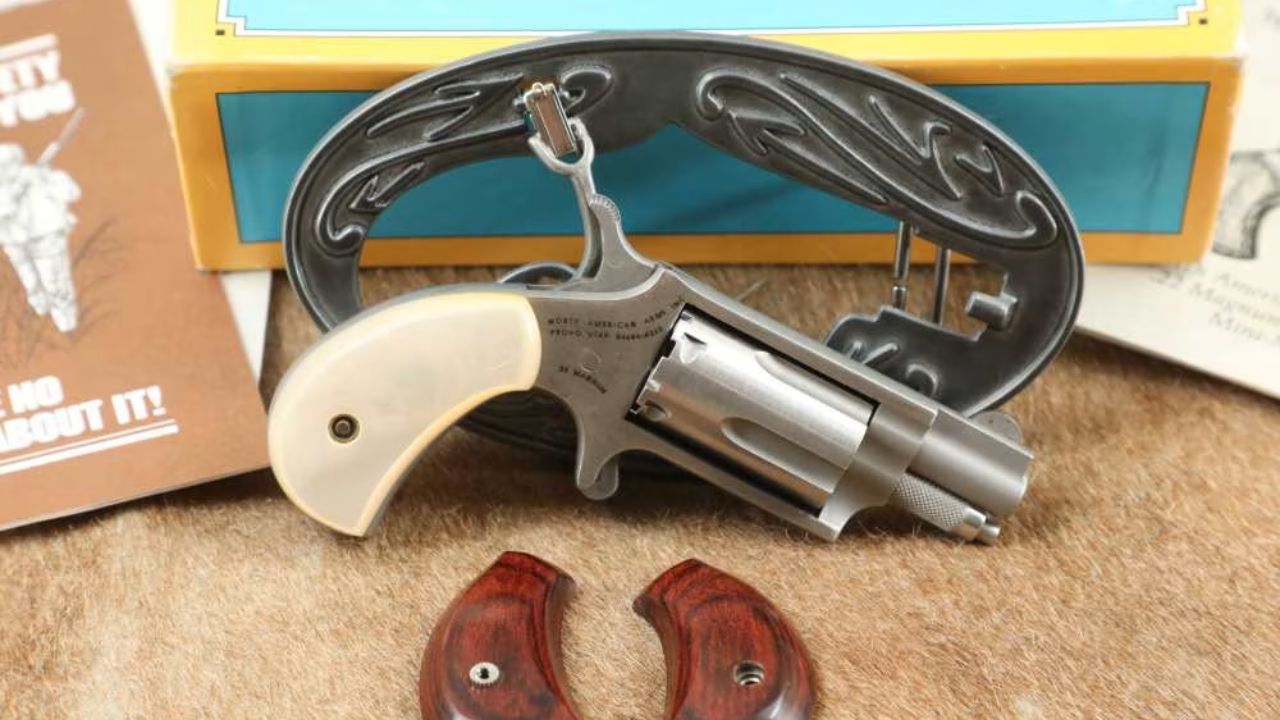
The NAA .22 Magnum mini-revolver is a deep-concealment tool, not a primary defensive handgun. The size is the selling point, and it’s also the problem. The grip is tiny, the sights are minimal, and accurate shooting under stress is hard. Reloading is slow and fussy. You’re carrying a gun that’s difficult to run well when it matters most.
Then there’s the rimfire reality. .22 WMR can hit harder than people think, but rimfire ignition is still less consistent than centerfire. In a defensive moment, you don’t want to be wondering whether your primer will light.
A mini-revolver can be better than nothing, especially when nothing else can be carried. The danger is pretending it’s a full defensive solution. It isn’t.
Bond Arms Texas Defender (.45 Colt/.410)
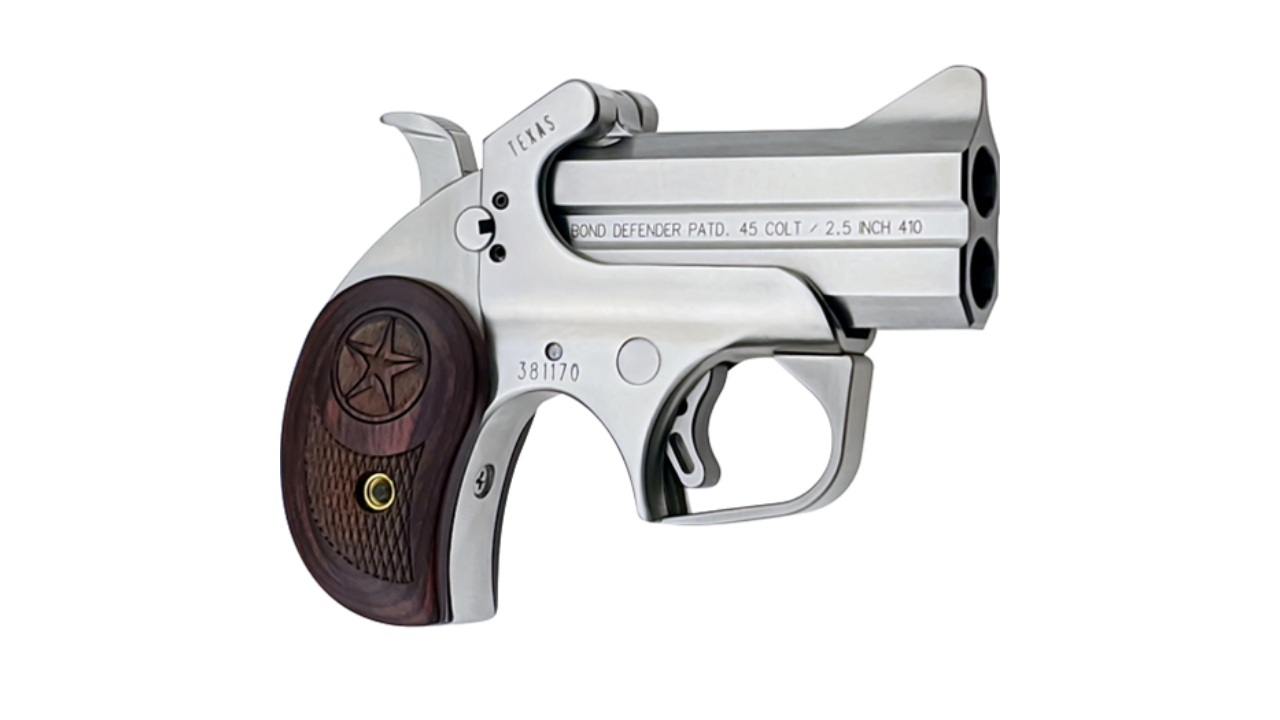
Bond Arms derringers are built tough, and they’re still a hard defensive choice. Two shots is the headline, and it’s a brutal limitation. Under stress, misses happen, and threats don’t always stop on schedule. A two-shot platform gives you almost no room for error.
They also punish you with recoil and handling. A small derringer in big-bore calibers can be unpleasant enough that you avoid practice, which defeats the entire purpose of carrying. The heavy trigger and short sight radius make precision harder than it needs to be, especially at speed.
These guns fill a niche: deep carry, backup use, and people who accept the limitations. As a primary defensive handgun, the limitations are too severe. “Tough” construction doesn’t overcome low capacity and difficult shooting.
Heritage Rough Rider (6-shot .22 LR)
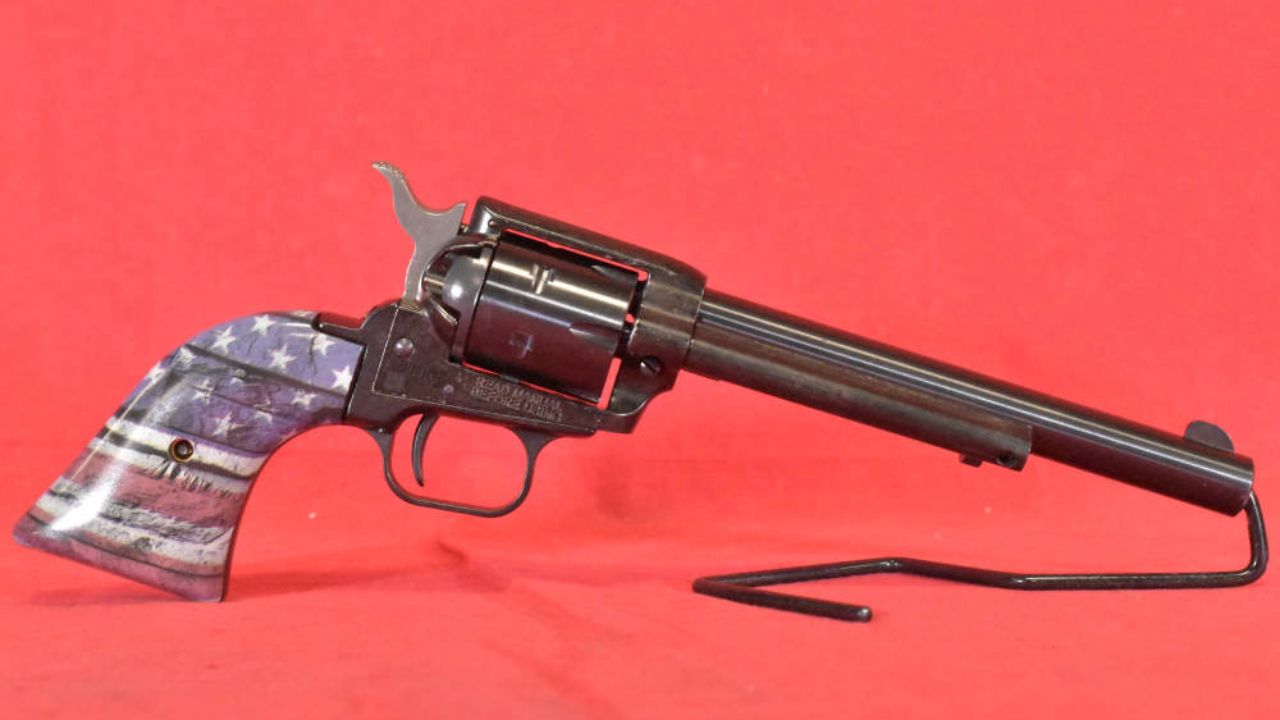
The Heritage Rough Rider is a fun rimfire revolver and a poor defensive handgun. The first issue is rimfire ignition and rimfire terminal performance. You’re stacking low margin on low margin. The second issue is operation. A single-action revolver is slow to run under stress, and it requires deliberate cocking for every shot.
The sights and trigger can be fine for plinking, but defensive shooting isn’t plinking. You need speed, control, and the ability to fire quickly from compromised positions. A single-action .22 makes all of that harder.
Could it work in an emergency? Anything that fires can matter. But choosing it for self-defense is choosing the least forgiving setup you can carry. Training value is not the same as defensive value.
Colt Single Action Army (or clones)

A Colt Single Action Army, or a modern clone, is iconic and still a bad defensive choice in most situations. It’s single-action, which means every shot requires manual cocking. That’s slow, and it ties up your hands when you may need to move, grab, or hold onto something.
You also have the loading and handling reality. Traditional single-actions aren’t designed for fast reloads, and managing the gun under stress is more complicated than people remember. If you’re choosing a defensive handgun, you want a system that minimizes steps, not one that adds them.
This isn’t about history or cool factor. It’s about what you can do when you’re scared and your fine motor skills drop. A single-action revolver asks for fine motor skills.
KelTec PMR-30
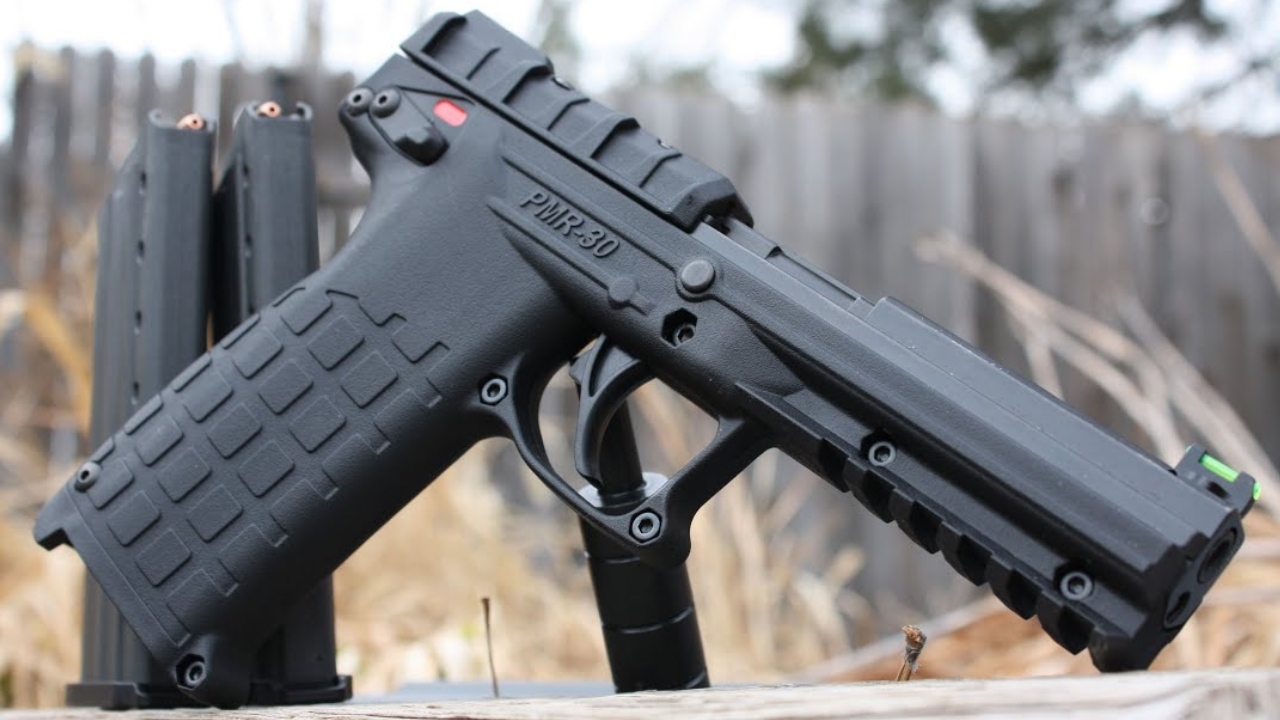
The PMR-30 is light, high-capacity, and fun, and it can also be finicky depending on ammo choice and magazine loading habits. .22 WMR is not a consistency champ across brands, and rimfire cartridges bring rimfire ignition quirks along for the ride. When a gun is sensitive to those variables, you end up managing the pistol instead of trusting it.
It’s also a gun that can tempt you into thinking capacity solves everything. Capacity helps, but only if the gun runs and only if you can place shots. The PMR-30’s sights and trigger can be workable, yet the platform still lives in rimfire land where misfires and inconsistent cycling are more likely than with centerfire carry pistols.
As a trail plinker, it’s entertaining. As a dedicated defensive handgun, it asks you to accept too many “ifs.”
Like The Avid Outdoorsman’s content? Subscribe to our newsletter so you never miss an article.
Here’s more from us: