
Photo credit: Olde English Outfitters/YouTube
A lot of pistols will fire when they’re dry. The difference is how long they keep running once you start shooting fast, getting them hot, and adding a little grit and carbon to the mix. “Run dry” usually means dry rails, dry barrel hood, dry locking surfaces, and a recoil system that’s already working hard. When friction goes up, slide speed goes down, and you start seeing failures to return to battery, sluggish ejection, and weird little stoppages that feel like they came out of nowhere.
The guns below aren’t “bad.” Many of them are accurate, well-built, and easy to shoot well. They’re also the ones that tend to feel it first when you skip lube or wipe everything bone-dry. A light film in the right places keeps them acting like the pistols you paid for.
Les Baer Premier II

A tight Baer is a joy when it’s running right, and a headache when you try to run it dry. These guns are famous for close fit—slide, frame, and barrel lockup that feel glued together until they wear in. That tightness is why they shoot, but it also means friction stacks fast when there’s no oil on the rails and barrel.
When you go dry, you’ll often feel it as sluggish cycling and a slide that starts hesitating on the return stroke. The gun may still run for a magazine or two, then start flirting with failures to go fully into battery as it heats up. Keep a light film on the rails, barrel hood, and bushing area, and the pistol feels like it suddenly gained horsepower.
Springfield Armory TRP

The TRP tends to be fitted tighter than Springfield’s more basic 1911s, and you notice it when the gun is clean and dry. The slide-to-frame fit and barrel fit are usually solid, which helps accuracy, but it also means the pistol rewards you for staying ahead of friction.
Run it dry and you’re more likely to see the gun start to “slow down” once it gets hot—especially if you’re shooting a steady pace and the gun is building carbon on the locking surfaces. The first hints are often a gritty feel in the cycle and a return-to-battery that isn’t as snappy as it should be. Give the rails and barrel contact points a light coat and the TRP goes back to feeling like it’s on ball bearings.
Kimber Custom II

Some Kimbers are perfectly happy, and some are a little tight when they’re new, which is where the “dry” problem shows up. If your Custom II has a snug slide and a fresh recoil spring, you can get a pistol that wants a bit of lubrication to keep slide speed consistent.
When it’s dry, the gun can start feeling draggy as it heats up, and you may see occasional nose-dives or a slide that doesn’t fully close when you’re shooting quickly. It’s not always dramatic—it’s more like the pistol loses its margin for error. A thin film on the rails and barrel hood usually brings the reliability back in line. With 1911s, friction is the quiet enemy, and a dry Kimber can remind you of that.
Dan Wesson Valor

Dan Wesson 1911s are often fitted well enough that you can feel the precision without needing a “custom shop” price. That precision also means the Valor tends to run best with a little lubrication where steel rides on steel. The gun is smooth, but smooth and dry still equals friction.
If you wipe it down too aggressively and try to shoot it bone-dry, you can run into a cycle that feels slower, especially once the gun warms up. The common tells are a return to battery that feels less authoritative and an overall “tight” feel that wasn’t there when it was oiled. The fix isn’t heavy grease or dripping oil—too much can make its own mess. A light, even coat on rails and barrel contact surfaces keeps the Valor acting like the refined pistol it is.
Colt Gold Cup Trophy

Gold Cups are built around accuracy and target shooting manners, and many of them have tolerances and timing that assume you’re treating the gun like a serious tool. When you run one dry, you can take away some of the smoothness the pistol depends on, especially on the rails and barrel engagement surfaces.
A dry Gold Cup can start feeling inconsistent through the cycle, and that inconsistency shows up as occasional failures to go fully into battery or a slide that feels like it’s dragging at the end of travel. You’ll also notice it in the way the gun tracks—less predictable, more “sticky.” Keep it lightly lubricated and it settles back into that steady, repeatable rhythm that makes it easy to shoot tight groups. These pistols are at their best when friction stays low and the slide speed stays even.
Staccato P

A Staccato P is built to run hard, but the 2011 platform still has long bearing surfaces and a lot of metal-to-metal contact. When the rails and barrel hood are dry, you can feel the gun lose its slickness sooner than you’d expect from a duty-minded pistol.
What happens is usually subtle at first: the slide doesn’t feel as free, then you start seeing the occasional return-to-battery hesitation, especially when the gun is hot and dirty. Add a little dry dust and the margins can shrink further. The Staccato is the type of pistol that rewards you for keeping the rails and barrel contact points lightly wet. Do that, and it runs like it’s supposed to—fast, flat, and consistent—without you spending the range session diagnosing “mystery” hiccups.
Staccato XC

The XC is even more performance-focused, and performance guns tend to have less tolerance for being neglected. The comp and the way the gun cycles can make slide speed and timing more sensitive to friction. When it’s lubed, it feels effortless. When it’s dry, you can take away the smoothness that keeps everything in sync.
A dry XC can start showing it with sluggish chambering or a slide that seems to lose momentum at the very end of travel. It may not happen every magazine, but the gun can start acting like it’s right on the edge. Keep lubrication where the slide rides, where the barrel hood drags, and where the locking surfaces meet. You’re not trying to soak it—you’re trying to keep friction from stealing the speed the pistol depends on.
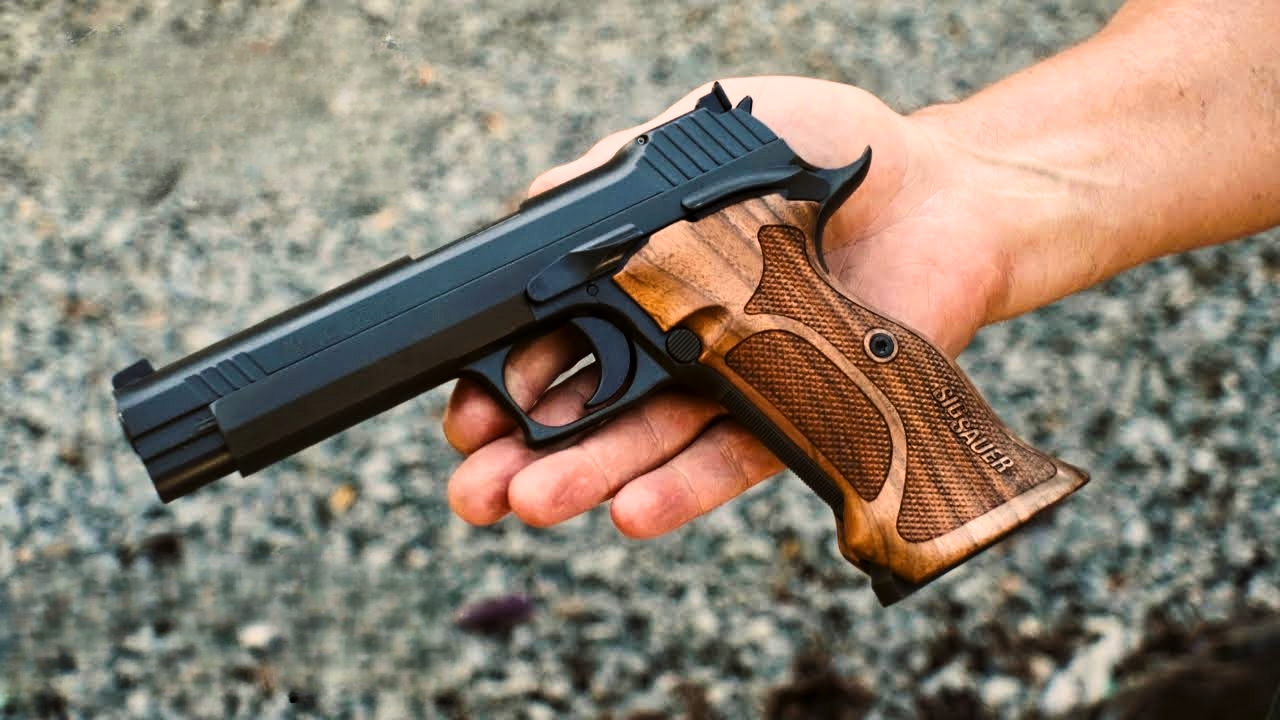
SIG P210A

The P210A is famous for accuracy, and part of that is how precisely everything fits together. That precision can also mean it doesn’t love being bone-dry, especially on the rails and locking surfaces where tight machining meets heat and carbon.
When you run it dry, the cycle can feel “stiff” as the gun warms up. You might not see constant malfunctions, but you can see the pistol lose its smoothness and start flirting with sluggish chambering. The P210A is a gun that feels expensive because it’s built carefully, and careful builds often like a touch of lubrication to keep the feel consistent. Keep a light film on the bearing surfaces and it stays in that sweet spot—slick, controlled, and easy to shoot well.
Smith & Wesson Model 952

The 952 is a target-bred pistol with the kind of fit that shows up on paper. That same fit can be less forgiving when you run it dry. Steel-on-steel contact points don’t need much oil, but they do need something if you want the gun to feel the same at round 5 and round 200.
Dry, the 952 can start feeling gritty in the cycle, and you may see return-to-battery hesitations if the gun gets hot and dirty. It’s not that the design is weak—it’s that it was built around refinement, and refinement often comes with tighter engagement surfaces. A thin film on rails and the barrel contact areas keeps the pistol cycling with the same calm consistency that makes it such a pleasure to shoot. Treat it like the precision instrument it is and it’ll keep acting like one.
CZ Shadow 2

The Shadow 2 has long internal rails and a heavy steel frame that make it track like it’s on rails—because it is. That long rail contact is great for stability and recoil control, but it also means there’s more surface area creating friction if you run it dry.
When lubrication is missing, you can feel the slide lose that glassy movement, especially after the gun gets warm and starts building carbon. The first sign is usually that the slide feels “slow” and the gun stops returning as consistently. In extreme cases, you’ll start seeing failures to fully chamber when the cycle speed drops. A light film on the rails brings the Shadow 2 back to life. It’s a pistol that runs hard, but it runs best when you let steel glide instead of grind.
CZ Tactical Sport 2

The TS2 is built for speed and precision, and it has a lot of bearing surface doing work. Like the Shadow 2, it benefits from those long, smooth rails—until you wipe them dry and ask the pistol to keep a high tempo.
Run it dry and you can start noticing a cycle that feels less eager, especially with lighter practice ammo. Slide speed matters in these guns, and friction steals speed. That’s when you see the occasional sluggish chambering or a gun that feels like it’s losing rhythm. Keep the rails lightly lubricated and the TS2 stays in that sweet, consistent track that makes fast shooting feel easy. It’s not about babying it—it’s about keeping the contact surfaces from becoming a brake.
Browning Hi-Power

The Hi-Power is a classic, and classics often have plenty of steel riding on steel. Many Hi-Powers run well, but they also tend to feel the difference between “lightly lubed” and “bone dry” faster than a lot of modern polymer pistols.
Dry rails and a dry barrel hood can make the gun start feeling sluggish, especially once it warms up and fouling builds. The pistol might still cycle, but you’ll feel the slide movement get less smooth, and you can start seeing occasional failures to fully return to battery if you’re pushing the pace. Keep the rails and barrel contact points lightly oiled and the Hi-Power settles right back into that smooth, controllable recoil impulse it’s known for. It’s a pistol that rewards basic care with steady, predictable function.
Kahr PM9

The PM9 is a small pistol with a lot going on in a small space. Tight dimensions, a stout recoil system, and a compact slide can make it less forgiving when it’s run dry—especially if it’s still in the break-in window or you’re using lower-powered ammo.
When you skip lubrication, you can see the gun start acting sluggish: occasional failures to feed, a slide that doesn’t fully close, or ejection that seems weak. Small guns don’t have the same mass and momentum as full-size pistols, so friction takes a bigger bite out of slide speed. A thin film on the rails and barrel contact points helps the PM9 keep its timing where it needs to be. With these micro 9s, keeping friction down is often the difference between boring reliability and a range session spent clearing stoppages.
SIG P938

The P938 is a micro-1911, and micro-1911s are rarely as tolerant of neglect as their bigger cousins. They’ve got short slides, short travel, stiff springs, and tight little lockup surfaces that can start dragging when everything is dry and dirty.
When you run a P938 dry, you’re more likely to see failures to return to battery, especially as the gun heats up and carbon builds. The pistol is also small enough that minor friction changes can show up quickly. You don’t need to soak it, but a light film on the rails and barrel hood helps keep slide speed consistent. The P938 can be a great carry gun, but it tends to like being treated like a working 1911—lubed in the right spots, and not left bone-dry.
Kimber Micro 9

The Micro 9 lives in the same world as other mini-1911-style pistols: small parts, tight spaces, and not much slide mass to bulldoze through friction. When it’s clean and lightly lubricated, it can run fine. When it’s dry, it can start showing picky behavior that makes you swear the gun has a personality.
Dry, you’ll often see the slide lose momentum at the end of travel. That’s where you get failures to fully chamber or feed issues that seem random. Add pocket lint or a little dust and the margin shrinks even more. Keeping the rails and barrel contact points lightly lubricated helps the gun stay consistent, especially if you carry it daily and it spends time soaking up grit. These tiny pistols can work, but they rarely reward a “wipe it dry and forget it” approach.
Desert Eagle Mark XIX

The Desert Eagle is its own animal. It’s gas-operated, it runs hot, and it depends on things moving freely under heavy loads. Running it dry is a good way to turn a fun range session into a frustrating one, because friction and fouling build fast in a system that’s already dealing with a lot of pressure and heat.
When it’s dry, you can see sluggish cycling, failures to feed, and a general loss of consistency—especially once the gun gets hot. The big slide and heavy parts still need smooth movement, and dry rails make that harder. On top of that, the pistol is sensitive to ammo power and cleanliness, so taking lubrication out of the equation doesn’t help. Keep the contact points lightly lubricated and the Mark XIX tends to stay far more predictable, which is what you want from a pistol that already demands respect.
Walther PPK/S
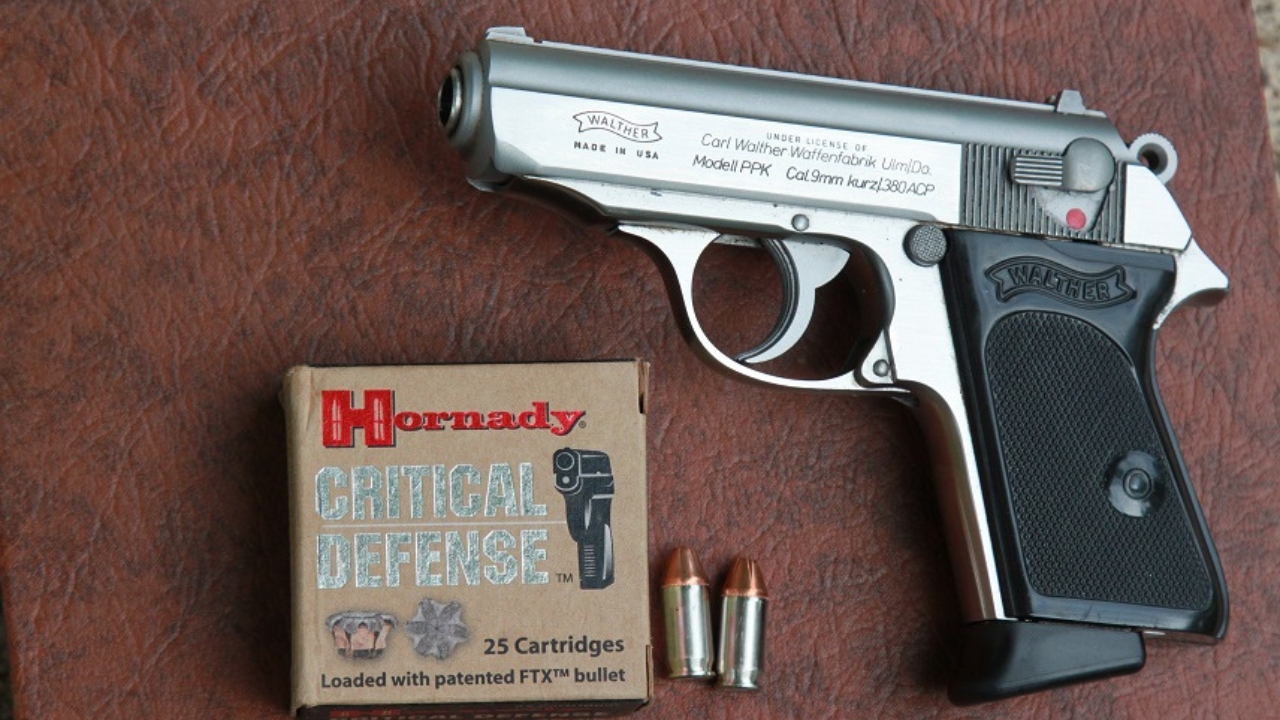
Blowback pistols like the PPK/S can run dirtier than people expect, and they can also feel friction more because the slide is doing all the work without the same kind of locked-breech timing you get on modern 9mms. When the rails and contact points are dry, the gun can start feeling harsher and less consistent as fouling builds.
A dry PPK/S may still fire, but you can see ejection get weaker, and you may get failures to feed if the slide speed starts dropping. These pistols often like a light film on the rails to keep the cycle smooth, especially if you’re shooting a longer session. The PPK/S is a classic carry gun with a classic operating system, and classics tend to appreciate basic lubrication. Keep friction under control and the gun feels more predictable, magazine after magazine.
Like The Avid Outdoorsman’s content? Be sure to follow us.
Here’s more from us:


