Photo credit: TFB TV/Youtube
If you haunt pawn shops long enough, you start seeing a pattern. The glass case is full of the usual suspects—polymer 9mms with rubbed-off finish, a few tired .40s, maybe a nickel revolver somebody carried hard. The pricing, though, is where it gets interesting. Some shops are sharp, but plenty of them tag pistols like they’re all the same: “used gun is used gun.” That’s how sleepers slip through—guns with real track records, weird collector pull, or discontinued features that the internet ruined for everyone else.
Here are 20 pistols that seem to get undervalued more than they should, and what to look for before you slap cash on the counter.
1. Heckler & Koch P7 PSP
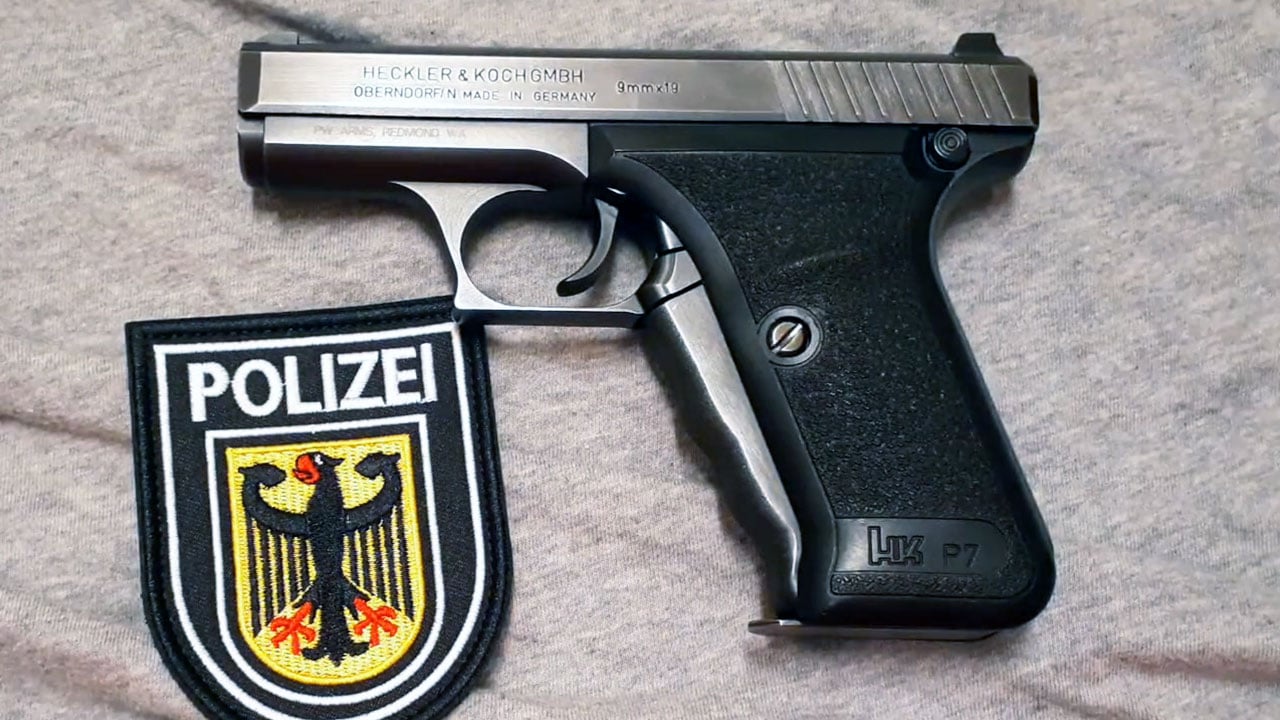
The P7 is one of those pistols that looks odd to anyone who hasn’t shot one. The squeeze-cocker turns off the casual buyer, and pawn shops sometimes treat it like a weird European 9mm that should be priced like an old duty gun. That’s a mistake. The P7 has a loyal following because it shoots flat, points naturally, and has a trigger that feels way better than it has any right to.
The downside is real: it heats up fast with extended firing, and parts aren’t what I’d call “every hardware store” common. But if it’s complete with the factory heel-mag release style you want, and it hasn’t been bubba’d with home polishing, it’s a find. Check for matching mags and overall condition, because replacements can cost more than you expect.
2. SIG Sauer P225 (West German)
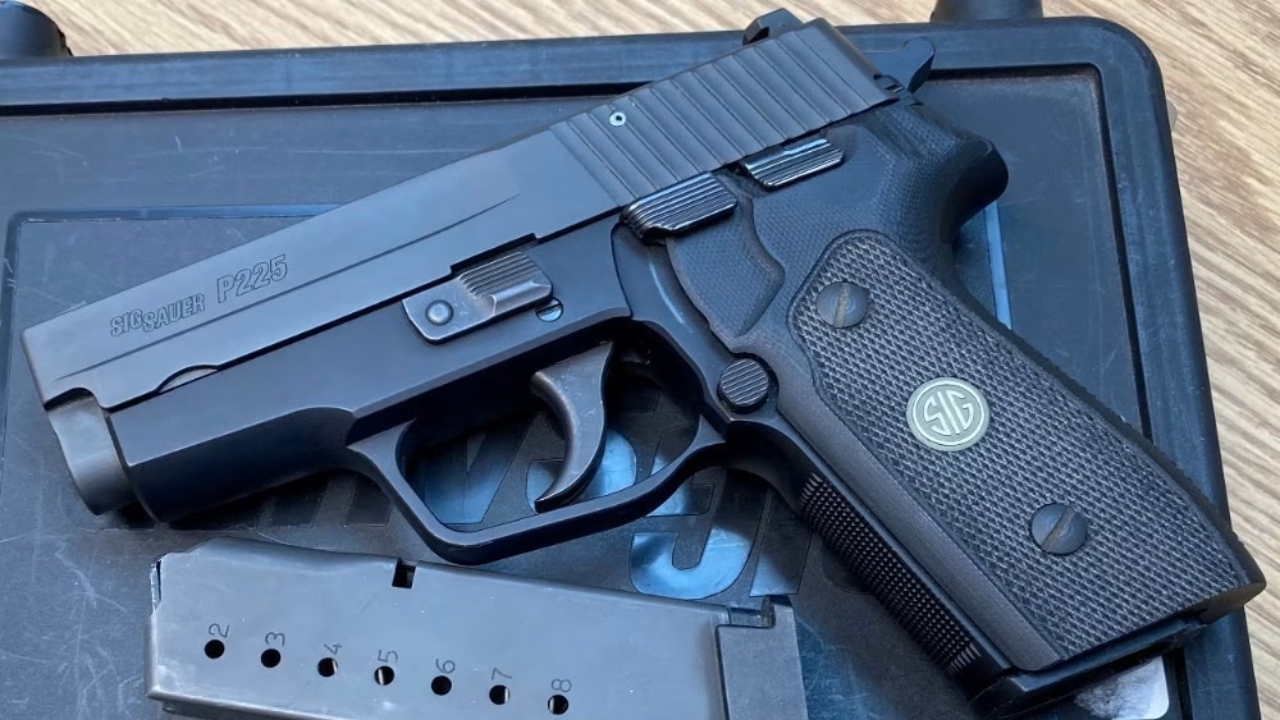
The P225 is easy to dismiss because it’s “just” a single-stack 9mm and holds less than modern compacts. That misses the point. The older West German guns have that smooth, broken-in feel—tight where it matters, slick where it should be—and they carry thin without feeling like a toy in your hand.
Pawn shops will sometimes tag these like any other old SIG, especially if the finish shows holster wear. Holster wear is not a crime on a working pistol. Look for a clean bore, solid lockup, and a decocker that works like it should. Magazines aren’t as cheap as Glock mags, but they’re out there. If you want a “real pistol” feel in a carryable size, this one still earns it.
3. Beretta 84 (Cheetah) in .380 ACP
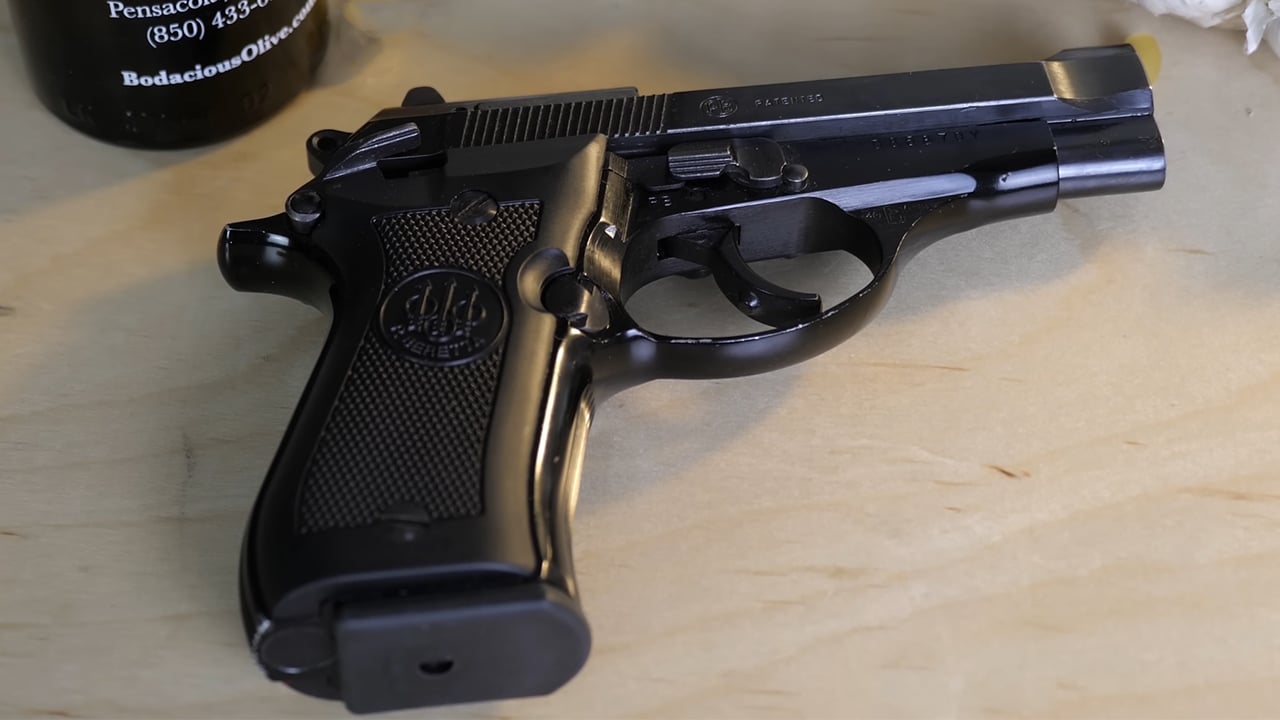
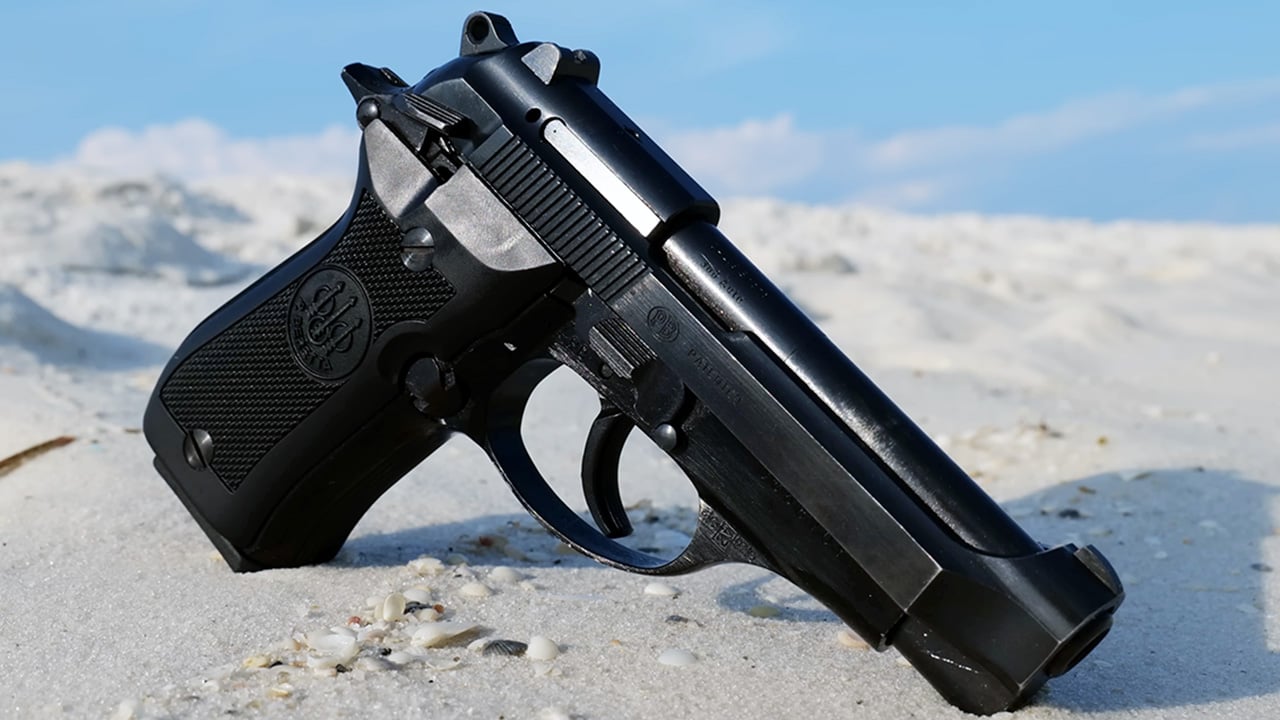
.380 pistols get thrown into a bargain bin mindset, especially when they aren’t micro-sized. The Beretta 84 is the opposite of that trend: it’s a mid-size .380 that shoots like a soft 9mm, and it’s built like Beretta meant it to last forever. The grip fits a lot of hands well, and the controls are familiar if you’ve spent time on a 92.
Where shops mess up is pricing it like a “grandpa .380.” In reality, clean 84s—especially older Italian-made examples—have become harder to find in good shape. Check for cracked grips, peened locking surfaces, and magazine function. For a trail-side knock-around pistol with mild recoil and real accuracy, it’s hard not to like.
4. CZ 75B (pre-omega, standard model)

The CZ 75B often sits in a case priced like it’s competing with generic polymer pistols. That’s wild considering how well these shoot. The weight, the low bore axis feel, and the way the slide rides inside the frame gives it that “settled” recoil impulse. It’s a pistol that makes average shooters look better at the range.
They’re not rare, but good deals are. Pawn shops tend to underrate them because they aren’t riding the same hype train as some other brands. Look for frame rail wear that looks normal, not abused, and make sure the sights aren’t drifted like someone fought them. If you’re after a reliable house gun or range pistol that isn’t picky, this is one I’d snag before another plastic 9mm.
5. Browning Hi-Power (FN or Browning-marked)

The Hi-Power is one of those guns everybody “respects,” but a lot of people don’t actually shoot much anymore. Pawn shops see an old blued steel 9mm with a hammer and slap a tag on it that doesn’t reflect what it is. The good ones have a balance that still feels modern, and the thin grip is a big part of why.
Not all Hi-Powers are equal, and that’s where you need to slow down. Some have been “improved” with questionable trigger work or parts swapping. The magazine disconnect can make triggers feel gritty, so don’t judge the gun too hard on dry fire alone. If it’s clean, original-ish, and comes with legit mags, it’s the kind of pistol that rarely gets cheaper later.
6. Smith & Wesson 3913

The 3913 is a sleeper carry gun from the era before everything had to be a micro-compact. It’s slim, metal-framed, and has that old-school S&W reliability that made a lot of cops trust their lives to it. It carries flatter than you’d expect, and it shoots better than most small guns because it isn’t trying to be featherweight.
Pawn shops often price these like “old 9mm, who cares.” The folks who know, know. Check the third-gen S&W slide-to-frame fit, look for cracks around stress points, and make sure the safety/decocker functions correctly. Mags are around, but you don’t want to be hunting them down one-by-one after you buy. For a practical concealed pistol with real manners, this one’s easy to like.
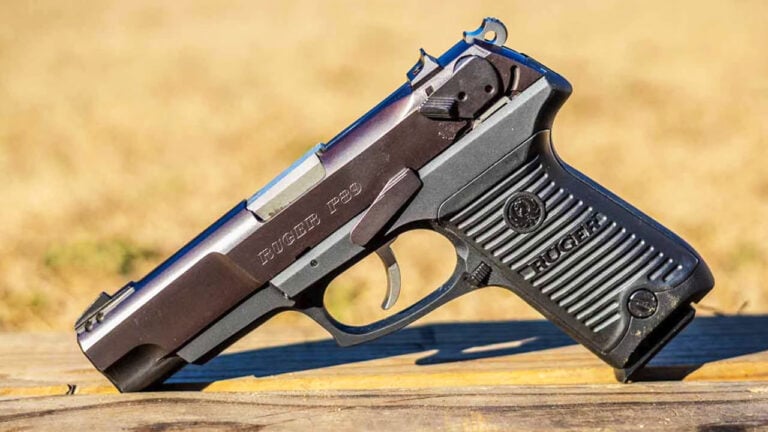
7. Ruger P89

The P89 is not pretty. It’s bulky, it’s dated, and the trigger isn’t winning any awards. But if you want a pistol that eats ammo and doesn’t ask for attention, the old Ruger P-series does that job. Pawn shops tag them low because they look like they belong in a 1996 patrol car—and that’s exactly why they’re a bargain.
For a truck gun or a cabin gun, the P89 is hard to scare. Verify the magazines are factory or quality, because junk mags can make any pistol look bad. Look for cracked grips and make sure the slide cycles smoothly without weird binding. If you want “ugly reliable,” this is it. There’s nothing fancy about it, and that is kind of the point.
8. Walther PPK/S (Interarms or early S&W)
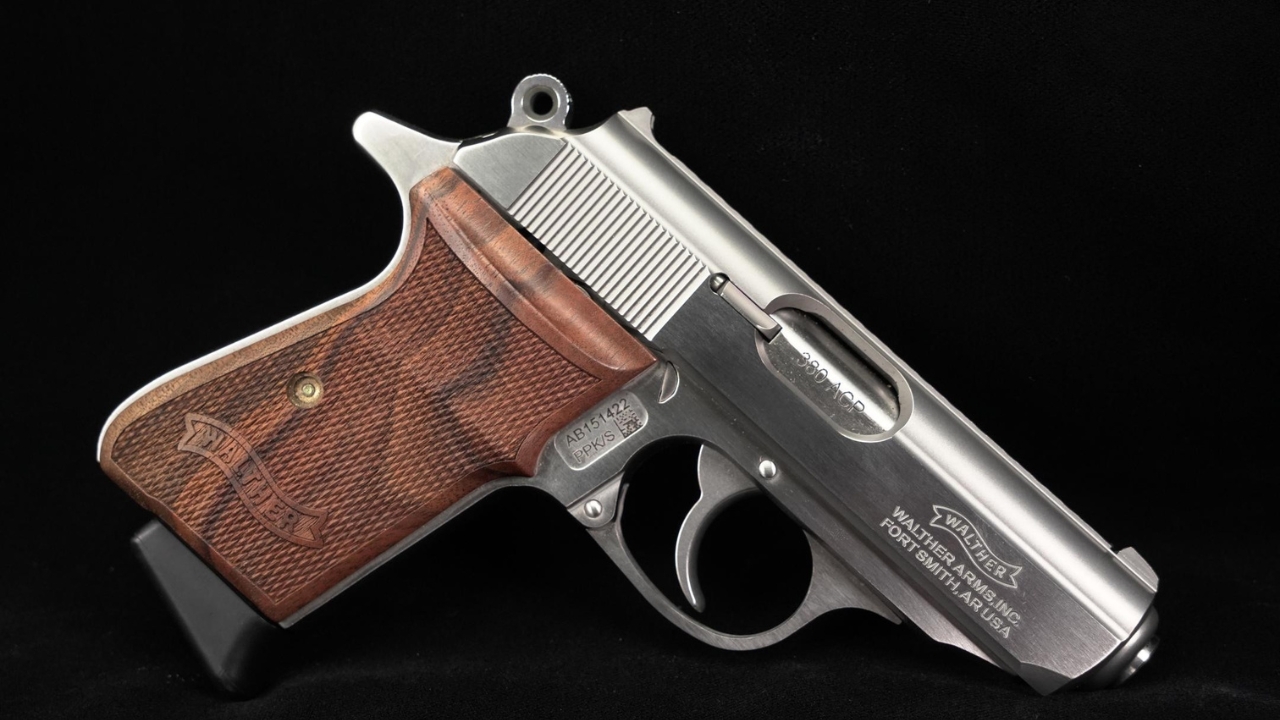
Every pawn shop has a PPK story behind the counter, and that can mess with pricing. Some shops overprice them because of the Bond thing, but plenty underprice them because the gun is snappy, the sights are small, and new shooters complain. The truth is in the middle: it’s a classic carry pistol that takes some practice.
The important part is which era you’re looking at. Interarms and early S&W import/production runs can vary, and you want one that runs with modern ammo. Inspect the feed ramp and overall condition, and pay attention to the slide bite potential if you have big hands. As a coat-pocket or deep-carry option for someone who appreciates steel and tradition, it still works.
9. Glock 23 (Gen 3)

Glock 23s show up everywhere because .40 S&W got pushed hard for years and then fell out of fashion. Pawn shops often price them cheap because everybody “switched back to 9.” Fine. The gun didn’t suddenly become unreliable. A Gen 3 G23 is still one of the more durable compact pistols ever made, and it’s easy to keep running.
What makes it worth finding is versatility. With the right factory parts and quality magazines, you can keep it as a .40, or set it up to run other configurations legally and safely depending on what you’re doing and what your local rules allow. Even if you never change a thing, you’re buying a proven defensive pistol with endless holster and parts support. Just inspect for frame abuse and recoil spring age.
10. SIG Sauer P239
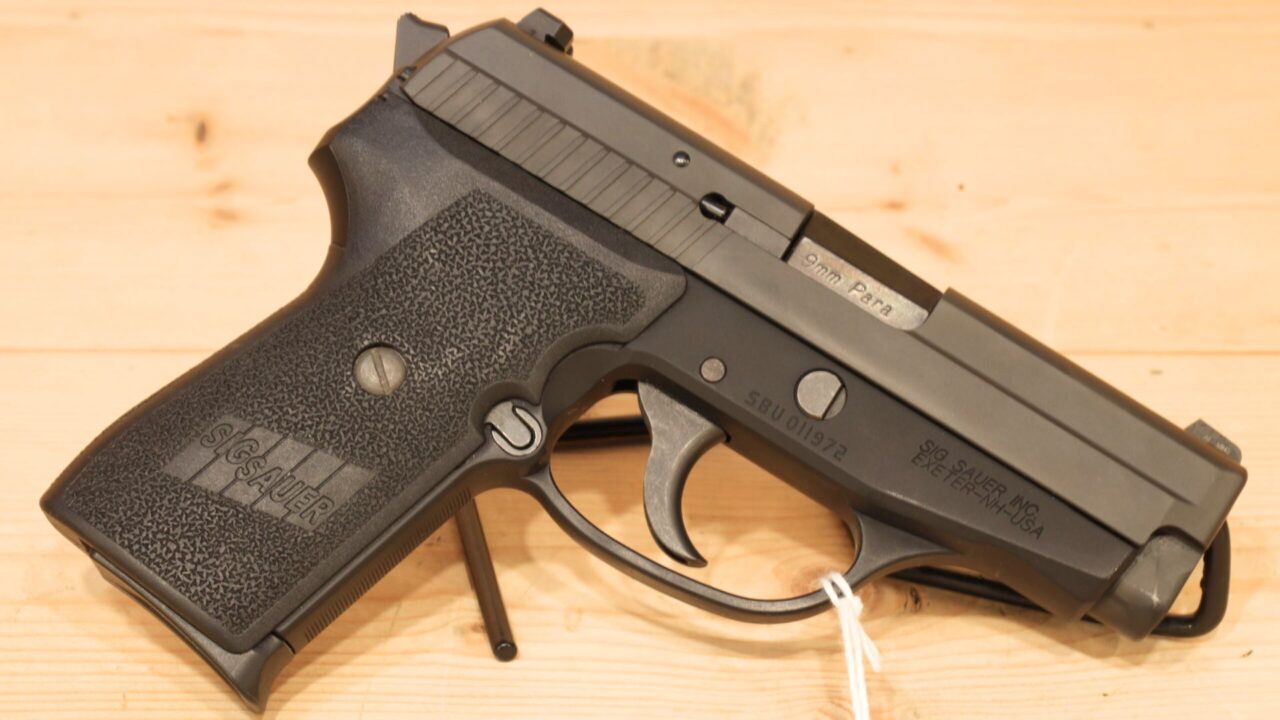
The P239 is the kind of gun that gets sold because it’s “heavy for capacity.” That’s true. It’s also the kind of gun that carries well because it’s thin, points naturally, and doesn’t feel like a disposable tool. In a world of tiny pistols that beat your hands up, the P239 is a comfort carry if you dress around it.
Pawn shops sometimes price it like any other older SIG, without noticing condition and extras. Check the frame rails, the barrel hood, and make sure the DA/SA transition isn’t gritty from neglect. Magazines exist, but they aren’t bargain-bin cheap, so having two or three with the gun matters. If you like metal guns and you actually practice, a clean P239 is easy to appreciate.
11. Beretta 92FS (Italian-made)
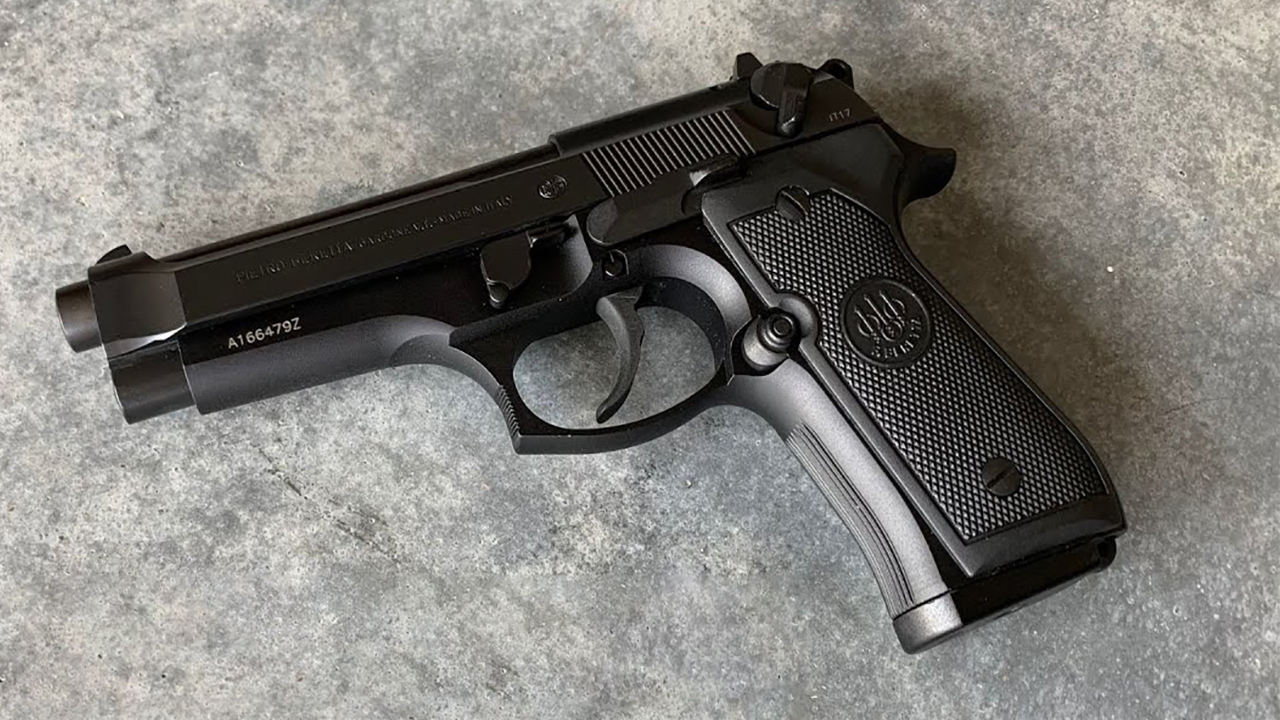
The 92FS gets treated like “just a big 9mm,” especially now that compact optics-ready pistols dominate the conversation. That’s why you can still find deals. The 92 is boring in the best way: it runs, it’s soft shooting, and it’s easy to hit with at speed. For home defense and range work, it’s a staple.
Pawn shop pricing often doesn’t reflect the desirability of certain markings, eras, or overall condition. Italian-made guns, clean examples with matching parts, and pistols that haven’t been rattled loose by a million rounds are worth a closer look. Make sure the locking block area looks healthy, check the crown, and verify the safety/decocker is positive. It’s not a mountain carry gun, but it’s a steady workhorse.
12. CZ 82 (9×18 Makarov)

The CZ 82 sometimes gets lumped in with “cheap surplus,” and the price tag follows that assumption. But the 82 is one of the best-handling surplus pistols ever imported in bulk. The ergonomics are excellent, the trigger is usually decent, and the ambi controls are a nice touch for a gun from that era.
The catch is caliber and ammo availability. 9×18 isn’t hard to find, but it’s not as common on rural store shelves as 9mm. Inspect the polygonal rifling (don’t freak out if it looks different than you’re used to), and check the condition of the mags. A clean 82 makes a fun range pistol and a legitimate defensive option if you feed it good ammo and confirm reliability. For the price, it’s hard not to smile.
13. Makarov PM (Bulgarian or East German)

The Makarov PM is simple to the point of being stubborn. Pawn shops often tag them as “old commie pistol” and move on. That simplicity is exactly why they’re worth finding. They’re slim, reliable, and built to be carried and used, not babied. The sights are basic, but the guns tend to shoot where they look.
Condition matters a lot because some surplus pistols lived rough lives before they ever hit American shelves. Check the feed ramp, inspect the slide and frame for peening, and make sure the safety operates correctly. East German examples usually carry more collector interest, but a clean Bulgarian can be a solid shooter. If you want a glovebox pistol that doesn’t need to be trendy, this is one.
14. Colt Mustang (original, not the new-production)

The original Colt Mustang is a small .380 that carries like a dream, and that’s why they quietly became desirable again. Pawn shops don’t always separate the “old Colt” factor from the fact it’s “just a .380.” The good ones have a nice trigger, a familiar 1911-ish manual of arms, and they disappear under light clothing.
Because they’re older, you need to check function carefully. Look for cracked frames, amateur gunsmithing, and worn springs. Magazines can be the make-or-break detail, so having factory mags is a big plus. This isn’t a pistol I’d buy sight-unseen, but when you find a clean one at a reasonable number, it’s hard not to understand why folks regret selling them.
15. Smith & Wesson Model 39-2
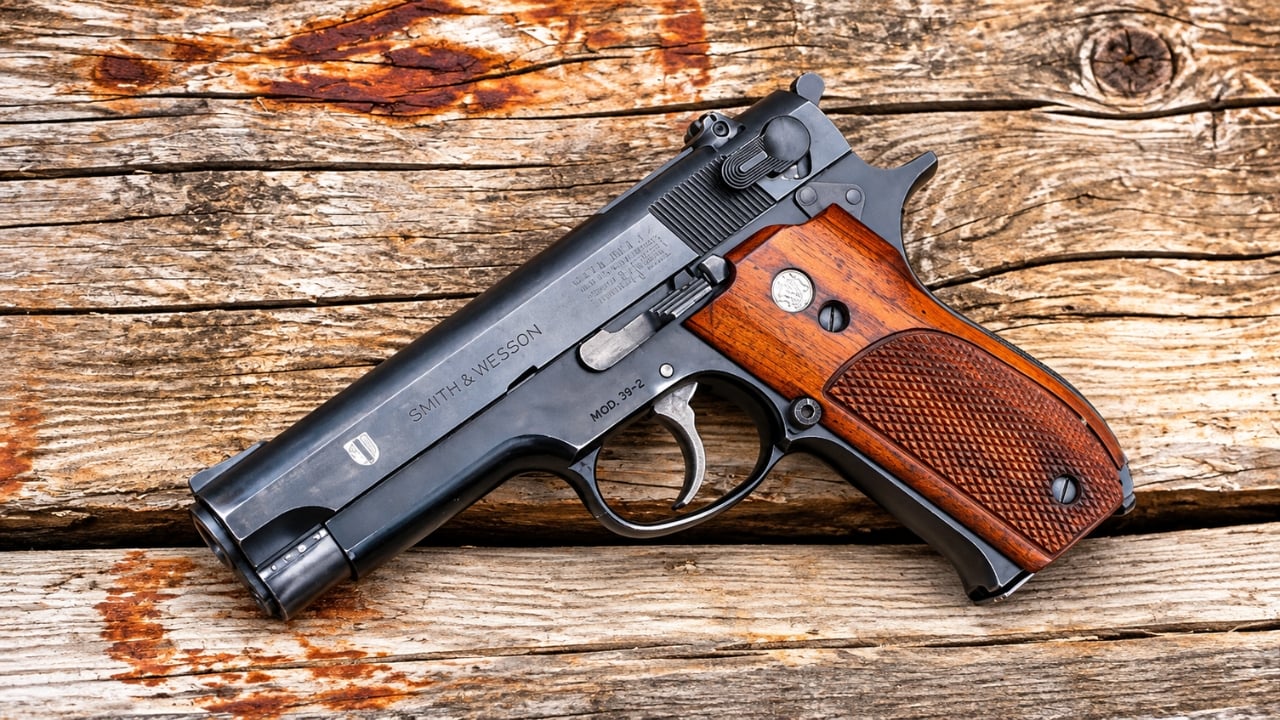
The Model 39-2 is a piece of American semi-auto history that still works as a practical pistol. Single-stack 9mm, classic lines, and a feel that modern guns don’t replicate. Pawn shops sometimes see it as “an old 9” and price it like it’s competing with used polymer guns. That’s leaving money on the table if the gun is clean.
You want to inspect for the usual old-gun issues: worn springs, questionable magazines, and neglect under the grips. The DA pull can be long, but it smooths out nicely on good examples. For a range pistol that doubles as a nostalgic carry piece, it’s a fun one. It’s also the kind of gun that starts conversations with older shooters who recognize it immediately.
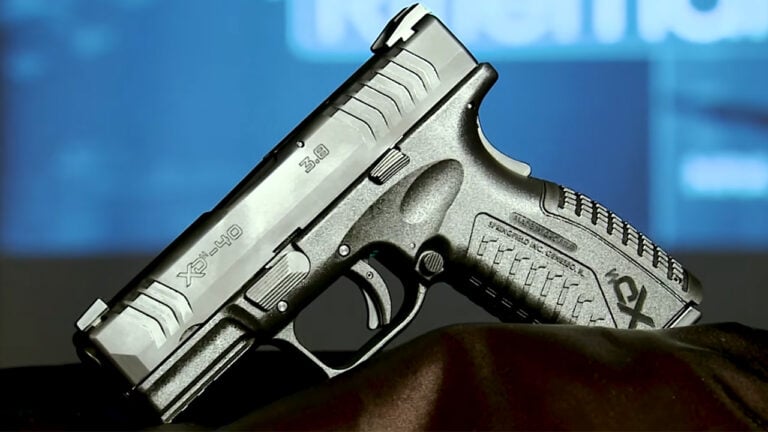
16. Springfield Armory XD-S (first generation)

The XD-S doesn’t get much love online anymore, and that pushes them into pawn shop “cheap carry gun” territory. I get it—trigger feel and reset aren’t for everyone, and the market moved on. Still, the XD-S is a slim, practical pistol that carries comfortably and tends to run if it’s been maintained.
What matters here is making sure you’re buying a sorted-out example. Check that it locks back reliably, the magazines insert and drop free correctly, and the grip safety isn’t acting weird from damage or gunk. If the shop has the extended magazines with it, that changes the value because it makes the gun more usable. It’s not exciting, but it’s a legitimate tool for somebody who wants thin and simple.
17. Kahr PM9

Kahr pistols can be misunderstood at the counter. The PM9 is small, the trigger is long, and if someone dry fires it expecting a striker trigger like a Glock, they’ll think something is wrong. Nothing is wrong. It’s built that way, and once you learn it, it’s a very shootable little carry gun that rides easy in real-world clothing.
Pawn shops often price them low because they don’t move fast and some examples were carried a lot. Check the recoil spring assembly, inspect the feed ramp and barrel hood wear, and test magazine fit. Kahrs can be sensitive to limp-wristing for some shooters, so it’s a gun you should actually shoot before trusting. If it runs, it’s a compact that doesn’t feel like a gimmick.
18. Ruger Mark II (Target or Standard models)
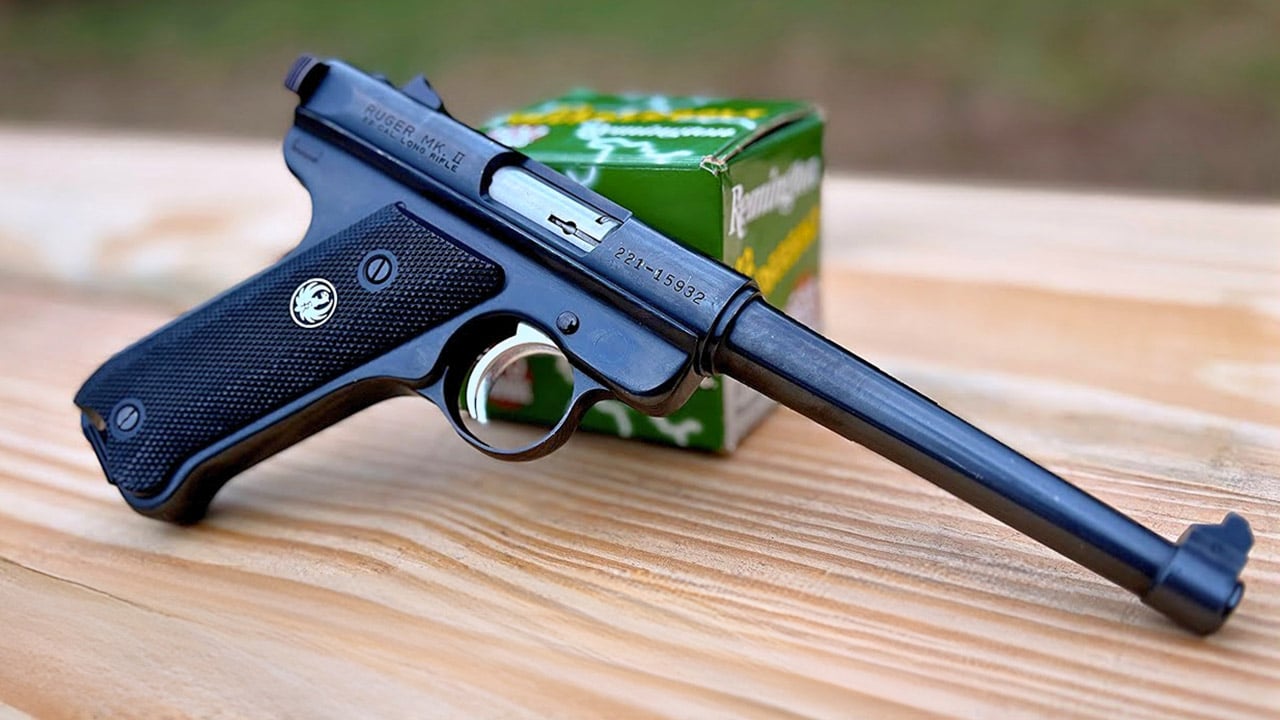
Used .22 pistols get overlooked because everybody wants the latest threaded tacticool rimfire. The Ruger Mark II is not that. It’s an old-school .22 that just keeps going, and it’ll teach you more about trigger control than a case of centerfire ammo. Pawn shops sometimes price them like any other used .22, and that’s where the opportunity is.
The Mark II has a reputation for being a pain to reassemble, and yeah, it can be. Ask me how I know. But once you learn it, it’s not a big deal, and the reliability is worth it. Check for a decent crown, make sure the bolt cycles smoothly, and look for a gun that hasn’t been “customized” into a problem. For potting squirrels where legal, plinking, and cheap practice, it’s money well spent.
19. FN Five-seveN (older USG models)

The Five-seveN gets judged on caliber talk more than real use, and that weird reputation can cause pawn shops to price it wrong in either direction. When they underprice it, it’s usually because it’s “plastic and expensive ammo.” Fair complaints. The flip side is it’s a flat-shooting, low-recoil pistol with real accuracy and a quality build.
Ammo cost and availability is the whole conversation here, so be honest about your budget. Also, make sure you’re looking at a legit FN, not confusion with similar-sounding stuff, and check that the magazines and sights are correct. If it’s clean and priced like a generic polymer gun, that’s a serious bargain. It’s specialized, but it’s also not common to stumble on one in the wild.
20. Colt 1991A1 Government Model (Series 80)
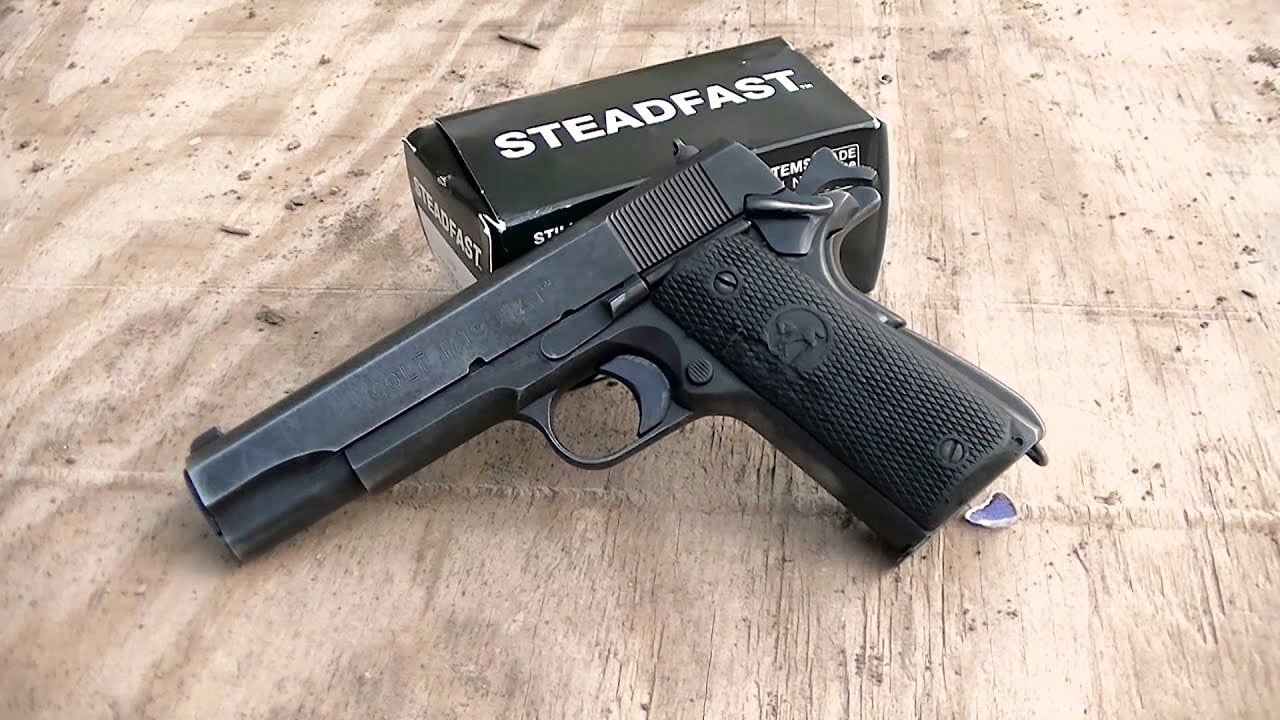
Series 80 Colts get treated like “just another 1911,” especially when the finish is worn and the grips are ugly. A pawn shop might price it alongside off-brand 1911s, and that’s where you need to pay attention. A real Colt Government Model is a solid base gun with a name that still means something, even if it doesn’t have fancy checkering or modern sights.
Here’s the deal: plenty of 1911s have been tinkered with, and not all tinkering is good. Check the barrel lockup, the feed ramp area, and the general fit without expecting custom-shop tightness. Make sure the thumb safety is positive and the trigger isn’t doing anything sketchy. A clean Colt that hasn’t been “upgraded” into a headache is still one I wouldn’t be quick to pass up.
Pawn shop shopping is half patience and half knowing what you’re looking at before you fall in love with it. Bring a small flashlight, ask to see the magazines, and don’t ignore boring details like springs and sights. A fair deal isn’t always the lowest price tag—it’s the gun that will still be running when the new hotness is on its third revision. When you spot one of these priced like it’s nothing special, slow down and take a closer look.
Like The Avid Outdoorsman’s content? Subscribe to our newsletter so you never miss an article.
Here’s more from us: