Photo credit: The Average Joe Armory/Youtube
You’ve seen them. They’re leaned up under the table lip at a farm sale, half covered by a horse blanket, looking like somebody’s tired old deer rifle with a faded sling and a scope that’s been bumped one too many times. Most folks walk right past because they assume it’s nothing but an attic gun with a rough bore and a mystery story.
But every now and then, what’s sitting back there isn’t just “old.” It’s a rifle that got misunderstood, mis-used, or mislabeled, and it’s one decent cleaning and a little know-how away from being a real buy. Here are 20 rifles that regularly get treated like leftovers even when they’re anything but.
1. Winchester Model 70 (pre-64)
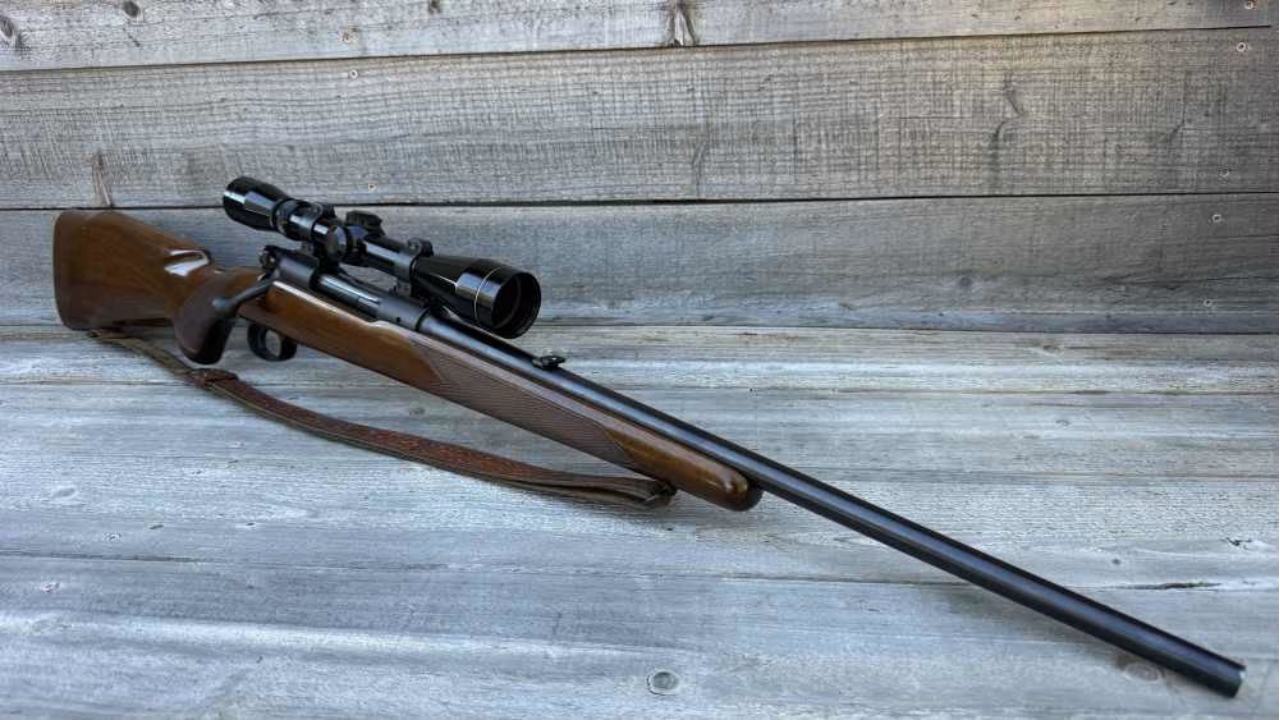
A pre-64 Model 70 can look like just another beat-up bolt gun to the untrained eye, especially when the stock has honest wear and the bluing is thin at the carry points. The giveaway is the controlled-round feed action and that classic claw extractor. Pick it up and cycle it slowly; it has a feel that newer budget bolts don’t. When somebody says “it’s just Grandpa’s .30-06,” your ears should perk up.
These rifles got hunted hard because they worked, and that use is what makes them show up at farm sales. The risk is a bad scope mount job or a drilled-and-tapped mess from decades ago. Still, even with cosmetic issues, a sound pre-64 action is a foundation you can build on. I wouldn’t rush to “upgrade” it, either. Half the value is in leaving it the way it is.
2. Remington Model 700 BDL (older walnut/blue guns)

An older 700 BDL with glossy walnut and the hinged floorplate often gets lumped into the “common as dirt” category. The truth is they were common because they shot, and a good one still will. A lot of them wear an old 3-9x with ring marks and cloudy glass, which makes buyers assume the rifle is worn out too. It’s usually the optic, not the rifle.
Where you pay attention is the trigger era and overall condition. Some have been “kitchen table adjusted” to a point they’re not safe, and any used rifle needs a careful function check and a competent inspection. But a clean older BDL is one of the easiest rifles to live with: parts, bases, magazines, and load data are everywhere. It’s boring in the best possible way.
3. Ruger M77 Mark II (tang safety and early controlled-feed vibe)

The Ruger M77 line tends to sit ignored because it’s not flashy and it’s not a new “precision” action. A Mark II can look chunky, especially in the older wood stocks. Then you shoulder it and realize it points like a hunting rifle is supposed to. Ruger used solid steel and practical design choices that don’t impress internet commandos but do impress anybody who hunts in bad weather.
These rifles also get discounted when someone had a rough scope mount setup or the rings were torqued like a lug nut. Ruger rings are strong, but they’re not immune to abuse. The good news is the action is generally tough as a fence post, and the extractor system is confidence-inspiring for a backcountry rifle. If you find one in a plain chambering, it can be a “buy once, cry never” gun.
4. Savage Model 99

A Savage 99 is one of those rifles that looks like a lever gun your uncle carried, and people assume it’s just a quirky antique. Then you notice the rotary magazine and the sleek receiver, and you start realizing it was a pretty advanced design for its time. In .300 Savage or .308, it’s a legitimate deer rifle today, not just a wall hanger.
What knocks them to the back of tables is usually finish wear and the fact that many have no scope, or they have an odd side mount. Also, the safety and lever feel different than the newer lever guns people are used to. Condition matters because parts aren’t as plug-and-play as a modern bolt gun. Still, a tight 99 with a decent bore is a rifle you keep for life if you like classic hunting gear.
5. Marlin 336 (JM-stamped)
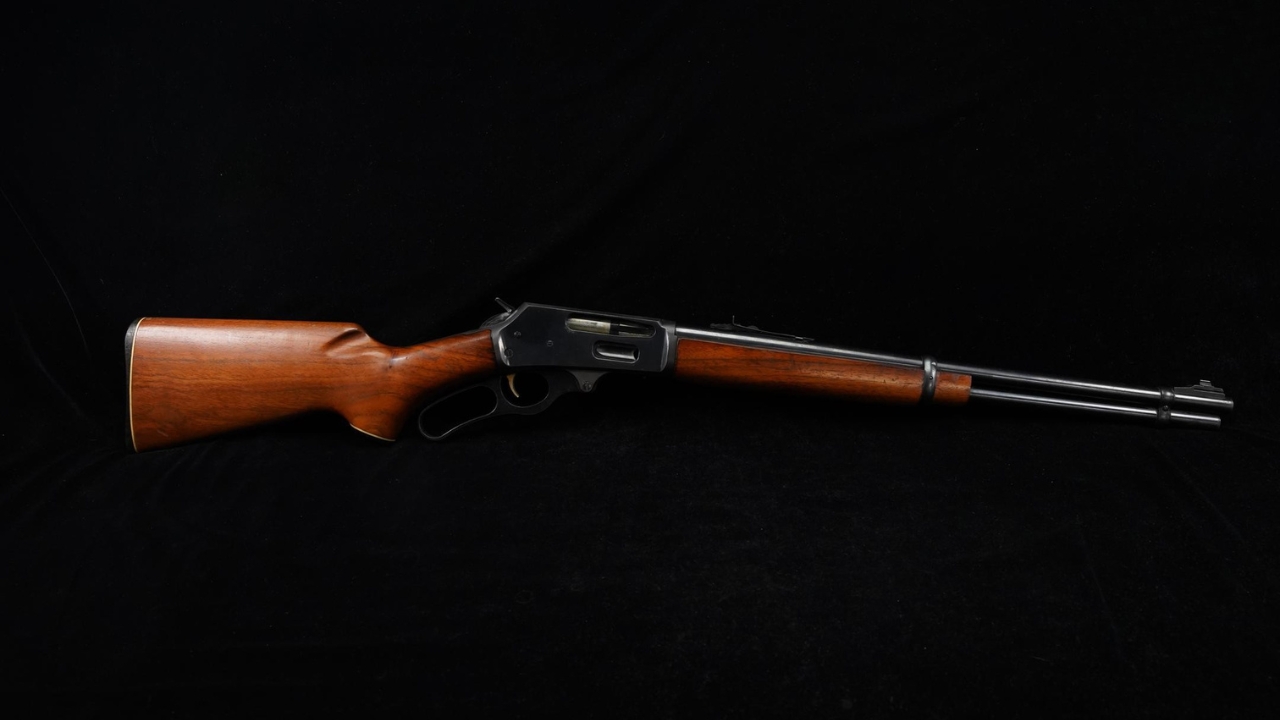
JM-stamped Marlin 336 rifles get mistaken for “just a .30-30” all the time, especially when they’ve got a worn saddle scabbard look and a cheap scope in see-through rings. The older ones have a smooth, slick action and fit-and-finish you don’t always see on later production. If you hunt timber, that rifle still makes more sense than a long heavy bolt gun.
The trick is to check for the JM barrel stamp and then check basic function. Look for a clean crown, reasonable lever play, and a bore that isn’t frosted beyond hope. A lot of these rifles spent years in truck racks, which means dents and scratches but not necessarily neglect. If it feeds right and the rifling is there, you can turn it into a deadly practical woods rifle with nothing more than good irons or a low-power optic.
6. Winchester Model 94 (pre-64)

A pre-64 Model 94 can look rough and still be a gem. The receiver finish often fades, stocks get dark from sweat and oil, and plenty have been carried more than they’ve been shot. People see “old lever gun” and assume it’s worth whatever the sticker says, or they assume it’s not worth bothering with. Both assumptions are wrong depending on what it is.
Pre-64 matters to collectors, but even for a hunter, it matters because many of those rifles have a feel that newer ones don’t quite match. Watch for cracked tang areas and buggered screws from bad screwdriver work. Also, make sure it locks up tight. If it does, you’re looking at one of the most practical “walk-around” deer rifles ever made. There’s nothing fancy about it, and that is kind of the point.
7. CZ 527 (in .223 or 7.62×39)
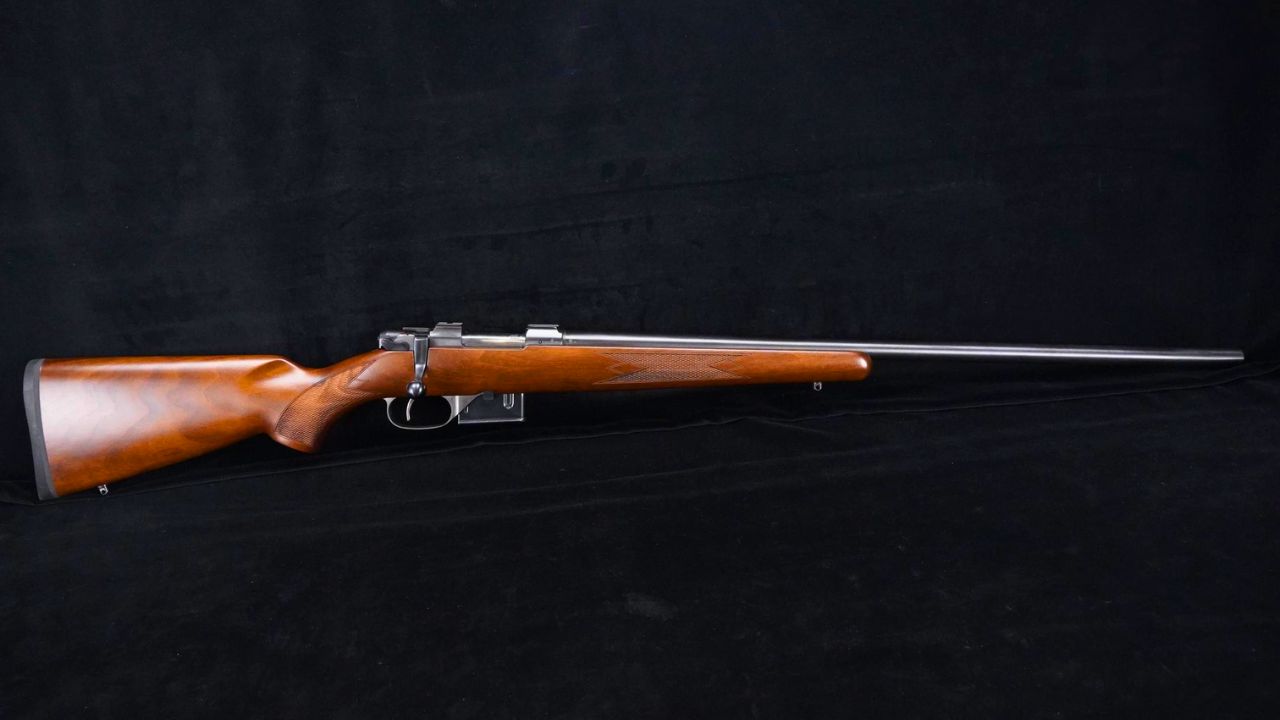
The CZ 527 is a classic example of a rifle that gets overlooked because it’s small, has that mini-Mauser look, and usually wears goofy rings or a bargain-bin scope. Half the time it’s sitting on a table labeled “varmint rifle.” If you’ve ever carried one, you know they’re trim, handy, and often shockingly accurate for what they are.
They also got discontinued, which means the guy selling it might not even realize what he’s got. The single-set trigger turns some buyers off because they don’t understand it, but you don’t have to use it set. Magazines can be a little spendy compared to a common .223 bolt gun, so check that it comes with at least one original mag. If you want a light walking rifle for coyotes and farm chores, these are tough to beat.
8. Tikka T3 (early blued models)
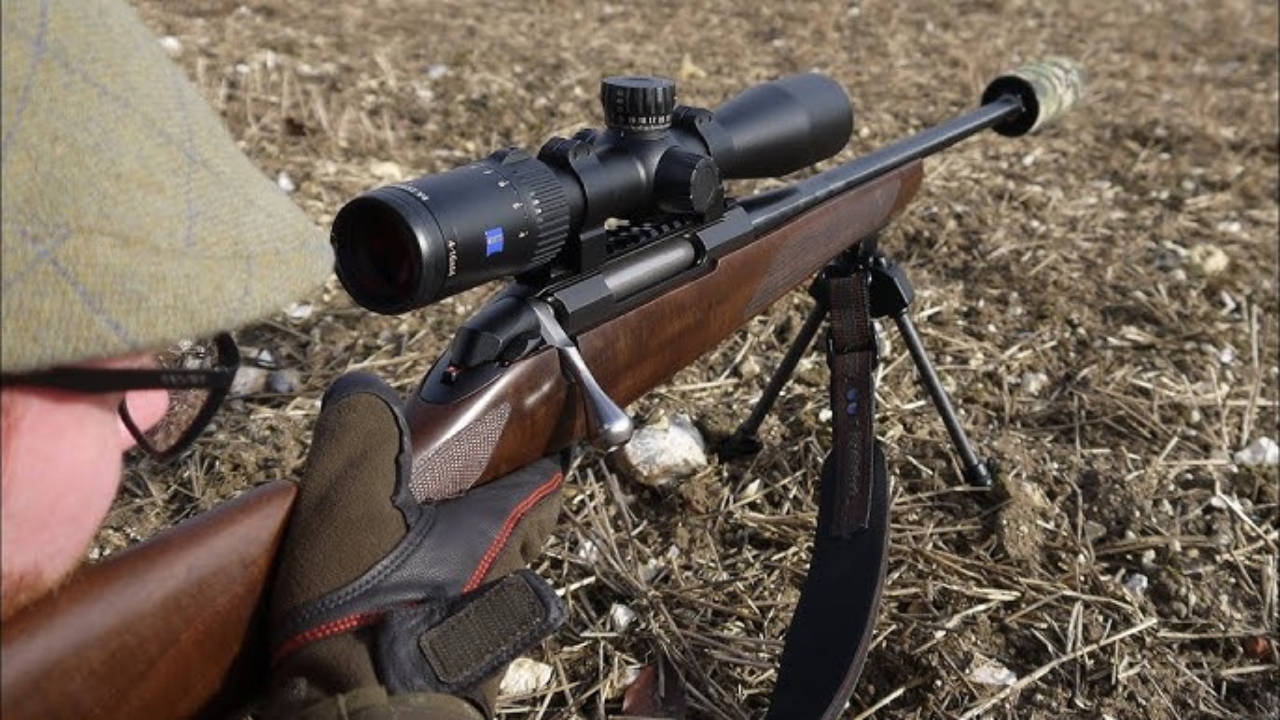
A Tikka T3 with a scratched polymer stock gets treated like a “cheap plastic gun” at rural sales, especially by guys who only trust walnut. Pick it up and run the bolt, though. The action is slick, the trigger is usually clean, and the barrels have a reputation for shooting better than the price suggests. They’re boringly good, which is why they don’t always get respect on a folding table.
Most problems you’ll see are owner-added issues: too-tall rings, a scope mounted too far back, or a muzzle brake that turned the rifle into a noise machine. The factory magazines are polymer too, and that makes some folks nervous, but they tend to run fine if they haven’t been abused. If you find one in .270 or .30-06, it’s a practical, accurate hunting rifle that doesn’t need excuses.
9. Ruger No. 1
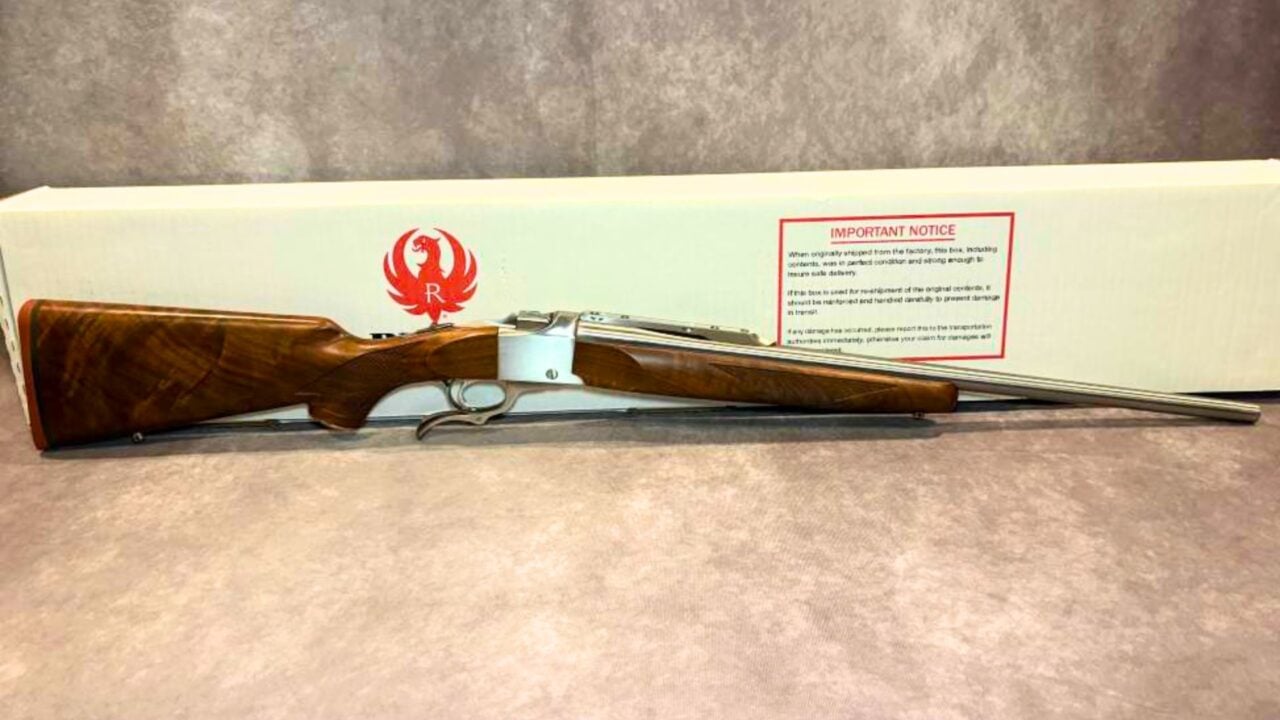
A Ruger No. 1 single-shot can sit unwanted because it doesn’t fit the “more rounds is better” mindset. Somebody sees one round in the chamber and decides it’s obsolete. Meanwhile, it’s one of the classiest hunting rifles Ruger ever made, and it carries well because there’s no long action hanging out behind the trigger. A No. 1 looks like a showpiece but it’s not fragile.
The downside is they can be picky about loads in some chamberings, and the fore-end pressure can influence accuracy if you start tinkering without understanding what you’re doing. Also, the scope mounting setup is different than a typical bolt gun, so check the rings and base situation. If it shoulders naturally and the bore is clean, it’s a rifle you take into the deer woods when you want to slow down and hunt right.
10. Browning BLR
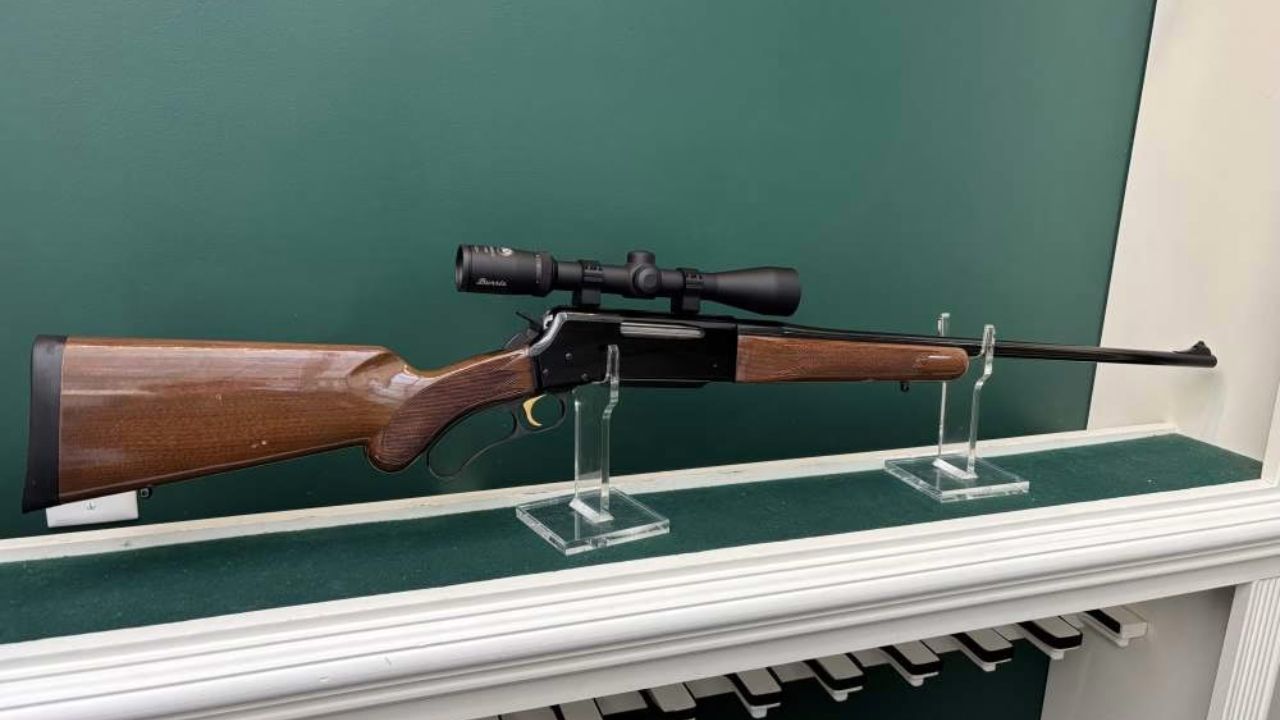
The Browning BLR often gets mistaken for “just another lever gun,” but it’s in a different category because it uses a box magazine and can run modern cartridges like .308 and .30-06. At a farm sale it’ll look like somebody’s lever rifle with a scope, and folks either don’t recognize it or they assume it’s some finicky contraption. The action is actually pretty strong and practical.
What you check on a BLR is smooth feeding, magazine condition, and whether the trigger feels normal for that model. They’re not known for a crisp, bolt-gun trigger, and that surprises people at the range. Also, replacement magazines aren’t as cheap as common bolt-gun mags, so having the original magazine matters. If you hunt thick cover but want a modern cartridge, the BLR is one of the smartest answers out there.
11. Springfield Armory M1 Garand (CMP-style rifles)

An M1 Garand is heavy, long, and not what most guys want to lug around these days, which is why you’ll sometimes see one sitting back like an old relic. The stock might be dinged up and the metal might look tired. If the seller calls it “an old military gun” and shrugs, that’s where you slow down and take a closer look. Real U.S. service rifles have a following for a reason.
They’re also not rifles you buy casually if you don’t understand them. You want to confirm it’s in safe shooting condition, and you want someone competent to check it over if you’re not. But as a piece of history that can still shoot well, it’s hard to top. The irony is that the same rifle that gets ignored because it’s “just old wood and steel” will draw a crowd the second someone recognizes what it is.
12. Winchester Model 88
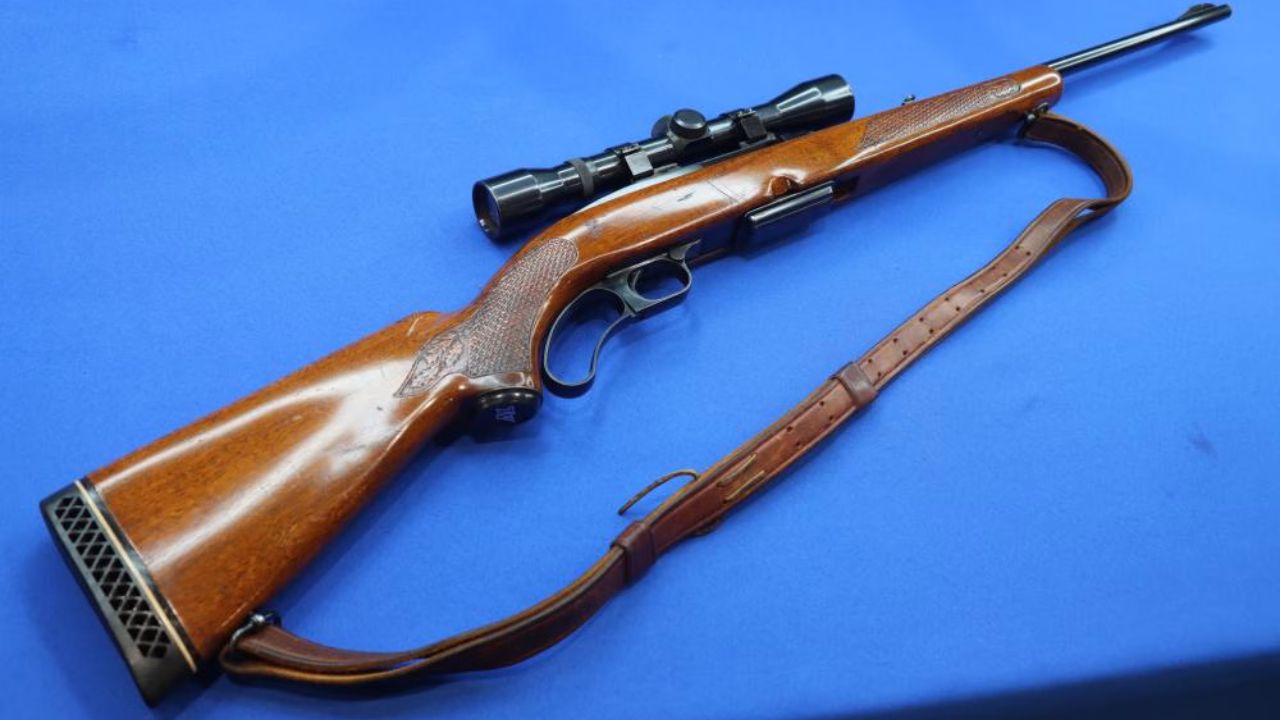
The Winchester 88 is one of those rifles that confuses people. It’s a lever gun, but it looks kind of like a bolt gun, and it uses a box magazine. At a glance, it doesn’t scream “classic,” especially if the checkering is worn and the bluing has thinned. That’s why it can wind up in the back row, priced like a generic hunting rifle.
In .308, the Model 88 is a serious deer rifle with a strong action and good handling. The downside is that magazines are not something you find in a coffee can at every gun show. If it comes with multiple mags, that’s a big deal. Also check the lever and lockup feel; slop is not your friend. When they’re right, they’re slick, accurate enough for real hunting distances, and different in a good way.
13. Remington Model 81 Woodsmaster

A Remington Model 81 is the definition of “looks like somebody’s old hunting gun,” because it usually is. Long recoil semi-autos aren’t trendy, and the average buyer doesn’t know what they’re looking at. They see an old semi-auto with a heavy fore-end and assume it’s going to jam or shake itself apart. A good one won’t, but it does require respect and maintenance.
These rifles show up in cartridges like .300 Savage and .35 Remington, and that alone makes them interesting. Ammo availability can be a real consideration, so don’t buy one as your only deer rifle if you can’t feed it. Also, springs and friction pieces need to be correct, and a gunsmith who understands the design is worth their weight. Still, if you want a classic deer camp rifle that turns heads, the 81 is a cool piece of functional history.
14. Mossberg 144 (bolt-action .22 trainer rifle)
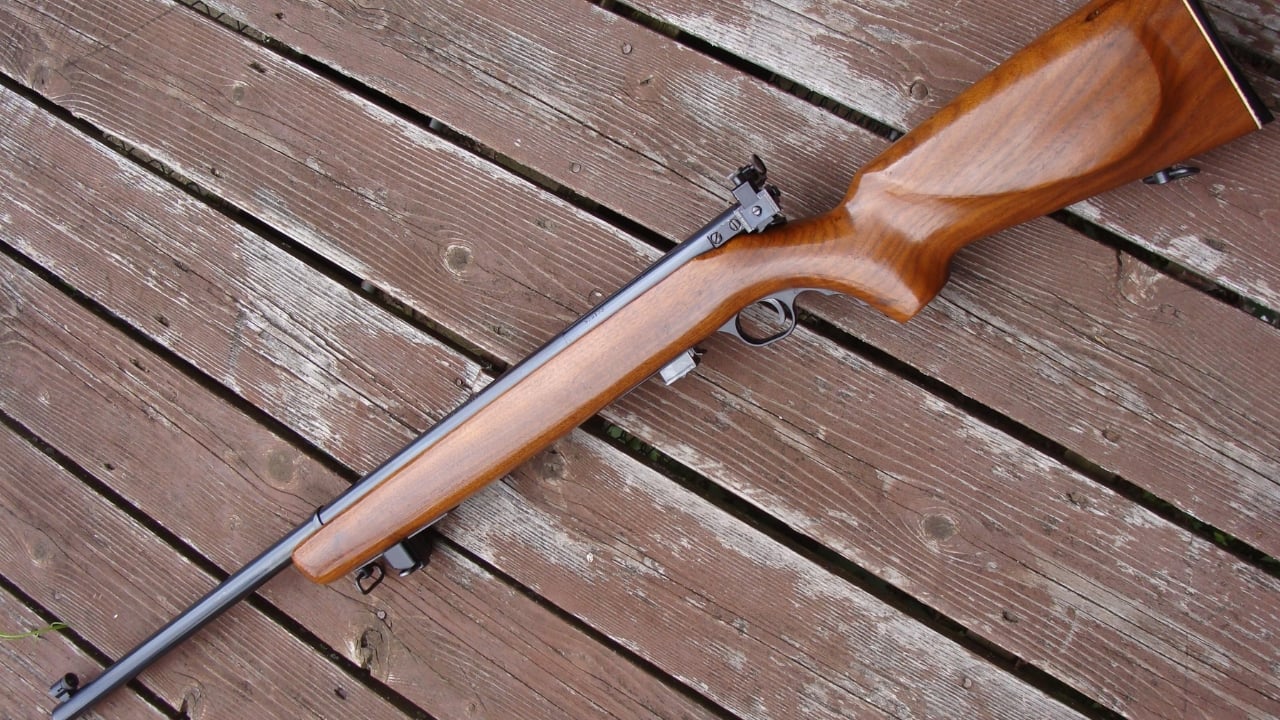
The Mossberg 144 is the kind of .22 that gets shoved under a table because it’s “just a .22.” Usually the stock is beat up, the peep sights look odd to folks raised on scopes, and the bolt feels different than modern rimfires. That’s exactly why I always take a second look. These were built as serious trainer and target rifles, not disposable plinkers.
If the bore is good, they can shoot far better than their farm-sale vibe suggests. The sights alone, when intact, are worth paying attention to. What hurts them is missing parts, especially sight pieces, because tracking down correct components can take patience. But as a rifle to teach kids fundamentals or to keep as a quiet pest-control tool around the barn, a solid old bolt .22 like this is gold. New guns don’t automatically do it better.
15. Ruger 10/22 (older wood-stock carbines)

A used 10/22 with a stained birch stock and a worn receiver gets treated like it’s worth lunch money. That’s funny, because the same rifle will run for decades with minimal fuss, and parts support is basically endless. The reason they wind up ignored is because they’re everywhere, and “common” gets confused with “not worth anything.”
Here’s what actually matters: condition of the bolt face, extractor wear, and whether somebody “customized” it into a problem. Home-polished internals and cheap aftermarket mags can create a reliability mess that the next guy blames on Ruger. A mostly stock older carbine with the factory rotary mag is usually a safe bet. It’s not glamorous, but it’s one of the most useful rimfire rifles ever made for farms, cabins, and casual range days.
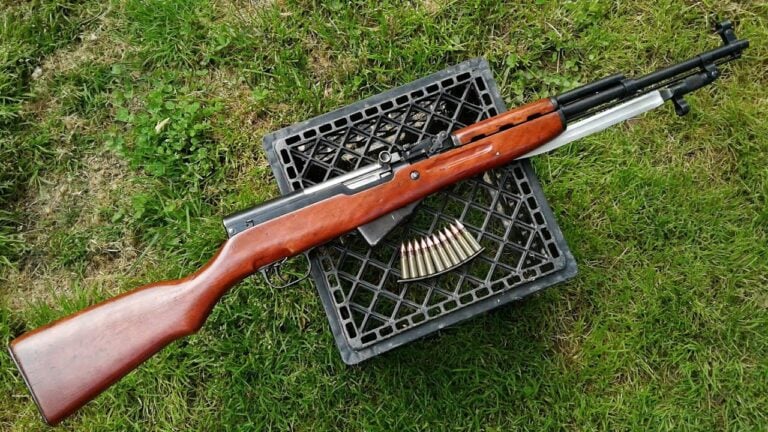
16. SKS (Norinco / Yugoslav M59/66)
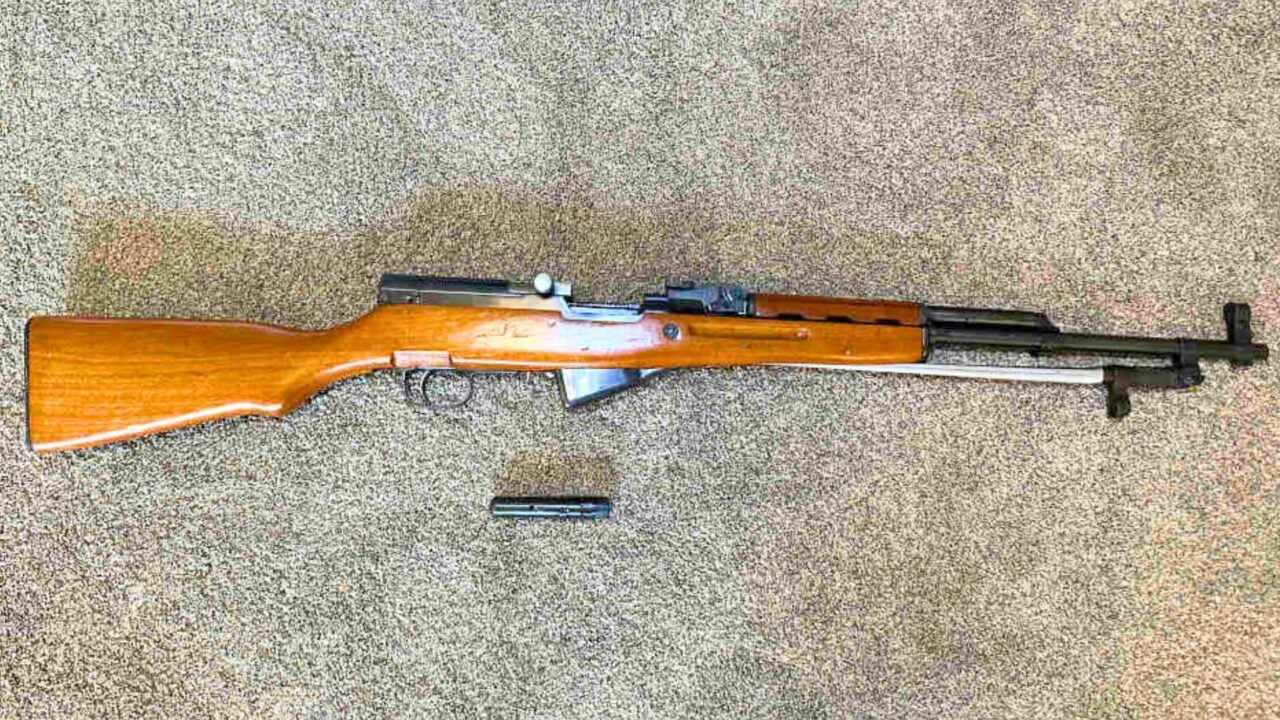
An SKS is easy to misread at a farm sale. With a wood stock and an old military look, it can either be a solid, reliable rifle or a hacked-up project with a bargain plastic stock and missing original parts. The good ones sit there because buyers have opinions about 7.62×39, or because they assume anything “surplus” is worn out. Plenty of SKS rifles are actually in great shape.
What you watch for is overall originality and mechanical condition. A butchered gas system or sketchy aftermarket magazine setup is a headache. A clean, mostly original rifle with a fixed mag and intact sights is the one worth considering. They’re not precision guns, and they’re not lightweight. But for a tough, simple rifle that can ride behind a truck seat on a ranch (stored legally and safely, of course), an SKS makes a lot more sense than folks admit.
17. Ruger Mini-14 (older 180/181 series)
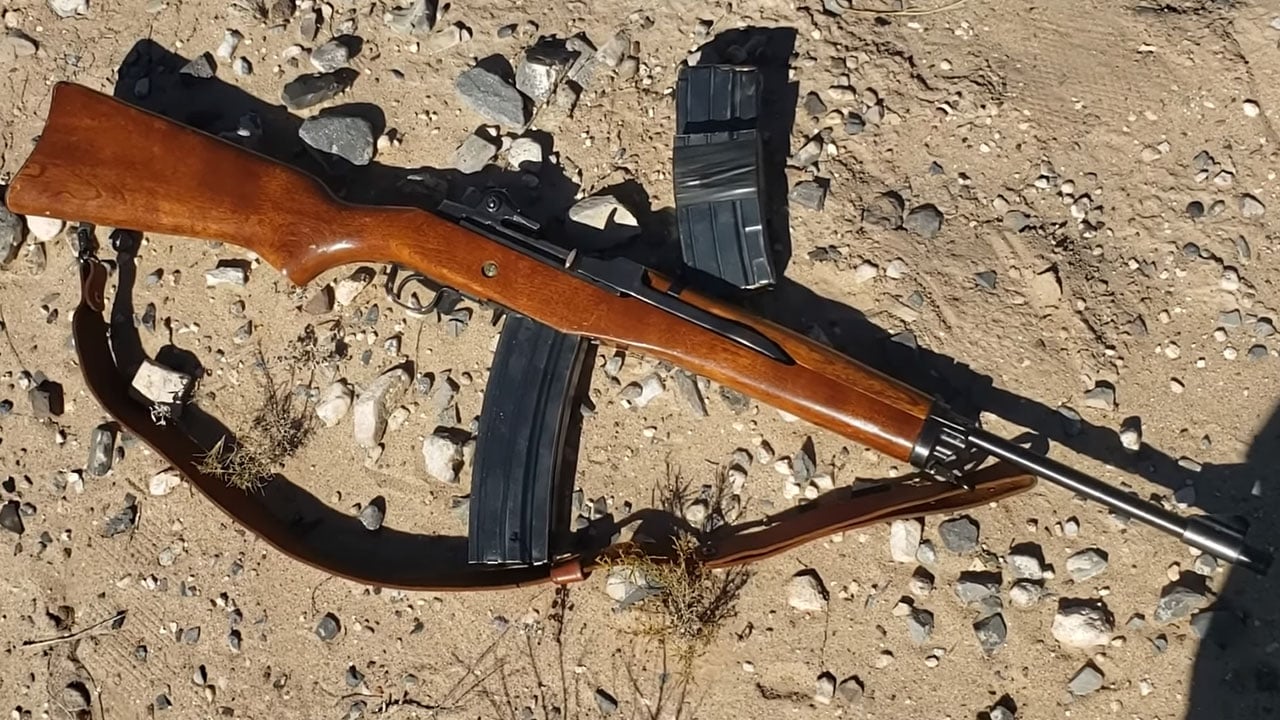
The Mini-14 gets dismissed because it’s not an AR, and the older ones get dismissed because some of them weren’t great shooters with thin barrels. That’s fair to a point. But at a farm sale, the Mini often looks like “some old ranch rifle,” and that’s exactly what it is. It was made for practical use, not for internet scorekeeping.
The reality is an older Mini can still be perfectly serviceable for coyotes, varmints, and general property work if you keep expectations realistic. The big thing is magazines. Factory mags are the standard, and off-brand mags are a common source of trouble. Check the gas block area for signs of backyard wrenching. If the price is right and it runs, the Mini is handy, points fast, and carries well. It’s a tool, not a fashion statement.
18. Remington Model 760 / 7600 (pump-action centerfire)
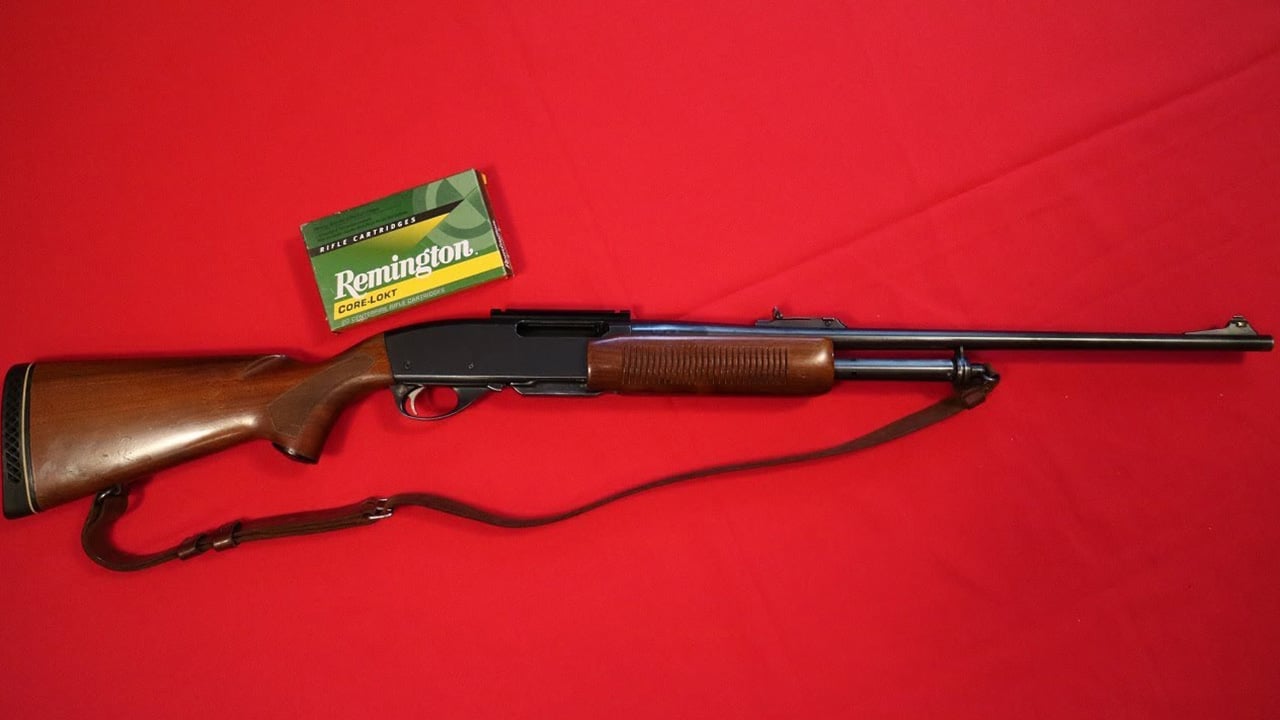
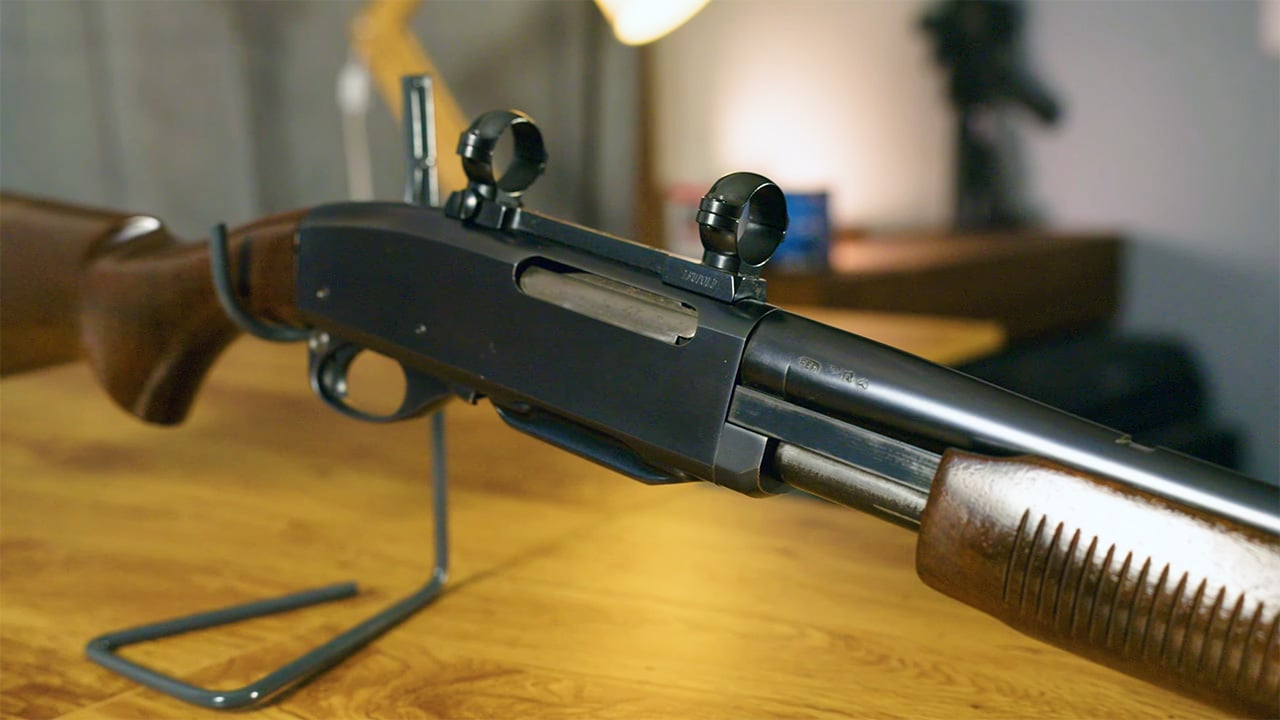
A Remington 760 or 7600 pump rifle often gets shoved aside because buyers think “pump equals shotgun” and assume it’s awkward in a rifle caliber. Then deer season hits in thick country and suddenly everyone wants one. These rifles have probably taken more whitetails in certain regions than the latest magnum ever will. They carry like a bird gun and come up fast.
What knocks them is cosmetic wear and the fact that they were carried hard. Check the fore-end for looseness, the lockup, and the magazine fit. Also, make sure the sights haven’t been bent or drifted by years in and out of a rack. They’re not as easy to “accurize” as a bolt gun, but most shoot plenty well for normal hunting ranges. If you grew up on a 760, you already know why folks hang onto them.
19. Sako Forester L579

A Sako Forester can sit ignored because it doesn’t have a big, loud name stamped on it that casual buyers recognize. To a lot of folks it’s just another older bolt rifle with a glossy finish and European styling. Pick it up, though, and you’ll usually notice tight machining, a smooth bolt, and overall quality that’s hard to find in a lot of modern “value” rifles.
These aren’t rifles you want to see drilled full of extra holes or sanded down as a “project.” Value aside, it’s just a shame. Check for rust under the stock line and make sure the scope mounting situation isn’t a mess. Replacement parts aren’t like ordering AR components, so condition matters more. If you find one that hasn’t been abused, you’re looking at a rifle that can shoot, hunt, and still feel a little special every time you cycle it.
20. Weatherby Vanguard (early Howa-made rifles)
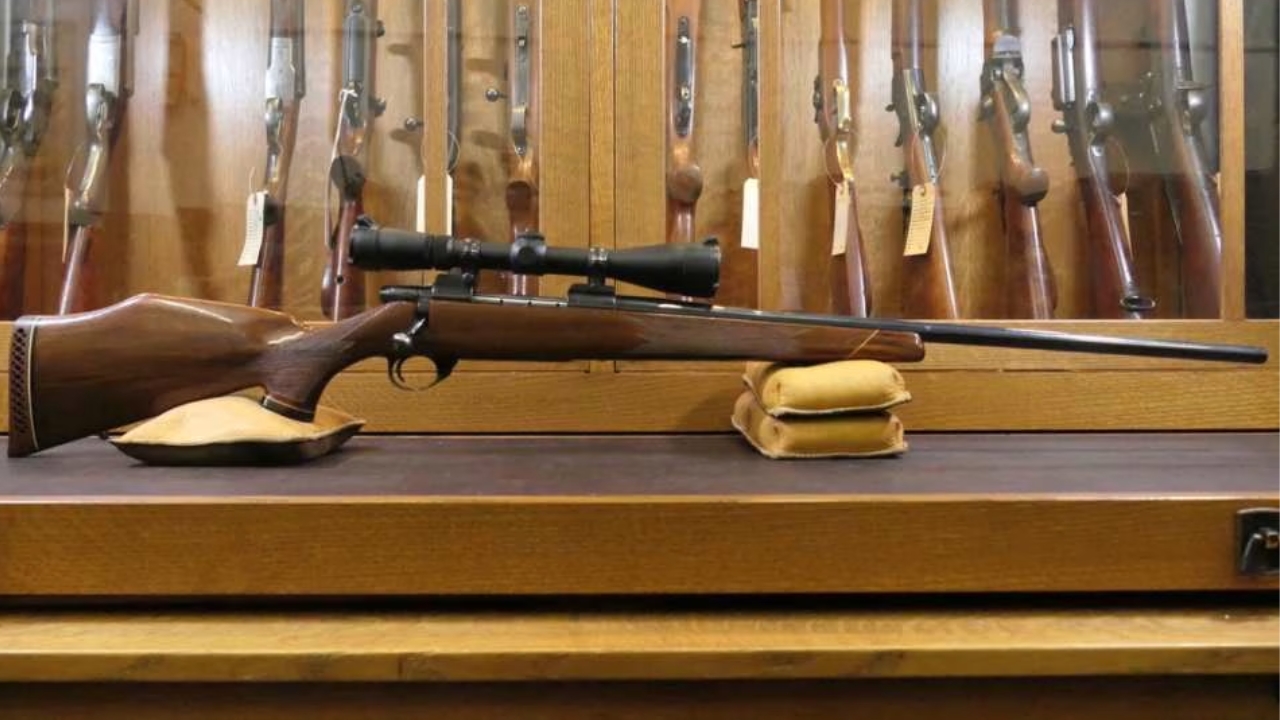
A Weatherby Vanguard can get dismissed because it says Weatherby and folks assume it’s either expensive and fancy, or it’s “the cheap Weatherby.” At farm sales, they often wear a cheap scope and have a lot of honest field wear, which makes them look like any other used hunting rifle. Underneath, many of those early Howa-made guns are solid, dependable shooters with good barrels.
The downside is weight. A Vanguard isn’t a feather, especially in certain stocks, and that’s why they sometimes end up sold off after one too many long walks. Check the recoil lug area for stock compression, confirm the safety works correctly, and pay attention to the trigger feel. If it’s right, it’s a rifle that just does the job. You don’t buy it to impress anyone. You buy it because you want to fill tags without drama.
The back corner of a farm sale table is where assumptions live. Some of those rifles really are tired-out beaters, and you should be willing to walk away. But if you slow down, check the basics, and know a few models that get overlooked, you’ll occasionally find a rifle that’s still got a lot of seasons left in it. Bring a flashlight, bring patience, and bring the self-control to pass on the “project gun” unless you truly want a project. Ask me how I know.
Like The Avid Outdoorsman’s content? Subscribe to our newsletter so you never miss an article.
Here’s more from us: