Photo credit: Honest Outlaw/Youtube
I have a habit that saves me money and costs me money at the same time: when I think I want to sell a pistol, I don’t rush it. I stick it in the “to-sell” pile and let it sit there long enough to cool off. If I still want it gone after a couple months of range trips, holster time, and regular life, then it can move down the road.
Funny thing is, some handguns don’t just survive that waiting period—they make a case for themselves. A few earned their keep because they’re boringly dependable. A few because replacing them later would be a headache. And a few because I finally remembered what I bought them for in the first place.
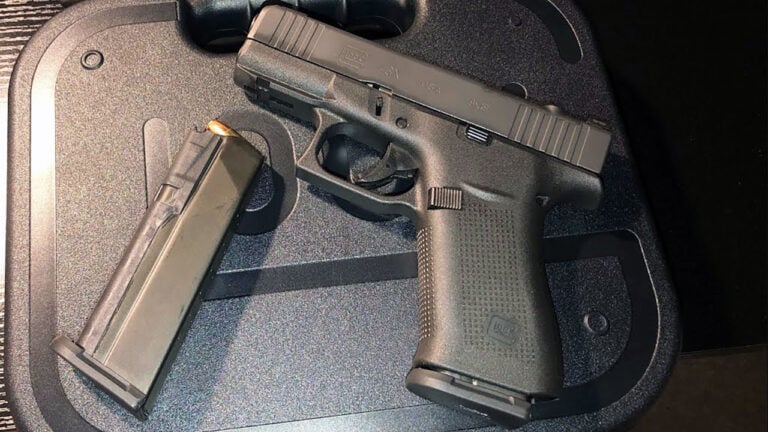
1. Glock 19 (Gen 3/Gen 5)
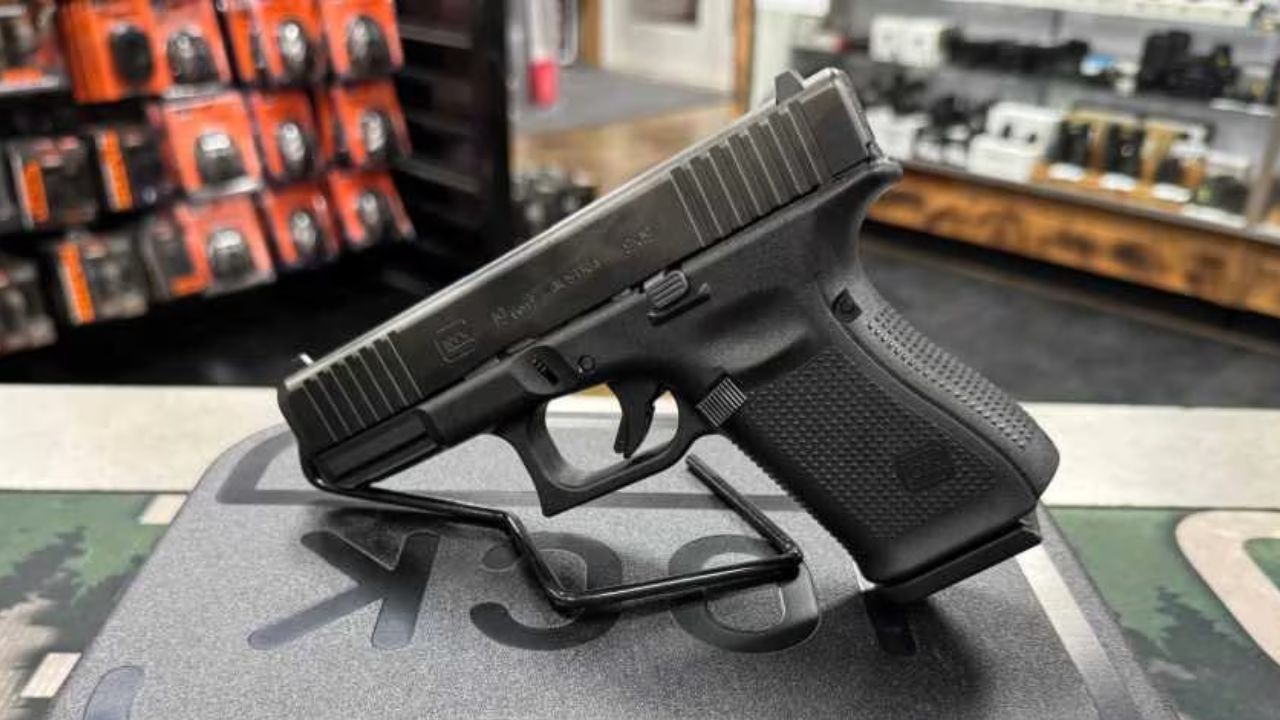
This one almost got sold out of pure boredom. A Glock 19 doesn’t “wow” you, and it won’t impress your buddies at deer camp. Then I carried it for a week straight, ran a couple boxes through it, and remembered why it’s the default answer for so many folks. It points the same every time, the trigger is predictable, and it just keeps going when you start mixing ammo or shooting it dirty.
It also has the kind of parts and magazine availability that matters when you actually use a pistol instead of posting pictures of it. Holsters, sights, mags, small parts—everywhere. I can understand selling one if it doesn’t fit your hand, but a good Glock 19 is a baseline tool. There’s nothing fancy about it, and that is kind of the point.
2. Smith & Wesson M&P 2.0 Compact

I put mine in the sell pile after a stretch where I was convinced I “needed” something slimmer. Then I shot it side by side with a true micro-compact and had to admit the M&P Compact is a sweet spot. The grip texture is aggressive enough to actually work in sweaty summer carry, and the gun tracks flat when you start shooting faster than slow-fire bench groups.
It’s also one of those pistols that feels like it was designed by someone who carries. Controls are usable without being sharp, and it doesn’t feel top heavy with a light. If you’re an outdoors guy who wants one handgun that can be carried, trained with, and still used as a nightstand gun, this one checks a lot of boxes without being quirky.
3. SIG Sauer P365 (original)

I got annoyed with mine early on. Small guns can be snappy, and when your grip is off by a fraction, you feel it. I started thinking I’d rather just carry a bigger pistol and be done with it. Then summer hit, shirts got thinner, and I realized the P365 is one of the few that disappears without forcing you into some miserable compromise.
It also shoots better than it has any right to for the size. Not target-pistol good, but “hit what you’re aiming at quickly” good. Magazines aren’t cheap, but they’re common, and there are enough grip modules and options to make it fit you. Mine stayed because it’s the one I’ll actually strap on when I’m running into town in shorts and a T-shirt.
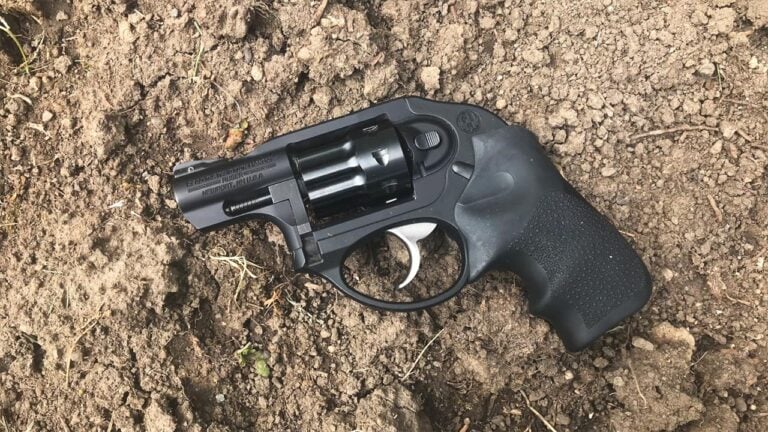
4. Ruger LCR .357 (carried with .38 +P)
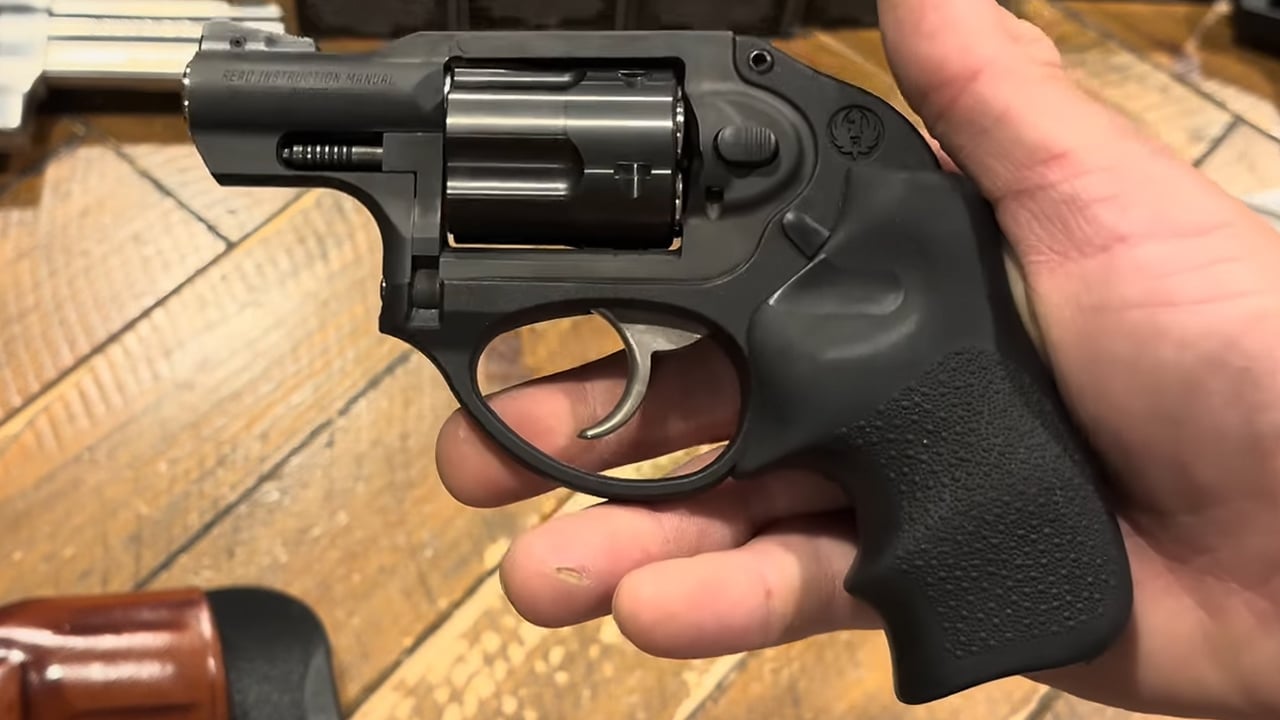
Every time I think I’m done with revolvers, something reminds me why I keep at least one. The LCR is not pretty, the trigger is long, and full-house .357 loads are a handful. But carried with .38 +P, it’s a workable little gun that rides light and doesn’t care about lint, odd angles, or getting bumped around in a truck.
What saved it from being sold was how easy it is to live with. Drop it in a pocket holster on a quick dog walk. Toss it in a tackle bag when you’re walking a farm pond. It’s not a high-capacity solution, but it’s a low-maintenance one. For an outdoorsman who wants “always” more than “optimal,” that matters.
5. CZ 75B
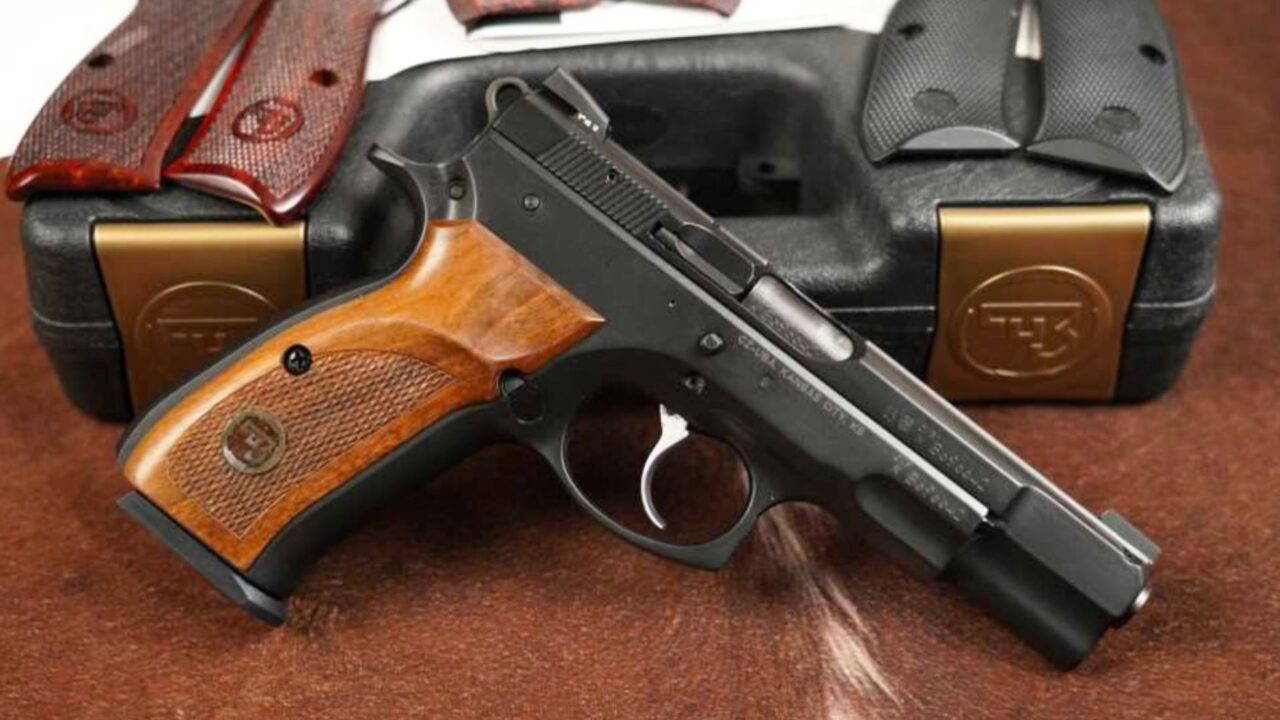
I almost sold my CZ 75B because it’s heavy and it’s not exactly a modern optics-ready wonder. Then I took it to the range on a day when I was missing more than I should, and the CZ made me look like a better shot than I was. The way it sits low in the hand and the way the slide rides inside the frame—it just tracks smoothly.
It’s also the kind of pistol you can shoot for a long session without feeling beat up. If you like double-action/single-action guns, this is one of the better “real-world” ones that doesn’t feel like a museum piece. Magazines are out there, parts support is decent, and it’s a gun that rewards practice. I get why people move on to lighter polymer guns. Still, I would not be quick to let one go.
6. Beretta 92FS

The Beretta 92FS was in my sell pile because it’s big. Big grip, big slide, big everything. Then I remembered the whole point: it’s soft shooting, reliable, and it runs like a sewing machine when it’s even halfway maintained. The open-top slide design has always been a love-it-or-hate-it thing, but I’ve seen these pistols keep chugging through grime and cheap range ammo.
Where it wins for me is as a house gun or a range gun that new shooters can handle. The recoil impulse is gentle, and the sight picture is clean. If you’re carrying in the woods in colder months with a jacket anyway, the size isn’t the issue it is in July. It’s not trendy, but it’s a known quantity.
7. Heckler & Koch USP Compact .45

This one is not for everybody, and I was close to admitting that meant it wasn’t for me. It’s chunky for the capacity, and you don’t buy HK magazines with spare change you found in the couch. Then I did what I should have done earlier: I shot it the way it was meant to be shot and stopped worrying about what it cost.
The USP Compact is built like a tool for hard use, not a fashion accessory. The controls are positive, the gun is accurate, and it runs when it’s dirty. If you like .45 and you want something that feels like it could survive a long life in a glove box or on a hip in rough weather, it’s hard to replace with something that feels as overbuilt.
8. Walther PPQ M2

I nearly sold the PPQ because it didn’t “fit” my carry rotation. It’s more of a range gun in my world, and I had convinced myself I didn’t need range guns. Then I shot it again. That trigger is still one of the better out-of-the-box striker-fired triggers you can get, and it makes you pay attention to your fundamentals in a good way.
The PPQ also has ergonomics that just click for some hands. It points naturally, and follow-up shots are easy. Sure, the aftermarket isn’t Glock-deep, and you might not find magazines on every shelf. But if you’ve got one that runs, it’s a pistol you’ll actually enjoy training with. Enjoyment matters, because enjoyment is what gets you to the range.
9. Springfield Armory 1911 Mil-Spec
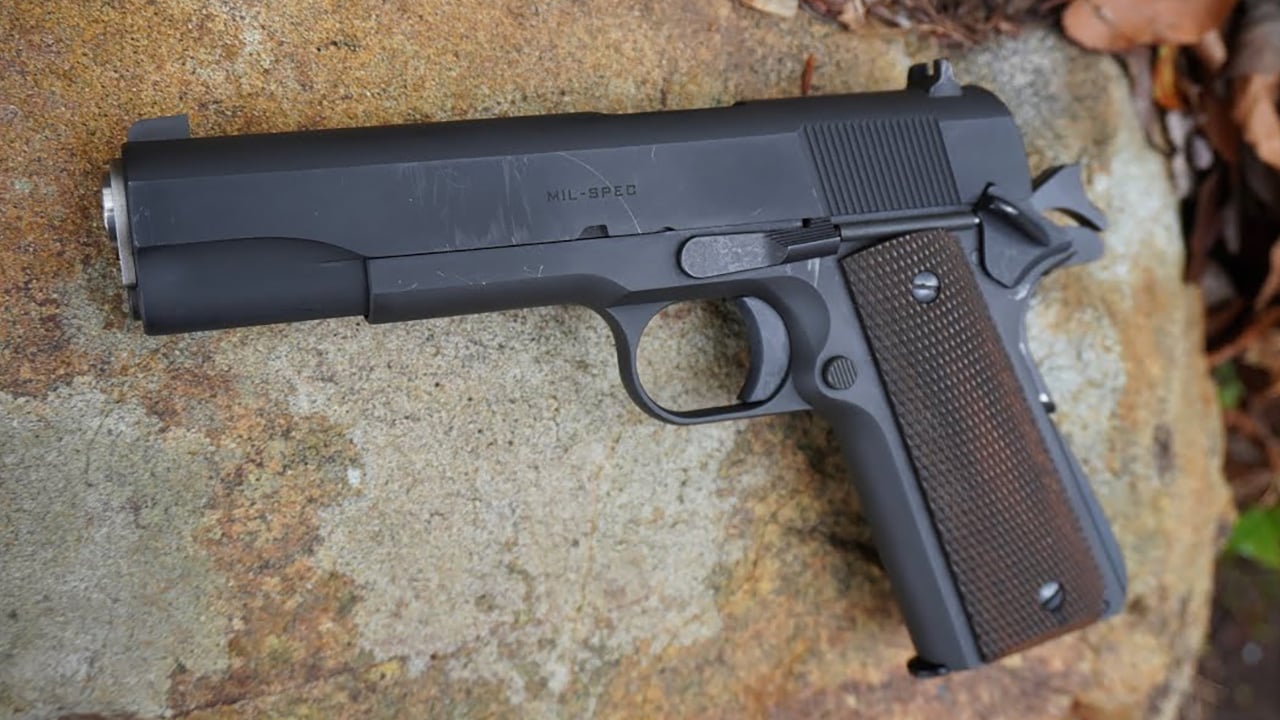
I’ve sold and traded 1911s over the years and regretted more than one. The Mil-Spec almost left because I got tired of fooling with single-stack capacity and the whole “1911 guy” vibe. Then I carried it around the property in a good belt holster and remembered why this design has staying power: it carries flatter than you’d think and it points like your finger.
Is it the best option for everybody? No. Mag capacity is what it is, and you have to pay attention to maintenance. But a basic, reliable 1911 scratches an itch nothing else does. It’s also one of the easiest pistols to shoot well at normal distances if you like a crisp trigger. That one hurts to sell when you realize you actually do like it.
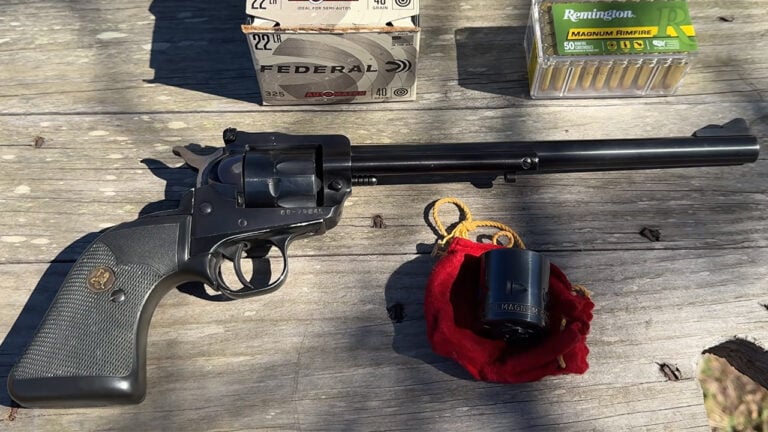
10. Ruger Mark IV (Standard/22-45)
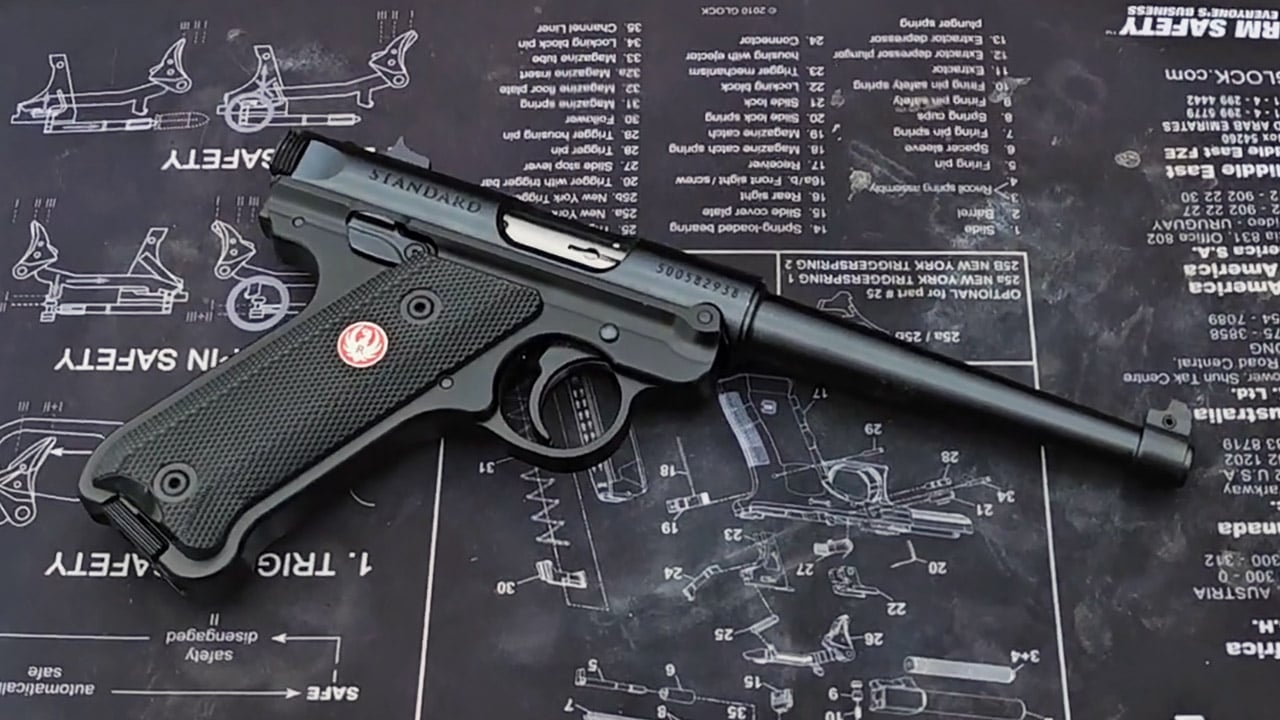
The Ruger Mark IV got shoved toward the sell pile because it isn’t “serious.” Then ammo prices did what ammo prices do, and suddenly the .22 pistol became the smartest handgun I owned. The Mark IV is a training machine. You can work draws, sight tracking, trigger control, and follow-through without getting beat up or going broke.
What really saved it was the takedown. If you’ve owned older Ruger .22 pistols, you know the struggle. The Mark IV is simple to clean, which means it actually gets cleaned. It’s also a handy camp pistol for plinking and for the occasional pest problem around outbuildings where it’s legal and safe to do so. A good .22 is easy to underestimate until you don’t have one.
11. Smith & Wesson Model 10
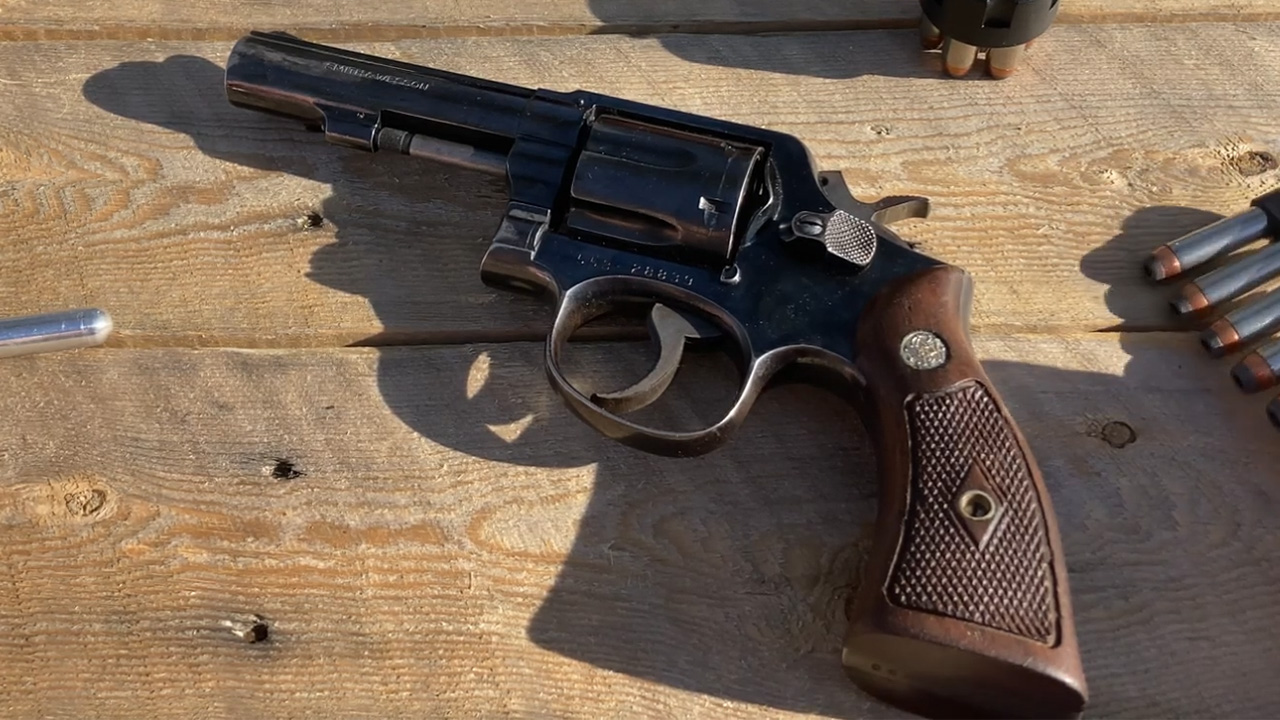
I had a plain Model 10 that I considered selling because it wasn’t collectible-fancy. Fixed sights, blued steel, honest wear. The kind of revolver that shows up in old photos and in the back of safes. Then I spent some time shooting it with standard-pressure .38 Special and realized it’s one of the most pleasant handguns you can own.
The Model 10 also makes sense in a rural setting. It’s straightforward, it’s accurate enough for real-world distances, and it doesn’t demand a pile of gear to support it. No magazines to chase, no springs to worry about every few thousand rounds. If you find a clean one, it’s a piece of American handgun history that still works as a tool. Mine stayed because “simple and proven” counts for something.
12. Colt Detective Special
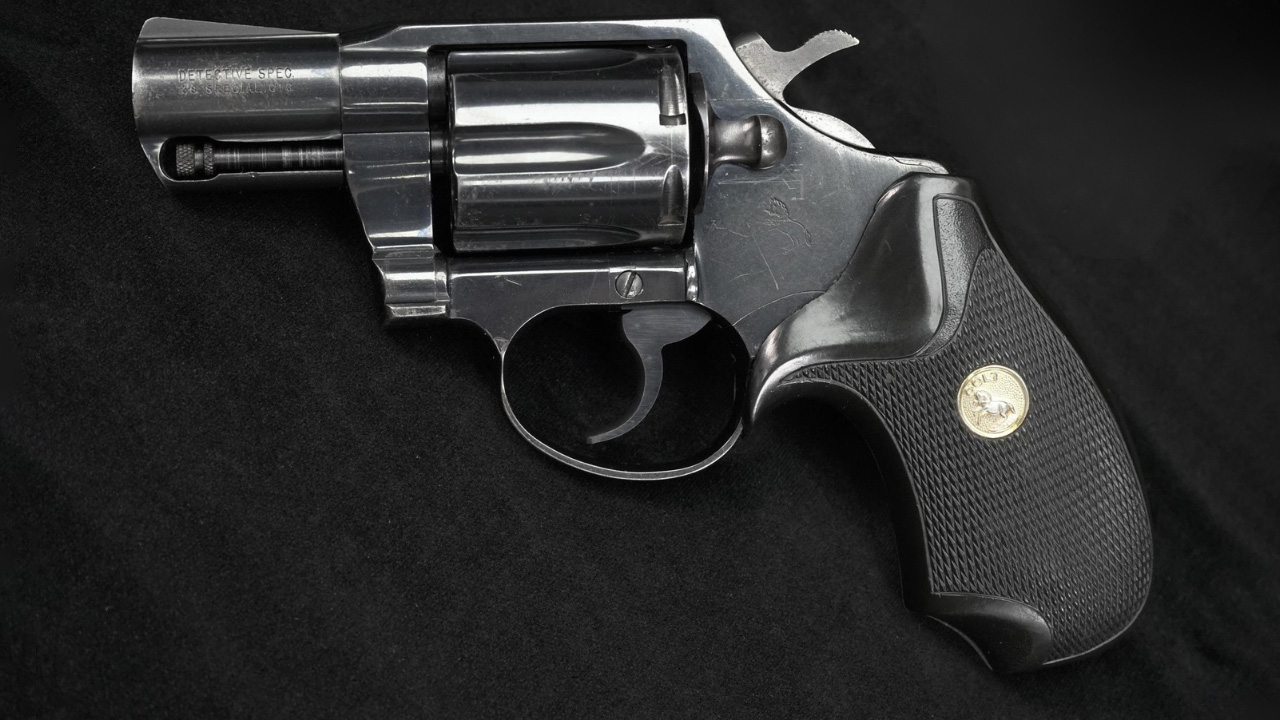
This one almost got sold because I babied it. That’s a bad sign. If you own a gun you’re afraid to use, you start asking what it’s doing in your safe. The Detective Special sat in the pile until I remembered why I bought it: it’s one of the best handling small-frame revolvers ever made, with real sights and a trigger that can be excellent.
It’s also not getting easier to replace in nice shape. I’m not talking about hoarding for value. I mean if you like the way they carry and shoot, you may not stumble into another one at a fair price when you want it. It’s a revolver that disappears well on the belt and still gives you a full grip. For folks who like old-school carry, it’s a keeper.
13. Glock 20 (10mm Auto)
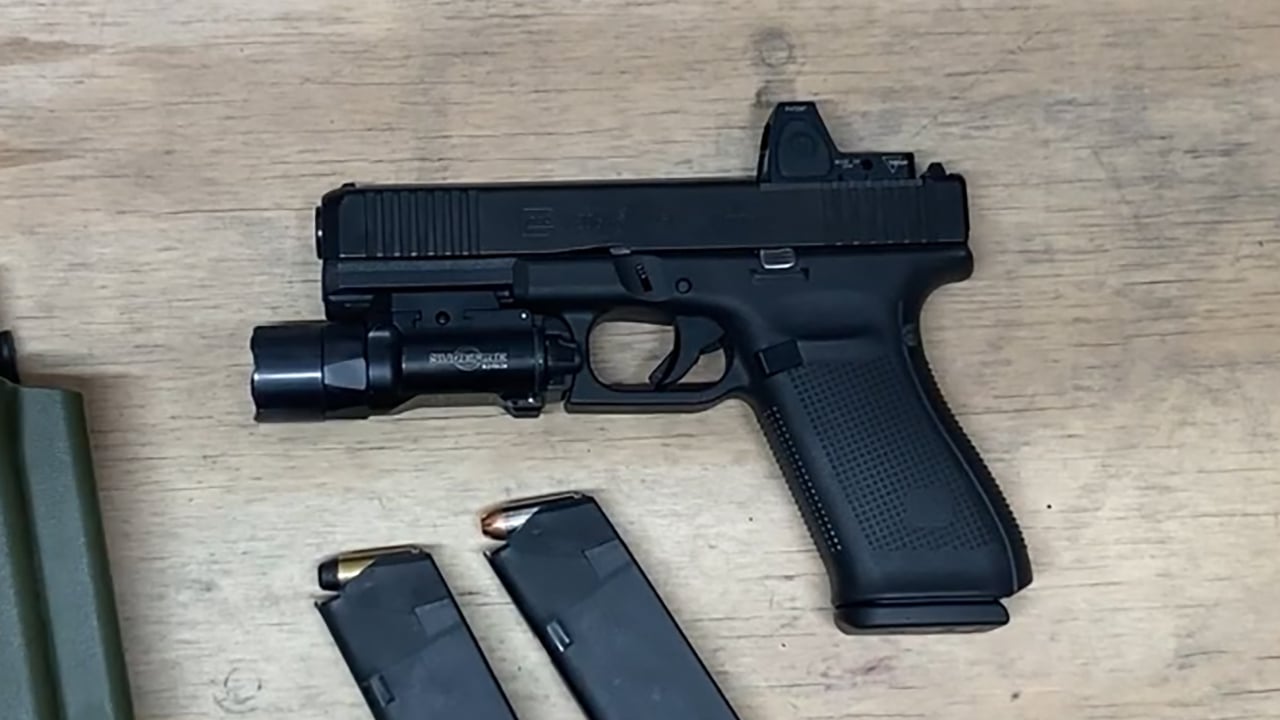
The Glock 20 was a “sell it” candidate because 10mm can feel like a solution in search of a problem. Then I spent more time in bear country and more time around hog hunters, and it started making sense. You can load 10mm mild for practice or pick a stout load for the woods. The platform is simple and rugged, and you can actually get magazines and parts when you need them.
No, it’s not a magic talisman. You still have to place shots and you still have to choose good ammo. But if you want one semi-auto pistol that can pull double duty for backcountry carry and general use, the Glock 20 does it without drama. It’s big, and it’s not for small hands. Still, it’s hard to argue with “capacity plus power plus reliability” in one package.
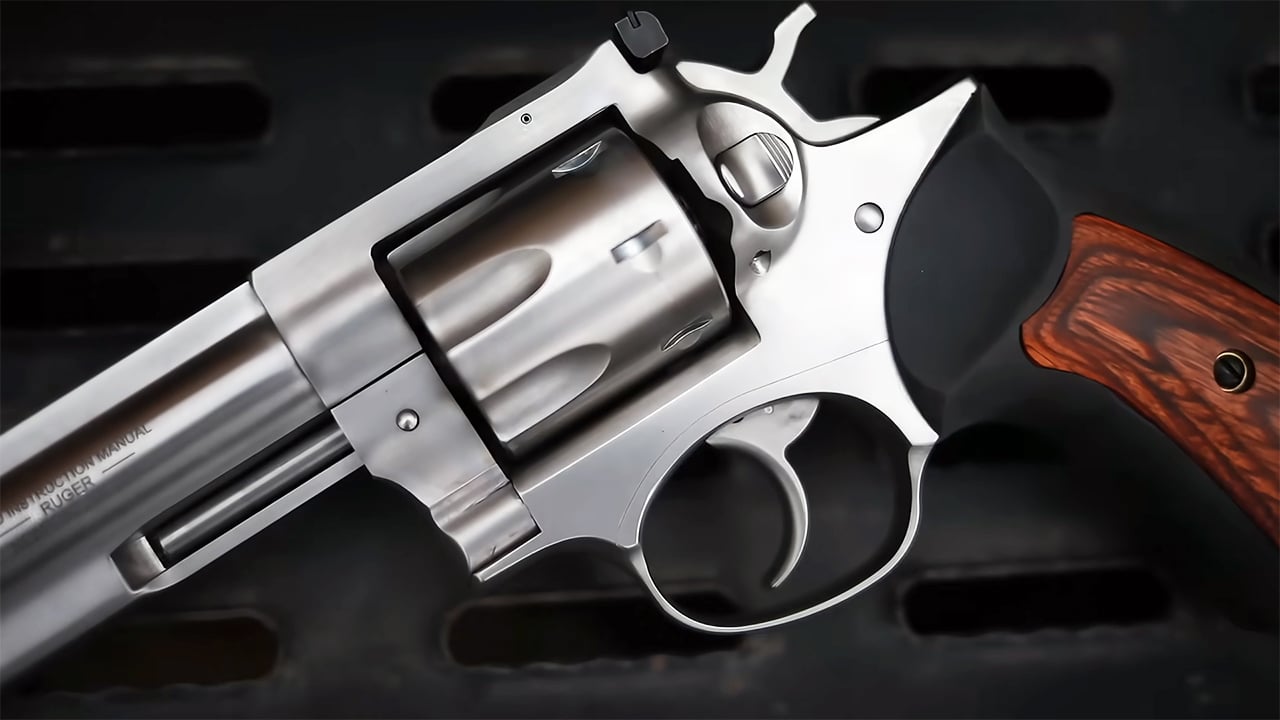
14. Ruger GP100 (4-inch)
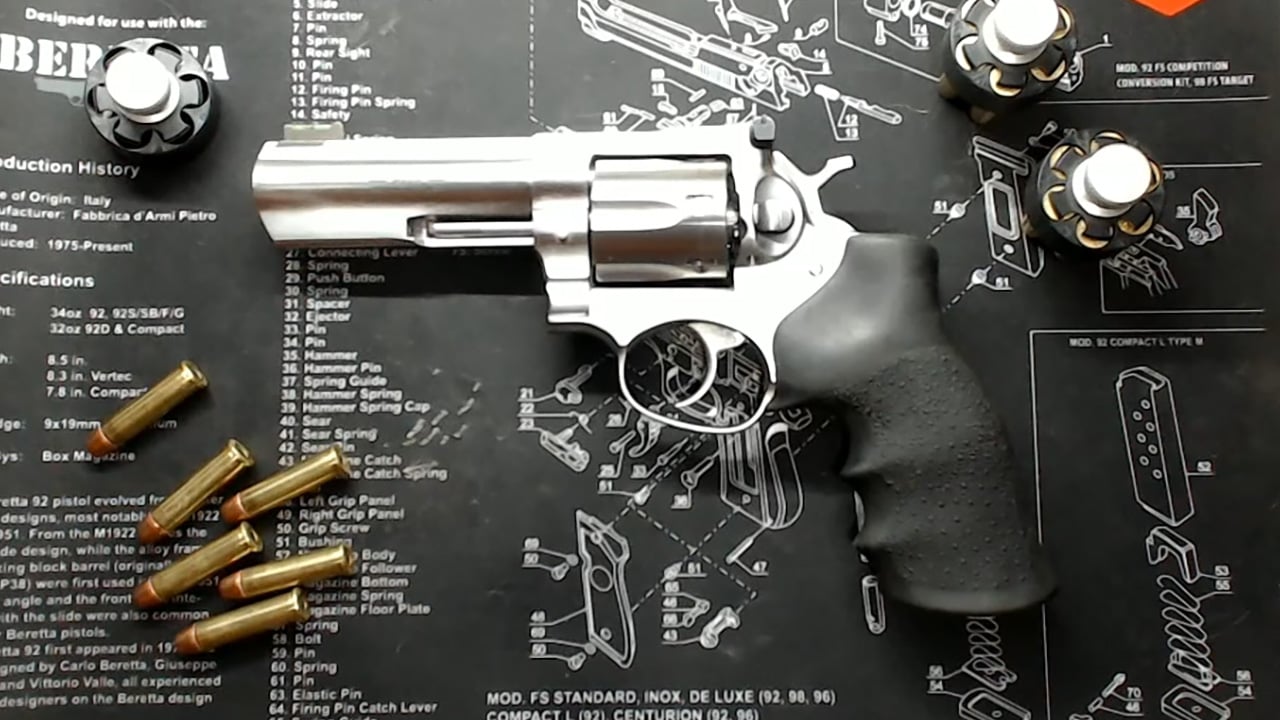
I’ve been tempted to sell the GP100 more than once because it’s heavy for what it is. Then I shoot it, and the weight suddenly looks like a feature. A 4-inch GP100 with .357 is controllable, and with .38s it’s almost relaxing. It’s the kind of revolver you can hand down without worrying you’re handing down a delicate object.
It also lives well in an outdoorsman’s world. Riding in a chest rig while you’re checking trail cameras, sitting in a truck while you’re mending fence, or living in a nightstand. It’s not picky, it’s not complicated, and it doesn’t care if you don’t touch it for a month. I’ve owned lighter revolvers that were easier to carry. I haven’t owned many that felt as confidence-inspiring.
15. Browning Buck Mark
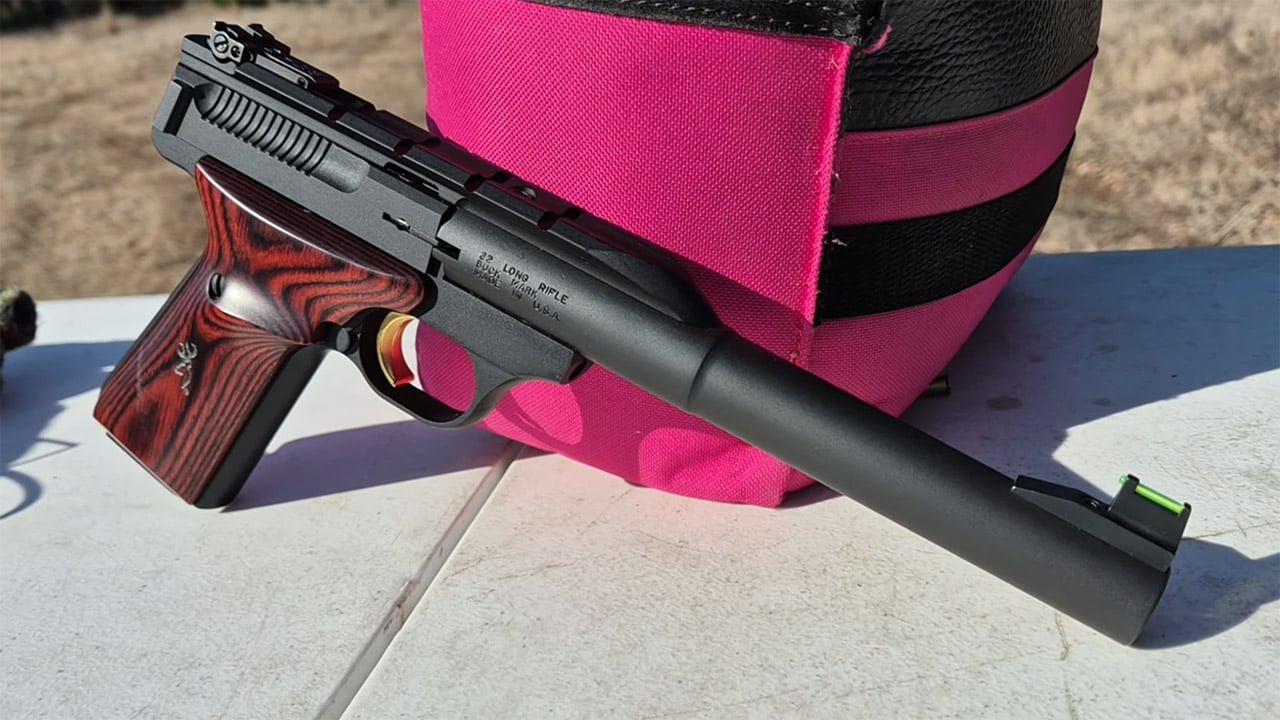
I considered selling the Buck Mark because I already had a Ruger .22 pistol. Redundant, right? Then I brought both to the range and realized they’re different animals. The Buck Mark’s grip angle and trigger feel just work for me. It’s a pistol that makes slow-fire groups fun, and it makes steel plates feel easy.
The other thing about a Buck Mark is it’s a “bring a friend” handgun. When you’re trying to get someone comfortable with shooting, a reliable .22 with good sights and a decent trigger does more than any lecture. It’s also a small-game and plinking companion that doesn’t beat you up. If you sell every “duplicate” gun, you eventually end up with a safe full of serious choices and nothing that makes you want to practice.
16. CZ P-01
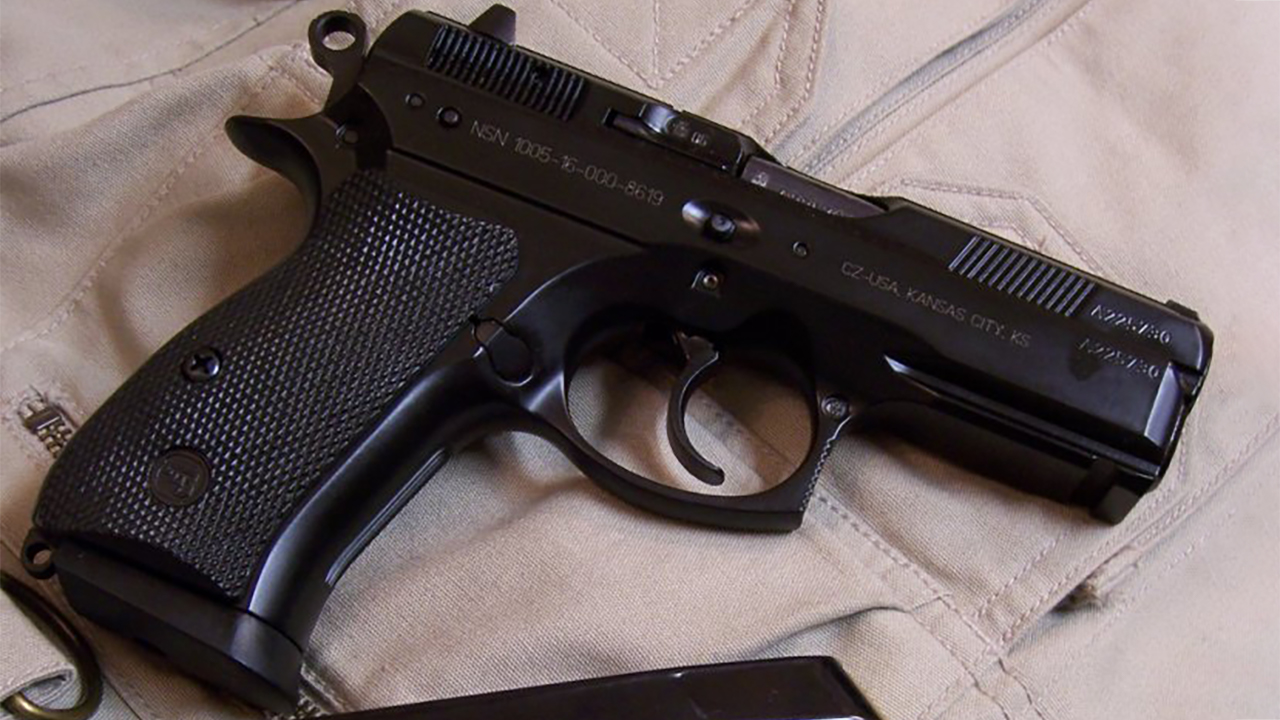
The CZ P-01 sat in the sell pile because I flirted with the idea of going all-in on striker-fired pistols. Then I carried the P-01 for a few days and remembered how well a compact alloy-framed DA/SA gun can ride on a belt. It’s got enough weight to shoot comfortably, but not so much it drags your pants down by lunchtime.
It also shoots like a bigger gun. The grip shape, the balance, the way it returns to the sights—very natural. If you’re willing to learn the DA/SA transition, it’s a pistol that rewards you with control and accuracy. Not everyone wants to commit to that training, and I understand it. For me, it’s one of those handguns that feels “right” the moment you pick it up.
17. Smith & Wesson 642 Airweight

I’ve complained about Airweights as much as anyone. They’re light, they’re snappy, and they’re not fun. That’s why mine ended up in the sell pile. Then I did the honest test: I carried it for two weeks in normal life. It won. It’s the gun that goes with you when you don’t feel like dealing with a belt holster, cover garment, and a bunch of planning.
The 642 is also simple under stress, and it’s reliable if you keep it clean and use decent ammo. The sights aren’t great, and the trigger takes work, but it’s a “get out of trouble” tool more than a range toy. For an outdoorsman, it’s the kind of pistol that ends up in a jacket pocket during deer season when you’re running to the barn before daylight.
18. Kimber Micro 9

I almost sold the Micro 9 because small 9mms can be picky, and I don’t have patience for finicky carry guns. Mine also took a little time to settle in as far as what magazines and ammo it liked. But once it ran, it ran, and I had to admit it filled a niche I actually use: a thin, light pistol that carries comfortably when a thicker gun prints.
The other reason it stayed is shootability compared to tiny .380s. You still know you’re shooting a small handgun, but it’s manageable. The sights are usually better than what you get on the smallest pocket guns, and the controls feel familiar if you’ve spent time around 1911-style pistols. It’s not my first recommendation to a new shooter. It is, however, a pistol I’m glad I didn’t dump during a temporary frustration.
19. FN FNX-45 Tactical

This is one I tried to talk myself into selling because it’s a big, specialized pistol. Tall sights, threaded barrel, optics-ready features—it can feel like you’re carrying a toolbox. But then I used it the way it’s meant to be used: as a capable, accurate, high-capacity .45 that’s easy to shoot well and easy to mount accessories on without weird workarounds.
If you run a suppressor where legal, it’s one of the better out-of-the-box hosts. Even without that, it’s a solid home-defense pistol that isn’t picky about ammo. The grip is large, no way around it, and it won’t conceal easily. Still, if you already own it, it’s hard to replace with something that does the same job with the same reliability and capacity. Mine stayed because it’s a purpose-built hammer.
20. Ruger Security-Six
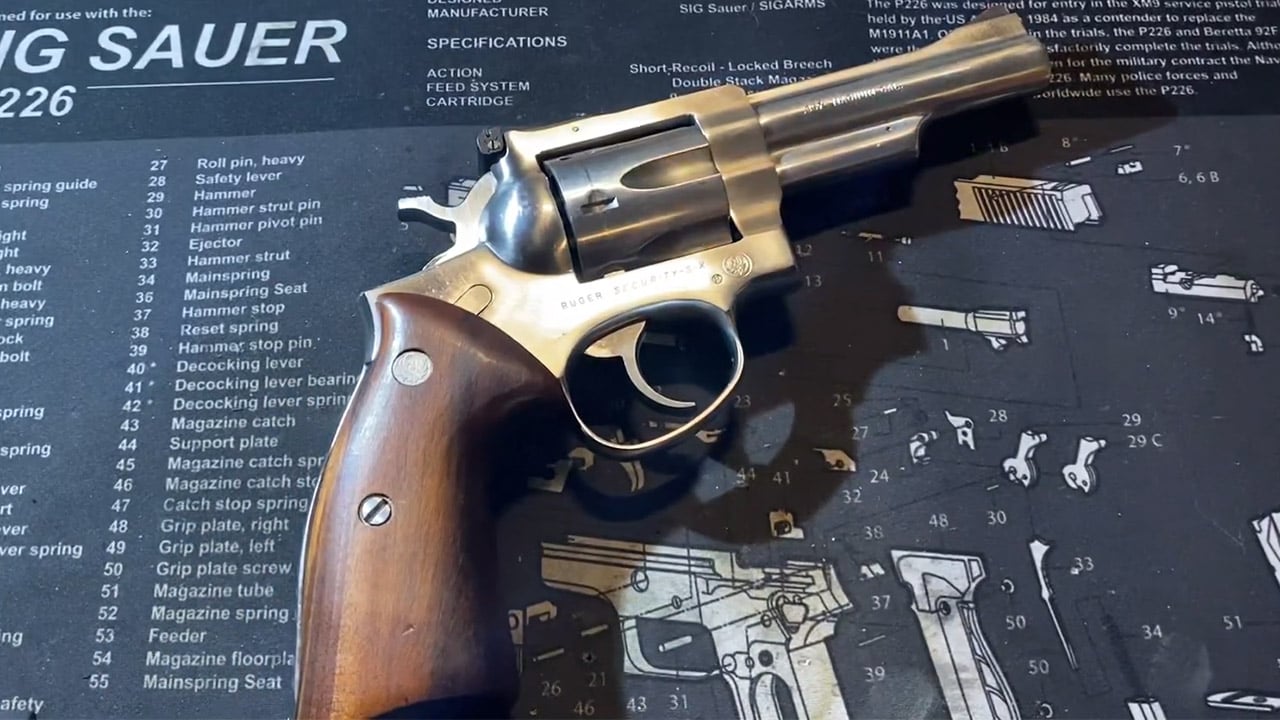
The old Ruger Security-Six is one of those revolvers that doesn’t get enough respect until you’ve lived with one. I had mine sitting there with a tag on it, thinking I’d “upgrade” to something newer. Then I took it out, ran a mix of .38s and .357s, and remembered what these guns are: tough, straightforward, and sized just right for a do-it-all revolver.
They carry better than some of the beefier modern .357s, and they still have that Ruger “built for work” feel. Parts aren’t as plug-and-play as current production guns, but a good Security-Six that’s been cared for is a solid companion. It’s a farm revolver, a truck revolver, a deer-camp revolver. When you own something that useful, selling it starts to feel like you’re just chasing novelty.
That waiting period beside the safe taught me something: not every pistol has to be exciting to be worth keeping. The ones that survived weren’t perfect, and a couple are downright stubborn in their own ways. But they’re proven, they fit real tasks, and they’re guns I actually reach for when the weather turns bad or life gets busy. If you’re thinking about selling, set it aside first. Time has a way of telling the truth.
Like The Avid Outdoorsman’s content? Subscribe to our newsletter so you never miss an article.
Here’s more from us: