Photo credit: NRApubs/Youtube
I have loaned pistols to good friends, trusted family, and a couple folks I probably should have made rent a lane gun instead. Most of the time it was simple: a new shooter needed something that actually ran, somebody wanted to try a carry option before spending their own money, or a hunting buddy realized his “truck gun” was still sitting on the workbench at home. But there are certain handguns that stick in your head after you pass them across the bench.
Some of them were special and I should have never let them leave. Some were plain boring workhorses that I didn’t appreciate until they were gone. A few were lessons I’m still glad I learned on someone else’s range day instead of during a bad moment. Here are twenty pistols I handed to other people that still pop into my mind at least once every season.
1. Glock 19 (Gen 4)
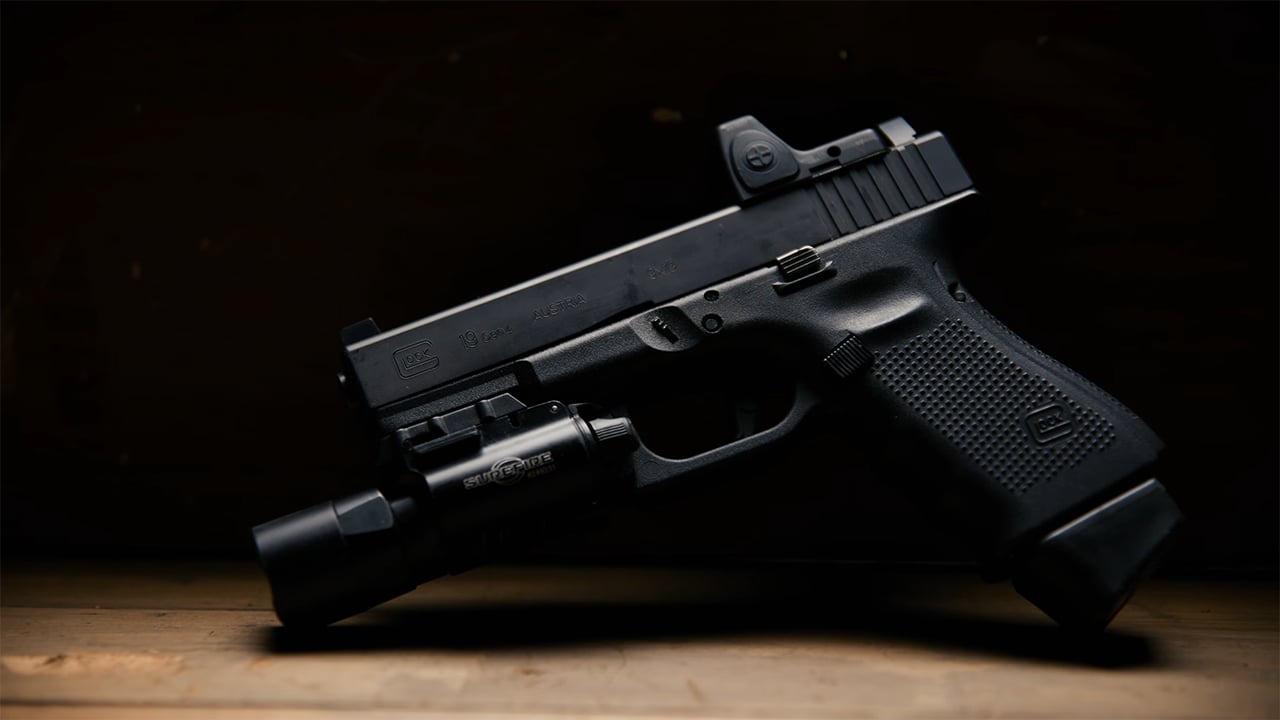
This one went to a buddy for a training class when his compact had a parts issue the night before. The Glock 19 is the kind of pistol that doesn’t feel romantic, and that’s why it haunts you later. It just works, it carries flatter than you’d think, and it shoots like a bigger gun. Every time I see someone fighting their “micro” and printing groups like a shotgun pattern at 10 yards, I think about how the 19 makes average shooters look capable.
I’m picky about triggers, and I still won’t call a stock Glock trigger “nice.” But it’s consistent, it resets the same every time, and the gun points naturally once you quit overthinking it. Magazines are everywhere, parts are everywhere, and holster support is endless. If you ever find yourself between a “cool” pistol and a practical one, that’s when the Glock 19 starts talking to you again.
2. SIG Sauer P365

I handed this one to a new concealed carrier who was convinced he needed a tiny .380 because “9mm is too much.” Ten minutes later he was running the P365 just fine and smiling about it. That pistol changed what “small but shootable” looks like for a lot of people, and it’s the reason I’m still suspicious when somebody says they can’t carry a real cartridge comfortably.
The P365 isn’t perfect. It’s snappy compared to a compact, and the small grip makes sloppy hand placement show up fast. But it carries like it was designed by someone who actually wears a gun in normal clothes, not just in a catalog photo. The mags cost more than I like, yet they’re easy to find, and the whole platform has matured. Every warm season when T-shirts come out, I think about that little SIG.
3. Smith & Wesson M&P Shield 9 (1.0)
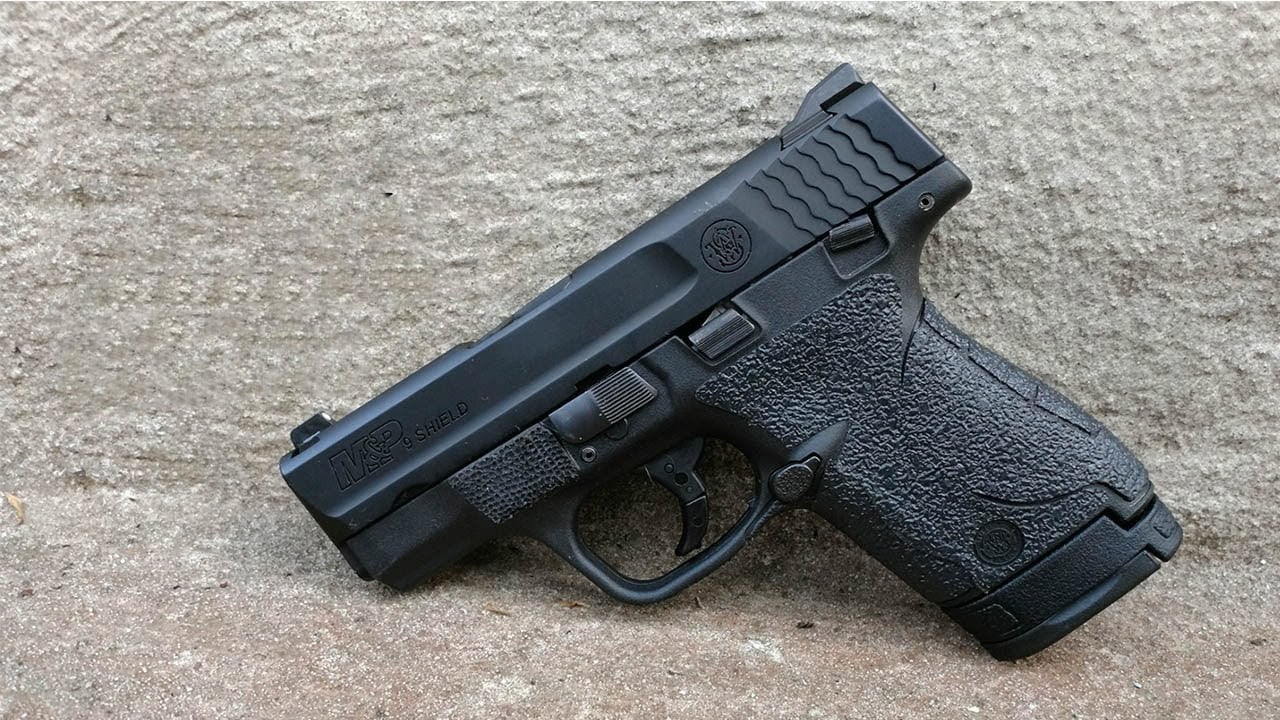
I let a relative borrow my original Shield for a summer because they were waiting on a permit and didn’t want to buy twice. That Shield is not exciting. The texture is a little mild, the trigger is a little mushy, and it’s not winning beauty contests. Still, it’s the pistol I’ve seen ride in a glovebox, a tackle bag, and a nightstand and keep on running without drama.
What sticks with me is how forgiving it is for real life. It’s thin enough to carry without dressing around it, but it has enough grip to manage recoil with practice. Magazines and holsters are easy, and the gun is simple to maintain without feeling delicate. I’ve shot fancier guns that made me grin more, but not many that made me worry less. That’s the kind of gun you miss in the middle of a busy season.
4. Ruger Mark IV (Standard)
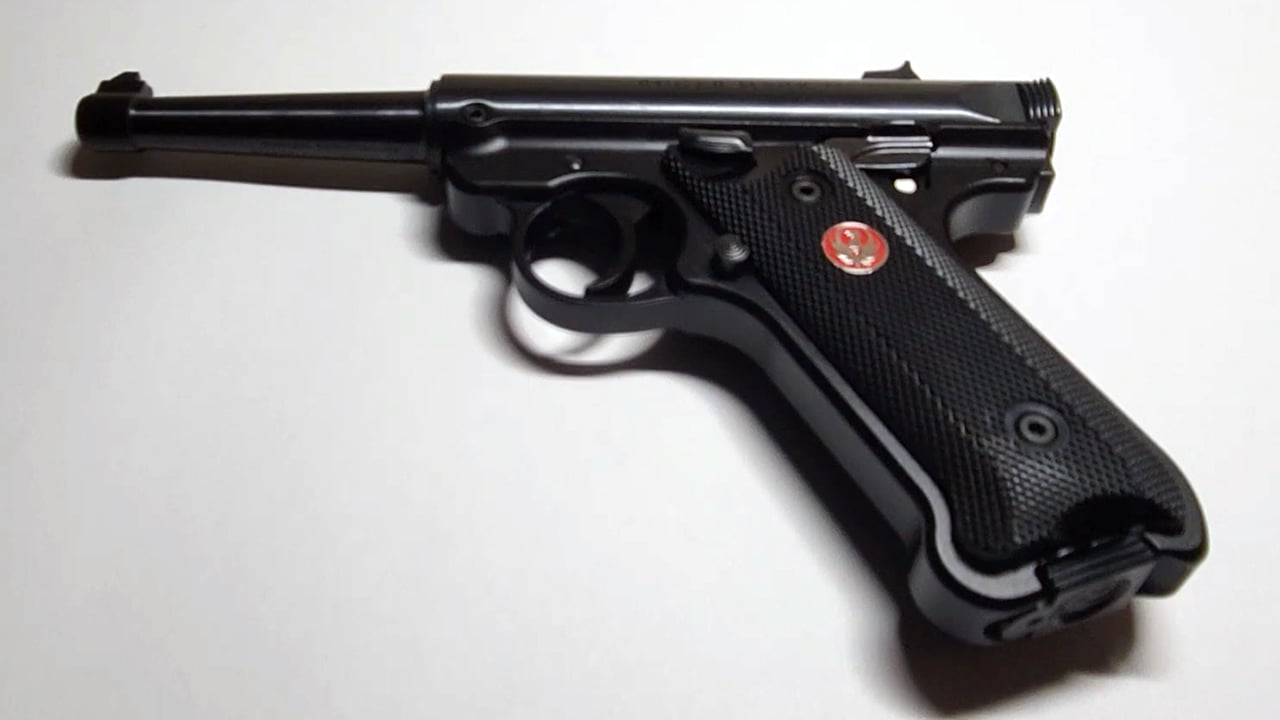
I handed a Mark IV to a kid who was nervous around handguns, and five minutes later he was ringing steel like he’d been doing it for years. A good .22 pistol does more for building safe habits than a stack of lectures. The Mark IV, especially, is the kind of gun that turns a range trip into actual practice because it’s fun and it doesn’t beat anyone up.
The other reason it stays on my mind is the takedown. Anyone who fought an older Ruger .22 knows what a wrestling match those used to be. With the Mark IV you push a button and it comes apart like it should have all along. It’s accurate enough to humble you, cheap enough to feed, and useful for everything from plinking to small-game potting where legal. Every off-season I think, “I should have kept that one set up exactly like it was.”
5. Browning Buck Mark Camper
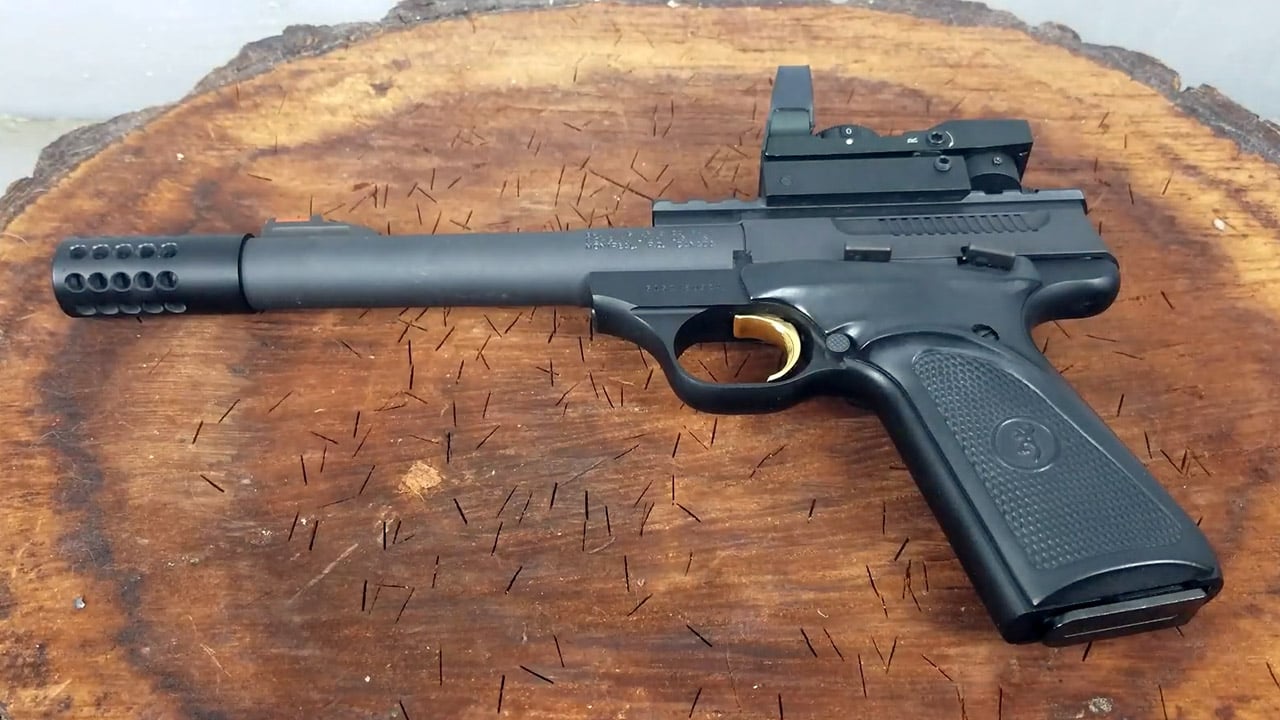
This one is the other side of the .22 coin. A friend wanted to “see what all the fuss was about” with rimfire pistols, and I handed him my Buck Mark. The first magazine reminded me why I bought it in the first place: it sits low, it balances right, and it has a trigger that feels like it belongs on something more expensive.
The Buck Mark is a quiet classic, but it’s not as “internet-famous” as some other .22s. That’s fine by me. It’s accurate, the sight picture is clean, and it doesn’t feel like a toy. The only downside is you want to keep an eye on screws and do basic maintenance like an adult. Every time I walk past a rimfire shelf at the shop, I think about how many good afternoons that pistol has bought me for the price of a brick of ammo.
6. CZ 75B

I loaned this to a buddy who thought all metal-frame pistols were “old man guns.” Two magazines later he was asking about where to find one that wasn’t beat up. The CZ 75B has that heavy, settled feel that makes you slow down and shoot correctly. It points like it’s on rails, and the weight soaks up recoil in a way polymer guns just don’t.
It’s not a perfect carry piece unless you’re committed, and the controls can feel different if you’re used to striker guns. But the accuracy is real, and the gun’s manners make it easy to hand to someone who needs confidence. Magazines are available, parts are not hard, and the platform has a long track record. I don’t think everyone needs a CZ 75, but I do think everyone should shoot one once. It leaves a mark.
7. Beretta 92FS

I carried a 92FS on a couple long road trips back when I thought weight didn’t matter. Then I loaned it to a friend who wanted a “nightstand gun” he could run well. Watching him shoot it reminded me why the Beretta has the reputation it does. The slide feels like it’s gliding on bearings, and the gun is soft in the hand for a 9mm.
It’s big, no way around it. It’s also not the first choice for small hands, and the safety/decocker setup isn’t everybody’s favorite. But as a home pistol it’s hard to argue with, especially when you want something you can shoot fast without fighting recoil. Magazines are common, and the gun tends to be durable if you keep it reasonably clean. Every winter when I’m thinking about bedside setups, that Beretta shows back up in my head.
8. Heckler & Koch USP Compact (9mm)

I let someone run my USP Compact during a wet, miserable range day when everything felt slick. That pistol felt like it was built to be dropped in mud, rinsed in a creek, and carried on. The grip texture and controls aren’t fancy, but the whole thing has a “serious tool” vibe that’s hard to describe until you’ve spent time with one.
Downsides? Price, and it’s a little chunky for the capacity compared to newer designs. Mags aren’t bargain-bin cheap either. Still, the USP Compact carries well in a proper holster and shoots flatter than its size suggests. I also like that you can set it up to match your preferred control style without turning it into a science project. Every time I see a polymer pistol marketed like it’s indestructible, I think, “HK already did that, a long time ago.”
9. Walther PPQ M2

I handed a PPQ to a guy who was convinced he couldn’t shoot striker-fired pistols accurately. He immediately started drilling the center out of the target, and I watched his eyebrows go up after the first clean trigger break. The PPQ trigger is one of those “unfair advantages” designs. It makes you realize how much you’ve been compensating for mediocre triggers on other guns.
The PPQ isn’t the trendiest option now, and Walther has newer models that get more talk. But the PPQ still matters because it shoots like a duty gun with a match gun’s manners. It’s also comfortable in the hand in a way that fits a lot of people right away. Holsters and mags are available, though not always as cheap as Glock stuff. When you want a pistol that makes you better without a bunch of tinkering, this one keeps showing up in my thoughts.
10. Springfield Armory 1911 Loaded

I’m not a “1911 fixes everything” guy, but I have owned enough of them to respect what a good one feels like. I loaned a Springfield Loaded to a friend who only shot polymer guns, and he finally understood why people put up with the platform. The single-action trigger makes it easier to shoot well than most folks want to admit, and the gun points naturally when you present it.
It’s also a pistol that demands you pay attention. Magazines matter. Maintenance matters. If you neglect it and then act surprised when it gets cranky, that’s on you. As a woods sidearm, it’s heavy, but it rides nicely in a real belt holster, especially in colder seasons with layers. Every fall when I’m digging out leather gear and heavier cover garments, I think about that steel frame and that clean break. That one hurts a little.
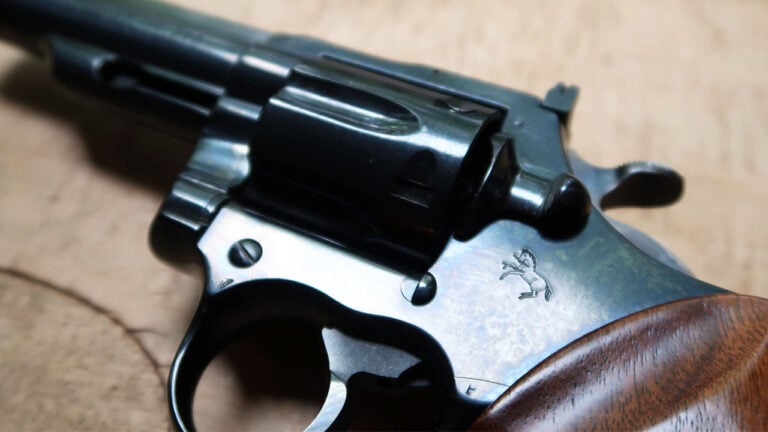
11. Colt Python (4-inch, .357 Magnum)

I let someone shoot my Python with mild .38s first, then a couple cylinders of .357 after they proved they could handle it safely. The look on their face was the same look I had the first time: part grin, part respect. A Python is not just “a revolver.” The lockup feels tight, the action feels like it’s been polished by time, and the whole thing makes you slow down and do it right.
I’m not going to pretend it’s the best practical choice for most folks. It’s expensive, it deserves careful handling, and it’s not something I’d toss in a glovebox. But it’s a pistol you remember. In revolver seasons, when I’m thinking about woods carry and brush guns, that Python memory comes back. It’s the kind of gun that makes you want to shoot less, but shoot better.
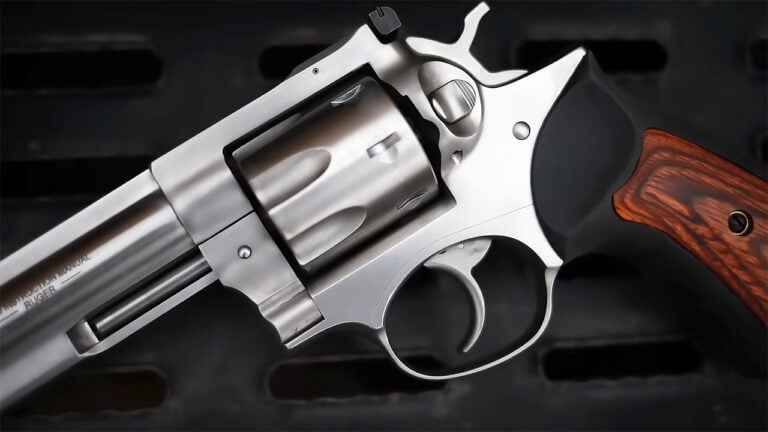
12. Ruger GP100 (4-inch)
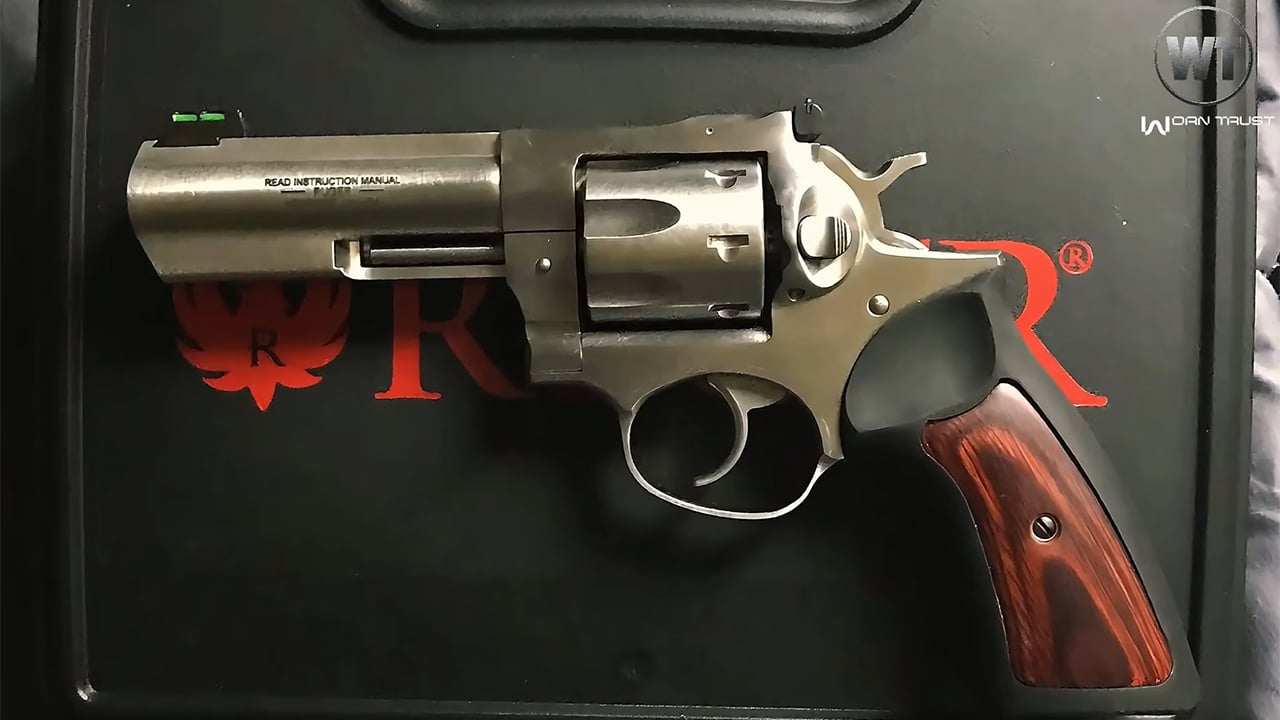
The GP100 is the revolver I hand to people who want to try .357 without me worrying about them babying it. I loaned it on a hog hunt trip where it rode in a chest rig, got dusted with sand, and still spun like it was supposed to. The GP100 is not delicate, and that’s the charm. It’s a working revolver for working places.
It’s heavier than some other options, but that weight is your friend with magnum loads. The grip is easy to swap, and the gun can be tuned by a competent hand without turning it into something unreliable. I also like that you can feed it .38s for practice all day without feeling punished. Every time I hear someone say revolvers are “obsolete,” I think about how many problems a solid .357 still solves in the woods and around a rural property.
13. Smith & Wesson Model 10 (K-frame, .38 Special)
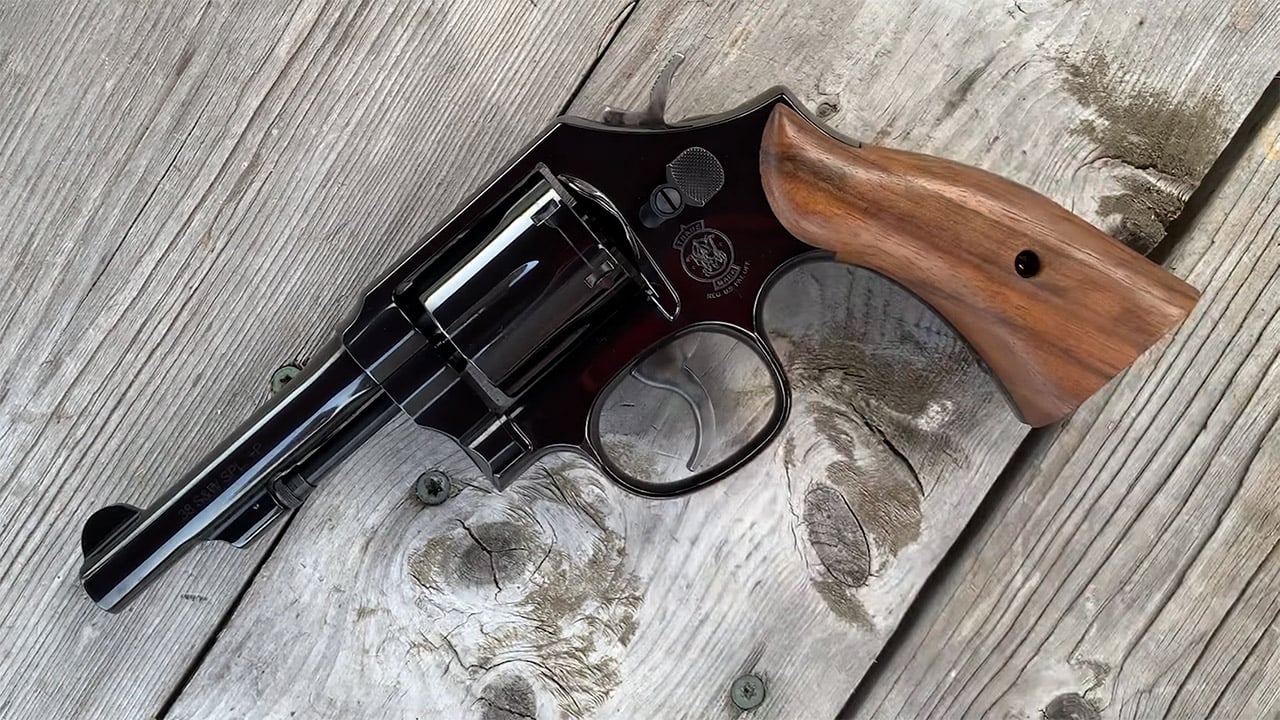
I loaned a Model 10 to an older family member who didn’t want to deal with slide racking or magazine loading. That revolver is about as straightforward as it gets. Fixed sights, simple controls, and a trigger that rewards a calm hand. There’s nothing tactical about it, which is part of the reason it still makes sense for certain people.
A good K-frame .38 is also a reminder that not every gun has to be optimized for internet arguments. With standard pressure loads it’s pleasant, accurate, and easy to maintain. Sure, it’s not high capacity. But for a nightstand gun or a “walk the property” gun, it’s hard to beat simple and proven. Every spring when I’m checking fences and hearing coyotes in the distance, I think about that Model 10 riding in a plain holster like it has for decades.
14. Taurus TX22
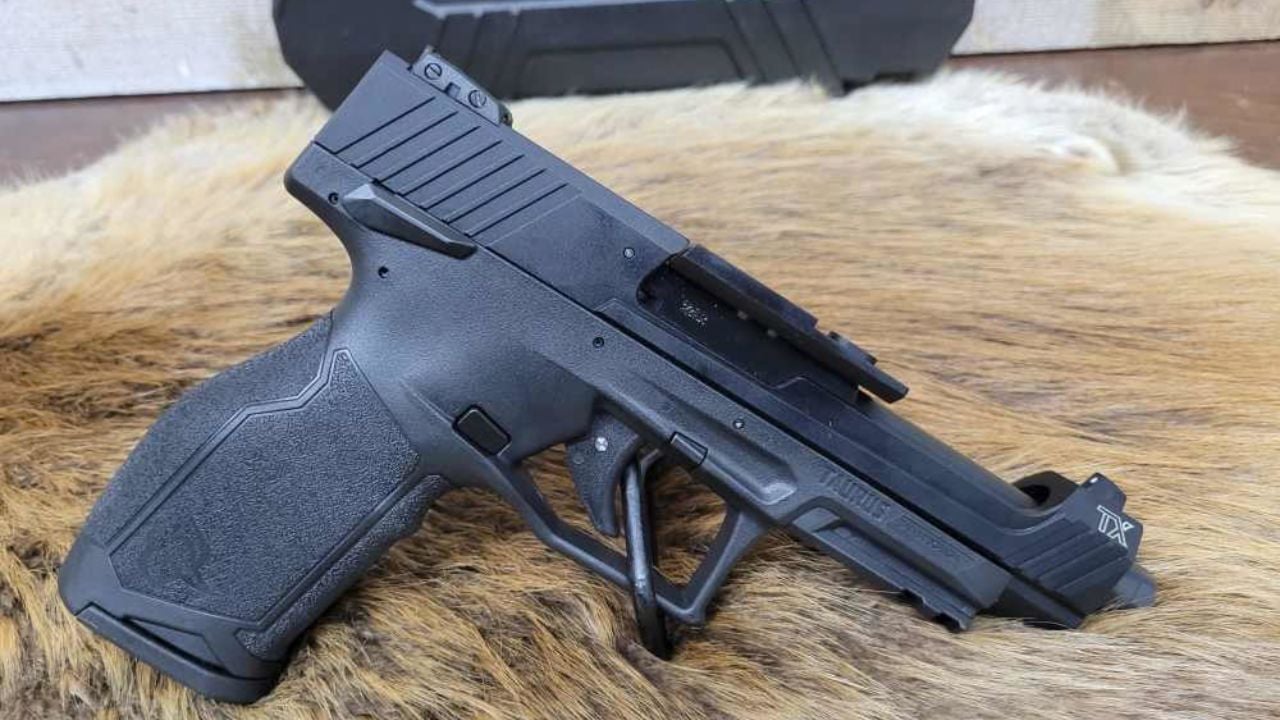
I wasn’t expecting to like the TX22 as much as I do. I handed it to a couple new shooters because .22s are supposed to be easy, and a lot of .22 pistols aren’t. The TX22 ran, and ran, and ran. It ate bulk ammo that made other rimfires choke, and it did it with a grip angle that felt familiar to folks who learned on modern centerfire pistols.
It’s not a heirloom piece, and I’m not pretending the finish and long-term durability are in the same class as premium .22s. But as a training pistol, it’s hard to ignore. The magazines are easy to load, the capacity is generous, and it doesn’t require a toolbox to keep it happy. Every off-season when ammo costs have me looking for more trigger time per dollar, I think about that TX22 and how it kept everyone smiling instead of clearing malfunctions.
15. Ruger LCP II (.380 ACP)
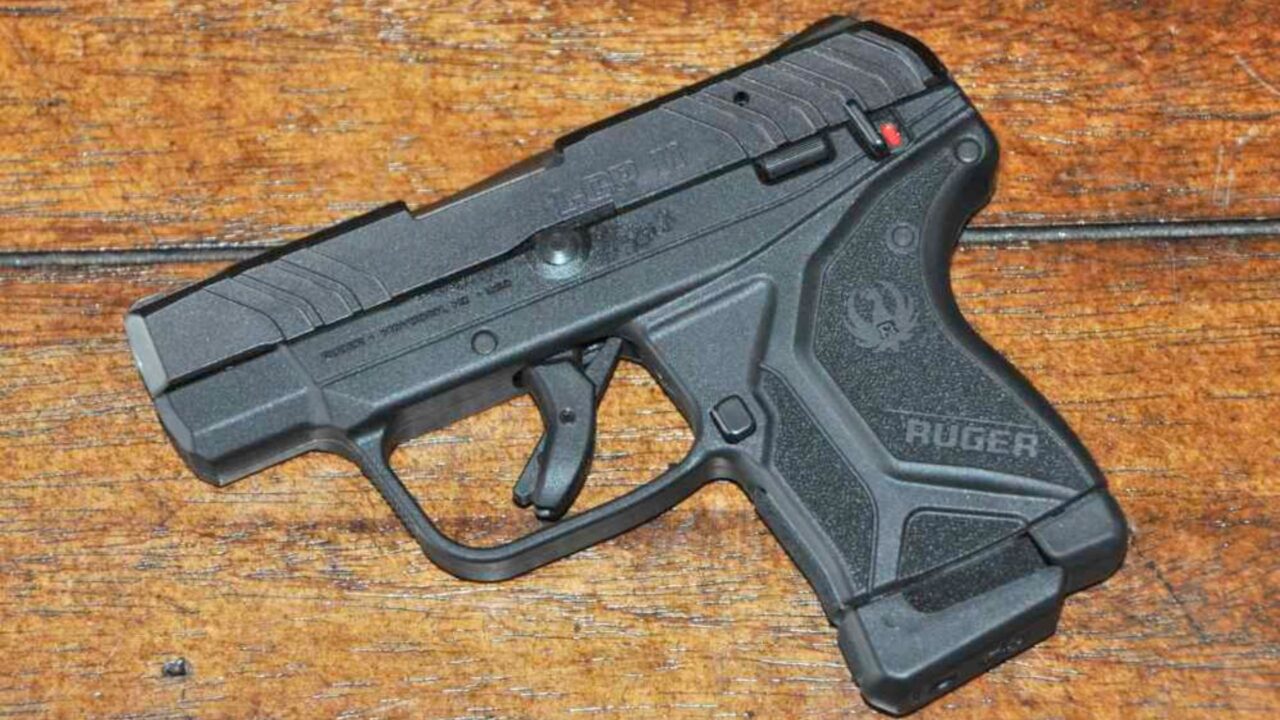
I loaned an LCP II to someone who needed a true pocket option for a short stretch, and it reminded me what these little pistols really are. They are not range toys. They are “better than nothing when nothing else fits” guns. The LCP II is light, thin, and easy to carry in a way that changes your habits for the better if you’re the type who leaves bigger guns at home.
Shooting it is a different story. It’s snappy for what it is, the sight picture is small, and you have to practice with purpose if you want fast, accurate hits. Still, Ruger got a lot right: the trigger is better than earlier tiny .380s, reliability is generally solid with good ammo, and the gun disappears in normal clothes. When summer heat is real and concealment gets harder, that LCP II comes back to mind as a reminder: the best carry gun is the one you actually carry.
16. Glock 20 (10mm Auto)
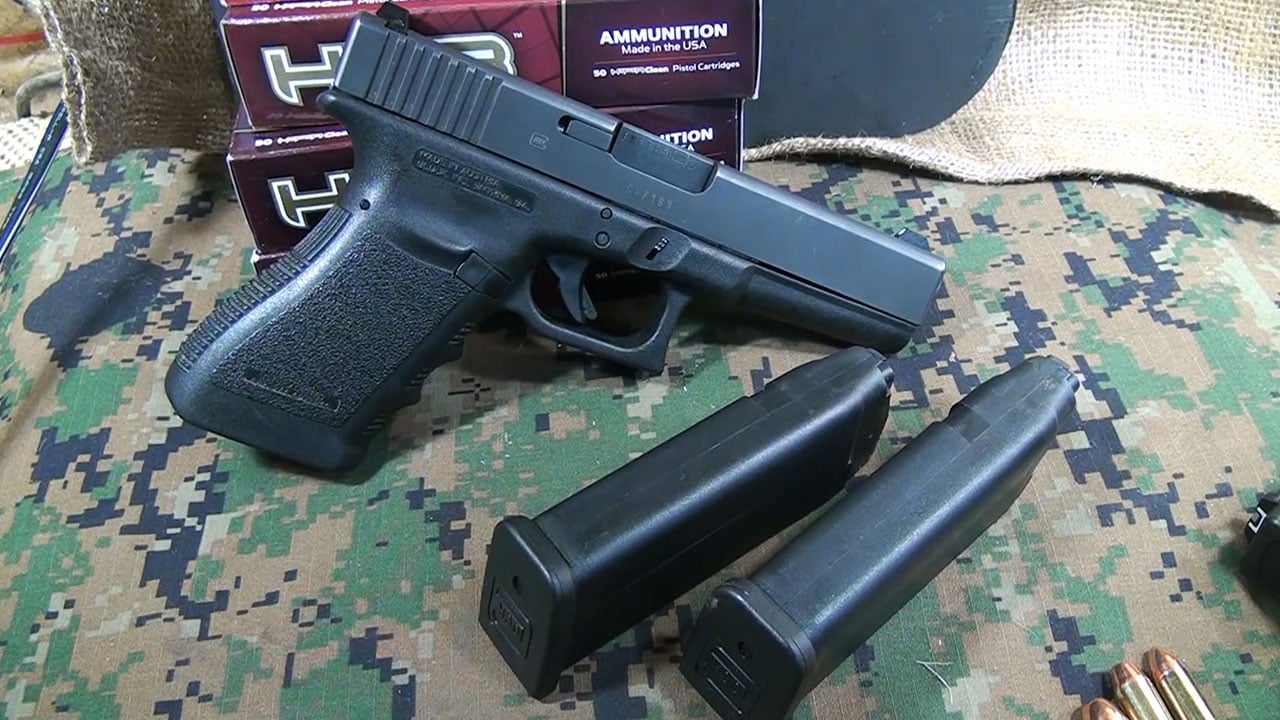
I handed my Glock 20 to a buddy heading into thicker country for the first time, where the “what if” list includes teeth and claws. The Glock 20 is not subtle, and it’s not for everyone. But it’s one of the few mainstream pistols that gives you real 10mm capability with magazine capacity and reliability that doesn’t rely on being babied.
It’s also a gun that exposes grip mistakes. Full-power 10mm loads are no joke, and if your hands aren’t locked in, you’ll know. With the right ammo choice and realistic expectations, it’s a strong woods sidearm. The downside is bulk and recoil, plus the fact that some folks buy one and then mostly shoot watered-down practice ammo forever. Every fall when I’m scouting and seeing fresh sign in wet ground, I think about that Glock 20 and how comforting “extra” feels when you’re a long walk from the truck.
17. Springfield Armory XD-M Elite 10mm
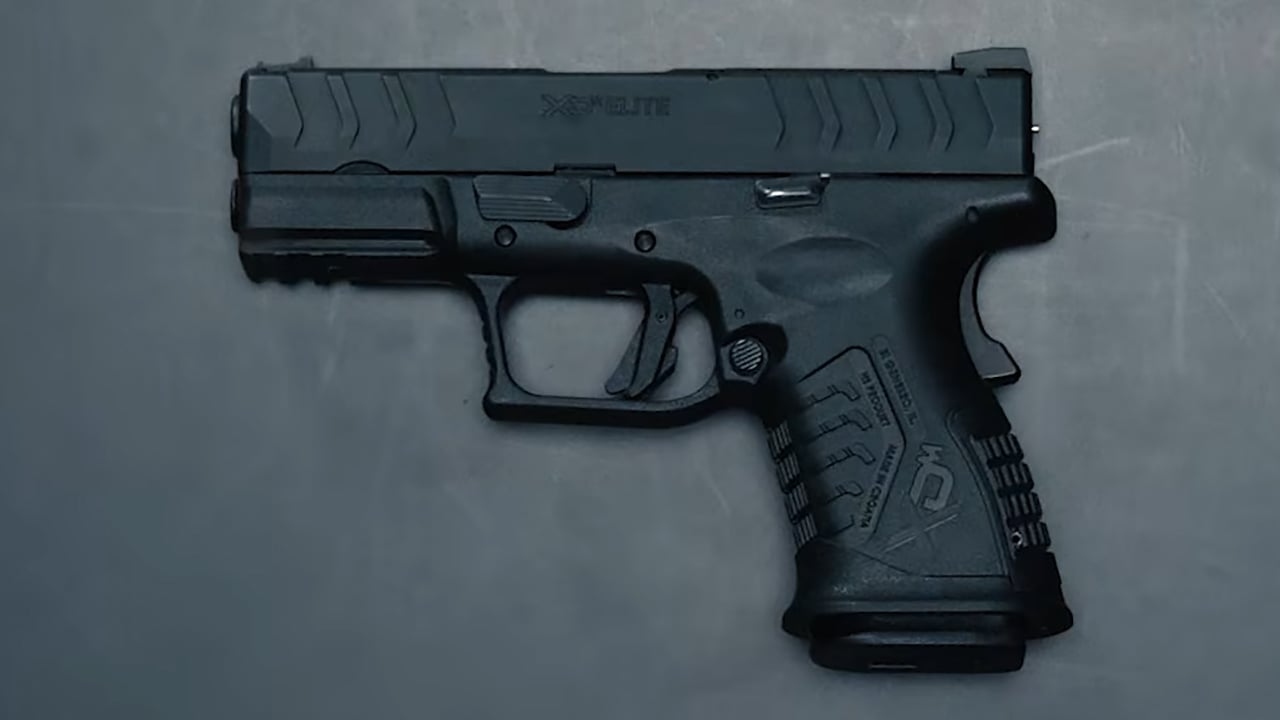
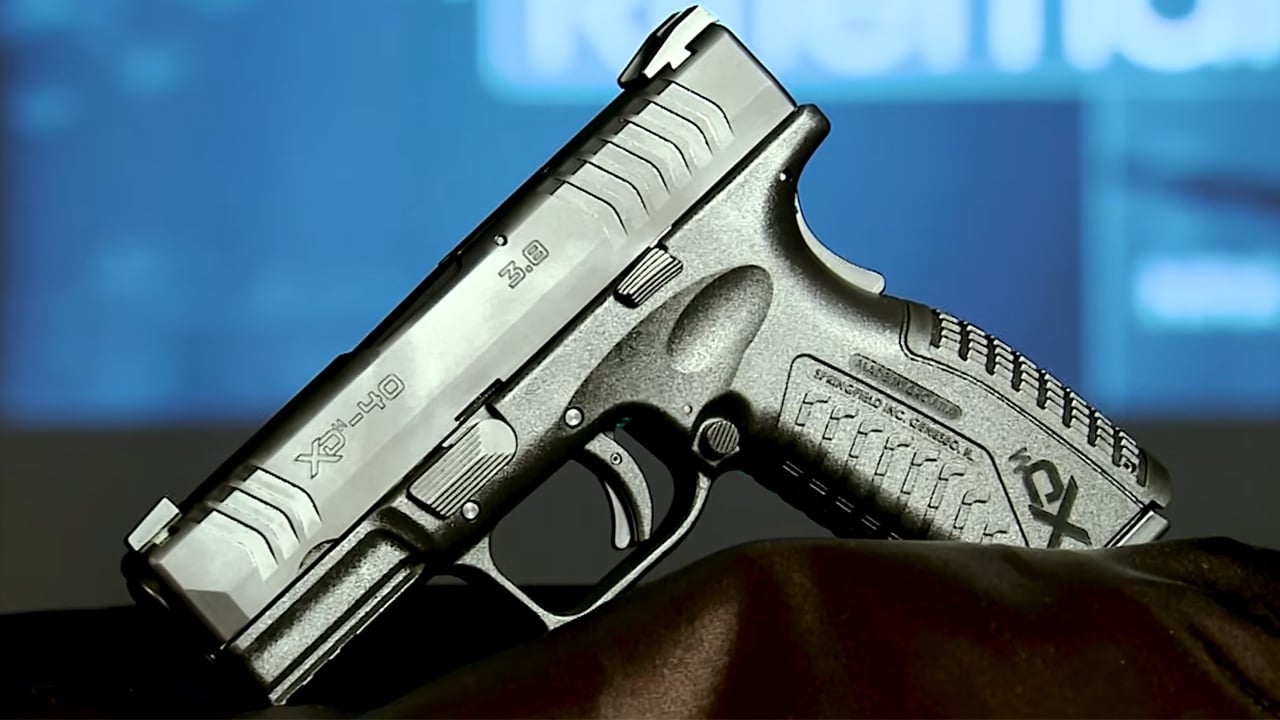
I loaned an XD-M Elite 10mm on a range day specifically because the guy wanted “a 10mm that feels like a competition gun.” He got what he asked for. The grip is comfortable, the capacity is there, and the gun shoots flatter than you’d expect for the cartridge. It’s one of those pistols that makes 10mm feel less like a stunt and more like something you can actually train with.
The tradeoff is it’s a lot of pistol. It’s tall, it’s wide, and it’s not what I’d pick for daily concealed carry unless you’re built for it and dressed for it. But for a chest rig, a belt holster in cold weather, or as a property gun, it makes sense. Mag availability is decent, and the controls are easy to run with gloves. Every winter when coats come out and gear gets heavier, I think about how that XD-M made big power feel manageable.
18. Smith & Wesson Model 29 (.44 Magnum)

This is the one I only hand over with a little speech first. I’ve watched too many folks touch off a .44 Magnum with a loose grip and learn a painful lesson. When I loaned my Model 29 to a hunting partner, we started with mild loads and worked up. He did fine, but the revolver left an impression on both of us. It’s a lot of power in your hands, and it demands respect.
A .44 Magnum revolver isn’t practical for most day-to-day needs, but it still has a place. In revolver hunting seasons or as a backup when you’re deep in the woods, it’s reassuring in a way that’s hard to quantify. The Model 29 also has that classic feel that newer guns don’t replicate. Every time I’m sorting hard-cast options and checking chest holsters before a trip, that revolver pops into my head. Not because it’s fun, but because it’s serious.
19. FN Five-seveN

I let someone shoot an FN Five-seveN because they’d been talking about it like it was some kind of sci-fi answer to everything. What they noticed first was the recoil, or really the lack of it. It’s flat shooting, loud, and oddly easy to run fast. It also feels different in the hand than most pistols, with that light slide and the distinct balance.
Here’s why I still think about it: it’s specialized. Ammo cost and availability are the big friction points, and not every shop keeps it on the shelf. The pistol itself isn’t cheap either, and it’s not as “simple” a buy as a normal 9mm. But it’s undeniably fun, and for certain roles it offers traits you don’t get elsewhere. Every time I see a new shooter chasing exotic answers before mastering basics, I think about that Five-seveN range day and how novelty can be both a hook and a distraction.
20. Ruger SR22

The SR22 is the pistol I keep thinking about when someone asks, “What should I start my spouse on?” I loaned mine out for a month to a couple that wanted something easy, safe, and not intimidating. The SR22 is small, light, and friendly, with controls that make sense to people who aren’t already gun people. It’s a trainer that doesn’t punish anybody for being new.
It’s not a target pistol like a Mark IV, and it’s not as refined as some pricier rimfires. But it fills a niche that matters: a .22 that feels like a “real pistol” without the weight and bulk. It’s also easy to toss in a range bag, and it tends to run well if you feed it decent ammo and keep it reasonably clean. Every spring when I’m trying to get new shooters dialed in before summer range trips, that SR22 memory comes back. Simple works.
I’m not saying every one of these needs to live in your safe forever. A few are luxury, a few are niche, and a couple are just honest tools that don’t get enough credit. But when you hand a pistol to someone else, you learn what it’s really like to watch it perform without excuses. And if it sticks in your mind season after season, there’s usually a reason. Sometimes it’s regret. Sometimes it’s respect. Either way, you remember.
Like The Avid Outdoorsman’s content? Subscribe to our newsletter so you never miss an article.
Here’s more from us: