Photo credit: HillbillyNitro USA/Youtube
Every gun shop has that back corner of the used rack where the wood is scuffed, the finish is dull, and nothing has a tactical rail in sight. Most folks walk right past it looking for the latest flavor. Then a guy who’s been around a few seasons stops, picks one up, works the action once, and you can tell his brain just did the math. Some firearms don’t sell with looks. They sell with feel, with history, and with the quiet truth that they still do the job better than half the trendy stuff in the glass case.
Here are 20 of those “nothing special” guns—until someone who knows better gets hands on them.
1. Ruger Security-Six
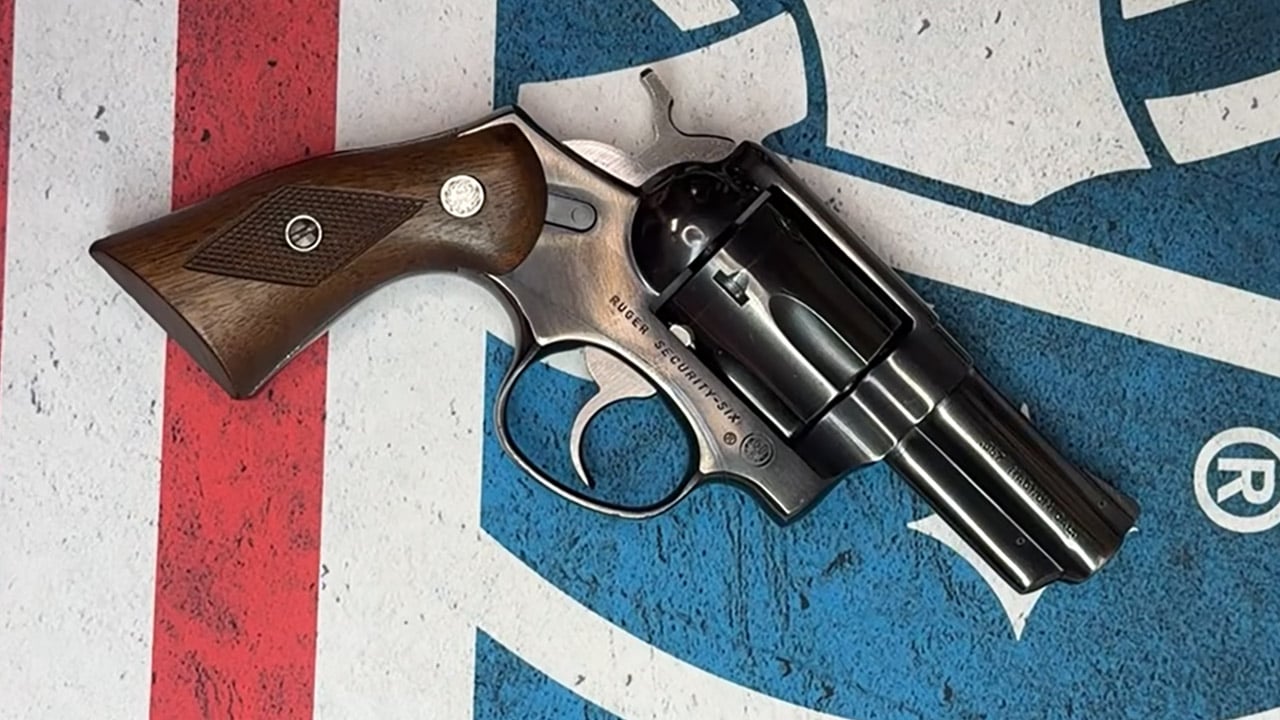
In a case, a Security-Six looks like an ordinary old revolver with plain sights and no brag factor. Pick it up, though, and you feel why they earned such a loyal following. The frame is strong, the lockup is usually tight even after plenty of use, and the gun points naturally. For woods walking or as a glovebox revolver (stored legally and responsibly, of course), it’s a no-nonsense tool.
The other thing is parts and durability. These revolvers tended to live real lives—holster wear, ranch work, maybe a little neglect—and still run. A clean example in .357 can shoot mild .38s all day, then step up when you need it. Replacement sights and fancy grips aren’t the point. A Security-Six is a “use it for 30 years” gun, and that’s why the right buyer pays attention.
2. Smith & Wesson Model 10
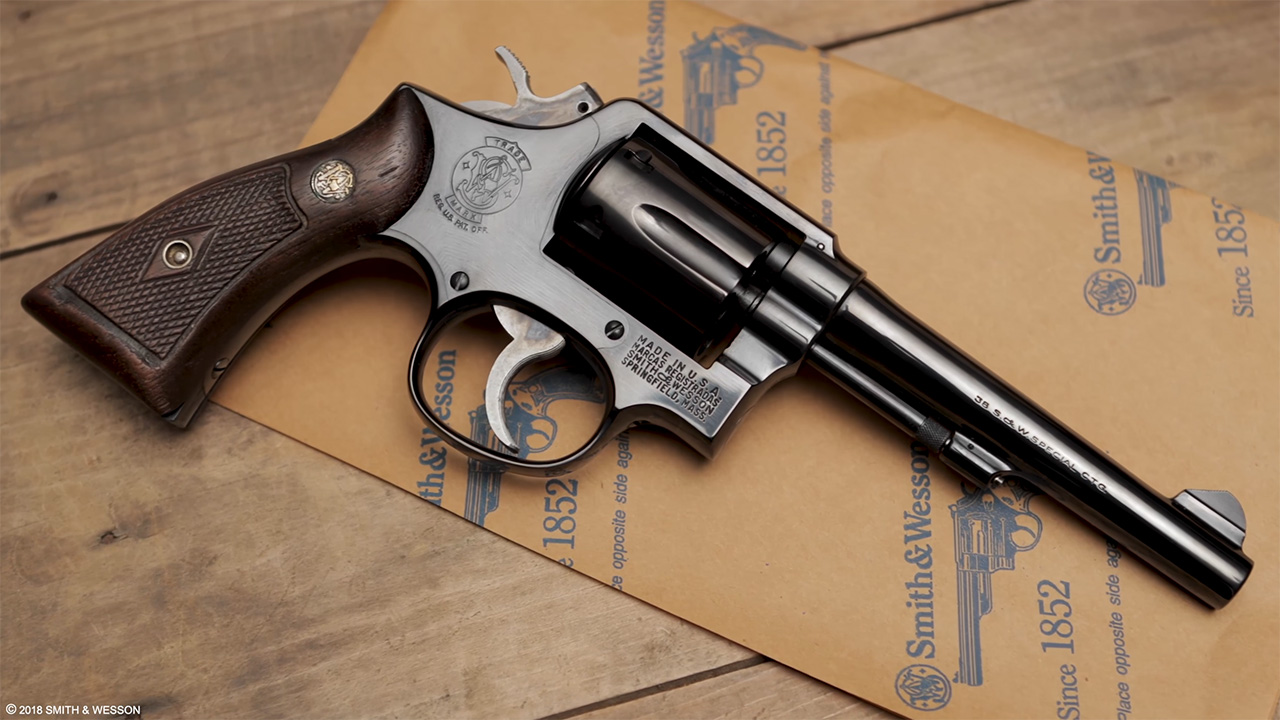
The Model 10 is the definition of plain. Fixed sights, medium frame, and usually a finish that shows honest carry. In the hand, it’s balanced and calm, and the trigger on a good one has that smooth, rolling double-action pull that makes you wonder why you ever tolerated gritty budget revolvers. It’s not glamorous. It’s just right.
For someone who actually shoots, that matters. A 4-inch Model 10 with standard-pressure .38 Special is a practical, accurate handgun that doesn’t beat you up. It’s also easy to live with—simple manual of arms, easy to check loaded/unloaded, and it teaches good fundamentals. If you find one with timing and lockup still solid, you’re holding a piece of “works every time” history that’s hard to replace with modern equivalents.
3. CZ 75B

In a foam case, a CZ 75B doesn’t scream for attention. It looks like a service pistol from another era because, frankly, it is. Then you grip it and the ergonomics make sense immediately. The pistol sits low, points naturally, and the weight soaks up recoil in a way polymer guns don’t. The slide-in-frame design also gives it a different feel when you run it.
What the experienced folks notice is how shootable it is. A stock CZ can make an average shooter look better than he is, and that’s not hype. Magazines are common, the guns tend to run dirty, and accuracy is usually better than its “used rack” price suggests. It’s not the lightest carry option and the trigger can vary, but as a do-it-all 9mm you can actually practice with, it’s a sleeper.
4. Beretta 92FS (Italian or older U.S. production)
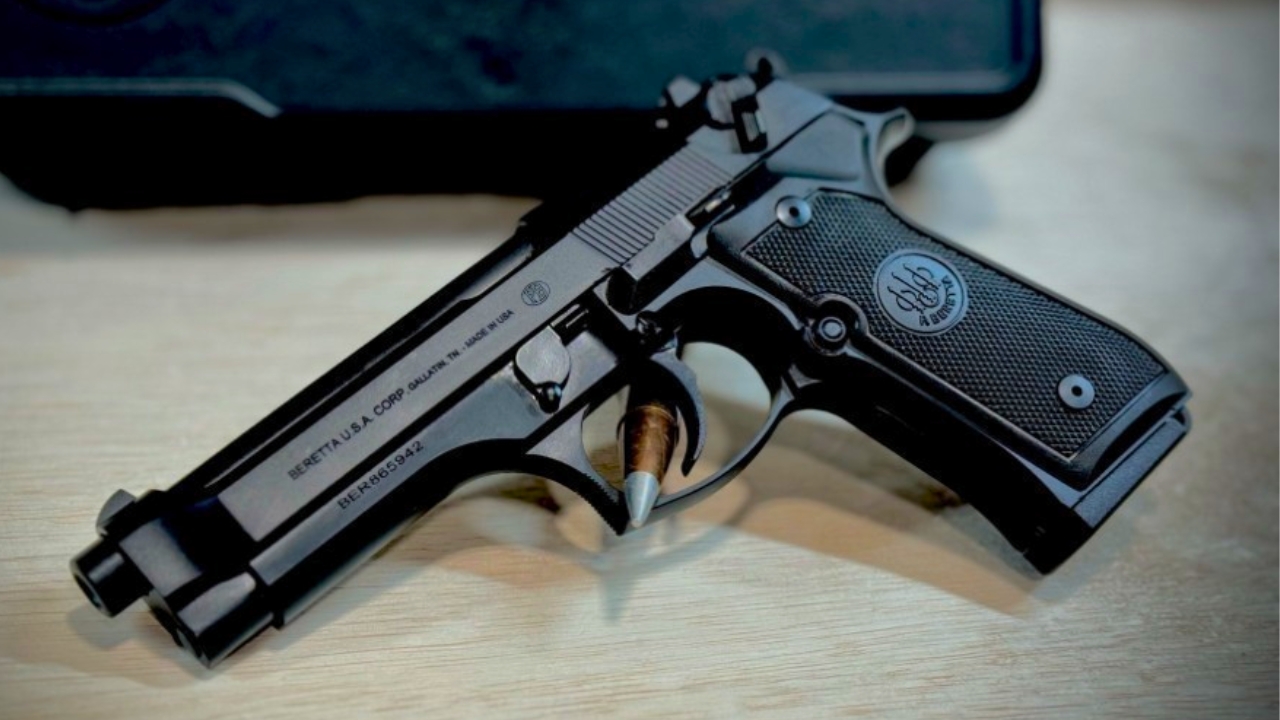
Lots of shooters dismiss the 92FS as big and dated. In the case, it’s just a chunky 9mm with a shiny slide and a reputation everyone already “knows.” Then you shoot one that’s been kept up, and the soft recoil impulse reminds you why so many folks ran them well for so long. The open-top slide design tends to be forgiving, and the gun tracks flat.
They’re also easier to keep running than people admit. Mags are everywhere, holsters are everywhere, and small parts aren’t a nightmare. The double-action/single-action system isn’t for everybody, but a practiced shooter can run it fast and safely. If you’ve ever watched someone pick up a 92FS and immediately print a tight group at 15 yards, you understand why a “boring” pistol can still earn respect.
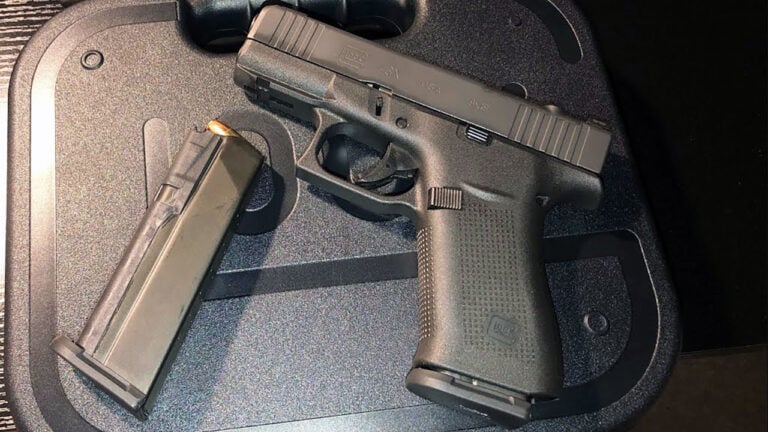
5. Glock 19 (Gen 3 or Gen 4)

A used Glock 19 looks like a used Glock 19. Plastic sights, a finish worn shiny at the corners, maybe some mystery stippling. Nothing about it is special until you consider what it actually offers: a pistol that runs, with magazines you can find at any decent shop, and a size that works for carry, nightstand duty, and range practice without being miserable.
The experienced crowd appreciates the boring parts. The trigger is consistent. The maintenance is simple. The aftermarket support is endless, which matters when you break a small part or need a replacement mag tomorrow, not next month. It’s not a status symbol, and it’s not refined. But it’s a practical gun you can stake a training plan on, and that’s why the right person picks it up like they found a $20 bill on the floor.
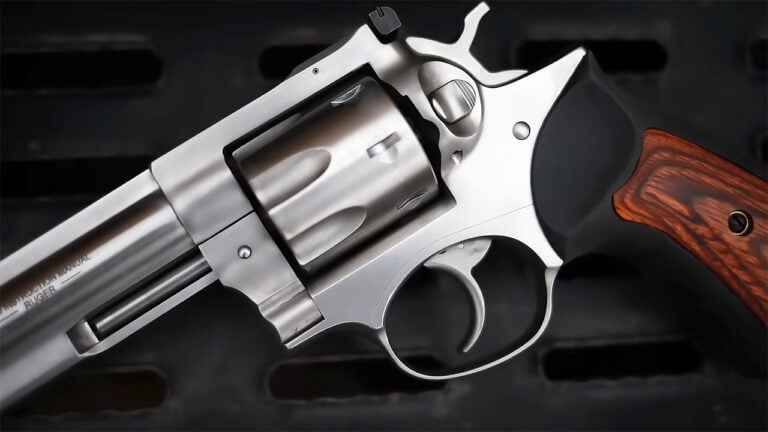
6. Ruger GP100 (4-inch)
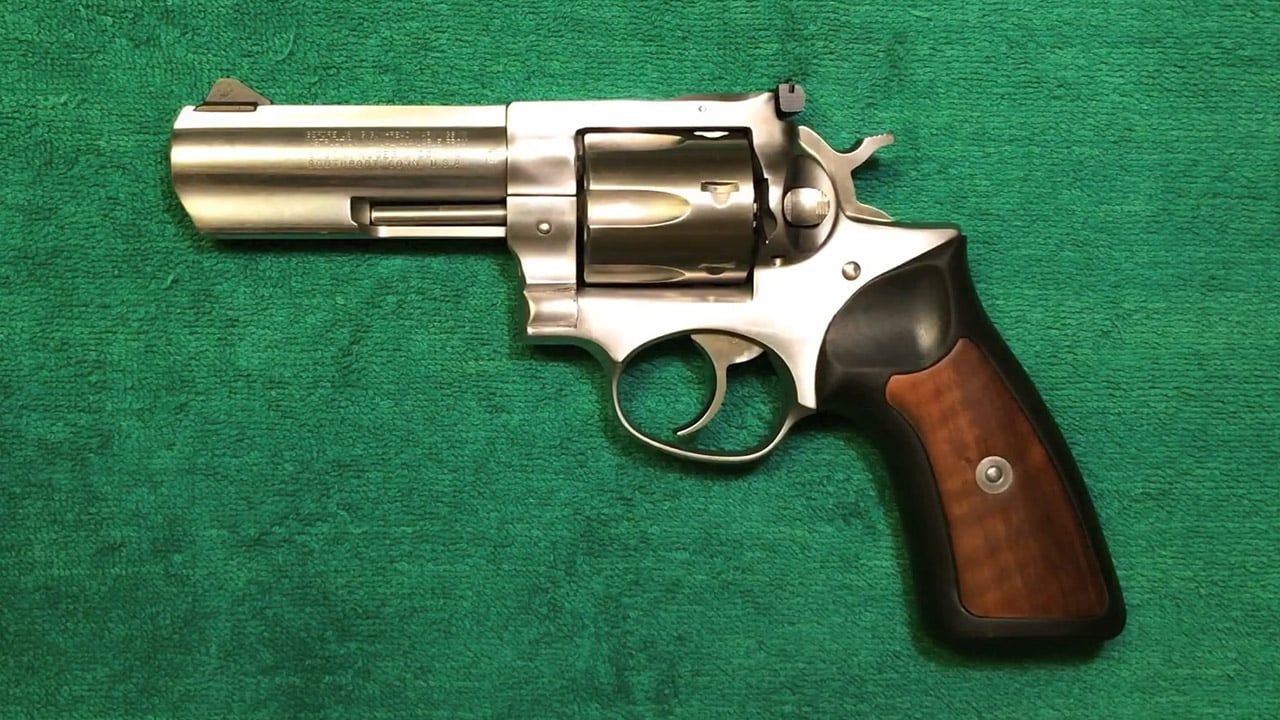
The GP100 can look like just another big revolver—thick frame, heavy barrel, not much elegance. In the hand, it’s confidence. Ruger built these to take a steady diet of real .357 loads without loosening up, and that weight that makes it a chore on the belt also makes it pleasant on the range. A lot of “lightweight woods guns” are fun until you touch off full power ammo.
GP100s tend to be honest tools, and you can usually tell quickly if one has been abused. If the cylinder locks up tight and the timing is right, it’ll likely keep doing it for a long time. They’re also easy to field strip compared to some older designs. If you need a revolver that can ride in a chest rig during deer season and still be enjoyable to practice with, a GP100 is a quiet winner.
7. Marlin 336 (JM-stamped)
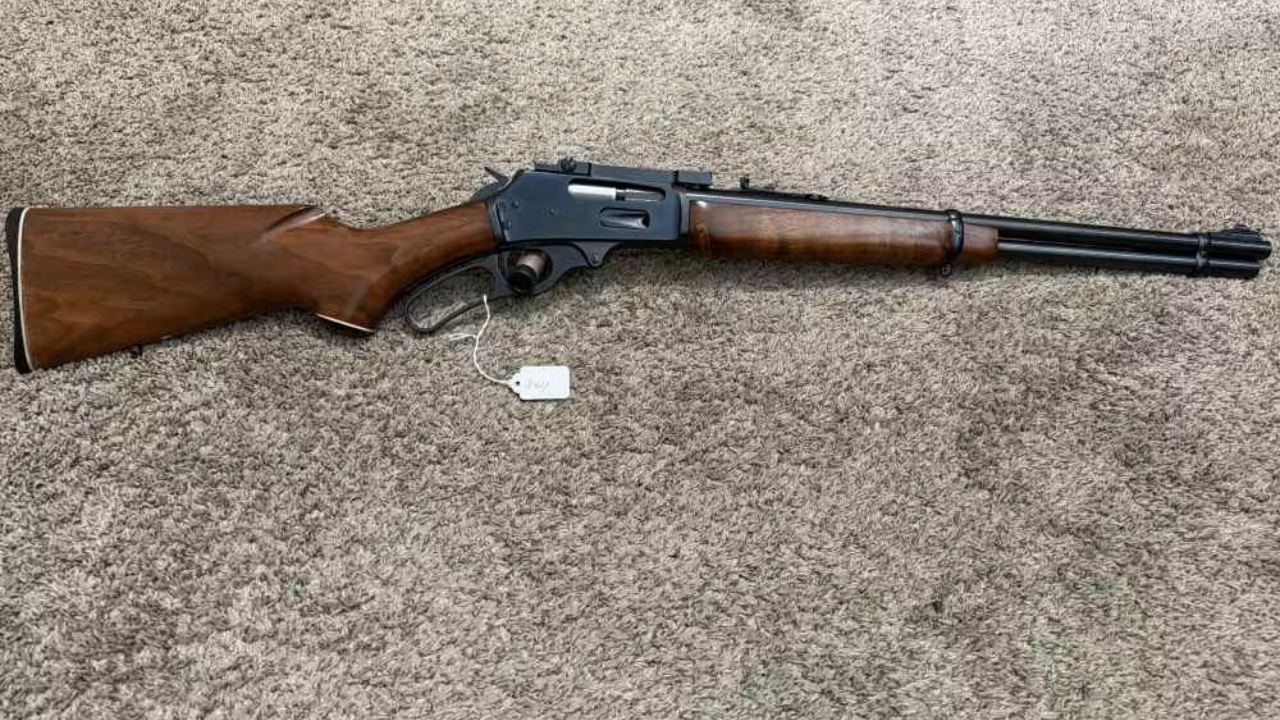
A lever gun in the rack can look like grandpa’s deer rifle, and plenty of them are. A JM-stamped Marlin 336, though, tends to feel different—smoother action, better fit, and that solid “snick” when it locks up. In .30-30, it’s not a long-range hammer, but it has probably filled more freezers than half the internet’s favorite cartridges combined.
These rifles carry well in thick timber, come to the shoulder quick, and don’t snag on everything. A scoped one can be a little top-heavy, but with irons or a low-mounted optic, it’s a natural woods rifle. Good ones aren’t getting easier to find, and a clean JM gun can be hard to walk away from. There’s nothing fancy about it, and that is kind of the point.
8. Winchester Model 94 (pre-64)

The Model 94 is so common that folks stop noticing it. Pre-64 rifles, especially in decent shape, have a fit and finish you can feel when you cycle the lever. They’re light, lively, and they carry like they were designed by someone who actually walked ridges all day. A lot of newer rifles shoot tighter groups, sure, but not many feel as handy.
What makes a good 94 stand out is how it behaves in the real world. It slips through brush, rides in a scabbard, and it’s quick in the hands when a deer appears where you didn’t expect it. The top-eject models complicate certain optic setups, but that’s part of their charm. If you hunt in thick country and you don’t need to shoot across bean fields, a good Model 94 is still hard to beat.
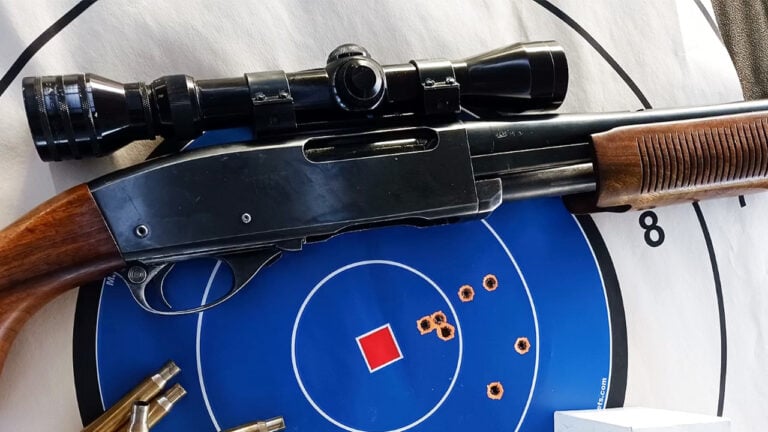
9. Remington 870 Wingmaster

A used 870 Wingmaster looks like a thousand other pump guns until you run the fore-end. The action on a Wingmaster that hasn’t been abused is slick, almost polished, and it doesn’t have that hollow rattle some budget pumps develop. The bluing and wood also tend to age in a way that looks better over time, not worse.
In the field, the 870’s value is simple: it works. You can set it up for birds, deer, or camp defense with barrel options and choke tubes, and parts support is still strong. Yes, there are rougher eras and there are police trade-ins that have lived hard lives, so you inspect what you buy. But a solid Wingmaster is one of those shotguns that makes you wonder why you ever bothered chasing “new” when the old one already knew how to do the job.
10. Mossberg 500 (older blued models)

The Mossberg 500 doesn’t impress anyone sitting in a case. It’s the opposite of fancy, and the finishes on some examples look like they were applied on a Friday afternoon. Still, the design is rugged, the controls are practical, and the top tang safety is a real advantage for a lot of hunters—especially if you switch shoulders or wear gloves in cold weather.
Older blued 500s often have a certain sturdiness to them, and they keep going with basic care. The “rattle” you hear in some Mossbergs isn’t automatically a problem; it’s often just the nature of the design. Barrels are common, chokes are common, and you can set one up to do multiple jobs without spending yourself into a corner. It’s a working shotgun that doesn’t demand attention, which is why experienced hands keep them around.
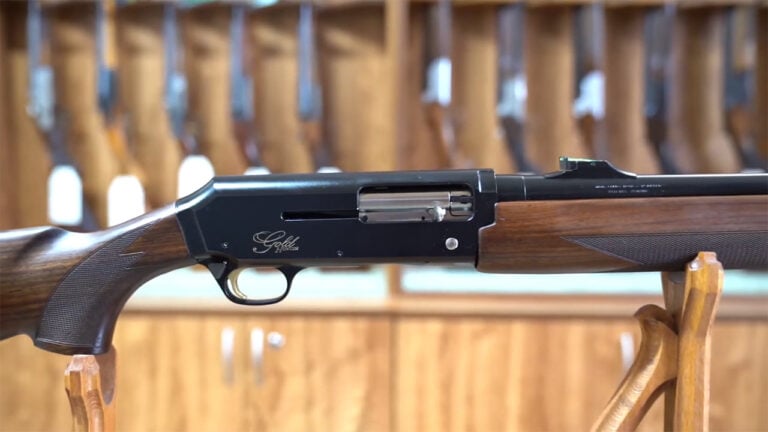
11. Browning BPS
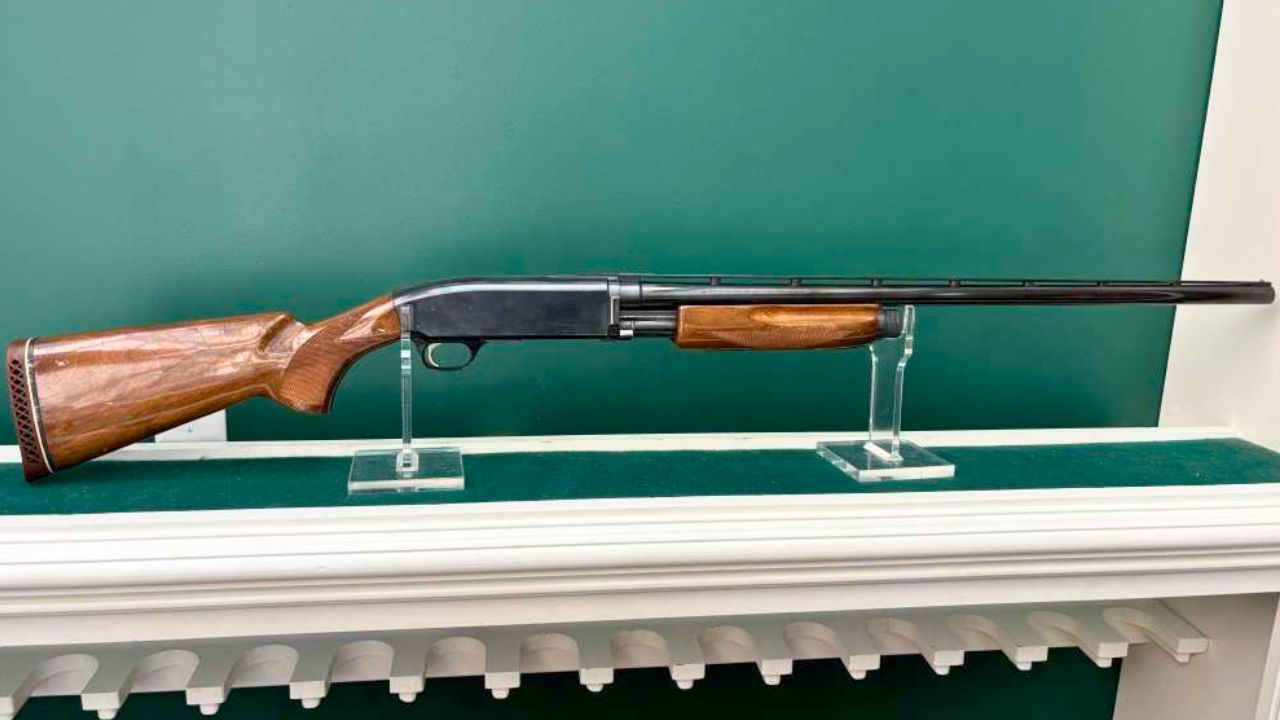
The Browning BPS can look a little plain and a little heavy, and that makes it easy to overlook. Then you notice the bottom ejection and the solid feel when you run it. Left-handed shooters especially perk up because it solves a problem without making you hunt down a special variant. In a duck blind, that’s not a small thing.
They’re also built with a level of fit that feels “older school” compared to many modern pumps. The weight that turns off some buyers can be a benefit on the range and in the marsh because it tames recoil. Maintenance is straightforward, and they tend to last. If someone picks up a BPS and cycles it a couple times, you can usually see the decision get made right there. It feels like a serious tool.
12. Ruger 10/22 (older walnut/steel models)
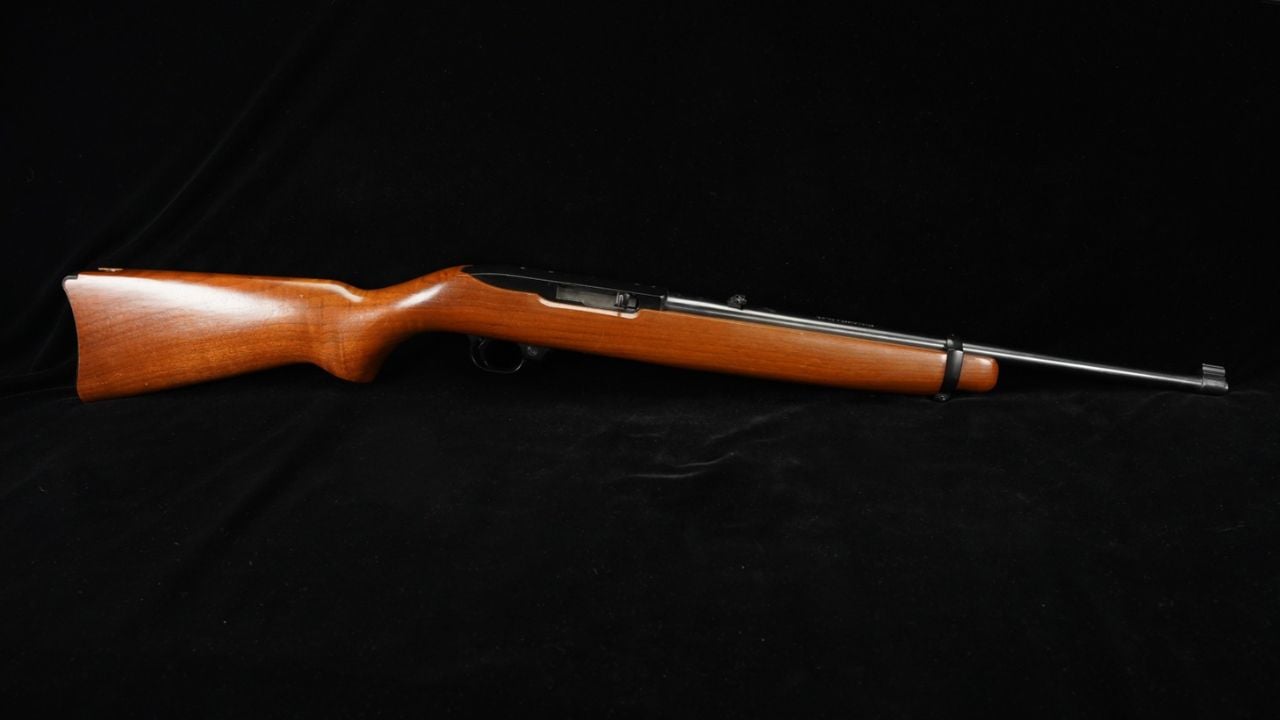
A .22 rifle rarely turns heads in a shop case, and the 10/22 is so common it’s practically background noise. The older walnut-stocked carbines with metal trigger housings have a different vibe, though. They feel less like a toy and more like a small rifle you could hand down. The balance is right, and they carry easy for squirrels or walking fence lines.
The real magic is that you can keep one running forever. Magazines are everywhere, parts are everywhere, and the platform is as user-friendly as it gets without being disposable. Accuracy is usually good enough for hunting and casual target shooting, and you can tune them if you’re into that. Ask me how I know: the “boring” .22 is often the gun that gets shot the most, and that’s the one that builds skill.
13. Savage Model 99

The Savage 99 can look like an oddball lever gun to someone raised on Model 94s and Marlins. The lines are different, and a lot of them wear old scopes in crooked mounts that scare off buyers. Then a knowledgeable shooter checks the action and remembers the 99 was doing “modern” things a long time ago—strong lockup, sleek handling, and chamberings that actually reach.
These rifles have personality, and not every one is a tack driver. But when you find a good one, especially in classic hunting rounds, it carries like a dream and hits harder than its looks suggest. The rotary magazine models are part of the appeal. It’s also one of those rifles that makes you slow down and appreciate good design. If you hunt whitetails in timber and want something with history that still hunts hard, the 99 belongs on the short list.
14. Tikka T3x Lite

In a case, a Tikka can look almost too plain—simple stock, simple lines, nothing that screams “premium.” Then you lift the bolt and it glides like it’s on bearings. That’s what sells them. The action is smooth, the triggers are usually excellent out of the box, and they tend to shoot well with factory ammo without a lot of drama.
The Lite models aren’t perfect. Lightweight rifles can be snappy in harder-kicking calibers, and the factory stock feel isn’t for everyone. But as a hunting tool, it’s hard to argue with a rifle that carries easy, cycles fast, and reliably prints tight groups. For a guy who actually hikes to hunt instead of riding to a stand, the T3x makes sense. It’s the rifle you stop talking about because it just works.
15. Howa 1500
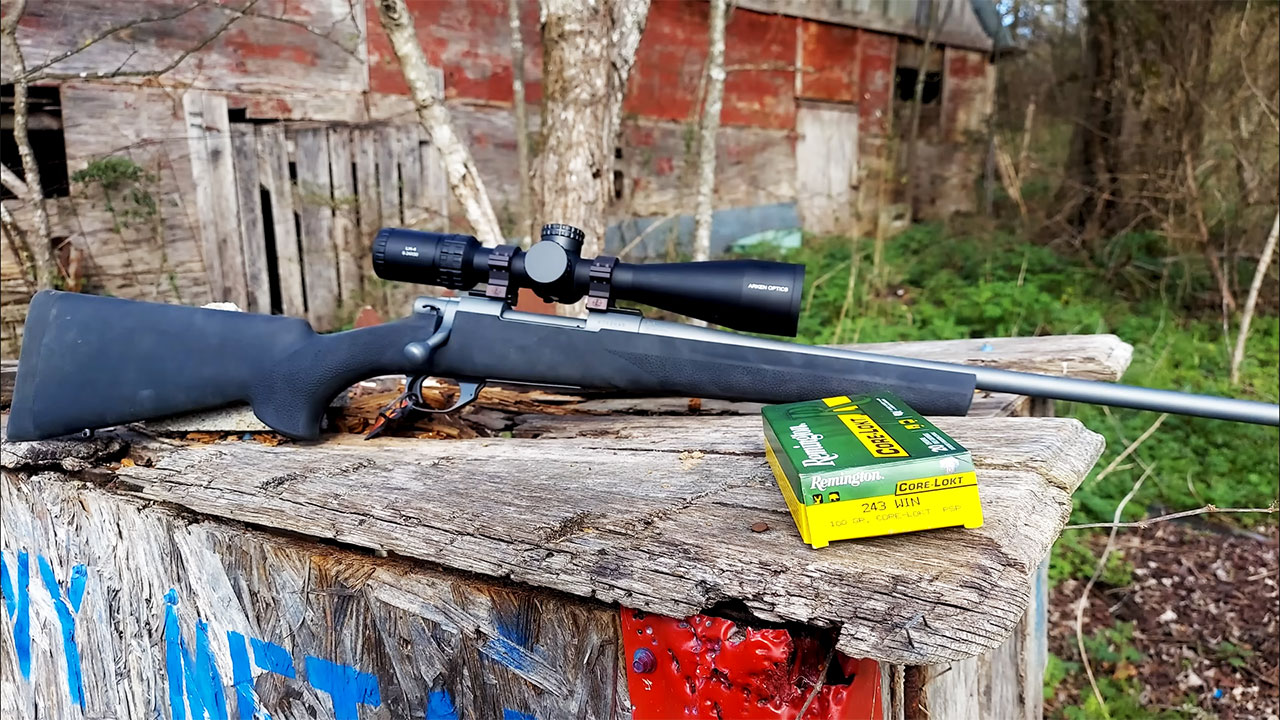
The Howa 1500 often sits in that price bracket where folks assume “good enough” means compromises everywhere. On the counter it’s just another bolt gun, sometimes in a basic synthetic stock that does it no favors. But the action is strong, the barrels are generally solid shooters, and the overall feel is more substantial than the price tag suggests.
Where Howa earns respect is consistency. These rifles tend to shoot, and they tend to keep shooting. The factory triggers are usually usable, and they respond well to a decent stock if you want to upgrade later. They’re not the lightest, and they’re not a fashion statement. But for a deer rifle that rides in a truck, gets banged around a bit, and still needs to put the first shot where it belongs, a Howa is a smart buy that looks unremarkable until you run it.
16. Ruger M77 Mark II

The Ruger M77 Mark II can look blocky and old fashioned, especially next to sleek modern rifles with adjustable everything. Pick it up and it feels like a real rifle—controlled-round feed, sturdy extractor, and a kind of “built for weather” attitude that makes sense if you hunt where it’s wet, cold, or dusty. The safety is simple and positive, too.
These rifles aren’t always the lightest and the triggers can vary, especially if nobody has cleaned them properly over the years. Still, they’re dependable hunting rifles that don’t get finicky when conditions go sideways. A Mark II in a sensible caliber is the kind of gun you can sight in, confirm zero, and then not worry about. If you’ve ever had a bargain rifle start acting up on day three of a hunt, you start valuing boring reliability pretty fast.
17. Smith & Wesson Model 19
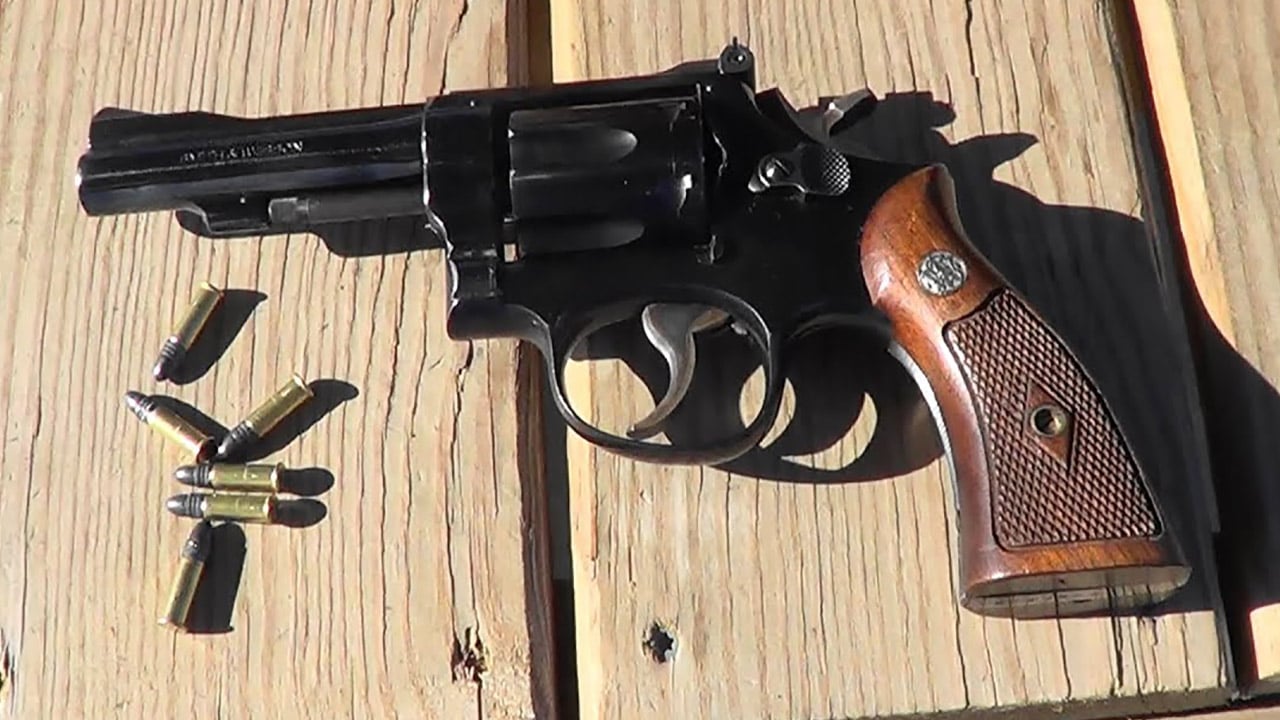
The Model 19 doesn’t always look like much—just a blued K-frame with service-style sights. But the feel is classic, and a good one balances like it was designed for real shooting, not just display. The trigger is often what hooks people. Even shooters who claim they don’t care about triggers tend to pause after a smooth K-frame pull.
There are tradeoffs. The Model 19 isn’t the revolver you feed a lifetime diet of hot .357 loads if you want it to stay tight forever, and experienced owners know that. But with sensible ammo choices—plenty of .38s for practice and reasonable .357s when needed—it’s a sweet, practical revolver. For a belt gun while checking traps, walking the back forty, or as a home gun for someone who likes revolvers, it’s hard not to appreciate.
18. Colt Detective Special

Small revolvers in the case often look like outdated carry pieces. A Colt Detective Special, especially an older one, has a different kind of draw. It’s compact but still shootable, with a trigger feel that’s hard to duplicate today. When someone who knows Colts picks one up, they’re checking lockup and timing because they understand what they’re handling.
It’s not the easiest gun to service compared to more common modern designs, and that matters if it needs real work. But a good Detective Special is a serious little revolver that carries well and doesn’t feel as punishing as some lighter snub-noses. Collectability plays a role, sure, but practicality is part of it too. For a deep-carry revolver that still feels like a real gun in the hand, it’s a sleeper that gets attention from the right crowd.
19. Springfield Armory M1A (Standard)

An M1A in a hard case can look like a heavy, old-school rifle that belongs on a wall. Then you shoulder it and the sights line up like they were made for your eyes. The rifle has weight, yes, but it also has steadiness. A good M1A settles into position and makes you slow down and shoot like you mean it.
It’s not for everyone. .308 isn’t cheap to feed, magazines cost more than AR mags, and the platform can be particular about optics mounts. But for someone who appreciates irons, wants a rifle with some soul, and likes the feel of a traditional battle rifle, the M1A still scratches an itch nothing else does. You don’t buy it because it’s trendy. You buy it because it’s satisfying and capable, and because it still does real rifle things very well.
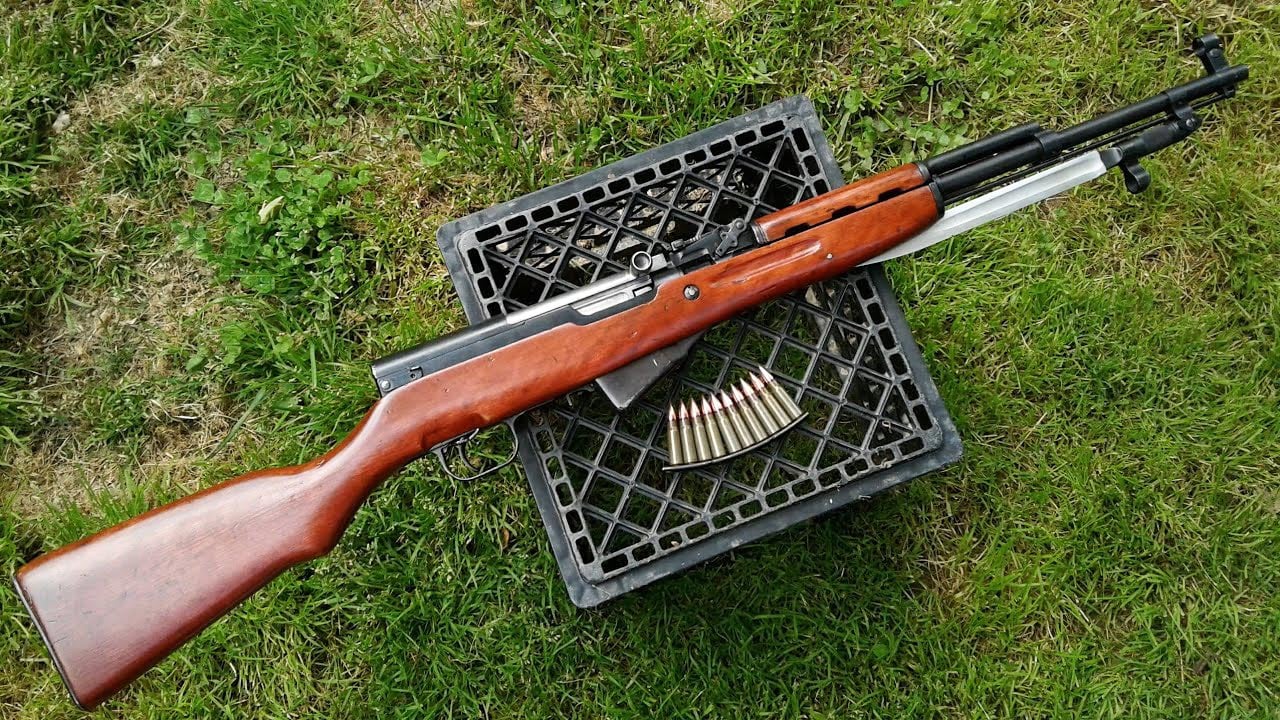
20. SKS (Russian or early Chinese production)
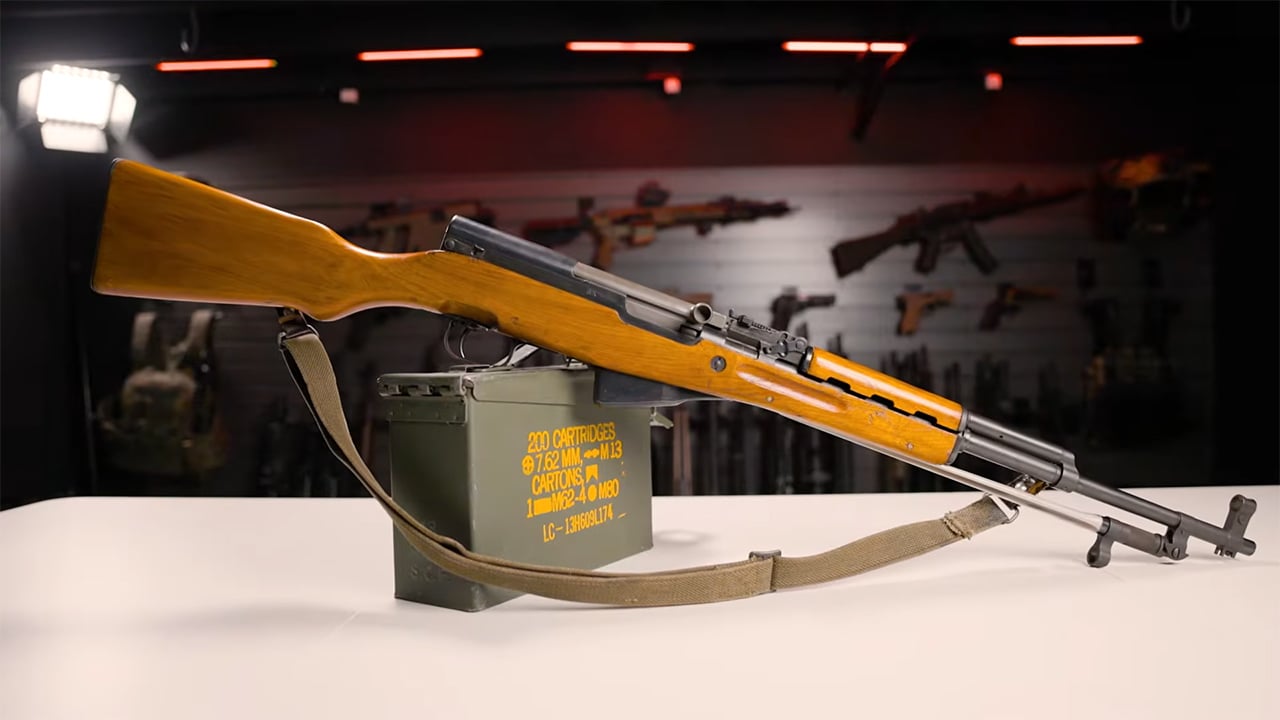
In the used rack, an SKS can look like a greasy surplus gun with a worn stock and a mismatch of finish. It’s easy to dismiss it as “cheap old combloc stuff.” Then someone picks it up, checks the bore, runs the action, and starts noticing details—solid machining on certain variants, decent triggers on others, and a rugged simplicity that’s hard to dislike.
As a practical rifle, it’s handy. Recoil is mild, it points well, and with the original fixed magazine setup it’s straightforward and reliable when left in its lane. Ammo availability swings over time, but the platform itself is generally tough and forgiving. It’s also one of those rifles that gets ruined by bad aftermarket ideas, which is why an un-messed-with example draws a different kind of attention. Plain-looking doesn’t mean common-sense-proof.
The funny part is none of these guns need a sales pitch. You can feel what they are the second you handle them: tools that earned their reputation the slow way. If you’ve got one sitting in the safe that you’ve been thinking about trading off because it’s not exciting anymore, take it out, clean it, and shoot it first. The boring ones are often the ones that stay ready, stay accurate, and stay useful when the season shows up whether you’re ready or not.
Like The Avid Outdoorsman’s content? Subscribe to our newsletter so you never miss an article.
Here’s more from us: