Photo credit: Lucky Gunner Ammo/YouTube
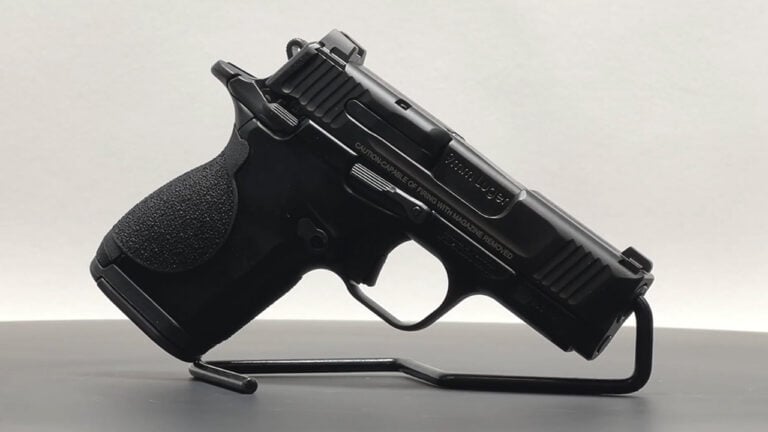
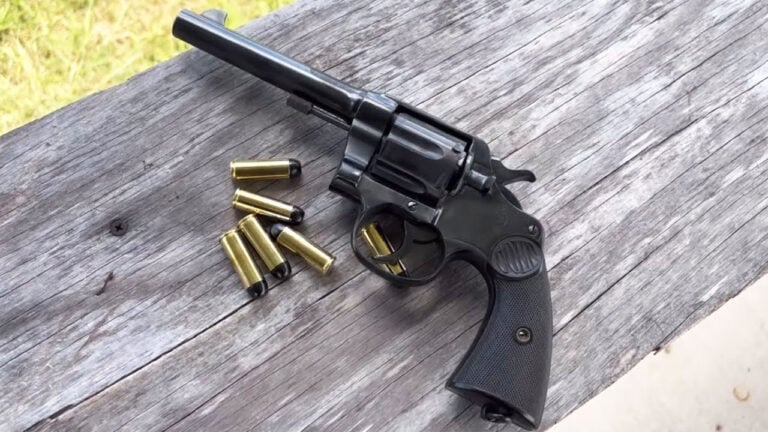
This is one of my biggest pet peeves. New shooters already have enough going on—grip, sight picture, trigger press, recoil anticipation, and nerves. Some guns make that learning curve steeper than it needs to be. They’re hard to rack, hard to shoot well, painful, inconsistent, or just unforgiving. The new shooter doesn’t know that yet, so they blame themselves and assume they’re terrible.
Smith & Wesson Airweight 642
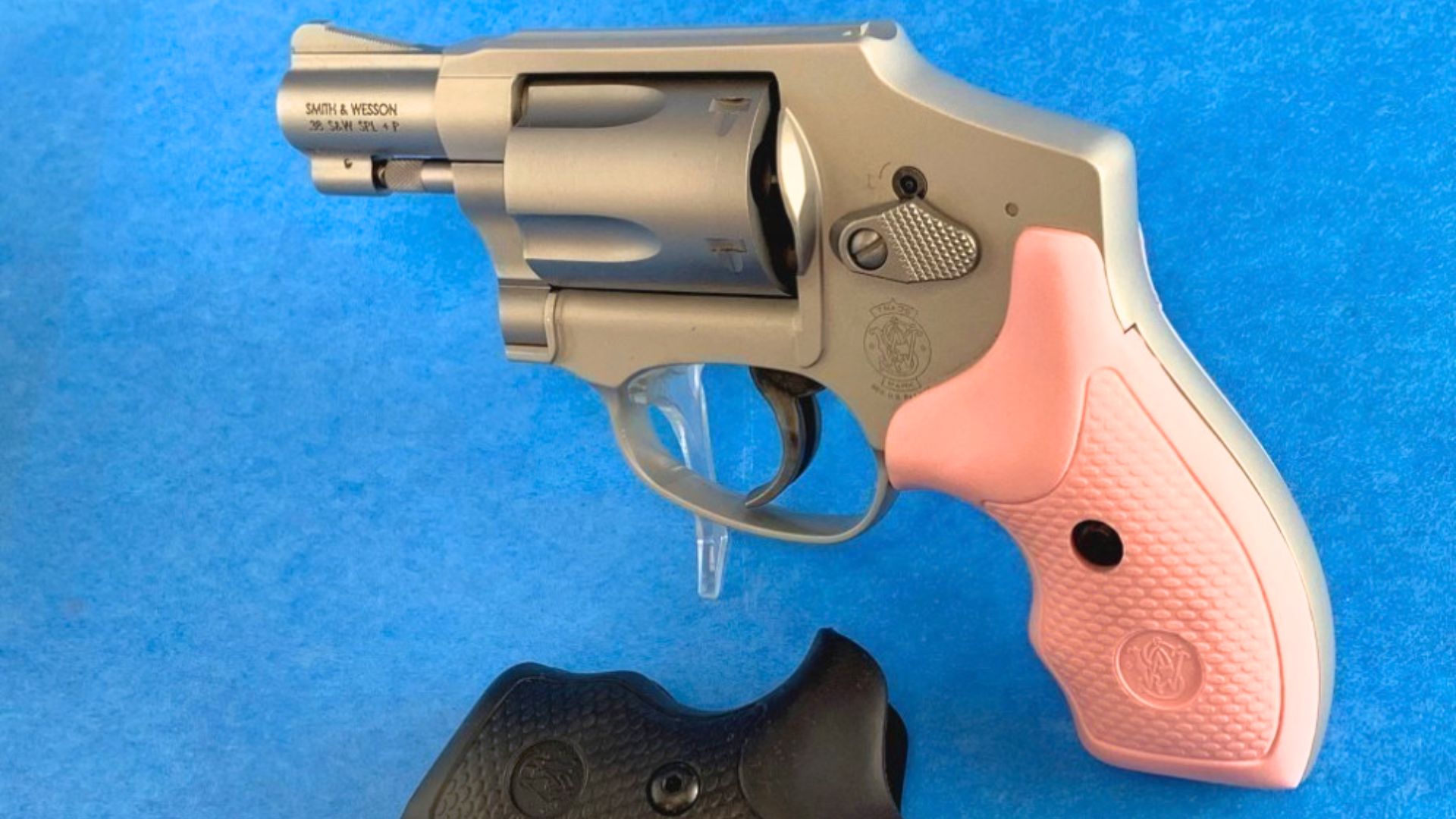
A lightweight snub-nose looks simple, but it’s brutal for beginners. The recoil is sharp, the grip is small, and the trigger is long and heavy. A new shooter struggles to keep sights steady through the press and thinks their hands are weak or their coordination is bad.
The truth is: snubs are hard. They demand skill, not the other way around. If you start someone on a 642, don’t be surprised if they hate shooting and assume they “can’t do it.”
Ruger LCR (.357)

The LCR is a great carry revolver, but in .357 it’s a confidence crusher for new shooters. Even with .38s, the small frame and light weight can feel snappy. Add the long trigger stroke and the fact that revolver recoil feels different than semi-auto recoil, and beginners start flinching fast.
They miss, then miss more, and the gun convinces them they’re the issue. The reality is they started on a platform that’s harder than it looks.
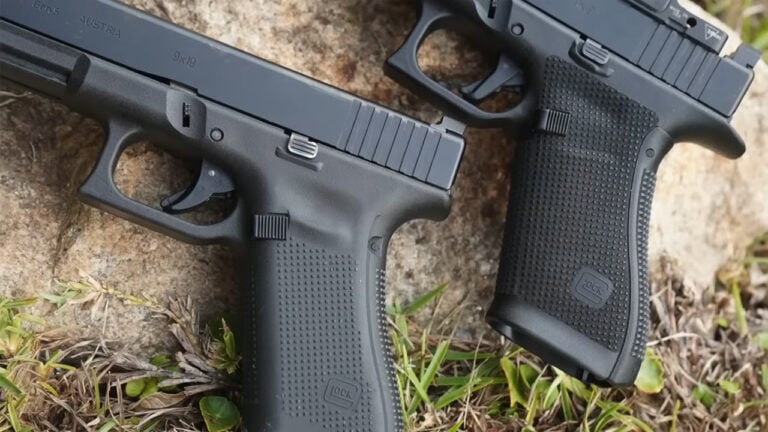
Glock 43

The Glock 43 is a solid carry gun, but it’s not a beginner gun for most people. It’s thin, light, and relatively snappy. The shooter’s grip has to be consistent, the trigger press has to be clean, and the recoil management has to be real.
Beginners often shoot it low-left (for right-handed shooters), then blame themselves for “bad aim.” It’s not just aim. It’s a small gun demanding big discipline. Most beginners would progress faster on a mid-size pistol.
SIG Sauer P365

Same concept as the Glock 43, just more capacity. The P365 is very carryable and very popular, which is exactly why beginners end up with it. They then discover that small pistols are less forgiving. The sights dance, the gun moves more in the hand, and the trigger press errors show up louder on target.
New shooters start apologizing after every mag because they think they’re failing. Often they just need a larger, softer-shooting pistol to learn fundamentals without punishment.
Springfield Hellcat

Hellcats can be snappy and they reward a strong, consistent grip. New shooters often can’t keep the gun stable through recoil yet, and they don’t have the trigger discipline built up to shoot a micro pistol cleanly. So they miss, then they tense up, then they miss more. The gun becomes a feedback loop of frustration.
It’s not that the Hellcat is “bad.” It’s that it’s the wrong starting point for many people, and it convinces them the problem is them.
Ruger LCP (original .380)
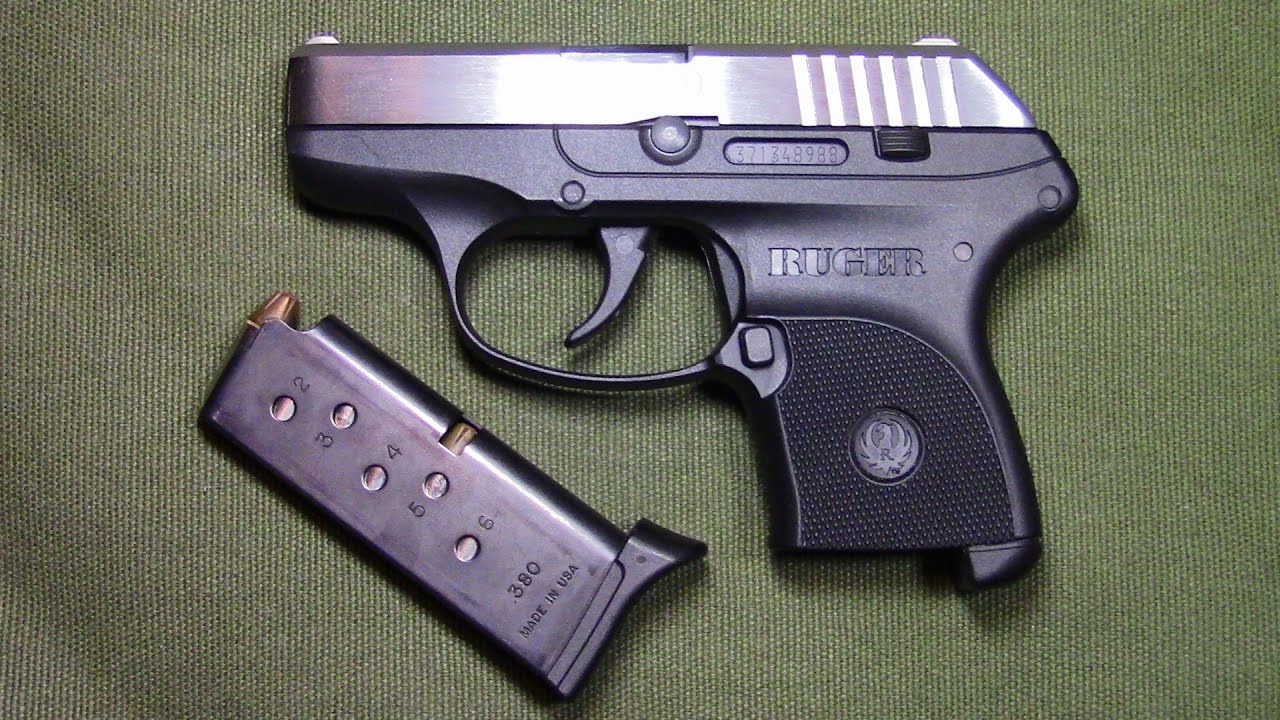
This is the classic “bought for carry, hated at the range” pistol. The LCP is small, the sights are minimal, and recoil is snappy for its size. New shooters can’t get a solid grip, can’t see the sights well, and can’t press the trigger without moving the gun. They leave the range thinking they’re terrible.
The truth is the gun is a specialist tool. Starting someone on an LCP is like teaching someone to drive in a go-kart with bald tires.
Kel-Tec P-3AT

Same story as the LCP world. It’s tiny, lightweight, and not pleasant to shoot. The trigger feel and the overall shootability are not beginner-friendly. New shooters struggle to get consistent hits, especially past very close range, and they blame themselves for not “getting it.”
The gun is doing what it was designed to do: be small. It wasn’t designed to be an easy learning platform. Unfortunately, a lot of beginners discover that only after they’ve bought it.
Smith & Wesson Bodyguard .380

The Bodyguard is a popular first-time carry purchase because it’s affordable and small. It’s also one of those pistols that can be tough for beginners to shoot well because of its small grip, heavy-ish trigger feel, and tiny sight picture. The shooter fights the gun the whole time, then assumes they’re hopeless.
They aren’t. They just need a pistol that doesn’t demand perfect grip and perfect press to get decent hits.
Taurus Spectrum

The Spectrum is another “small and affordable” pick that can turn early range sessions into frustration. Small .380s already demand careful grip. When you add any inconsistency in trigger feel or ergonomics that don’t fit the shooter, misses pile up fast.
New shooters don’t know how much the platform matters, so they interpret misses as personal failure. If someone is determined to carry tiny, I’d rather teach them with a .22 trainer first, then move up—not start them here.
Ruger Mark IV

The Mark IV is a fantastic .22 pistol, but if you teach it wrong—bad stance, bad trigger habits, sloppy sight focus—it can still make a beginner feel like they stink. Some new shooters also struggle with the “feel” of .22 because it’s so quiet and light that they don’t learn recoil management habits correctly. Then they jump to 9mm and fall apart.
It’s not the gun’s fault; it’s how it’s used. But it belongs here because beginners can leave a Mark IV session thinking “I can’t hit anything,” when the real fix is coaching and fundamentals.
1911 .45 ACP (full-size, for first-timers)

A full-size 1911 can be pleasant for experienced shooters, but it can overwhelm beginners. They’re managing a manual safety, a crisp trigger that punishes bad finger placement, and .45 recoil that’s different than what they expected. If they grip it wrong, they can also ride controls or fail to manage the safety consistently. Then they feel dumb.
A 1911 is a great platform once you’re ready for it. It’s not always the best “first pistol” unless the instructor is excellent and the shooter is committed.
Desert Eagle .50 AE
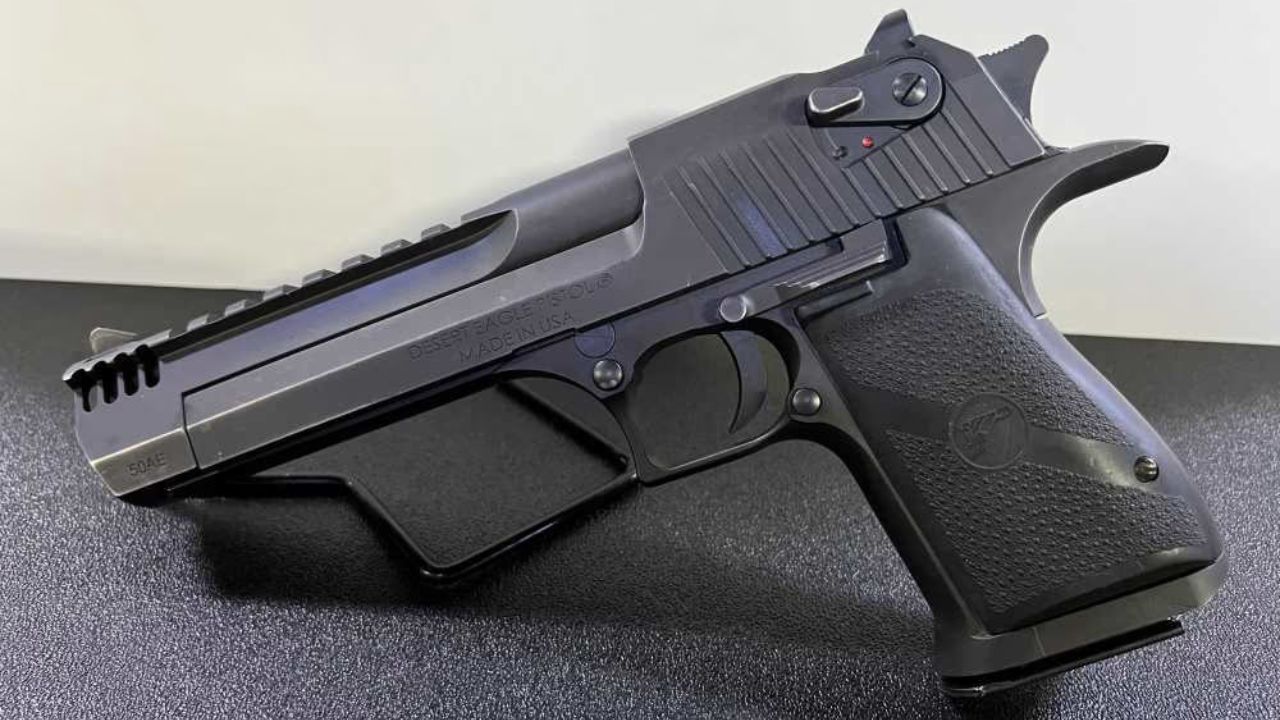
This one’s obvious, but it still happens. New shooters try it because it’s famous, then it scares them, hurts them, and makes them flinch so badly they can’t hit anything. They walk away thinking they’re weak. They’re not. They just shot a novelty cannon before they had fundamentals. If you want someone to love shooting, don’t start them with a gun that exists to be ridiculous.
S&W Model 329PD (.44 Mag)
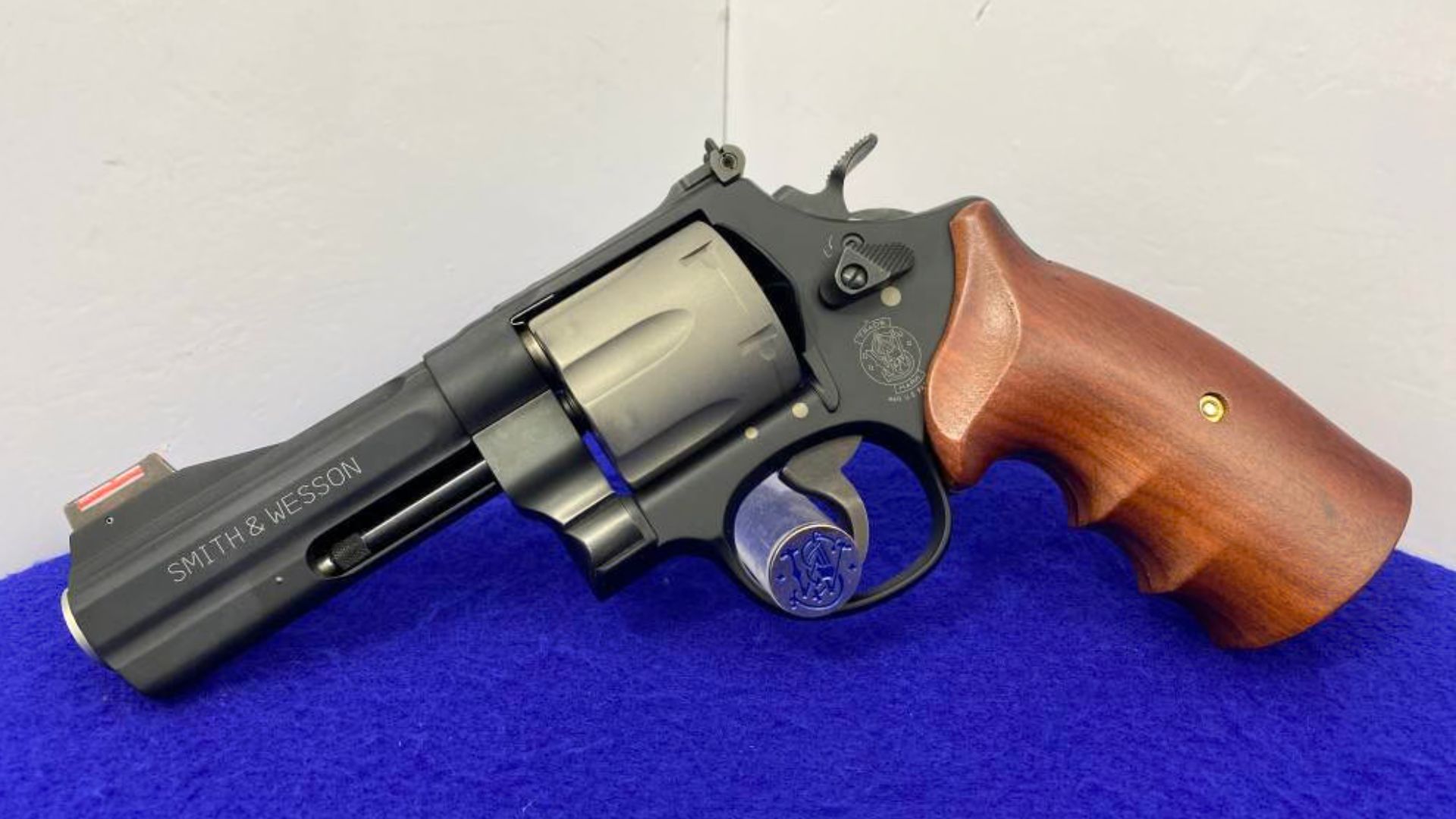
A lightweight .44 Magnum revolver is a confidence killer even for experienced shooters. For a beginner, it’s a guaranteed bad time. The recoil is violent, the blast is intense, and the shooter learns to fear the trigger. Once a shooter fears the trigger, accuracy goes out the window. Then they blame themselves.
In reality, the gun is punishing them for being new. It’s like trying to learn boxing by starting with a heavyweight punch to the face.
Glock 42

The G42 is softer than some tiny .380s, but it can still mislead beginners. People assume “small .380 equals easy.” Then they struggle with sight picture, grip consistency, and trigger press because the gun is still tiny. The disappointment comes from expectations.
If a beginner goes in thinking it’s a training pistol, they can feel like they’re failing when they’re not. It can be a great carry tool. It’s still not the easiest platform to learn fundamentals on.
Micro 9s in general like the Kimber Micro 9
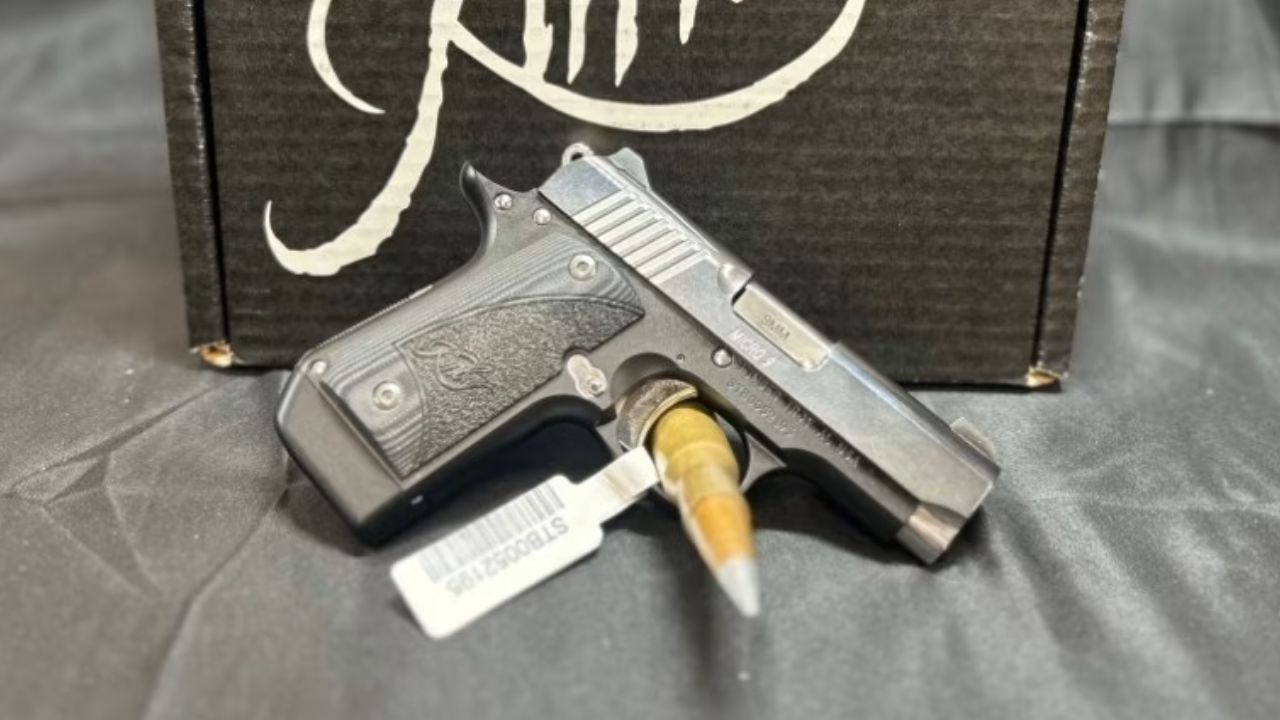
Micro 9s look like the answer: small, 9mm, carryable. In reality, many are snappy, often have small controls, and require careful technique to shoot well. The Kimber Micro 9, in particular, can be unforgiving for beginners who don’t manage grip and trigger cleanly.
When a new shooter sprays a target with a tiny 9mm, they blame themselves and assume they’re not cut out for this. Usually they just started with a tool that’s too demanding for where they are.
Like The Avid Outdoorsman’s content? Subscribe to our newsletter so you never miss an article.
Here’s more from us: