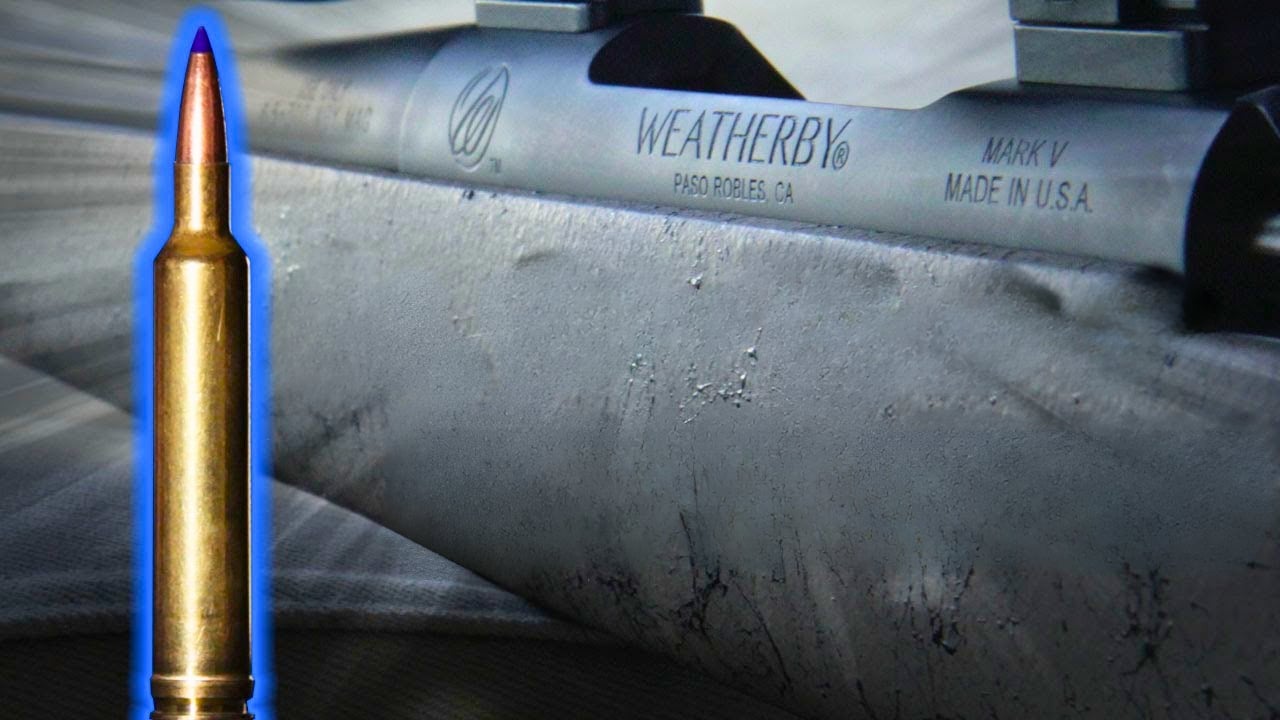
Photo credit: Eastmans Hunting Journals/YouTube
A caliber can look perfect on paper. Flat trajectory, high BC bullets, great energy numbers, and a name that sounds like it belongs on a trophy. Then you actually live with it. You pay for ammo, hunt for brass, burn through barrels faster than you expected, and realize the “best” round is the one you can afford to practice with and still find two days before season.
A lot of these cartridges aren’t bad. They’re just expensive in the ways people don’t think about at the gun counter. Some punish you with recoil or muzzle blast. Some punish you with short barrel life. Some punish you because the ammo disappears when demand spikes. If you want a round that’s easy to own, easy to feed, and easy to shoot well, these are the ones that can sound smart in theory and get costly in practice.
6.5 PRC
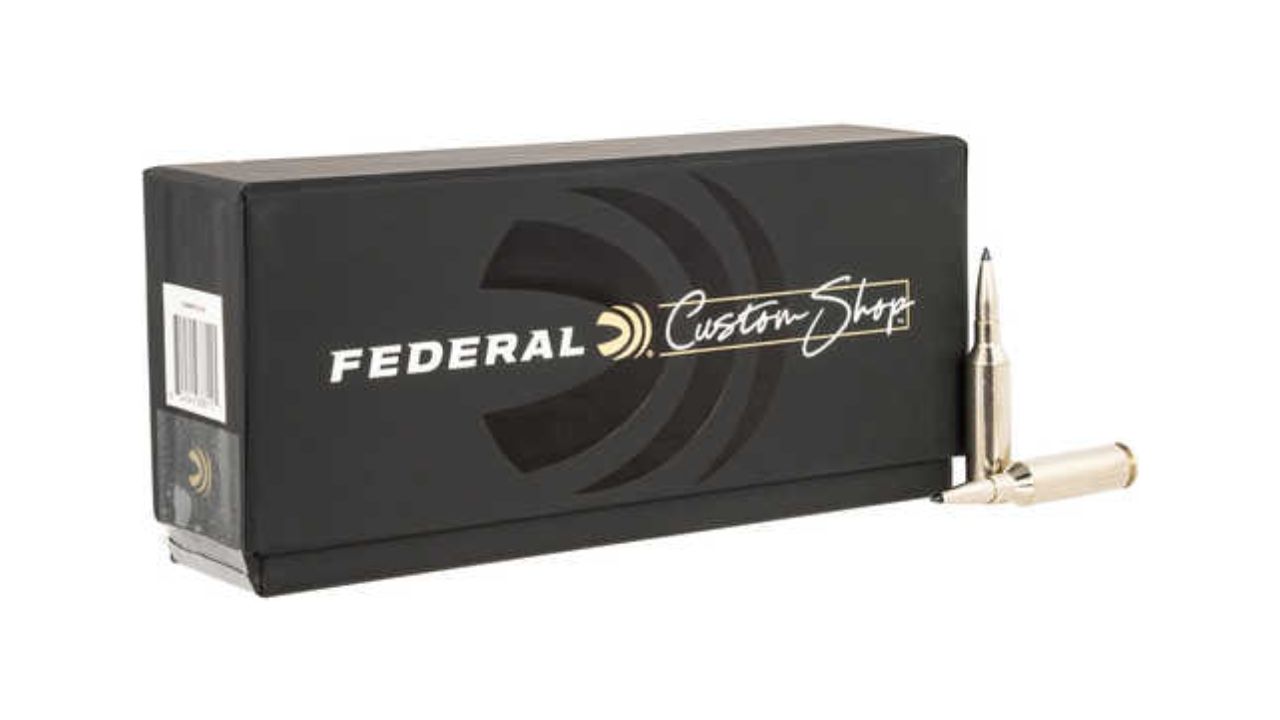
On paper, 6.5 PRC looks like the answer to everything: fast 6.5 bullets, good BC, and plenty of reach for open-country hunting. You get a flatter trajectory than classic deer rounds, and it carries energy well enough that it feels like a “do-it-all” mountain cartridge.
In practice, you pay for it. Factory ammo is usually pricey, and it’s not the kind of stuff every small-town hardware store keeps in stock. It also has a reputation for being harder on barrels than slower, milder rounds, especially if you’re the type who practices a lot and likes long strings at the range. Add in magnum-level muzzle blast from shorter hunting barrels, and the round starts asking for a brake, suppressor, or both.
28 Nosler

The 28 Nosler has an obvious sales pitch: magnum speed, heavy-for-caliber bullets, and long-range performance that makes you feel like you’re cheating gravity. It’s a legitimate performer when everything is set up right, and it can hit hard way out there.
Owning one can be a different story. Factory ammo is expensive, and availability can be spotty when people start buying in panic mode. Barrel life is also the elephant in the room. High velocity and overbore designs tend to burn throats faster, and that cost shows up in rebarrels sooner than most hunters expect. The recoil and blast can push you toward brakes or heavier rifles, which can erase some of the “light and handy” hunting appeal.
26 Nosler

The 26 Nosler sounds like the dream: laser-flat trajectory, serious speed, and enough energy that it doesn’t feel like a fragile long-range toy. If you like the idea of holding dead-on farther without dialing, it’s an easy cartridge to get excited about.
Then reality shows up. 26 Nosler ammo isn’t cheap, and you don’t always find it locally when you need it. It’s also a classic overbore round, which means barrel throat erosion can come faster than with more moderate cartridges. If you shoot a lot, you can end up spending real money keeping the rifle shooting its best. The muzzle blast is sharp, too, and that can make practice less pleasant unless you’re running a brake or suppressor.
300 PRC

300 PRC is the “smart magnum” on paper: modern chamber geometry, heavy bullets seated correctly, and long-range stability that appeals to serious shooters. It’s built around high-BC .30-cal bullets, and it shines when you actually lean into that design.
The cost comes in several layers. Factory ammo is usually premium-priced, and you don’t see bargain hunting loads everywhere. Rifles and components tend to be set up for longer actions and heavier bullets, which can add weight and expense. Recoil is real, and you’re probably not running it hard without a brake, suppressor, or both. If you don’t handload, it can also feel like you’re paying top dollar every time you want to practice enough to truly earn the cartridge.
300 Winchester Magnum

300 Win Mag has been the default “big country” answer for decades, and that’s because it works. It hits hard, shoots flat enough for practical hunting, and there’s a ton of proven bullet data for it. It sounds like the safe, experienced choice.
It can still be costly in practice. Ammo prices have climbed, and if you want the best modern bullets, you’re often buying premium loads. Recoil and muzzle blast are enough that a lot of shooters don’t practice as much as they should, which becomes its own hidden cost. You also tend to buy heavier rifles, better optics, and sturdier mounts to manage it all. It’s not a bad cartridge, but it’s easy to own one and realize you built a whole expensive system around a round you don’t shoot as often.
7mm Remington Magnum

7mm Rem Mag looks like a perfect hunting round on paper: great ballistic coefficients, solid downrange energy, and a history of taking game cleanly at distance. It’s one of those cartridges that sounds like a smart compromise between flat shooting and manageable recoil.
The cost is that it can still behave like a magnum in all the ways that matter. Ammo is often priced above standard rounds, and the best hunting loads can be surprisingly expensive. Recoil and blast can creep up on you, especially in lighter rifles, and that makes long practice sessions less enjoyable. You can also end up chasing performance with premium bullets and powders if you reload. It’s a proven cartridge, but it’s easy to spend a lot of money to get benefits that a calmer, cheaper round can deliver for normal hunting distances.
7mm PRC

7mm PRC has a clean, modern pitch: heavy 7mm bullets, good BC, designed to do what older magnums tried to do with fewer compromises. It looks like the “new right answer” for long-range hunting and target work, and in many rifles it shoots extremely well.
The costly part is living with a newer cartridge. Ammo is typically premium-priced, and you might not find it everywhere when you’re traveling or hunting out of state. Rifles are often set up with longer barrels to make the most of it, and that can add weight and length you don’t always want in the woods. Recoil is still magnum-level, which pushes you toward brakes, suppressors, or heavier rifles. It’s excellent when you commit to it, but it’s not the cheap, easy-life choice.
6.8 Western
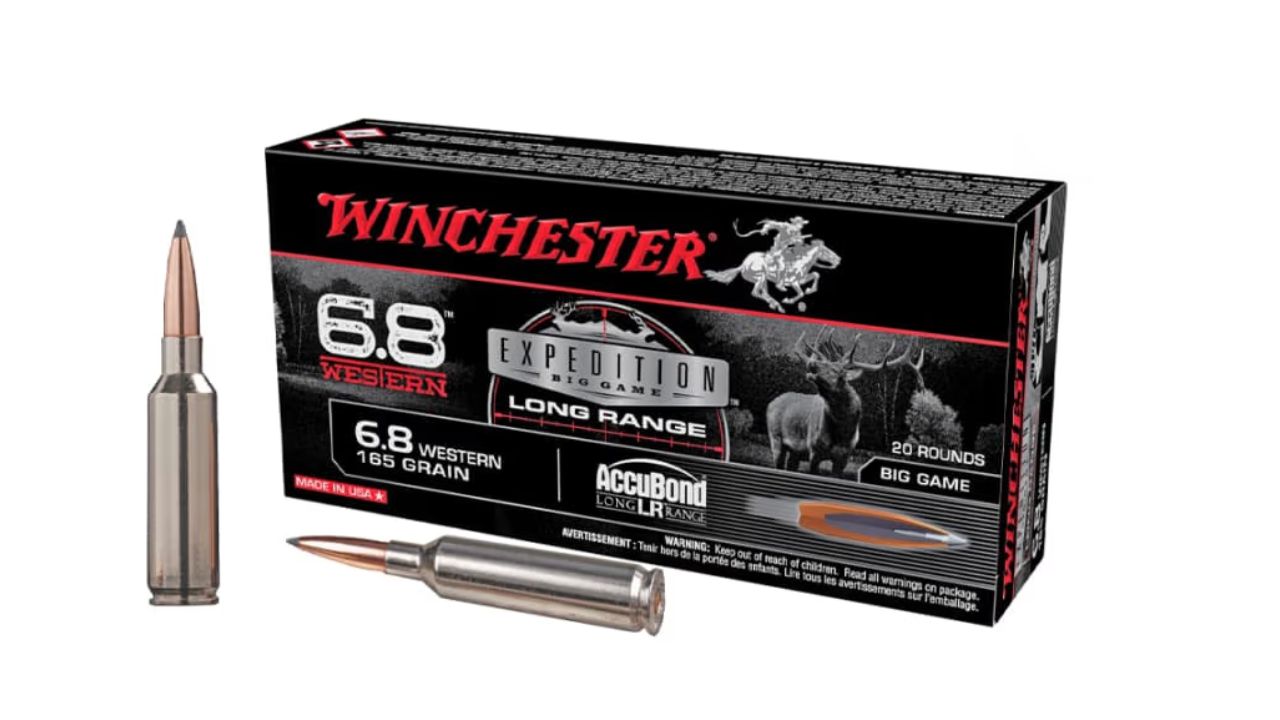
6.8 Western sounds smart because it’s trying to be practical: efficient bullets, modern twist rates, and performance that lands between classic .270 options and heavier 7mm/.30 cal rounds. It promises better long-range behavior without the full recoil bill of the biggest magnums.
In practice, it can be a wallet test. Ammo availability is the first issue—some places stock it, many don’t. When you do find it, it’s not bargain-priced. If you’re not a reloader, you’re often locked into limited factory load options. That means you might not get the exact bullet style you want for your hunting. The cartridge isn’t a failure, but the “smart in theory” part can turn into “hard to feed” once you realize how much easier it is to live with common rounds that have a deep bench of loads everywhere.
.224 Valkyrie

.224 Valkyrie had a huge “smart idea” moment: high-BC .22 bullets out of an AR platform, better long-range performance than 5.56, and less recoil than bigger gas guns. For a while, it sounded like the clean solution for stretching an AR’s legs.
Costly in practice often shows up as disappointment and chasing fixes. Ammo variety and quality can be inconsistent compared to mainstream rounds, and the cartridge has had a mixed reputation depending on the rifle and twist rate. If you’re trying to get the most out of it, you can burn money experimenting with loads. It also lives in an awkward spot where 5.56 is cheaper and easier, and 6mm/6.5 options often perform better if you’re serious about distance. The wallet damage is in the trial-and-error.
6mm Creedmoor

6mm Creedmoor is loved on paper for good reason: it shoots flat, recoils lightly, and makes hits at distance feel easier. It’s a fantastic concept for competition and for shooters who want to spot their own impacts without getting beat up.
The cost is mostly in barrel life and feeding it. Fast 6mms tend to wear throats quicker than mild cartridges, especially if you shoot high volume. Factory ammo isn’t always cheap, and it’s not as universally stocked as 6.5 Creedmoor. Many people end up handloading to really take advantage of it, which adds gear, time, and component costs. It’s a great cartridge when you’re committed, but it can turn into a money pit if you wanted “easy button” performance without the maintenance bill.
6mm ARC

6mm ARC sounds like a smart compromise for an AR: better downrange performance than 5.56, still fits in a standard-size platform, and it can be very accurate. For predators, steel, and light game where legal, the concept makes sense.
The practical cost is that it’s not as cheap or as common as you want it to be. Ammo can be pricey, and you won’t find it in every shop. ARs can also be sensitive to magazines and gas tuning, so you may spend time and money getting a specific rifle to run perfectly with your preferred load. If you’re trying to shoot a lot, the cost per round can keep you from building real reps. It’s a solid cartridge, but it’s not the “practice all weekend” round for most people.
350 Legend
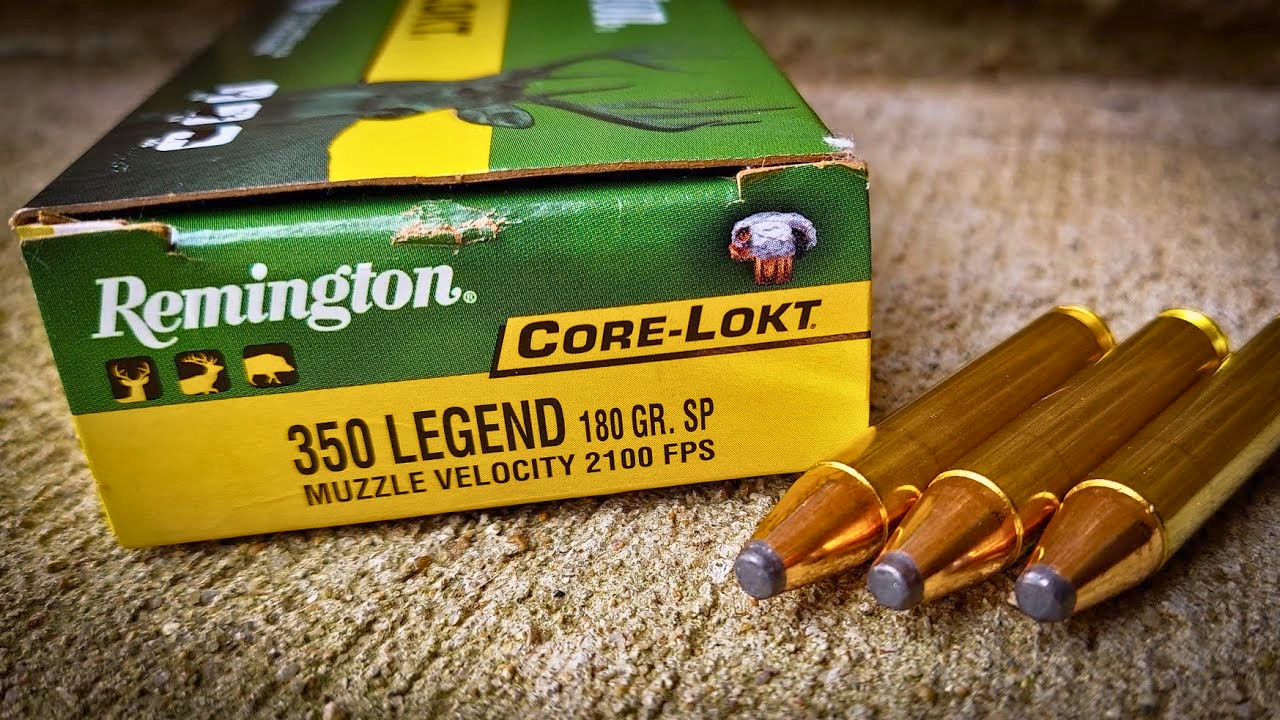
350 Legend sounds smart because it checks boxes: low recoil, straight-wall compliance in certain states, and enough power for deer at normal distances. It’s marketed as a simple solution for hunters who need a legal option without stepping into hard-kicking territory.
Cost shows up in ammo performance and selection. Some loads are great, some are underwhelming, and availability can swing a lot depending on where you live. If you want a specific bullet type that expands well and holds together, you might not have many choices on the shelf. Accuracy can also vary by rifle and load, which can lead to extra spending just to find a combination that groups the way you want. It’s not a bad cartridge, but the “easy” promise can become expensive experimentation.
450 Bushmaster

450 Bushmaster sounds like the hammer: big bullet, short-range authority, and straight-wall compliance where it matters. In theory, it’s a clean fix for thick cover hunting, hogs, and deer inside woods distances. It’s easy to picture quick kills and simple aiming.
In practice, it’s pricey to shoot and not always fun to practice with. Recoil is stout in lightweight rifles, and ammo costs add up fast. Because it’s specialized, availability can be inconsistent, and you’re often buying premium-priced boxes. If you’re running it in an AR platform, you may also end up tuning mags and feed ramps to keep it smooth. It does what it’s supposed to do, but the cost is that most people don’t shoot it enough to get truly confident with it.
458 SOCOM

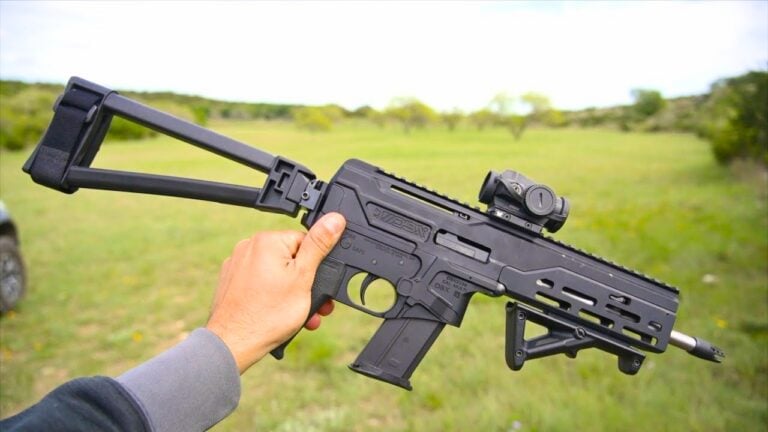
458 SOCOM sounds smart if you want a heavy hitter in an AR: big bullets, subsonic potential, and serious thump at close range. It has a strong “tool for a specific job” vibe, and for the right shooter, the concept is appealing.
It’s costly because it’s niche. Ammo is expensive, and it’s not something you casually find at local stores. Even components can be more specialized, which pushes many owners into handloading if they want to shoot regularly. In ARs, magazines and feeding can be more finicky than standard cartridges, and that can lead to more money spent chasing reliability. It can be a cool, capable setup, but the practical bill is high enough that a lot of rifles end up sitting in the safe more than they get trained with.
5.7x28mm
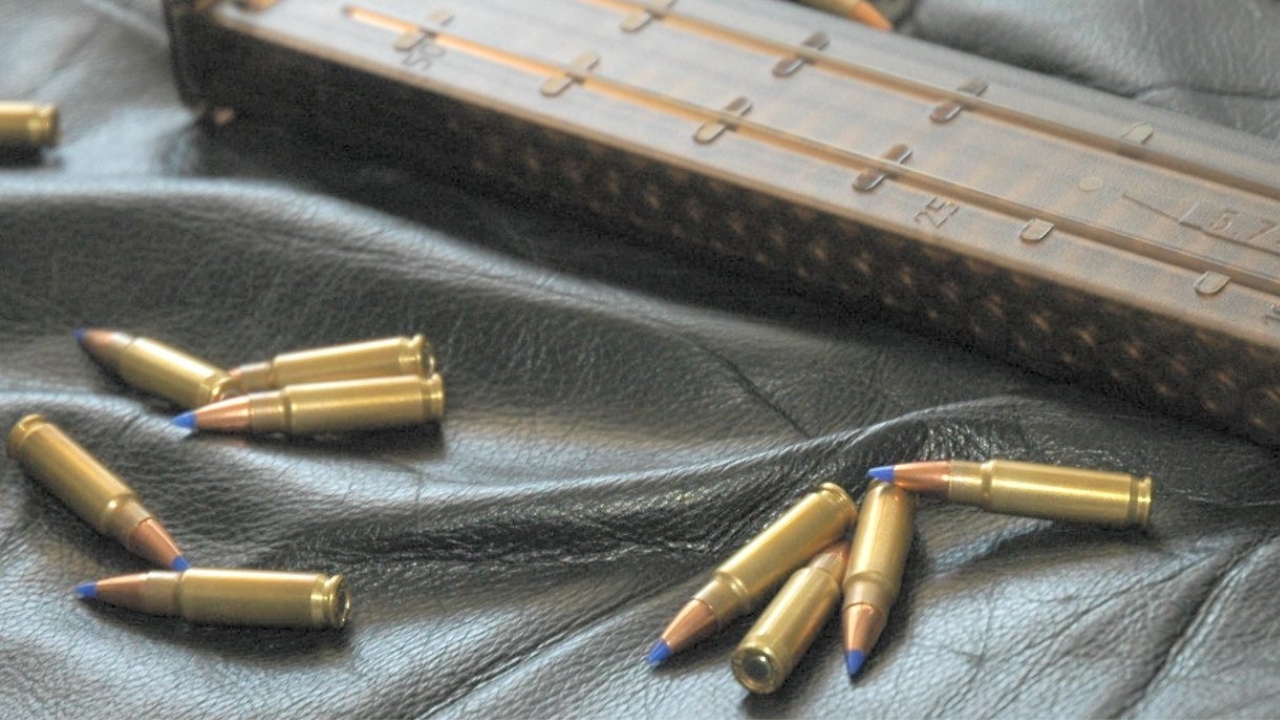
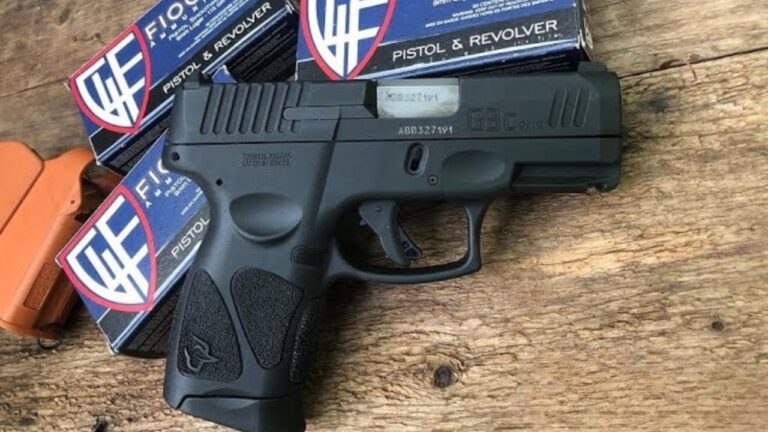
5.7x28mm sounds clever: high velocity, low recoil, flat shooting for a handgun or PDW-style platform, and a capacity advantage in some guns. On paper, it looks like a modern answer for shooters who want speed and control.
The costly part is ammo and reality. 5.7 isn’t cheap to practice with, and availability swings more than mainstream handgun rounds. In handguns, terminal performance is heavily dependent on specific loads and realistic expectations, and you can end up paying a lot to test what your gun likes. In carbines, it can be fun, but you’re still paying more per round than 9mm for a niche advantage. It’s a neat cartridge, but many shooters realize they’d rather buy twice the 9mm and practice more.
10mm Auto
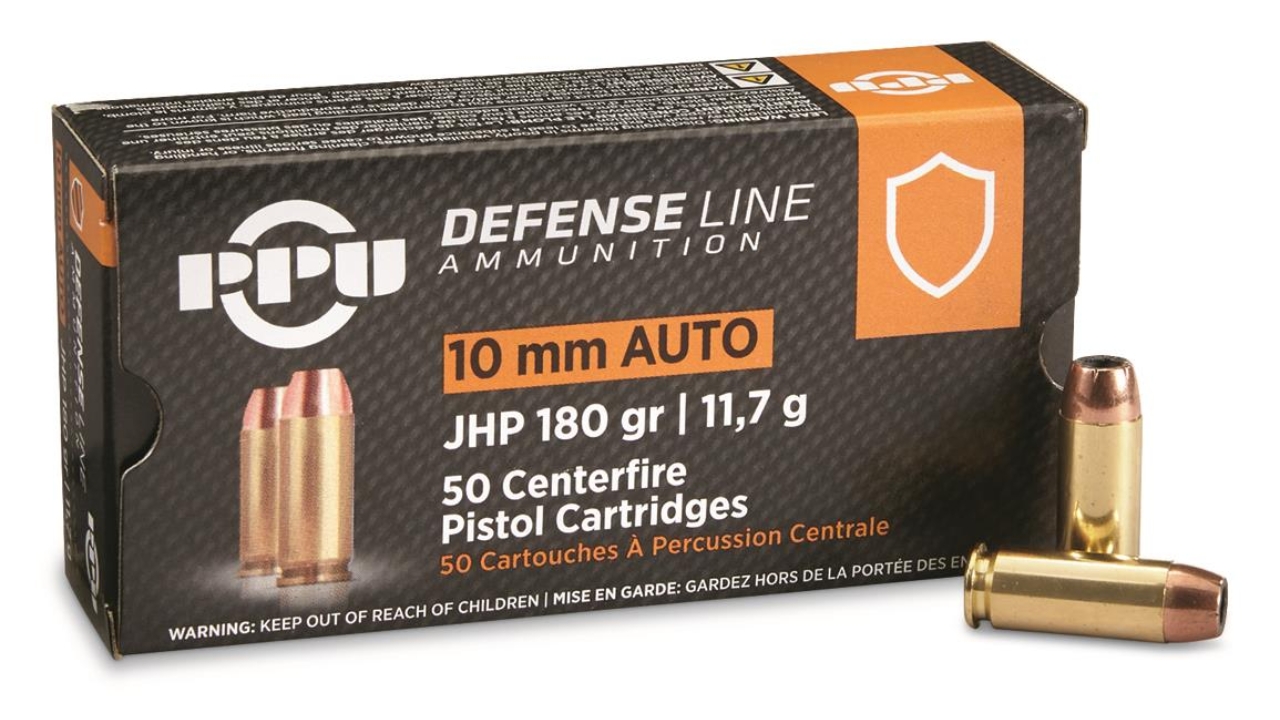
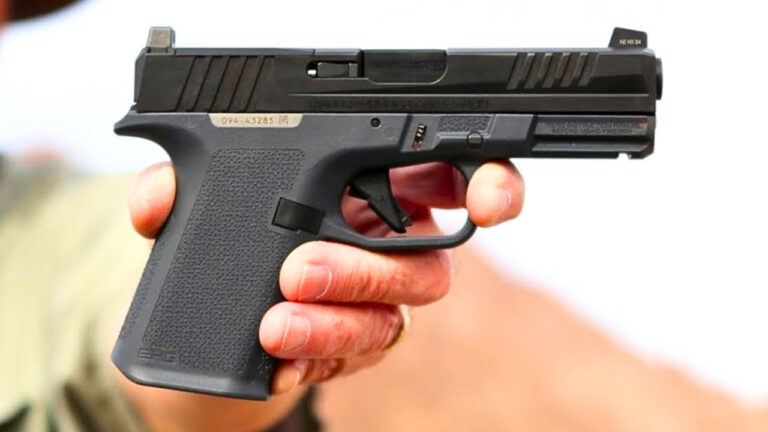
10mm sounds smart because it promises power and flexibility. It can be a real option for woods carry, hogs, and people who want more authority than 9mm or .40. The idea is you get magnum-ish performance in an auto pistol, and that’s an easy pitch to buy into.
The practical cost is that you pay in ammo and in shooter fatigue. Quality 10mm loads aren’t cheap, and the cheap stuff is often watered down, which means you’re paying to not get the performance you think you bought. Recoil and blast can make long practice sessions less enjoyable, especially in lighter guns. You also have more wear considerations in some platforms if you run hot loads. 10mm can be excellent, but it’s easy to own one and realize you don’t shoot it enough to justify the extra power.
6.5-300 Weatherby Magnum

This cartridge is the ultimate “smart on paper” trap: screaming velocity, flat trajectory, and energy that looks impressive at distance. If you love numbers, it’s hard not to stare at the charts and think you found the final answer.
In practice, it’s a high-dollar lifestyle. Ammo is expensive and not widely stocked, and it’s one of those rounds that pushes you into premium components whether you want to or not. Barrel life can be short compared to moderate cartridges, especially if you’re shooting a lot and pushing max performance. Muzzle blast is intense, and most rifles end up wearing brakes or suppressors to make them tolerable. It can do incredible things, but you’re paying for every bit of that performance with money, comfort, and maintenance.
Like The Avid Outdoorsman’s content? Subscribe to our newsletter so you never miss an article.
Here’s more from us: