Photo credit: Iraqveteran8888/YouTube
Big recoil isn’t the same thing as real-world performance. Past a certain point, you’re burning powder and bruising shoulders for gains you’ll never see on actual animals at sane distances. Some cartridges absolutely have their place—for extreme range, specialty shooting, or very large game—but they get sold as “must-haves” for hunts a .30-06 or 7mm-08 could handle in their sleep.
Here are the rounds that punish you hard and don’t pay you back much unless you’re doing something very specific.
.30-378 Weatherby Magnum

.30-378 Weatherby is a monster: insane case capacity and velocities that look unreal on paper. It absolutely will launch 180–220-grain bullets fast and flat. The trade is barbaric recoil, brutal muzzle blast, and short barrel life. For 95% of elk and mule deer hunting inside 500 yards, it doesn’t kill any “deader” than more moderate .30s.
You pay at the bench, you pay in component cost, and you pay in how quickly the barrel gets tired. Unless you’re actually playing at extreme distances with the skill to match, you’re mostly beating yourself up for bragging rights.
.300 Remington Ultra Magnum

.300 RUM exists for people who looked at a .300 Win Mag and said, “Not enough.” It hits hard and reaches far; nobody questions that. The problem is recoil and blast that make most shooters worse behind the gun. When you combine punishment with longer, flinch-inducing practice sessions, the net effect is usually less accurate hits on game.
On elk-sized animals at the ranges most hunters actually shoot, a .300 Win Mag or .30-06 puts bullets in the same place with a lot less drama. RUM only pulls away if you truly use its extra reach—and most folks don’t.
7mm Remington Ultra Magnum

Same story in 7mm clothing. 7mm RUM pushes long, sleek bullets very fast and loves to live in ballistic apps. In the field, that power comes with vicious recoil, sharp muzzle blast, and barrels that don’t stay “fresh” very long if you shoot a lot.
Yes, it gives you more headroom than 7mm Rem Mag or 7mm PRC. But most hunters never shoot past the point where those cartridges tap out. For typical western hunts, you’re trading comfort, barrel life, and practice time for performance you’ll barely use.
.338 Lapua Magnum (for normal hunting)

.338 Lapua was built as a long-range military round, not a deer-lease cartridge. Out of a heavy, braked rifle in trained hands, it’s phenomenal on steel at distance and on truly big game. In a lighter hunting setup, the recoil is downright abusive, and the rifles are usually heavier than anyone likes to drag around the mountains.
If you’re lobbing shots at elk under 500 yards, it doesn’t give you much that a .300 Win Mag or .338 Win Mag can’t, other than a bigger headache and more expensive ammo. Unless you’re genuinely playing the extreme-range game, it’s extra punishment for minimal real gain.
.338 Remington Ultra Magnum

.338 RUM is another “because we could” cartridge. It throws heavy .338 bullets fast enough to impress anyone staring at tables, but the recoil is savage and the rifles usually end up heavier just to make them shootable. You also start running into limited ammo options and serious cost.
On big North American game, .338 Win Mag already hits very hard. RUM just turns the dial past “useful” for most hunters and into “this is miserable to practice with.” You don’t need that level of abuse to cleanly kill elk, moose, or big bears at realistic ranges.
.458 Winchester Magnum (on everything that isn’t huge)
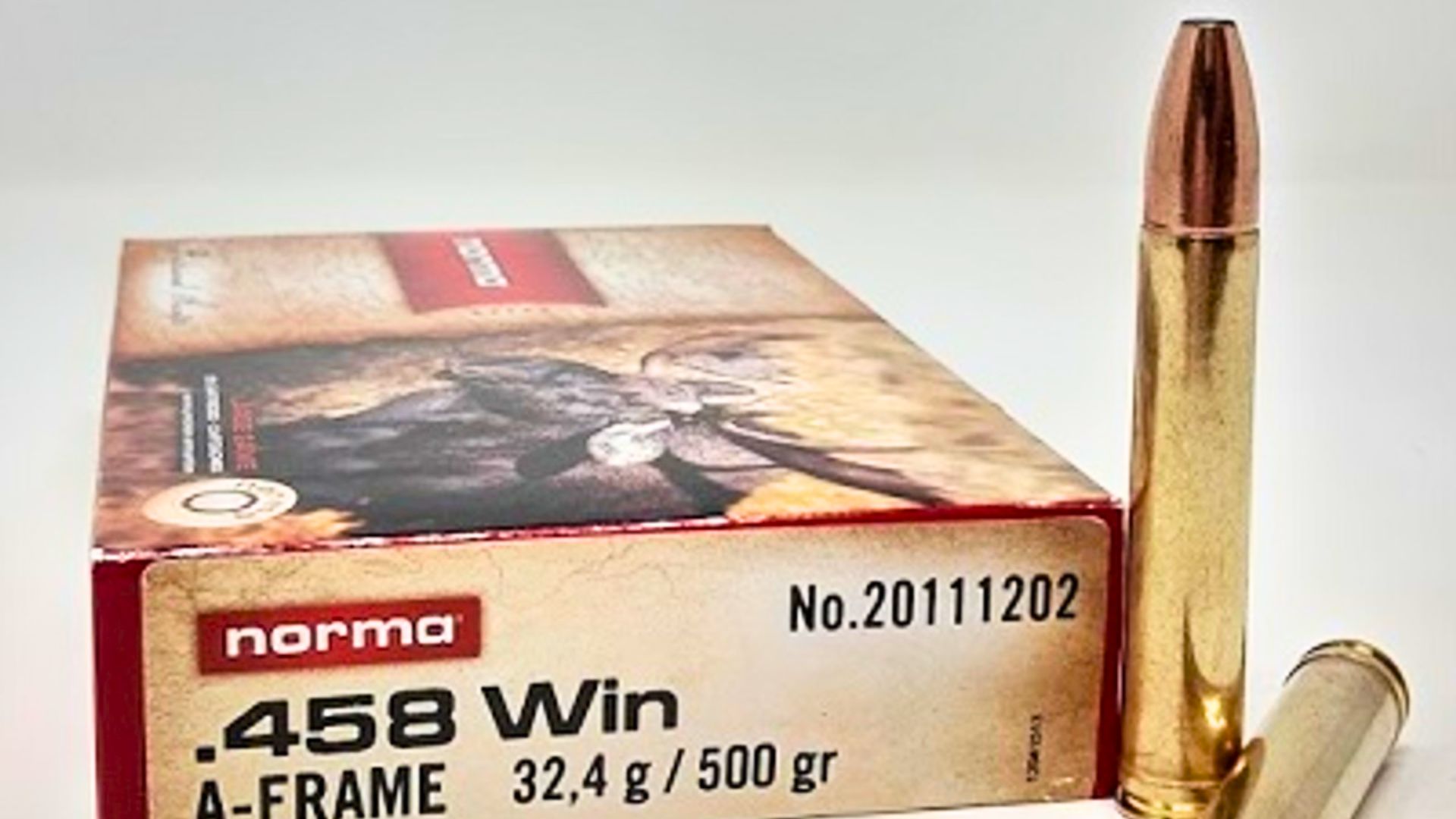
.458 Win Mag was built for dangerous African game at close range from heavy rifles. On buffalo or big bears, that makes sense. On whitetails, elk, or anything short of true “dangerous game,” it’s overkill in the worst way—heavy recoil, limited range, and ammo cost that discourages you from practicing enough to be truly proficient.
A lot of hunters buy into the romance of owning a “safari gun” and then drag it after normal-sized animals where a moderate .30 or 7mm would be easier to shoot and place precisely. The extra kick doesn’t give you better meat in the cooler; it mostly gives you a sore shoulder.
.375 RUM and other overbore .375s
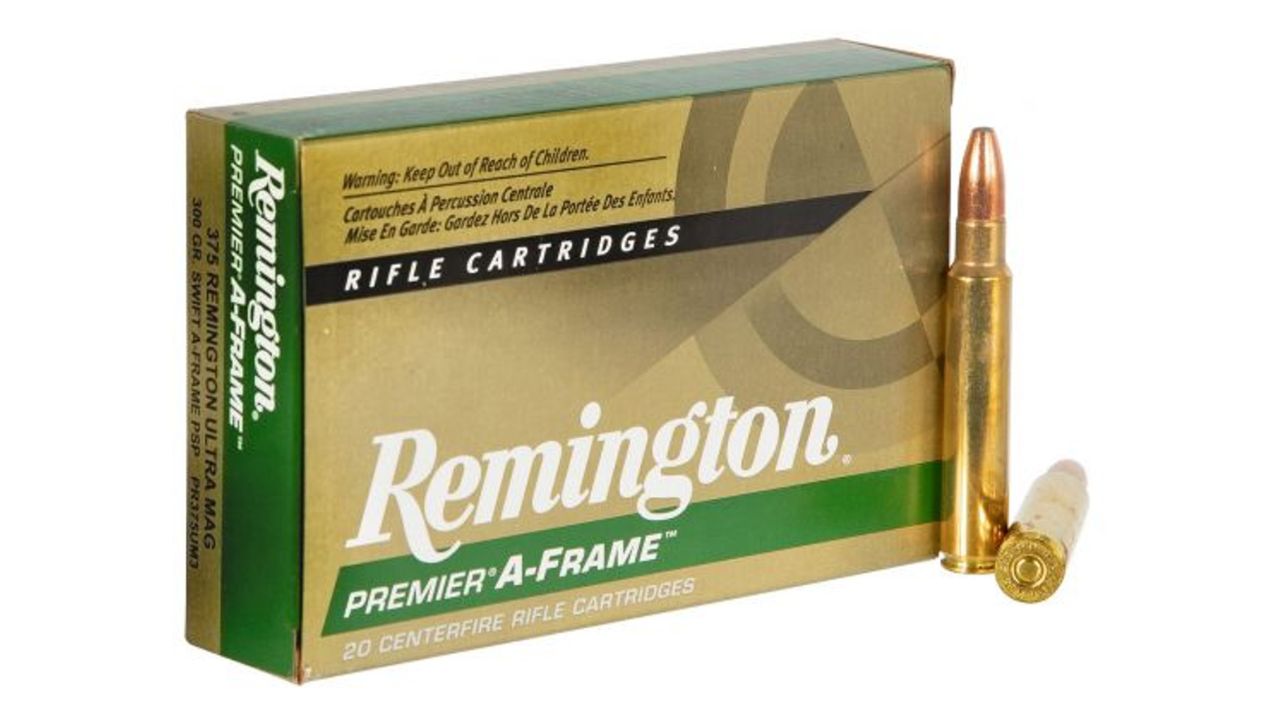
.375 H&H has a well-earned sweet spot: plenty of power, tolerable recoil. The “hot” .375s built off giant cases push past that balance. They drive bullets faster, sure—but at the cost of recoil that most people don’t enjoy and barrel life that isn’t great if you shoot a lot.
For the few hunters who really need that extra reach and power on big critters, they have a niche. For everyone dragging them around after elk or moose at 200–300 yards, you’d be better off with a standard .375 or a stout .30. You’re kicking harder without seeing any real-world advantage.
.416 Weatherby Magnum
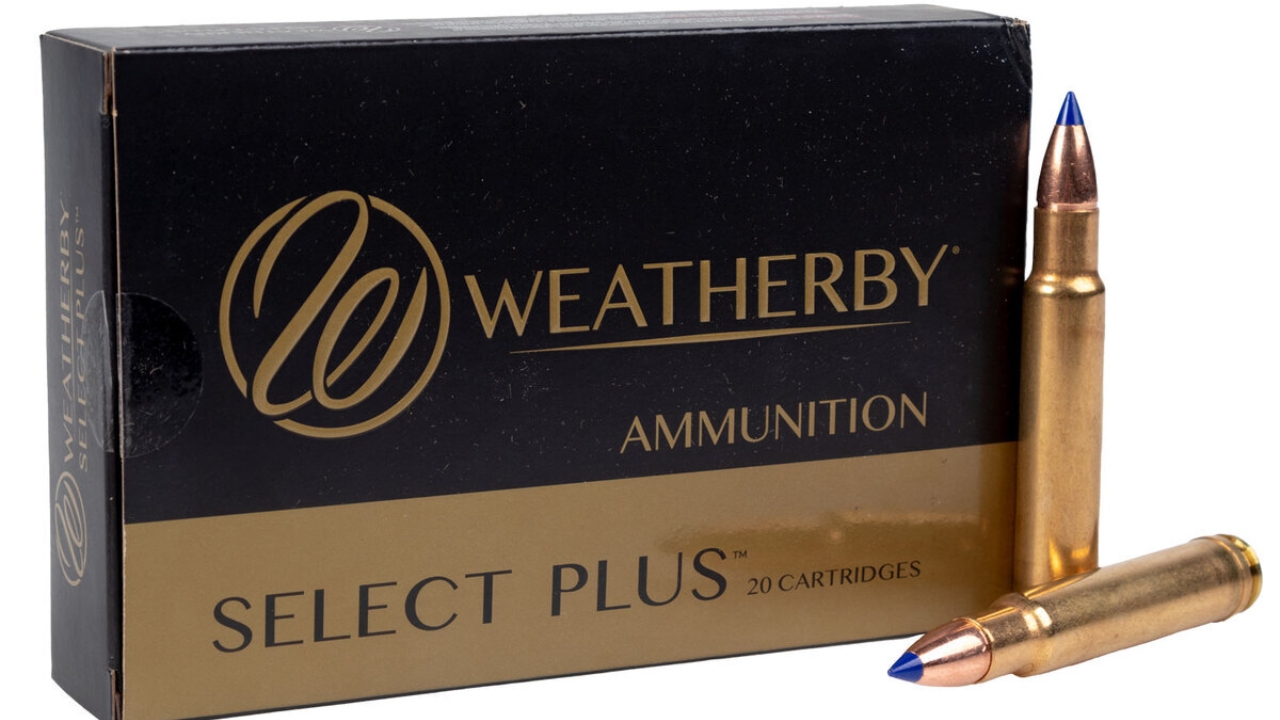
.416 Weatherby is another round that makes sense only in a very narrow lane: truly dangerous game where you might need deep penetration on big bones at angle, and you’re running a heavy rifle. Outside of that, it’s punishment. Recoil is intense and the rifles are large and heavy.
Shoot that from field positions more than a few times and most folks start flinching. At that point, all that “extra” ballistics are wasted because the shots aren’t where they should be. Unless you’re using it for its original purpose, you’re kicking your own butt for no good reason.
.257 Weatherby Magnum

.257 Weatherby is a fun cartridge and a deer hammer, no question. The problem is how people tend to run it: light-for-caliber bullets at extreme velocities to chase flatter and flatter trajectories. That gives you snappier recoil, screaming muzzle blast, and barrels that erode faster than most hunters realize.
Inside typical deer and antelope distances, a .25-06 or .270 kills animals just as dead without cooking your throat or beating you up as much. The .257’s “insane” velocity looks good in an ad, but you pay for it in barrel life and comfort for gains most people can’t take advantage of.
.264 Winchester Magnum

The .264 Win Mag was the original “barrel burner” joke. It sends 6.5 bullets very fast with a lot of powder behind them. That gives you flat trajectories and good reach, but it also gives you recoil and throat wear that make it hard to justify over modern, more efficient 6.5s in real hunting.
6.5 Creedmoor, 6.5 PRC, and 6.5×55 all work extremely well on deer-sized game and do plenty on elk with the right bullets. They’re easier to shoot, easier to practice with, and much easier on barrels. With that kind of competition, the .264’s extra kick doesn’t buy you much.
.257 STW and similar extreme quarter-bores
The extreme quarter-bore wildcats and semi-wildcats—cases like .257 STW—are pure “speed for the sake of speed.” You’re burning a ton of powder in a small bore to sling light bullets as fast as possible. That’s fun on steel and coyotes if you know what you’re doing, but it’s rough on barrels and shoulders in a lightweight hunting gun.
For actual big-game use, more moderate .25s and .27s already give you flat-enough trajectories. The tiny advantage you might see at the far edge of sane distance won’t matter nearly as much as your ability to shoot the rifle well.
7mm STW and 7mm Weatherby in ultralight rifles

7mm STW and hot-loaded 7mm Weatherby can be great in heavy, well-braked rifles for long-range work. Stuff them into super-light mountain rifles and they become miserable to shoot. The recoil impulse gets sharp, muzzle blast becomes punishing, and any tiny flaw in your form shows up on target fast.
Meanwhile, a 7mm-08, .280, or 7mm Rem Mag in a slightly heavier rifle will kill elk and deer at the same ranges most hunters actually shoot. You’re giving up comfort and consistency in the name of theoretical range you may never truly use.
.450 Marlin and hot .45-70 in featherweight lever guns

Heavy .45-70 and .450 Marlin loads are brutal from light lever guns. They shine on big bears, close-range moose, and backup work in the thick stuff. Drag them into normal deer hunting, though, and you’re soaking up massive recoil for shots that could’ve been handled by far milder rounds.
The worst combo is the ultra-light guide gun with top-end loads. Shooters flinch, practice less, and start avoiding the gun altogether. At that point, the cartridge’s potential is wasted. Mid-range .45-70 or a regular .30-cal rifle will fill tags with a lot less pain.
.50 Beowulf and similar big-bore AR rounds on deer

Big-bore AR rounds like .50 Beowulf look scary on paper and absolutely smack steel. On deer-sized game at normal woods distances, they’re massive overkill that come with heavy recoil, limited range, and slow follow-up shots. They have a niche for certain hog and close-range roles, but they don’t magically kill deer better than a well-placed 6.5 or .30.
Meanwhile, their recoil impulse in ARs is enough to knock average shooters out of rhythm. If you’re honest about what you hunt and how far you shoot, these cartridges are more “cool factor” than practical advantage.
.300 Weatherby Magnum (for hunters who don’t use its lane)

.300 Weatherby sits in an odd spot. It’s a legendary cartridge that absolutely works—but it also kicks like a mule in typical hunting rifles and burns more powder than most hunters need. For someone who truly takes advantage of its long-range potential, it’s great. For the average elk and mule deer hunter shooting inside five hundred yards, it doesn’t do much a .300 Win Mag or .30-06 can’t.
That extra recoil makes people practice less and flinch more. Unless you’re disciplined, the “extra performance” literally disappears in your group sizes. All that punishment buys you very little if you never stretch it to where the cartridge actually pulls ahead.
Like The Avid Outdoorsman’s content? Subscribe to our newsletter so you never miss an article.
Here’s more from us: