Photo credit: dr idiot/YouTube
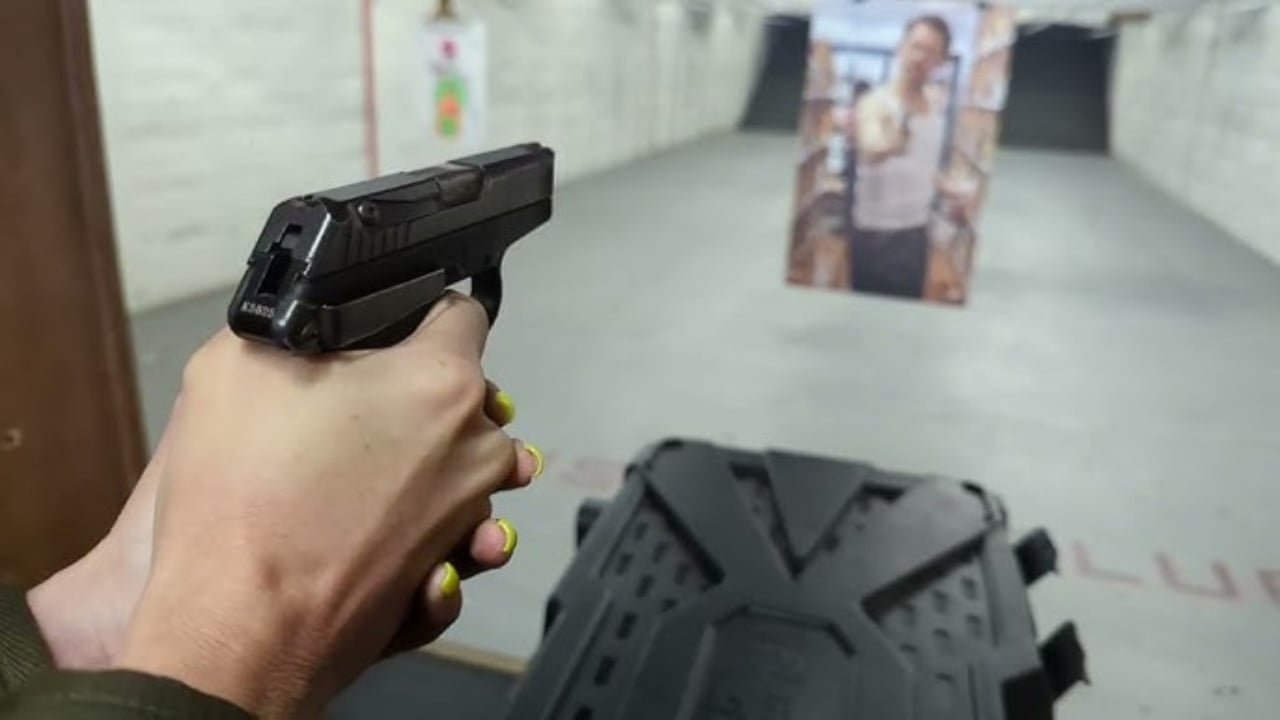
Pocket pistols are a trade you make on purpose. You carry them because they vanish under a T-shirt, ride in a front pocket, or sit on your belt all day without dragging your pants down. That part is real. The other part is recoil—because when you shrink the grip, shorten the sight radius, and cut weight, the gun has less room to soak up energy. What feels mild in a duty pistol can feel sharp in something that weighs about as much as your phone.
If you carry one of these, you’re not chasing comfort. You’re chasing convenience without giving up function. The key is knowing which models are truly pocket-friendly, why they feel snappy, and how to run them the way they were meant to be run—hard grip, clean trigger work, and practice that’s realistic instead of miserable.
Ruger LCP II

The Ruger LCP II is the kind of pistol you carry when you don’t feel like carrying a pistol. It disappears in a pocket holster, and it’s light enough that you forget it’s there. That’s the good news.
The recoil is the tax. The LCP II is small in every direction, which means less grip to lock into and less mass to slow the slide down. With most .380 loads, it pops in your hand and can make fast follow-up shots feel rushed. The short grip also encourages you to curl your pinky under the frame, which makes the gun want to rotate. Run it with a high, hard grip, and treat it like a close-range tool, not a tiny target pistol.
Ruger LCP Max

The LCP Max gives you more capacity in a package that still carries like a pocket gun. The extra rounds are nice, and the slightly fuller grip helps more than people expect. It still vanishes in a holster better than most micro 9mms.
It also still reminds you it’s tiny. The Max can feel lively with defensive ammo, and when you start shooting fast, the gun wants to lift and shift in your palm. That’s not a flaw as much as physics. A small frame and short grip don’t offer much leverage. If you carry the Max, plan on practicing with it the way you’ll use it—short strings, strong grip pressure, and deliberate sight tracking—so recoil doesn’t turn into sloppy hits.
Kel-Tec P-3AT

The Kel-Tec P-3AT is one of the original “always” guns. It’s thin, light, and built around the idea that a pocket pistol should be easy to carry even when everything else feels like too much. It does that job well.
What it doesn’t do is shoot softly. The P-3AT is so light that recoil comes back quick, and the grip shape doesn’t give your hand much real estate. The result is a snappy feel that can sting after a couple magazines, especially with hotter .380 loads. It also has sights that are more “present” than “useful,” which makes recoil management even more important. If you run one, keep expectations realistic and keep practice short but consistent.
Smith & Wesson Bodyguard 380

The Bodyguard 380 carries like a small wallet. It’s flat, it’s light, and it’s one of those pistols that works when you need deep concealment. In a pocket holster, it stays out of the way and doesn’t print much.
On the range, it can feel like it has something to prove. The recoil is sharp for the caliber, and the small grip can make the gun feel busy during fast strings. Many shooters also notice that the trigger and tiny sights demand more attention than they’d like, which makes recoil feel worse because you’re fighting multiple things at once. If you carry a Bodyguard, the win is learning a steady press and a locked-in grip so the gun stays flat enough to track.
Beretta Pico

The Beretta Pico is as close as you get to a true “disappears” pistol without going to a micro .22. It’s thin, snag-free, and shaped to slide out of a pocket holster cleanly. Carry comfort is the Pico’s strongest argument.
The shooting experience is a different story. The Pico’s tiny grip and light weight make recoil feel sharp, and the pistol can move around in your hand if you don’t clamp down. The long trigger pull also makes some shooters loosen their grip right before the shot breaks, which turns a snappy pistol into a wandering pistol. The fix is grip pressure and rhythm—high on the backstrap, firm support-hand squeeze, and short practice sessions that focus on control, not speed for speed’s sake.
Seecamp LWS .380

The Seecamp LWS .380 is a true pocket classic—tiny, smooth, and built for close-range defensive work. It carries like nothing, especially in a proper pocket holster. As a “there when you need it” gun, it’s hard to beat.
It also hits your hand like a tiny hammer. The LWS .380 is small enough that you don’t get much grip, and recoil has nowhere to go but into your palm. It’s the kind of pistol that can make even experienced shooters slow down and think about every shot. That doesn’t mean it’s bad. It means it’s specialized. If you carry one, treat practice like maintenance. A few magazines, clean fundamentals, then stop before fatigue turns into bad habits.
NAA Guardian .380

The NAA Guardian .380 has the look and feel of a pocket pistol built from steel instead of wishes. It’s solid, it carries well for its size, and it has a reputation for being built like a tank in a category full of featherweights.
Even with the extra heft, recoil is still very real. The Guardian’s small grip and compact dimensions make it jump, and the blowback-style feel of many small .380s can come across as a quick slap. You also tend to get more “hand feedback” because the gun sits deep in your palm. If you choose a Guardian, you’re choosing durability and pocket carry over range comfort. Run it with a firm grip, and practice with loads you can actually control, not the hottest box you found online.
SIG Sauer P365

The P365 is often called a micro-compact, but plenty of people carry it like a pocket pistol in the right clothes and holster. It’s thin, it hides well, and it gives you real capacity in a small footprint. That’s why it took off.
It also doesn’t shoot like a full-size pistol, and it never will. In 9mm, the P365 has quick recoil that can surprise people who are used to heavier guns. The grip is short, the gun is light, and the slide cycles fast, which makes the muzzle want to rise during rapid fire. The good news is the sights and trigger are workable, so you can train through it. The key is consistency—same grip, same stance, and honest practice instead of trying to outrun the gun.
Springfield Armory Hellcat
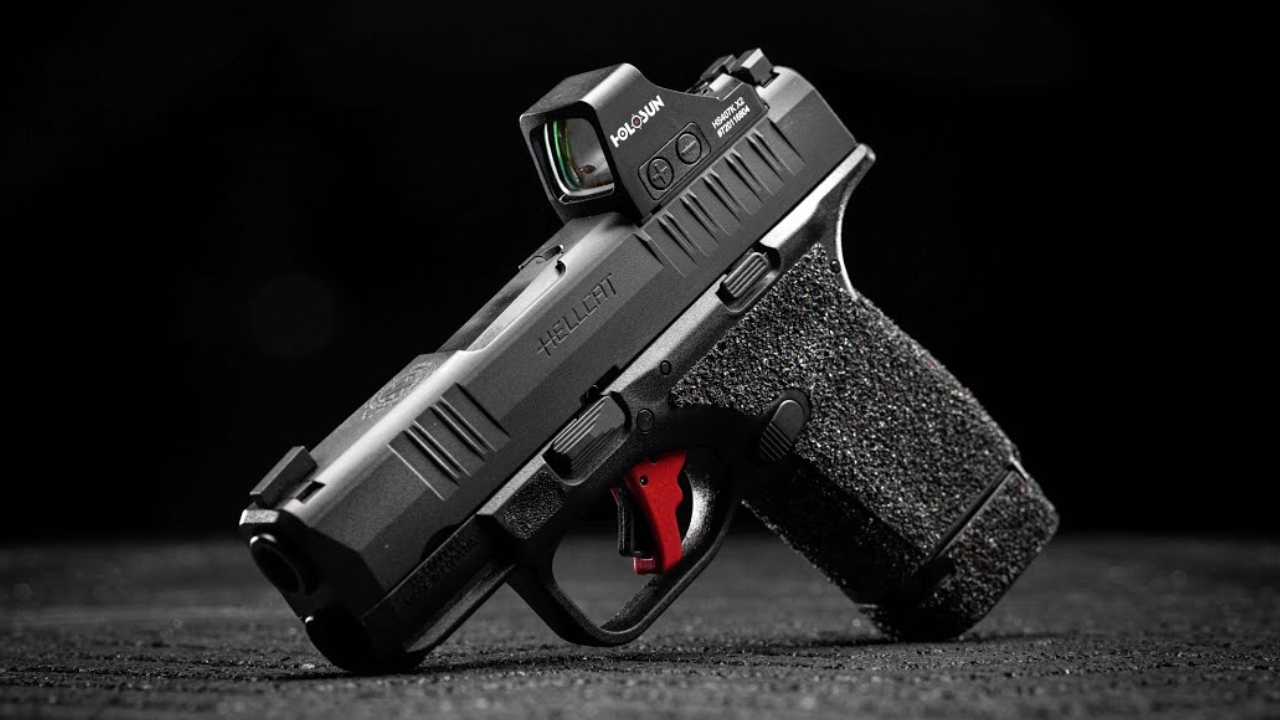
The Hellcat carries smaller than it shoots on paper. Capacity is strong for the size, and the grip texture helps it stay planted in your hand. It’s easy to hide, and it’s a popular pick for a reason.
Recoil is still sharp, especially with defensive ammo. The Hellcat has a snappy impulse that can push the muzzle up and make your support hand work overtime. The short grip can also punish lazy grip pressure, because any looseness shows up fast on target. If you run a Hellcat, treat it like a performance car—great when you drive it correctly, ugly when you don’t. A locked wrist, firm support-hand clamp, and controlled cadence keep it manageable and keep hits where they belong.
Glock 43
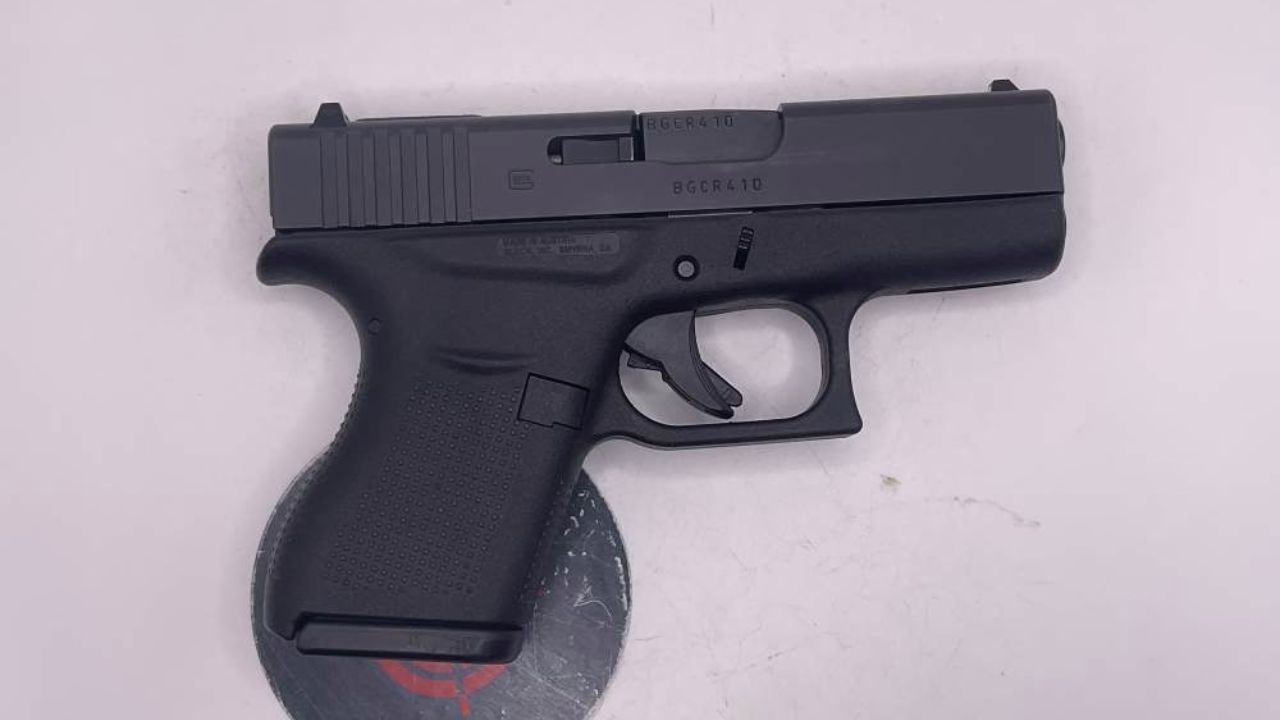
The Glock 43 is thin, dependable, and easy to conceal. It’s one of those pistols that disappears under light clothing, and it has a clean, predictable manual of arms. As a carry gun, it’s hard to argue with.
As a shooter, it can feel sharper than you expect. The G43 is light, the grip is short, and the frame doesn’t give you much leverage to fight recoil. That adds up to a quick snap that can pull your sights off target between shots. Many people solve that with a magazine extension, not for capacity, but for control. You still have to do your part, though. Grip pressure matters more than gadgetry with small guns, and the G43 rewards a firm, repeatable grip every time you draw.
Kahr PM9
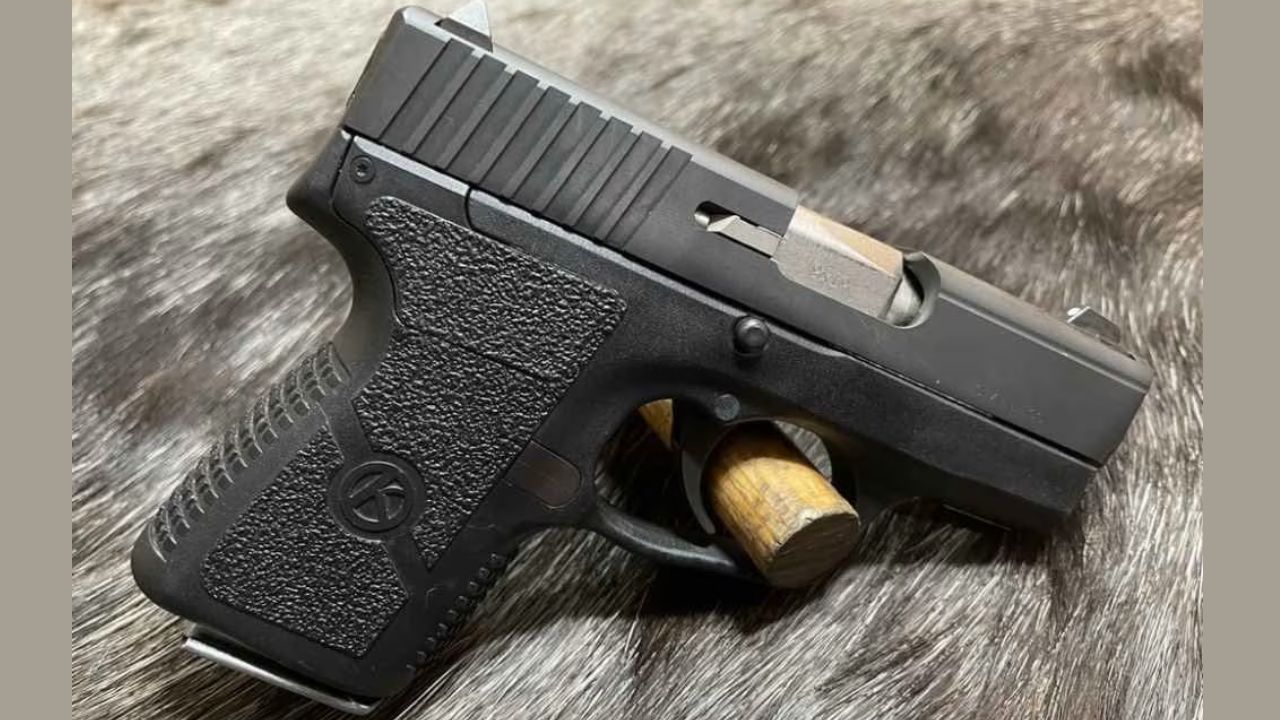
The Kahr PM9 has been riding in pockets and IWB holsters for a long time. It’s thin, smooth, and built for concealment first. The trigger is long and consistent, which some shooters love because it feels steady under stress.
That long pull can also make recoil feel worse if it causes you to relax your grip during the press. The PM9 is light for a 9mm, and it has a sharp recoil pulse that shows up fast during quick strings. It’s controllable, but it demands discipline—hard grip, clean press, and follow-through. If you treat it like a tiny duty pistol, it can bite back. If you treat it like a close-range carry tool and train accordingly, it holds its own and carries better than many modern options.
Kel-Tec PF-9

The Kel-Tec PF-9 is a thin, lightweight 9mm that was designed around carry convenience. It disappears IWB, and it’s flat enough that it doesn’t feel bulky even in summer clothes. A lot of people bought one for exactly that reason.
Recoil is the part nobody forgets. The PF-9 is light, narrow, and not shy about letting you know you’re shooting a 9mm. The grip can feel small in the hand, and the gun has a brisk snap that makes fast follow-ups harder than they should be. That doesn’t mean it can’t work. It means you need to practice smart—short strings, strong grip, and focus on keeping the sights returning to the same spot instead of chasing speed.
Diamondback DB9

The Diamondback DB9 is one of those pistols that looks unreal when you first pick it up. It’s tiny for a 9mm, thin enough to hide anywhere, and light enough that you understand why people try to pocket-carry a 9mm in the first place.
That same size is why recoil is so noticeable. The DB9 can feel sharp and abrupt, and the small grip gives you very little margin for error. If your hands are sweaty or your grip is rushed, the pistol can move around and your sights will tell on you. It’s a gun that demands good technique, not casual shooting. If you carry a DB9, it pays to run it with a grip that’s aggressive and consistent, then keep practice sessions short so fatigue doesn’t wreck your control.
Kimber Micro 9

The Kimber Micro 9 carries like a pocket pistol but looks and feels more refined than most guns in the category. It’s slim, easy to hide, and the controls feel familiar to anyone who likes 1911-style pistols. For many shooters, it points naturally.
The recoil still shows up, because it’s a small 9mm with a short grip. Even when the trigger helps you shoot accurately, the gun can feel lively during fast strings, and the narrow grip can concentrate recoil into the web of your hand. The way to stay ahead of it is grip strength and follow-through. When you clamp down and run the trigger clean, the Micro 9 can be accurate and fast enough. When your grip softens, the pistol reminds you it’s still a lightweight carry gun.
SIG Sauer P238
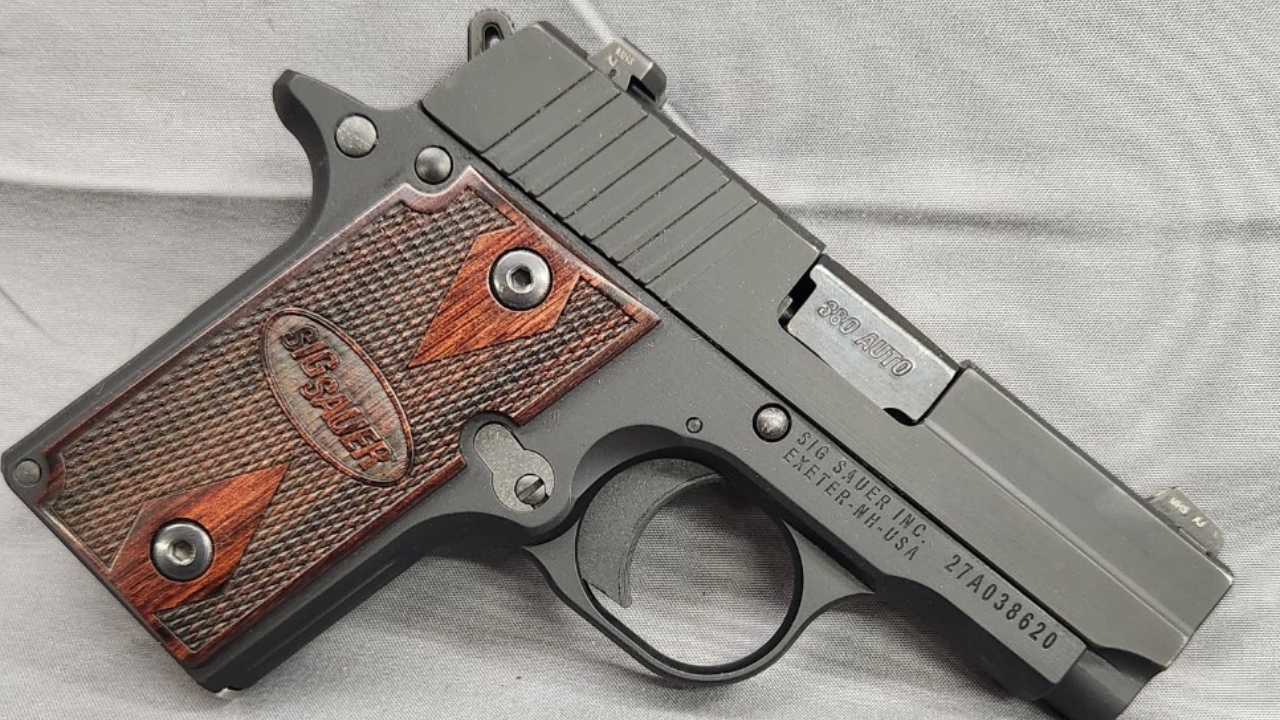
The SIG P238 is one of the easiest pocket .380s to carry well because it’s slim and shaped to ride in a holster without snagging. It also has good sights for the size and a trigger that helps you make accurate hits without fighting the gun.
Even so, recoil doesn’t vanish. In a pistol this small, .380 still has a quick snap, and the short grip means your support hand has to do real work to keep the muzzle from rising. The P238 is more comfortable than many ultra-light pocket .380s, but it’s still a small handgun that punishes sloppy technique. If you carry one, run it like you mean it—high grip, locked wrist, and practice focused on control. It’s a carry-friendly pistol that still expects you to show up.
Taurus TCP 738

The Taurus TCP 738 is a classic “grab-and-go” pocket .380. It’s lightweight, slim, and it hides in places where larger guns get left behind. Plenty of people carry one because it fits real life and doesn’t demand wardrobe changes.
Recoil is more noticeable than you’d think when you look at the caliber. The TCP’s light frame and small grip make it pop in your hand, and it can feel jumpy when you shoot fast. The trigger and sights also require attention, which can make recoil management feel harder because you’re working on multiple fronts. The way to make it run is grip pressure and repetition. A pocket pistol only pays off if you practice with it enough to control it, and with the TCP that practice needs to be steady and realistic, not heroic.
Like The Avid Outdoorsman’s content? Subscribe to our newsletter so you never miss an article.
Here’s more from us: