Photo credit: Guns and Guitars/YouTube
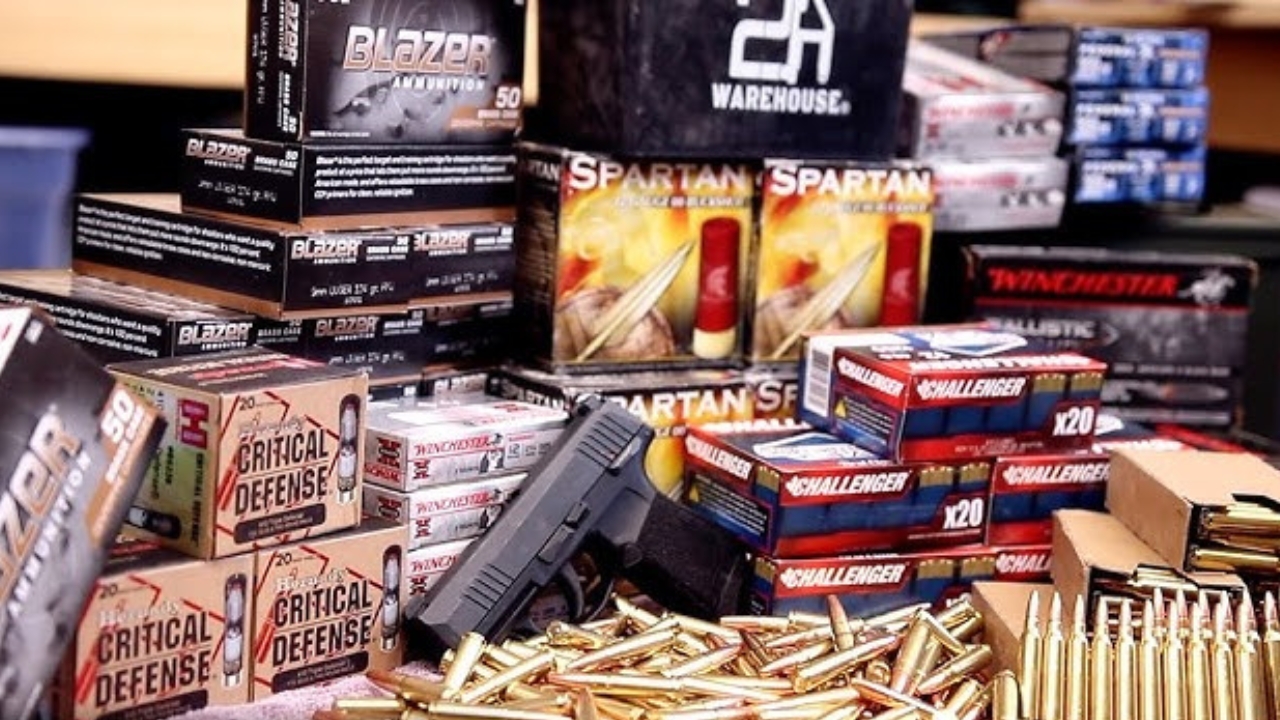
Panic buying never looks the way you expect. One week you’re grabbing a box of range ammo on the way home, the next week the common stuff is gone and everybody’s arguing over the last case in the glass. What disappears first is usually the same roster: the calibers tied to duty pistols, ARs, and the “one gun” choices people default to when they feel uneasy.
If you want to keep shooting, you don’t need to chase whatever the internet is screaming about. You need a cartridge that’s widely loaded, not trendy, and often sitting in the hunting aisle while the tactical shelf gets wiped clean. None of these are magic, and any caliber can get thin in a real run. But these are the ones that tend to stay findable longer, especially if you’re willing to buy plain, mainstream loads and keep your expectations realistic.
.40 S&W

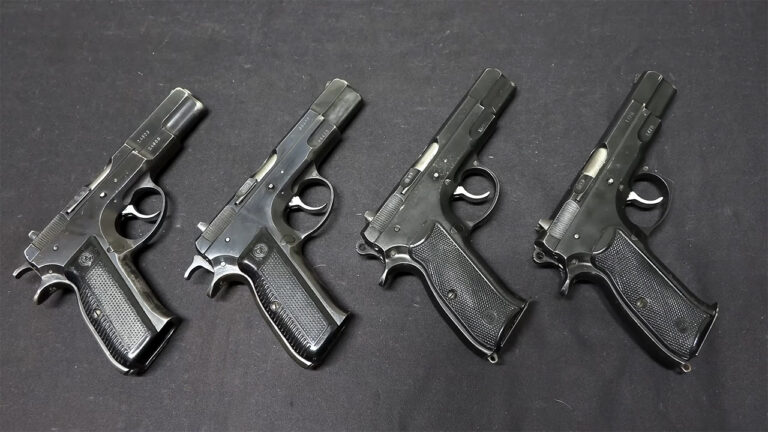
When shelves get stripped, .40 S&W has a weird habit of hanging around. The market moved hard toward 9mm for duty and carry, so a lot of shooters stopped buying .40 in bulk. That means fewer people are fighting you for it when the run starts, and plenty of ammo makers still load it because there’s a mountain of police trade-in pistols and a lot of older duty guns still in circulation.
If you carry a .40, you can often keep training while everyone else is rationing 9mm. Stick with standard-pressure, mainstream FMJ for practice and pick a proven defensive load when you see it. The recoil has more snap than 9mm, but in a midsize pistol it’s manageable, and the caliber still hits with authority at realistic distances.
.357 SIG

.357 SIG is another “not everyone’s” cartridge that can stay on the peg when panic buying hits. It never became a true mass-market round, but it’s been loaded steadily for years because agencies adopted it, shooters like its feeding reliability, and it runs well in platforms built around .40 S&W frames. That steady, smaller demand can keep it from getting wiped out on day one.
The catch is price, so you’re not choosing .357 SIG to save money. You’re choosing it to keep your pistol and your training calendar alive when common handgun ammo vanishes. Buy a couple boxes when you see them, rotate it, and don’t get picky about bullet weights. If you’ve got a reliable pistol in this chambering, it can be a quiet advantage during the next rush.
.45 Colt
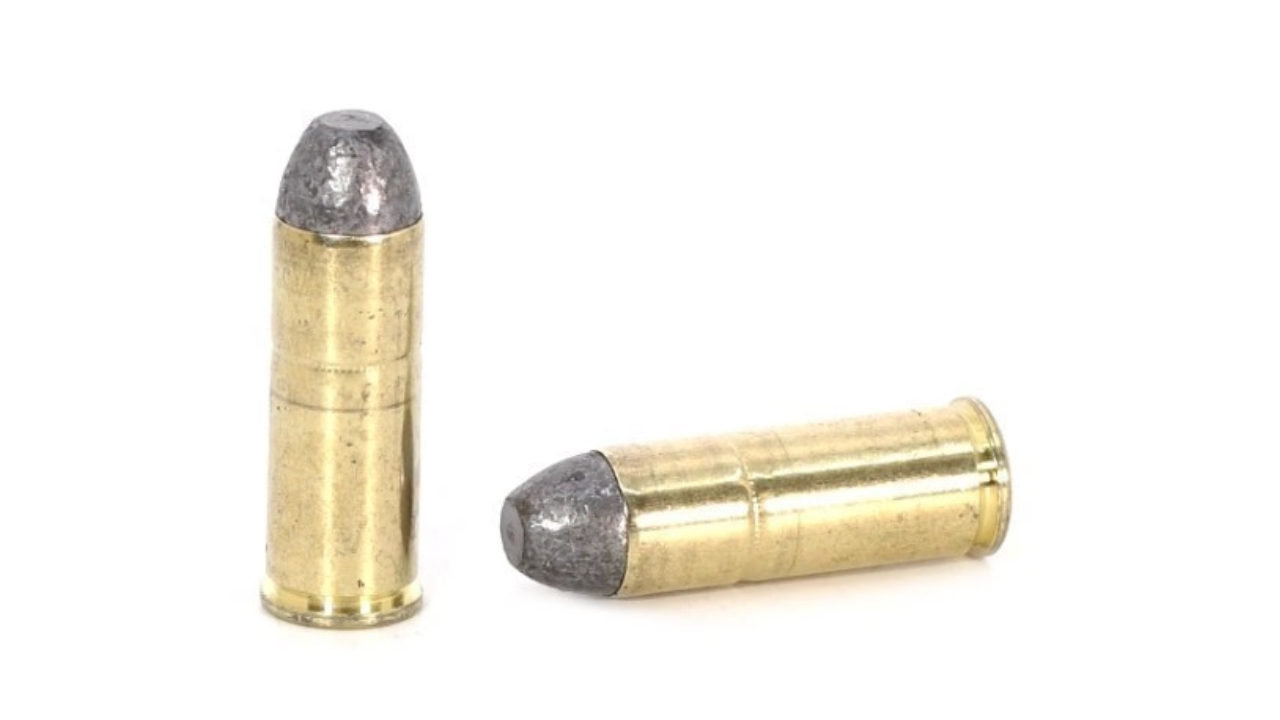
.45 Colt doesn’t show up everywhere, but it often avoids the stampede. Most panic buyers aren’t stocking a single-action or a lever gun in .45 Colt, so the boxes can sit while the modern defensive calibers disappear. Big makers still load it because cowboy action, hunting handloads, and classic revolvers keep the demand steady year after year.
You do need to pay attention to load type. There’s a wide spread between mild “cowboy” loads and heavier hunting loads intended for strong revolvers. If you’re trying to keep shooting through a shortage, the lighter stuff is usually what you’ll find, and it’s easy on the hands. For a woods sidearm, grab the heavier loads when you can, but don’t assume every .45 Colt box is built for high-pressure work.
.243 Winchester
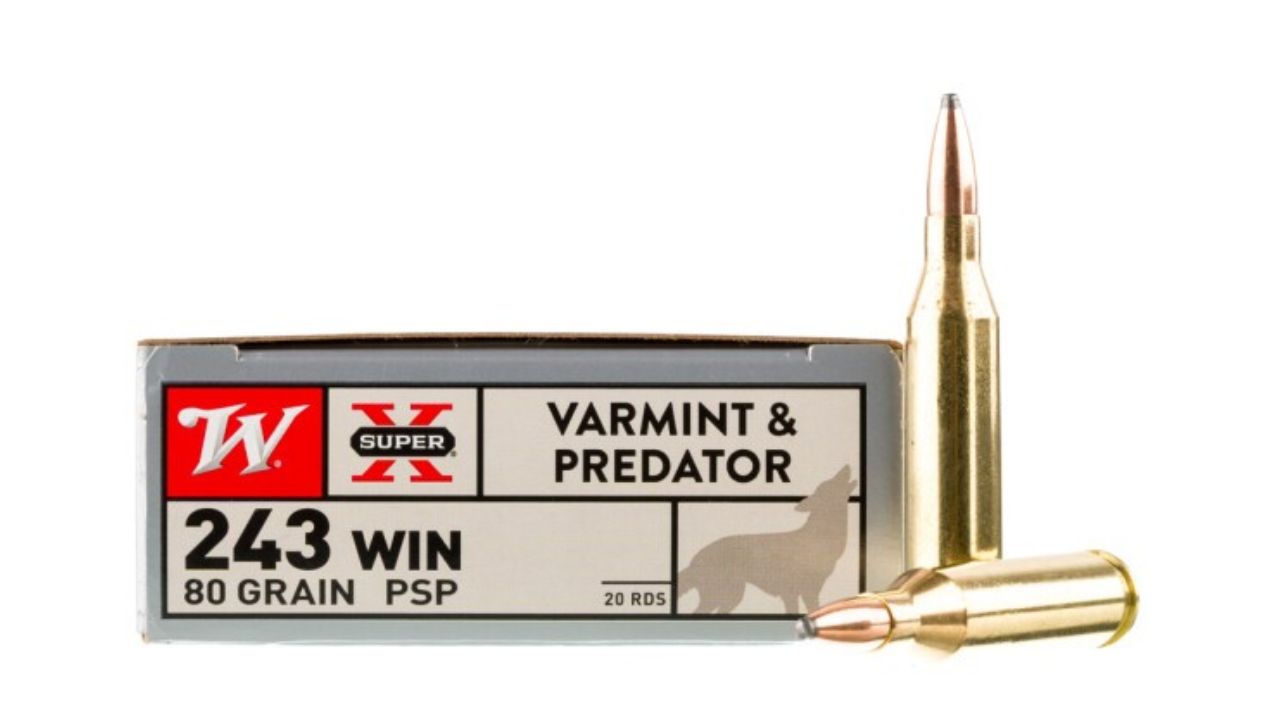
In the rifle aisle, .243 Winchester is one of those cartridges that keeps earning shelf space. It’s been a deer and varmint staple for decades, and ammo companies crank it out in familiar, no-drama loads. During a buying frenzy, people tend to clean out 5.56 and .308 first, while the hunting calibers stay in the back rows a little longer.
If you want a practical “keep shooting” round, .243 is hard to argue with. You can find soft-point hunting ammo, you can find lighter varmint loads, and recoil stays mild enough that you’ll actually practice from field positions. It’s also a caliber that a lot of stores restock because it moves year-round in normal times. As long as you aren’t chasing specialty match loads, .243 can keep you on the range and in the deer woods when things get weird.
.270 Winchester

When people talk deer rifles, .270 Winchester still shows up in a lot of closets and camp trucks. That long-running popularity is the reason it can remain available: ammo makers keep loading it in big, steady quantities. It also doesn’t sit in the “panic purchase” lane the way AR cartridges do, so it can linger on the shelf after the first wave hits.
For the hunter, that means you can often find plain 130- and 150-grain loads even when other stuff is scarce. Those loads aren’t flashy, but they work, and they’re consistent enough to keep your rifle zeroed and your confidence high. Recoil is there, yet it’s not punishing in a normal hunting rifle. If you want one caliber that does a lot and tends to stay stocked in flyover-country hardware stores, .270 is a safe bet.
.30-06 Springfield

The .30-06 is the old workhorse that never seems to leave the conversation, and that’s good news in a shortage. It’s still one of the most common hunting rifle chamberings in North America, so manufacturers keep turning out ammo in a wide range of bullet weights. Even when the “hot” calibers disappear, you can often find at least one flavor of .30-06 tucked into the hunting section.
This is a caliber where being flexible pays off. You might not get your favorite bullet, but you can usually get something that shoots well enough to confirm zero and hunt ethically. Stick with mainstream soft points for deer-sized game, and grab heavier bullets when you’re headed for elk. Recoil is real, but it’s predictable, and the cartridge’s versatility keeps it in production when niche rounds get skipped.
7mm Remington Magnum

7mm Remington Magnum has been around long enough that it’s baked into the supply chain. It’s popular with Western hunters, it sells in big-box stores, and it’s loaded by every major ammo company. During a buying panic, magnum ammo can stay available longer because many folks aren’t stocking up on recoil-heavy hunting rounds for “worst case” fantasies.
If you shoot 7mm Rem Mag, the key is staying grounded. Buy the plain hunting loads you can find, confirm your zero, and resist the urge to chase boutique performance. Most rifles in this chambering shoot well with standard 139- to 175-grain offerings, and those are exactly what stores tend to restock. You’ll pay more per shot than a common short action cartridge, but you may still be shooting when your buddies are dry-firing their empty 6.5s and .308s.
.300 Winchester Magnum
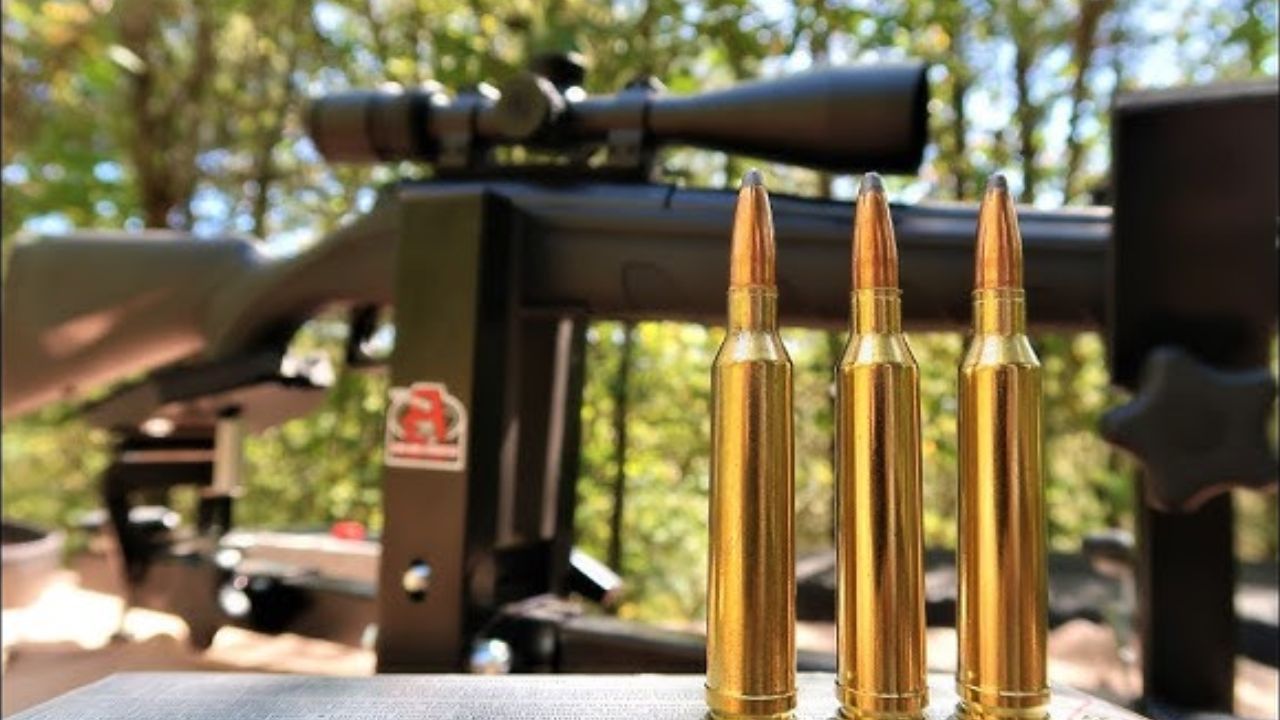
A lot of hunters own a .300 Win Mag, but far fewer people burn it up on a weekly range schedule. That lower “volume shooting” demand can help it stay on shelves when the common practice calibers disappear. Ammo makers still load it steadily because it’s a mainstream elk and moose round, and it shows up in almost every serious hunting shop.
The reality is you’re not going to shoot it all day without feeling it, and that’s fine. In a shortage, you’re trying to stay competent, not run a high-round-count class. Pick one reasonably priced load that your rifle groups well, buy enough to hold your zero and hunt, and be done with it. The cartridge carries a lot of downrange punch, and if you can find it when others can’t, that availability becomes part of its value.
.22-250 Remington

.22-250 Remington often sits in the varmint corner while the centerfire “defense” calibers get swept clean. It’s been a prairie dog and coyote cartridge forever, and it’s common enough that many stores carry at least a couple boxes even when inventory is thin. It also doesn’t overlap with the ammo most new buyers grab in a rush.
If you’re a predator hunter, that matters. You can keep your rifle fed with standard 50- to 55-grain loads, confirm your dope, and stay ready for a winter calling season without fighting over 5.56. The downside is cost, because it’s not cheap plinking ammo, and some towns won’t stock it heavily. But in many places, .22-250 is exactly the kind of “still there” cartridge you find when the popular shelves look like they got robbed overnight.
.25-06 Remington

.25-06 is a classic example of a cartridge that works well and still flies under the radar. It’s not the first thing a new buyer grabs, and it’s not the first thing hoarders clear out. Yet it’s common enough that major manufacturers keep loading it, and it shows up in hunting shops that cater to deer and antelope hunters.
When panic buying hits, you may find .25-06 boxes sitting next to empty slots where .308 and 6.5 used to live. That’s your cue to be practical. Grab standard hunting loads, sight in, and don’t overthink bullet selection. Recoil is mild for the performance you get, and the cartridge shoots flat enough for real hunting distances without needing match ammo. If you already own a .25-06, shortages can feel a lot less stressful than they do for your buddies shooting trendier rounds.
.280 Remington

.280 Remington has never been everywhere, but it has stayed alive long enough that ammo makers still support it. That’s the sweet spot in a shortage: a caliber with loyal, steady demand, without the crowd of panic buyers trying to buy it by the case. In many stores, .280 is the lonely stack that remains after the familiar favorites vanish.
The trick is planning. You won’t find it in every small-town gas station, so grab a couple boxes when you see them and keep a cushion. The good news is that most .280 rifles shoot well with standard 140- and 150-grain hunting loads, and those are the loads companies keep producing. You’re getting an honest, effective hunting round that can stay available longer simply because fewer people are chasing it when emotions run hot.
.35 Whelen

.35 Whelen is a niche cartridge, but it’s a niche with decades of history. It shows up in the hands of bear hunters, timber elk guys, and people who like big bullets without stepping into full magnum recoil. Because it isn’t a mainstream “stockpile” caliber, the boxes can stay on the shelf while the common stuff disappears.
Availability can be spotty, so you treat .35 Whelen like a seasonal purchase: buy it when you see it, not when you need it tomorrow. Even so, shortages can make it feel oddly convenient because it’s often untouched. If you run a Whelen, you’re probably not blasting 300 rounds a weekend anyway. Keep enough ammo for sight-in and a season, and the cartridge will do what it’s always done—hit hard at woods distances with straight-line penetration and a lot of authority on tough animals.
.338 Winchester Magnum
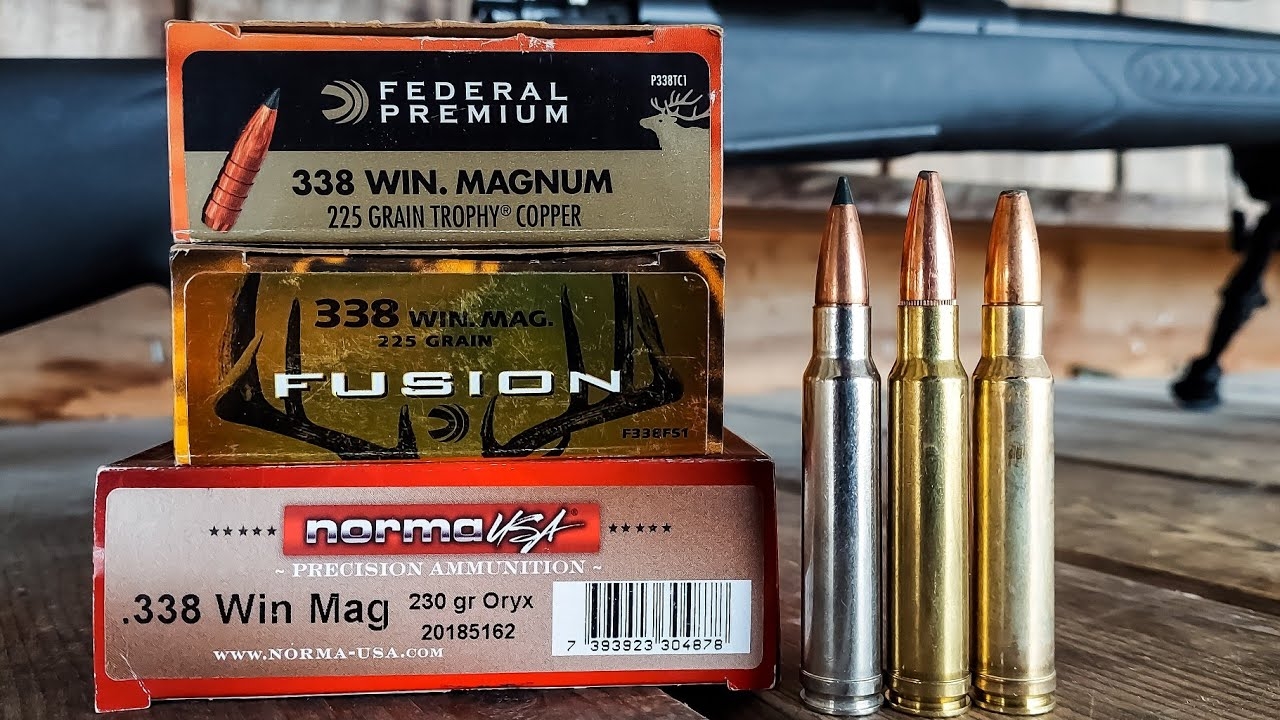
.338 Win Mag can dodge panic buying because it doesn’t fit the “buy it for protection” narrative. It’s a hunting cartridge for big animals, and most shooters don’t want to pay for it or soak up the recoil in high volume. That keeps demand lower, even though it’s been around forever and ammo makers still load it every year.
If you’re a Western hunter, this can be your fallback. When shelves are thin, you may still find a box of .338 behind the counter, because the shop owner knows it won’t sell fast on a random Tuesday. Don’t treat it like a plinking round. Buy enough to verify zero and hunt, then leave the rest for the next guy. With the right bullet, .338 does serious work on elk and moose, and it often stays available longer than the “everybody owns one” calibers.
6.5×55 Swedish

6.5×55 Swedish stays alive because it’s loved, not because it’s trendy. It isn’t the first pick for panic buyers, but it has a real following among hunters who appreciate how well it shoots with moderate recoil. Many ammo companies load it for the European market, and that steady production can keep supply moving even when American shelves look rough.
The downside is that not every store carries it, and pricing can vary. The upside is that when it is on the shelf, it often isn’t being fought over. If you own a rifle in 6.5×55, buy mainstream hunting loads, confirm your point of impact, and keep expectations grounded. It’s a capable cartridge on deer and similar game, and it can help you stay shooting when the crowd is chasing whatever was popular online last month.
16 gauge
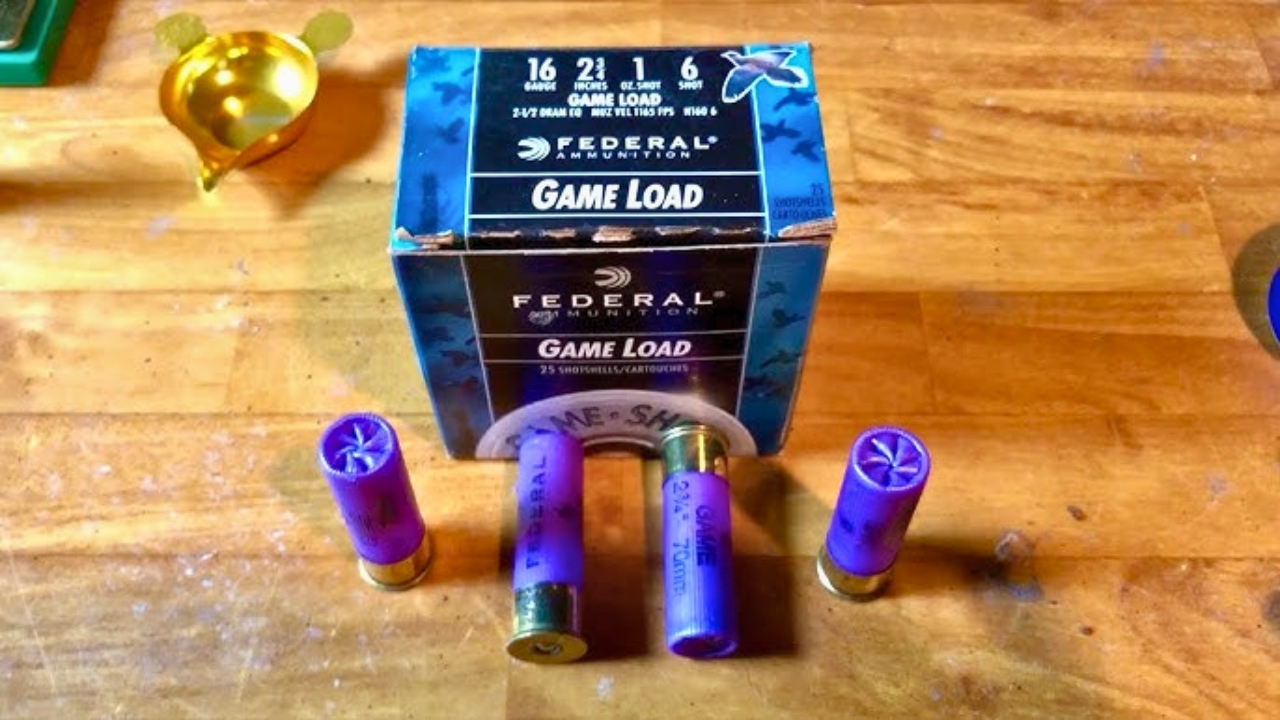
Shotgun panics usually hit 12 gauge first, and that’s where 16 gauge can save your season. Fewer people shoot it, so fewer people clear it out when emotions take over. It’s not some obscure relic—major makers still load 16 gauge field shells, and rural shops keep a few boxes around because granddad’s shotgun is still in play.
You’re not picking 16 gauge to run a tactical setup. You’re picking it to keep birds in the bag when 12 gauge shelves are empty. Stick to common field loads, buy a few boxes when you see them, and don’t assume it will always be there. Supply is smaller, so one customer can clean it out. But in many shortages, 16 gauge is often one of the last shotgun options standing, and it works if you already have the gun to match.
Like The Avid Outdoorsman’s content? Subscribe to our newsletter so you never miss an article.
Here’s more from us: