Photo credit: Savage Arms
A name on the side of a gun can drive sales, but it doesn’t always mean you’re getting the best product for the money. Some models coast on their brand’s reputation while leaving buyers disappointed once the shooting starts. These firearms keep moving units because of the name stamped on them, not because they’re the most reliable or best-performing option in the rack. If you’ve ever wondered which models get by more on branding than performance, here are the standouts.
Colt All American 2000
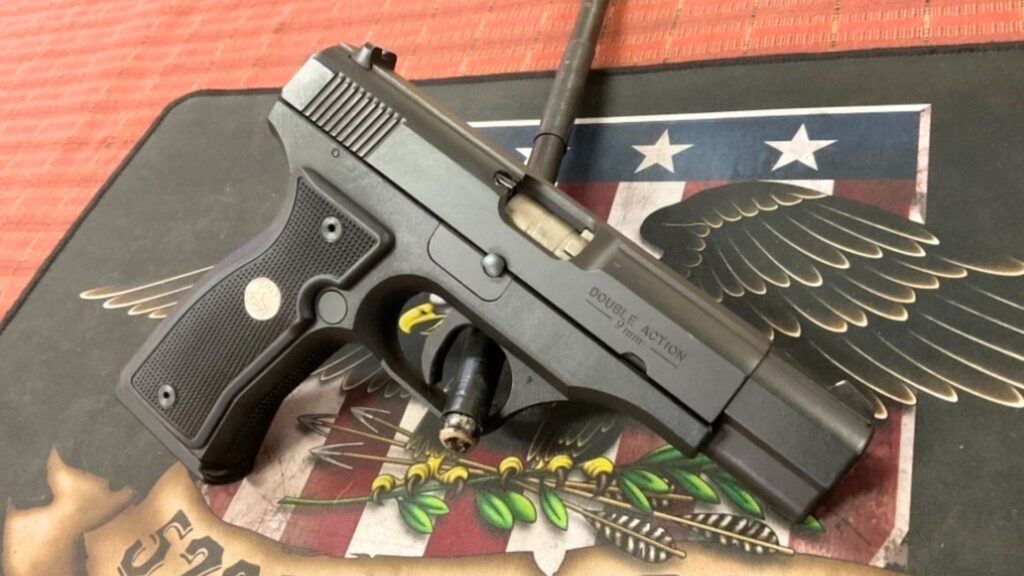
Colt’s name carried weight, but the All American 2000 proved that brand reputation isn’t enough. Marketed as a modern semi-auto in the early ’90s, it sold mainly because it was a Colt, not because it had strong performance. The pistol was plagued by reliability issues and poor accuracy, leading many owners to regret their purchase.
Colt’s long history of military and civilian success gave the All American a sales boost, but the gun itself never lived up to the hype.
Remington 770

The Remington brand has sold rifles for generations, and that reputation helped the 770 move units. Buyers trusted the Remington name without realizing how cheaply built this rifle was compared to the company’s classics. The stock was flimsy, the trigger was heavy, and accuracy was hit-or-miss at best.
Plenty of hunters bought it for the brand alone, only to realize it couldn’t hold zero or deliver consistent groups. It’s a reminder that not every Remington deserves the trust the brand once earned.
Winchester Super X Pump (Budget Models)
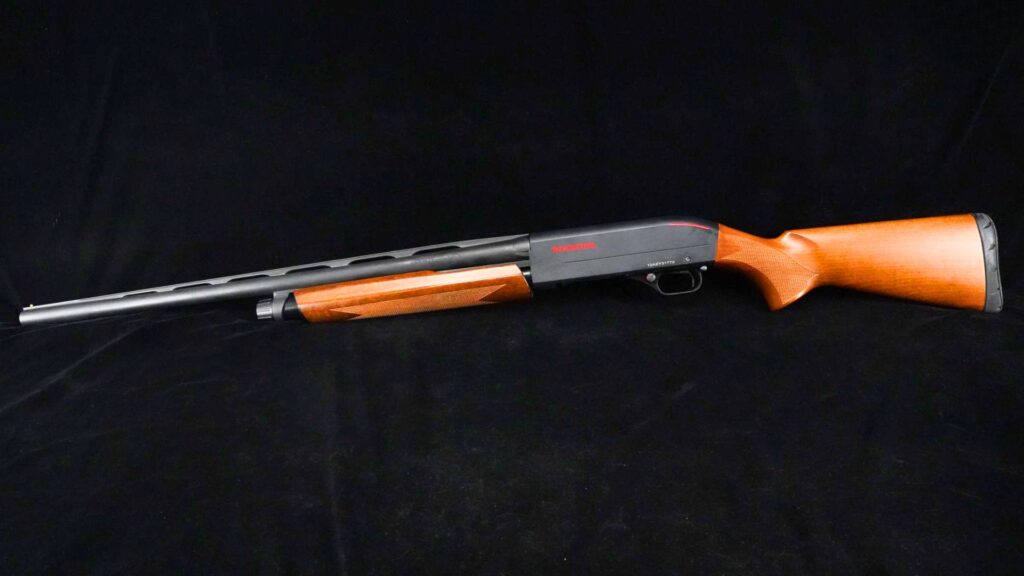
Winchester is a legendary name in shotguns, and the Super X Pump was pushed heavily under that halo. While higher-end versions performed better, the cheaper production models cut corners. They suffered from rough actions and parts that wore down quicker than expected.
Many buyers went with it simply because it was a Winchester, assuming it carried the same toughness as the brand’s older models. Unfortunately, it showed how a strong name can cover for lackluster performance.
Ruger P Series Pistols
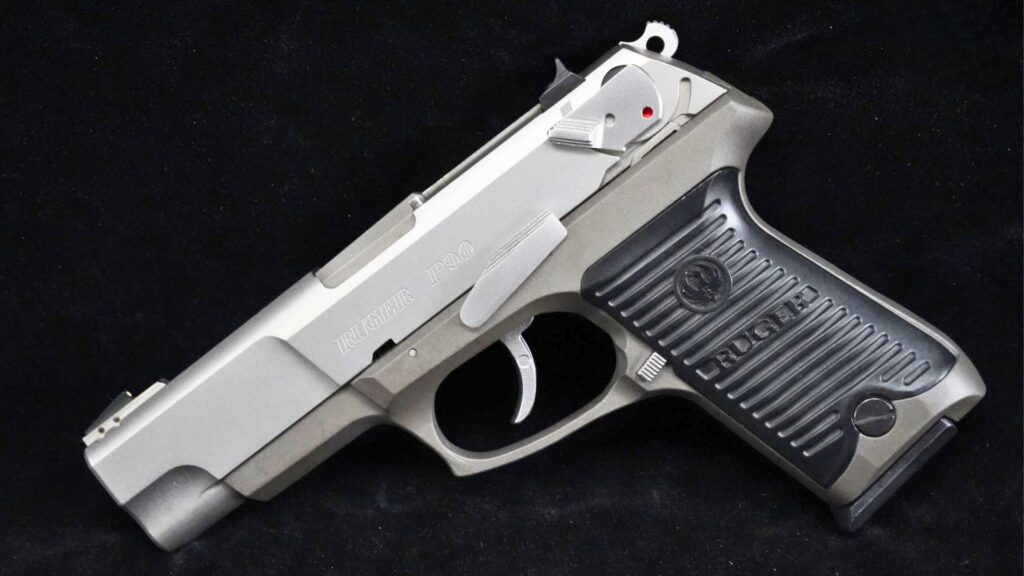
The Ruger name alone helped the P Series pistols sell in solid numbers through the ’90s and early 2000s. While they were durable, the ergonomics and triggers left a lot to be desired. They were often bulky, heavy, and less refined than competitors.
Still, Ruger’s reputation for toughness drove sales, especially among first-time buyers who wanted an American-made pistol. Over time, though, most shooters realized these pistols relied more on the Ruger brand than actual user-friendly performance.
Smith & Wesson Sigma

Smith & Wesson rushed the Sigma to market to compete with Glock, but it leaned heavily on the company’s name to move sales. The design had potential, but the heavy trigger pull and reliability concerns hurt its reputation.
Despite that, plenty of buyers picked it up on brand loyalty alone. Many soon realized the Sigma wasn’t in the same league as other S&W handguns, proving that even strong companies can push a weak product under a trusted name.
Browning BPR Pump Rifle
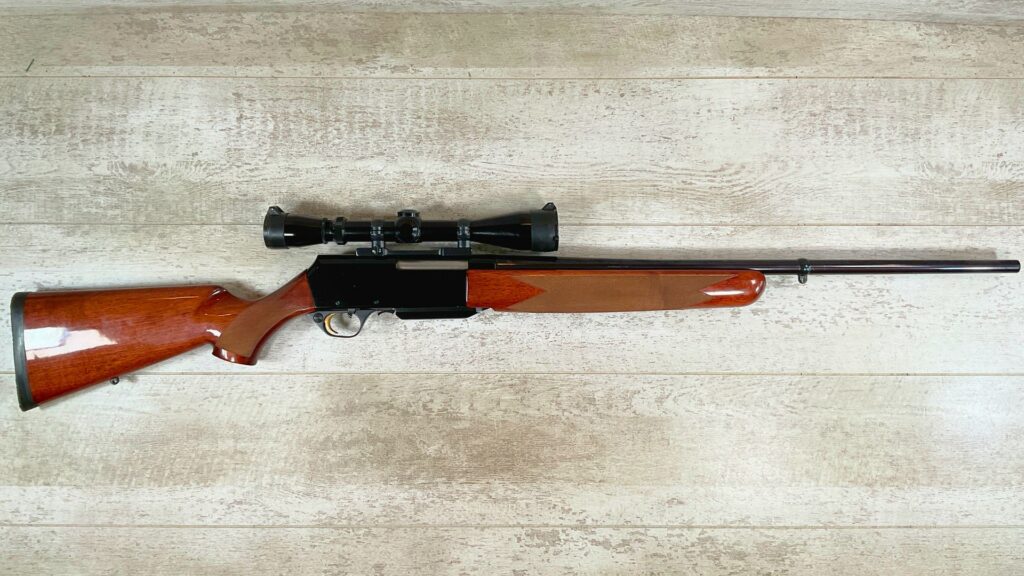
Browning’s name carries prestige, and that reputation alone helped sell the BPR pump-action rifle. Hunters trusted the Browning label, but the rifle had a stiff action and accuracy that fell short of expectations. Compared to the company’s bolt guns, it simply didn’t perform on the same level.
The BPR proved that even a respected manufacturer can miss the mark. Many buyers admitted they bought it more for the Browning name than the actual results in the field.
Beretta 9000S
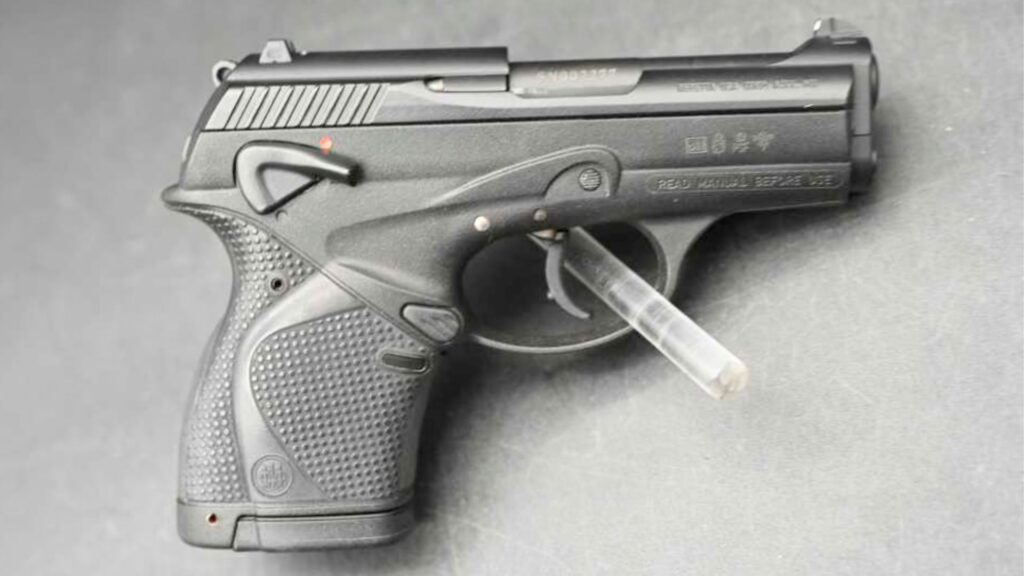
Beretta has centuries of firearm history behind it, but the 9000S was a stumble that still sold because of the name. The pistol had awkward ergonomics, a heavy trigger, and handling issues that left shooters frustrated. Still, plenty of buyers trusted the Beretta brand and assumed it would be up to the company’s usual standard.
The pistol eventually faded from the market, but it stands as an example of a firearm that leaned heavily on brand recognition rather than true performance.
Remington R51 (First Run)

When Remington relaunched the R51, the name alone drove plenty of sales. Unfortunately, early buyers found a pistol plagued with feeding and safety issues. The rollout was so poor that Remington had to pull the model and reintroduce it later.
The trusted Remington logo moved a lot of pistols early on, but reputation couldn’t save the gun’s shaky performance. It’s one of the clearest examples of how brand power can push sales before real-world results catch up.
Colt Double Eagle
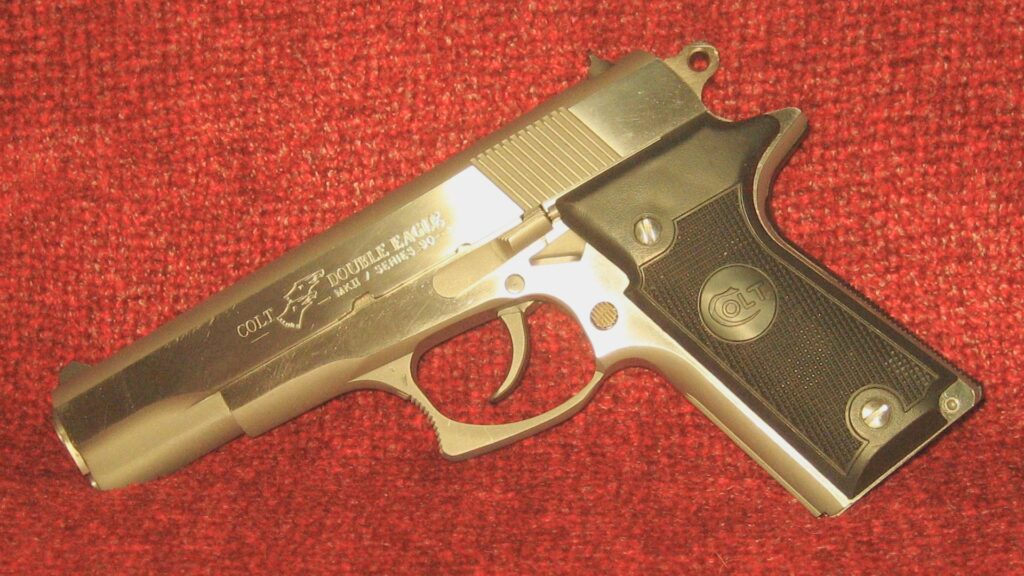
Colt leveraged its famous name to push the Double Eagle pistol, a double-action 1911 variant that never lived up to the hype. While the Colt logo gave buyers confidence, the pistol’s design was bulky and its reliability spotty compared to competitors.
Collectors and Colt loyalists still picked them up, but most users eventually admitted the Double Eagle was carried more by its brand name than by its performance on the range.
Winchester Model 1400
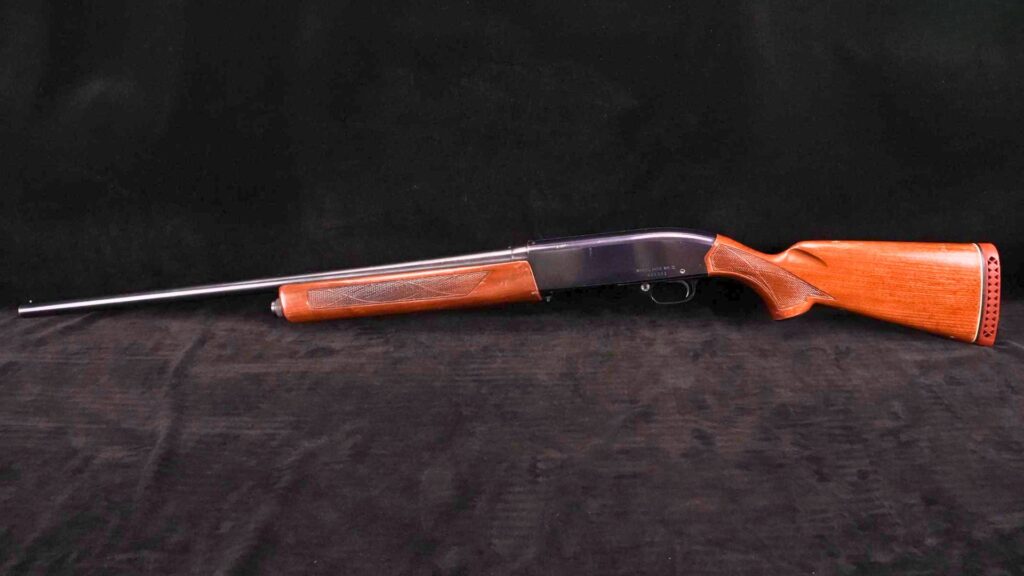
The Winchester Model 1400 semi-auto shotgun benefitted from the brand’s long-standing reputation. On paper, it offered hunters an affordable entry into a Winchester semi-auto. In practice, it struggled with reliability and durability compared to other shotguns in its class.
Many who bought it expected the same ruggedness that made the Winchester name famous, only to be let down. The 1400 serves as a reminder that even trusted companies can produce models that don’t meet the reputation they trade on.
*This article was developed with AI-powered tools and has been carefully reviewed by our editors.