Photo credit: Tactical Raiders Shooting/YouTube
The handgun market has become crowded enough that good pistols can disappear almost immediately. If a gun does not wear the right logo, dominate social media, or land in one of the hottest categories, plenty of buyers never even handle it.
That leaves some genuinely strong options sitting just outside the usual Glock, SIG, Smith & Wesson, and Springfield conversations. These 20 pistols offer good triggers, useful features, strong ergonomics, unusual designs, or better value than their market attention suggests. More importantly, this is a fresh lineup rather than another rotation of the same underrated guns.
Ruger RXM
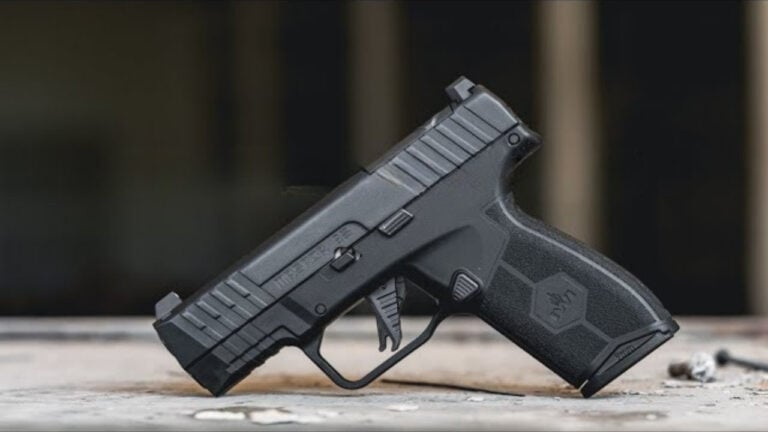
The RXM entered a striker-fired market that already feels overcrowded, which makes it easy to write off as another Glock-pattern pistol. That misses what Ruger and Magpul actually did with it. The pistol uses a removable stainless fire-control insert inside a replaceable Magpul grip module, giving the platform considerably more customization potential than a conventional fixed-frame handgun.
Ruger also gave it direct compatibility with several common optic footprints and Glock-pattern magazines. That combination makes the RXM especially interesting for someone who already owns Glock magazines but wants different grip geometry and modularity. It arrived without the hype surrounding some premium pistols, but there is a lot of practical gun here.
CZ P-09 C Nocturne
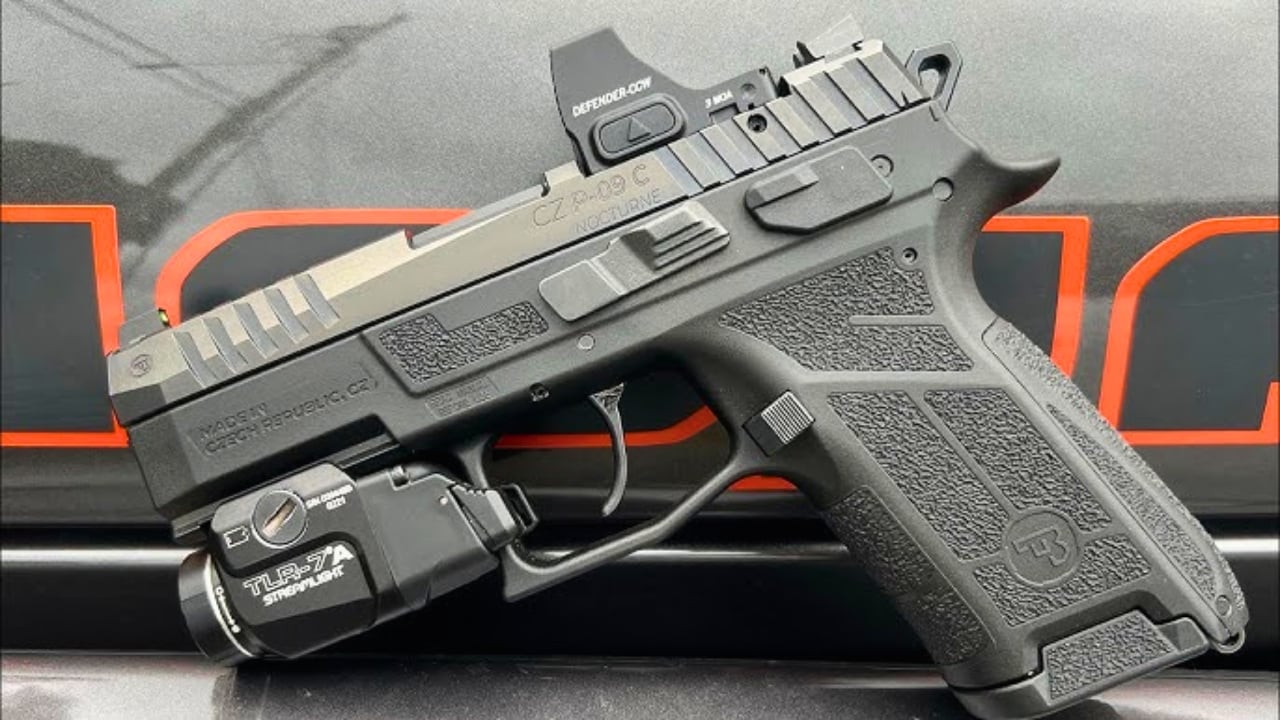
The P-09 C Nocturne gets lost because hammer-fired carry pistols simply do not receive the attention striker guns do anymore. CZ currently offers the compact Nocturne as an optics-ready DA/SA pistol with updated ergonomics and its Omega trigger system.
That gives buyers something increasingly rare: a modern compact pistol with a hammer, decocker capability, and direct optics support without paying premium-HK money. The older P-07 already had a loyal following, and the Nocturne modernizes the concept without throwing away what made it useful. Anyone who still prefers DA/SA should be looking much harder at this gun.
Grand Power Q100
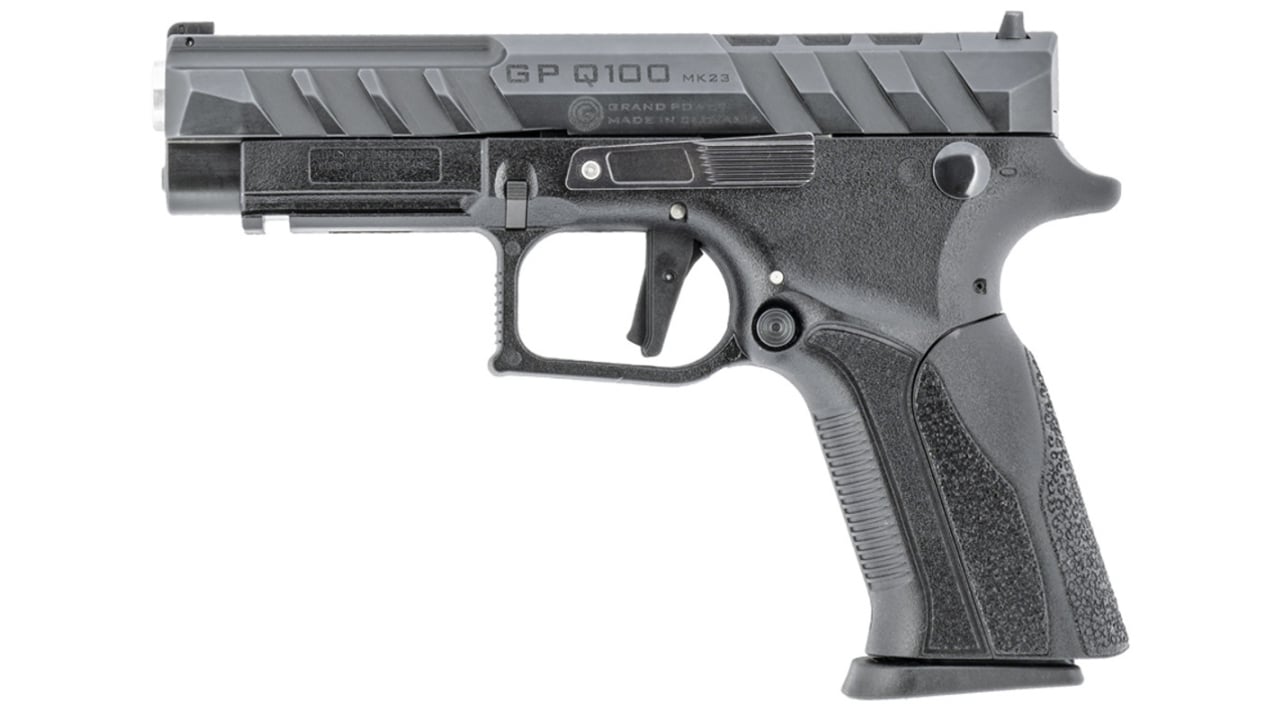
Grand Power has never developed the American name recognition its pistols deserve. The Q100 is probably the clearest example. It uses a rotating-barrel system rather than the more common tilting-barrel arrangement, and Grand Power specifically highlights the system’s low recoil characteristics and fully ambidextrous controls.
The result is a full-size 9mm that feels noticeably different from the endless field of Browning-type striker guns. The rotating barrel helps keep the pistol flat, while the ergonomics are better than the unusual appearance might suggest. The biggest thing working against the Q100 is simply that relatively few American shooters ever get the chance to try one.
Smith & Wesson Equalizer
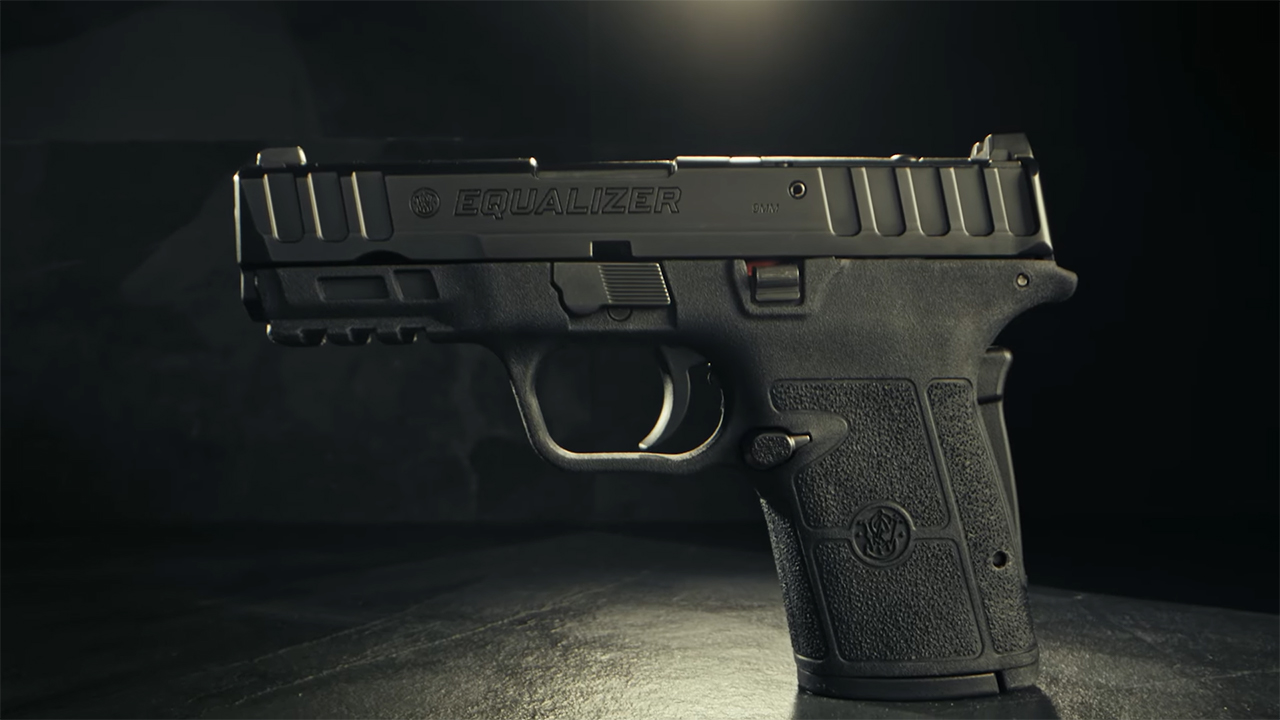
The Equalizer often gets pigeonholed as a pistol for people who have trouble racking a conventional slide. That undersells it. Smith & Wesson currently offers it with 10-, 13-, and 15-round magazines, an easy-to-operate slide, and a single-action trigger system.
Those features are useful whether or not hand strength is an issue. It is also large enough to shoot more comfortably than some tiny micro-compacts without becoming difficult to conceal. The Shield Plus gets most of Smith & Wesson’s carry-gun attention, but the Equalizer deserves consideration from anyone who values easy manipulation and manageable recoil.
Taurus 917C
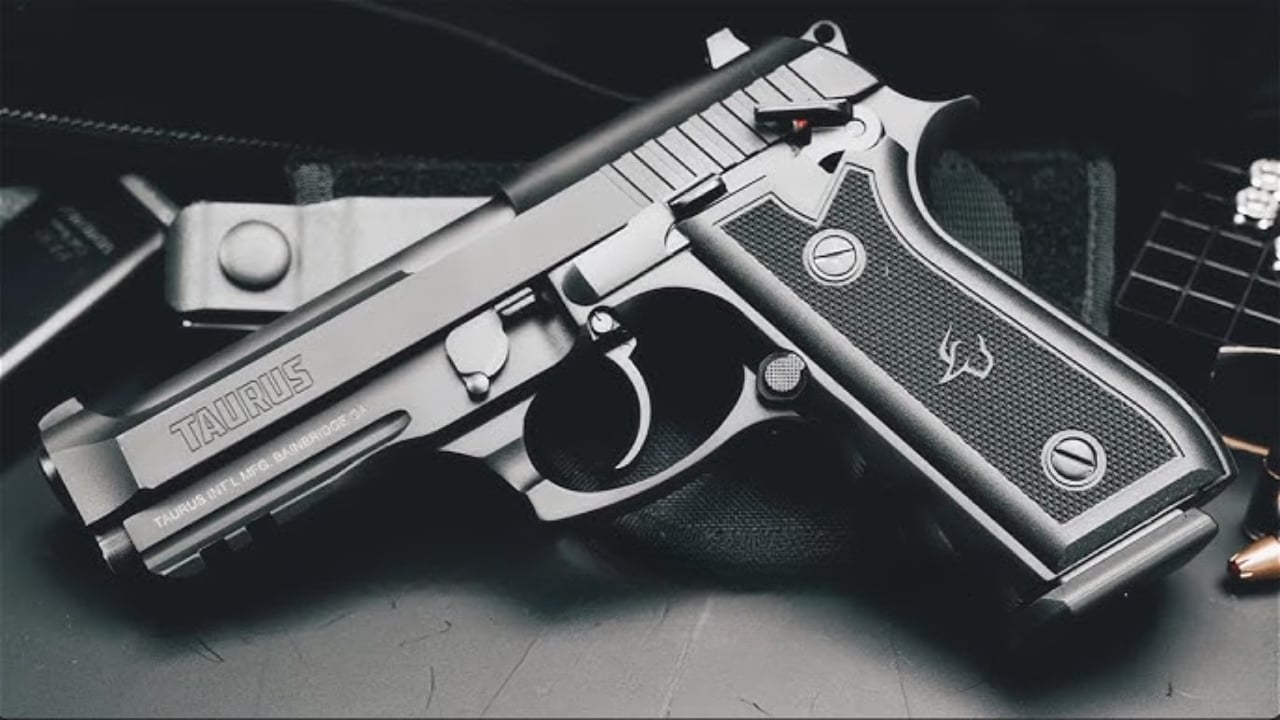
The 917C is one of the more interesting pistols Taurus currently sells, yet it gets very little attention compared with the company’s cheaper striker-fired guns. Taurus brought the model back with an 18+1 capacity, accessory rail, and traditional DA/SA operation.
That gives shooters a compact metal-framed hammer gun at a time when almost everyone else is chasing polymer strikers. The controls also allow the pistol to be run cocked and locked or decocked, giving owners more flexibility than most modern carry pistols. If you like the general Beretta 92 concept but want something shorter and less expensive, the 917C deserves a serious look.
Canik METE SF

The METE SFT and competition-oriented Caniks tend to get most of the attention, while the METE SF quietly occupies one of the most useful sizes in the lineup. Canik gives it a 4.19-inch barrel, 15+1 capacity, an optics-ready slide, and the short-reset trigger that has become one of the brand’s biggest strengths.
That puts it directly into the Glock 19-sized category without simply delivering another bare-bones compact. The METE SF is large enough to shoot well, small enough to carry, and comes with features that often require upgrades on more established pistols. It may actually be the Canik that makes the most sense for the average owner.
Springfield Armory XD Mod.4 OSP
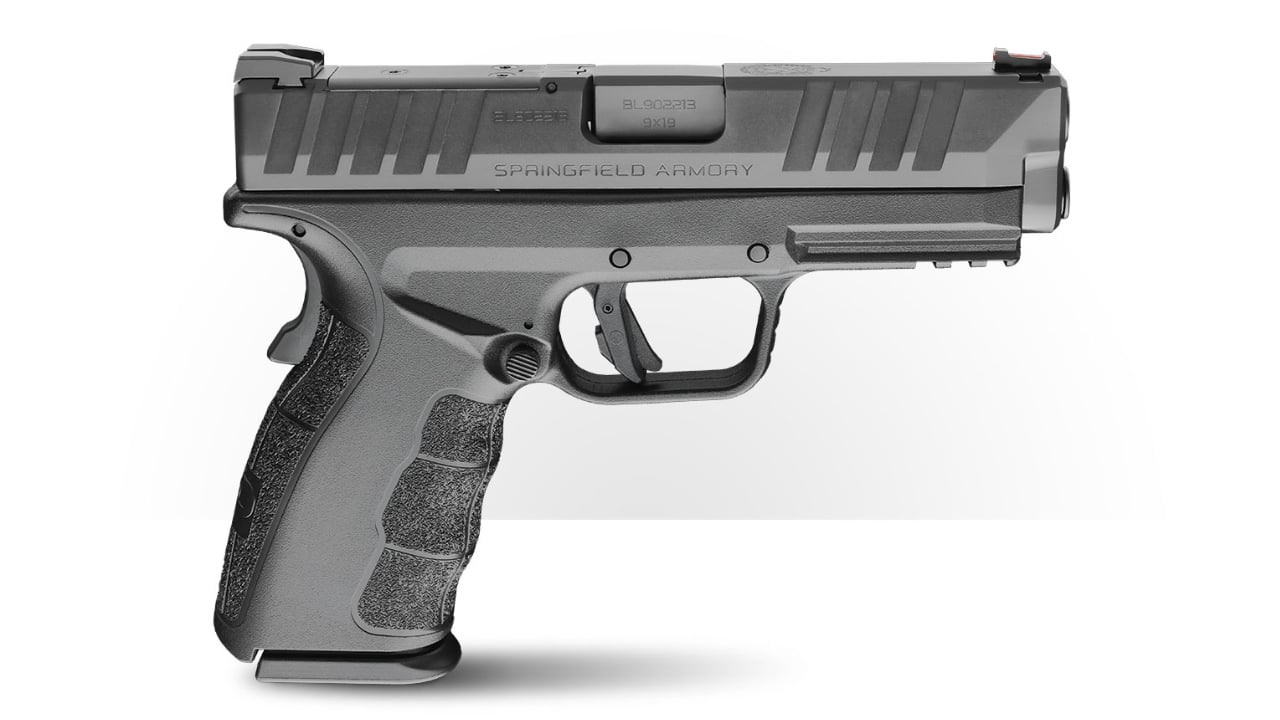
The original XD platform has been around long enough that many shooters stopped paying attention whenever Springfield updated it. The Mod.4 deserves another look. Springfield introduced the Mod.4 OSP in 2026 with a flat-faced trigger, optics-ready slide, 16-round magazine, and $399 MSRP.
That is a strong package for someone who wants a full-size defensive 9mm without paying much more than budget-pistol money. The grip safety will still divide shooters, but the rest of the design has been brought much closer to current expectations. People who mentally froze the XD in 2008 may be surprised by how much gun the newer version offers.
Ruger SR1911 Lightweight Commander 9mm

Ruger’s SR1911 line rarely gets mentioned when shooters start talking about good production 1911s. The Lightweight Commander-style 9mm is especially easy to overlook. Ruger uses an aluminum frame and Commander-length slide, giving the pistol noticeably less weight than its all-stainless counterparts.
That combination makes a lot of sense for someone who wants a traditional single-action pistol that can actually be carried. You still get familiar 1911 controls and trigger characteristics without dragging around a full-size steel Government model. Ruger is better known for revolvers and affordable rifles, but its 1911s deserve more credit.
CZ 75 D PCR Compact

The P-01 gets most of the attention whenever compact CZ pistols come up, leaving the PCR strangely overlooked. CZ still lists the lightweight 75 D PCR Compact in its current 75-series lineup.
The absence of an accessory rail actually makes the pistol cleaner and slightly less bulky for people who have no intention of mounting a weapon light. You still get the classic CZ grip shape, aluminum frame, traditional DA/SA operation, and decocker. It is an older design, but it remains one of the better choices for someone who wants a compact metal-framed carry pistol without chasing whatever is newest.
Taurus TX9 Compact
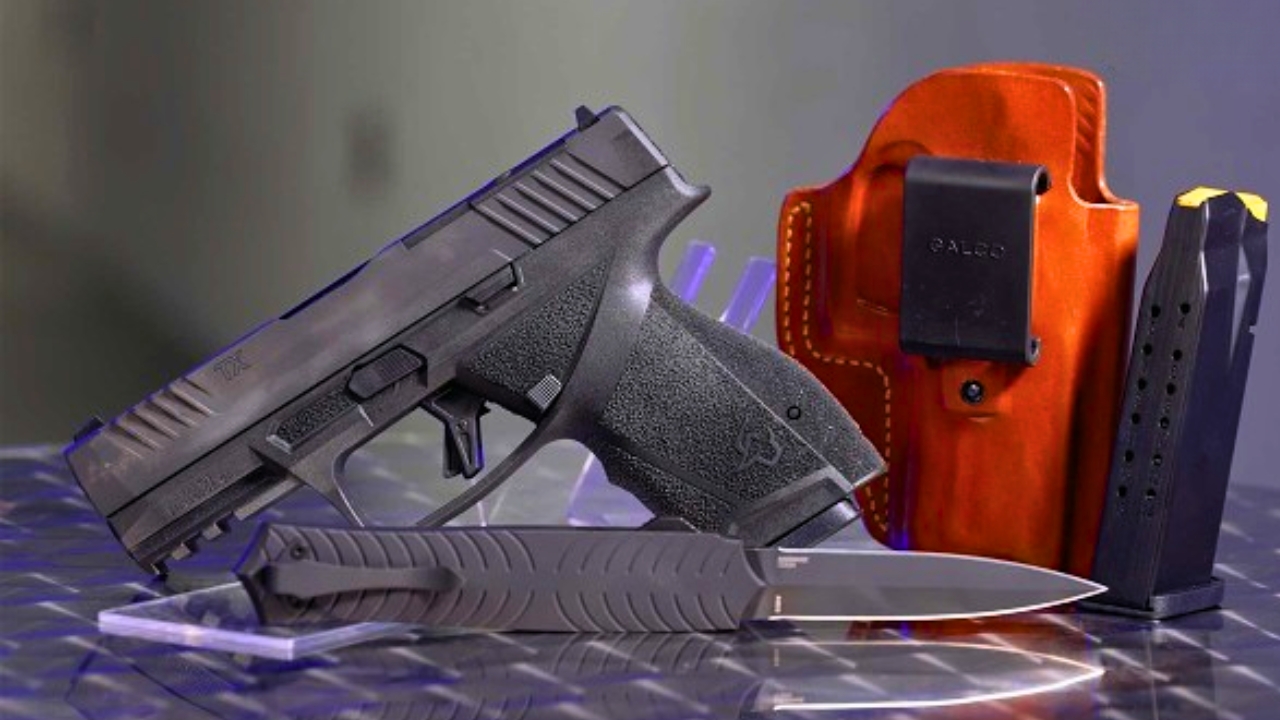
The TX9 is brand new enough that it has not had much time to build a following, but the Compact configuration already looks like one of the more sensible versions. Taurus introduced the platform for 2026, and the Compact uses a 4-inch barrel, 15+1 capacity, and four interchangeable backstraps.
Taurus has spent years fighting the reputation created by some of its older inexpensive pistols, which means newer guns sometimes have to work harder to get attention. The TX9 deserves to be judged on what it actually offers. A modular, optics-ready compact 9mm with mainstream capacity is exactly the kind of pistol buyers usually say they want.
Walther WMP

The WMP occupies such a strange category that many shooters never consider it. Walther currently offers the pistol in .22 WMR with 15-round capacity, and threaded versions are available as well.
It is much larger than a pocket rimfire, which is actually part of what makes it useful. The full-size grip and long barrel make .22 Magnum easier to shoot accurately, while the magazine capacity gives it a completely different personality from a traditional rimfire revolver. It is not a replacement for a 9mm defensive pistol, but as a trail, varmint, or range gun, the WMP is more useful than its low profile suggests.
Browning 1911-380 Black Label Compact
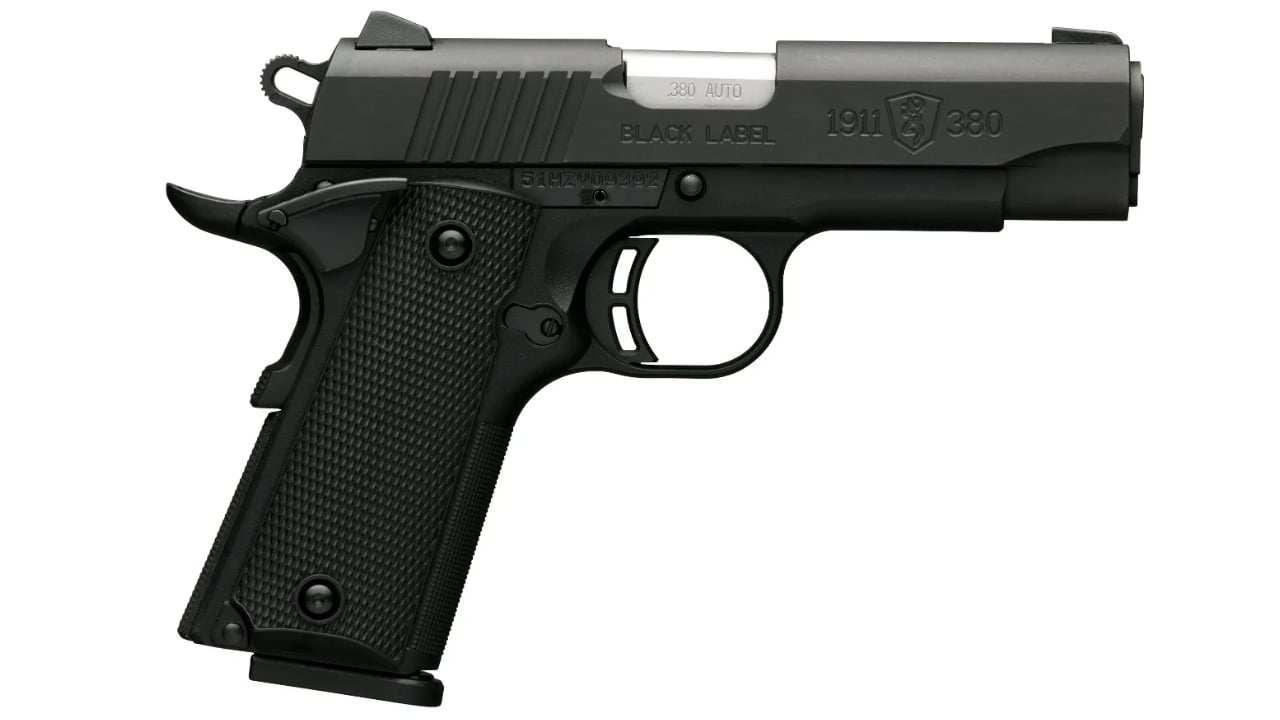
Browning’s 1911-380 tends to disappear between tiny defensive .380s and full-size 1911s. The Black Label Compact is built at roughly 85 percent of full-size 1911 dimensions and uses an eight-round magazine.
That middle size makes it unusually pleasant to shoot compared with many pocket .380s. You get genuine 1911-style controls and a single-action trigger without the weight or recoil of a .45 ACP Government model. It is not the obvious choice if maximum capacity is your only goal, but shooters looking for a mild-recoiling pistol with traditional controls should not dismiss it.
OA Defense 2311 Compact
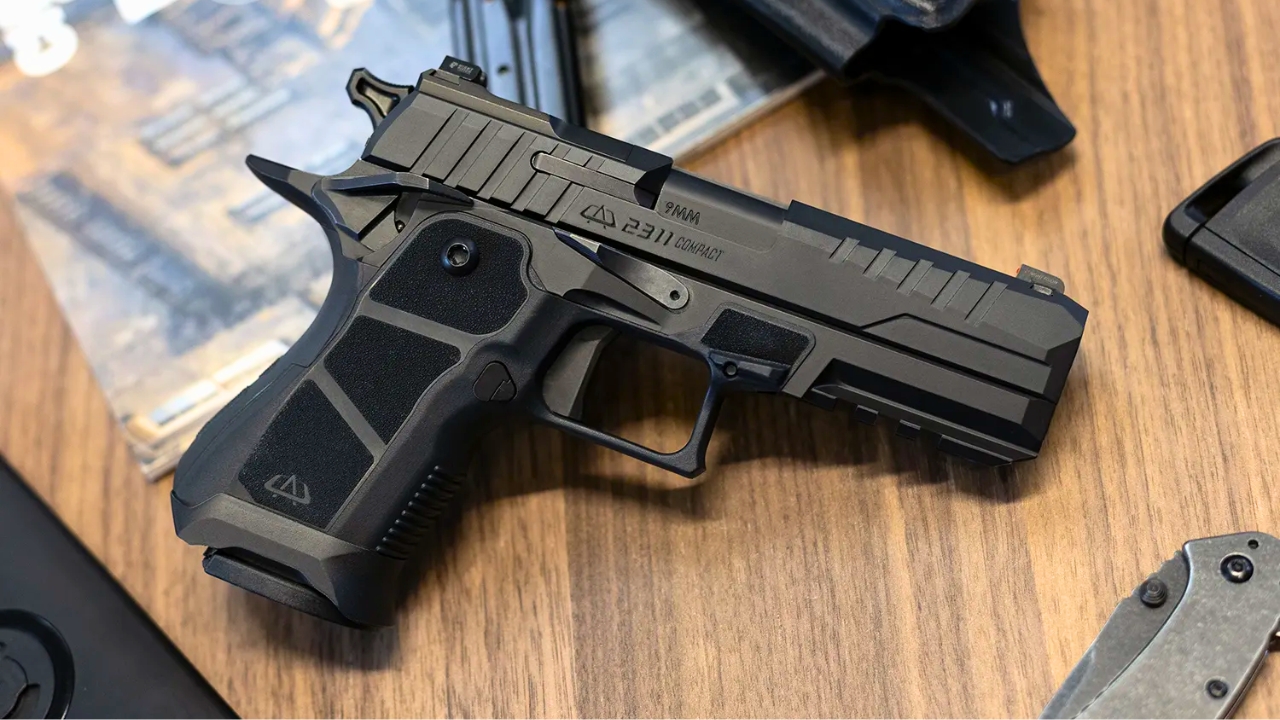
The double-stack 1911 market is packed with Staccatos and increasingly crowded with cheaper competitors, which makes OA Defense easy to miss. The 2311 Compact takes a different approach by using P320-pattern magazines while retaining a 1911-like performance layout. OA lists it with an optics-ready slide, ambidextrous controls, and 15+1 capacity, with larger magazine options available.
Magazine compatibility is a bigger advantage than it sounds because proprietary double-stack 1911 magazines can become expensive quickly. The OA is not cheap, but it brings some genuinely different engineering to a category that often consists of variations on the same basic formula.
Alpha Foxtrot AF1911-S15
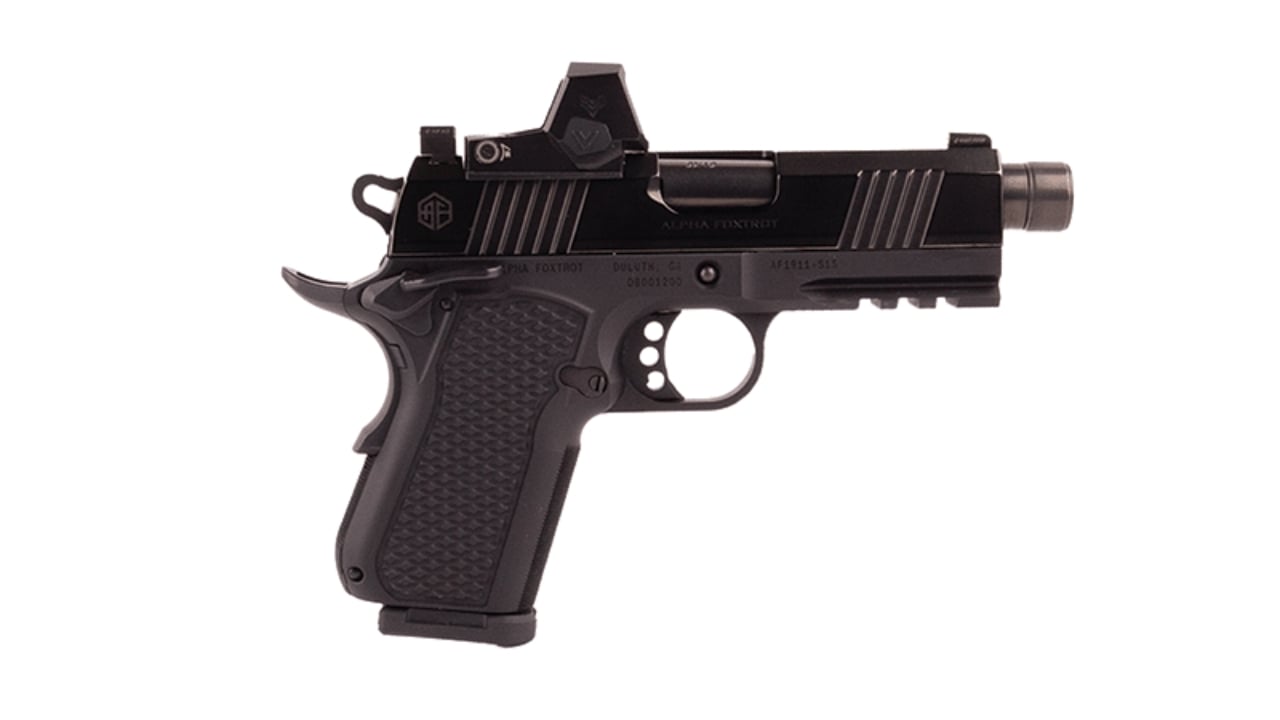
The AF1911-S15 may be one of the least-known carry 1911s in the country. Alpha Foxtrot builds it around the Shield Arms S15 magazine, giving the compact pistol 15+1 capacity while maintaining an unusually thin grip. The company currently lists versions with a 3.5-inch barrel and aluminum frame.
That is an interesting answer for shooters who like 1911 triggers but dislike the bulk of many traditional double-stack frames. The company simply does not have the name recognition of Staccato, Springfield, or Kimber, so the pistol rarely makes mainstream lists. On specifications alone, it deserves far more attention than it gets.
HK45 Compact Tactical
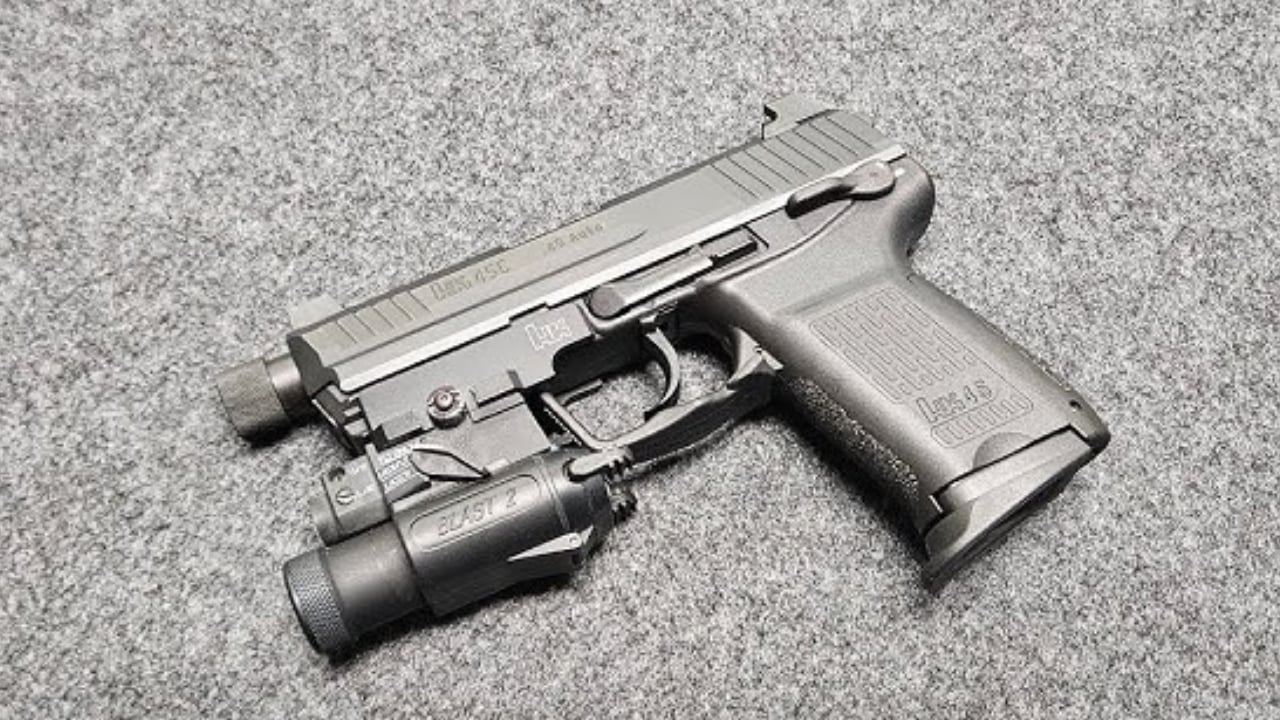
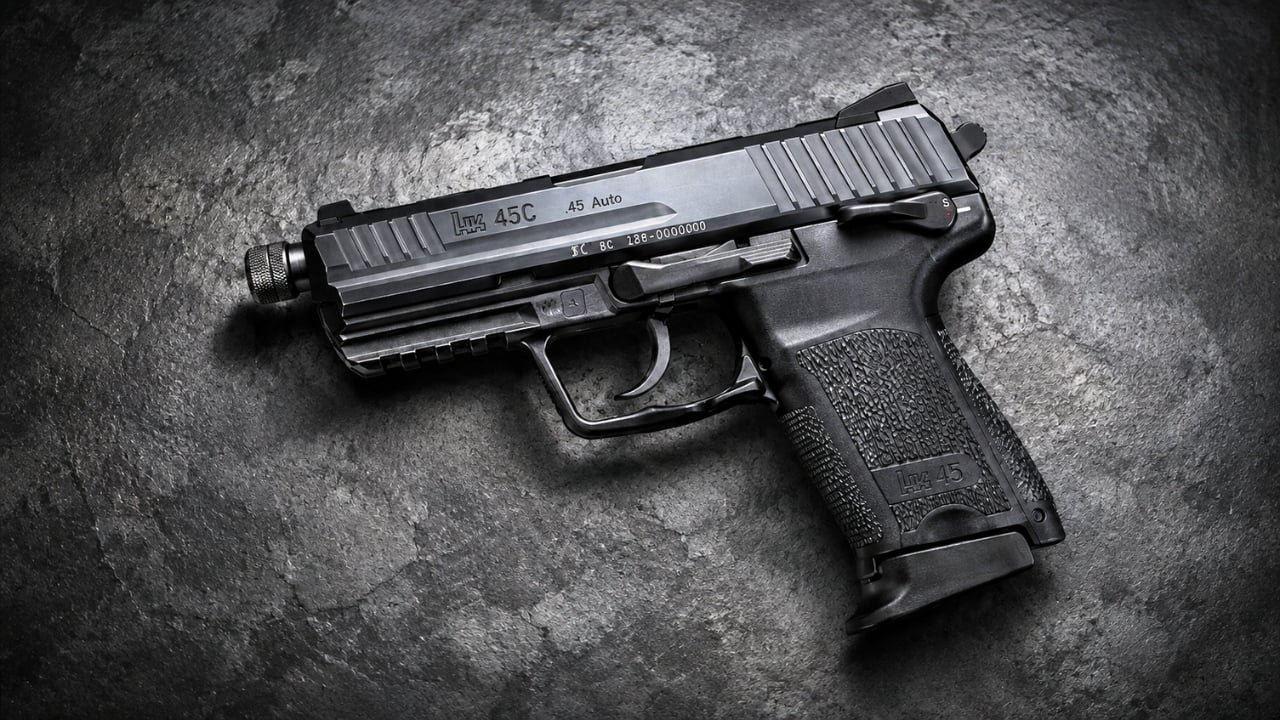
The HK45 Compact Tactical is not new, but it has become almost invisible behind HK’s VP9 family. HK still offers it with a threaded barrel, 10-round magazines, interchangeable backstraps, and either DA/SA or LEM trigger systems.
Ten rounds of .45 ACP is not headline-grabbing capacity anymore, but the pistol offers something increasingly uncommon: a compact hammer-fired .45 built around serious-use durability. If somebody specifically wants a suppressed .45 or simply prefers traditional HK controls, the HK45 CT remains one of the more complete factory packages available.
Beretta 92GTS Centurion
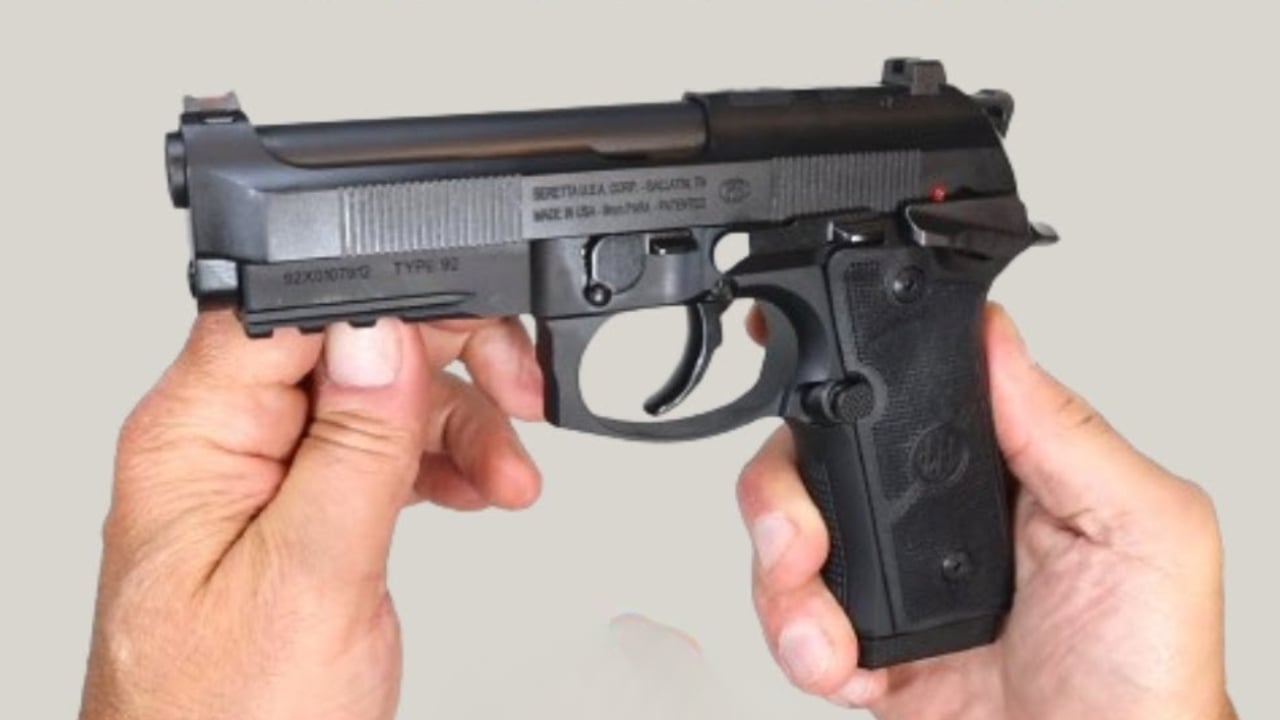
The 92GTS Centurion deserves more attention because it fixes one of the biggest complaints shooters have had about the 92 for decades. Beretta moved the Type G decocker onto the frame and pairs it with a full-size grip and shorter Centurion slide. The current model is also optics-ready.
That arrangement makes the pistol feel considerably more modern without throwing away the smooth-shooting characteristics of the 92 platform. The M9A4 and other 92 variants tend to dominate Beretta discussions, but the GTS Centurion may actually be the configuration that makes the most sense for shooters who want a traditional DA/SA gun with updated controls.
Taurus 58
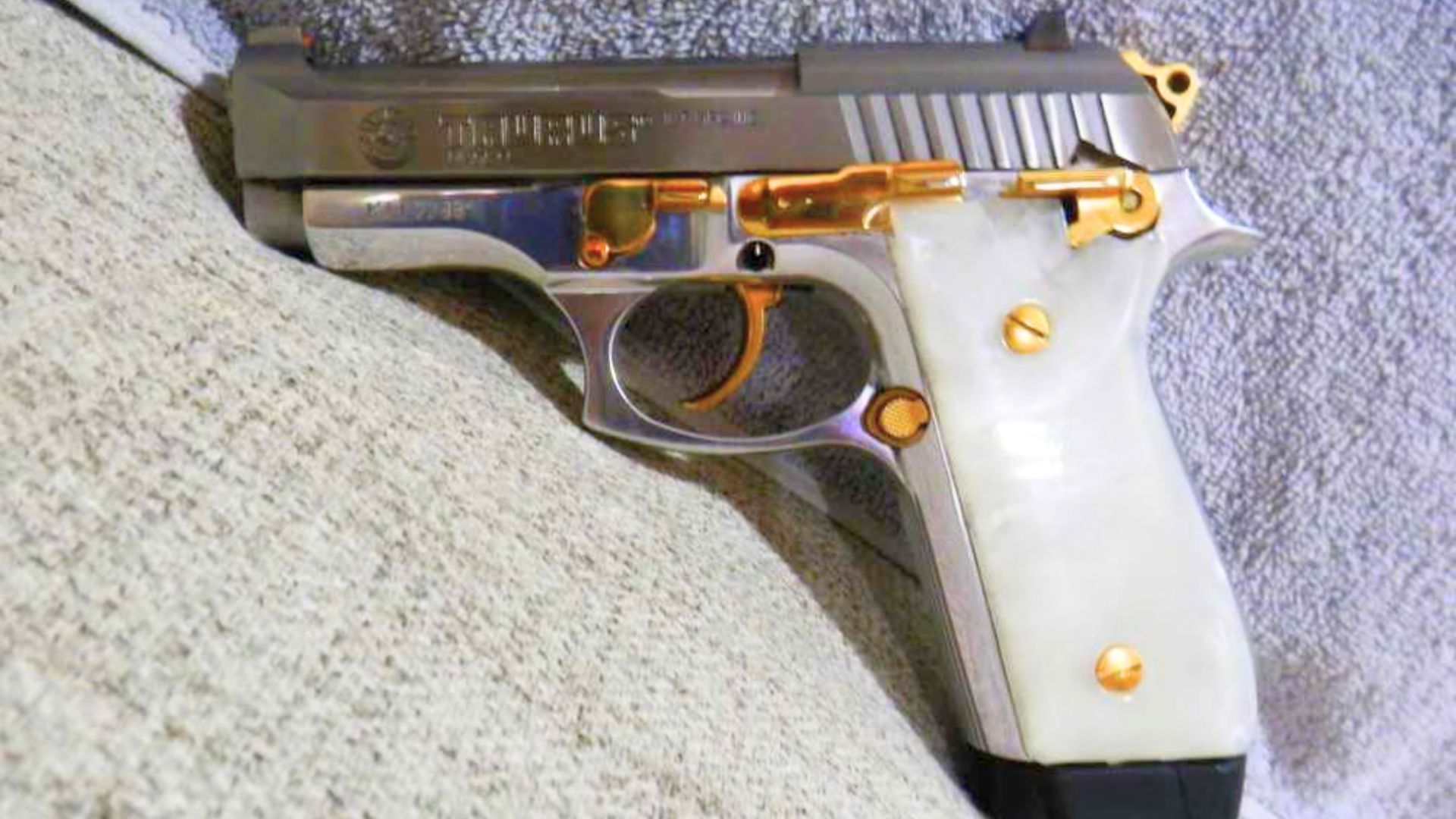
The revived Taurus 58 has slipped under the radar partly because compact metal-framed pistols are no longer the center of the defensive market. Taurus currently positions the new Model 58 as a high-capacity pistol intended for carry and range use.
Its appeal is less about winning a capacity contest and more about providing another hammer-fired option when those choices keep shrinking. Plenty of shooters still prefer the deliberate first double-action pull and exposed hammer of a traditional pistol. The 58 gives them something different without requiring a hunt through the used-gun case.
CZ 75 SP-01
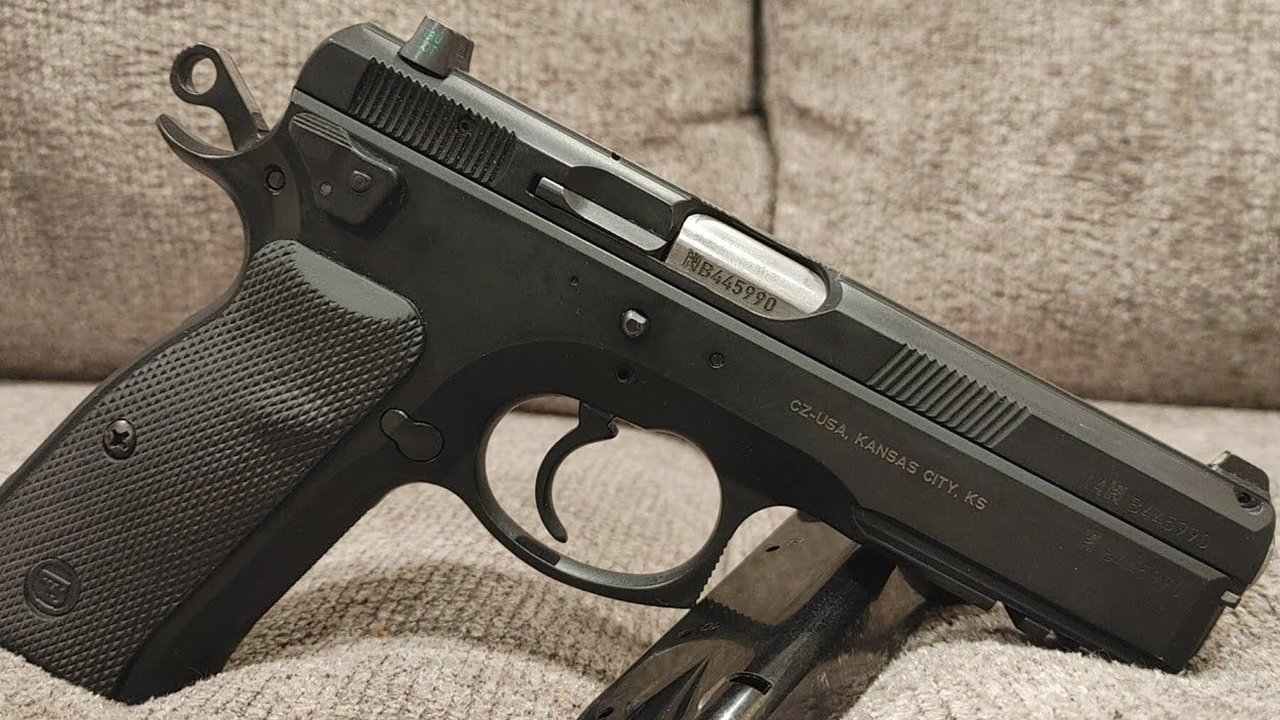
The SP-01 is hardly obscure among dedicated CZ fans, yet it remains strangely absent from many broader discussions about excellent full-size handguns. CZ still sells it as a full-size DA/SA pistol built around the classic 75 design with updated ergonomics and a heavier frame.
That weight is a disadvantage for daily concealed carry and an advantage almost everywhere else. The SP-01 is extremely pleasant during long range sessions, and its low slide profile helps it track smoothly. Shooters constantly spend premium money chasing soft-shooting metal pistols while overlooking a platform that has been providing exactly that experience for years.
HK USP Compact

The USP Compact has survived while dozens of newer service pistols came and went. HK still offers the platform in several centerfire chamberings, and the compact version retains the basic operating system that built the full-size USP’s reputation.
What makes it overlooked is age rather than capability. The controls, trigger, and capacity do not look modern on a specification sheet, but the pistol offers a level of durability and mechanical simplicity that still appeals to people who value long-term ownership. It is expensive, but if you specifically want a compact hammer-fired HK, it remains difficult to replace.
Kimber CDS9
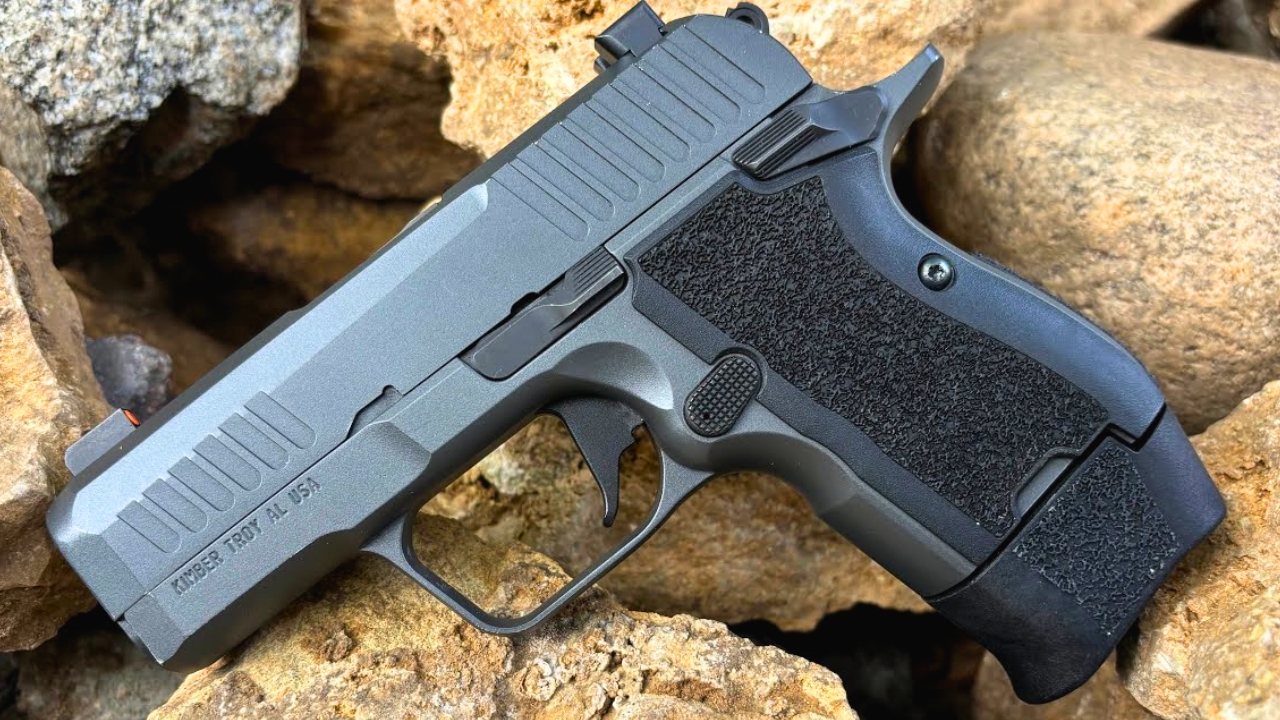
Kimber’s CDS9 is easy to miss because the company has introduced several different high-capacity pistols in a relatively short period. The CDS9 is a micro-compact double-stack design offered with 13- and 15-round magazines, and current versions include optics-ready configurations.
What makes it interesting is that Kimber is trying to deliver a 1911-influenced shooting experience without building another oversized competition-oriented double stack. The gun remains compact enough for actual carry while giving buyers more capacity than older miniature 1911-style pistols. It has not developed the following of the established micro-compacts yet, but it deserves to be evaluated on its own merits.
Like The Avid Outdoorsman’s content? Be sure to follow us.
Here’s more from us: