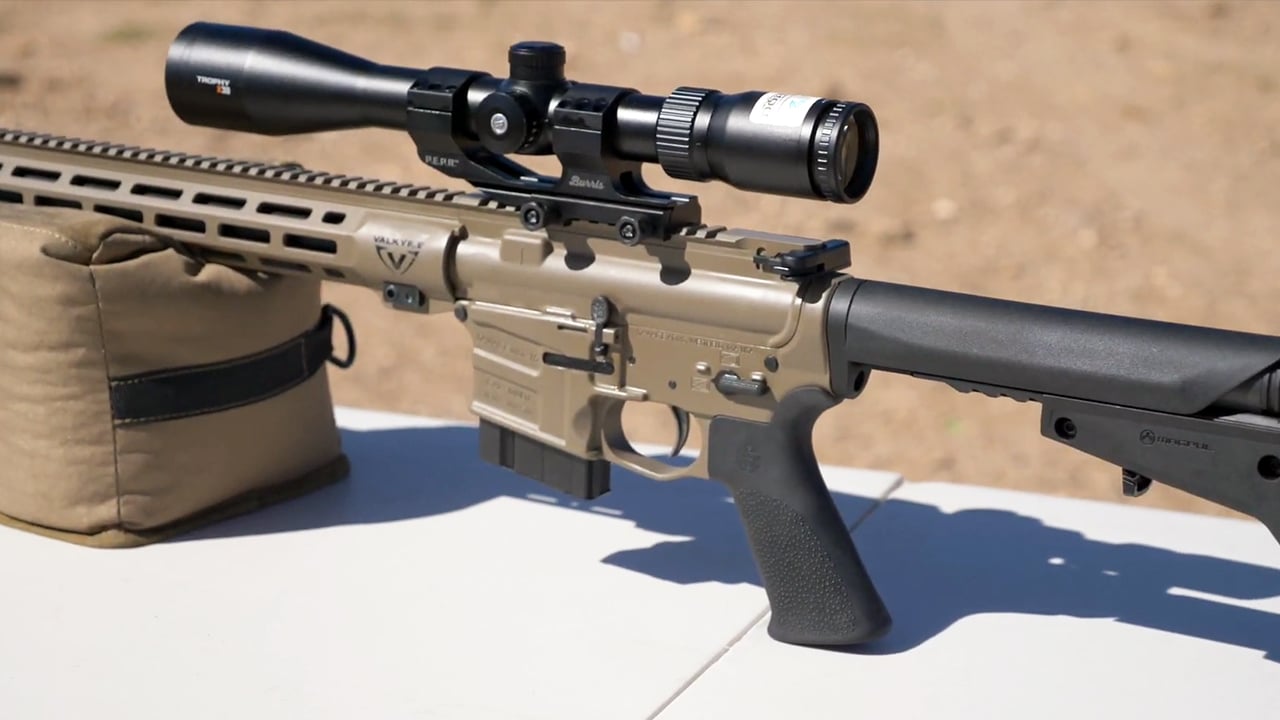
Photo credit: 224 Valkyrie/Youtube
Ten years ago, a handful of rifle rounds felt like they were taking over everything. You saw them in every new rifle line, every ammo ad, every “do-all” conversation at the range. Fast-forward to now and a lot of those same cartridges are still around, but the argument they used to win has gotten weaker. Sometimes it is because better cartridges showed up. Sometimes it is because the old standbys never really left. And sometimes it is because real-world stuff—ammo cost, barrel life, recoil, magazine quirks, and what actually happens on a cold hunt—matters more than internet charts.
Here are 20 cartridges that had a lot of momentum a decade back, but have quietly given up ground.
1. .224 Valkyrie
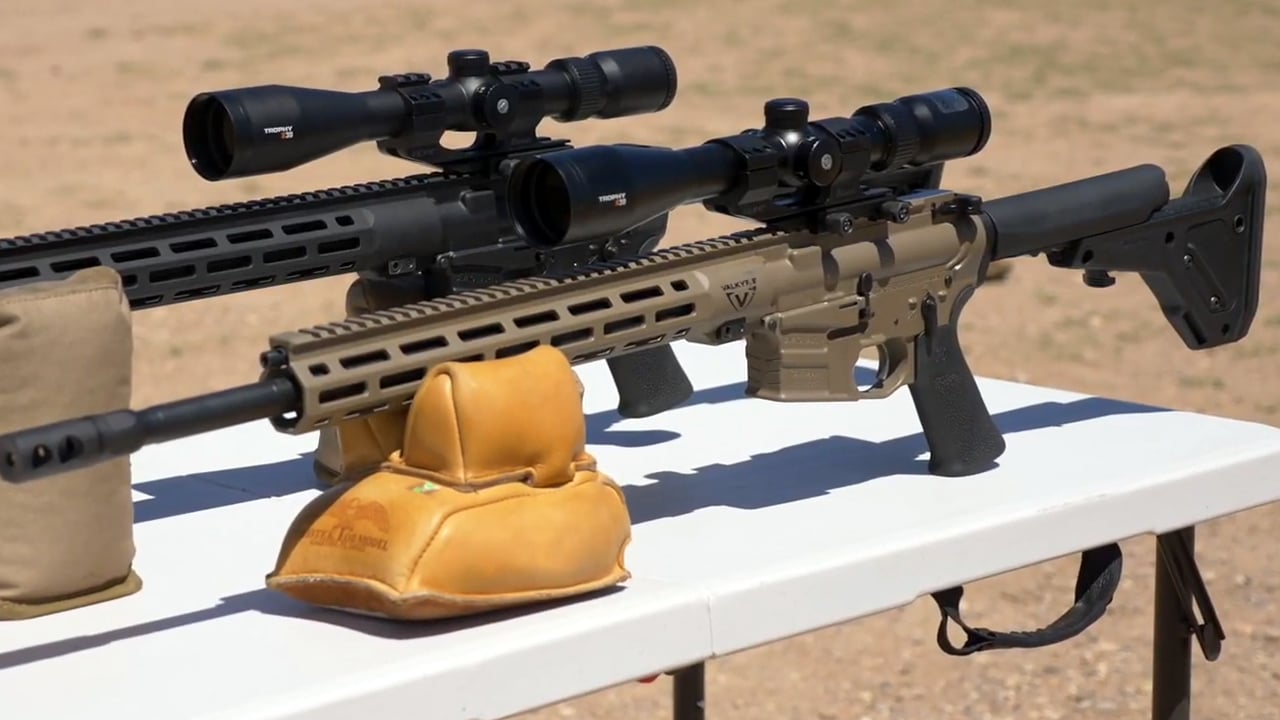
When .224 Valkyrie hit, the pitch was simple: stretch the AR-15 to “real” distance without the recoil of a bigger gun. On paper, it looked like a 1,000-yard cheat code. In real life, it ran into two problems fast—ammo consistency and expectations. The early loads didn’t always match the hype, and a lot of shooters realized quickly that wind doesn’t care what the headstamp says.
It’s also a cartridge that asks you to be picky. Twist rate, bullet selection, magazine length, and load availability matter more than they should for a “mainstream” round. Meanwhile, 6mm ARC and good old 5.56 with the right bullets grabbed the practical crowd. The Valkyrie still works, but it stopped being the obvious choice.
2. 6.8 SPC
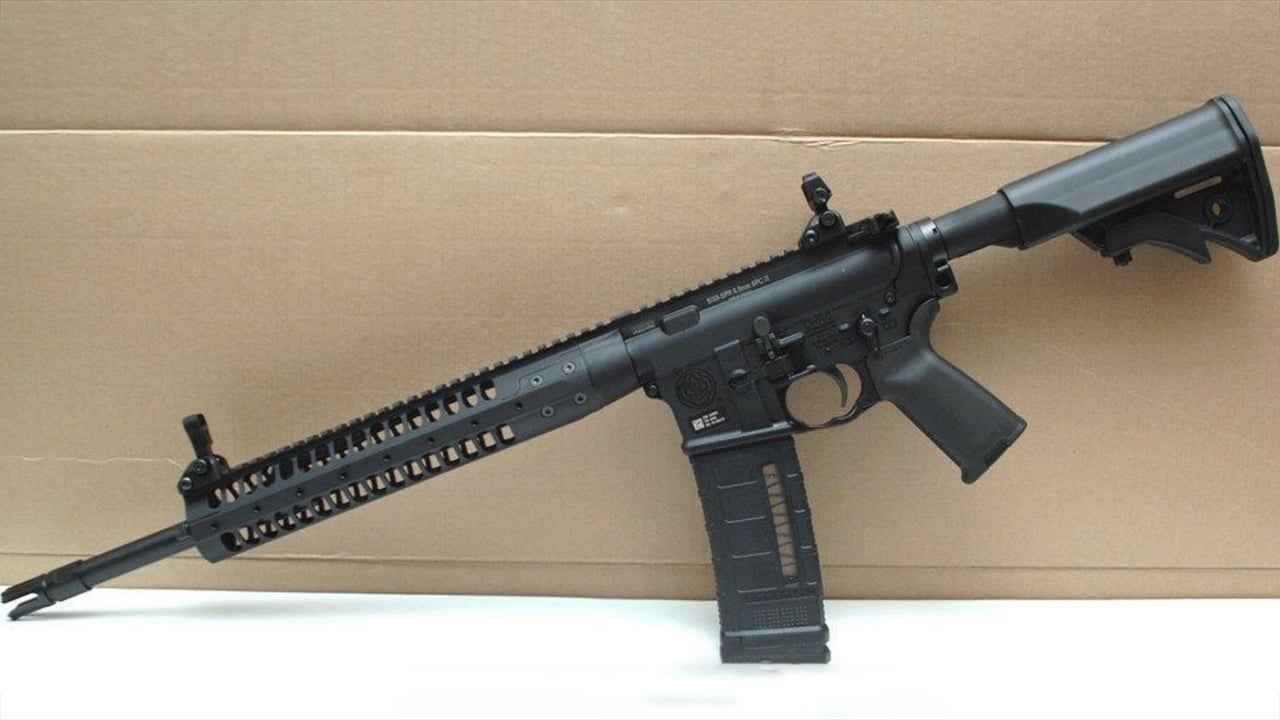
6.8 SPC had a real moment. For a while it felt like the answer for hunters who wanted more punch than 5.56 out of an AR without moving up to the AR-10. Inside 300 yards on hogs and deer, it absolutely does the job, and it does it with manners—nice recoil, handy rifles, good terminal performance.
The problem is the market moved around it. .300 Blackout took over the “short and handy” niche, and 6.5 Grendel became the better distance option for a lot of folks. If you don’t already have 6.8 SPC mags and a stash of ammo, it’s hard to justify starting now. It didn’t become bad; it just stopped being the default recommendation.
3. .300 AAC Blackout

This one will ruffle feathers, but hear me out. .300 Blackout won a ton of arguments because it solved a specific problem: run .30-cal bullets in an AR-15 platform efficiently, especially in short barrels. For close-range hunting and general knocking-around use, it’s still handy. It feeds well, it hits harder than 5.56 up close, and it’s easy to shoot.
Where it lost ground is the “do-it-all” claim. Past 200 yards, trajectory gets real honest. Ammo cost can be painful compared to 5.56, and the hunting bullet selection people actually trust isn’t always on every shelf. More folks are also realizing that if you want reach, you want something else, and if you want cheap practice, you definitely want something else. Great niche round. Not the king of everything.
4. 6.5 Creedmoor
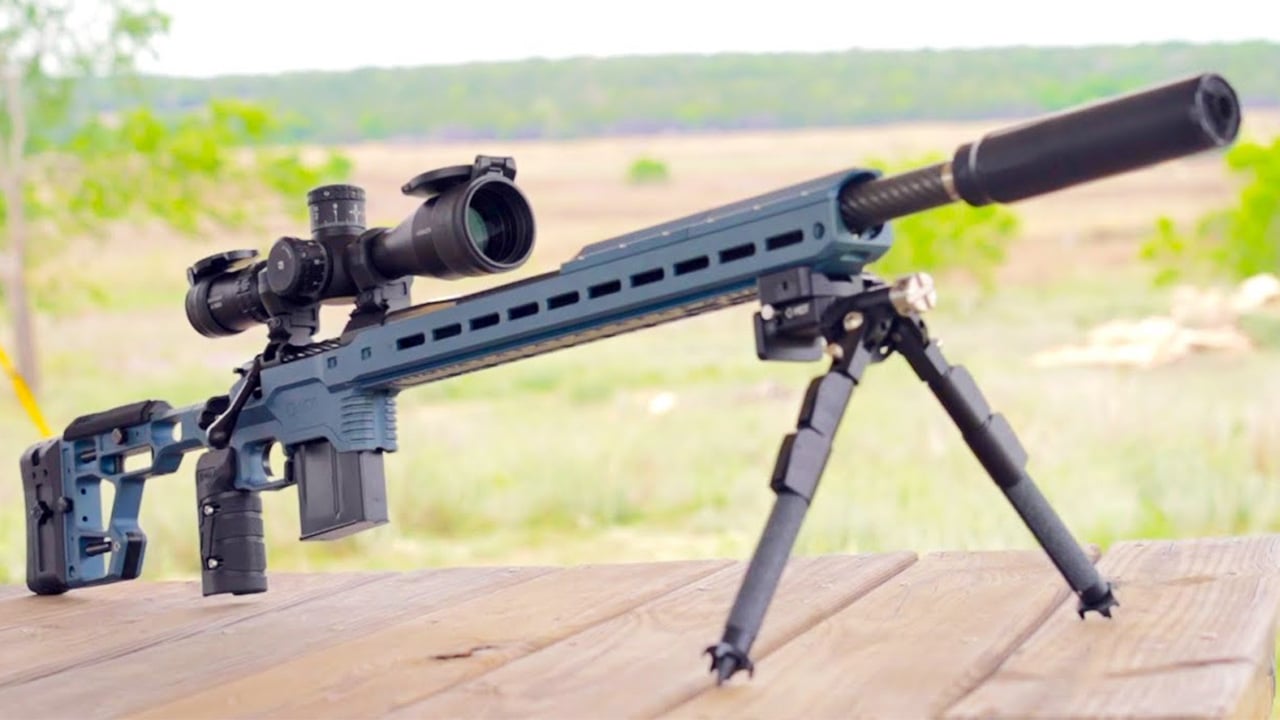
Ten years ago, 6.5 Creedmoor was eating everybody’s lunch. It was flat, mild, accurate, and it made average shooters look better than they were. It still does. But the argument it was winning—“best all-around short-action for everything”—is not as clean as it used to be.
For hunting, a lot of folks came back around to .308 because it’s everywhere, does not require a long conversation about bullet choice, and it kills deer just as dead at normal ranges. On the target side, 6mm cartridges (and now 6.5 PRC and 7 PRC for the long stuff) stole some thunder. Creedmoor is still a great cartridge. It just isn’t the automatic mic-drop it felt like for a while.
5. 6mm Creedmoor

6mm Creedmoor showed up as the hotter, flatter little sibling that competition shooters loved. It’s accurate, it bucks wind well for its size, and it makes it easy to spot your own impacts. If you live on a range and you keep good notes, it’s a sweet setup.
The quiet downside is barrel life and the “high maintenance” vibe for regular hunters. It’s not that you’ll burn out a barrel in a weekend, but it’s also not a cartridge you ignore for years and expect it to be cheap and simple. Ammo availability can be spotty depending on where you live, and plenty of folks realized they didn’t need it for deer season. It’s a specialist’s cartridge masquerading as a general-purpose one.
6. .338 Lapua Magnum
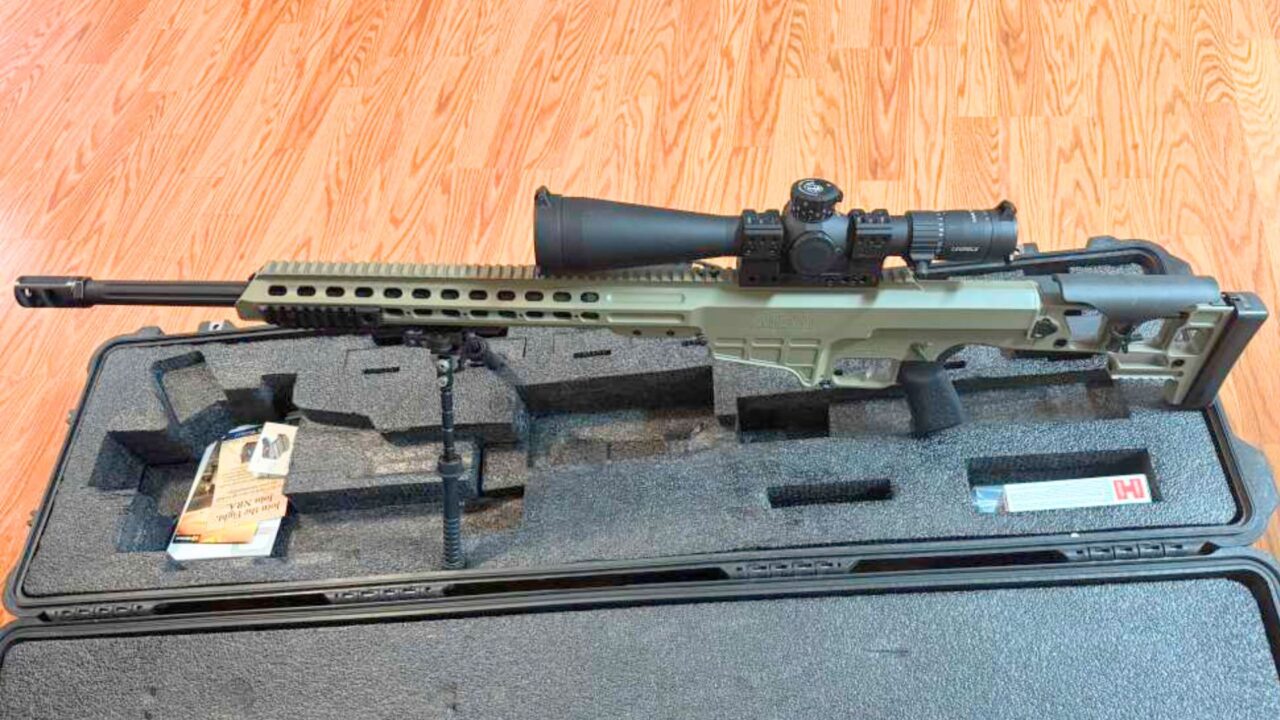
There was a stretch where everybody wanted a .338 Lapua, even if the farthest shot on their home range was 400 yards. The cartridge is legit. It carries energy, handles wind, and it made long-range shooting feel like something you could buy your way into with enough rifle and optic.
Then reality showed up with a receipt. Ammo is expensive, rifles are heavy, recoil wears you down, and most shooters don’t have a place to use it. On top of that, newer cartridges like .300 PRC cover a lot of what folks actually want with less punishment. The Lapua didn’t get worse. The average shooter just got more honest about what they’ll really do with it.
7. .300 Remington Ultra Magnum (RUM)
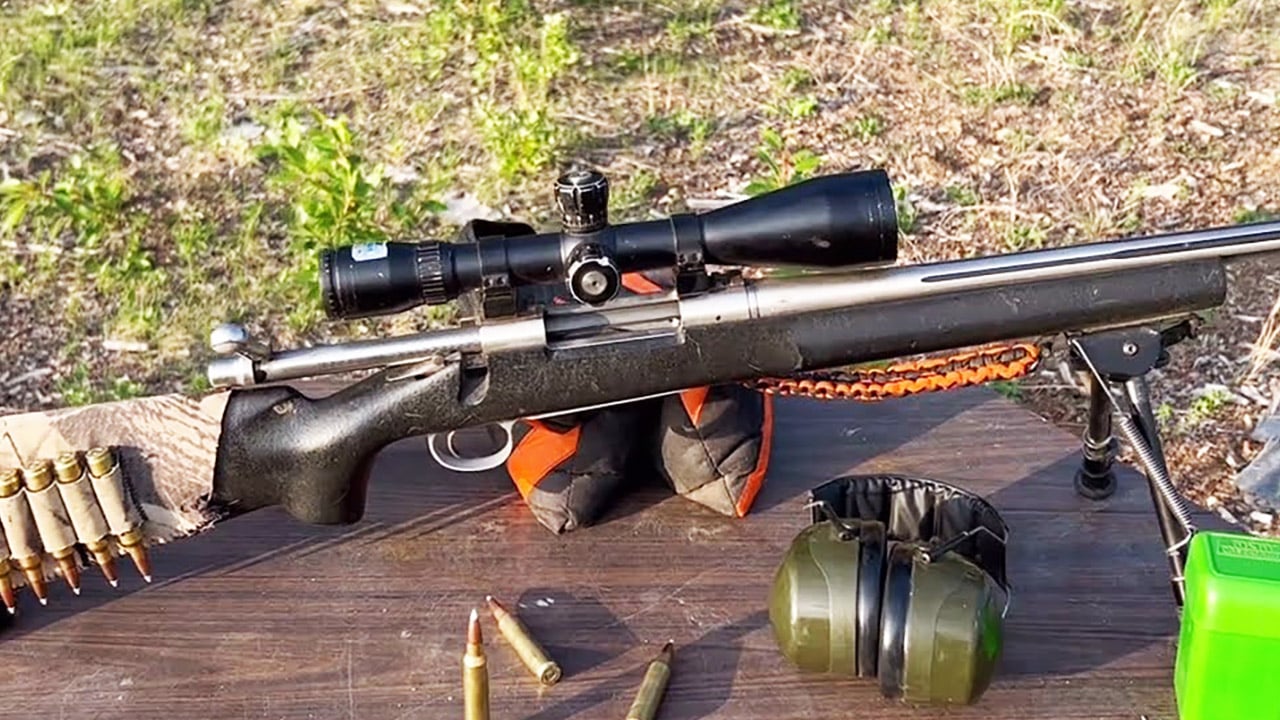
.300 RUM was built for raw speed and heavy bullets, and it delivers. If you want to drive a .30-cal projectile hard and you don’t care about noise, blast, or recoil, it’s there for you. For a while, it held the “fastest .30” bragging rights in a lot of camps.
But over time, the cartridge’s costs stack up. Barrel life is not its strong suit, rifles tend to be long and heavy, and it’s easy to develop a flinch if you don’t stay on top of your shooting. More importantly, .300 PRC and even good .300 Win Mag loads cover most hunting needs with less drama. RUM still belongs in some safes. It just stopped being the smart answer for most hunters.
8. .270 WSM
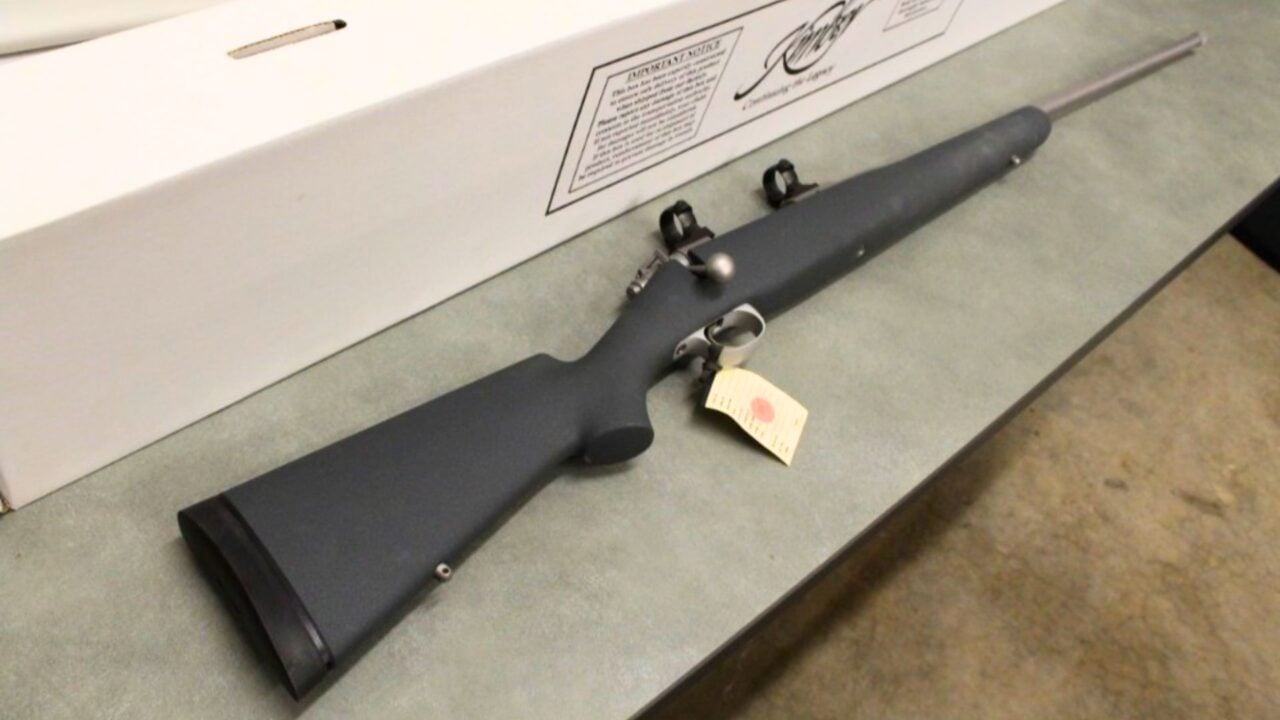
.270 WSM was supposed to modernize the classic .270 by stuffing more speed into a short action. It worked, but it never really solved a problem most hunters were actually struggling with. A standard .270 Win already shoots flat enough for the shots most folks should be taking.
The bigger issue is ammo. When shelves get thin, the “W” cartridges are the first ones you stop seeing. Even when ammo is available, it’s often pricier and the selection can be narrow. The short, fat case concept is cool, but it didn’t bring enough day-to-day advantage to keep the momentum. For the hunter who already owns one and feeds it, it’s fine. For a new buyer, it’s usually a pass.
9. .300 WSM
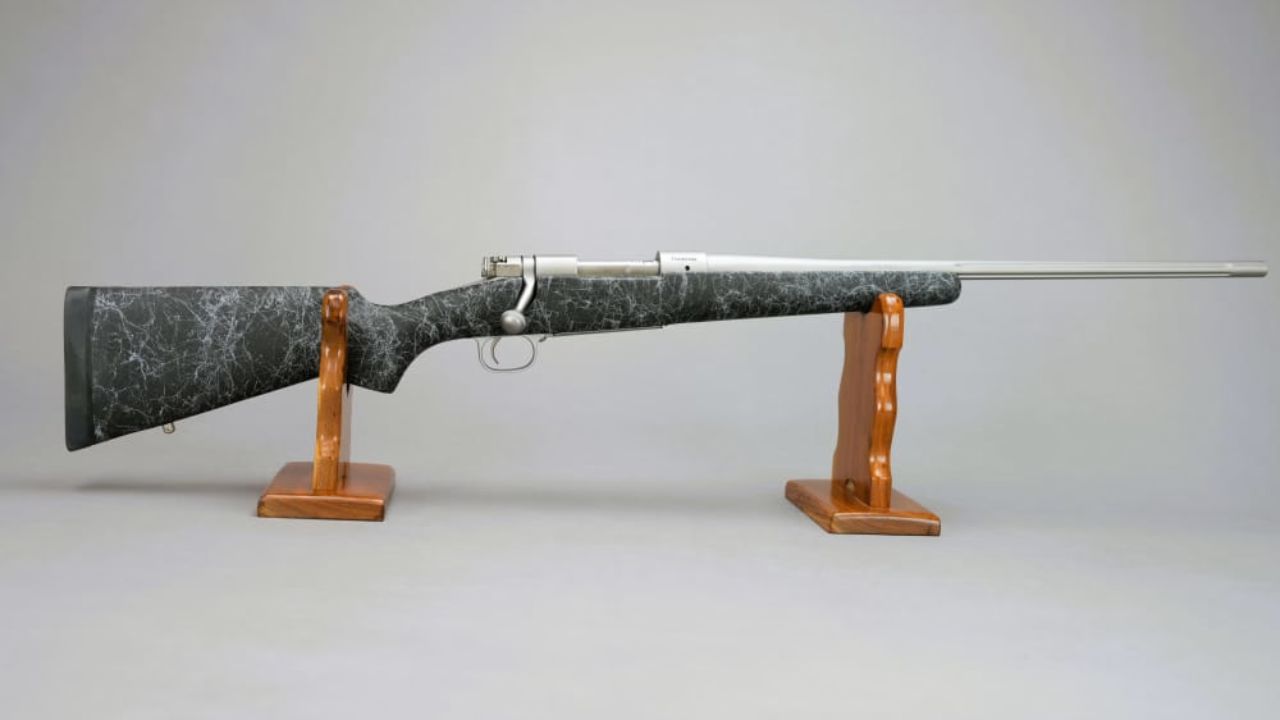
.300 WSM had a stronger case than .270 WSM because .30-cal bullets give you options—elk, moose, bear, you name it. It can run with .300 Win Mag in a handier rifle, and plenty of them shoot lights-out. For a while, it felt like the “modern” .300 to own.
What changed is the market got crowded. You can get a lighter .300 Win Mag now without hauling a fence post, and ammo is generally easier to find in more places. The WSM still suffers the same supply issue when inventory dries up. And if you’re stepping into magnum recoil anyway, a lot of hunters decide to just go with the common choice and be done with it. The WSM is not dead. It’s just no longer inevitable.
10. 7mm WSM

7mm WSM had a cult following for good reason. It’s a flat shooter, it carries energy well, and it can be an absolute hammer with the right bullet. For western hunters who actually practice, it’s a serious tool. The problem is you’re marrying into a cartridge that doesn’t have a lot of backup support at the average sporting goods counter.
In the last decade, 7mm cartridges got a reset. 7mm PRC showed up with modern chamber specs and strong manufacturer backing, and 7mm Rem Mag never went anywhere. That makes 7mm WSM feel like the middle child: effective, but harder to feed and less common in new rifle racks. If you’ve got one that shoots, I get why you’d keep it. Starting from scratch is the tougher sell.
11. .325 WSM

.325 WSM was one of those cartridges that always sounded cooler than it looked in a real hunting plan. It hits hard, no doubt, and it gives you a bigger frontal diameter than the typical 7mm/.30 crowd. The idea was a short-action thumper for elk and big game.
But the .323 bullet world in North America is just not as deep as .308 or 7mm. Bullet selection, factory load variety, and general availability never made it easy. When you can buy a .300 Win Mag anywhere, or step into a .338 Win Mag with broader support, the .325 WSM feels like work. It’s not a bad round. It’s just a lonely one.
12. .204 Ruger
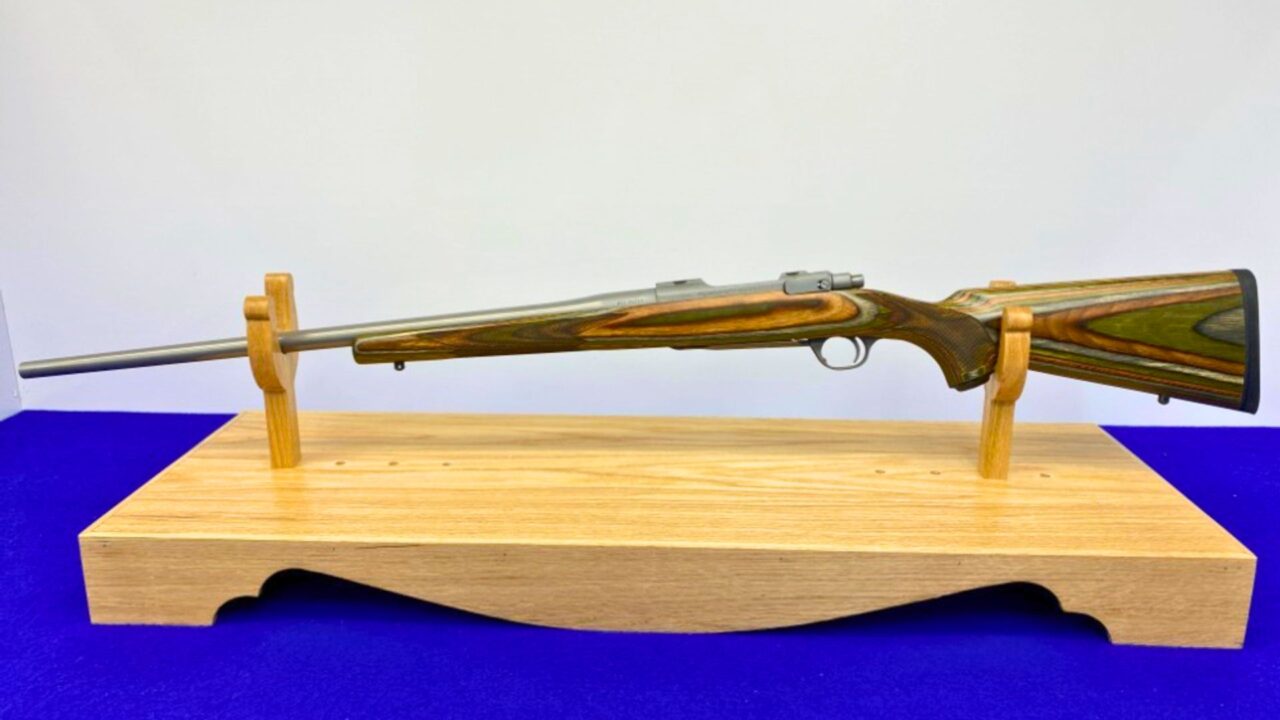
.204 Ruger had a stretch where predator and varmint guys treated it like the future. It’s fast, flat, low recoil, and it can be scary accurate. Watching hits through the scope is easy, and for a guy who lives for long shots on small targets, that matters.
Where it lost the argument is practicality and component support compared to .223. .223 is cheaper, more available, and good enough for most calling setups. The .204 can also be picky in the wind because you’re often throwing light bullets at high speed. It works, but it’s not as forgiving as many hoped. The cartridge didn’t fail. It just settled into being a specialty tool instead of everybody’s next varmint rifle.
13. .17 Hornady Magnum Rimfire (HMR)
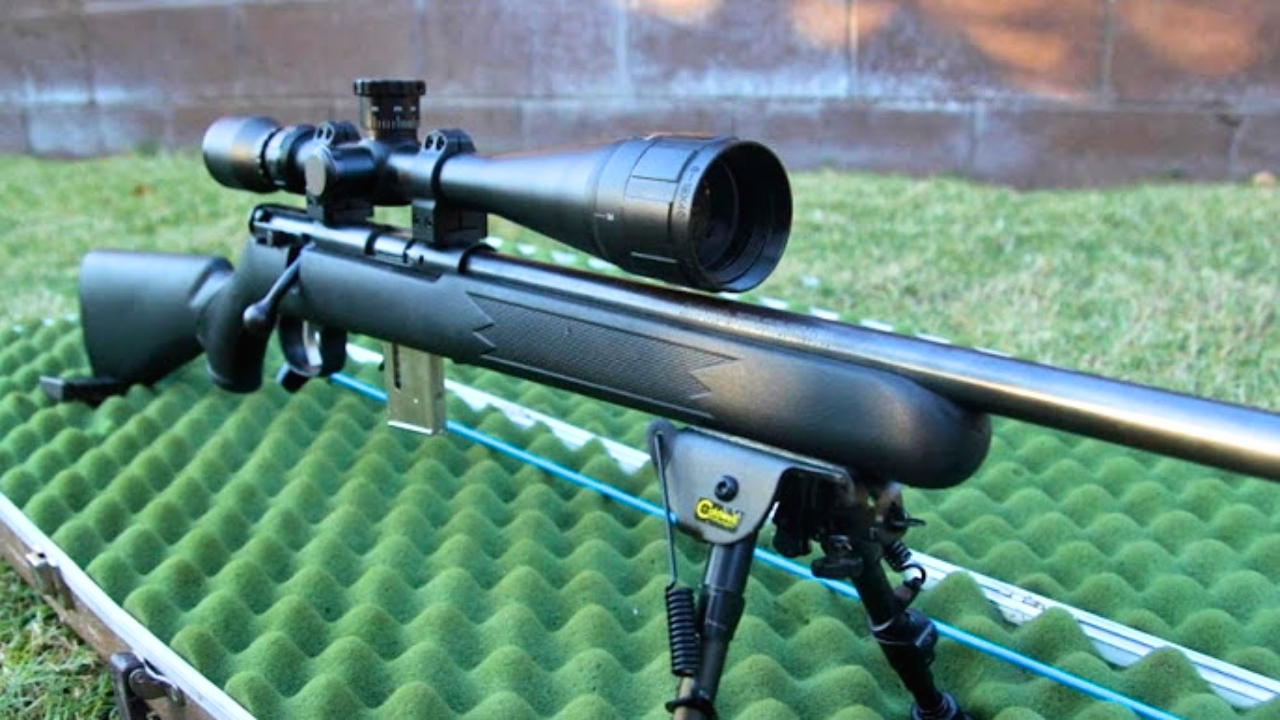
.17 HMR felt like magic when it became common. Laser-flat for a rimfire, accurate, and fun. On calm days, it will make you look like a better shot than you are. For small game and varmints, it’s a blast, and it extends rimfire range in a way .22 LR never will.
But “winning the argument” would have meant becoming the default rimfire for everyone, and that never happened. Ammo cost is higher than .22 LR, and it’s not always stocked in small-town stores. In real hunting conditions, wind drift is the deal-breaker more often than people admit. A .22 Mag is more forgiving up close, and .22 LR remains the cheap practice king. .17 HMR is still worth owning. It just didn’t replace the classics.
14. .17 Hornady Mach 2 (HM2)
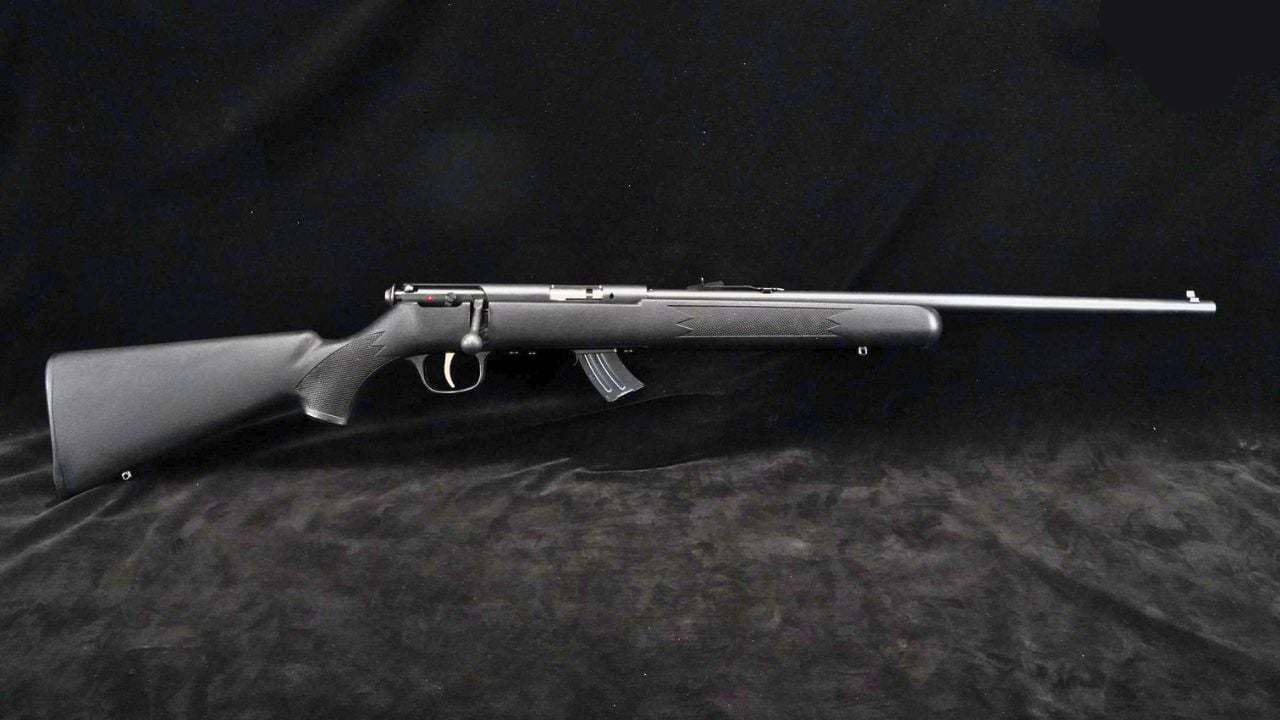
.17 Mach 2 was supposed to be the easy-button rimfire speed upgrade: flatter than .22 LR, less expensive and less loud than the HMR, and perfect for squirrels and paper. The problem is it never got enough traction to stay “normal.” You still see rifles chambered for it, but it’s not common to find three brands of ammo sitting on the shelf.
That scarcity is what kills cartridges quietly. If you’re the guy with a couple bricks tucked away, you’re fine. If you’re trying to keep a kid’s rifle fed year after year, it becomes annoying. Performance-wise, it’s a neat round, but it lives in that awkward space where it’s not cheap enough to replace .22 LR and not common enough to be a sure thing like .17 HMR. Great idea. Limited ecosystem.
15. .45 Raptor

.45 Raptor had a lot of big talk around it: a .45-cal powerhouse that could run in an AR-style platform with the right setup, promising hammer-like performance on hogs and big game. It’s real, and it hits hard. It also appeals to the part of us that likes a simple answer: bigger hole, bigger thump.
But “cool” doesn’t always equal “common.” Ammo isn’t everywhere, and the rifles and parts are not as mainstream as the cartridges that have broad factory support. Plenty of hunters found that a good .450 Bushmaster or .458 SOCOM (or even a lever gun) covers the same woods-hunting reality with easier logistics. The Raptor is for the guy who wants something different and is willing to plan ahead. Most hunters want to buy ammo on the way to camp and not think about it.
16. .450 Bushmaster
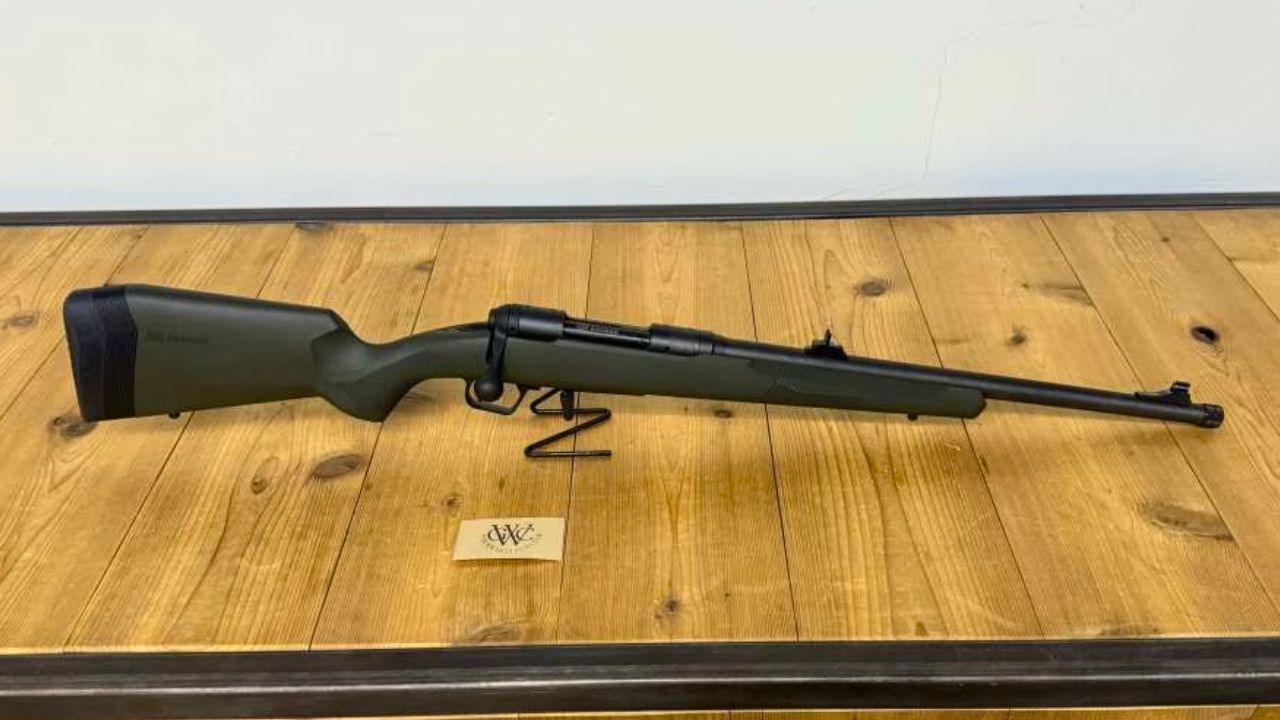
For a few years, .450 Bushmaster felt like the straight-wall king. In states with straight-wall rules, it gave hunters a legit 200-yard deer cartridge in a handy rifle. It also hits like a sledgehammer up close, and blood trails tend to be the easy kind when you do your part.
The shift came as more options showed up and as people got tired of the recoil and ammo cost. .350 Legend is easier to shoot and often cheaper to feed, which matters when you’re trying to get a new hunter behind the gun without developing bad habits. .450 still has more thump, no question. But the “best for everyone” claim faded once folks started shooting a box or two from the bench and realized how much they were paying—both in dollars and in shoulder abuse.
17. .458 SOCOM

.458 SOCOM remains one of the coolest “big bore AR” cartridges, and it deserves respect for doing what it does in a relatively compact platform. With the right load, it can be a serious close-range hunting round. It also has that heavy, slow-bullet feel that makes some hunters smile every time they work the action.
The reason it lost momentum is simple: it’s not a casual cartridge. Ammo isn’t cheap, availability isn’t consistent, and most shooters don’t have a real reason for it besides wanting it. That’s not a sin—I’ve bought guns for less practical reasons than that. But the market has leaned toward stuff with broader support, and .300 Blackout and .350 Legend cover a lot more day-to-day use. SOCOM is still a hammer. It’s just not the hammer most folks need.
18. .357 Maximum
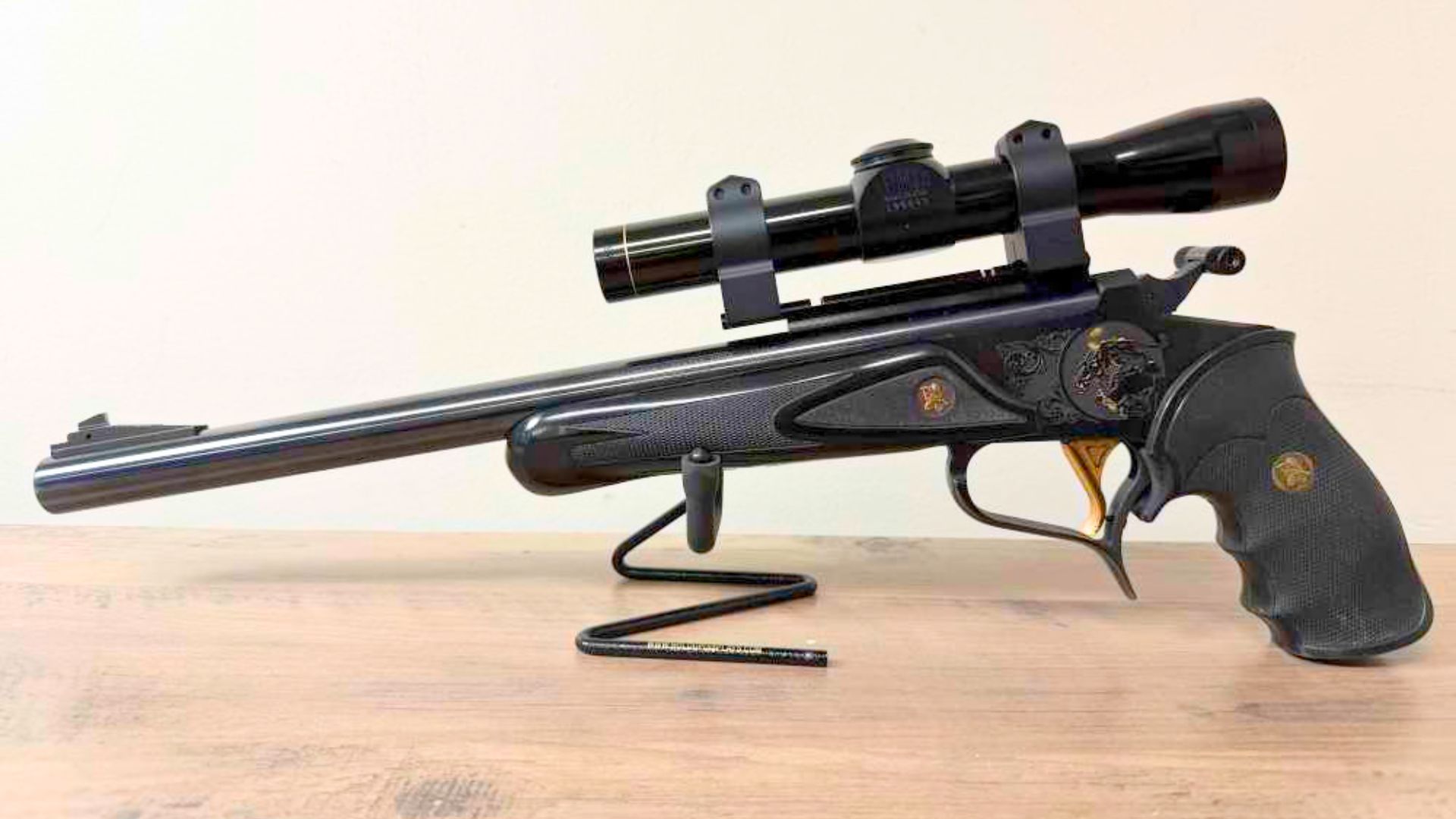
.357 Maximum has always been a handloader’s kind of cartridge, and for a while it looked like it might get a bigger second life. In the right rifle, it can be a sweet deer round—mild recoil, good performance, and it carries better than most people expect for a straight-wall-ish style cartridge.
But it lives in a weird availability hole. Factory ammo is not something you count on finding during a last-minute pre-season stop. Rifle choices are also limited compared to the newer straight-wall darlings. Meanwhile, .350 Legend grabbed the mass market, and .357 Mag lever guns remain the simple, popular alternative. The Maximum isn’t bad; it’s just not supported in a way that helps the average hunter. If you already have the setup and know the cartridge, it’s a keeper. Otherwise, it’s a hard “start here” recommendation.
19. 7mm Remington Short Action Ultra Magnum (7mm SAUM)

7mm SAUM has a loyal following in the precision and custom rifle world because it does a lot of things right. Efficient case, great bullets available, and serious performance with the right barrel. For a while, it looked like the short-action magnum that would finally become mainstream.
It never really made that leap, and the reason is boring: factory support and shelf presence. If you’re running a custom build and you’re comfortable ordering ammo (or loading your own), it’s fine. If you’re a regular hunter who wants to grab a couple boxes and not think about it, it’s not. On top of that, newer “supported” cartridges showed up with more rifle options and better availability. SAUM remains excellent in the right hands. It just didn’t become the everyman 7mm solution.
20. .243 Winchester Super Short Magnum (.243 WSSM)
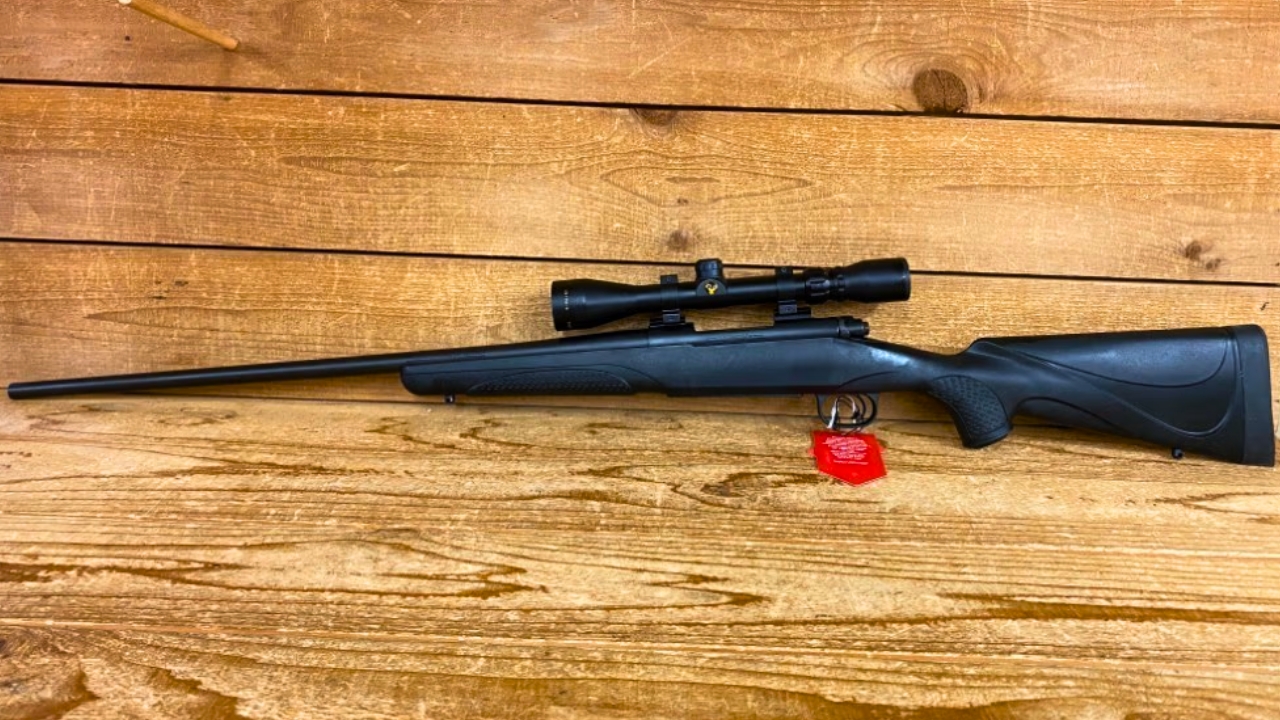
.243 WSSM was a rocket ship idea—short, fat case, big velocity, and flat shooting in a compact package. When it worked, it really worked. It was the kind of cartridge that made you want to build a light rifle and go chase coyotes or antelope.
The trouble is it’s one of those rounds that depends on an ecosystem that just isn’t there anymore. Rifles aren’t common, ammo is not something you trust to be in stock, and the advantages aren’t big enough to justify the hassle when .243 Win, 6mm Creedmoor, and other modern 6mms exist with way better support. The WSSM family is a reminder that speed alone doesn’t keep a cartridge alive. Convenience does. And when hunting season is closing in, convenience wins arguments fast.
None of these cartridges are “junk.” Plenty of them are flat-out effective, and some are still favorites for good reasons. The difference now is that we’ve all watched enough trends come and go to value boring reliability and easy ammo more than clever marketing. If your rifle shoots one of these well and you can feed it, keep hunting with it. Just don’t be surprised when the gun counter conversation has moved on.
Like The Avid Outdoorsman’s content? Subscribe to our newsletter so you never miss an article.
Here’s more from us: